Argentina
My most recent visits to Argentina were during our extended honeymoon.We visited Argentina a few times. We arrived in Buenos Aires and then spent a few days in Uruguay before going back to Buenos Aires and around the country. We also crossed in to Chile, then crossed back in to Argentina further south. After visiting Bolivia, Peru and Chile (again), we then made our way across Argentina and to Buenos Aires before heading home at the end of our journey.We landed in Buenos Aires and did much of the standard sight seeing in the first few days there.
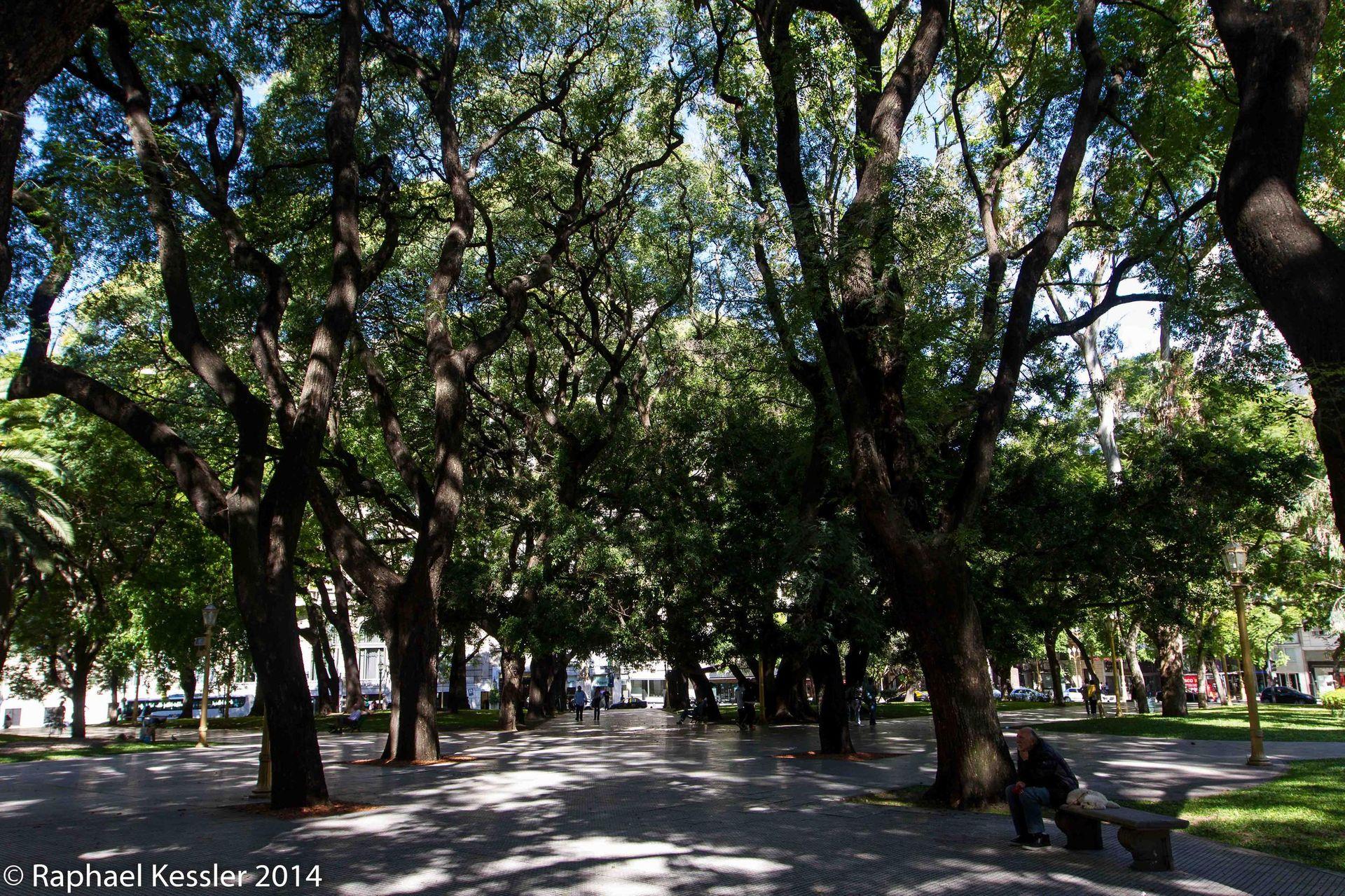
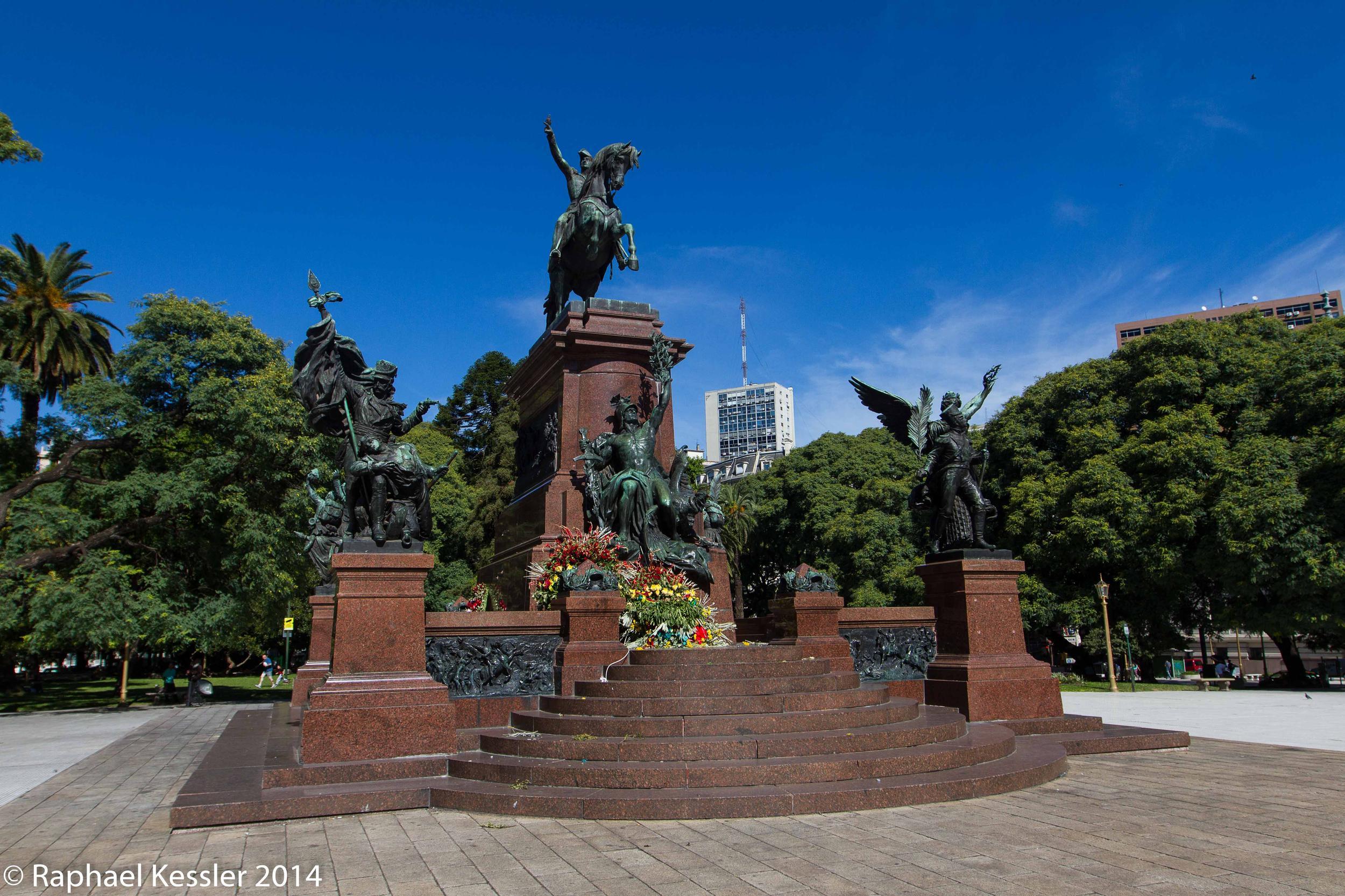





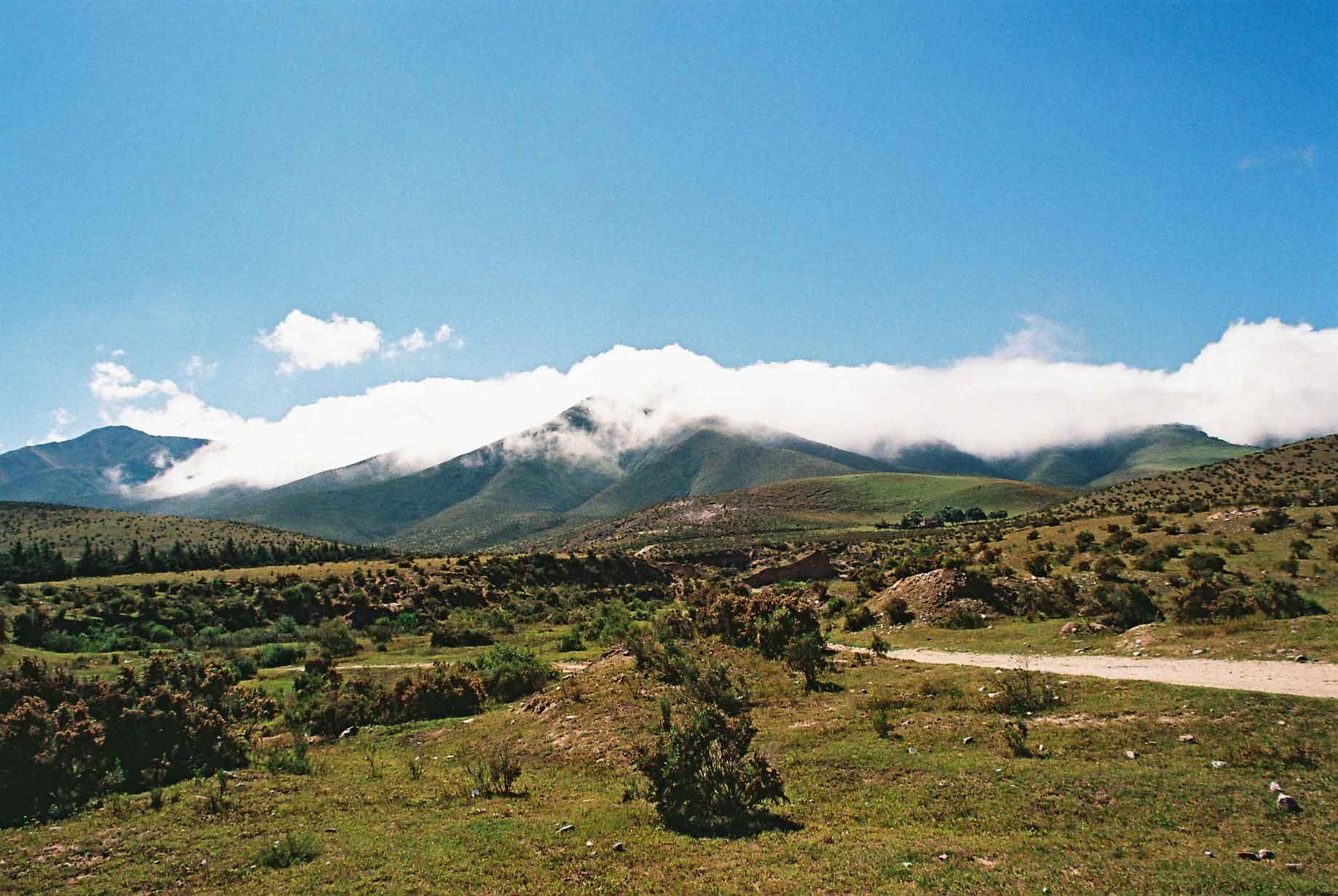
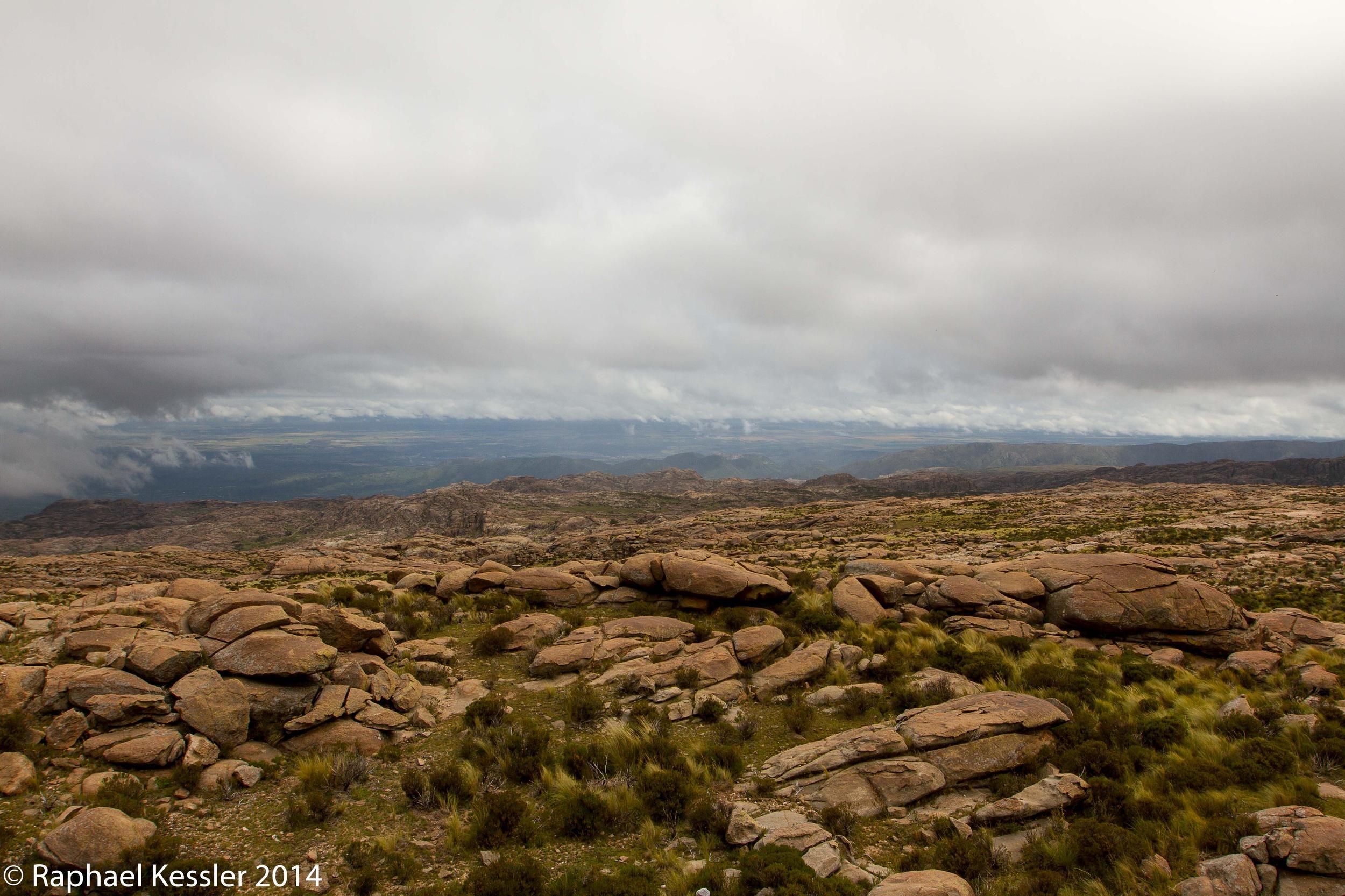
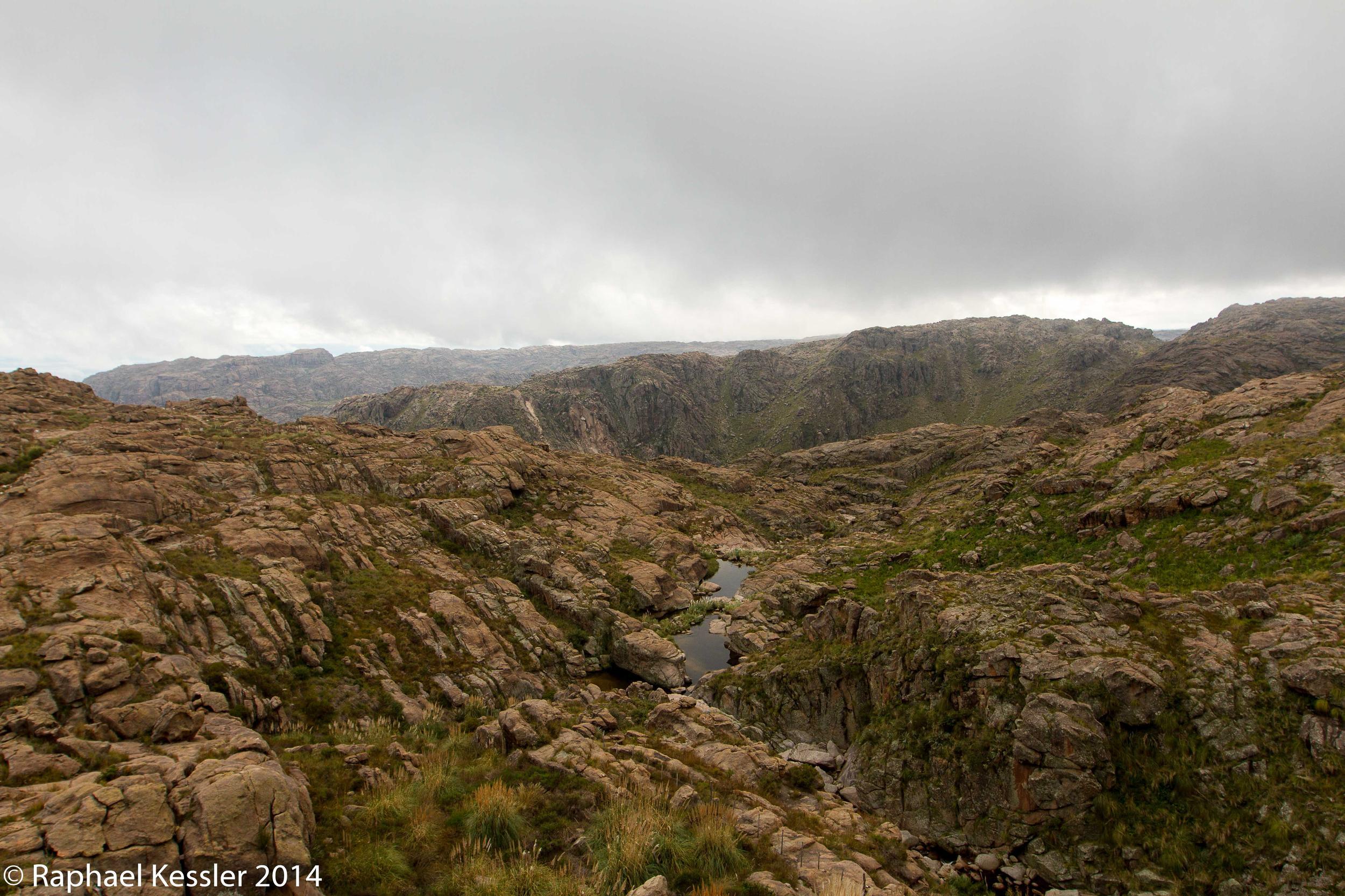
After returning from Uruguay, we went to the Lolapalooza music festival and then rented a car, with which we set about exploring the country. First we headed North West past Rosario and Cordoba towards Mendoza.
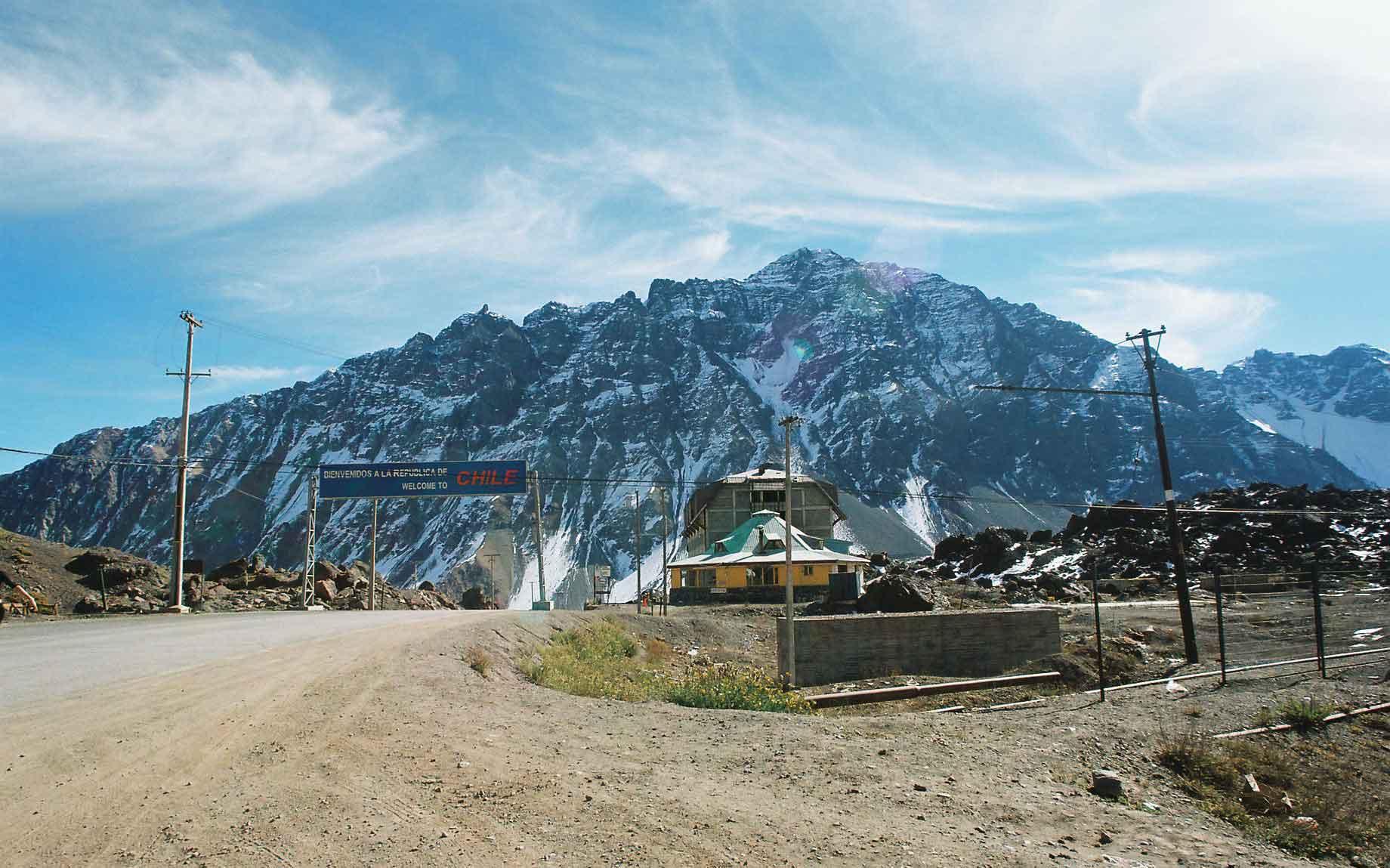
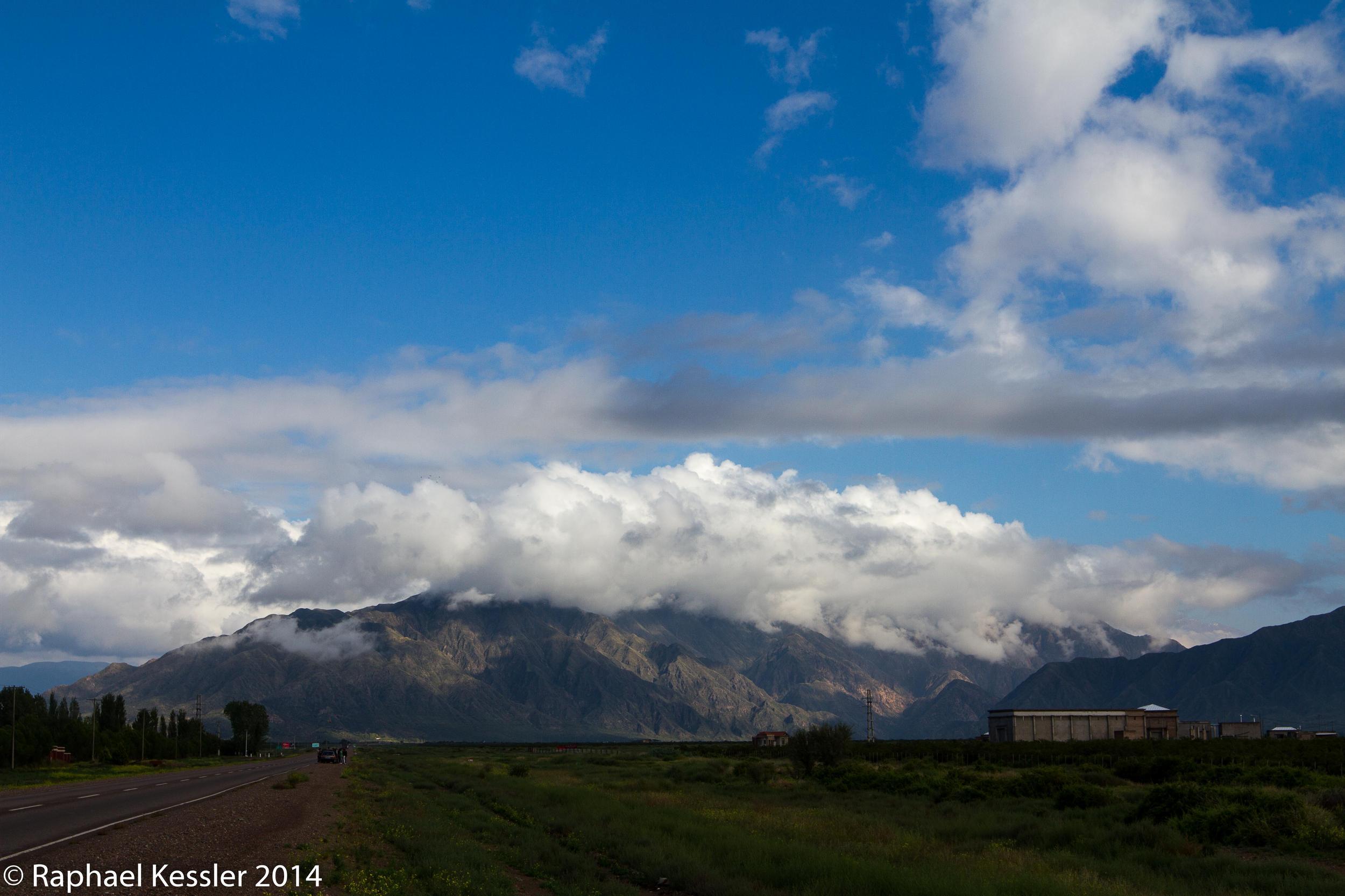
From Mendoza we crossed the Andes and the border with Chile.
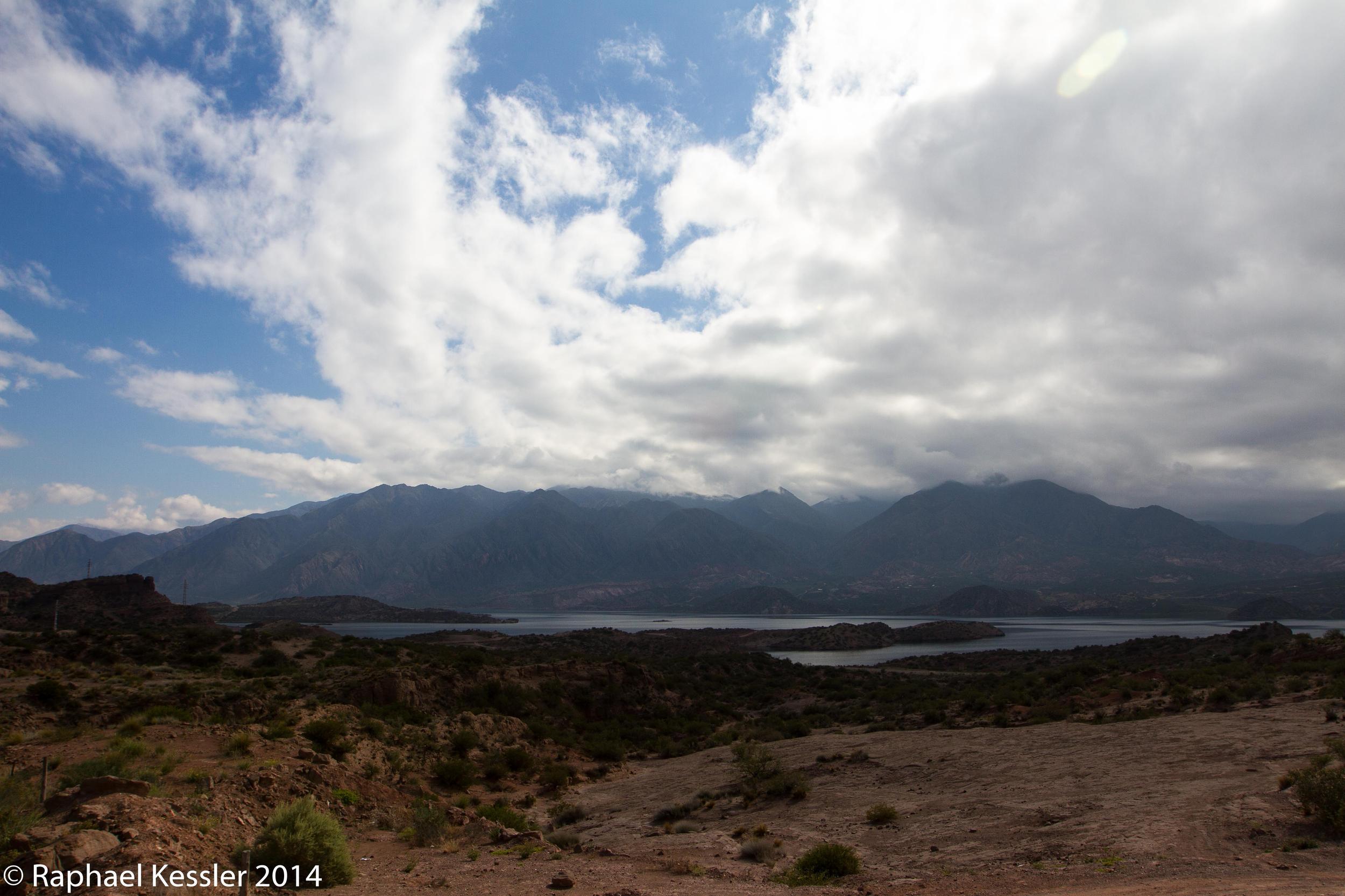
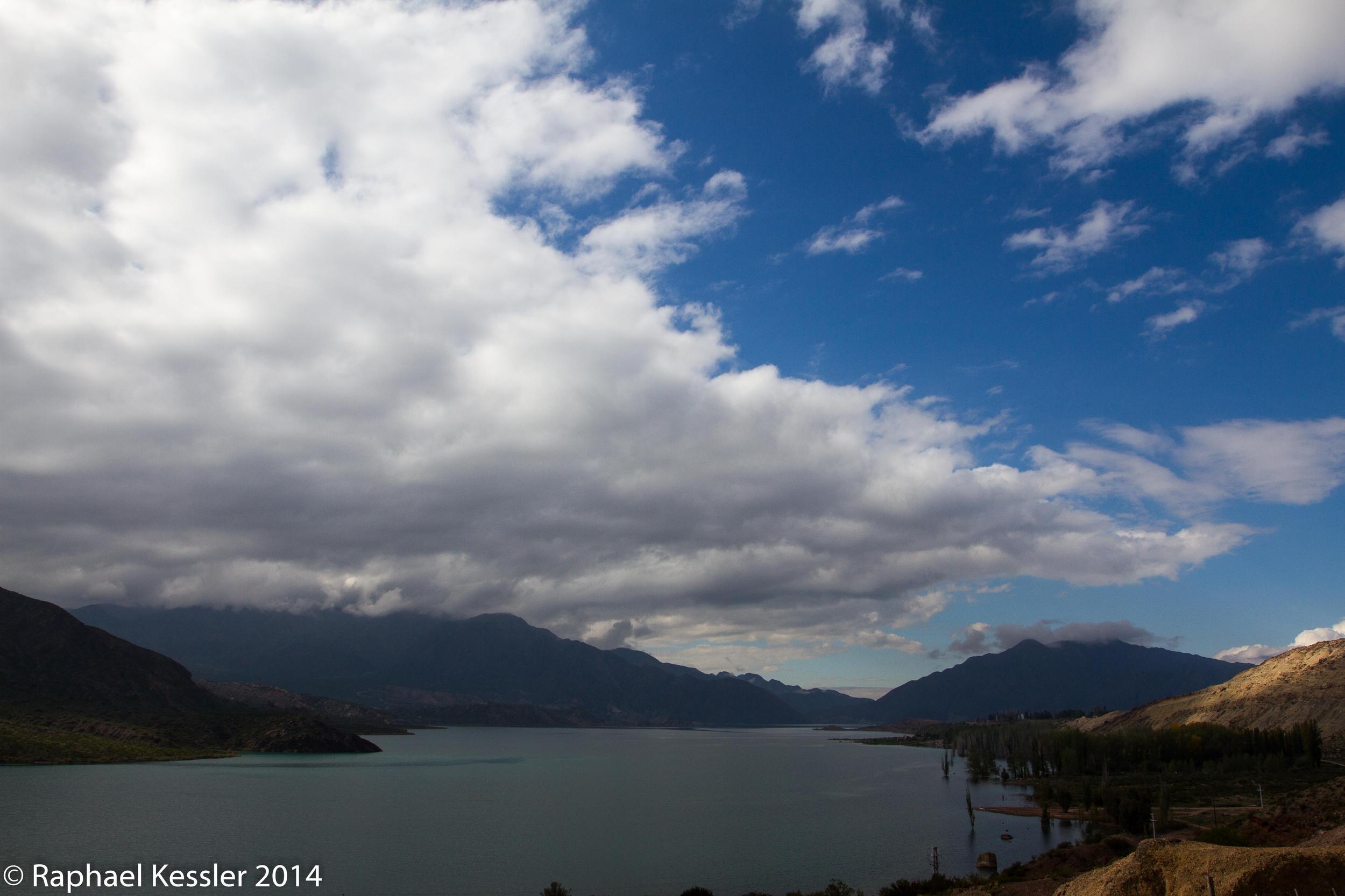
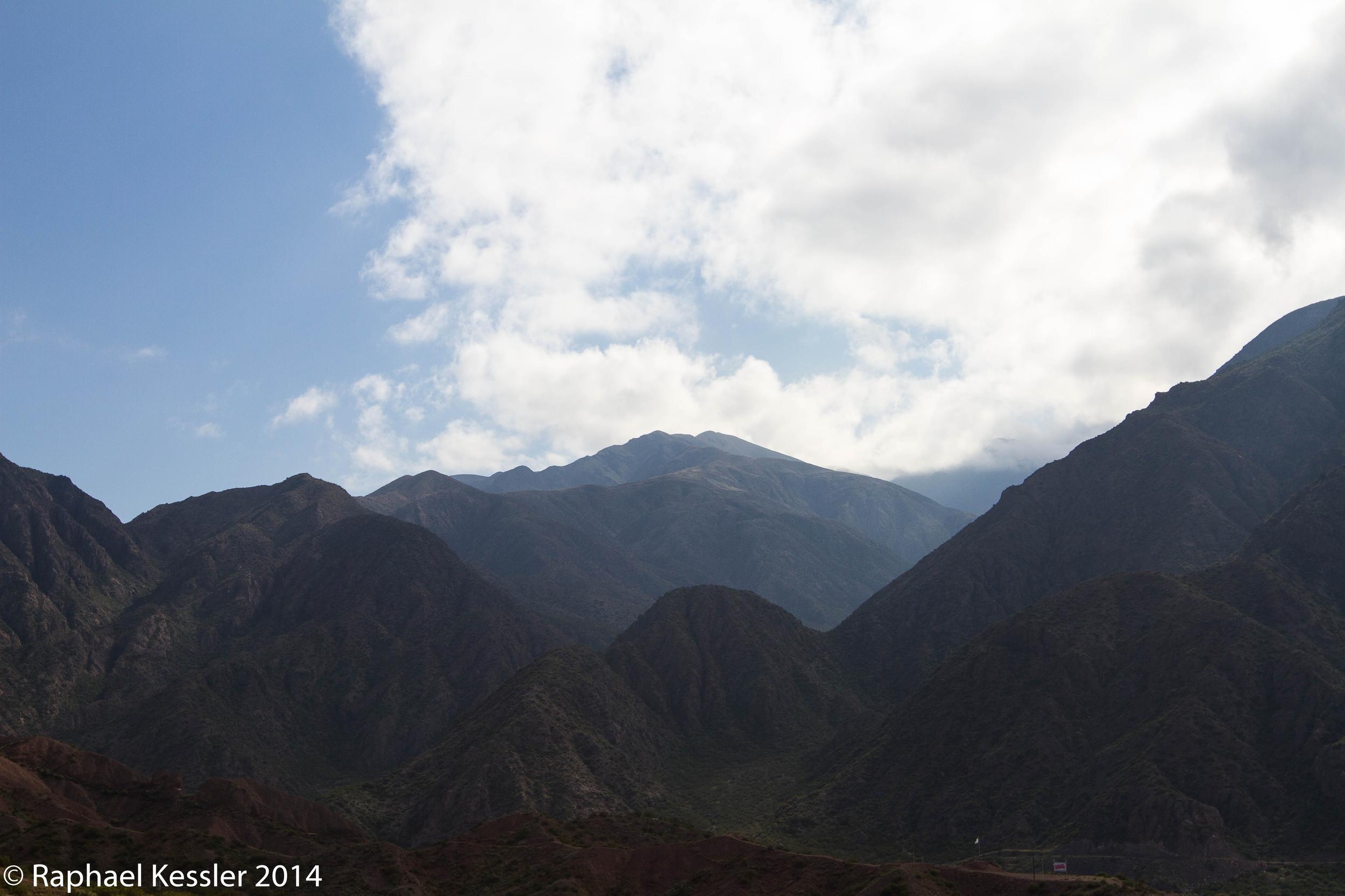
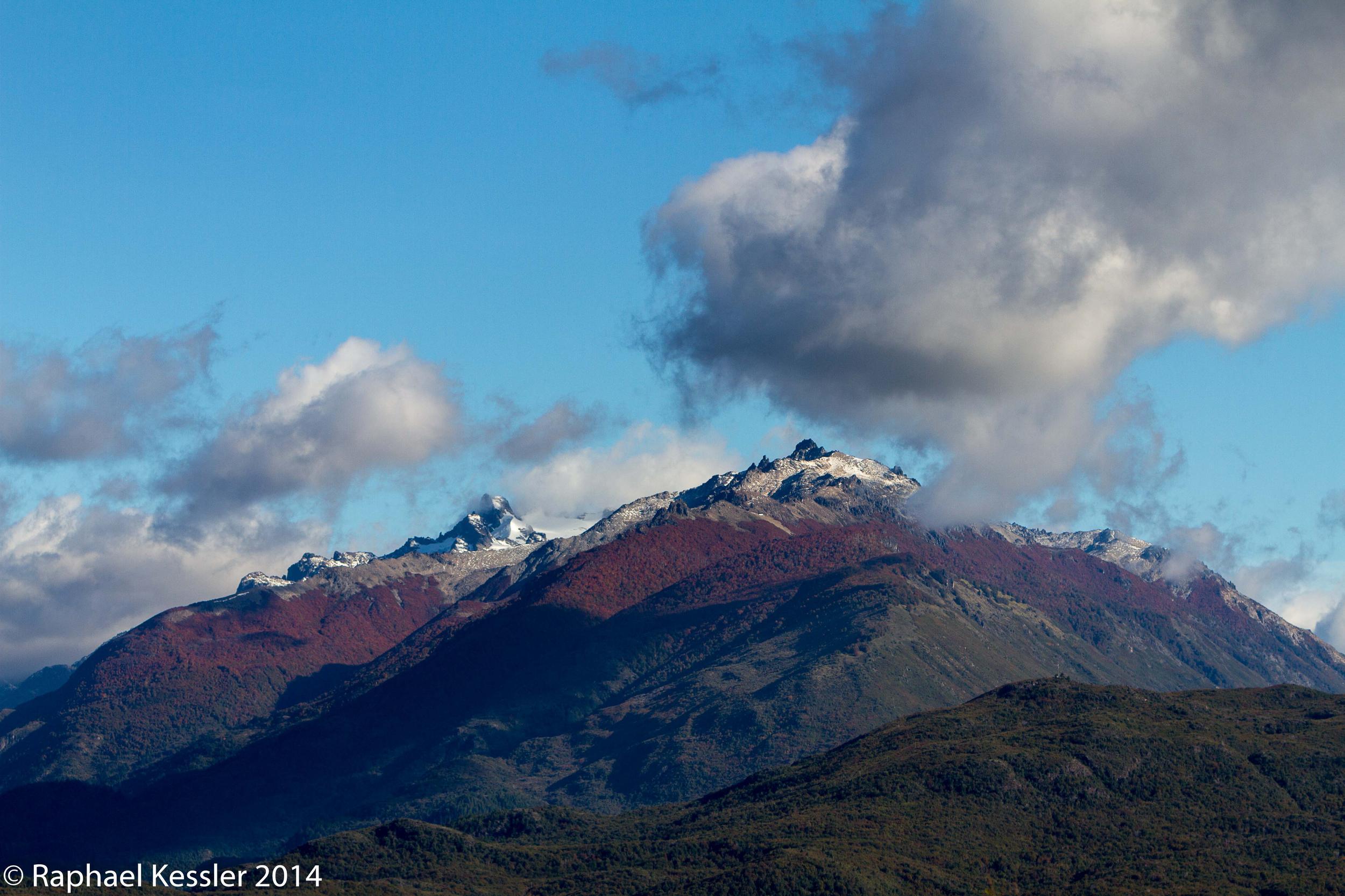
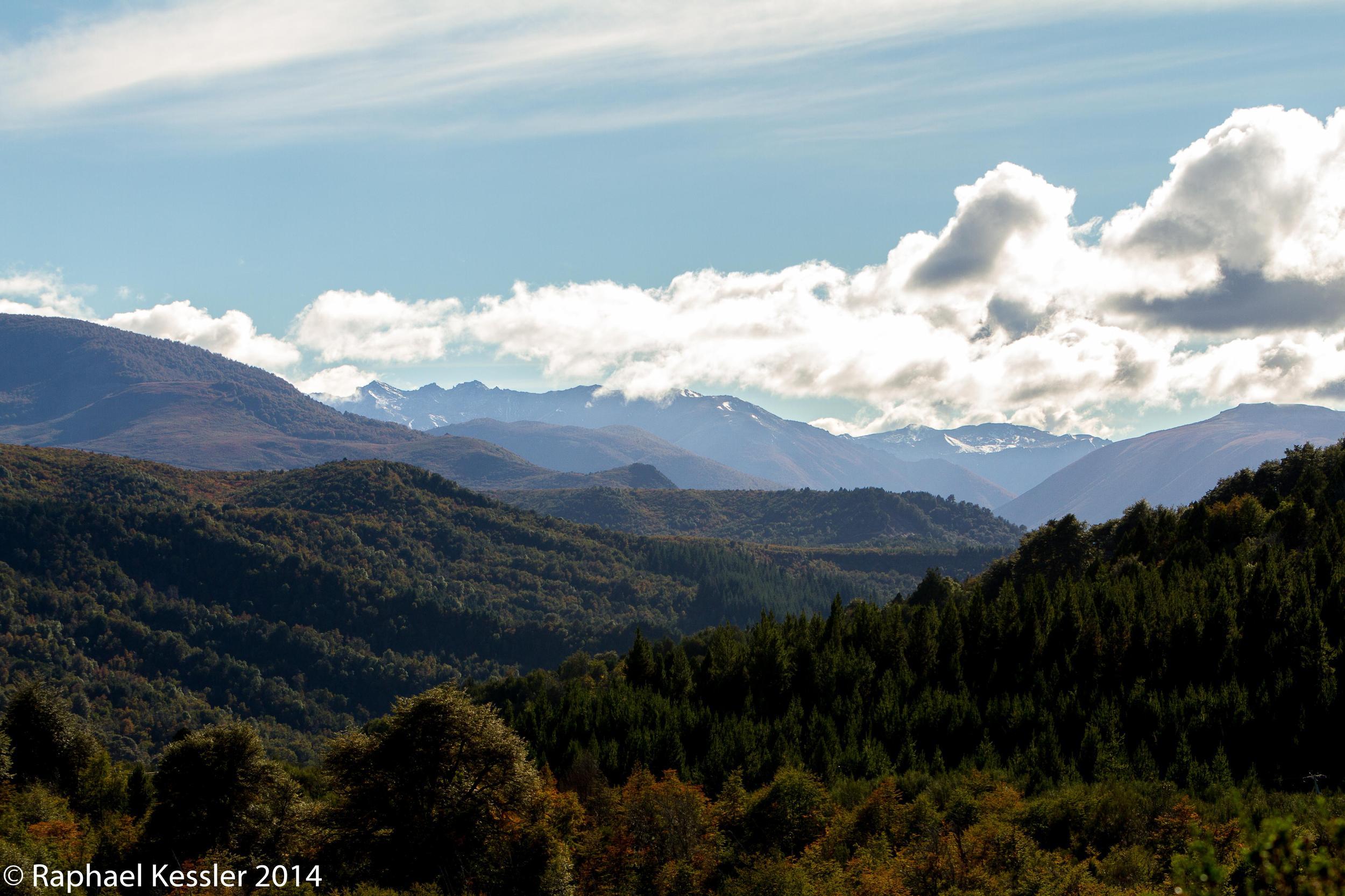
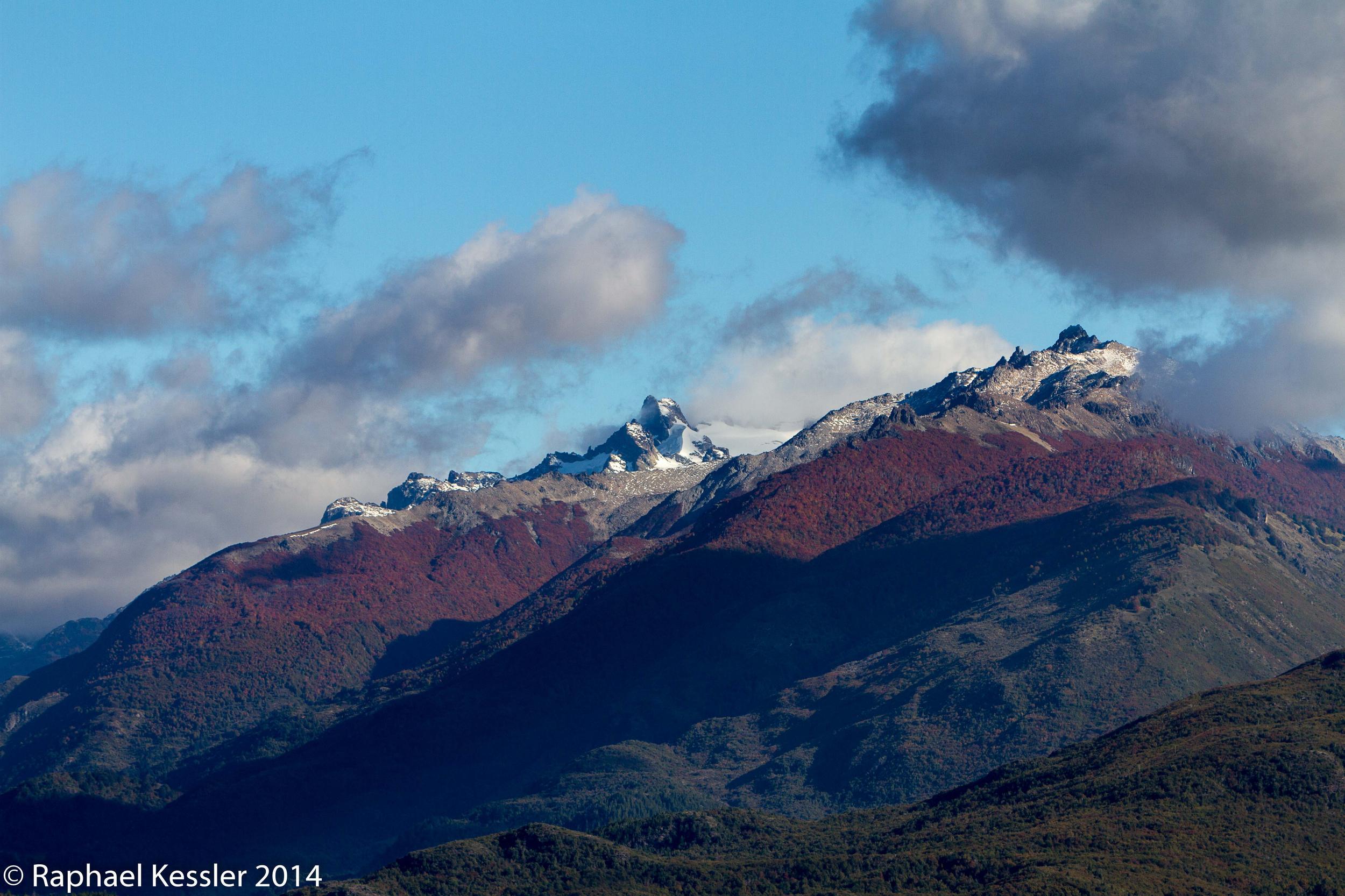
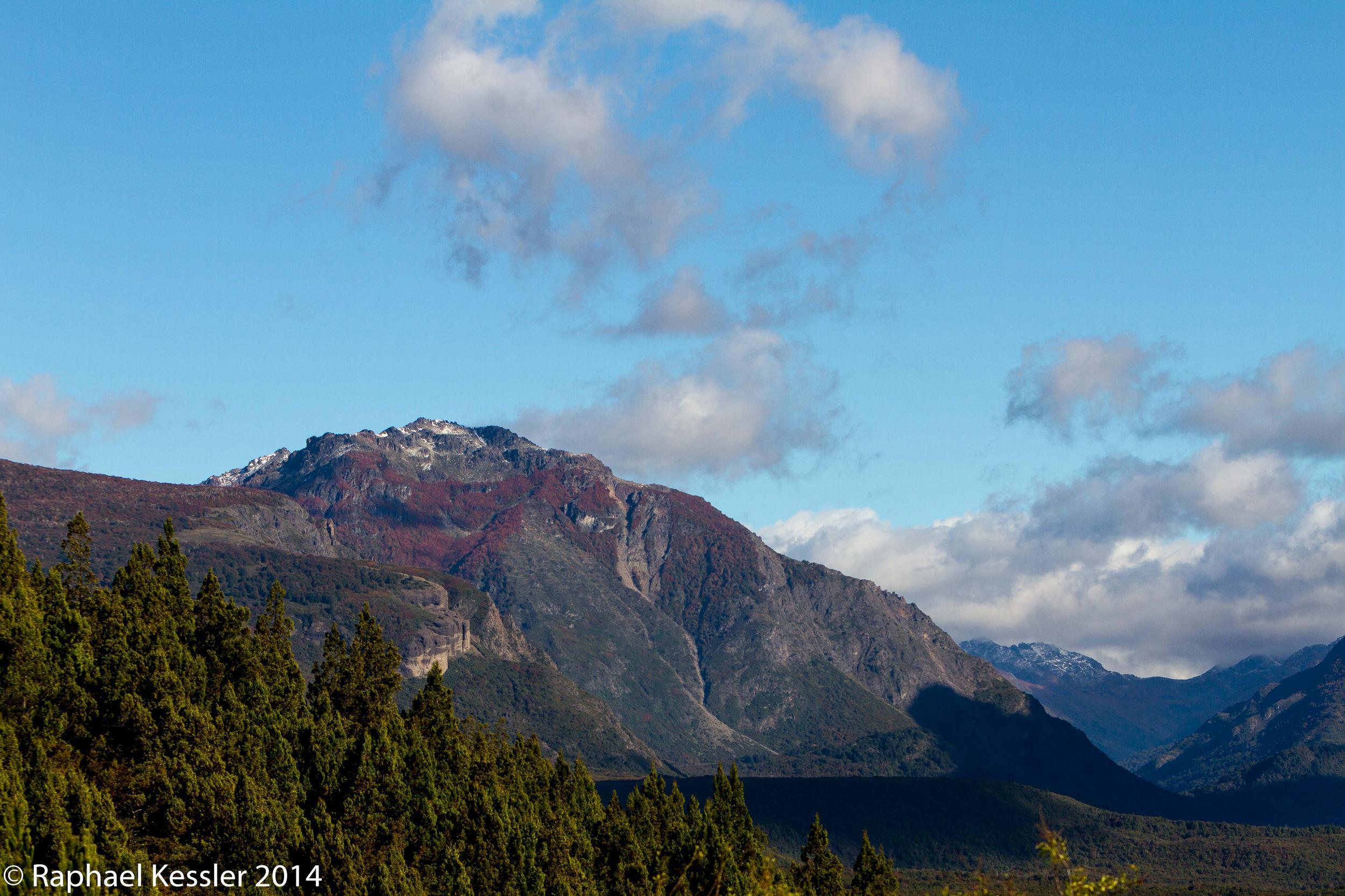
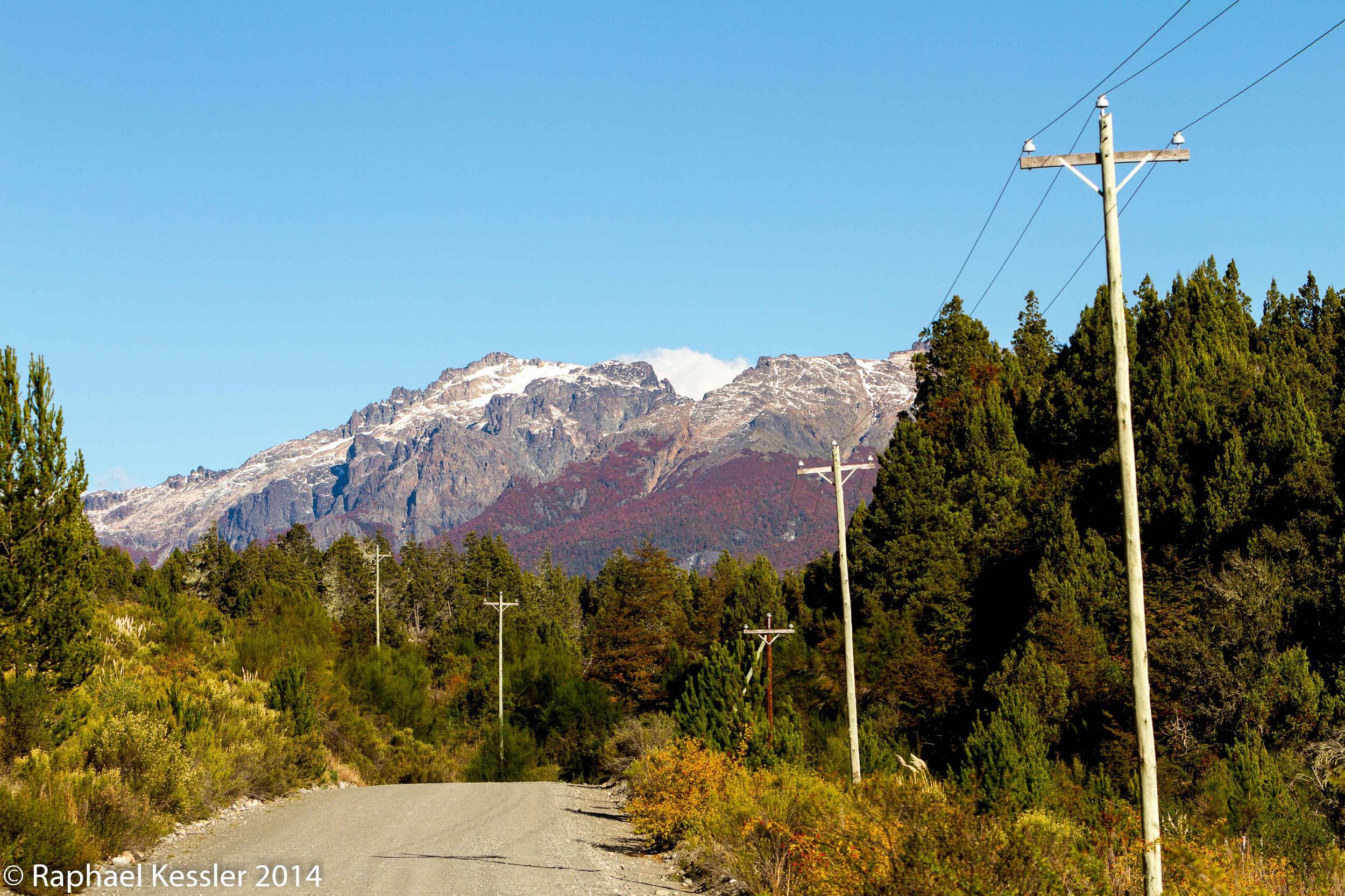
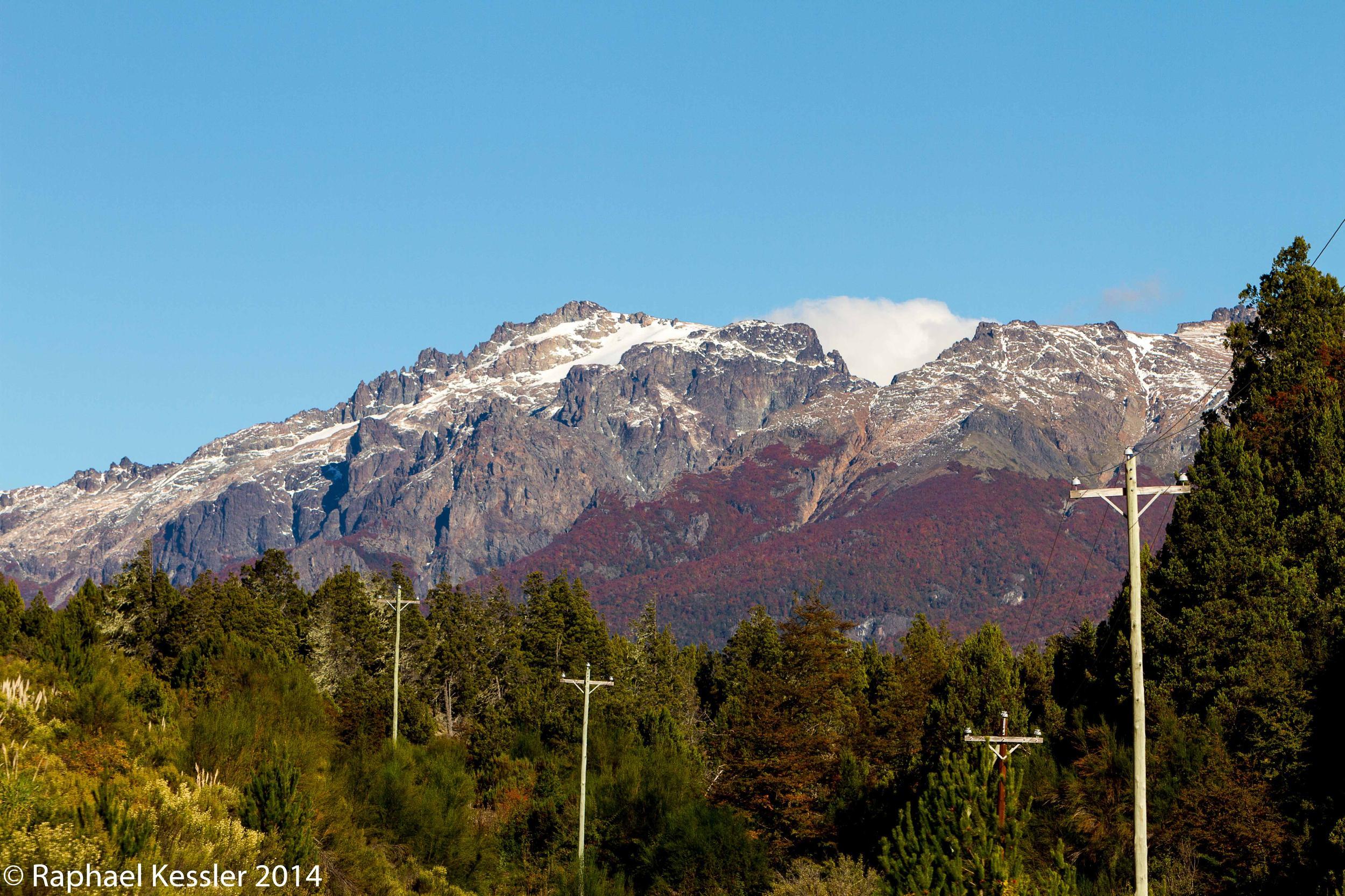
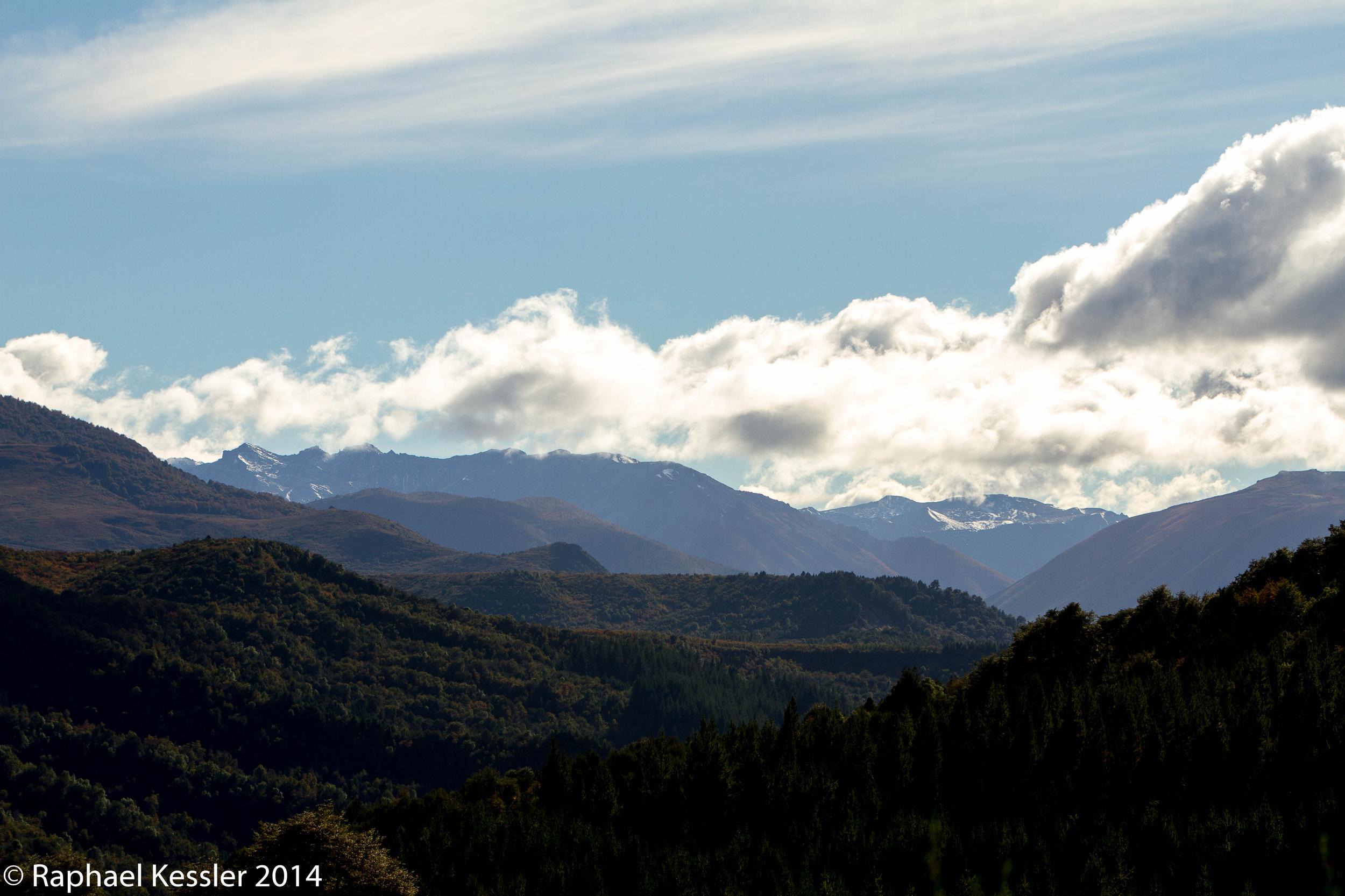
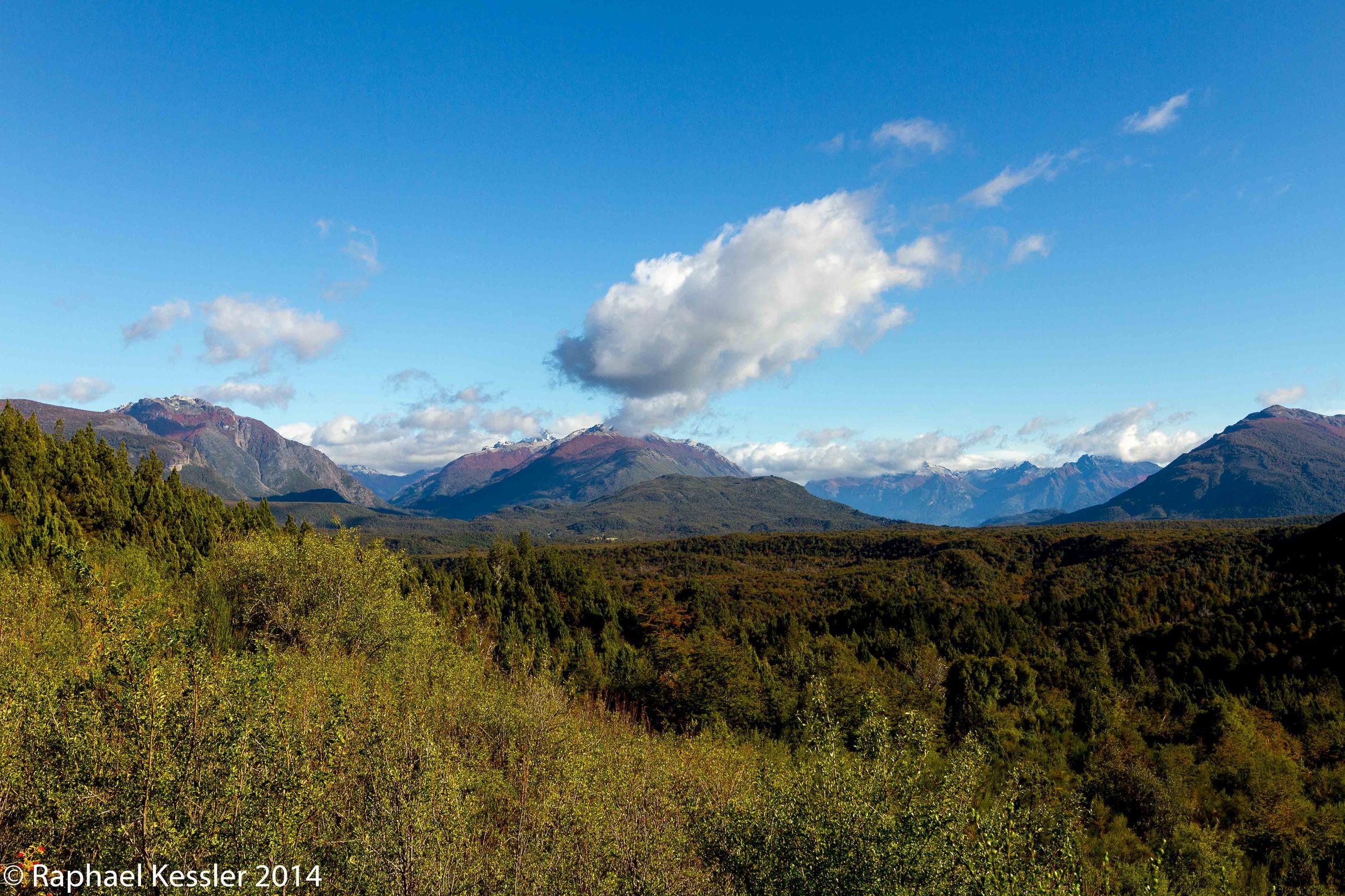
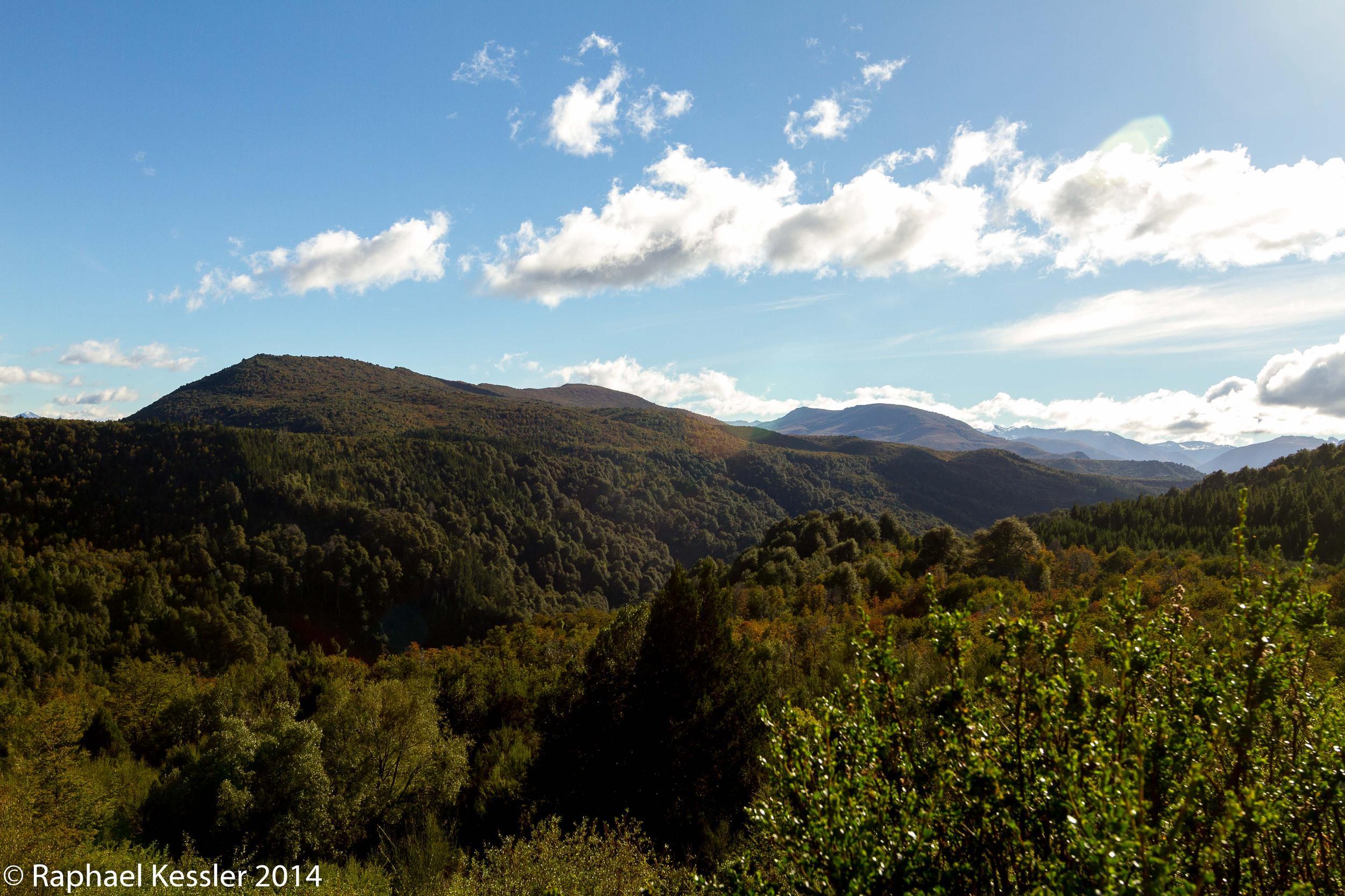
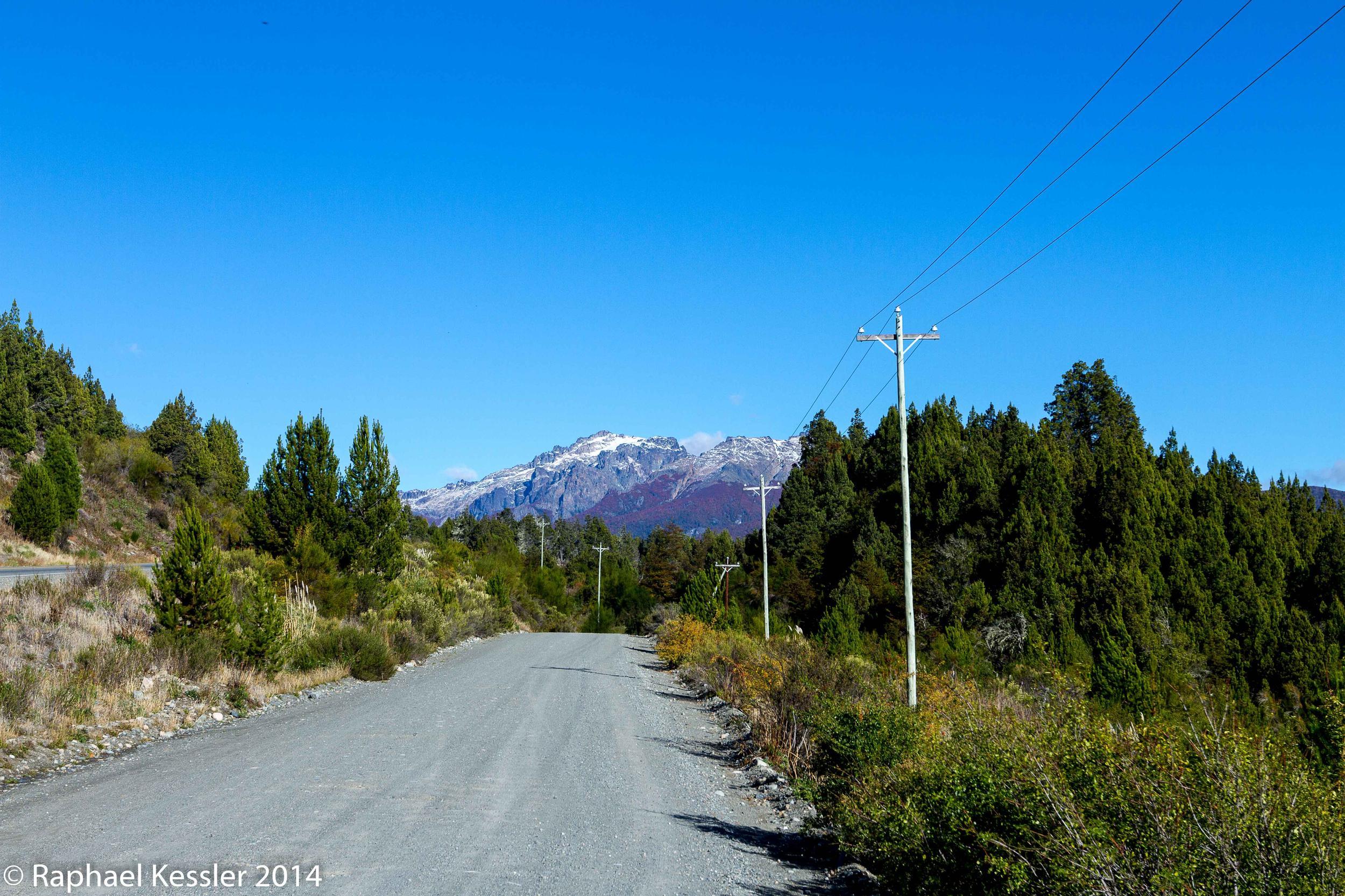
After visiting Chile, we crossed back in to Argentina and stayed for some time in Bariloche, exploring the beautiful scenery of the Argentine Lake District.



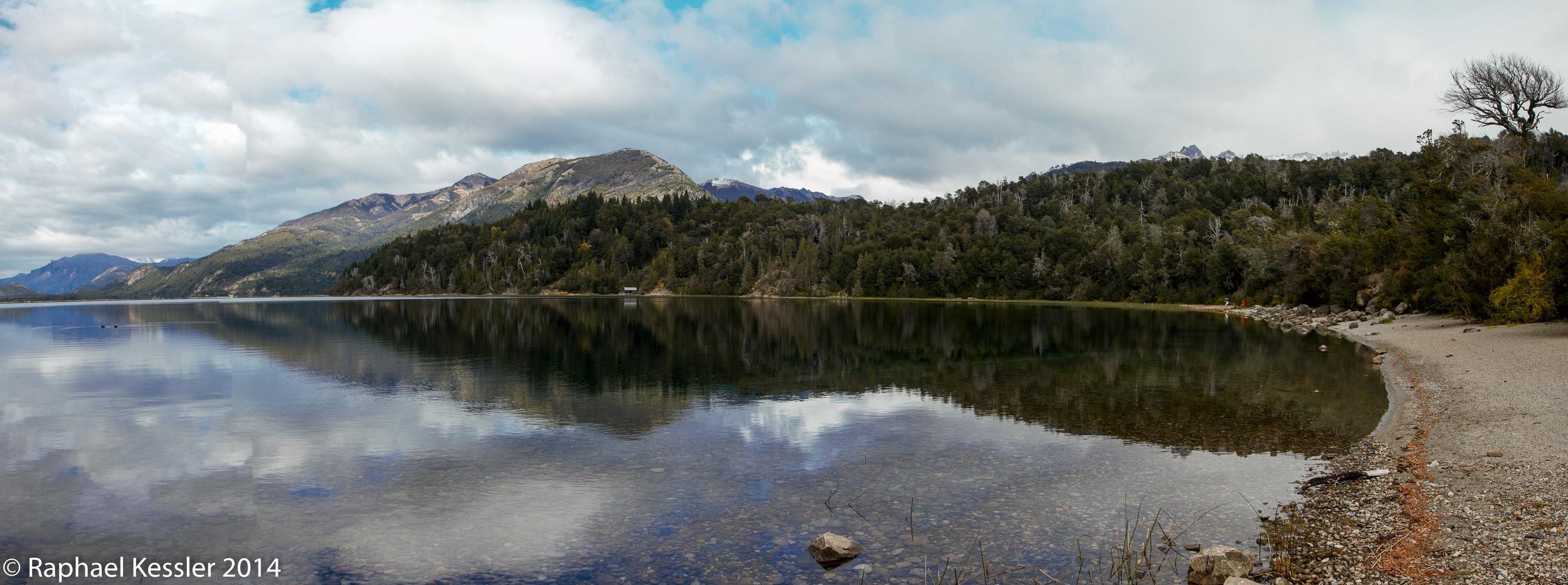
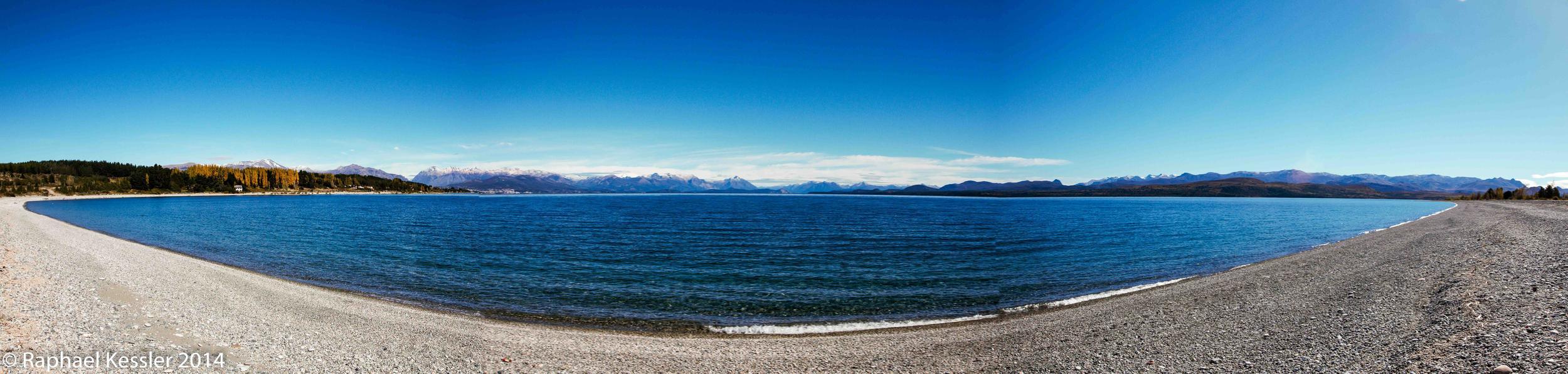


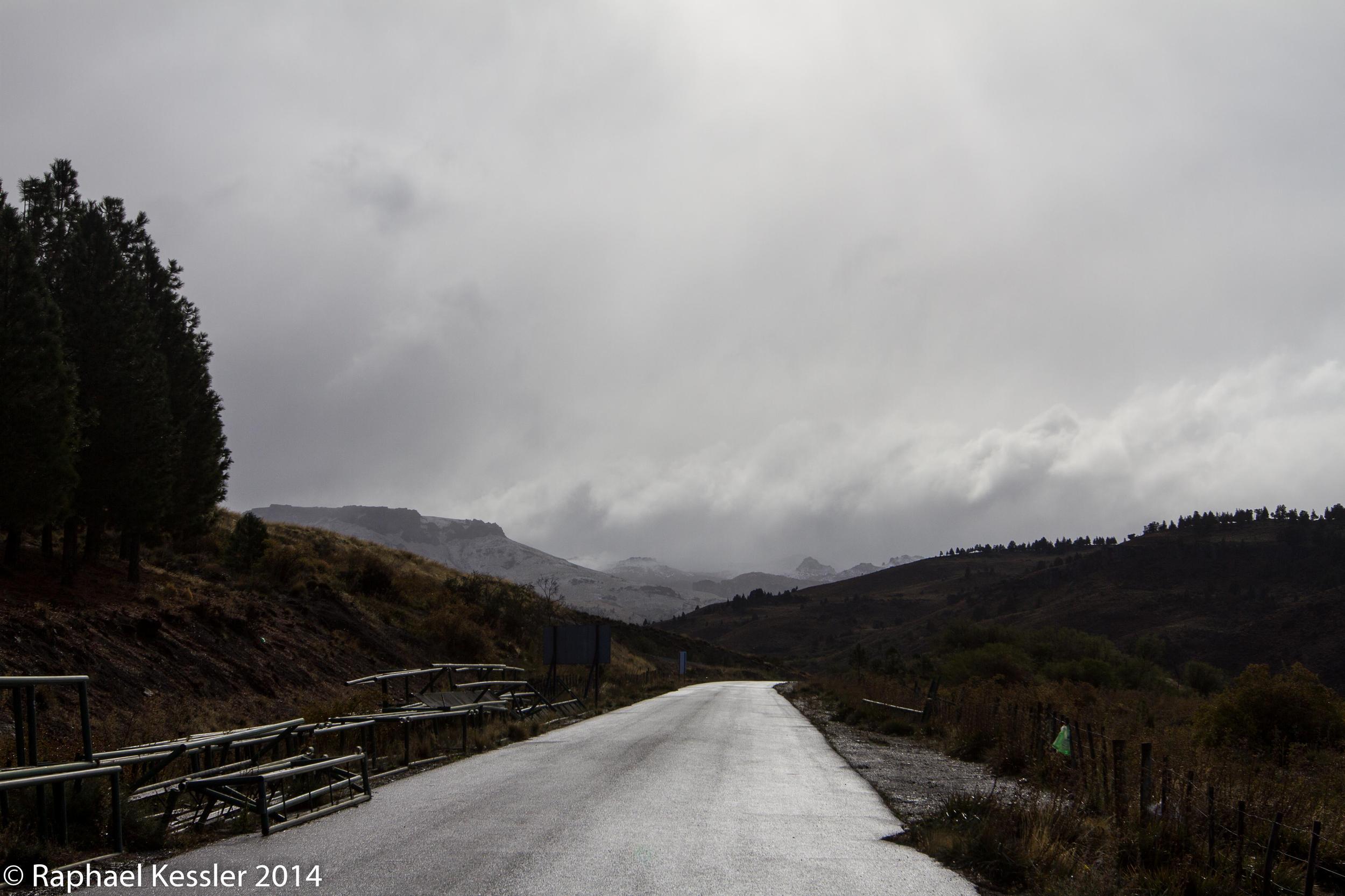
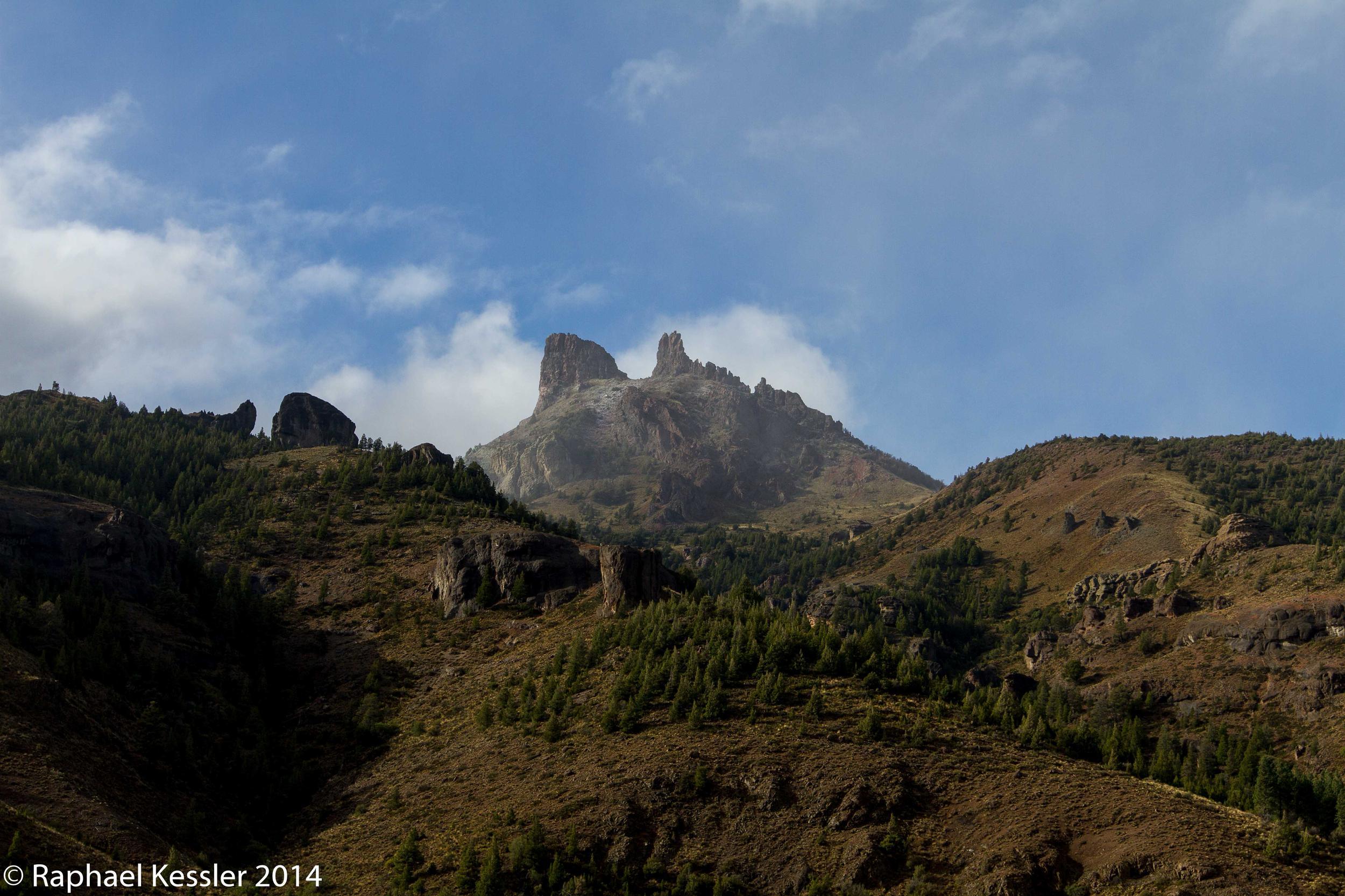
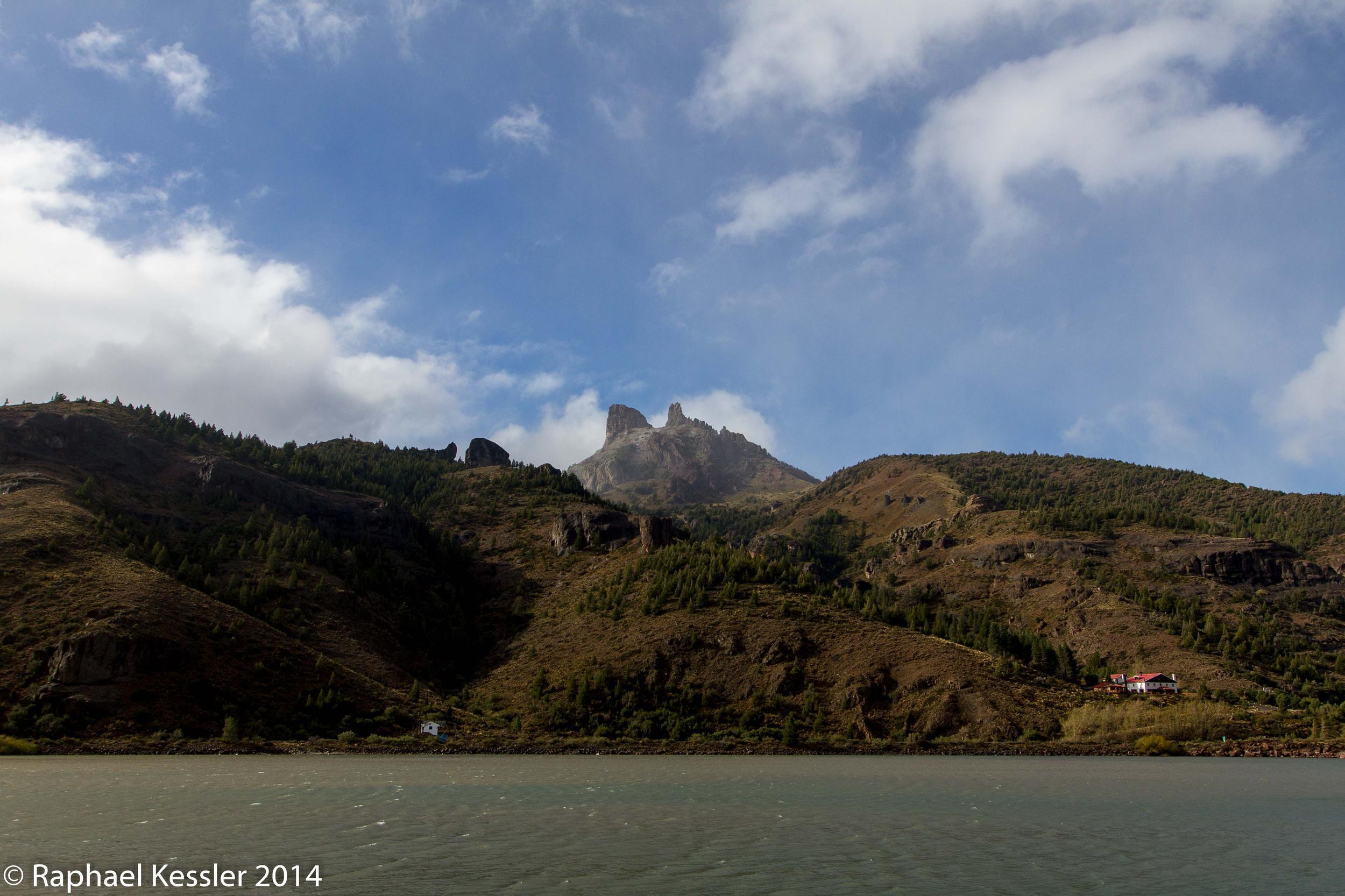
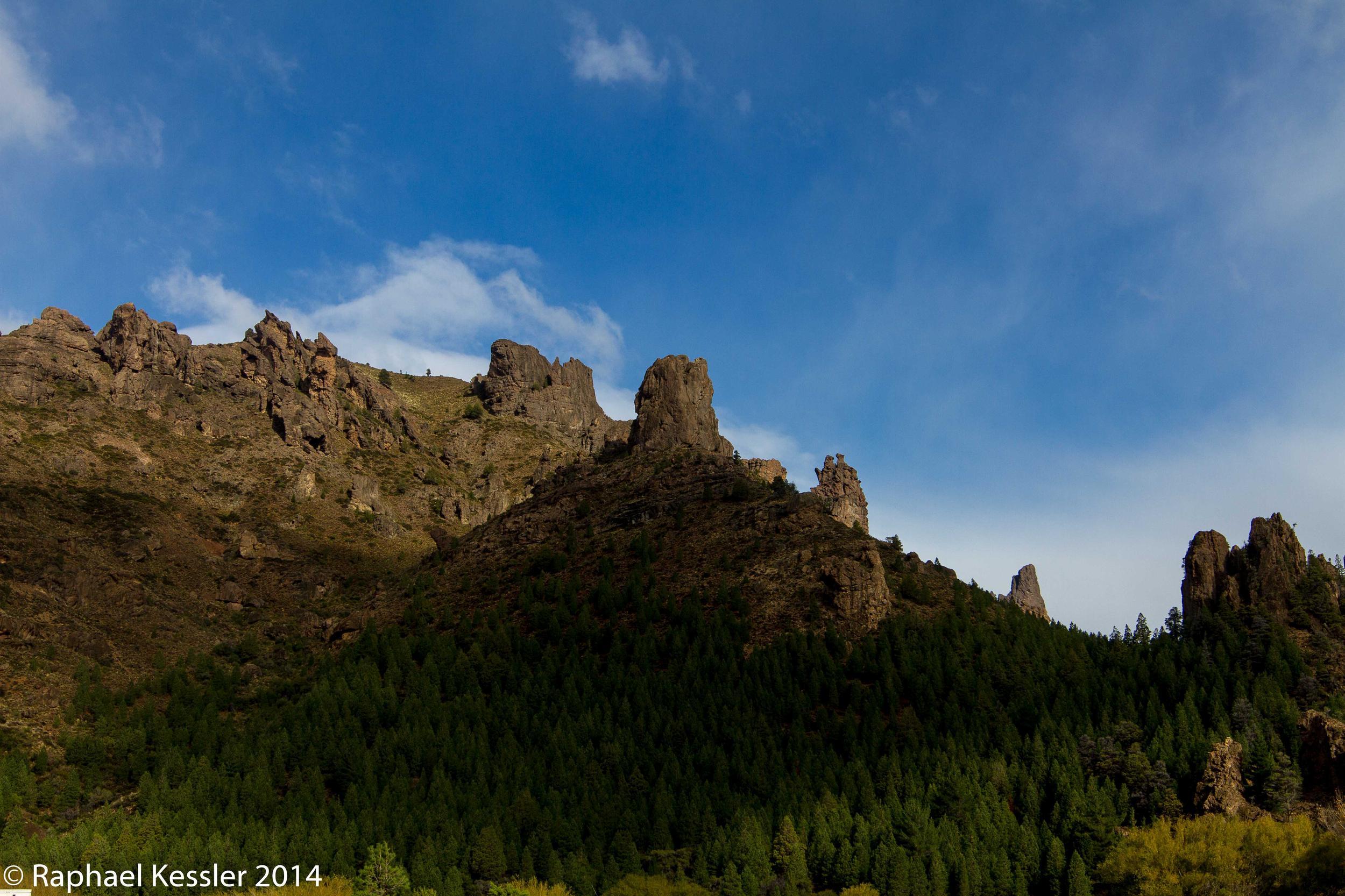
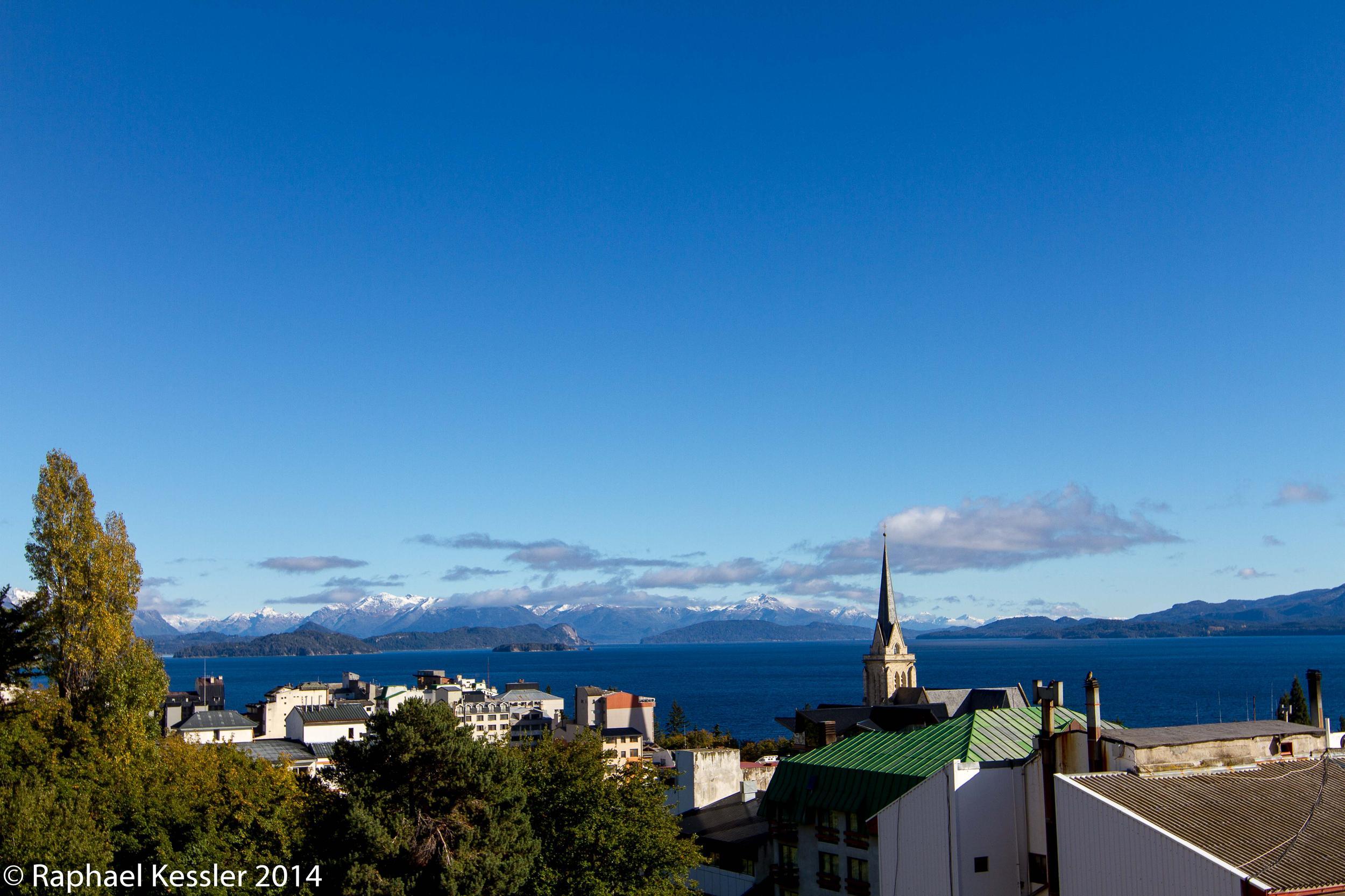
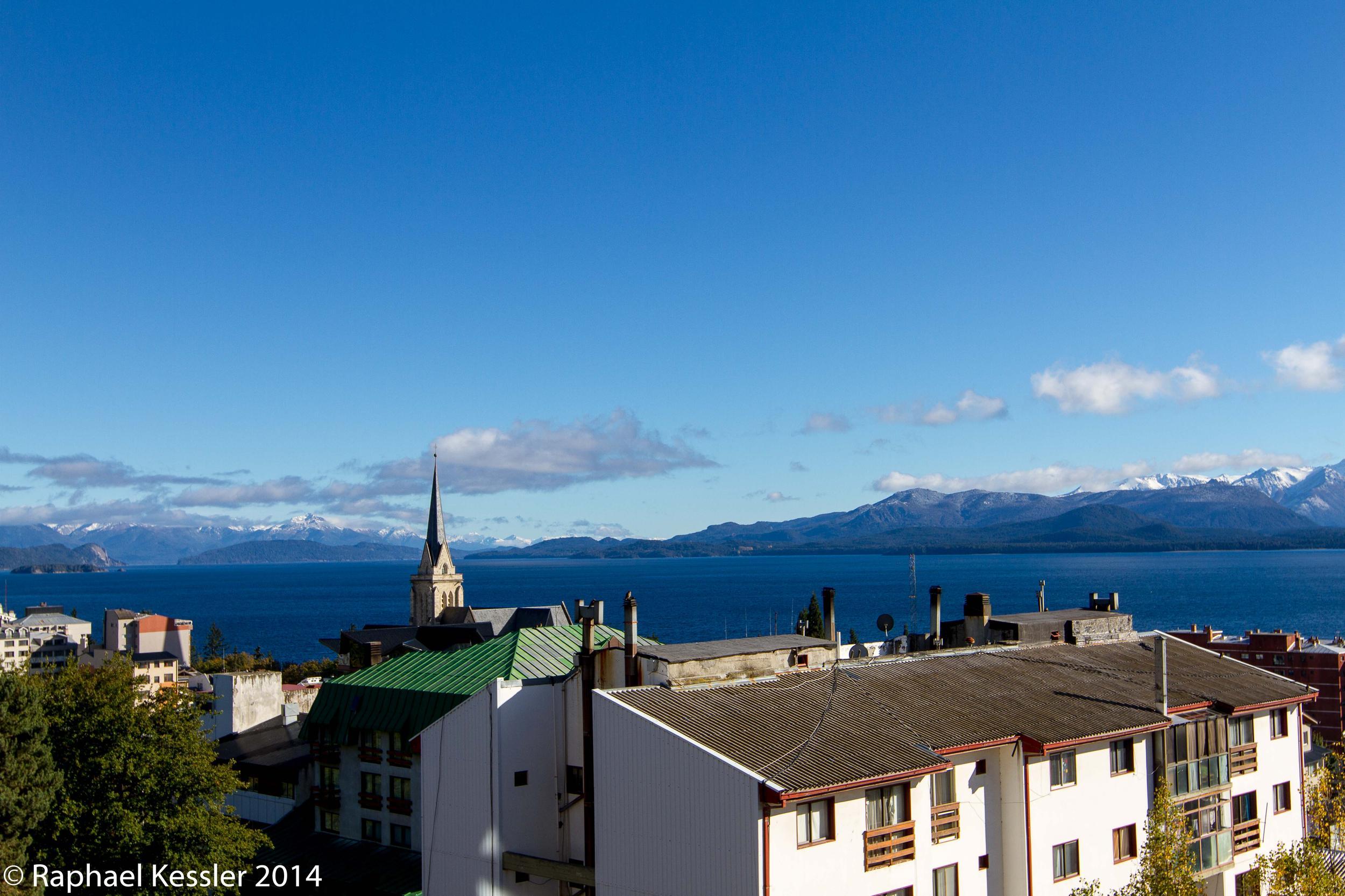
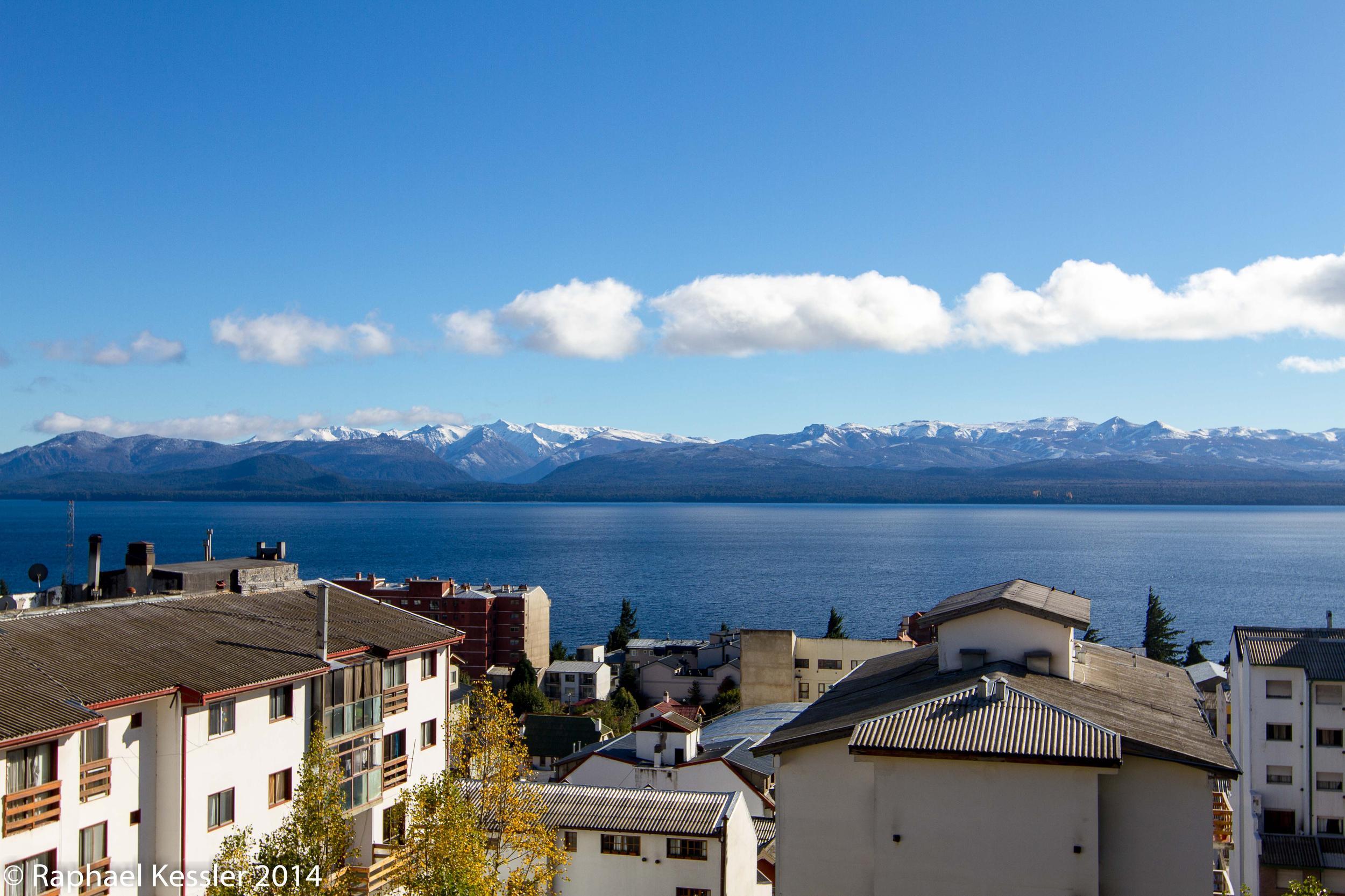
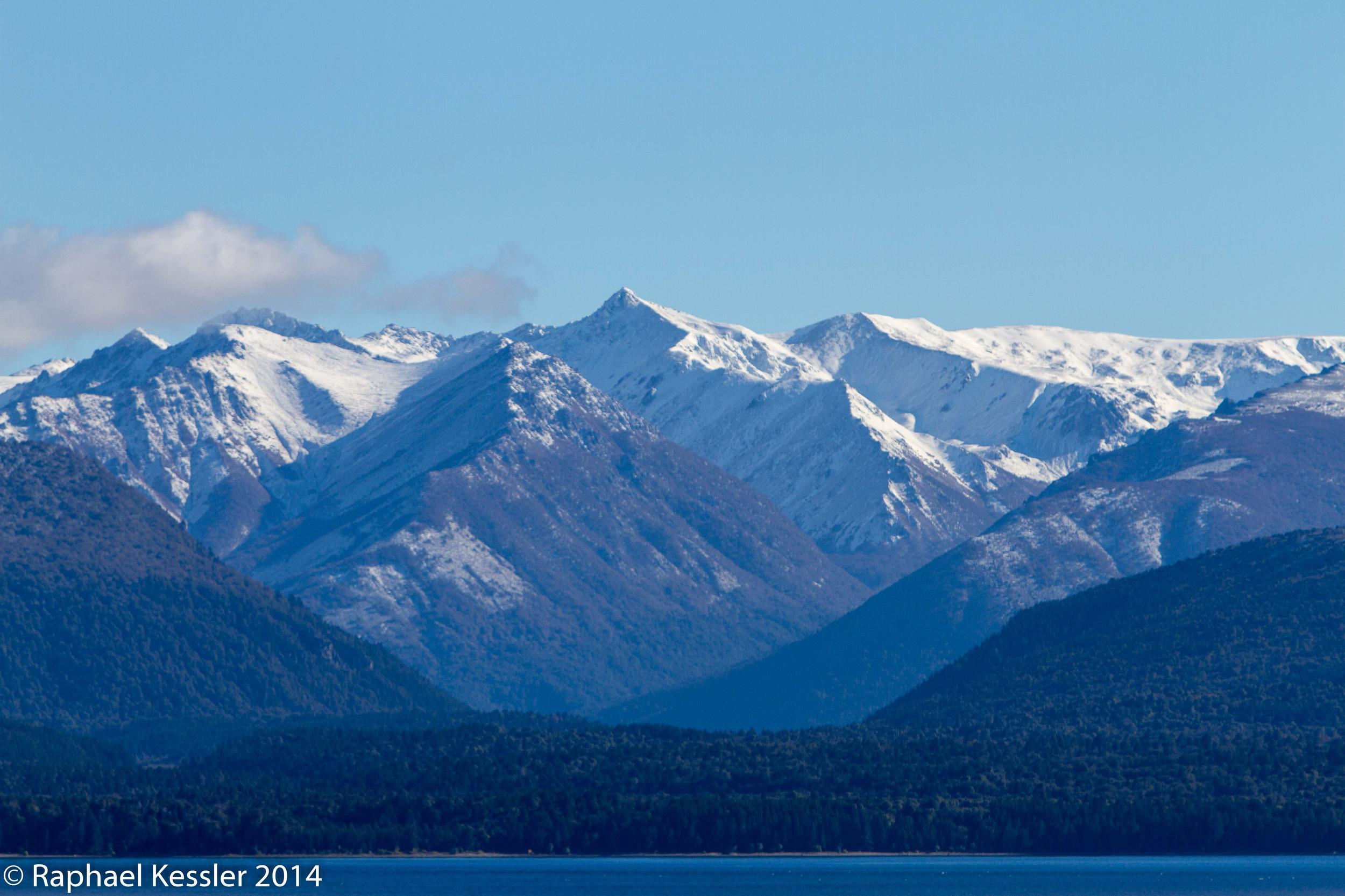
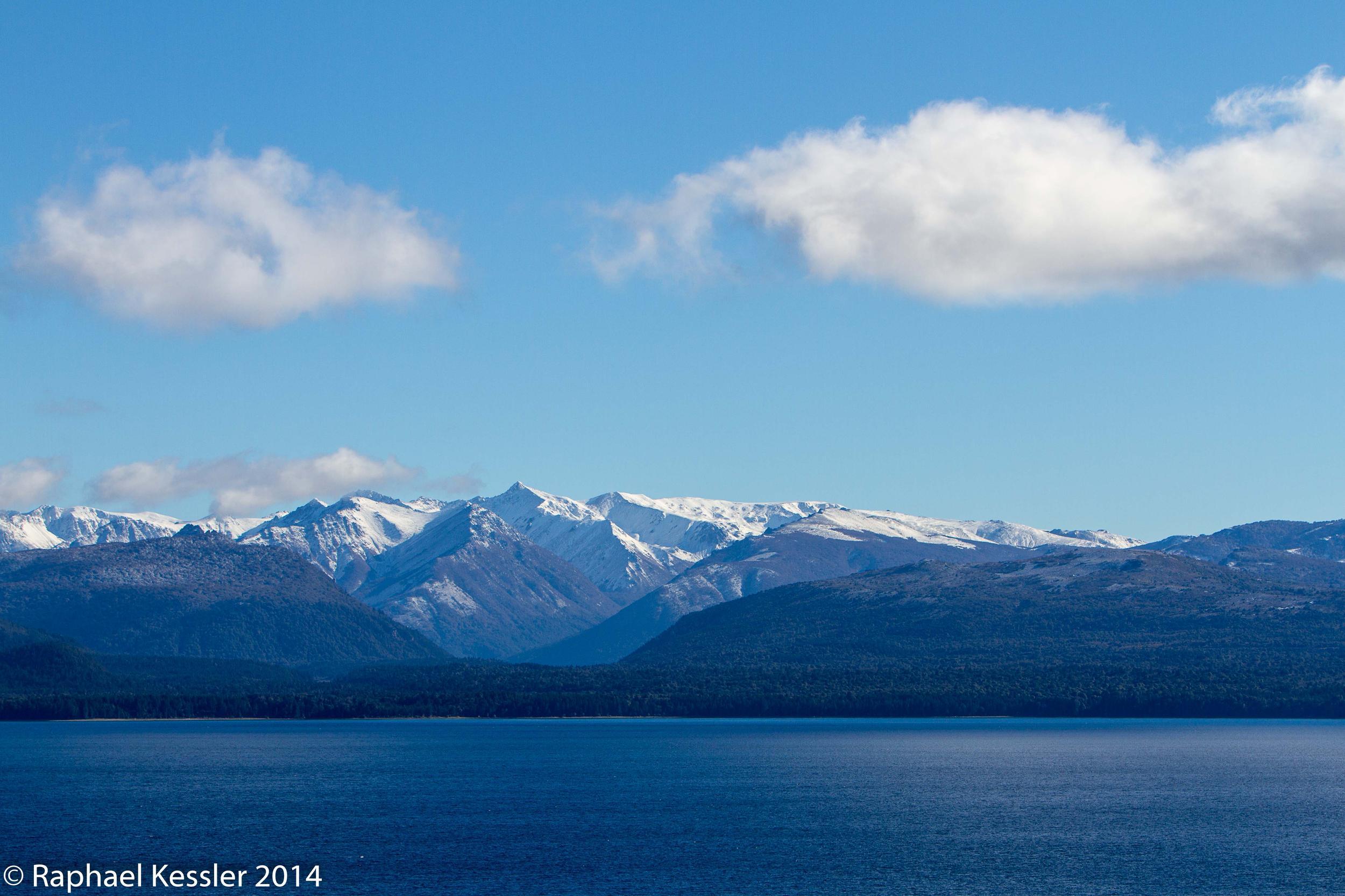
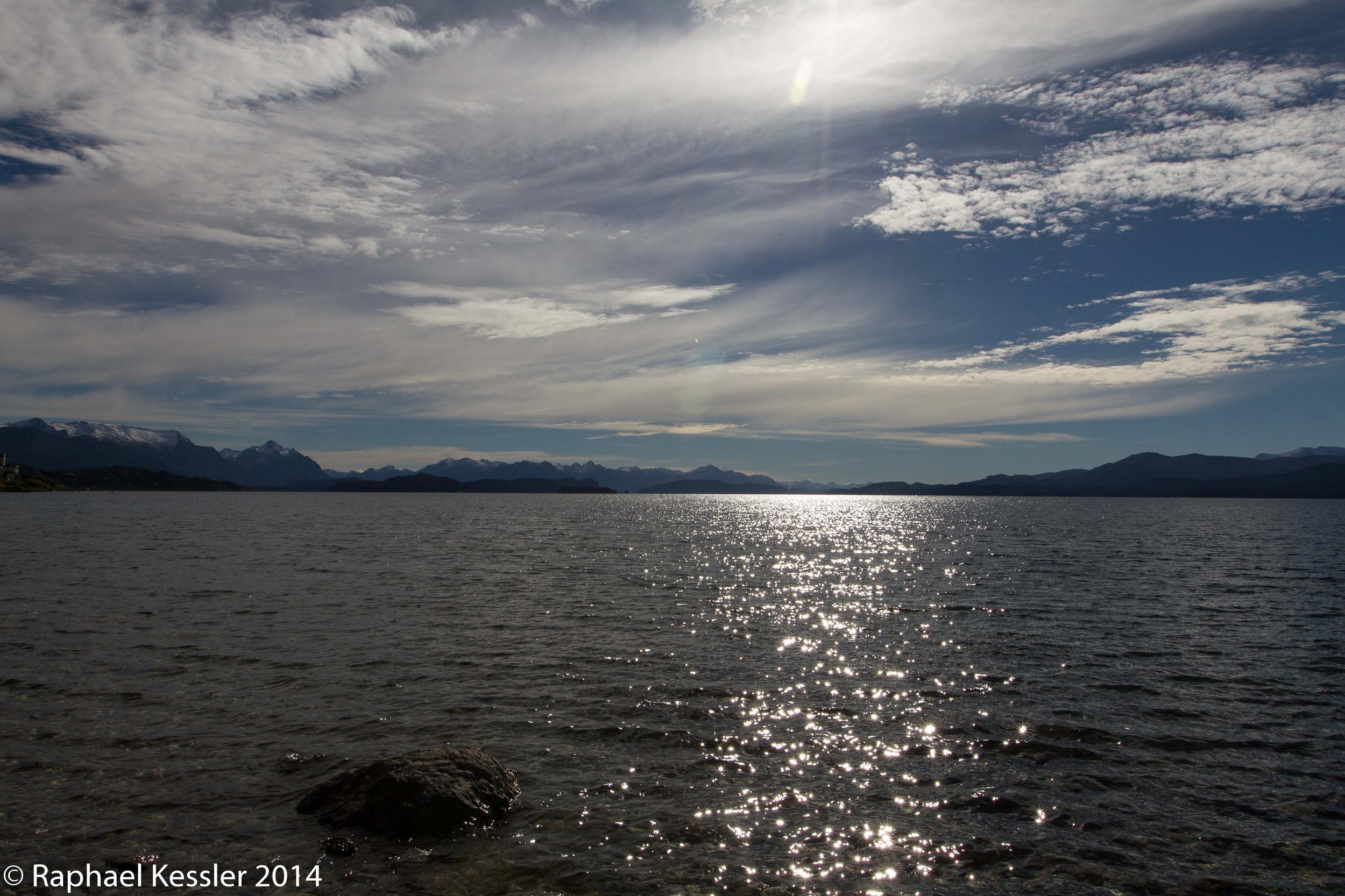
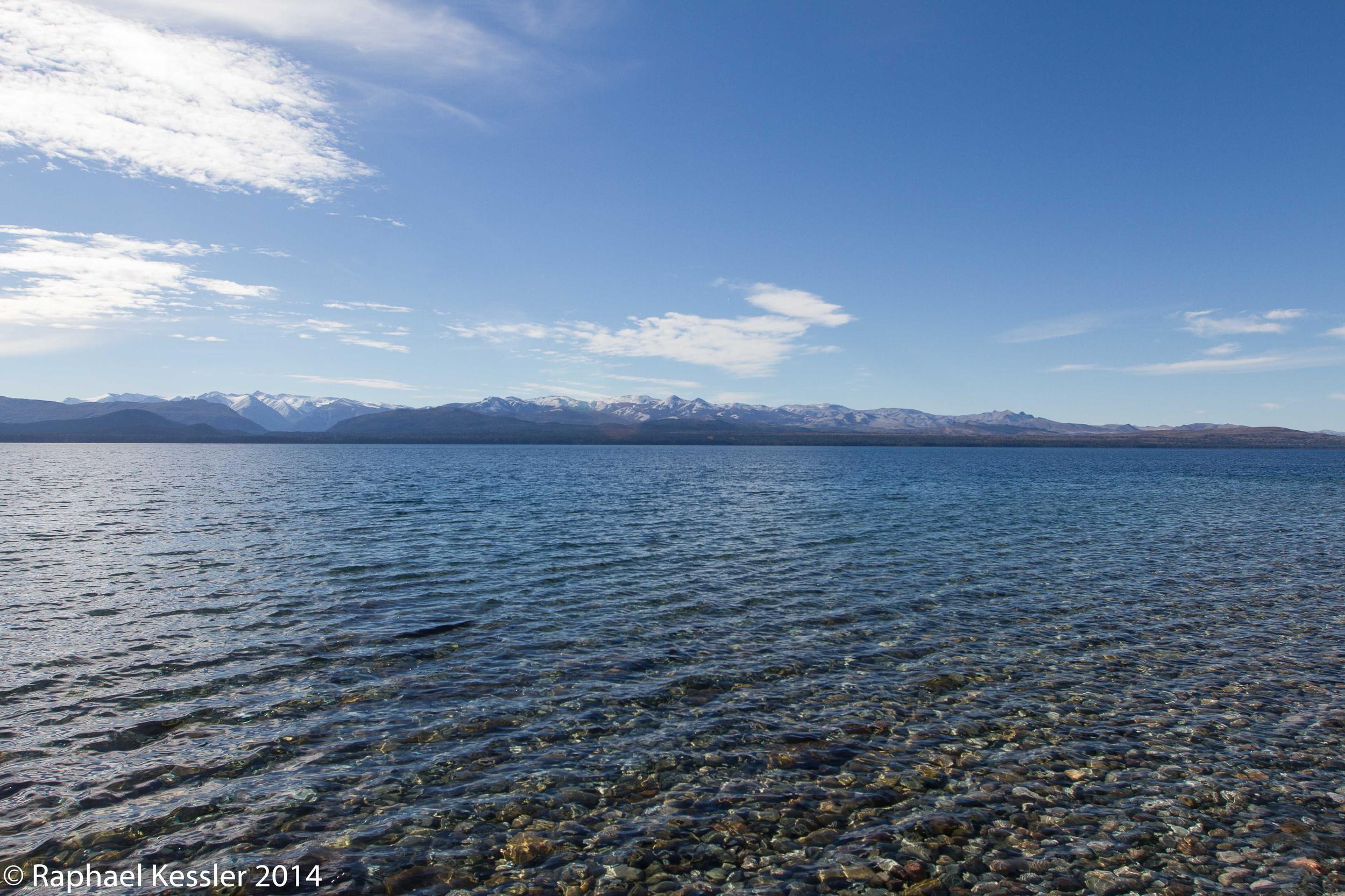
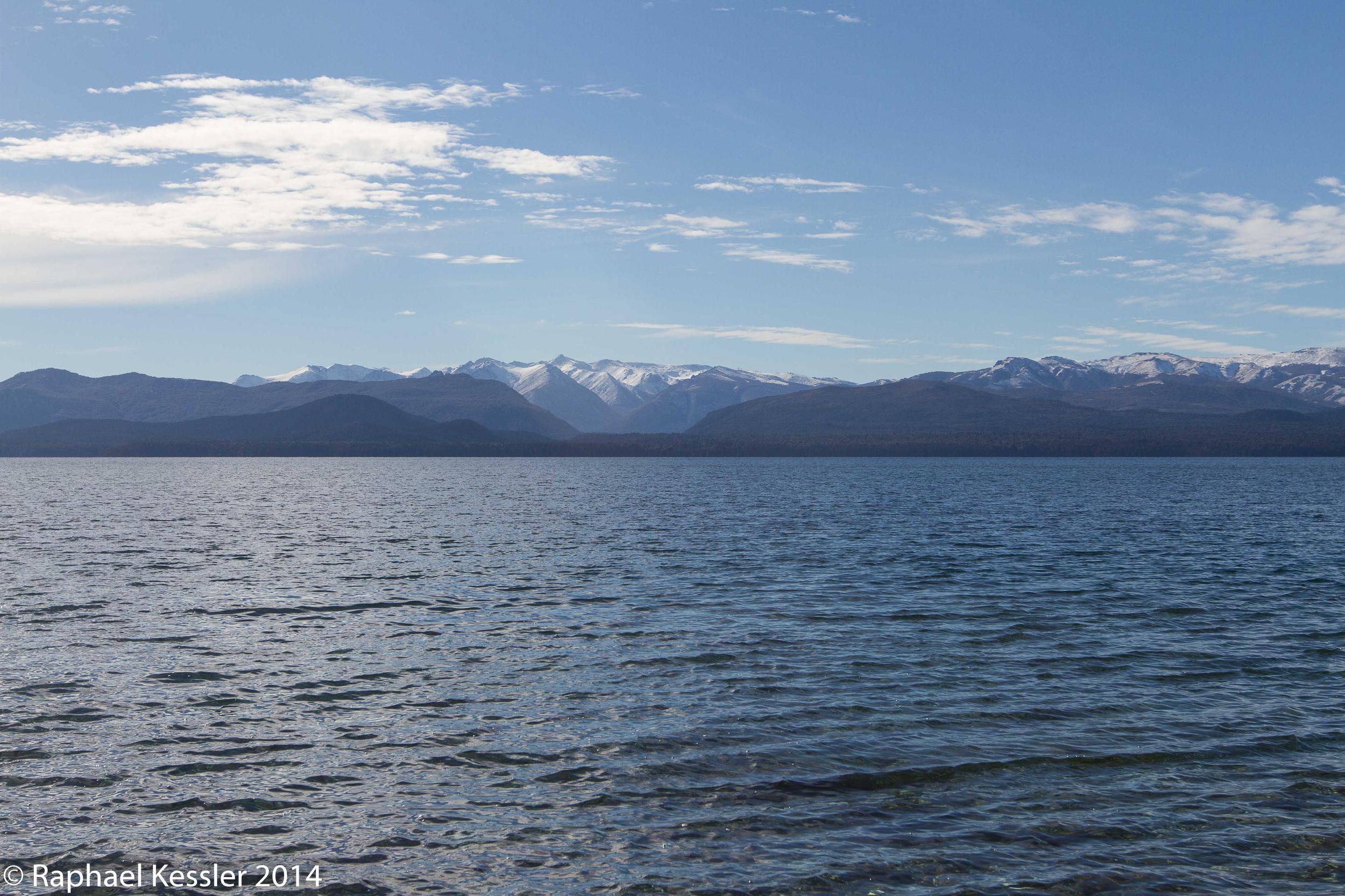
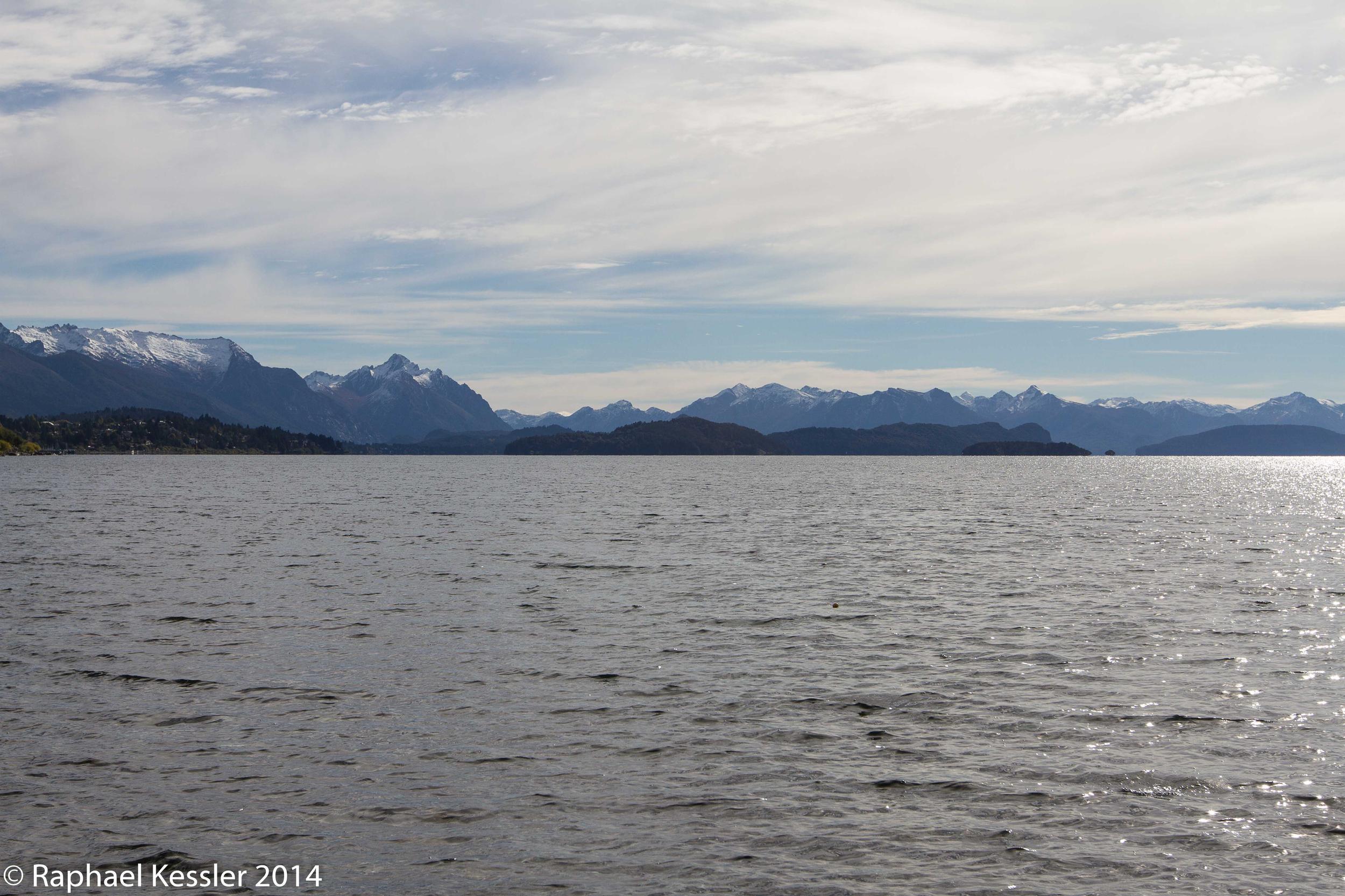
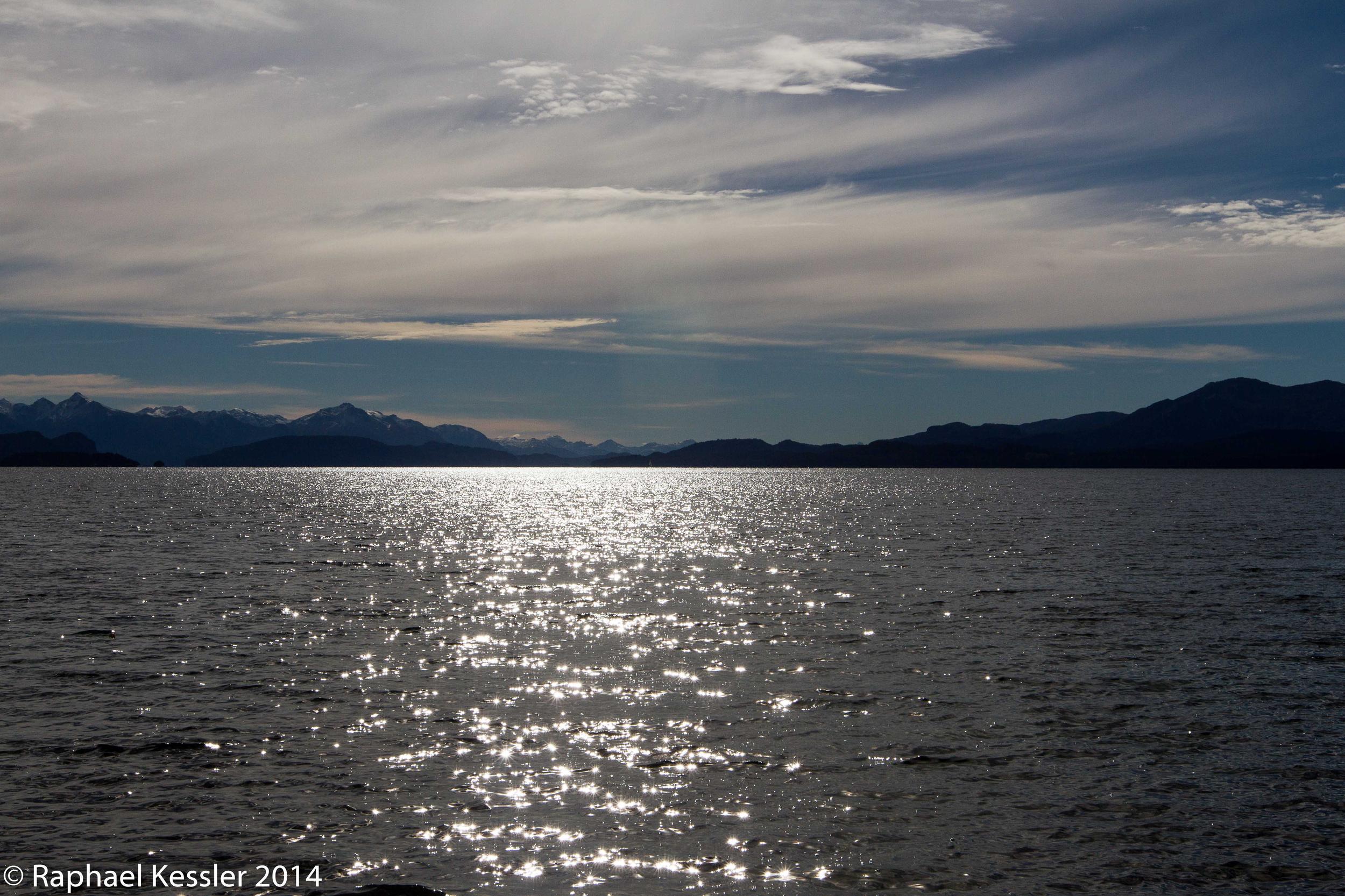
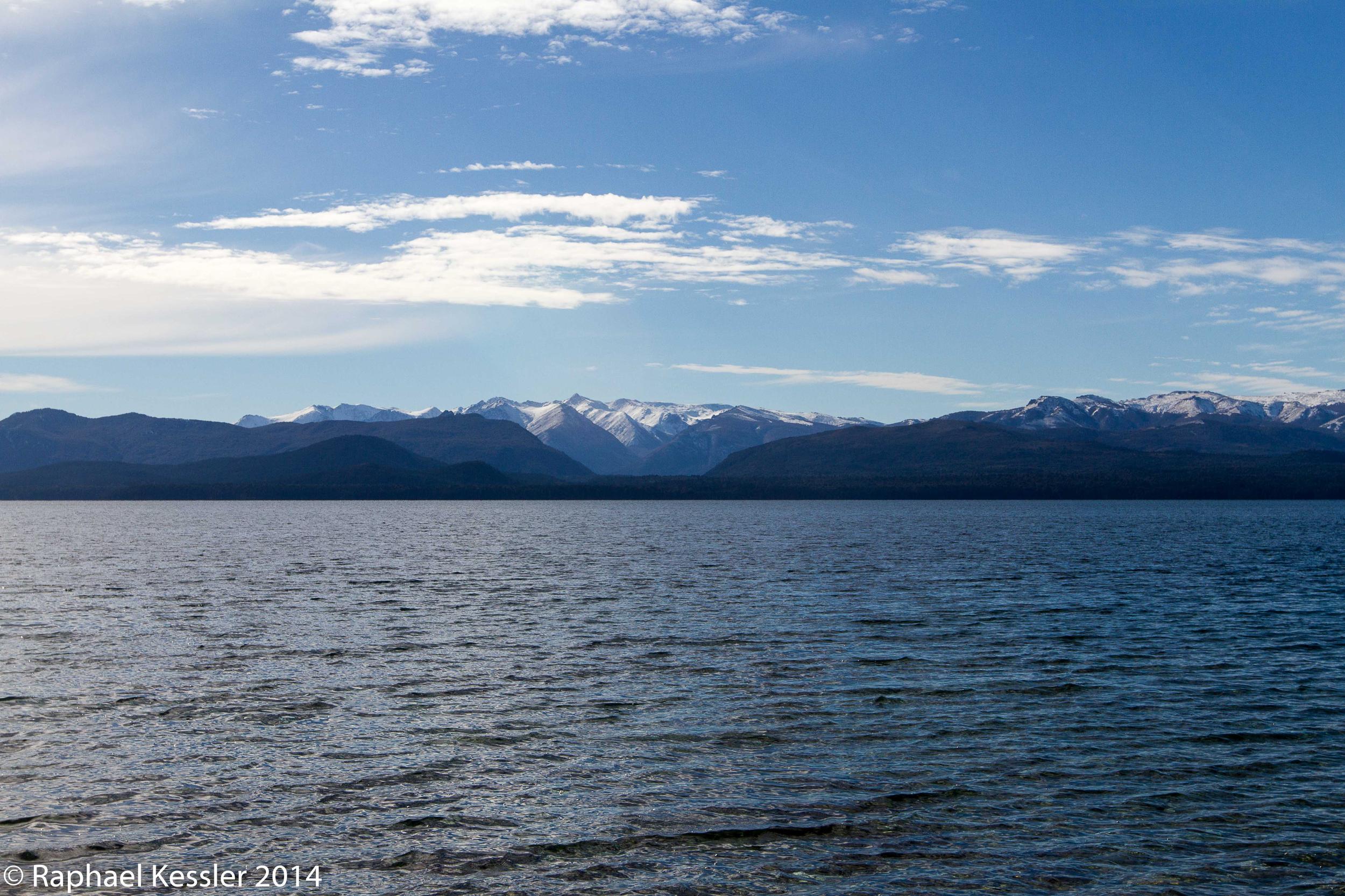
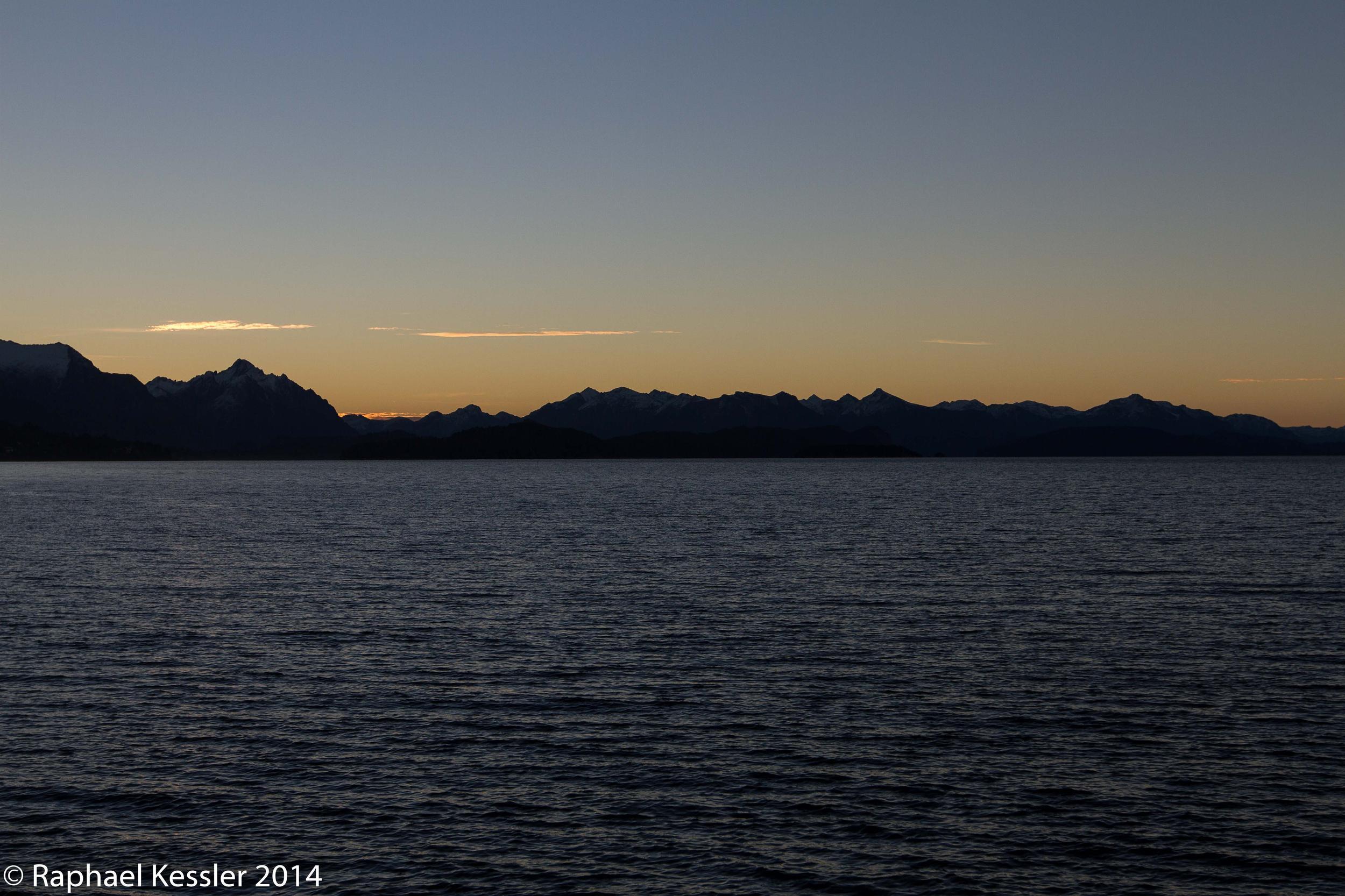
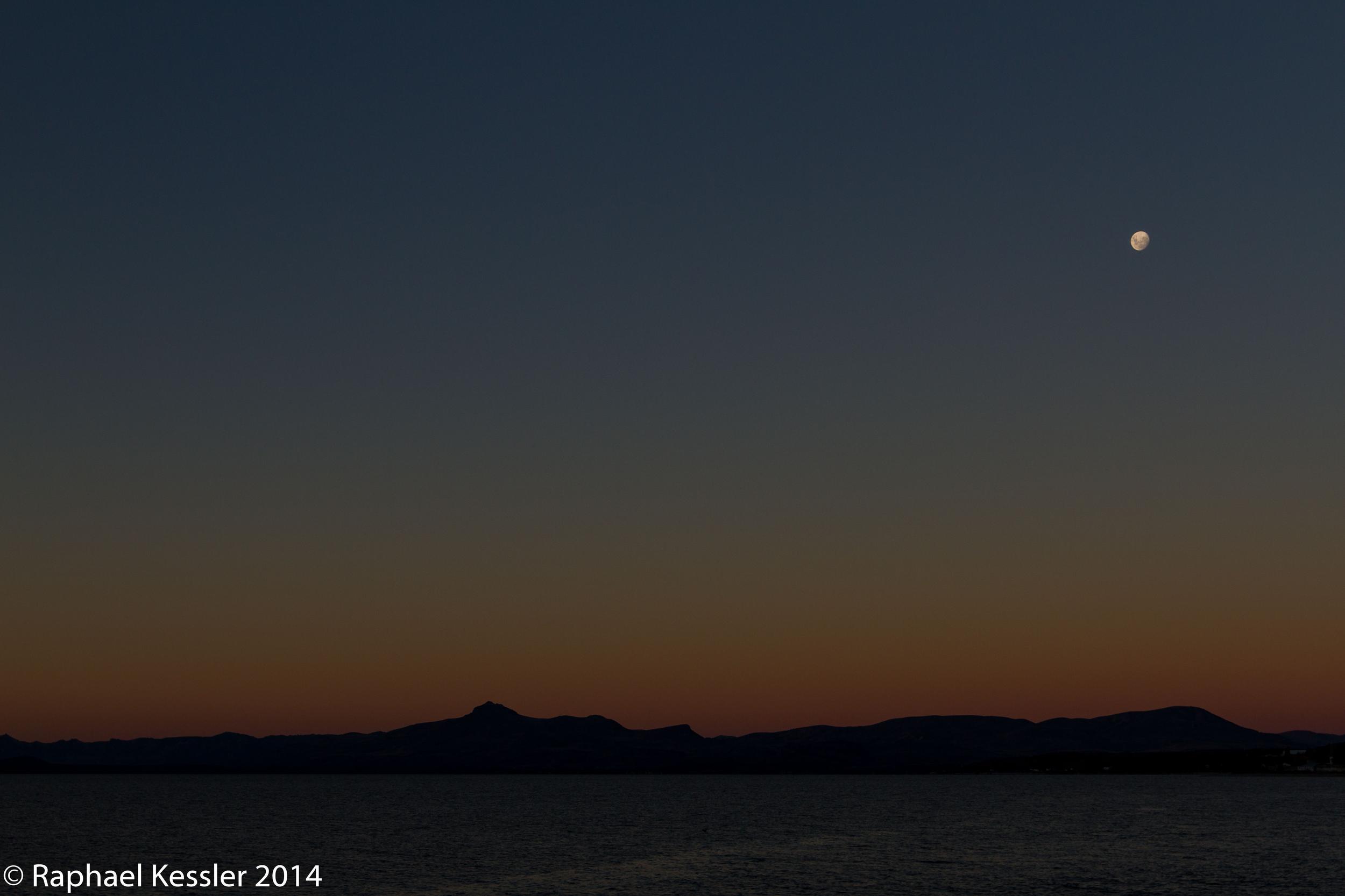
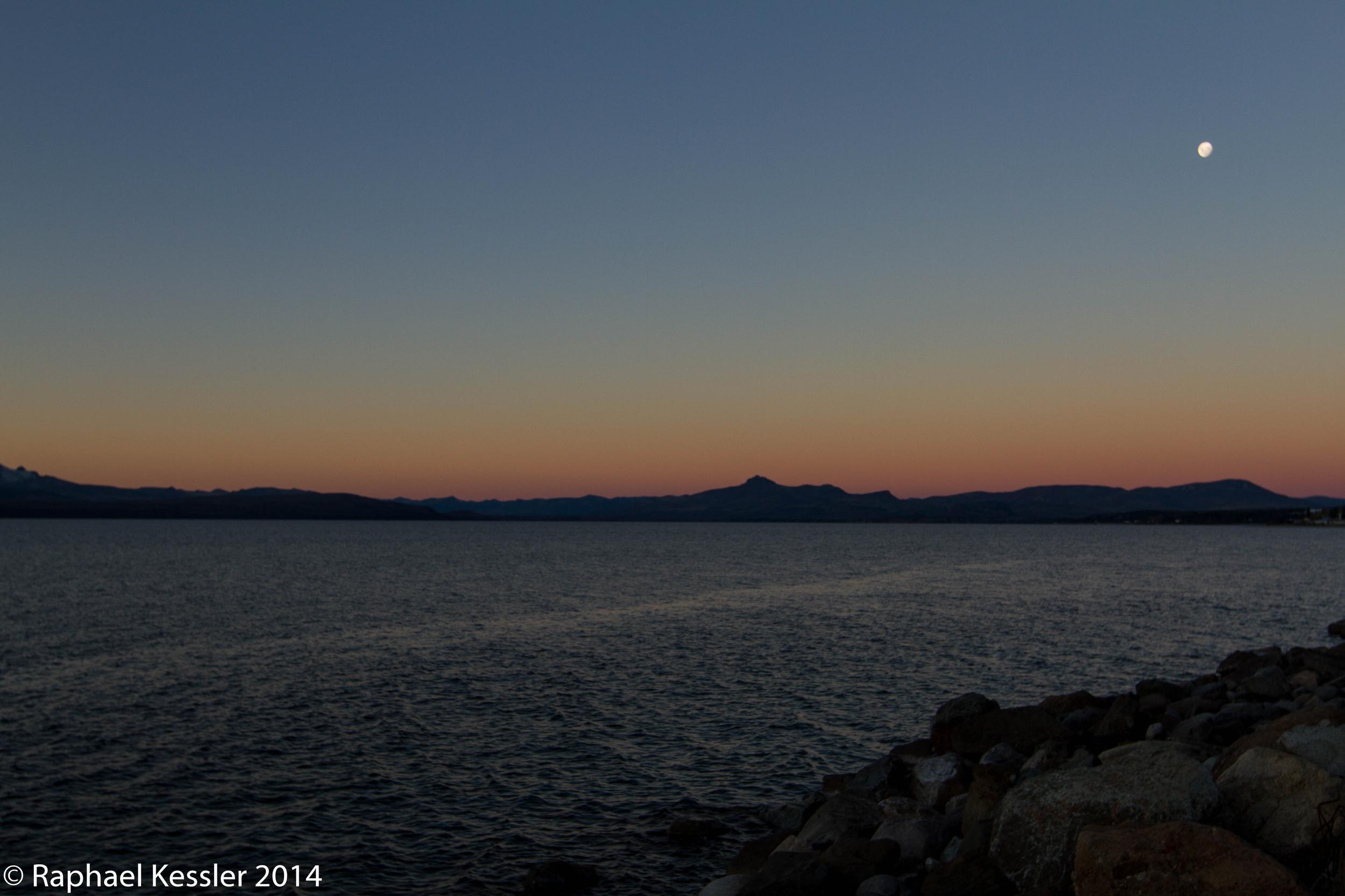
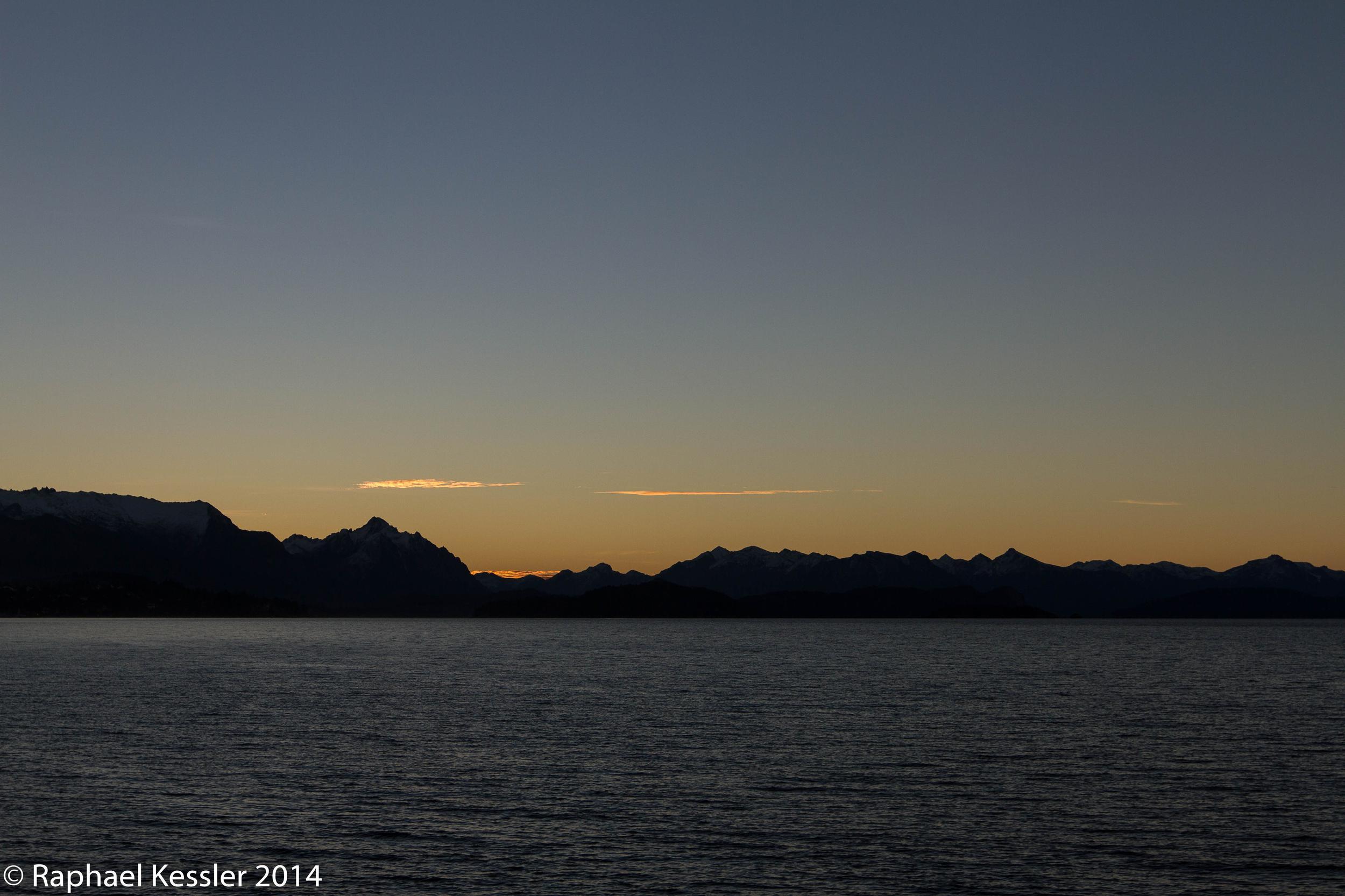
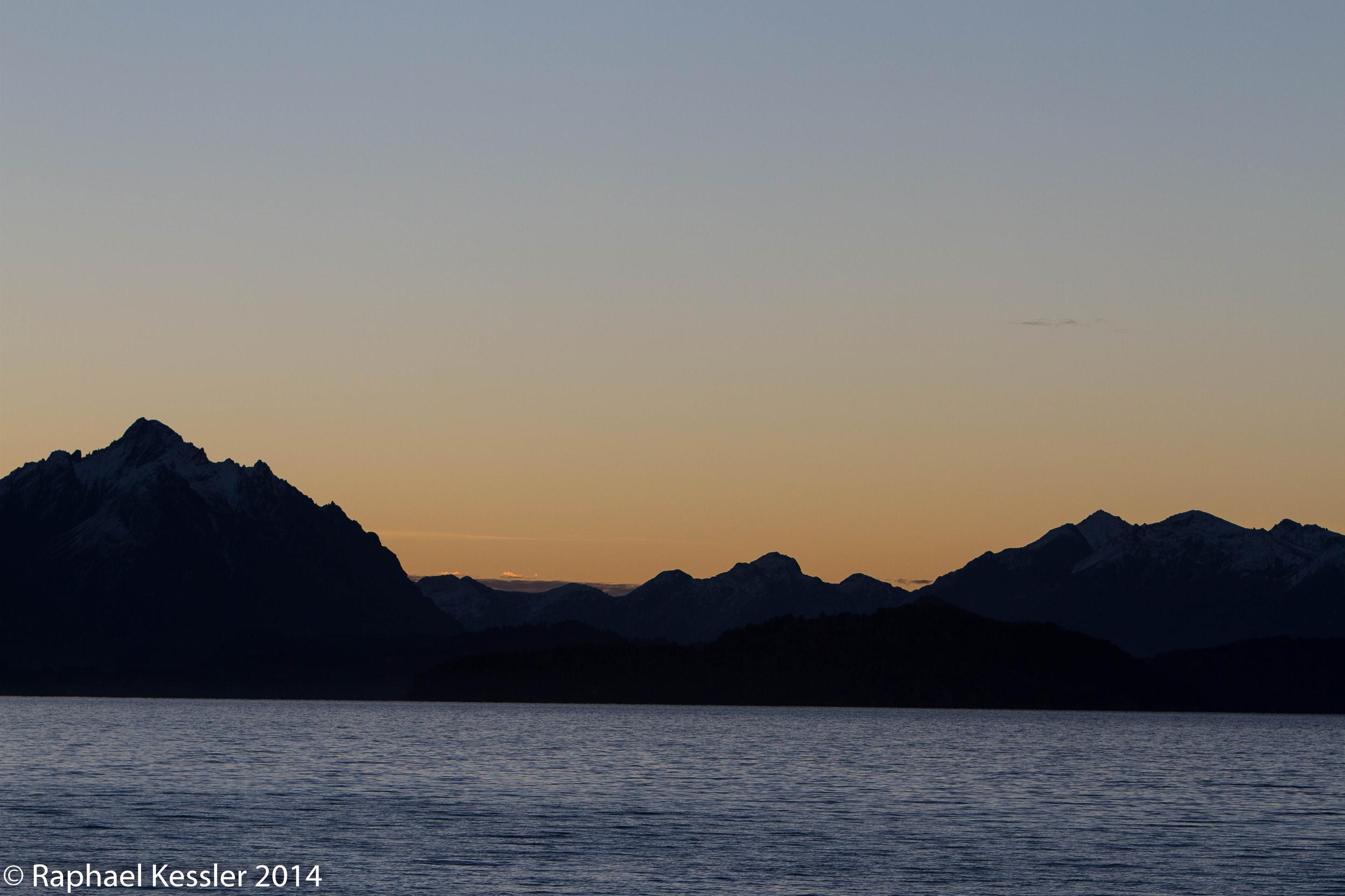
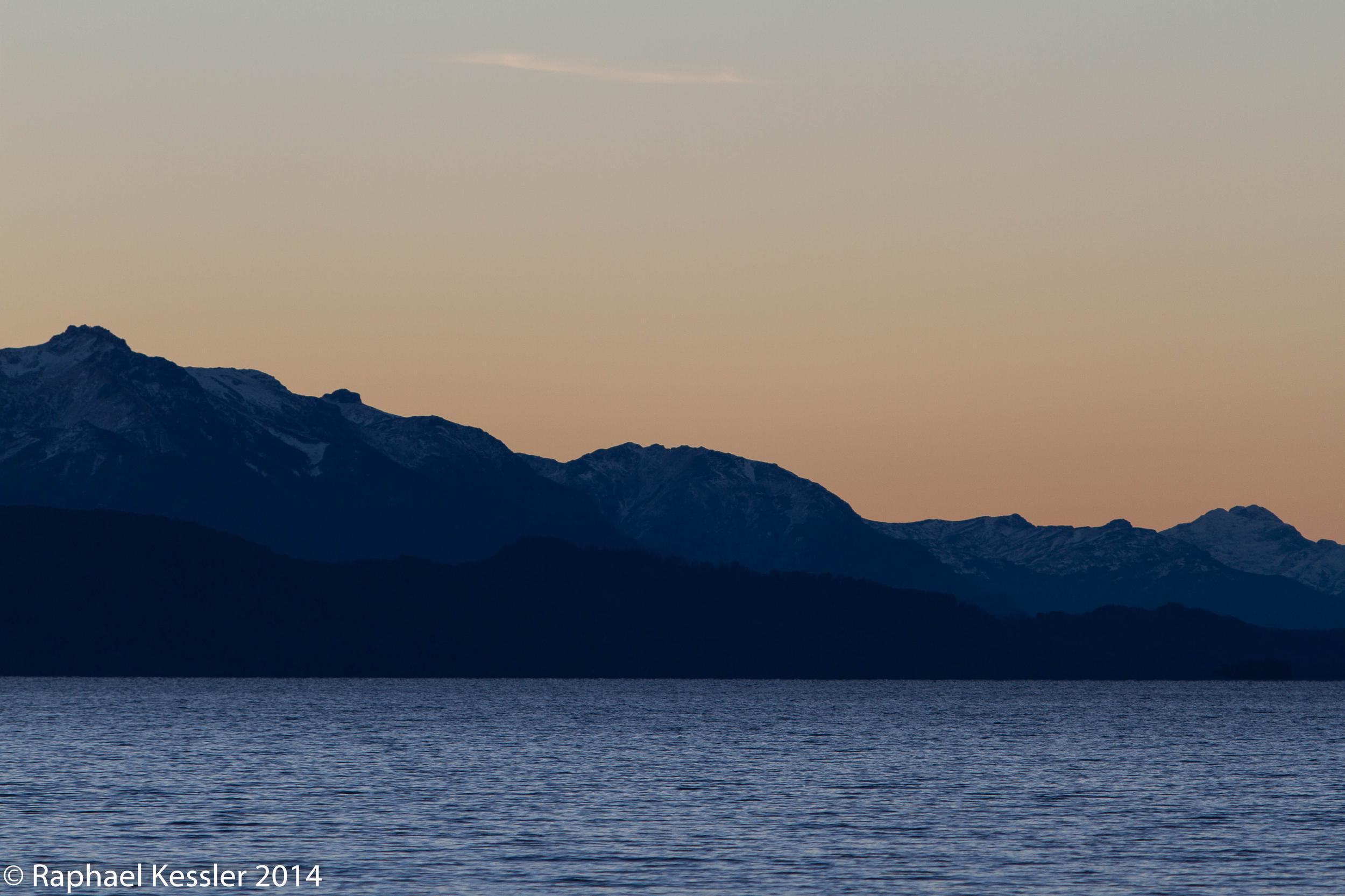
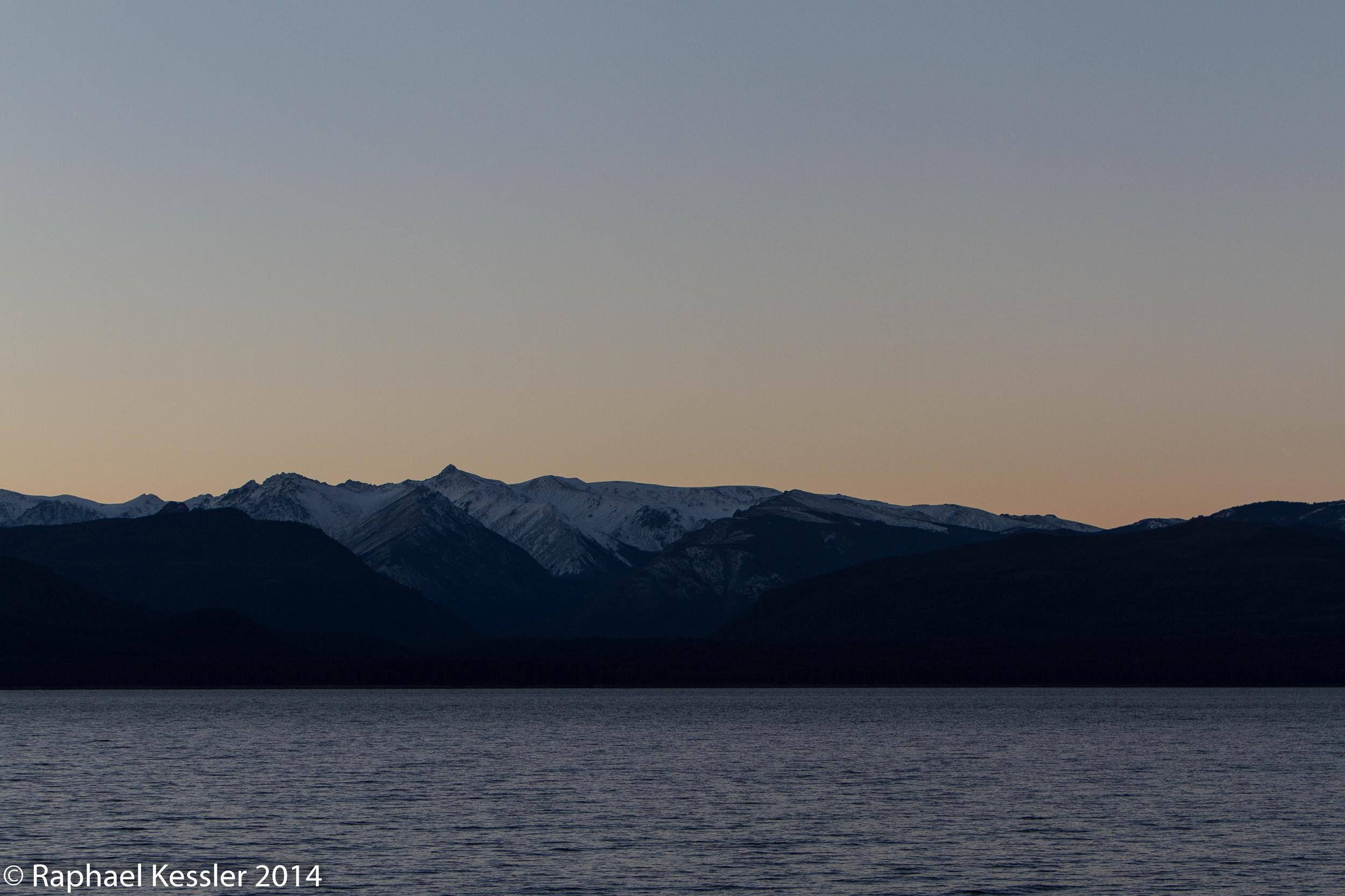
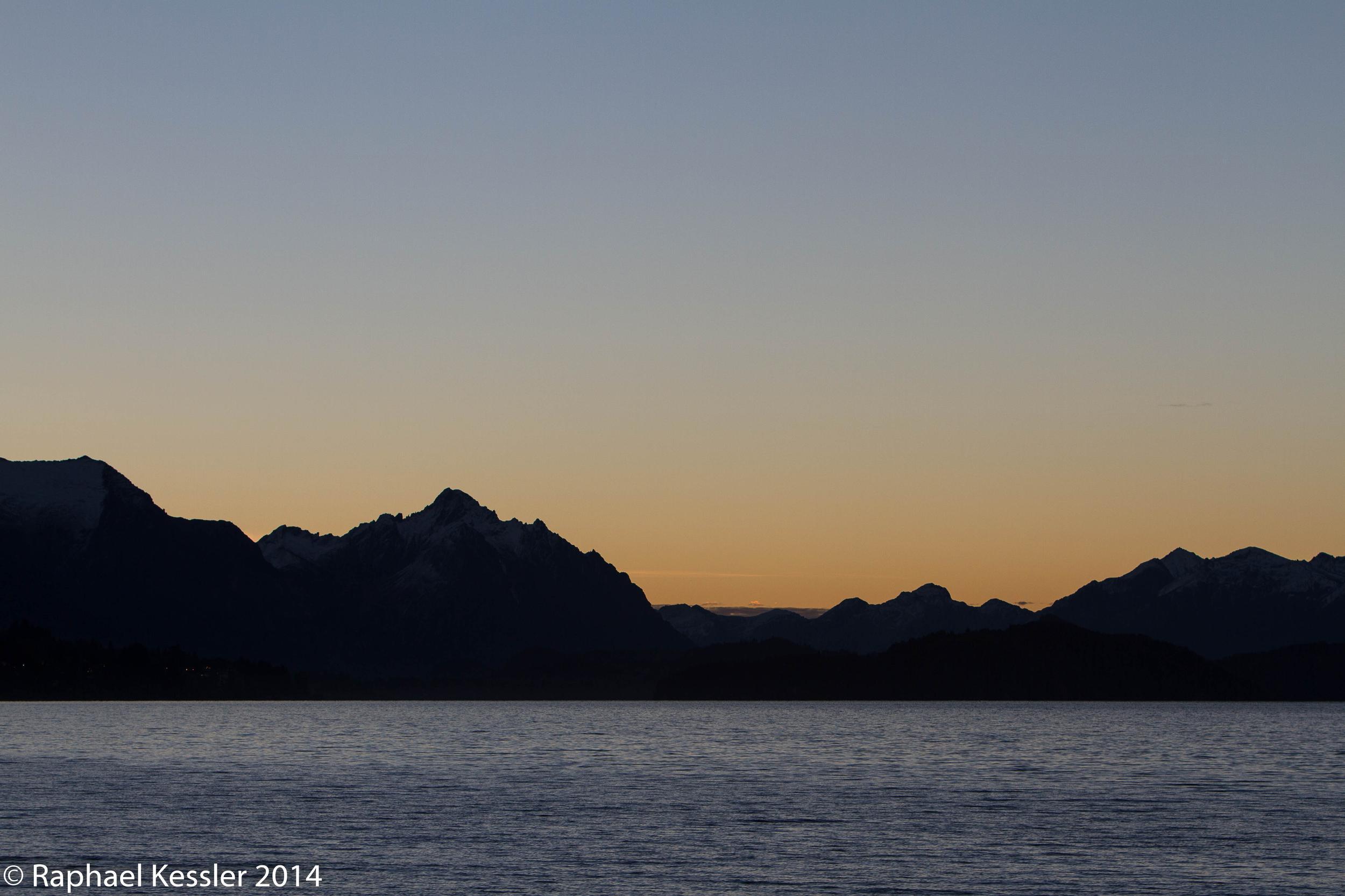
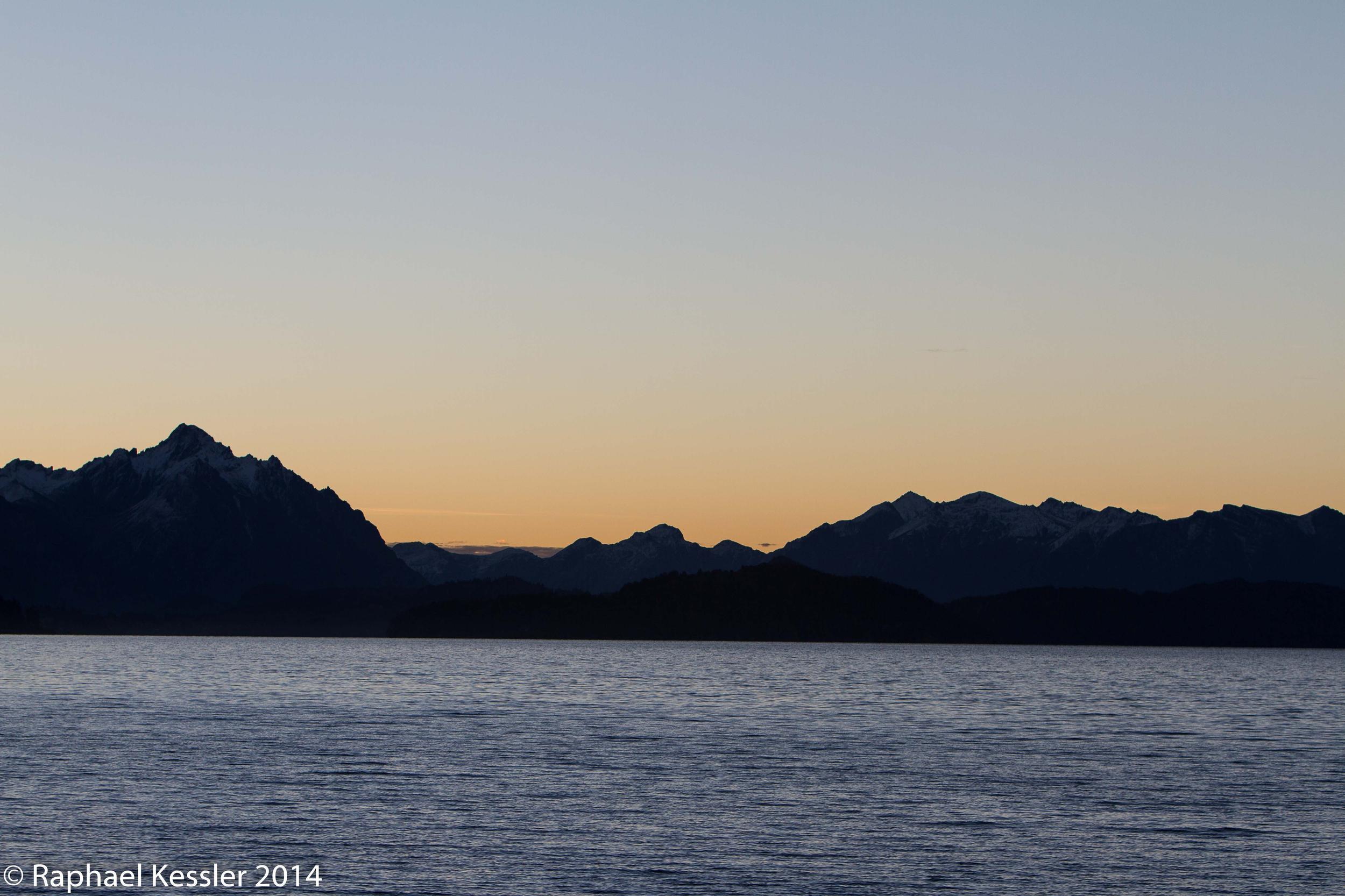
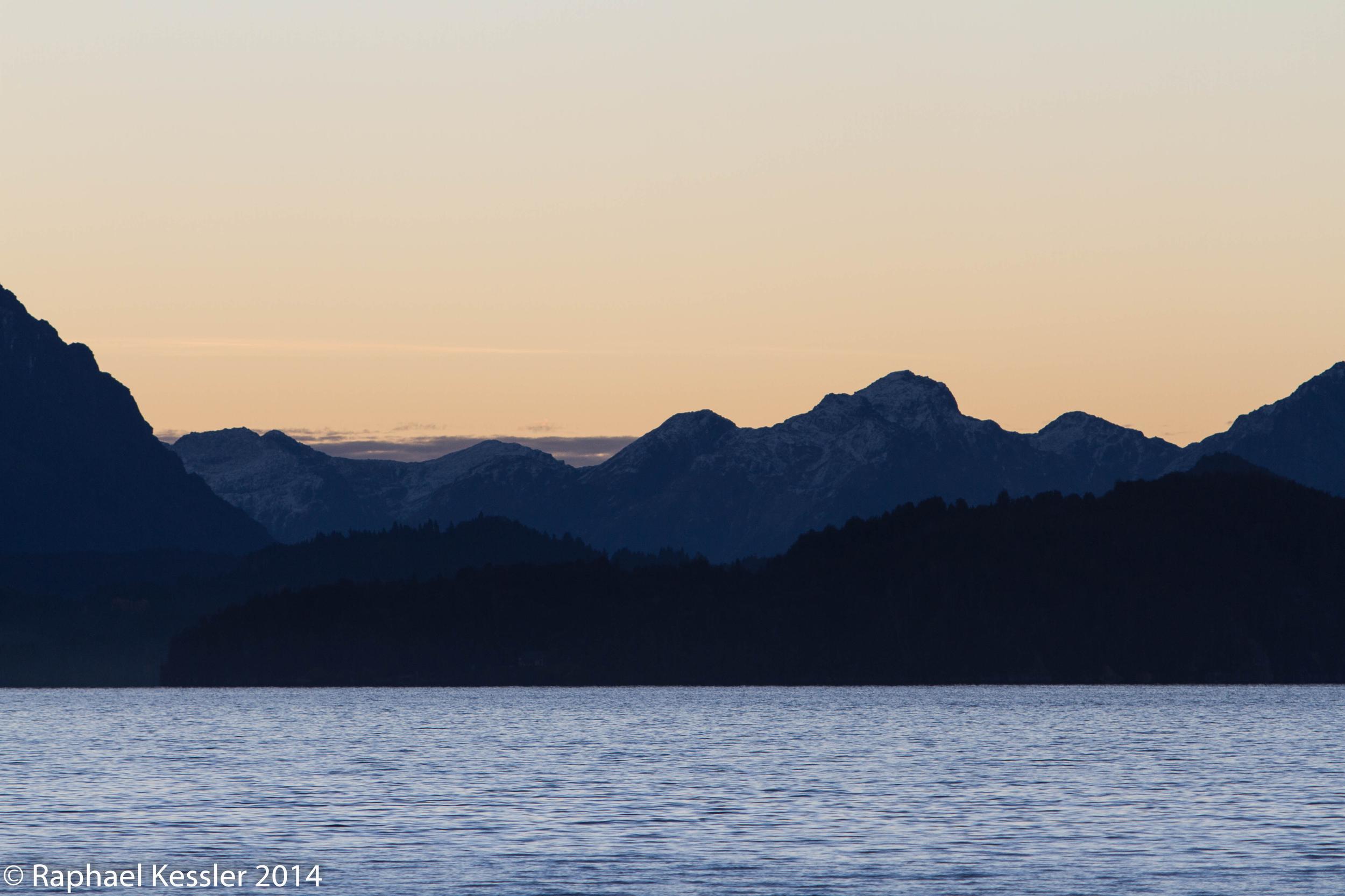
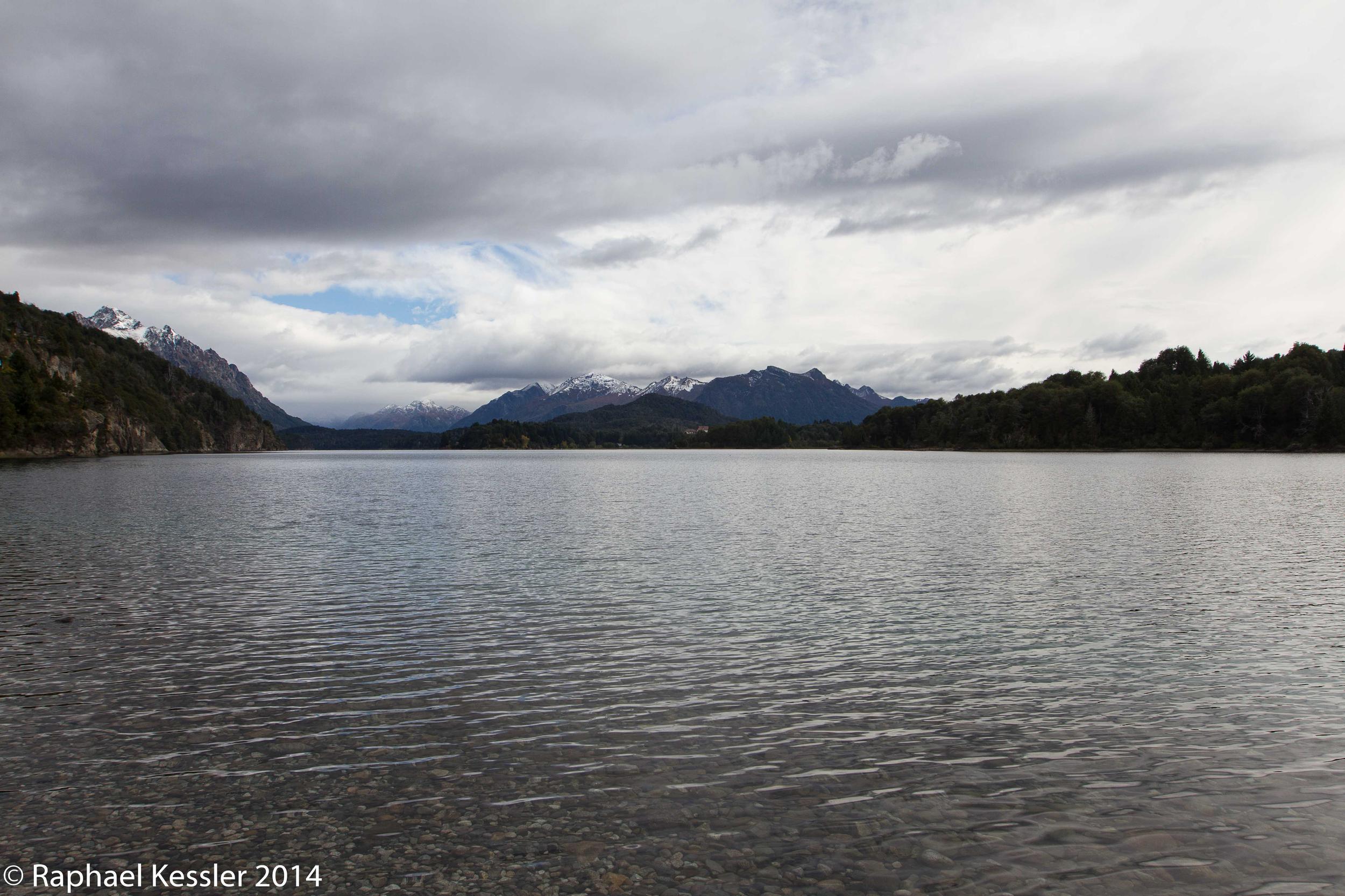
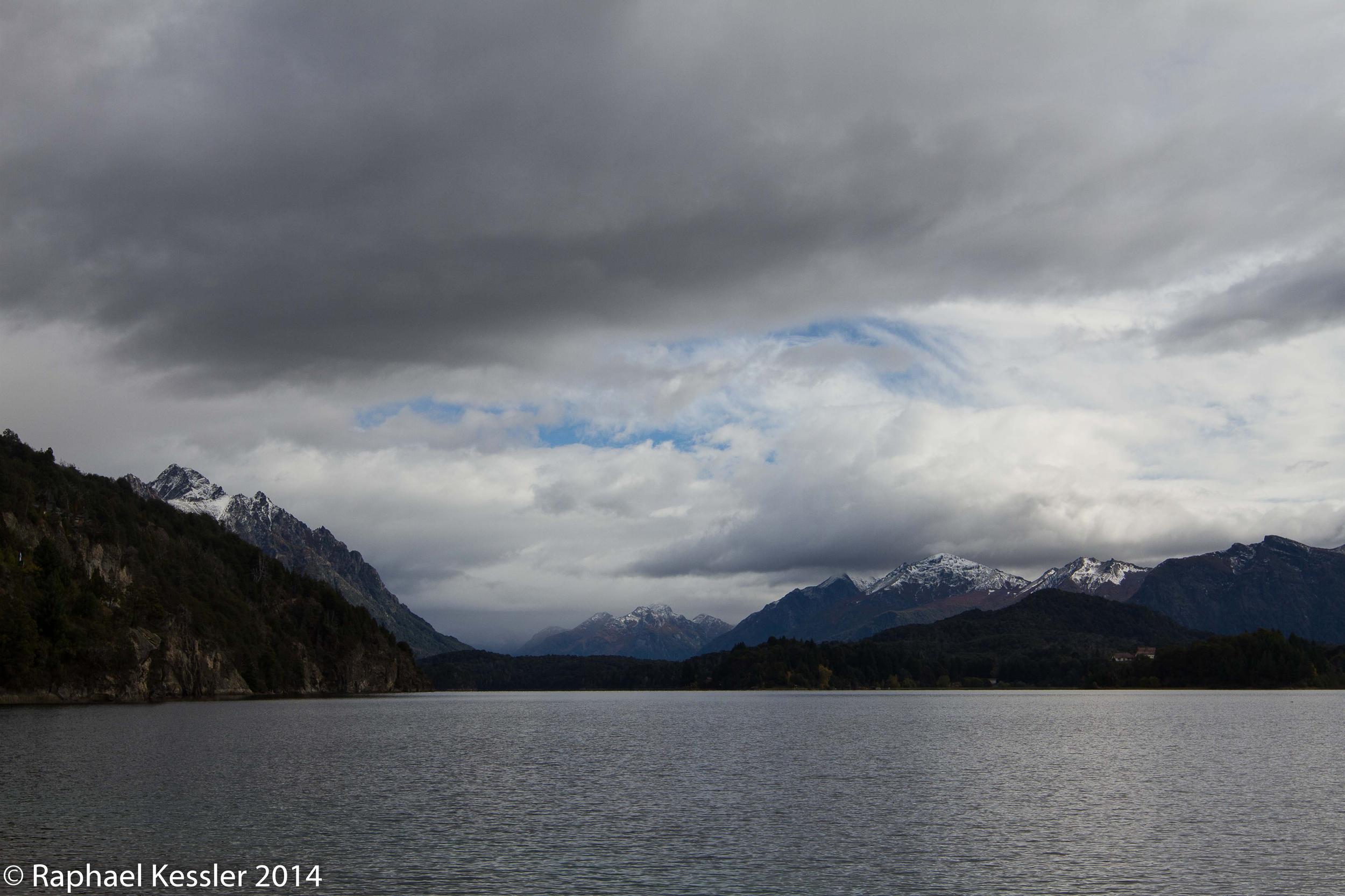
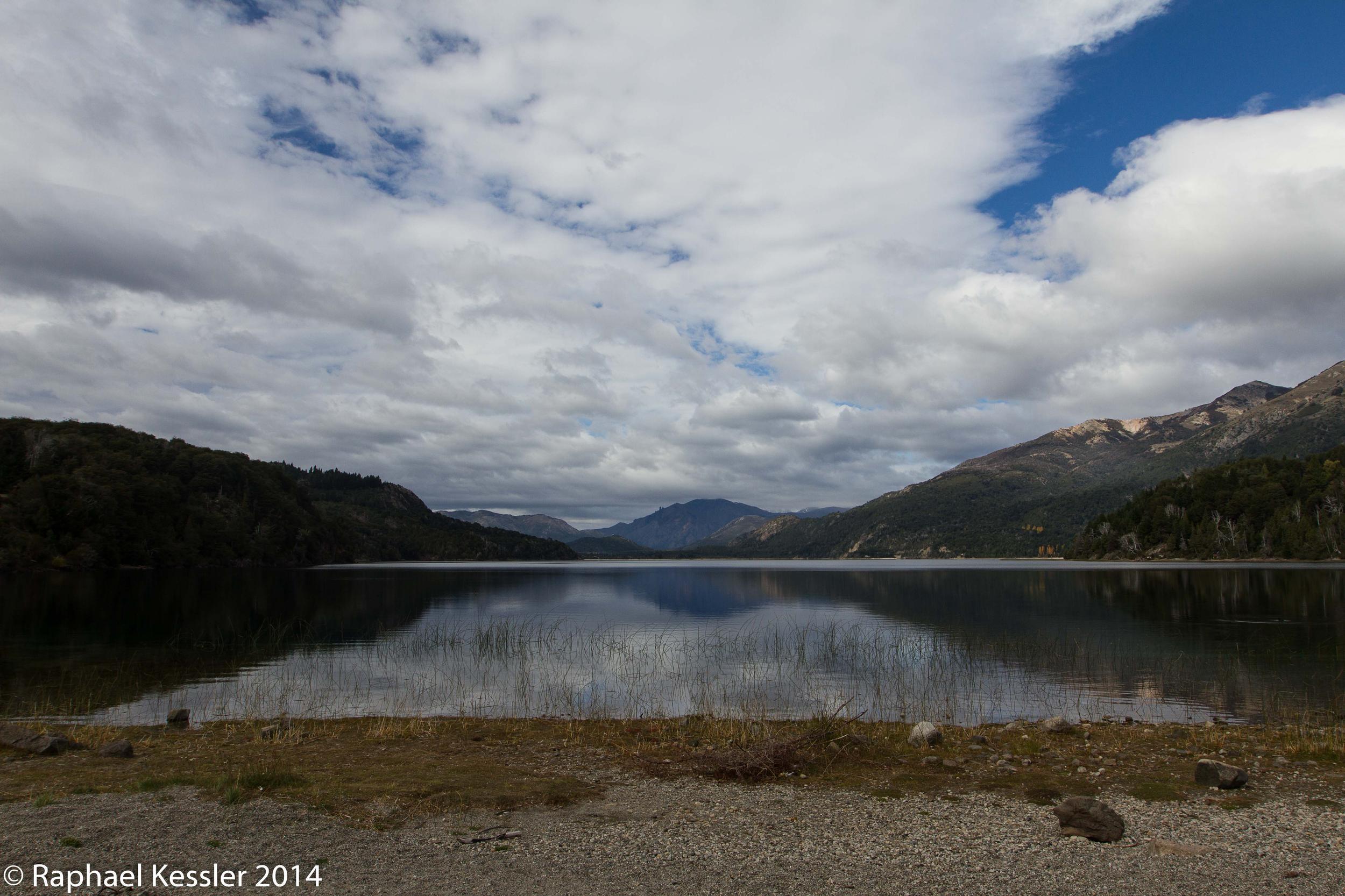
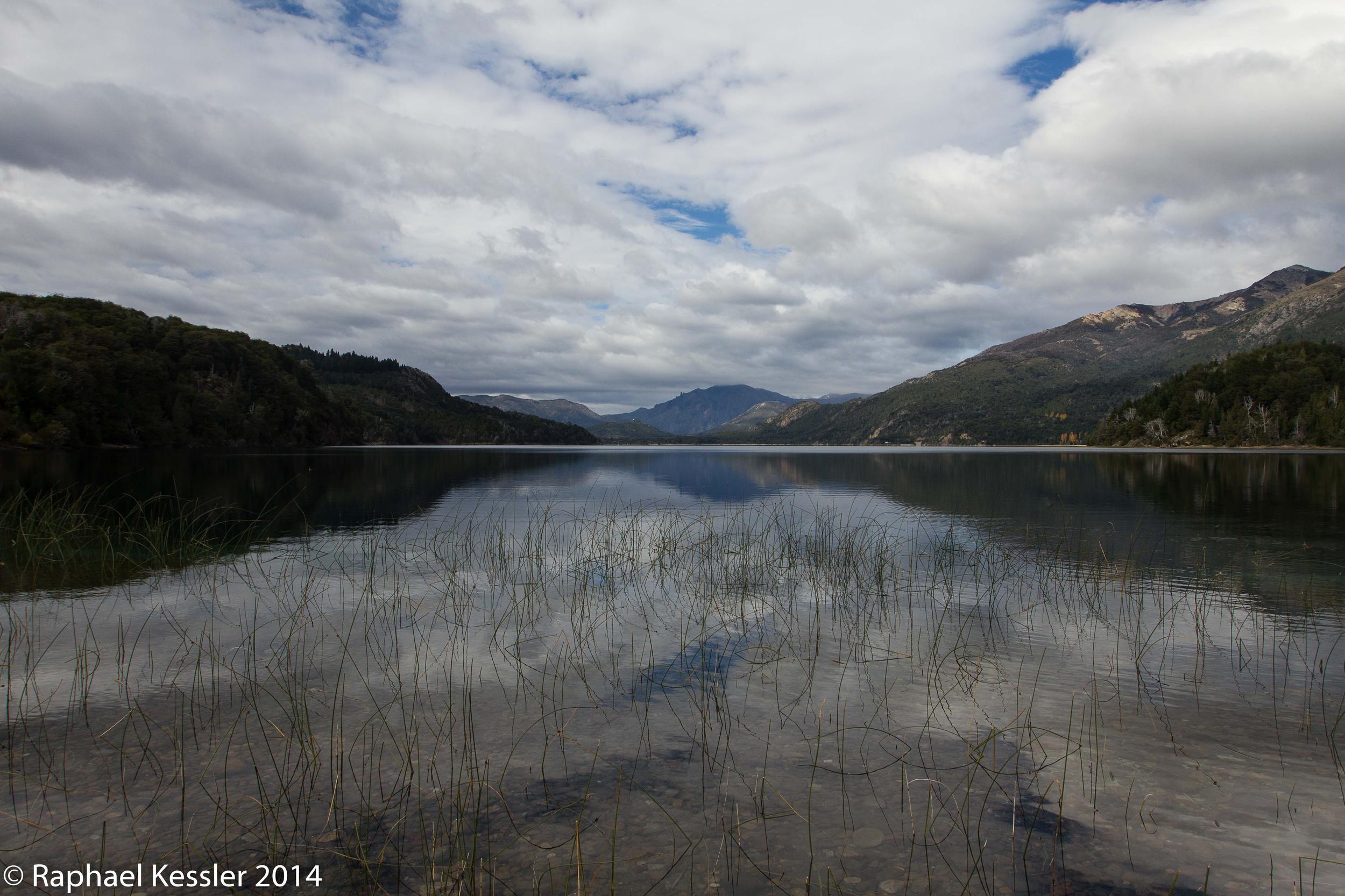
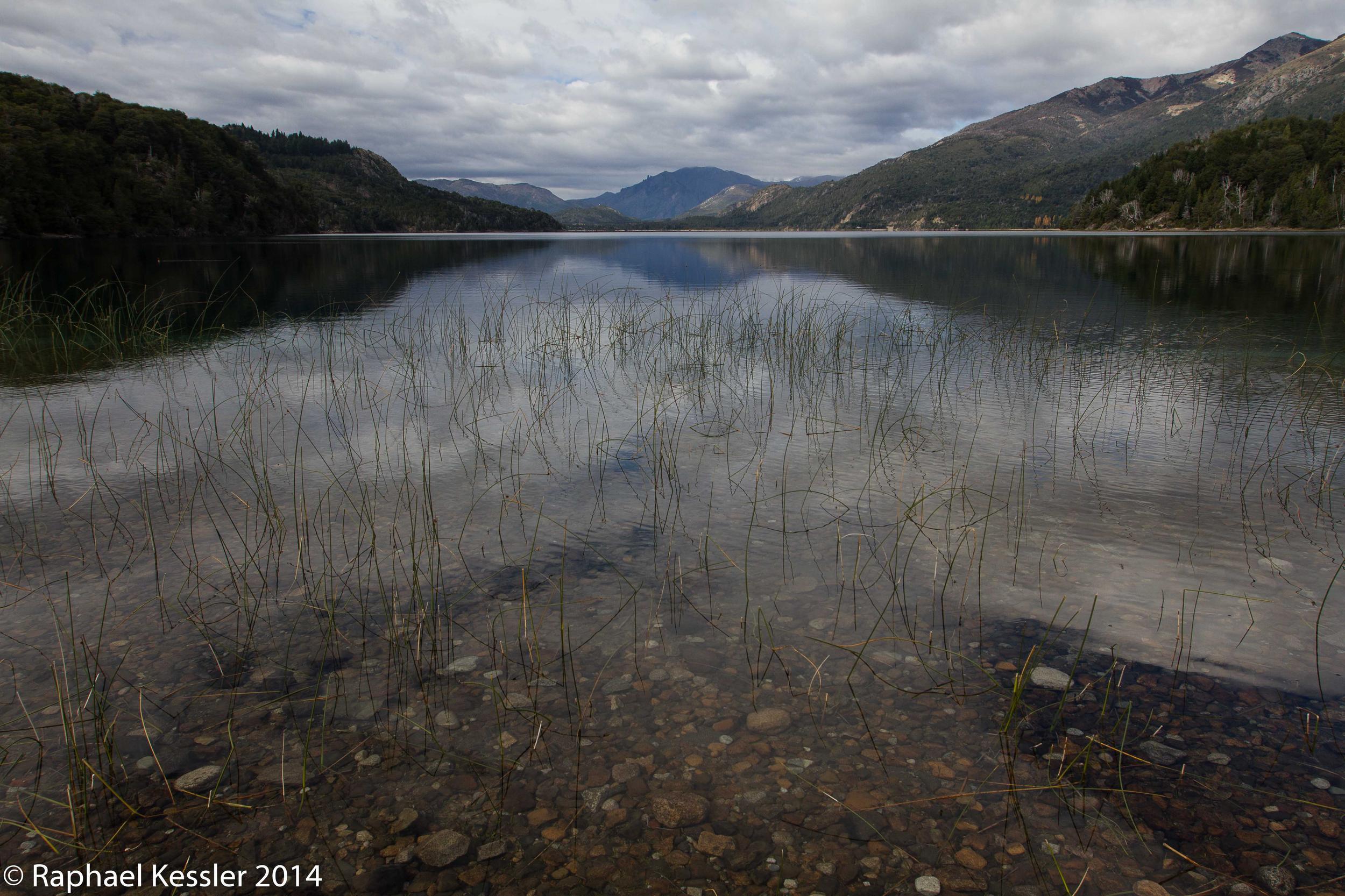
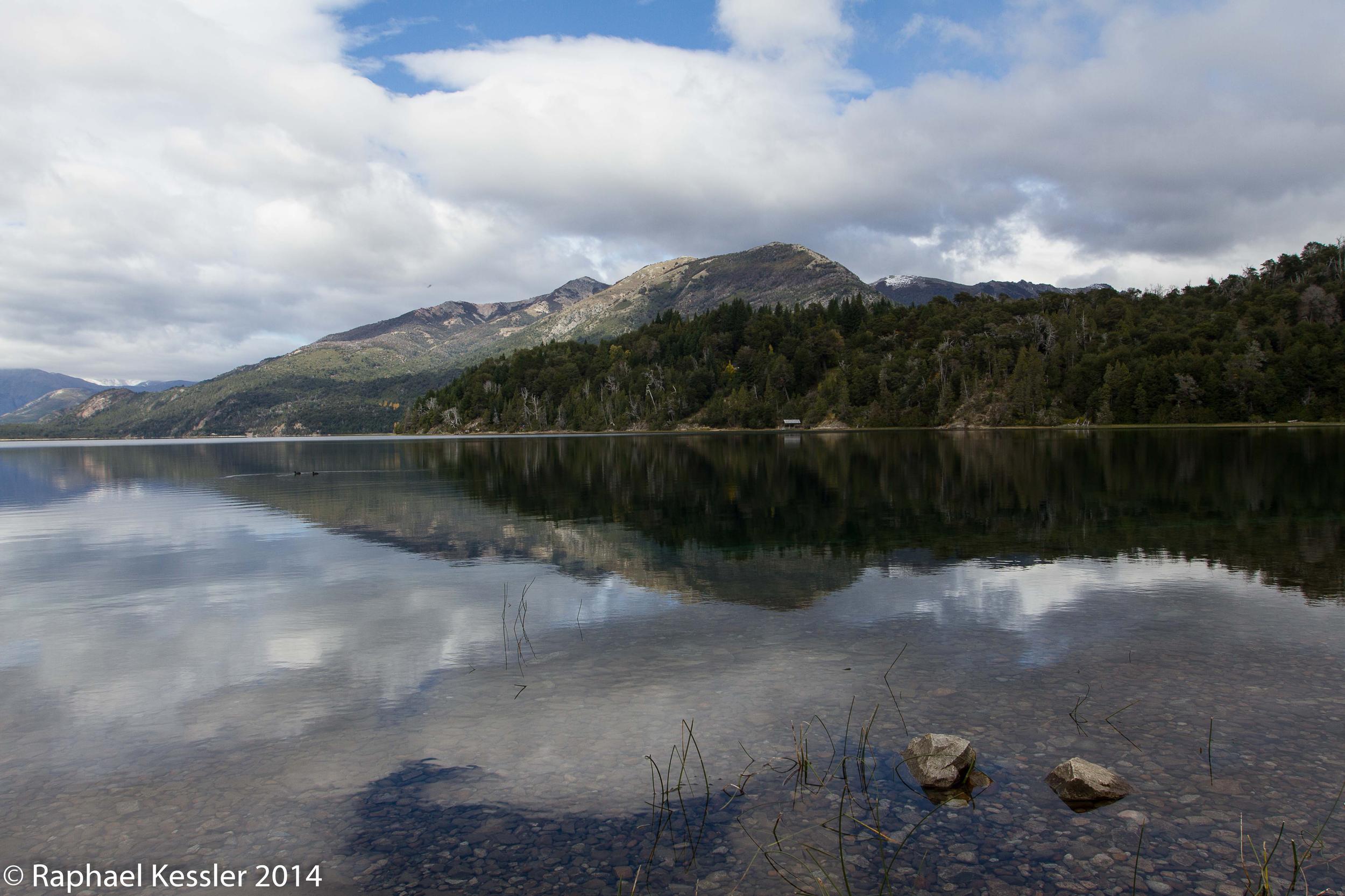
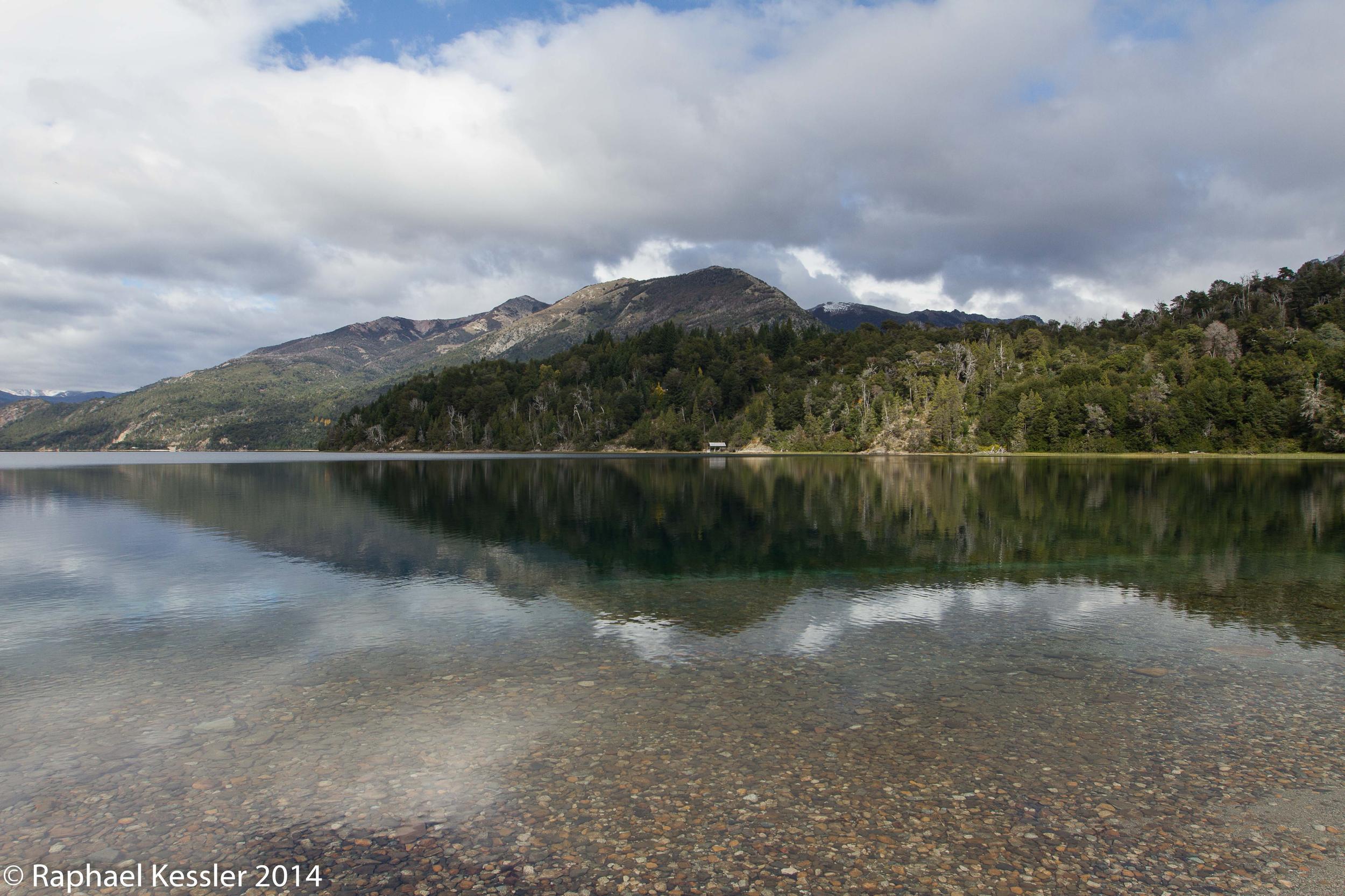
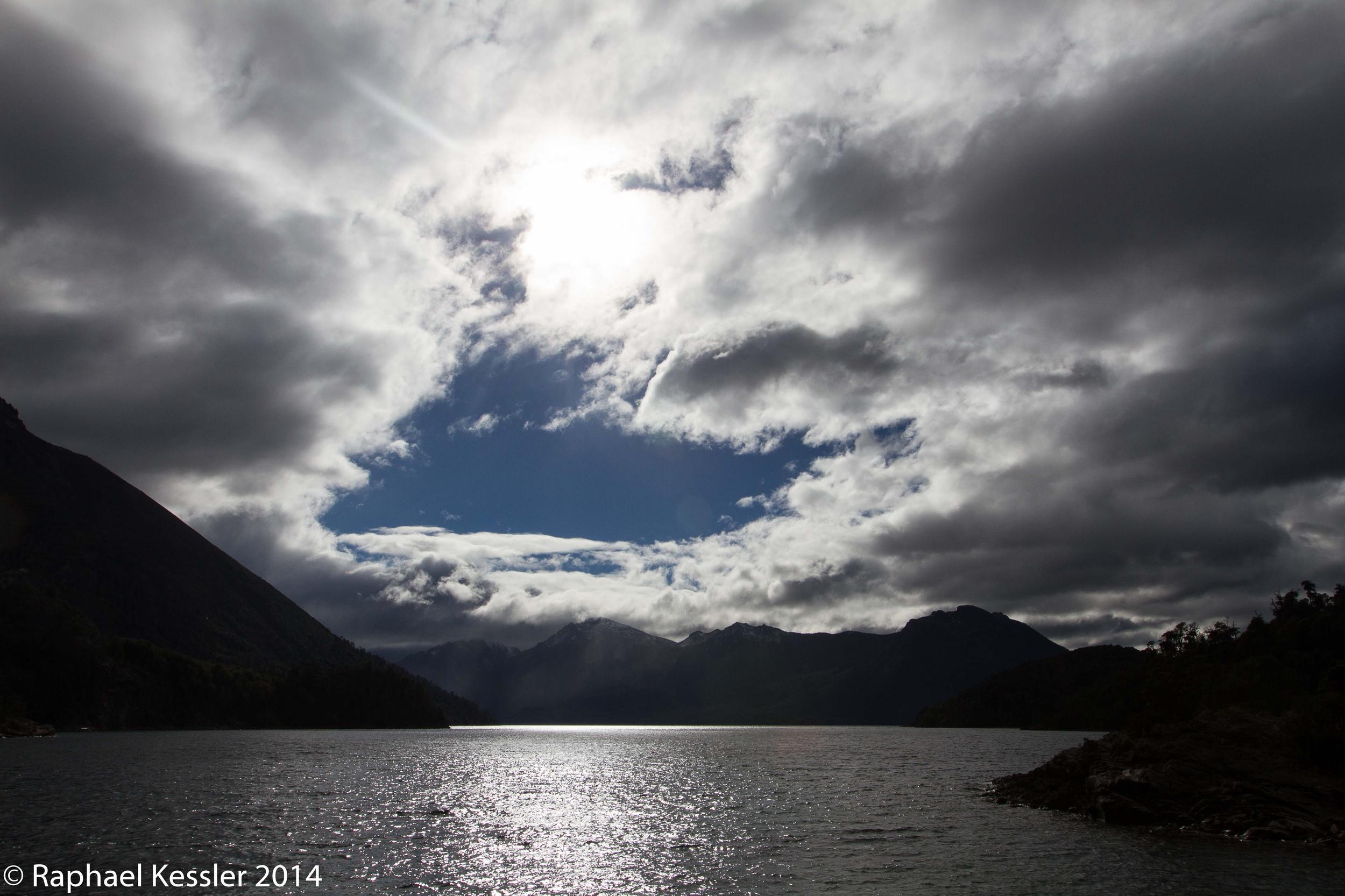
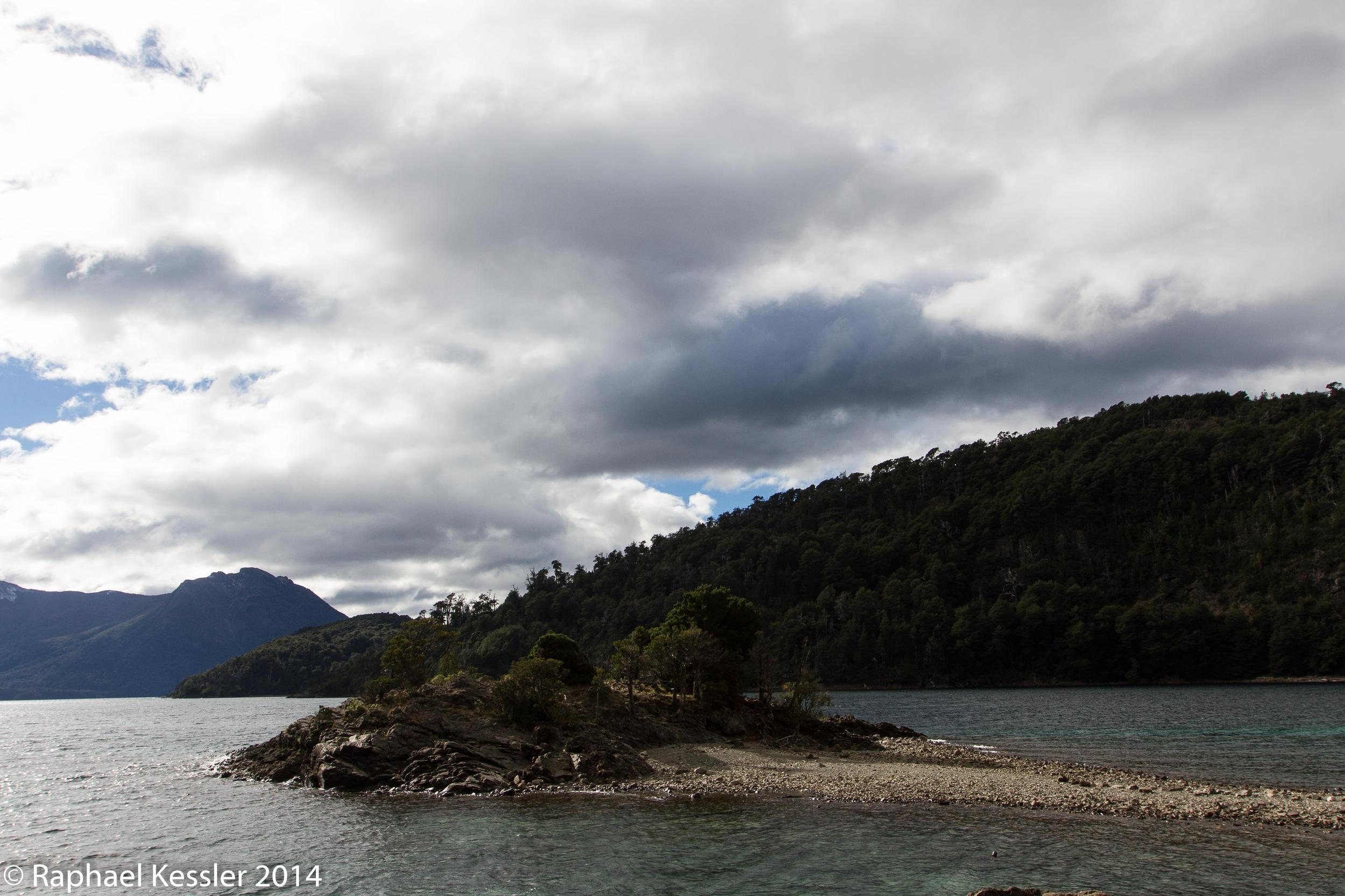
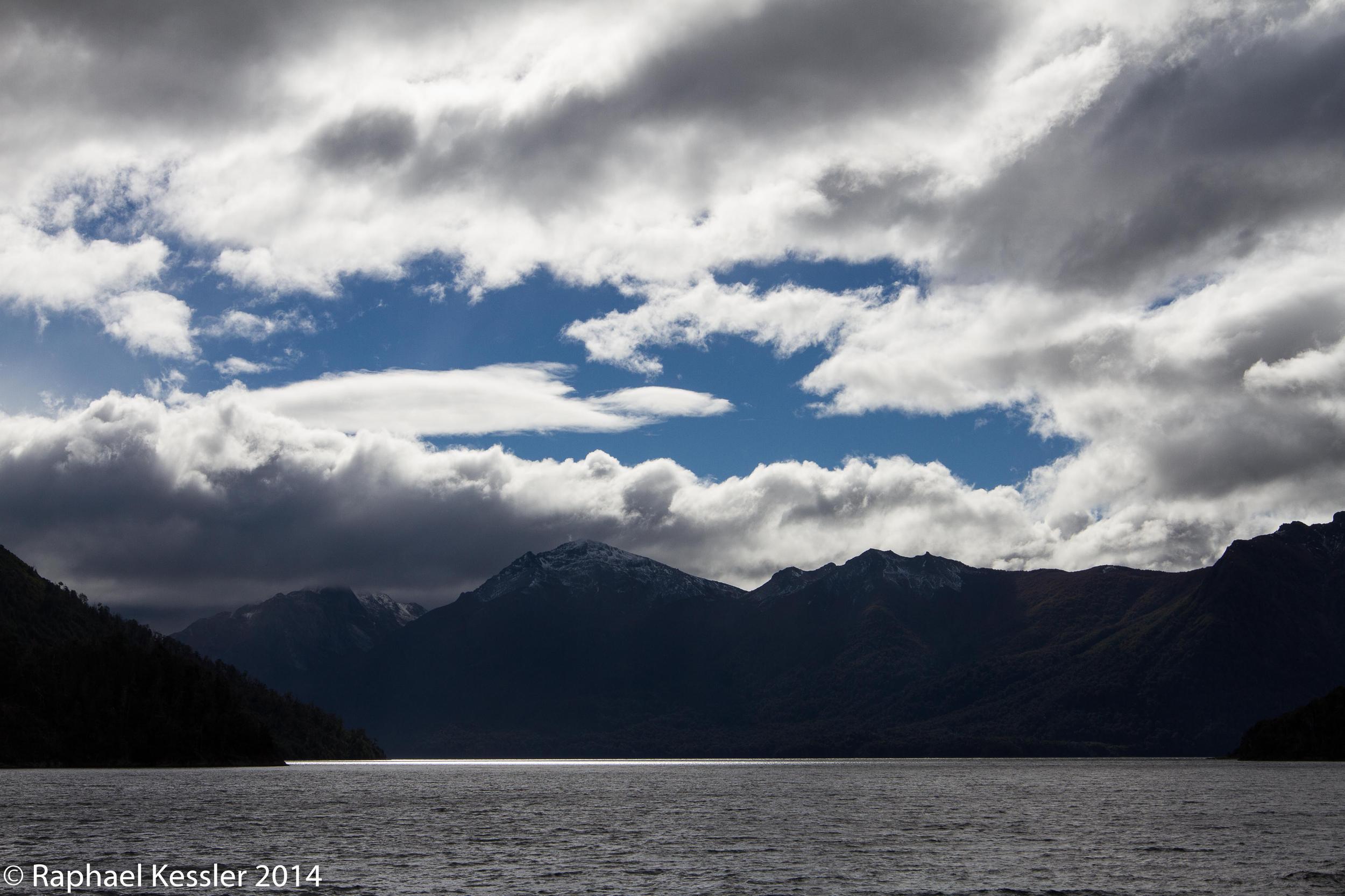
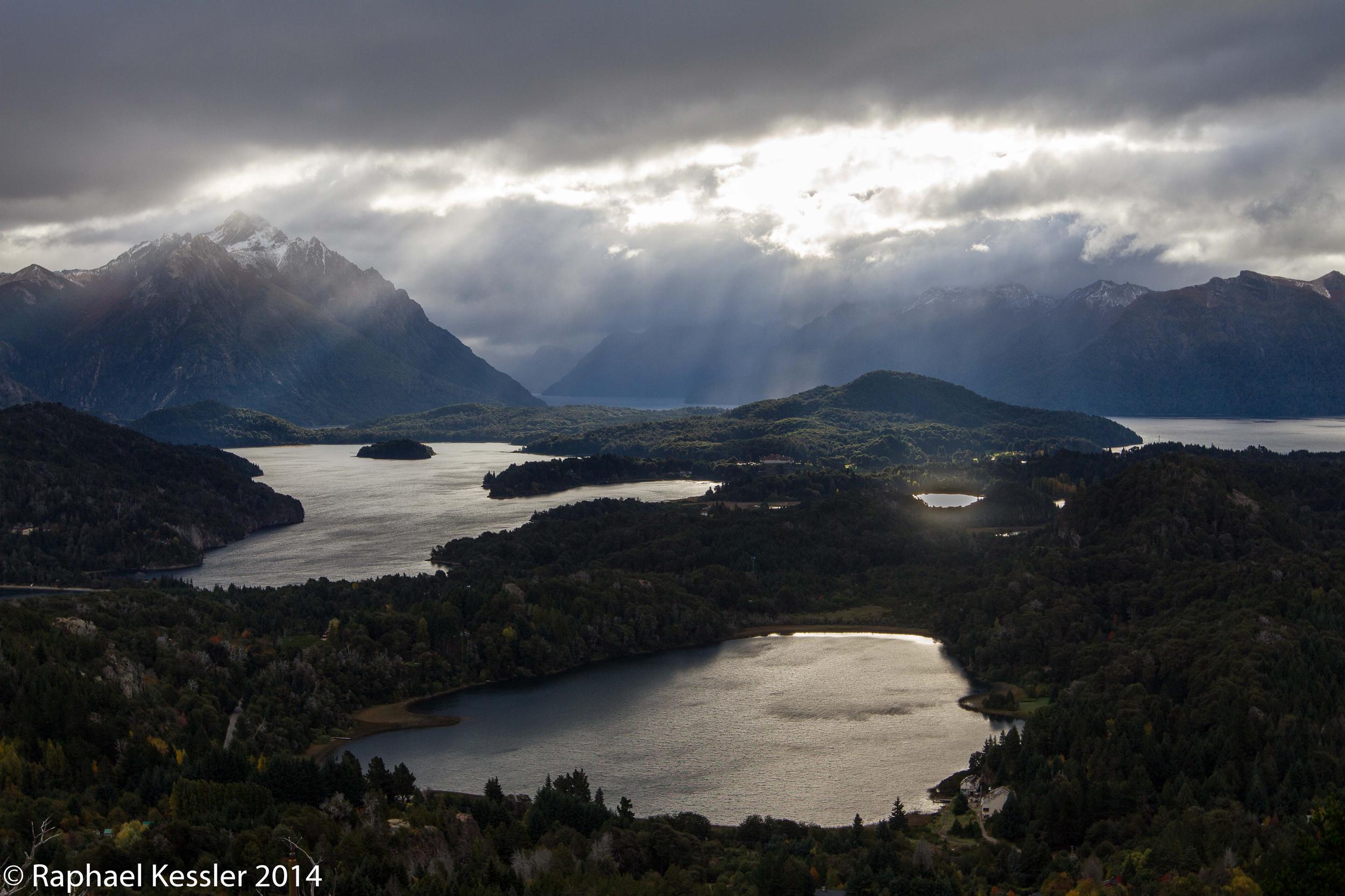
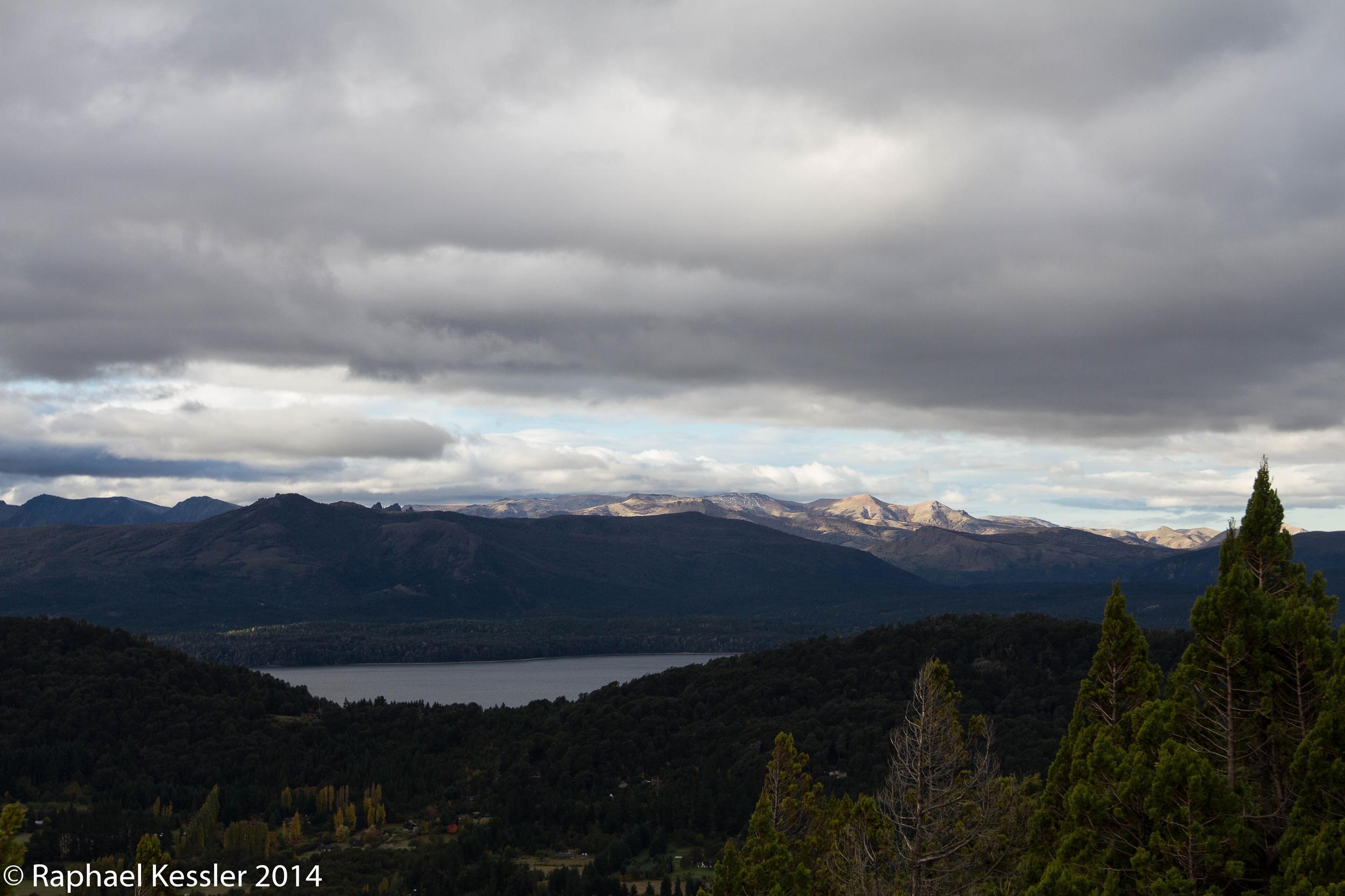
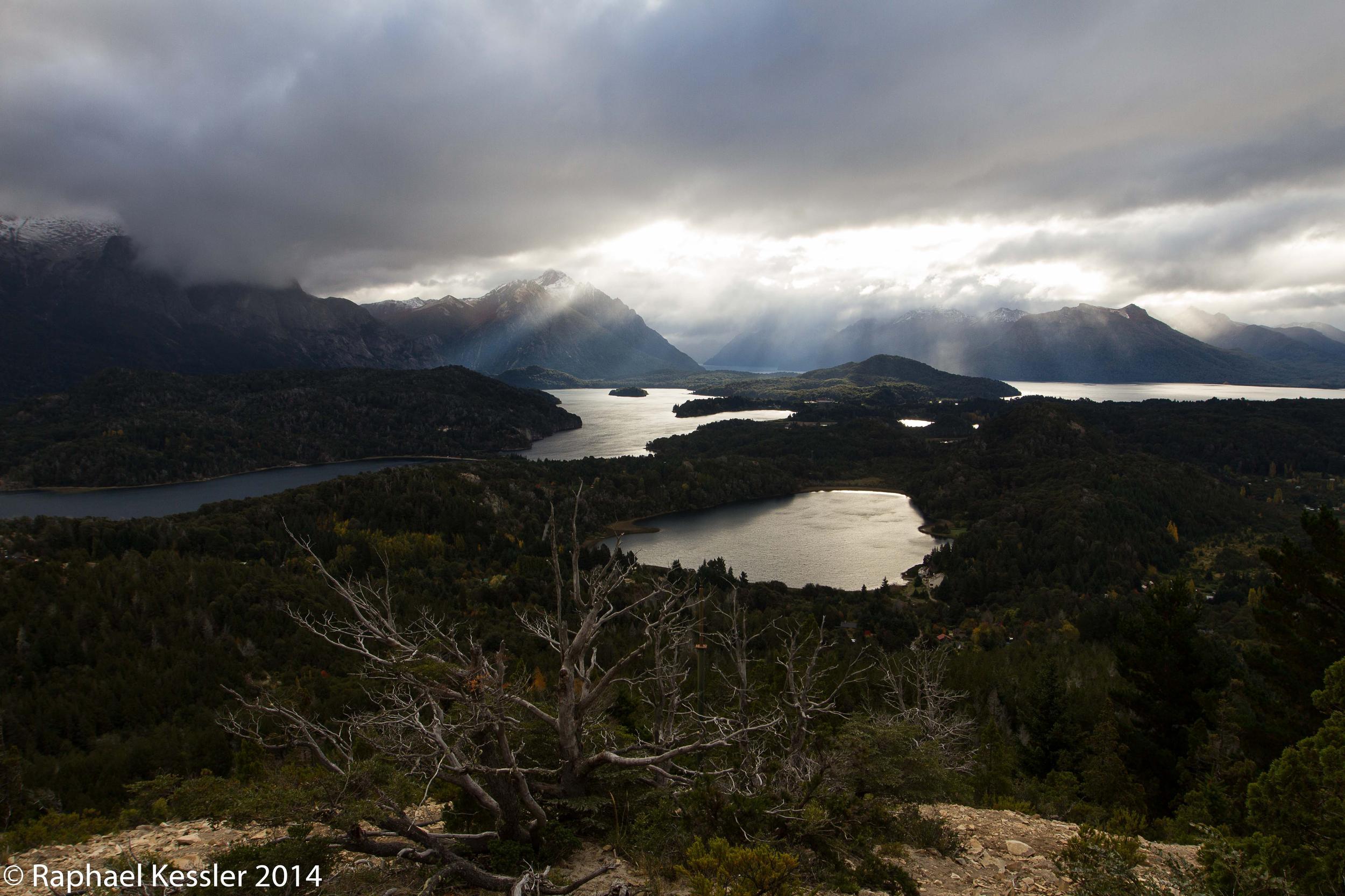
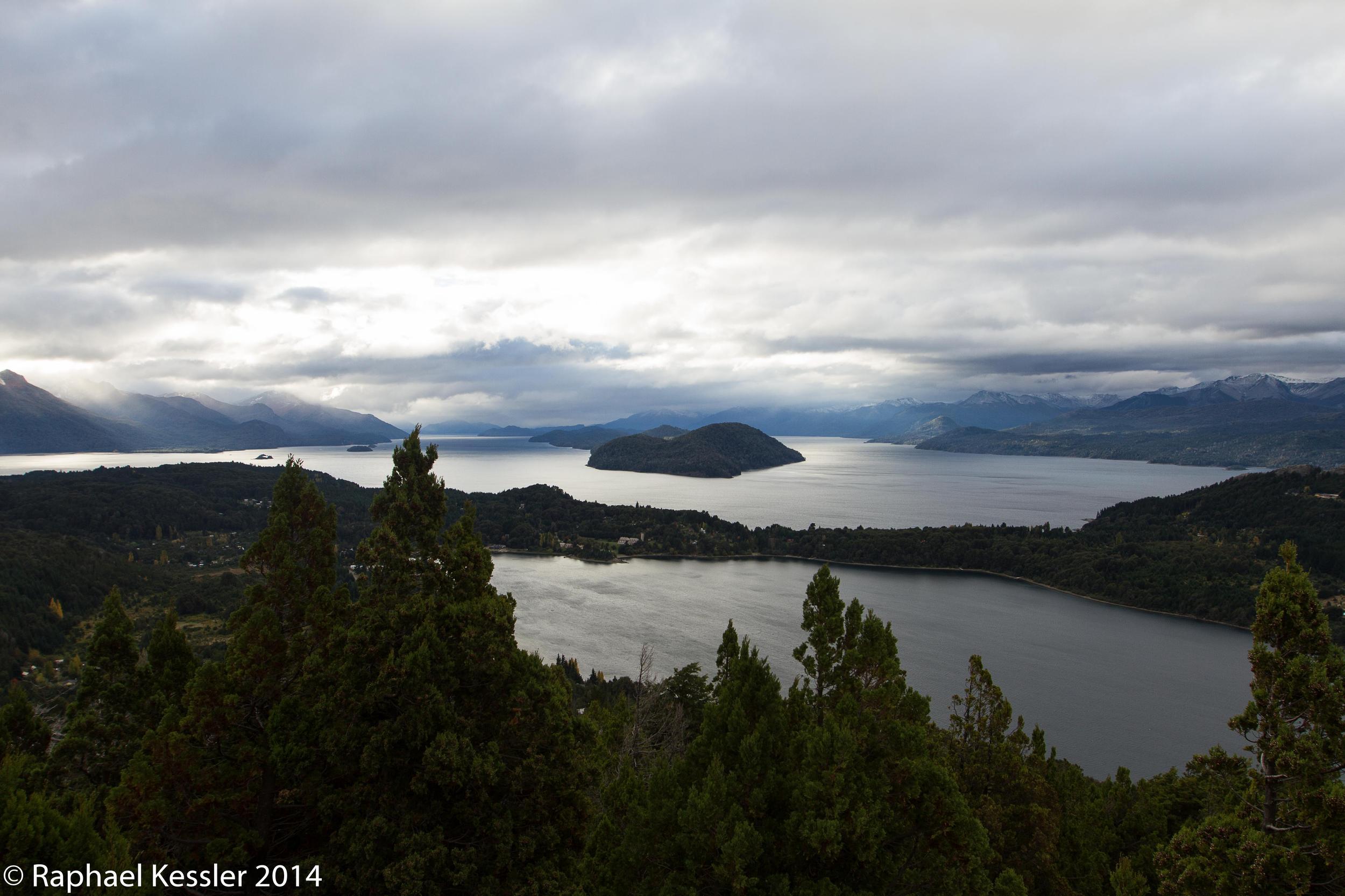
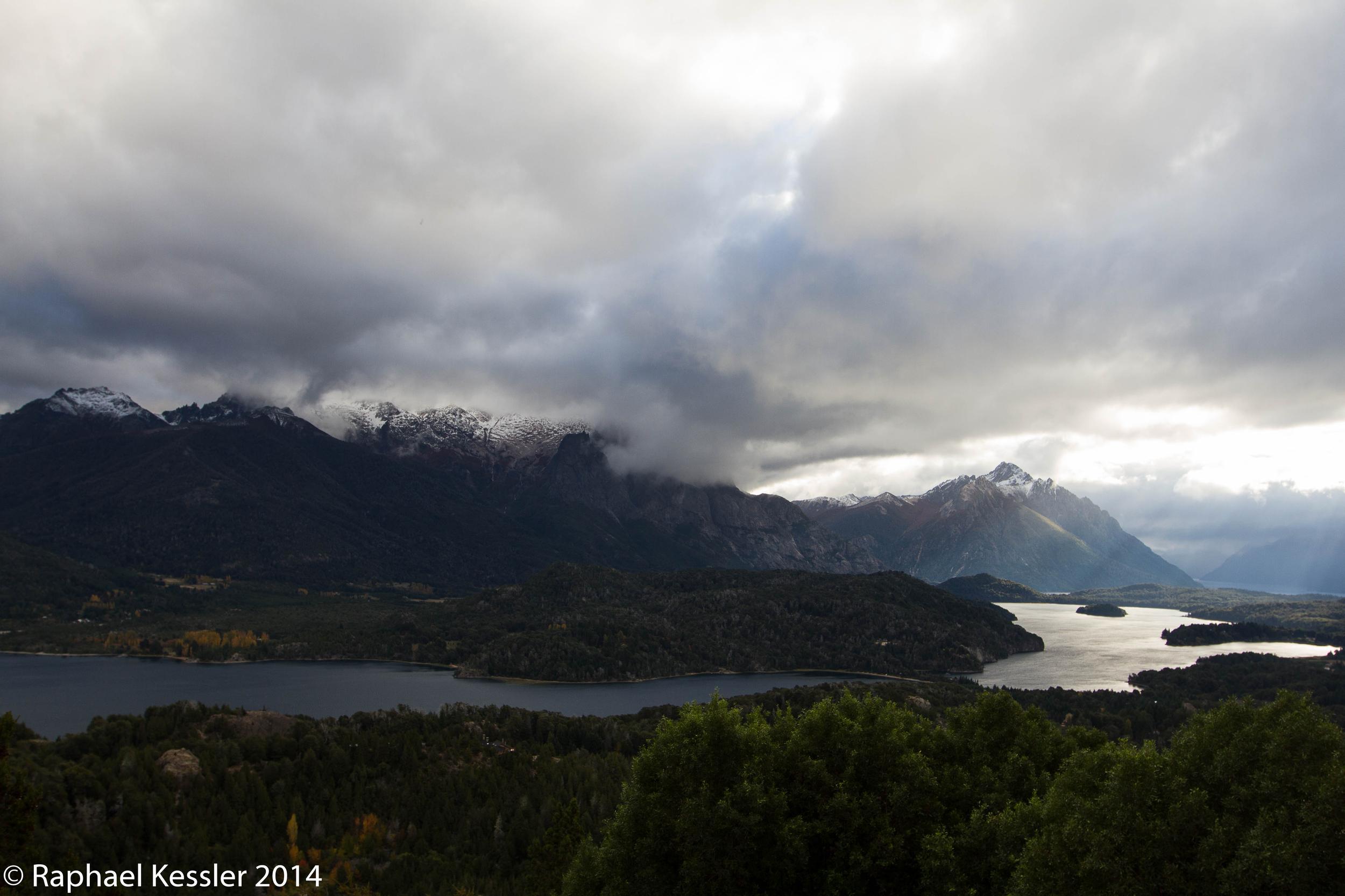
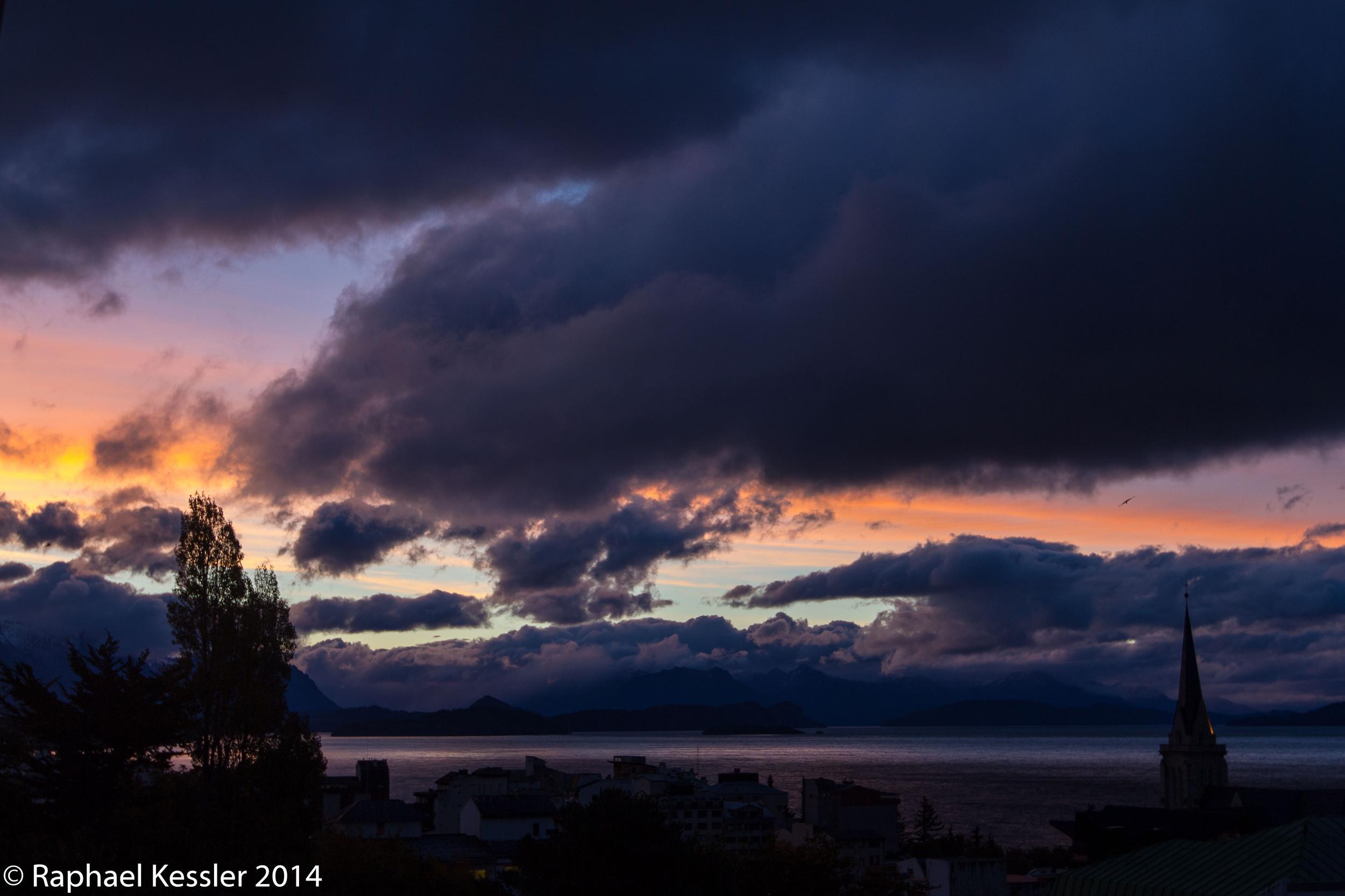
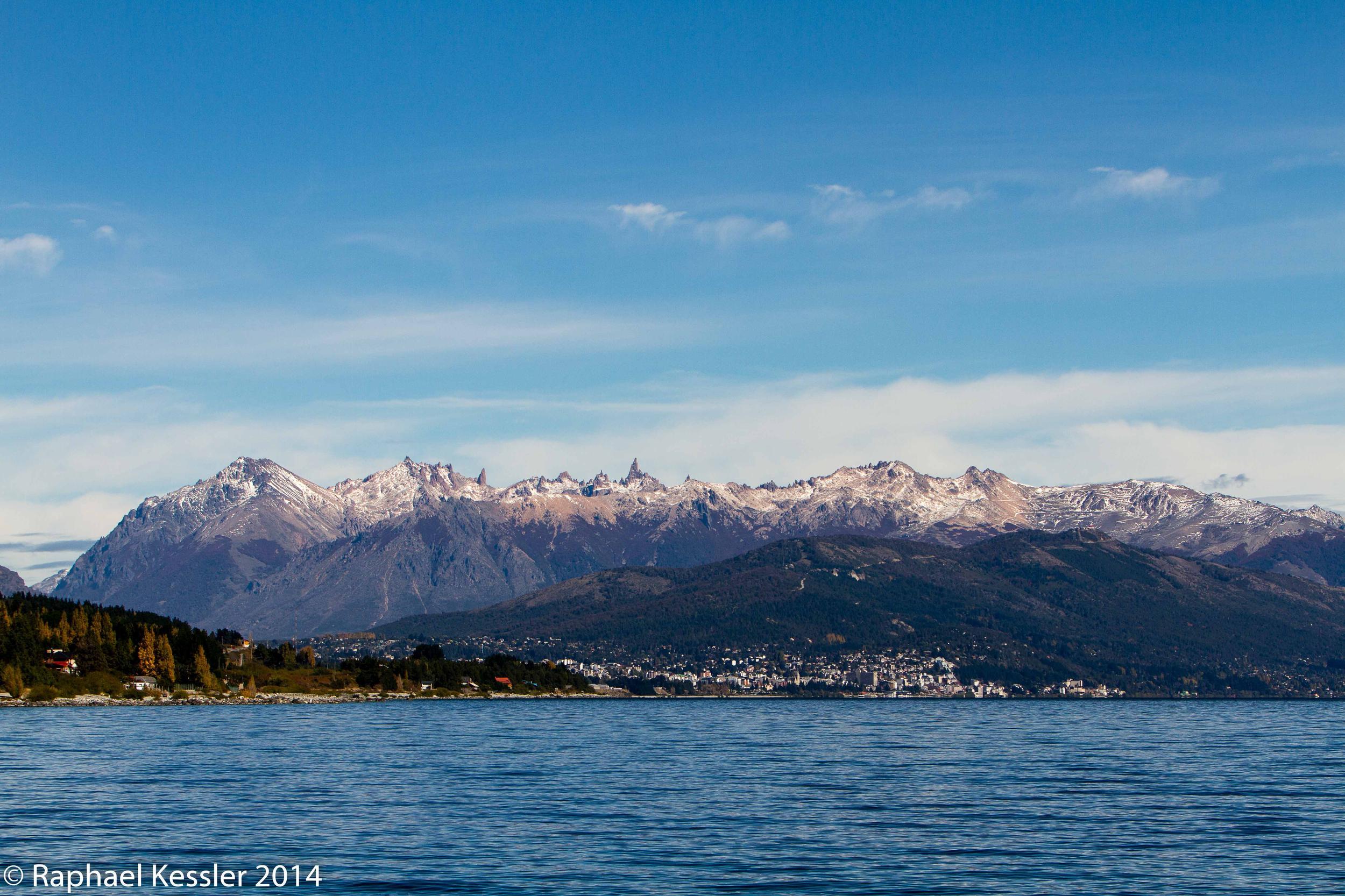
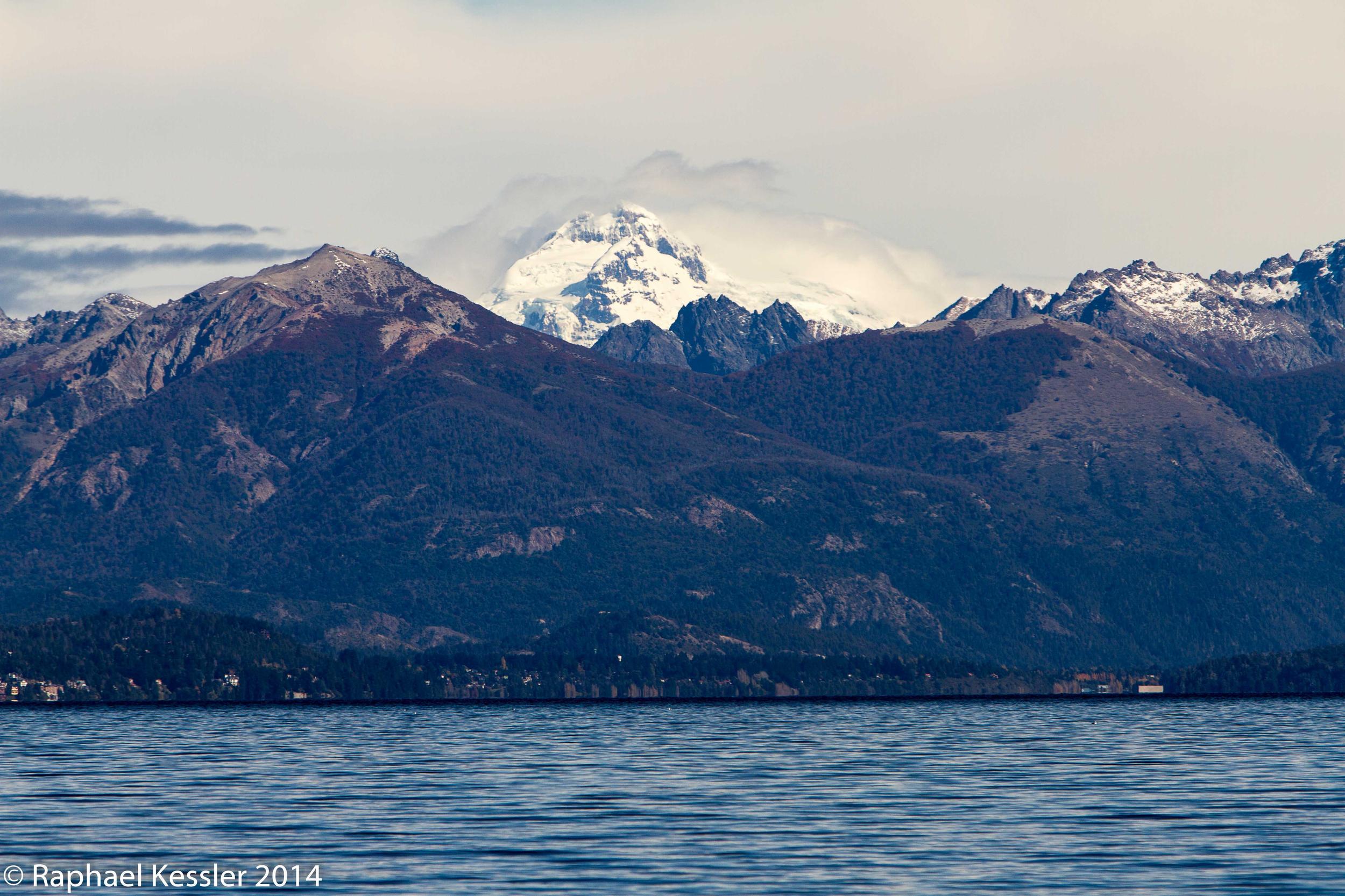
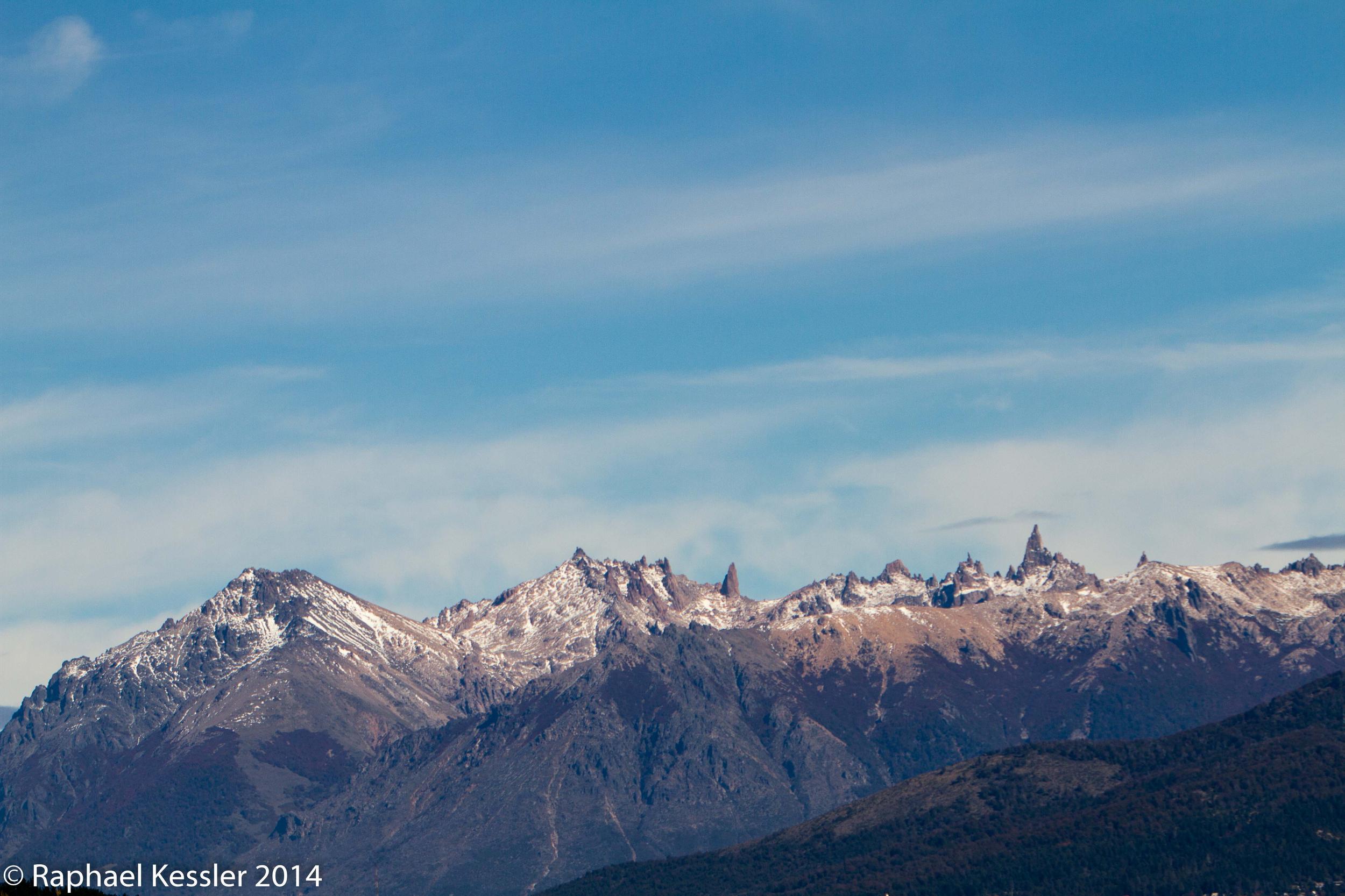
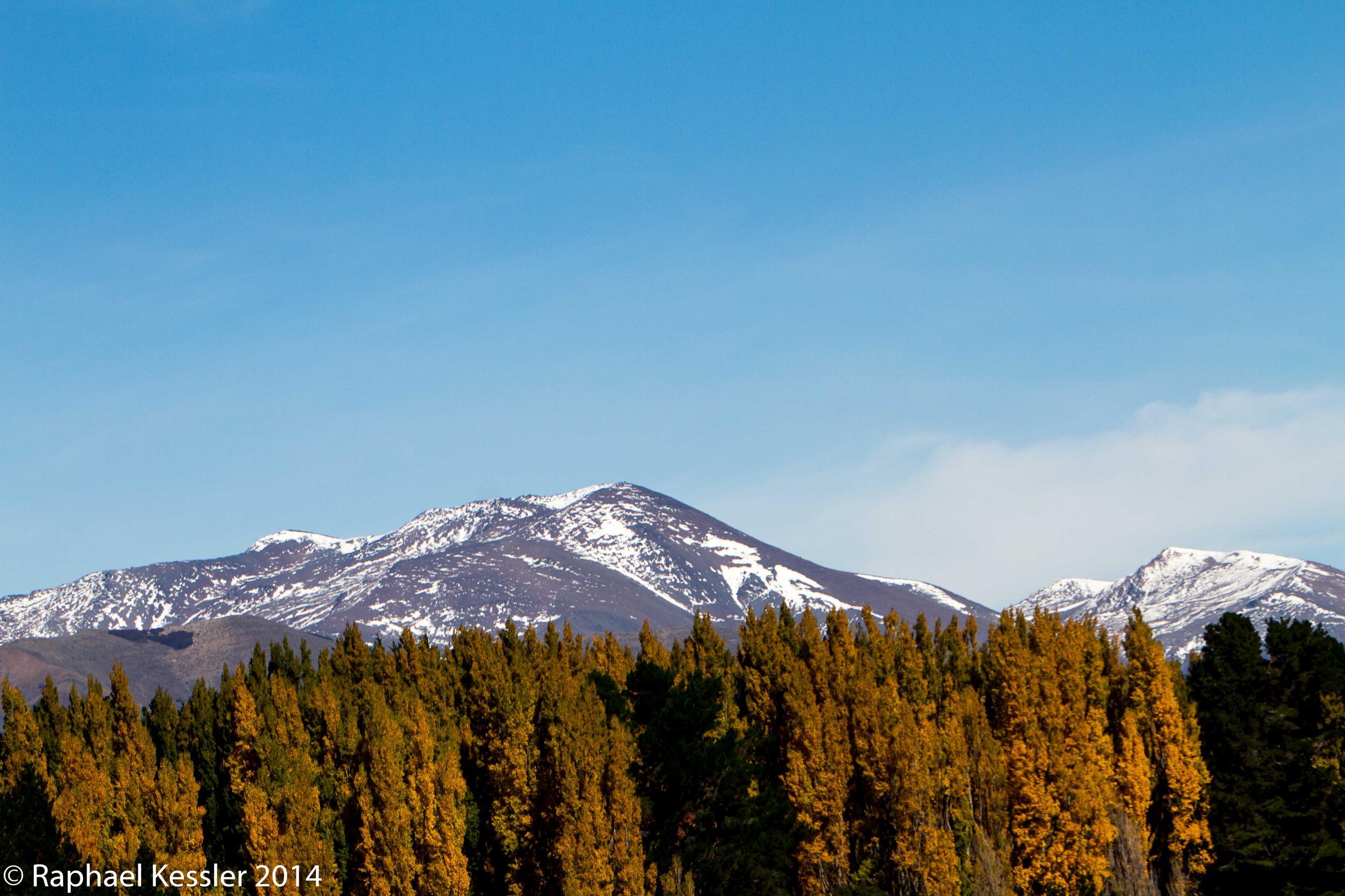
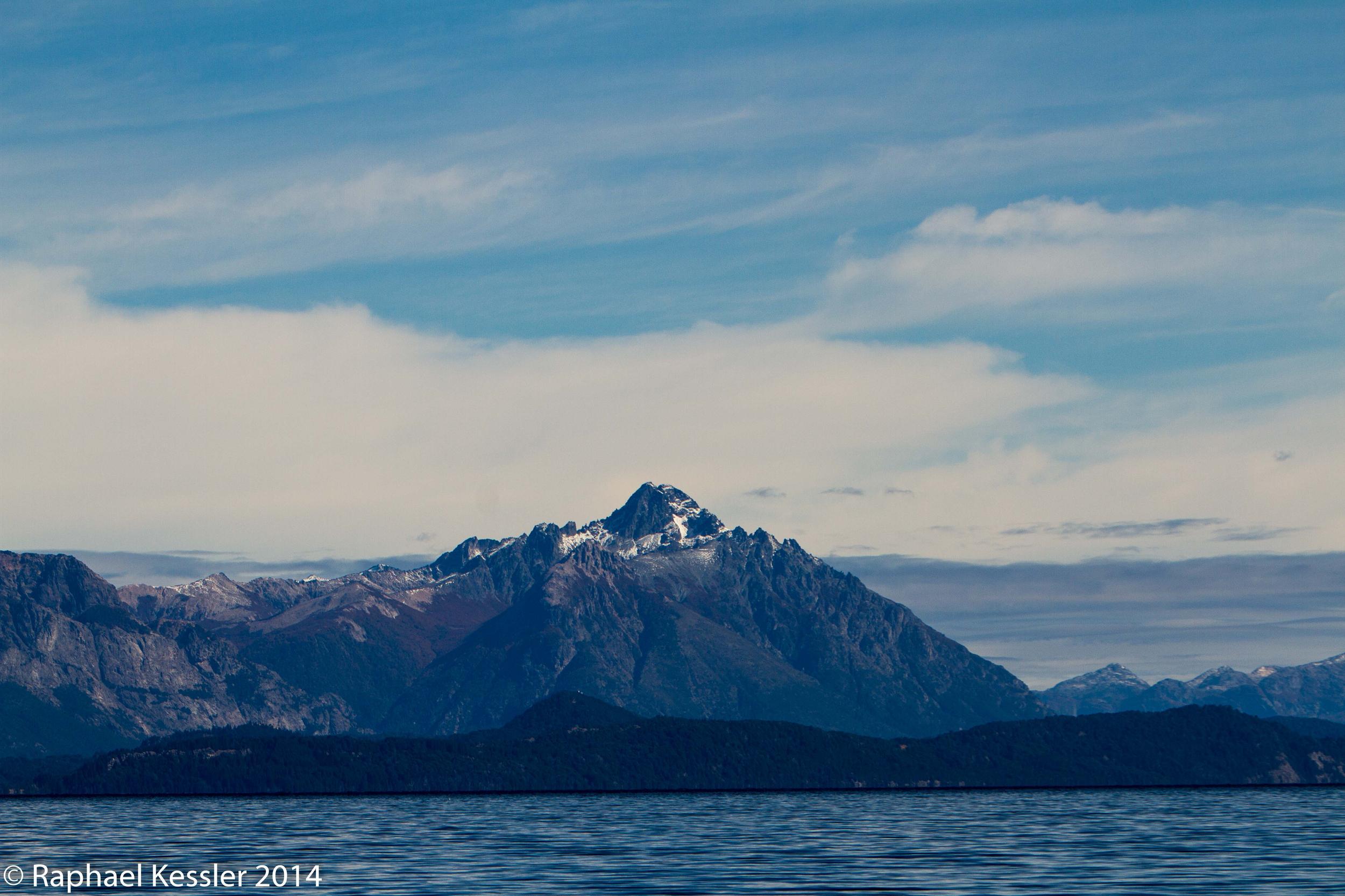
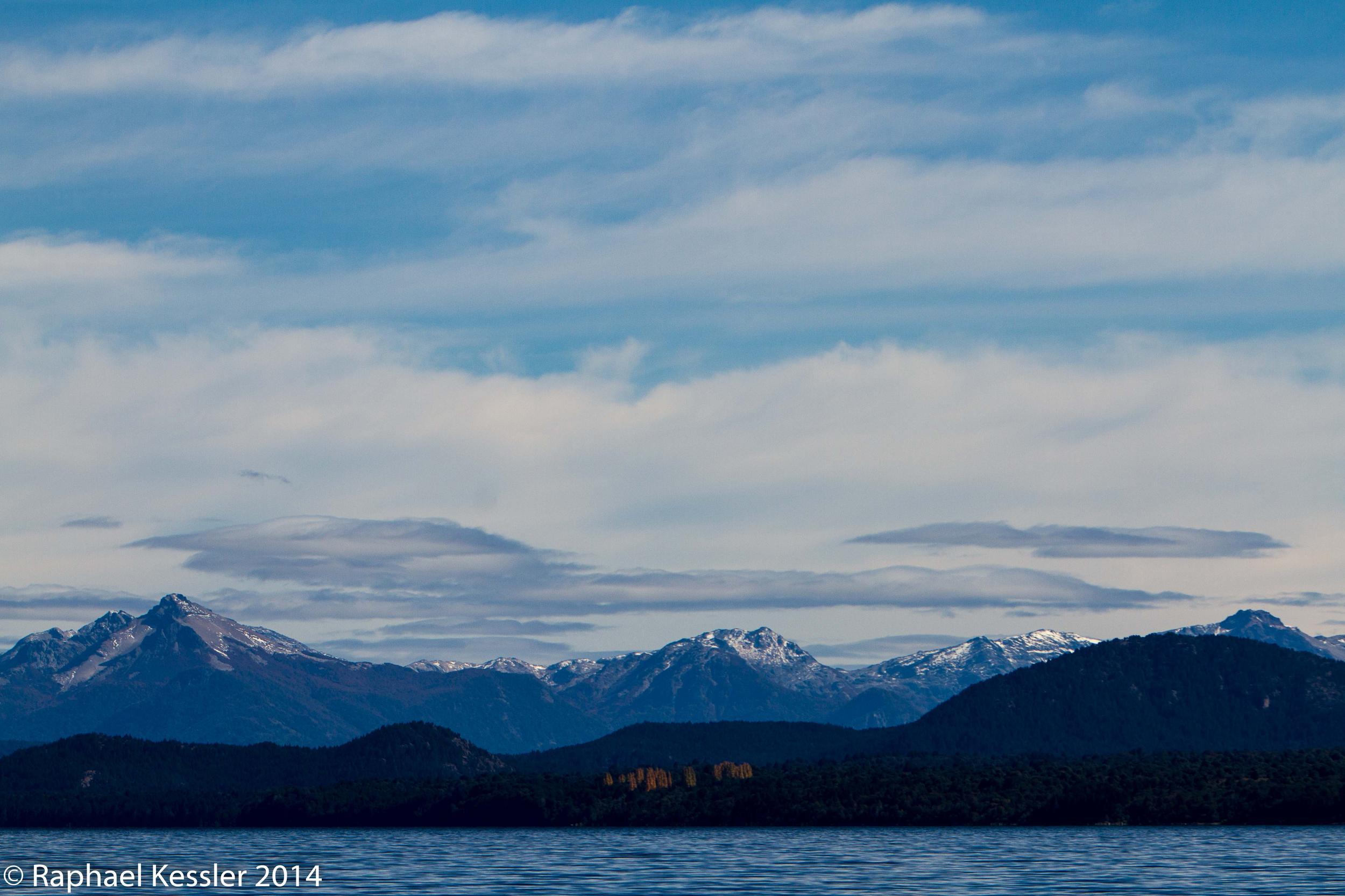
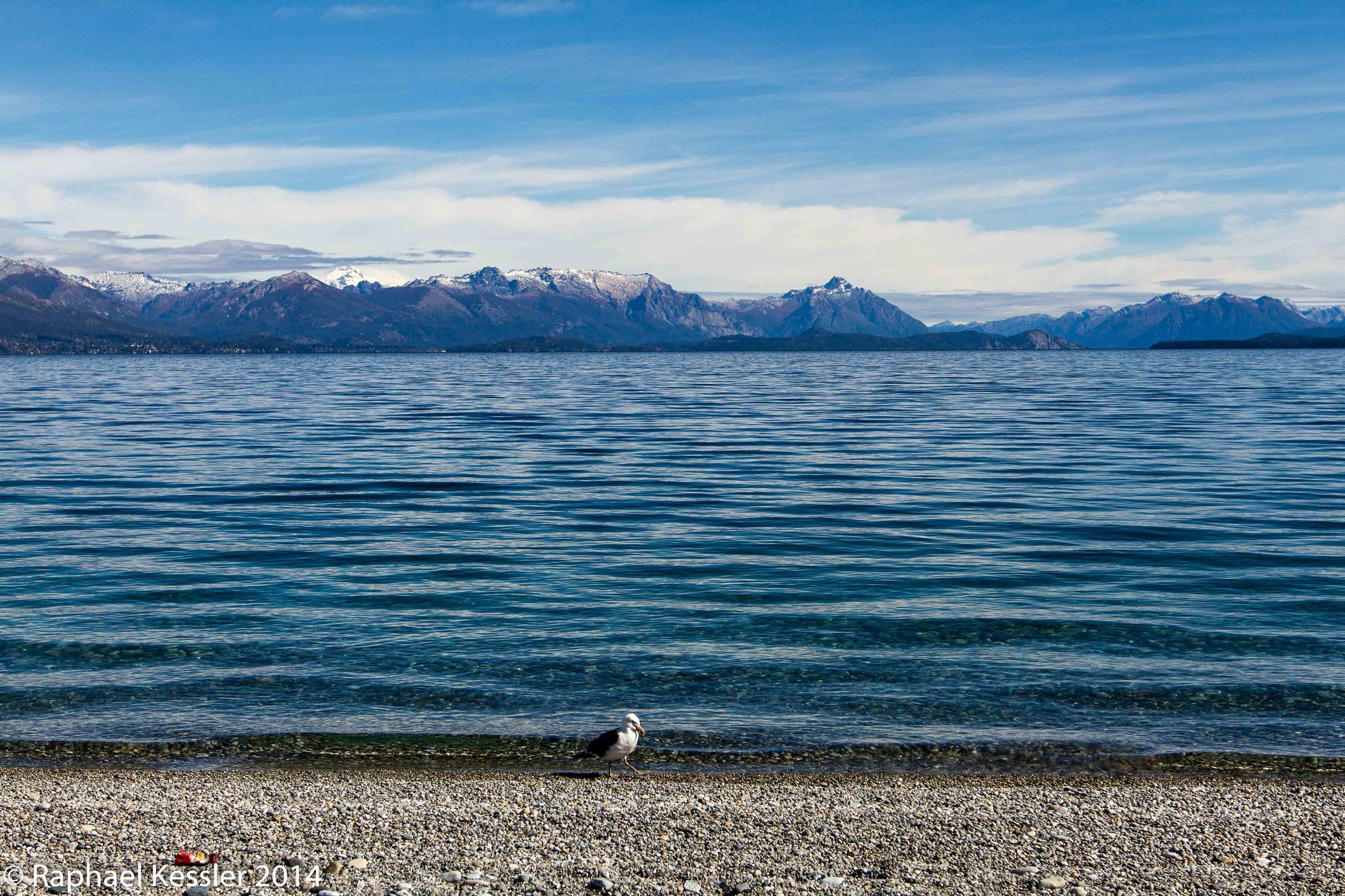
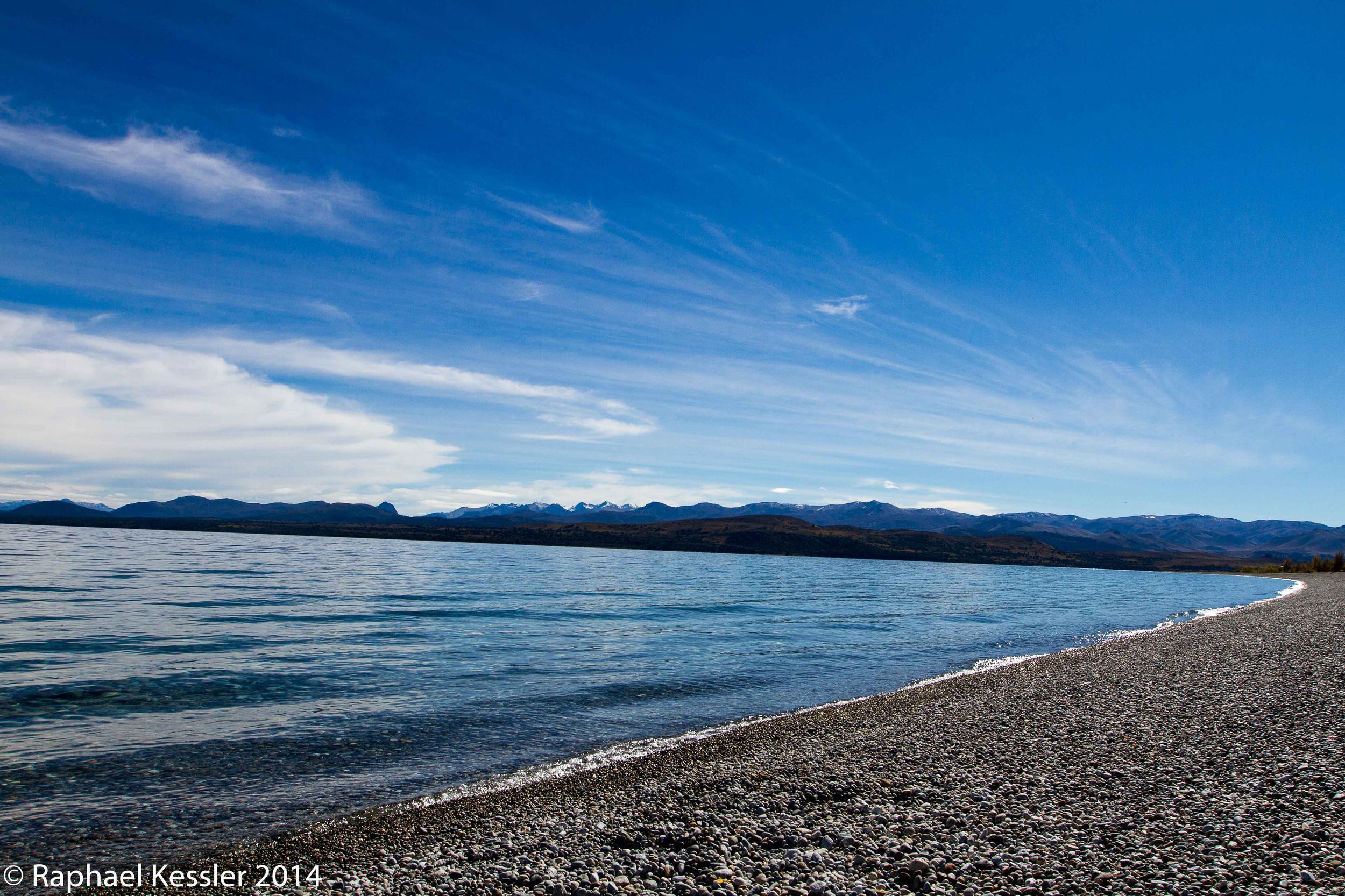
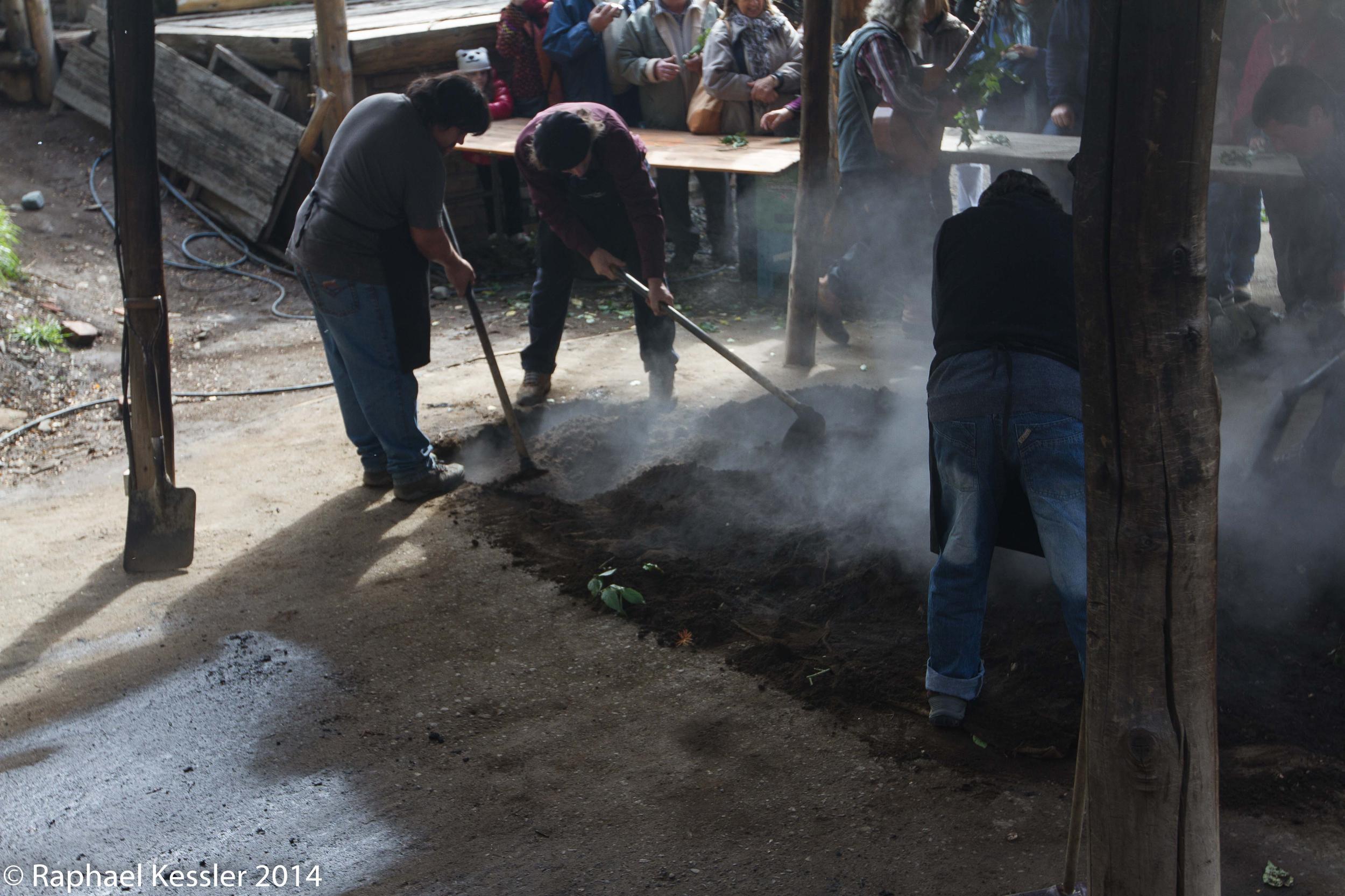
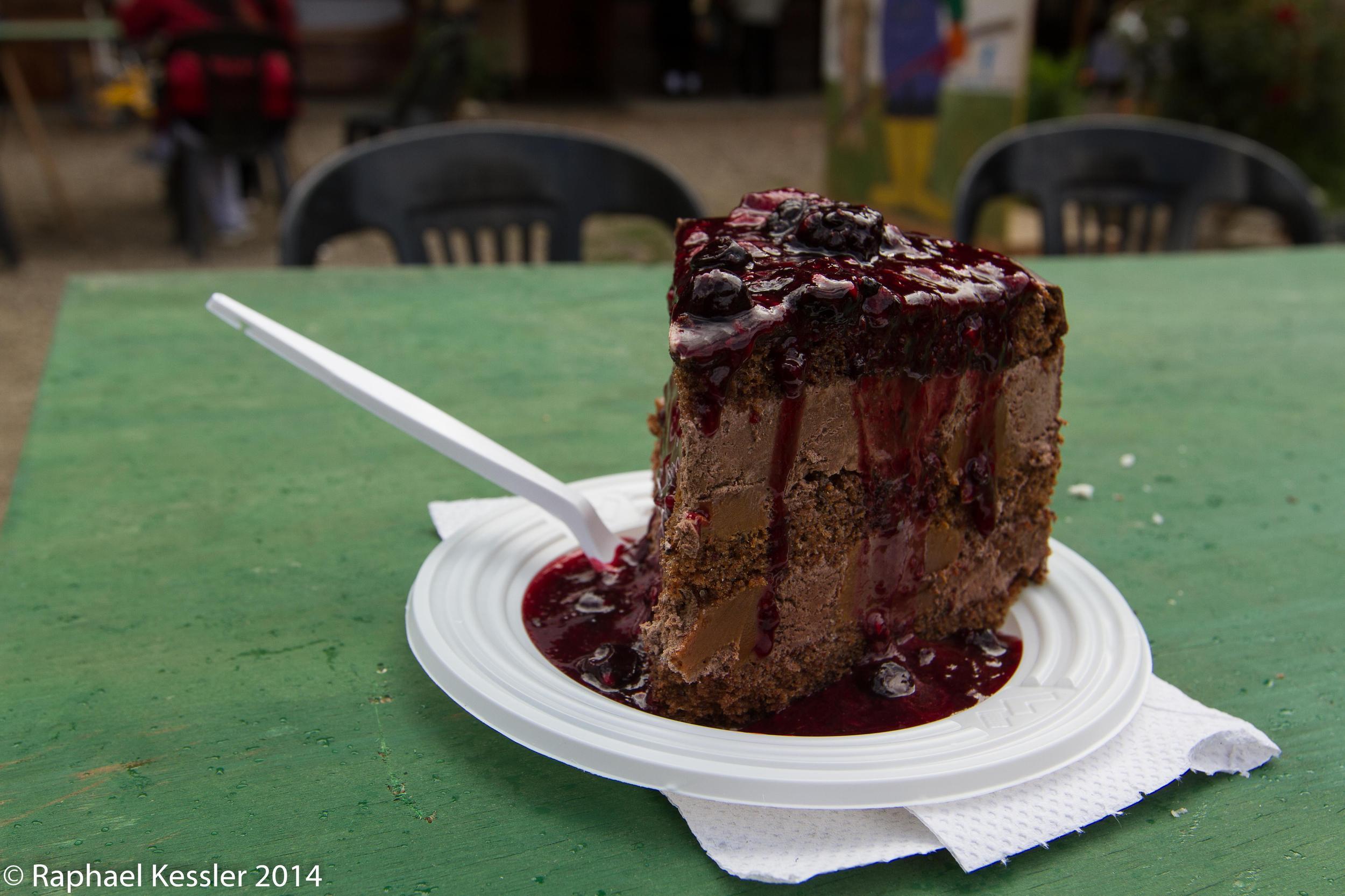
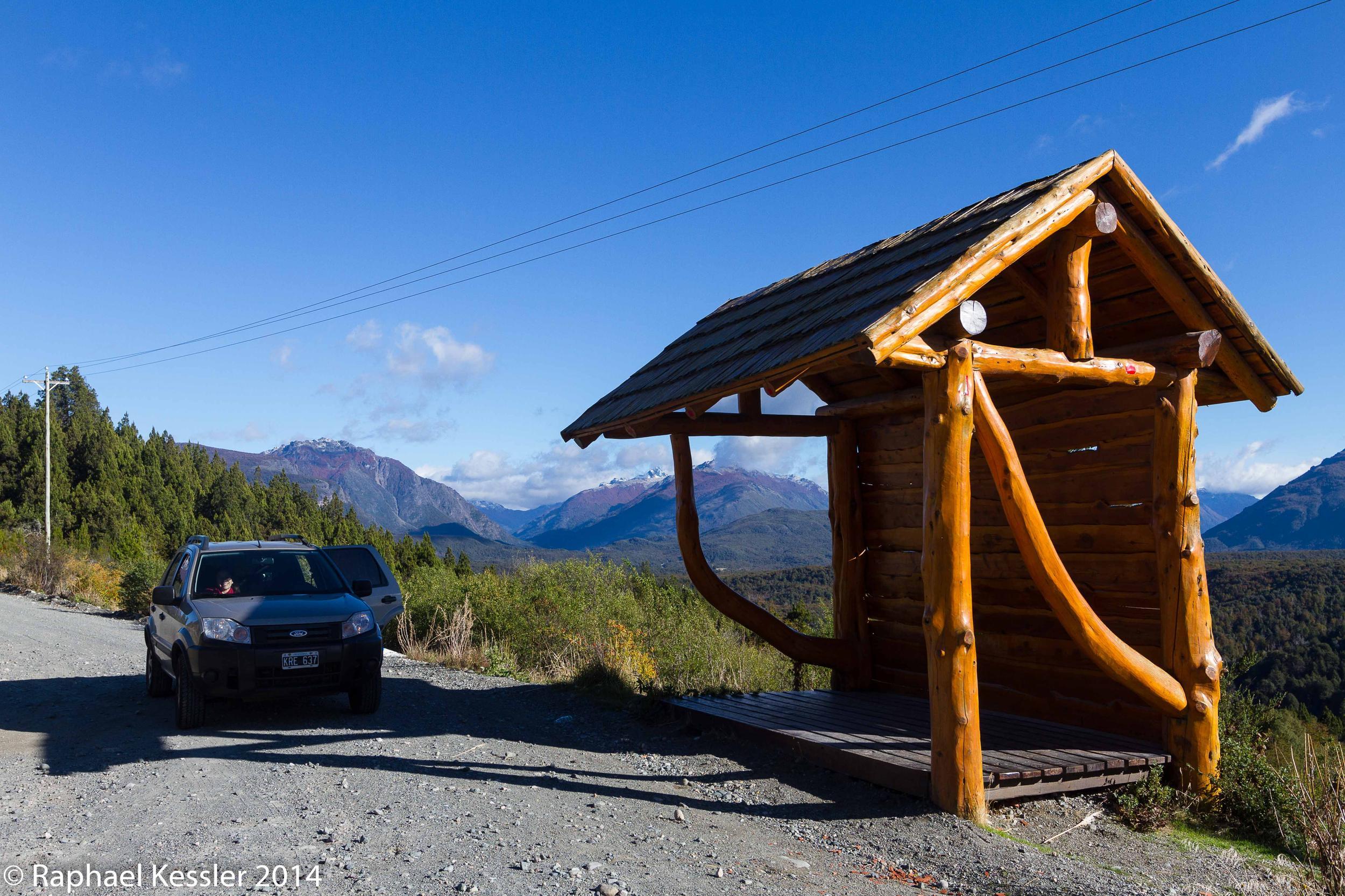
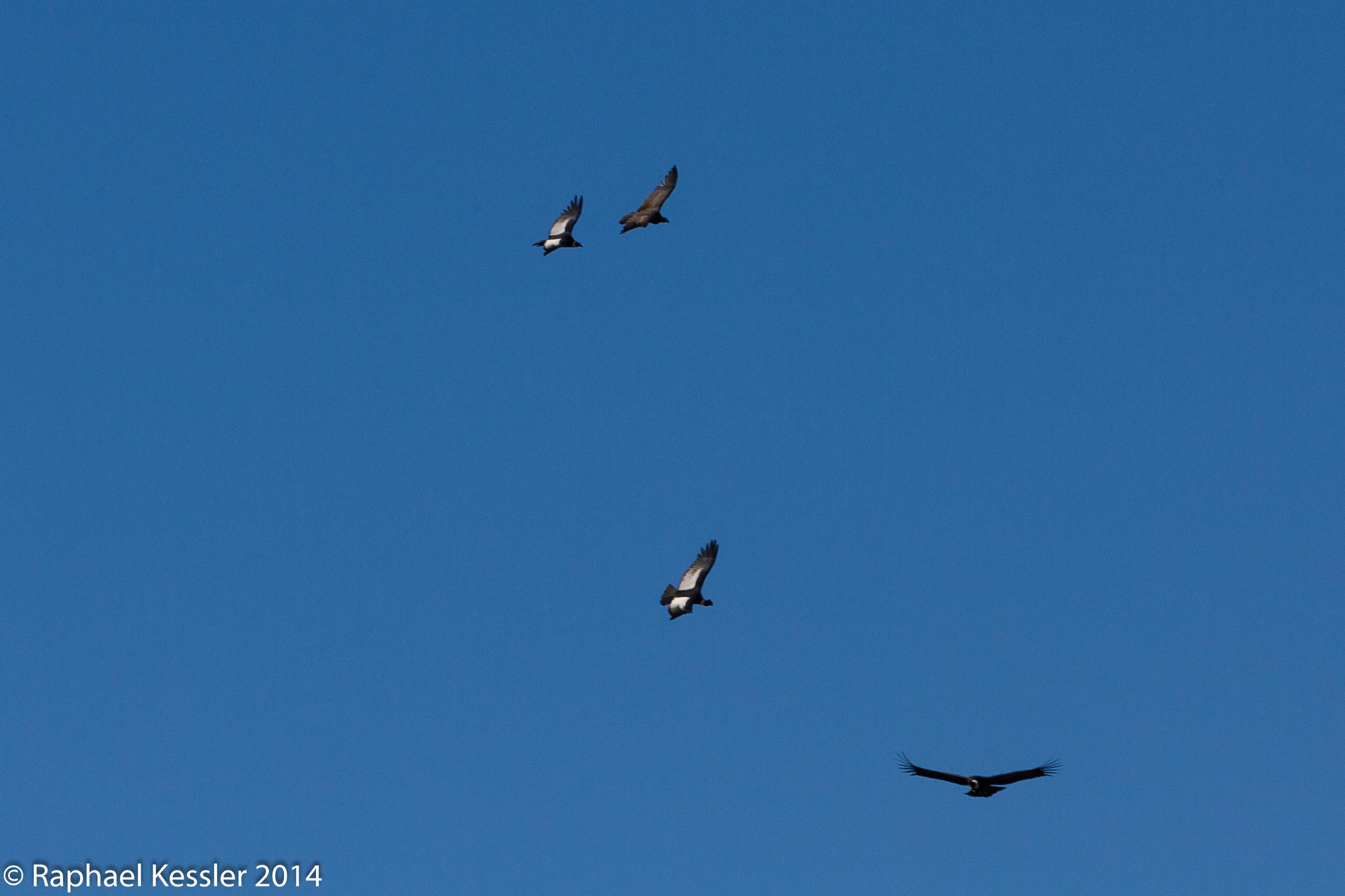
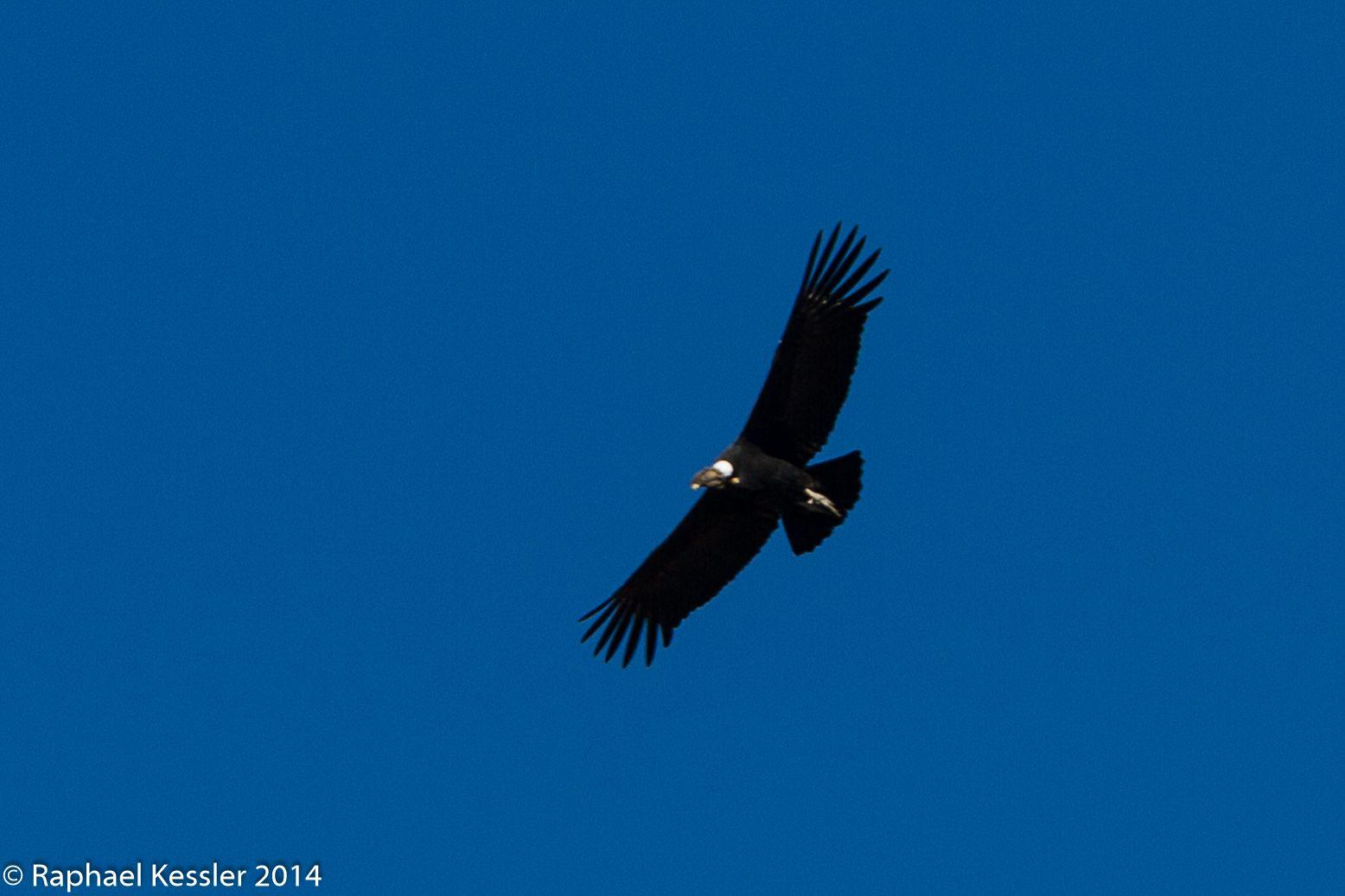
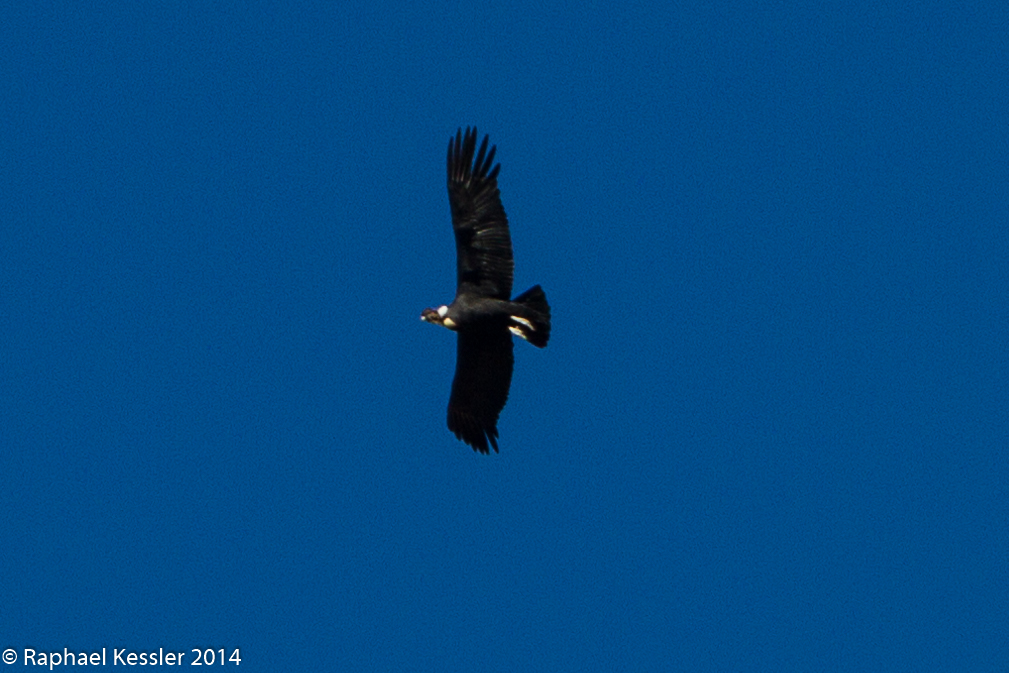
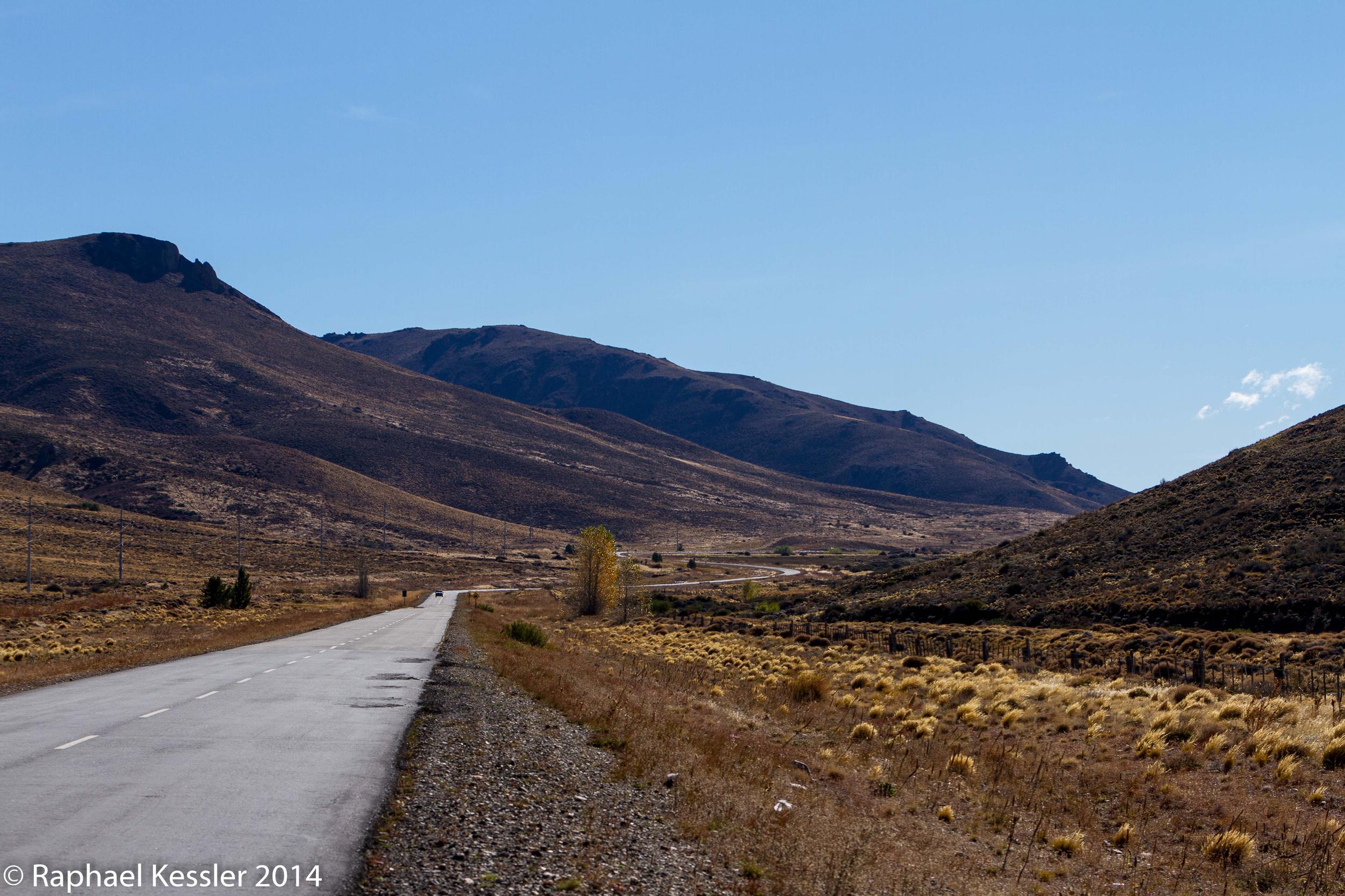
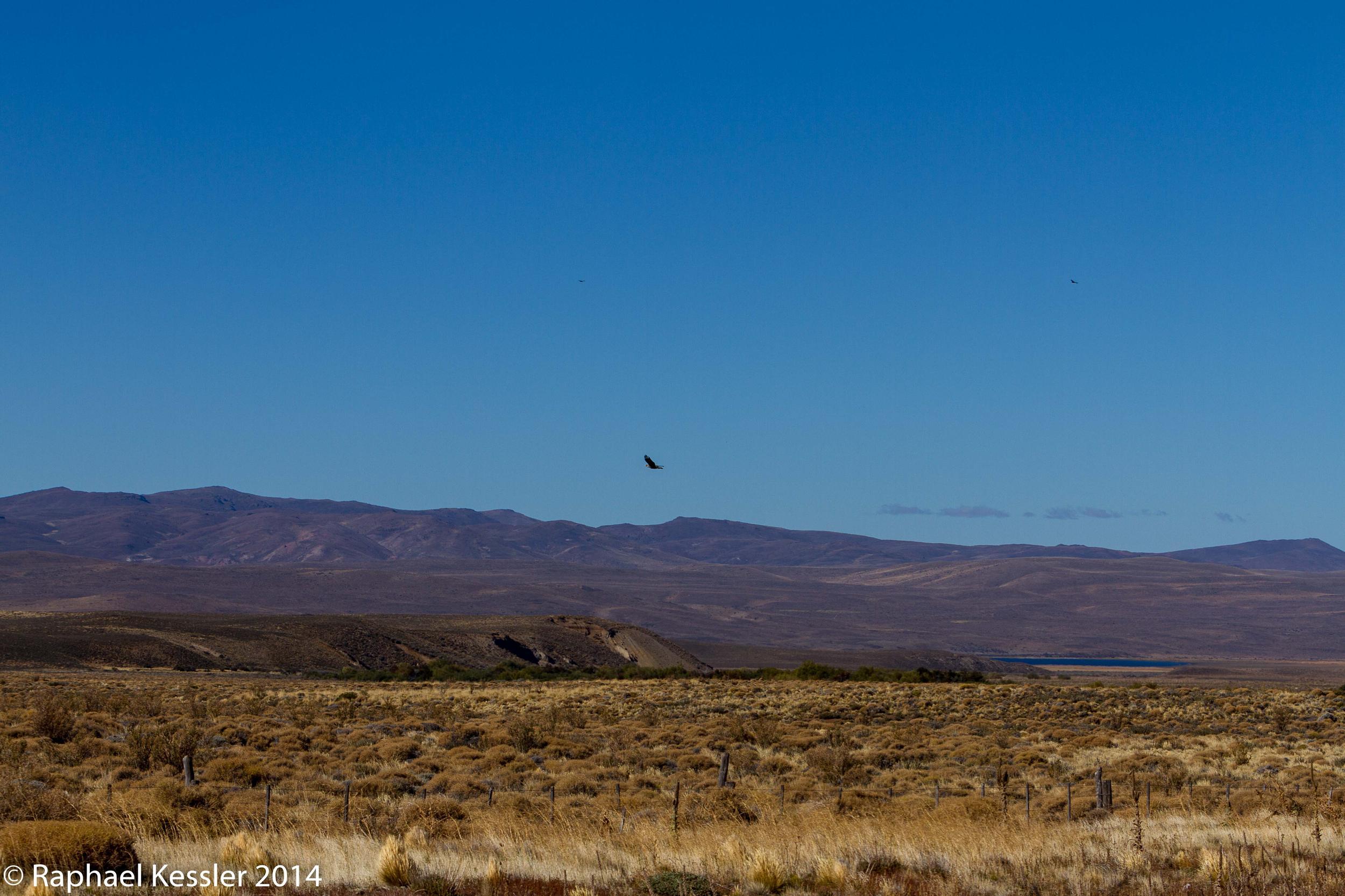
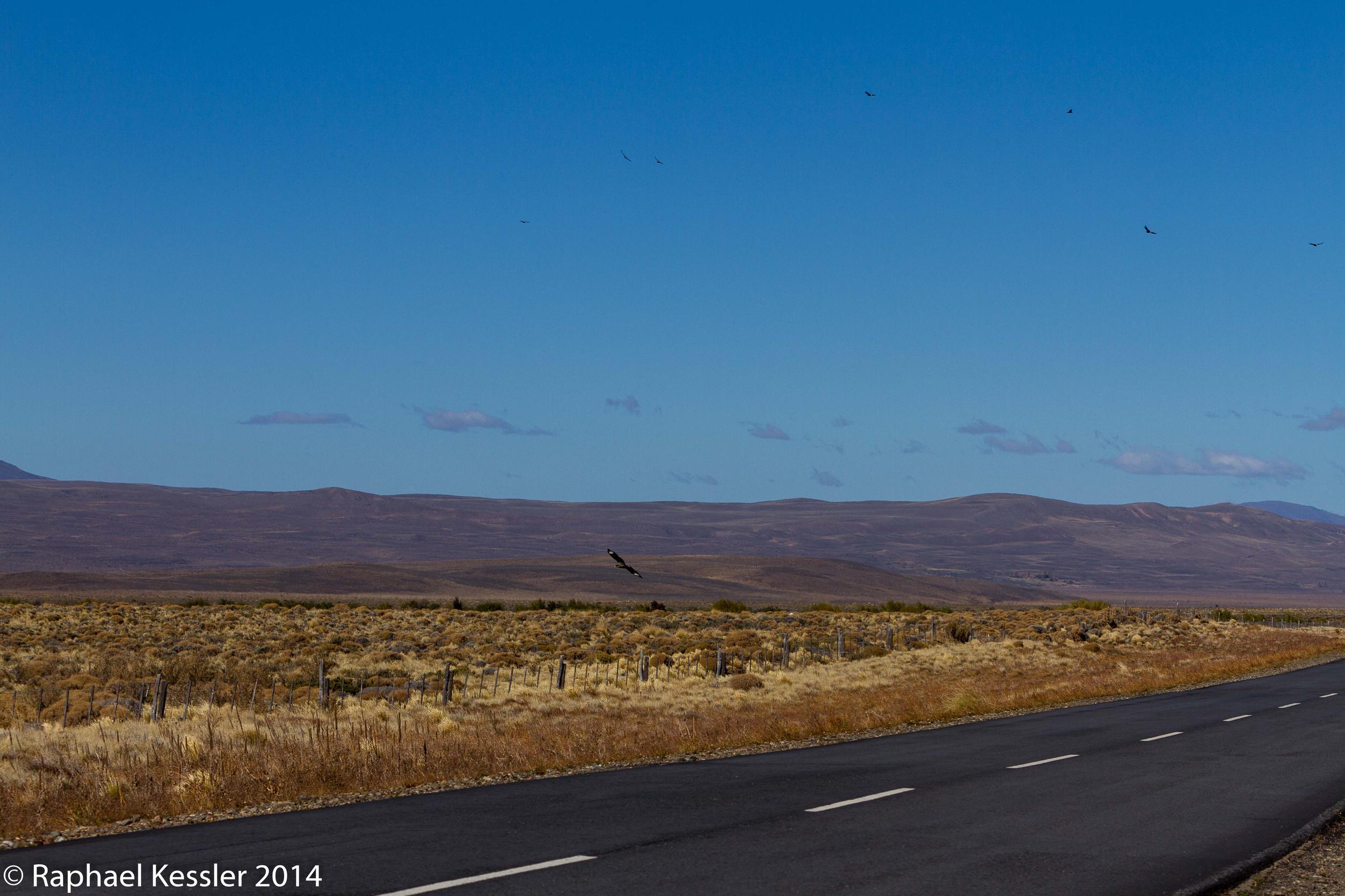
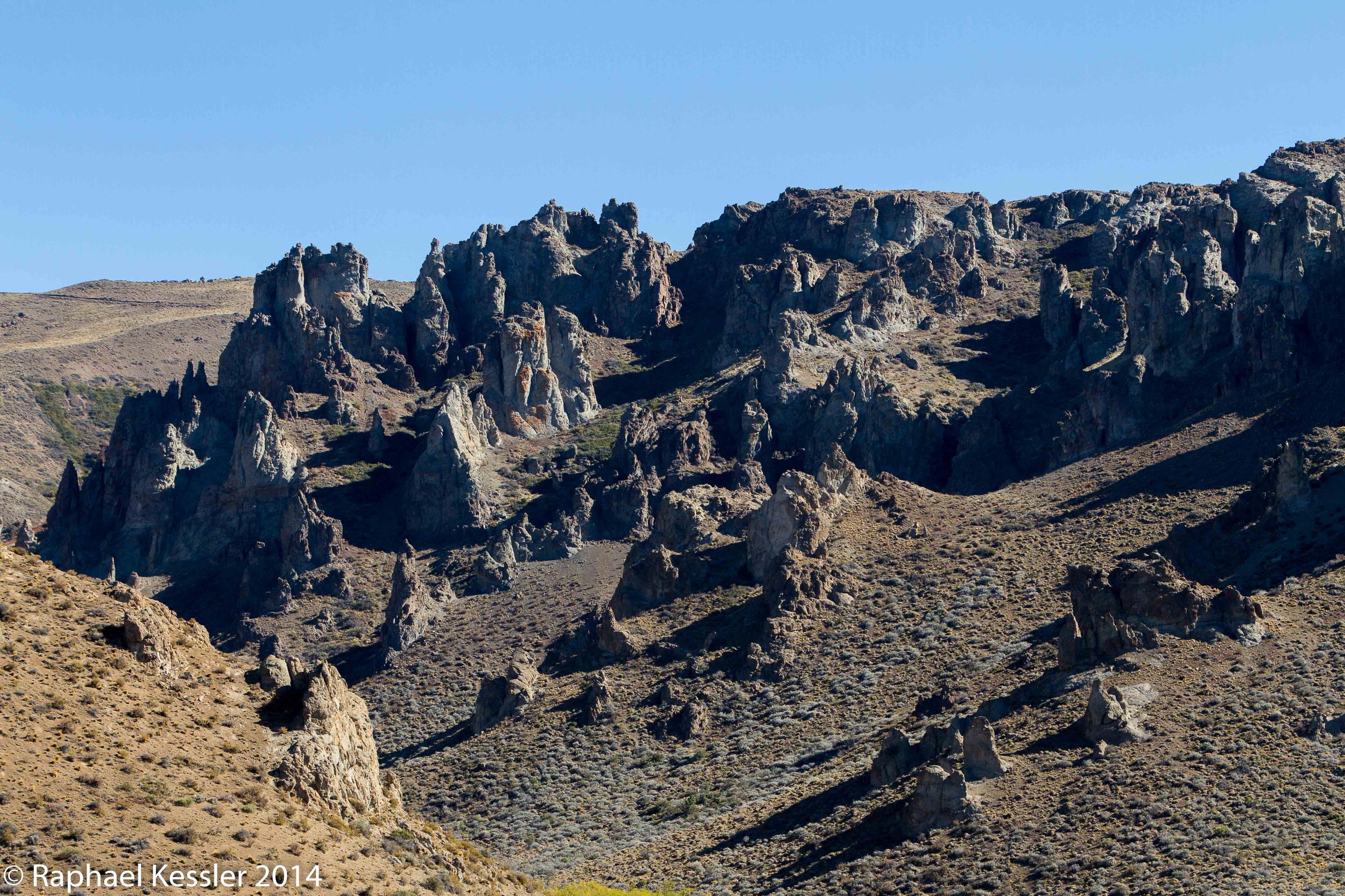
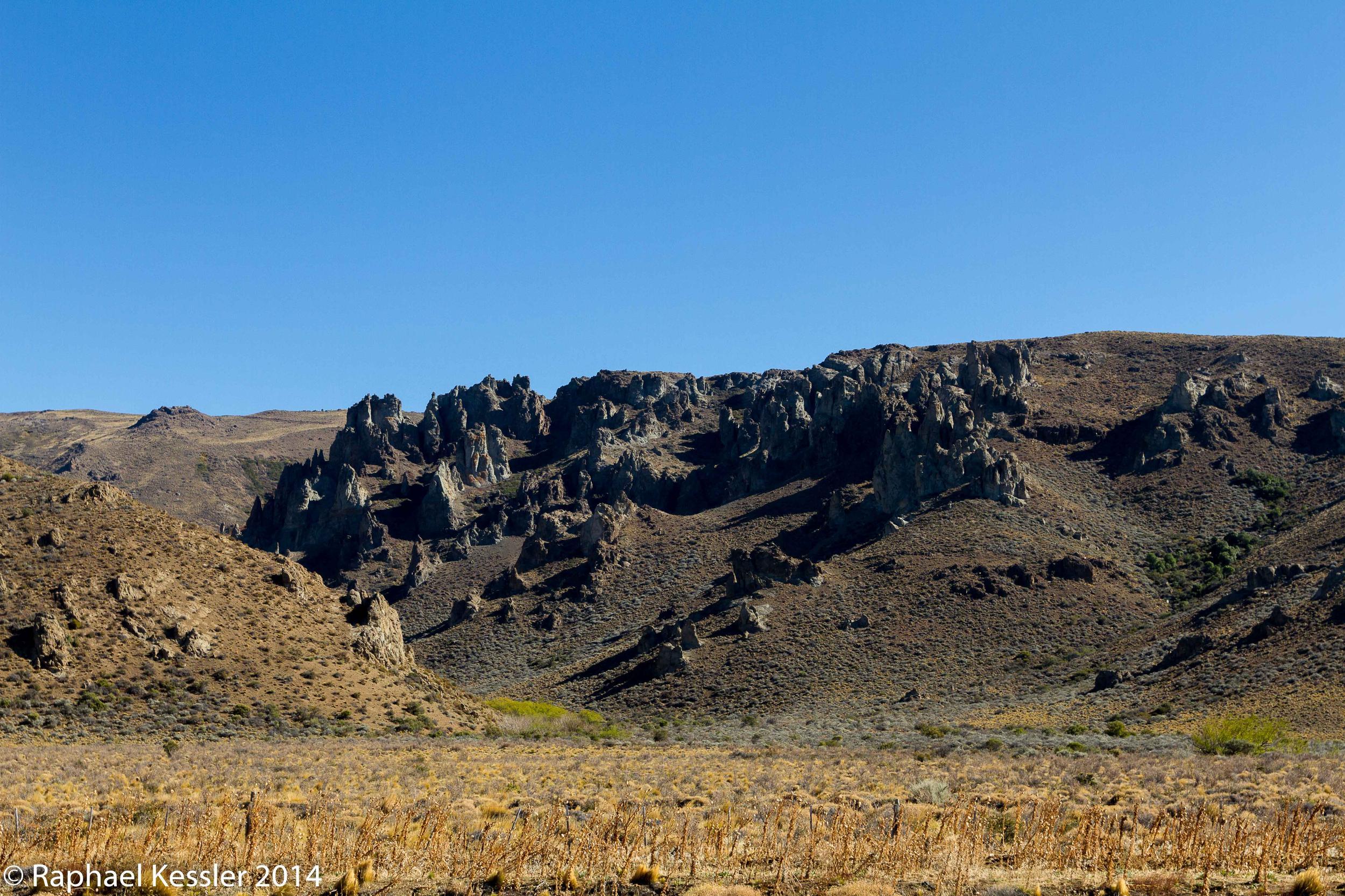
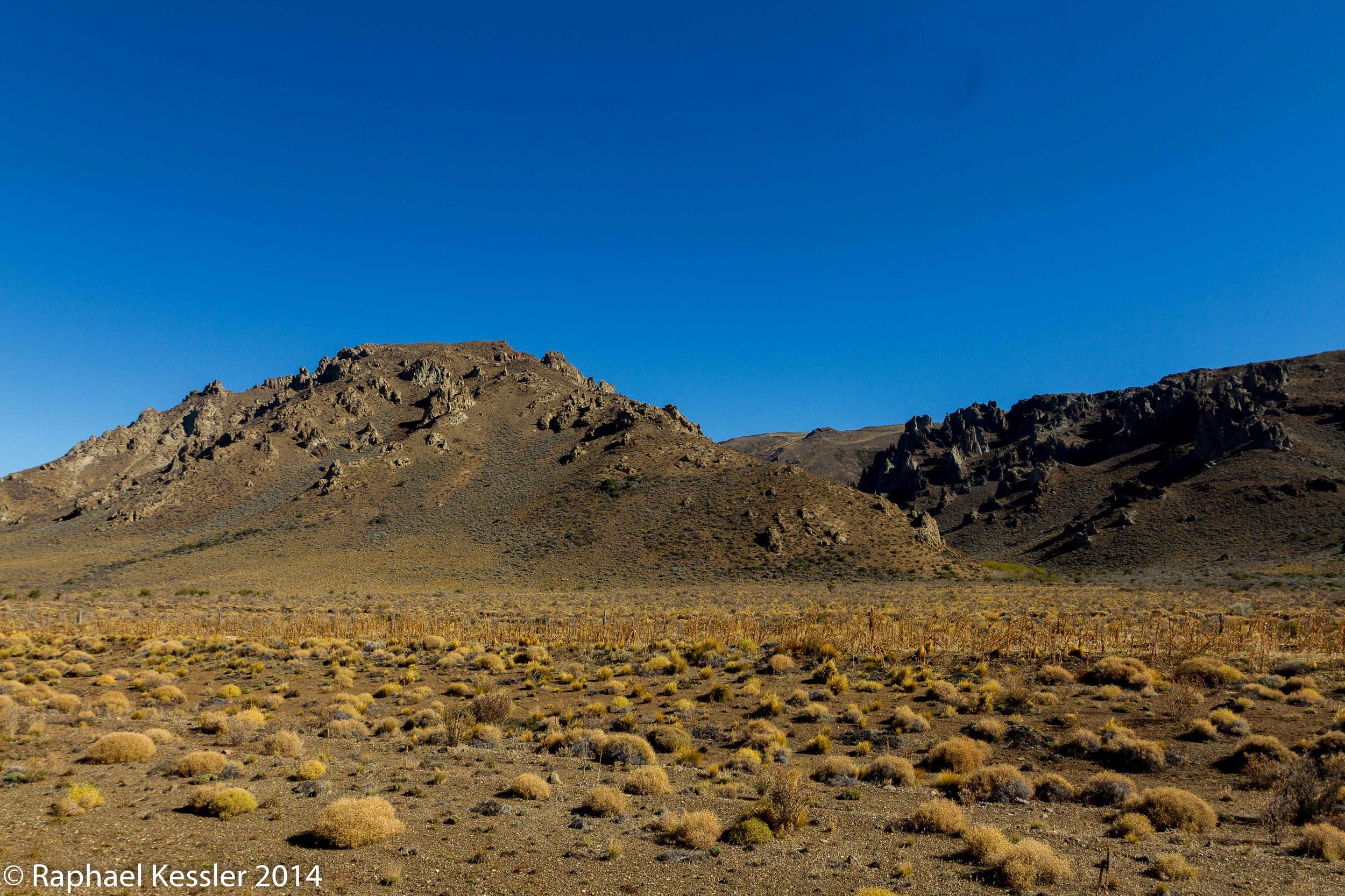
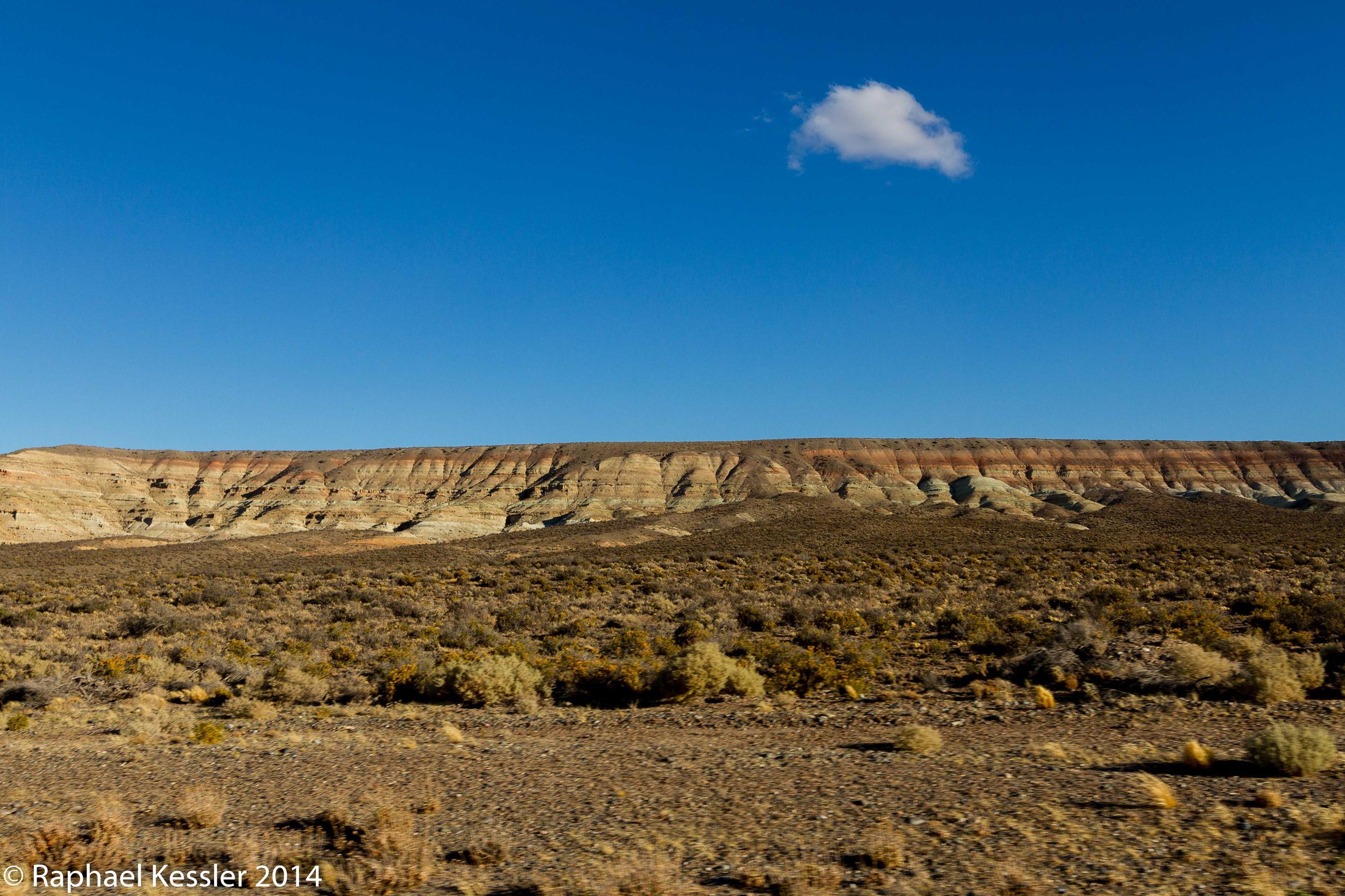
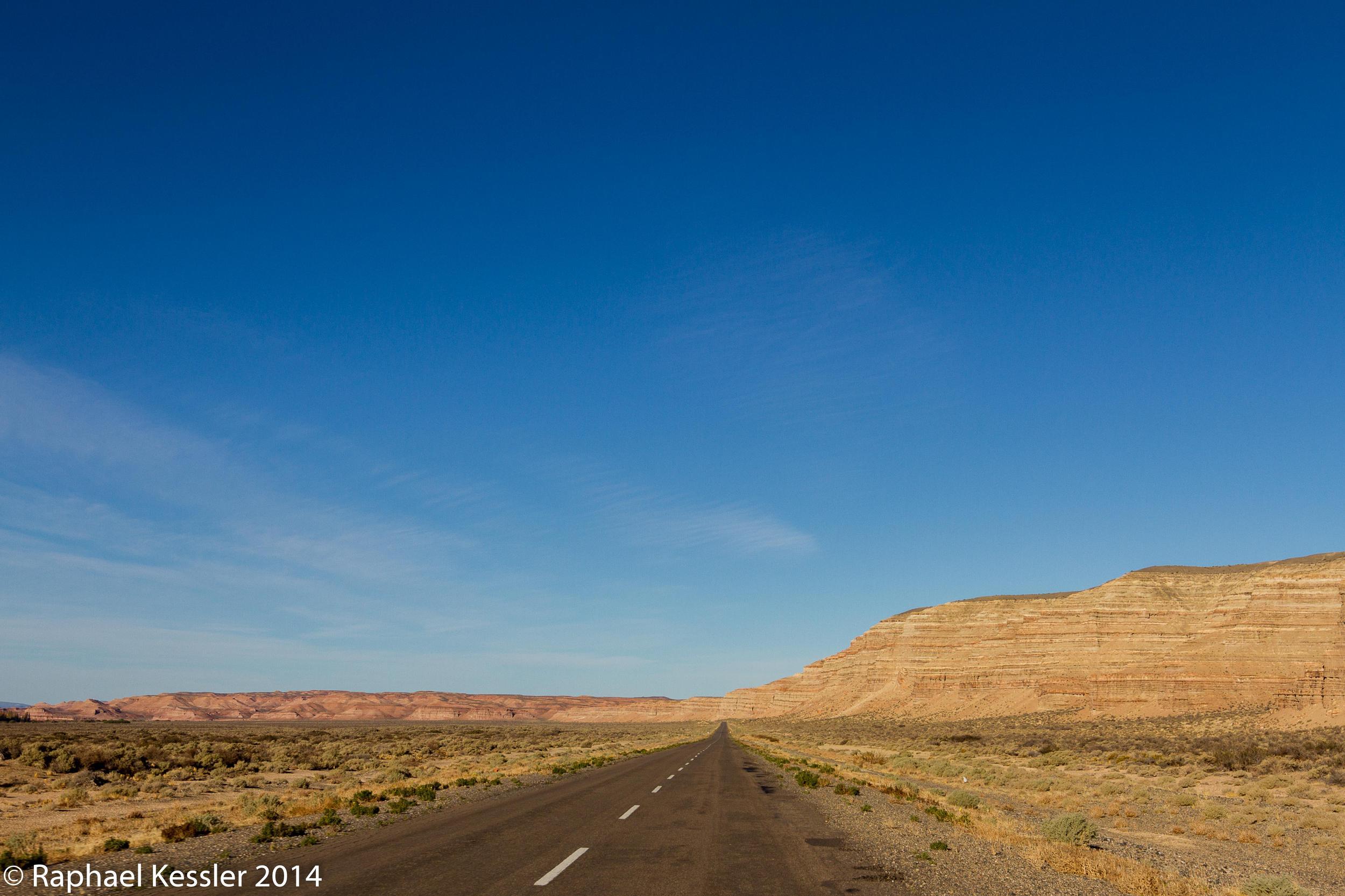
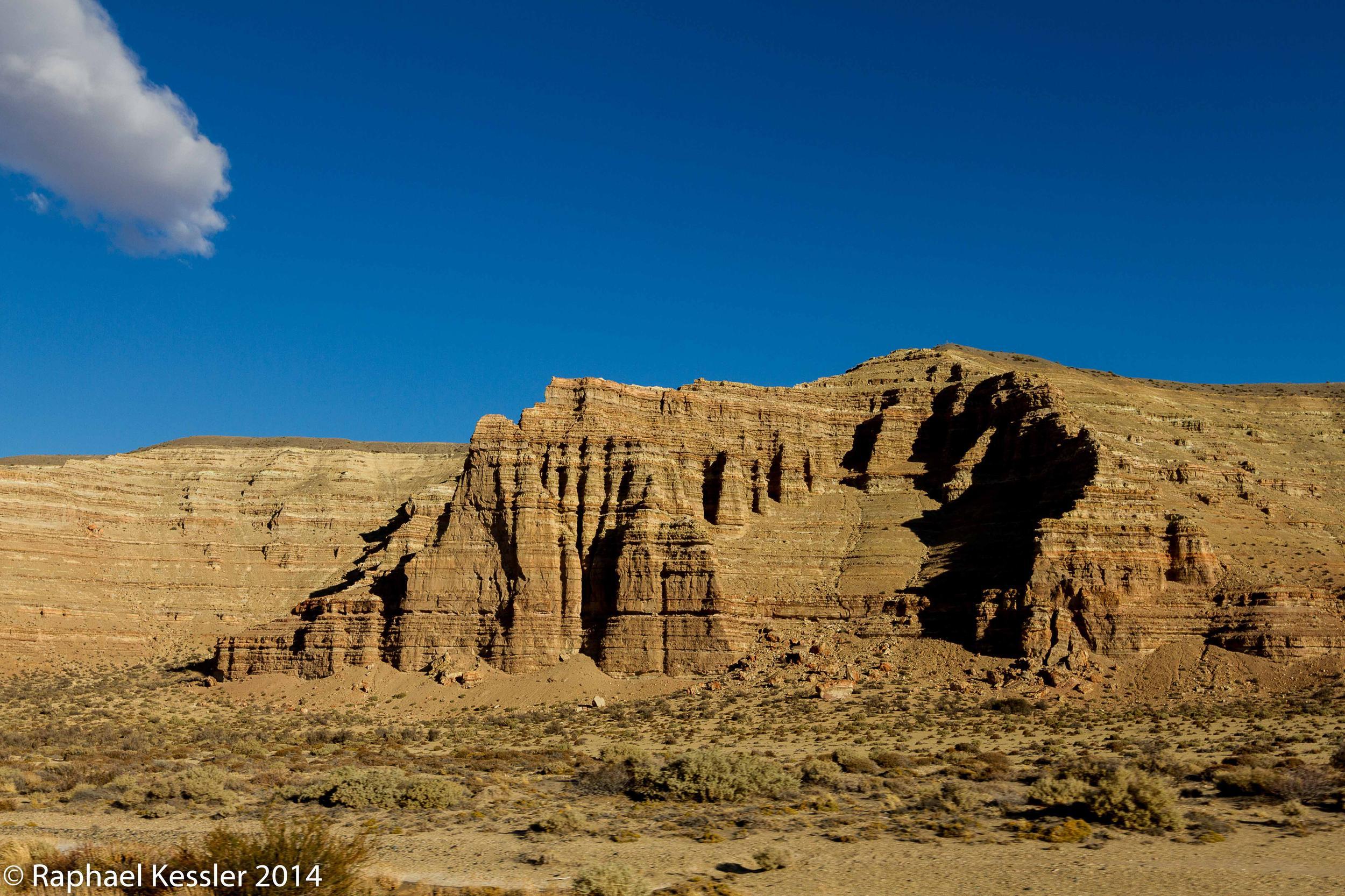
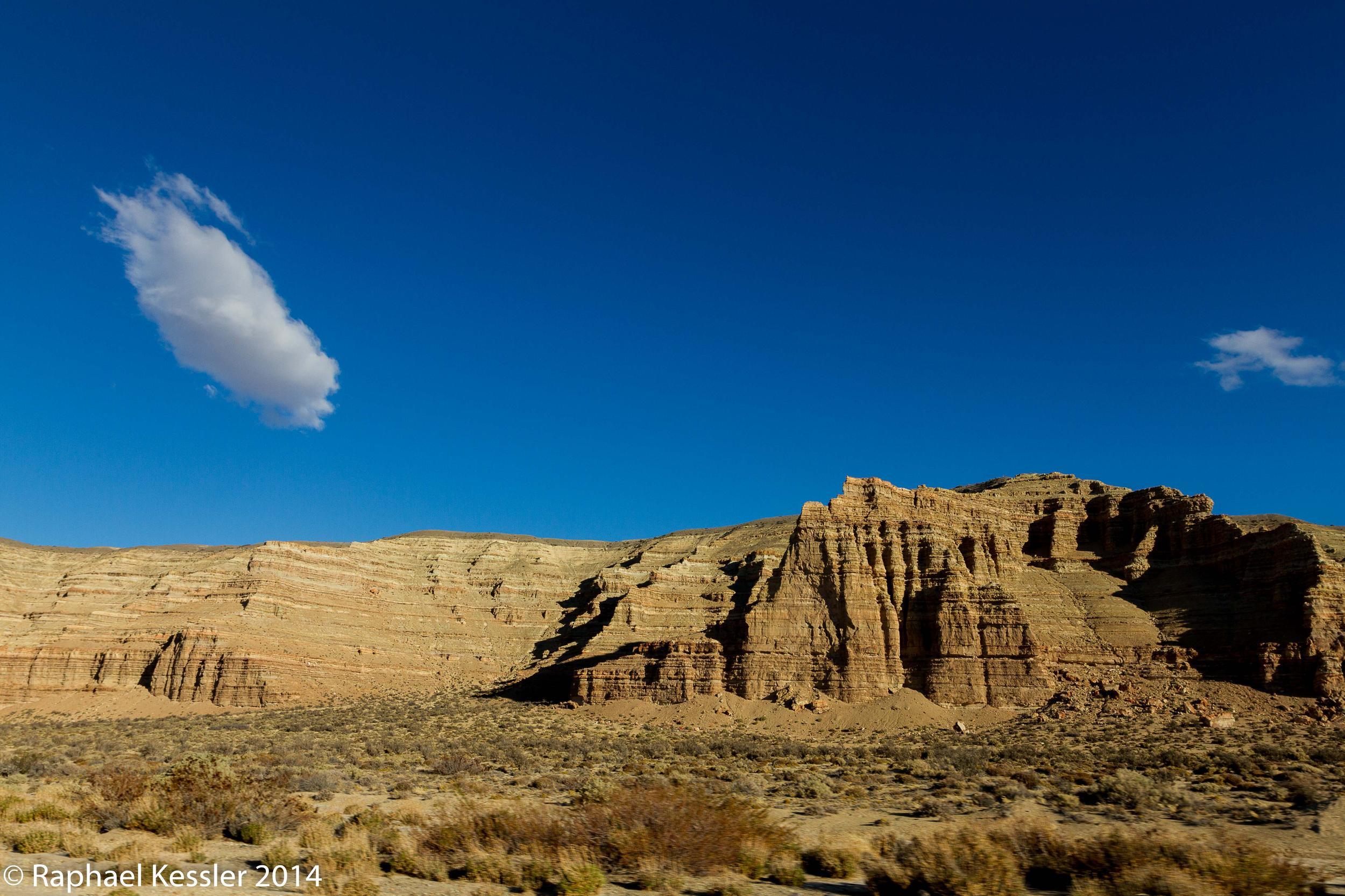
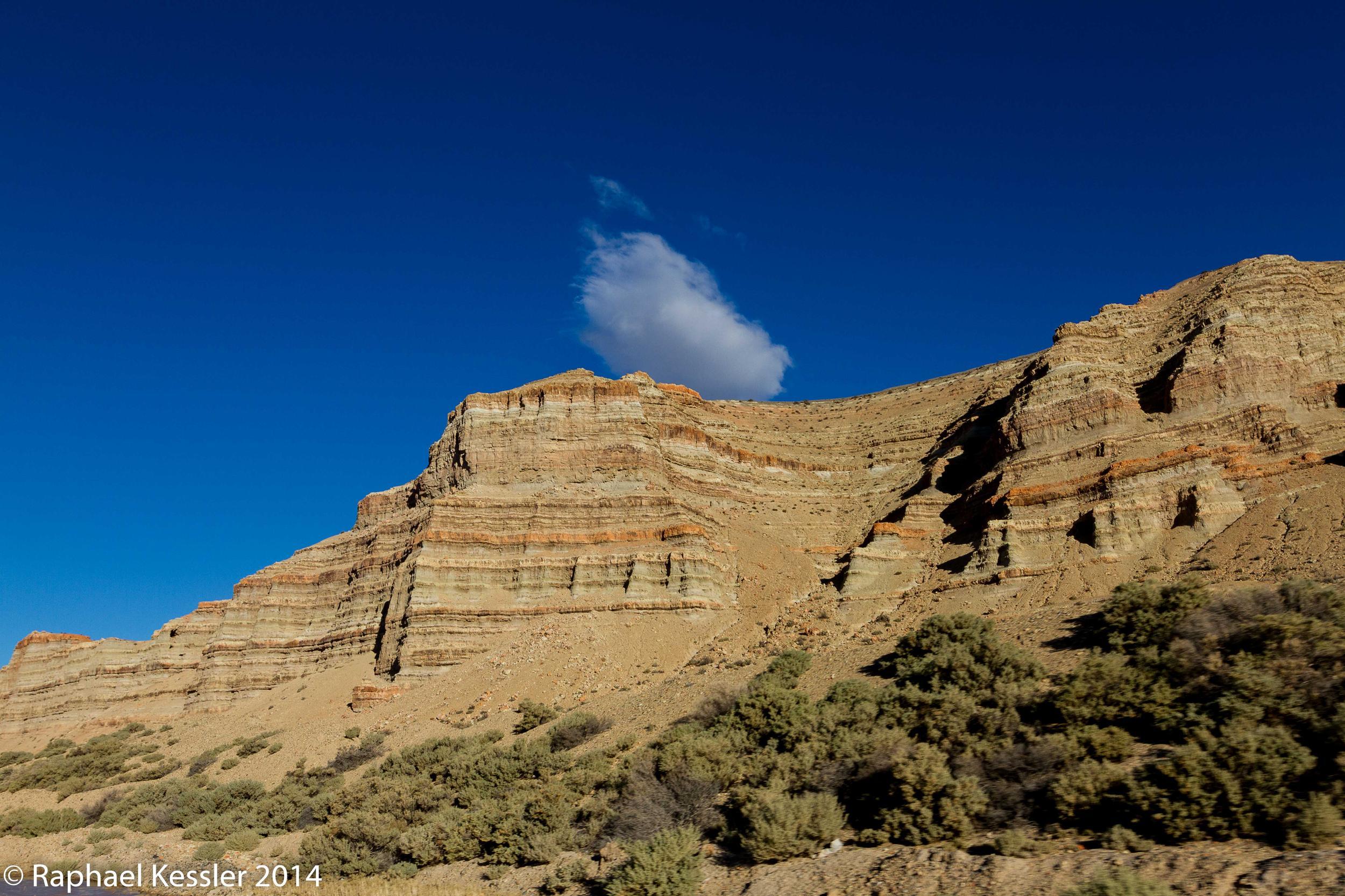
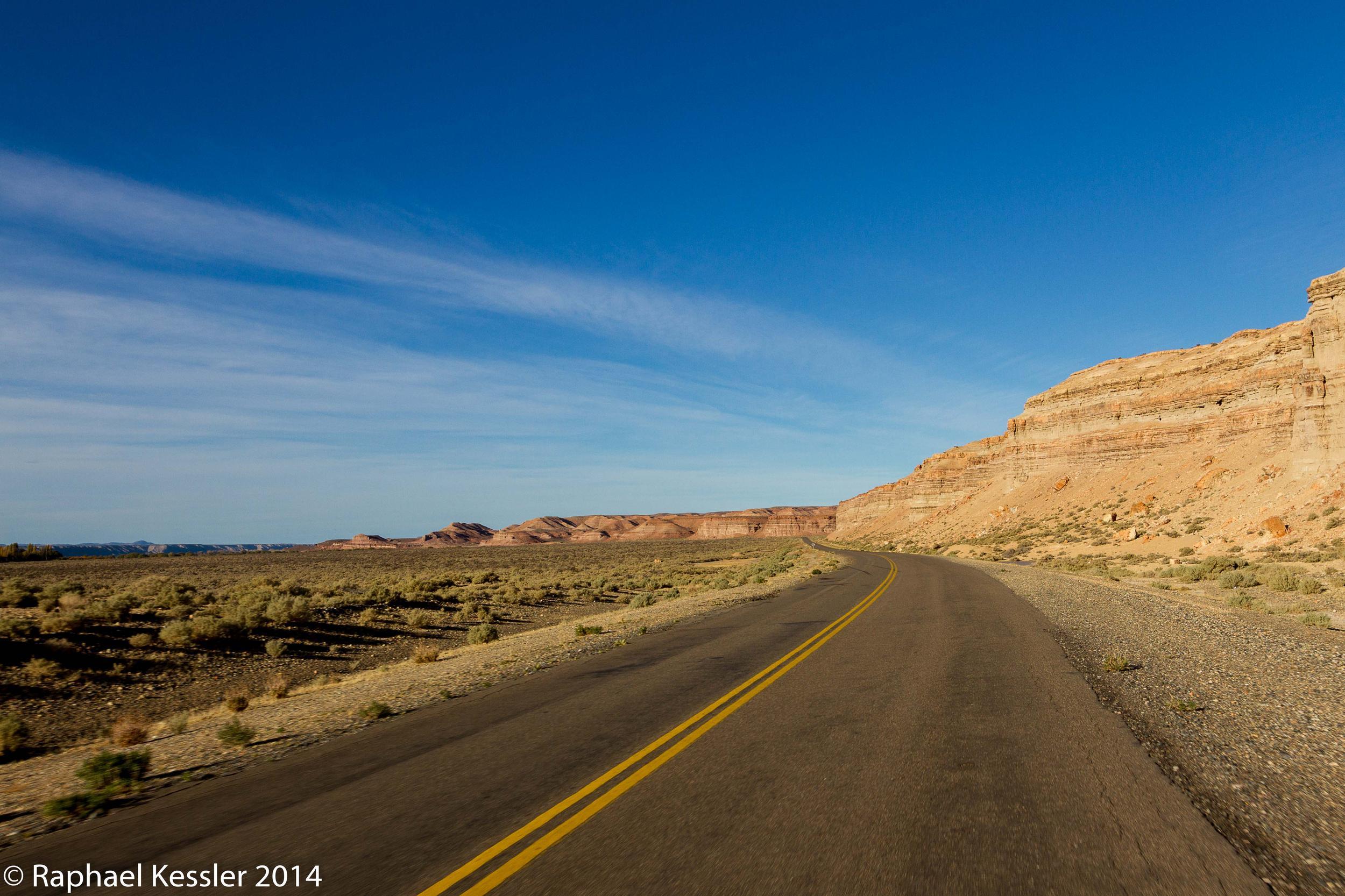
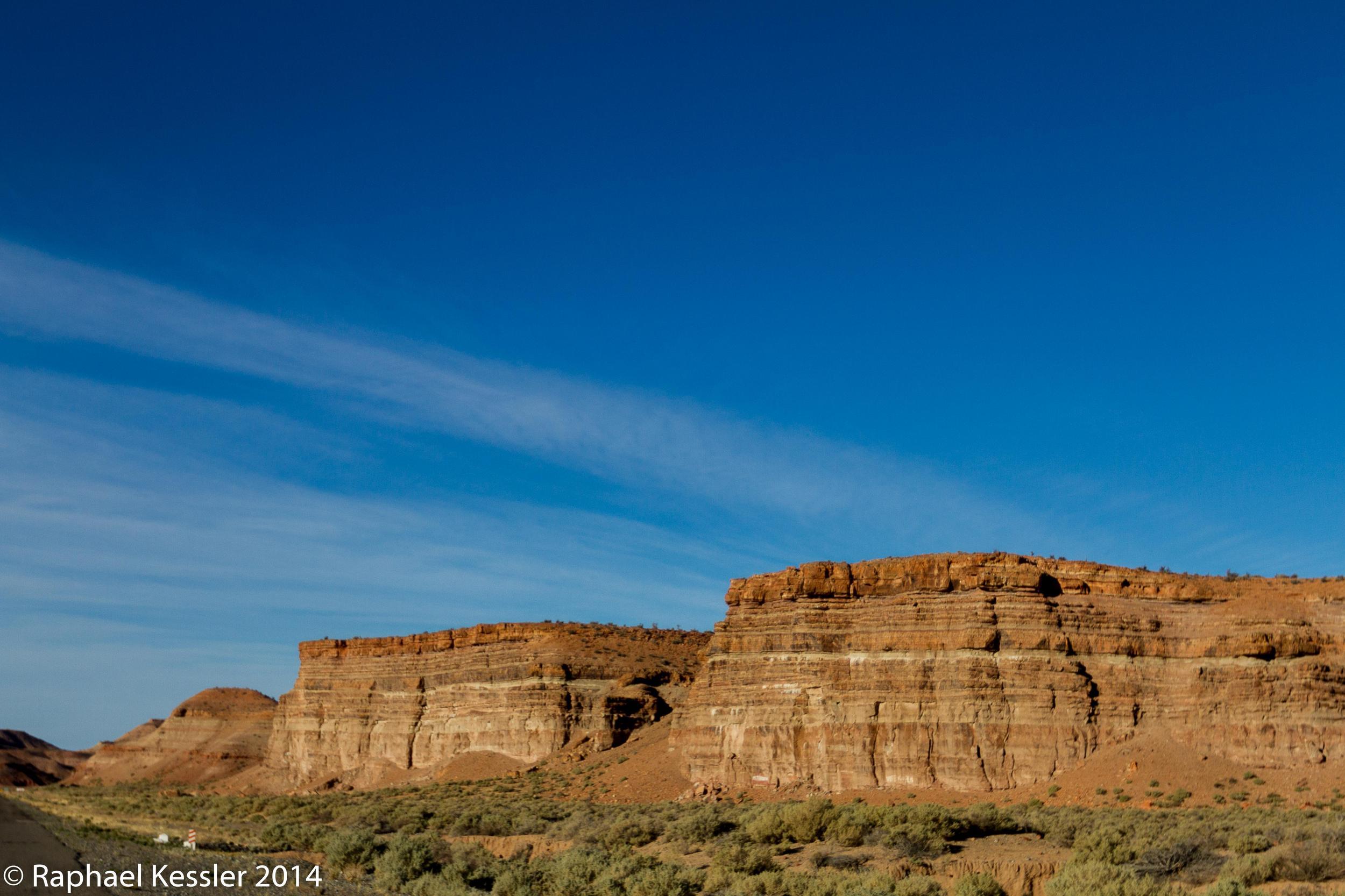
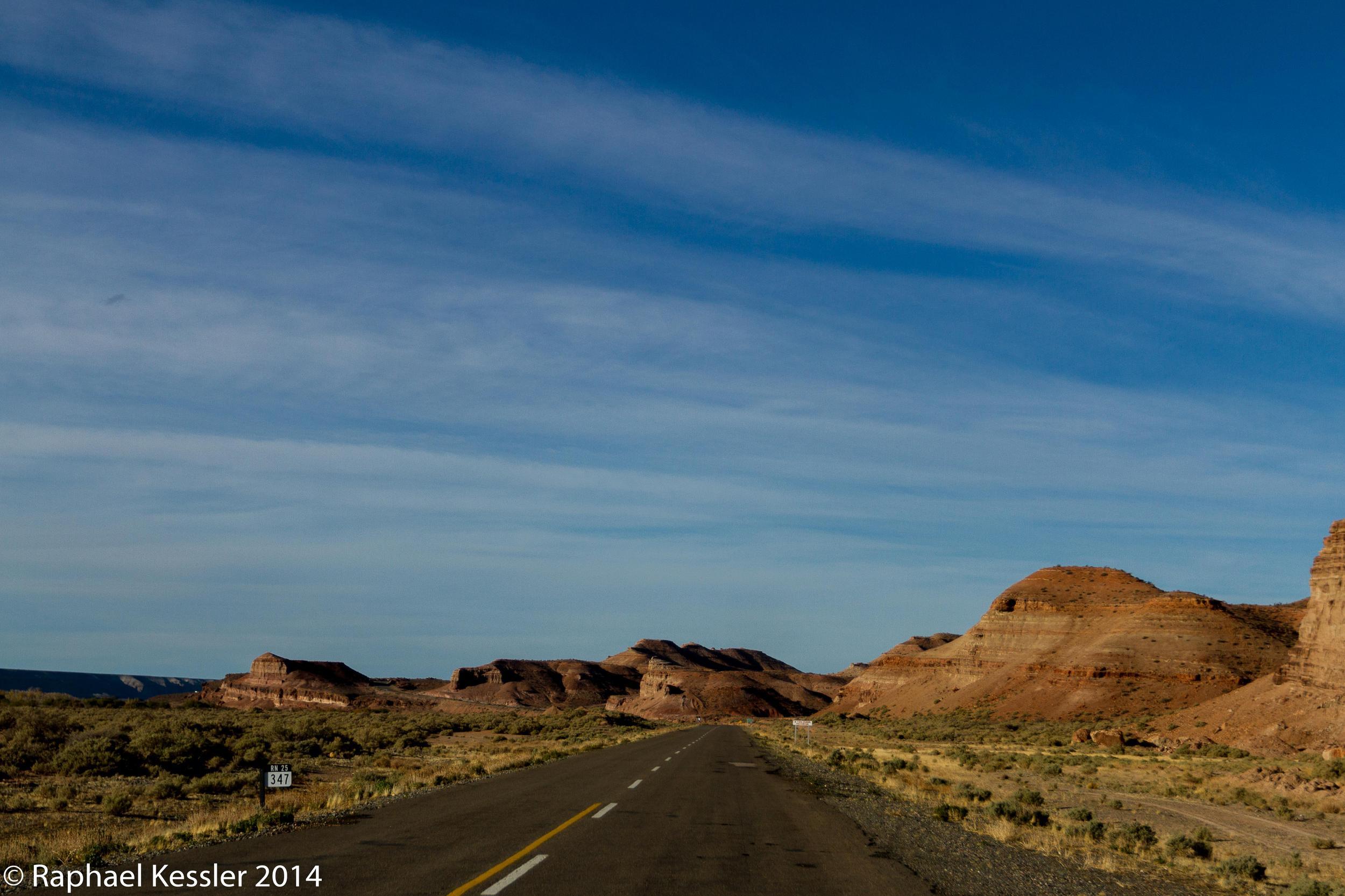
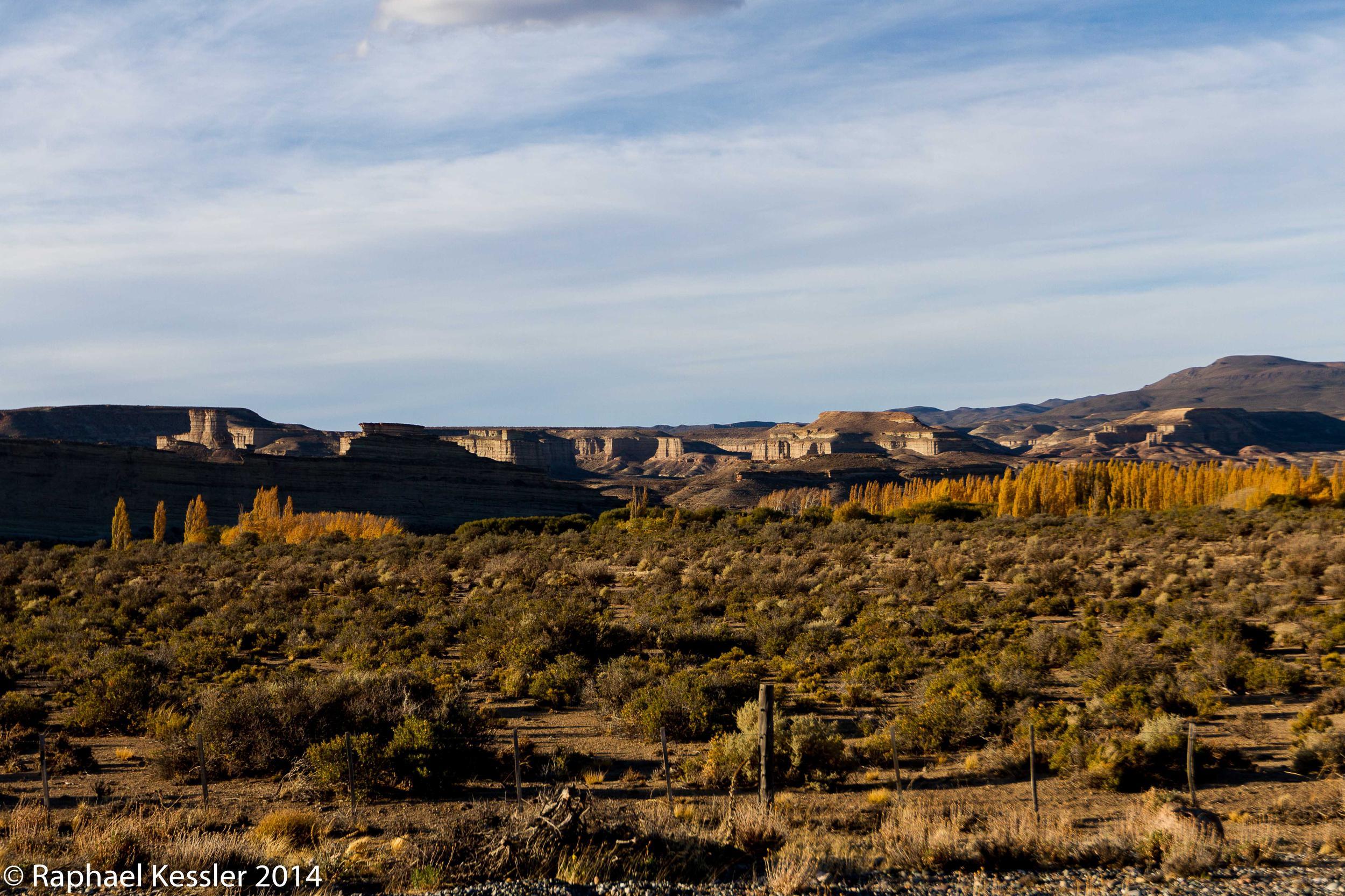
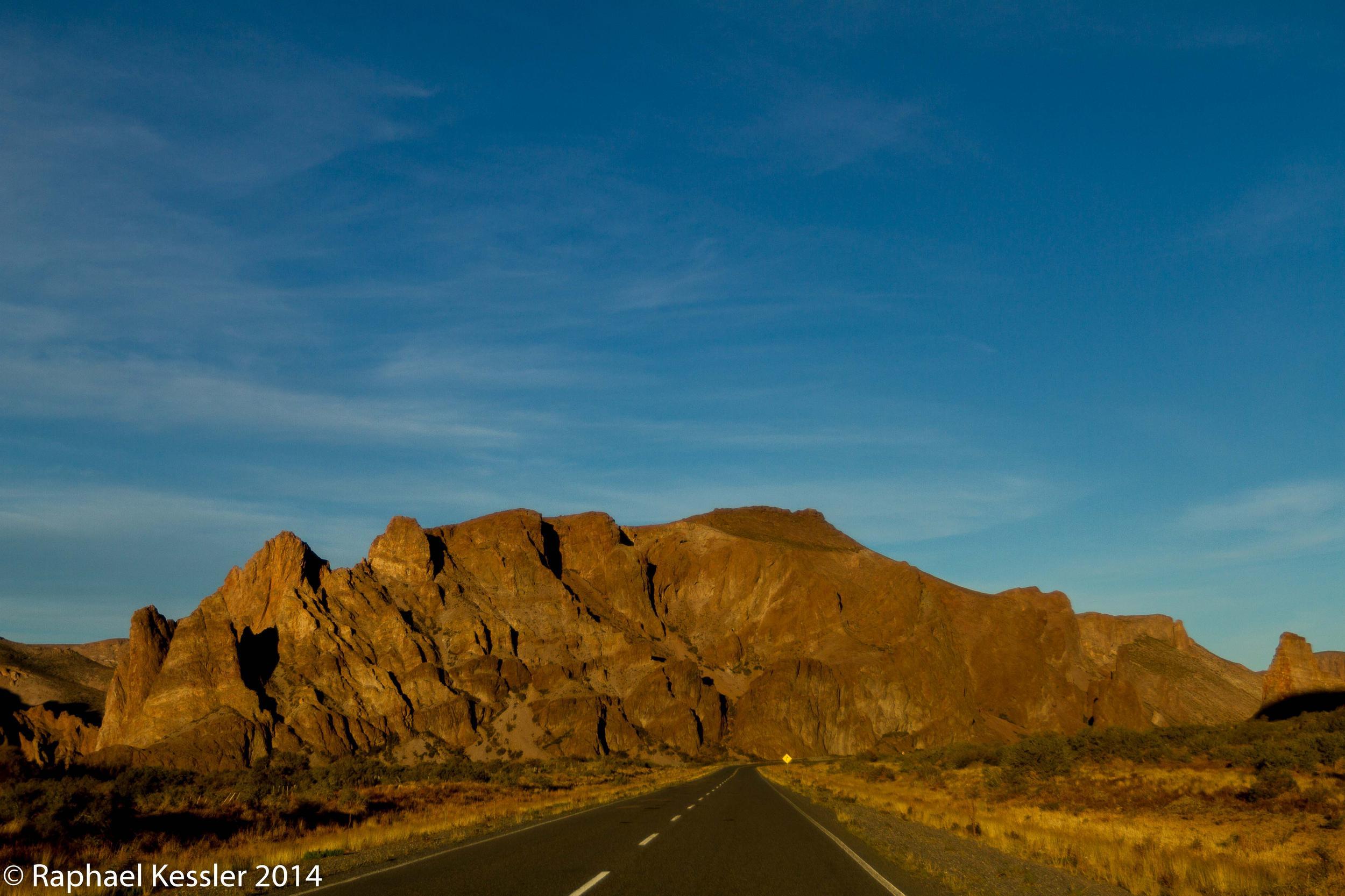
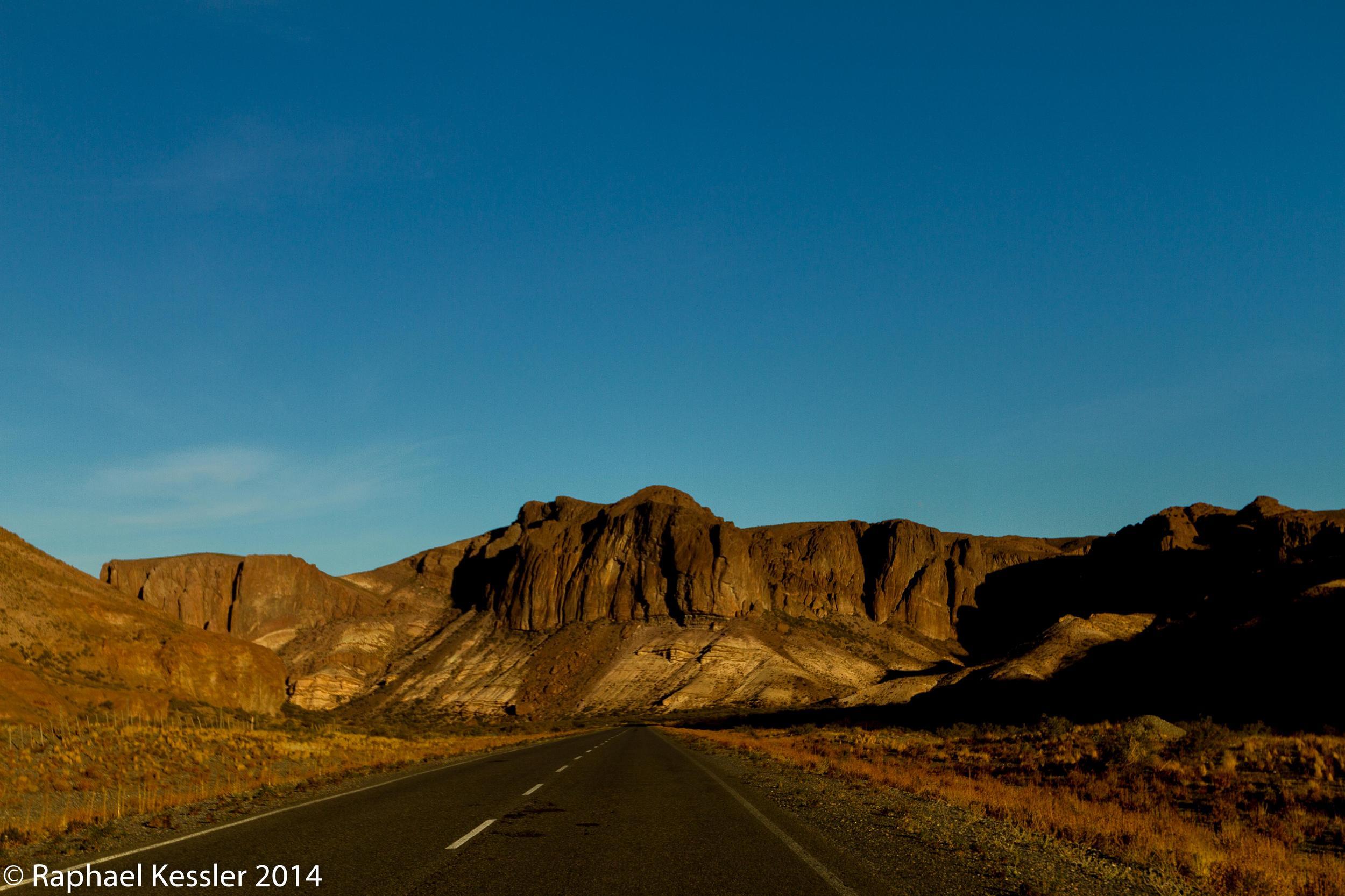
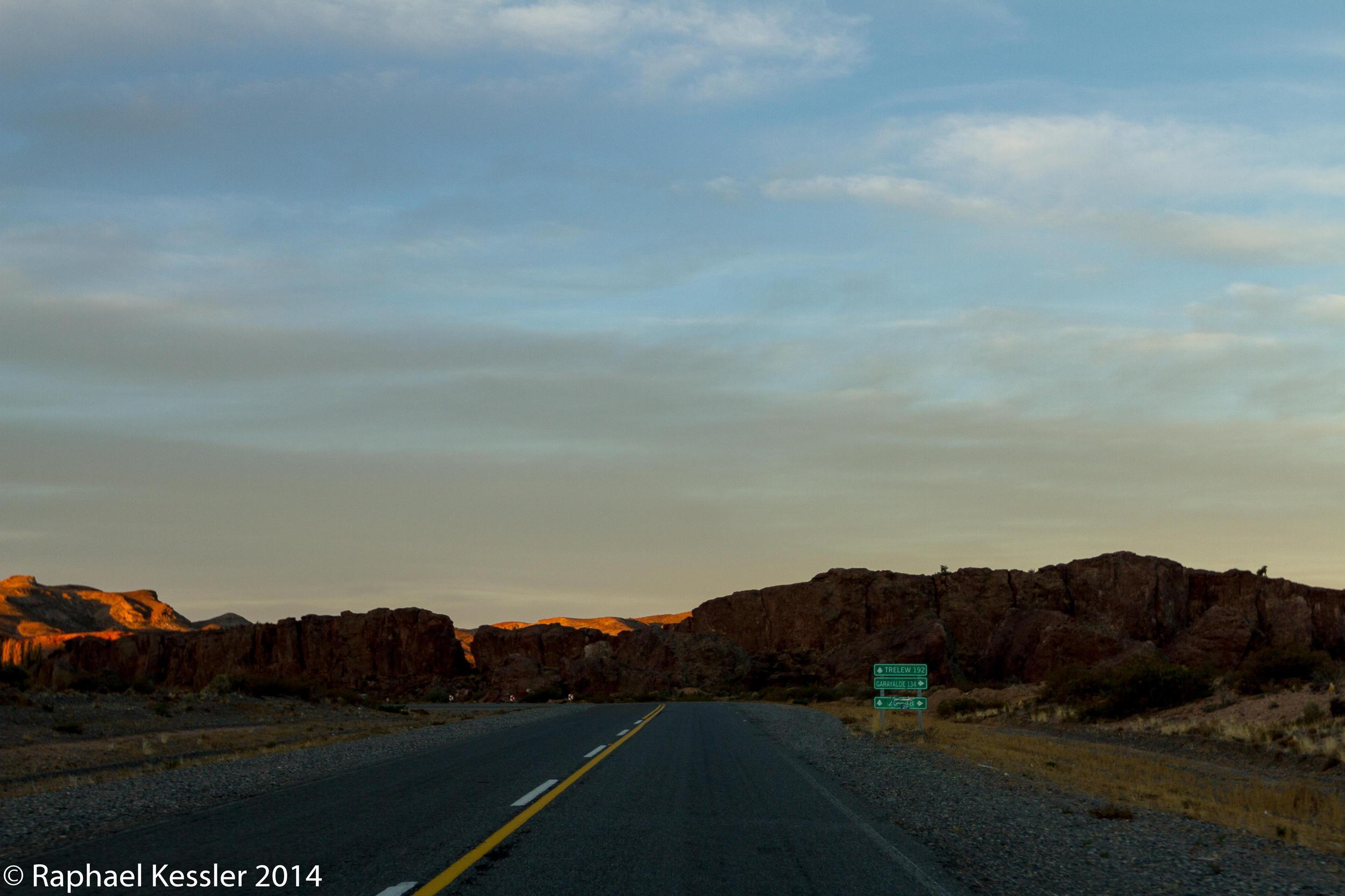
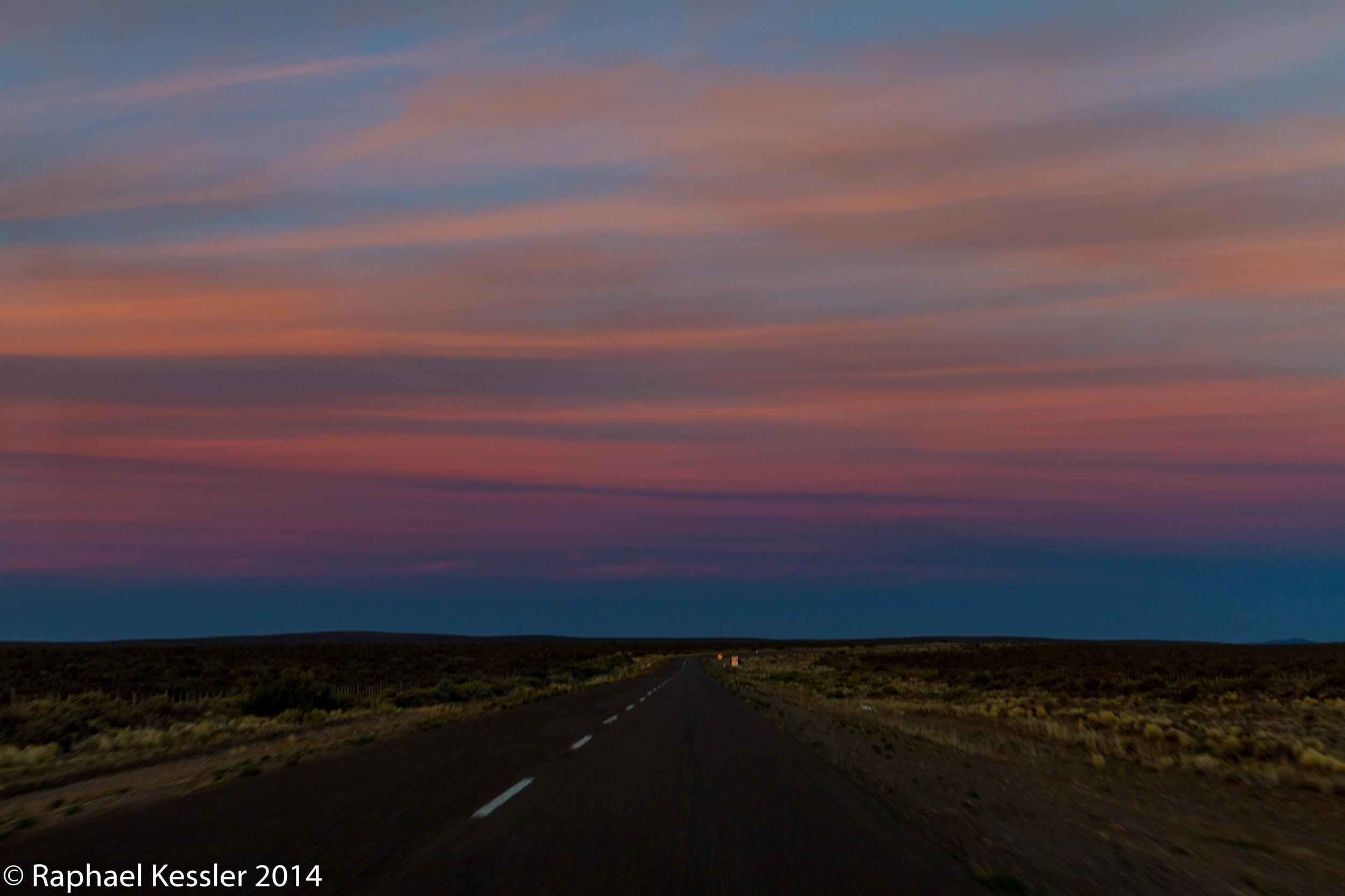
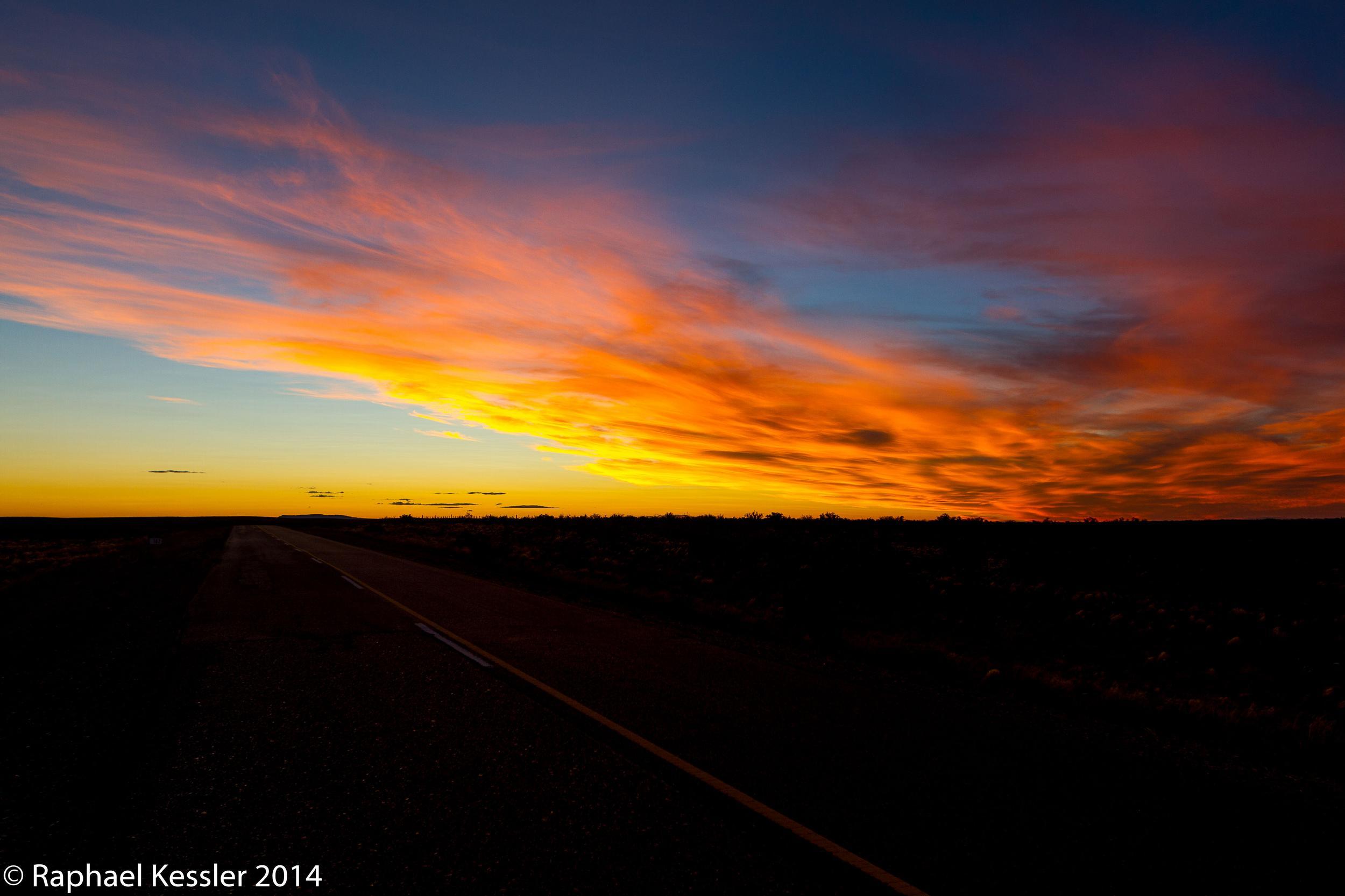
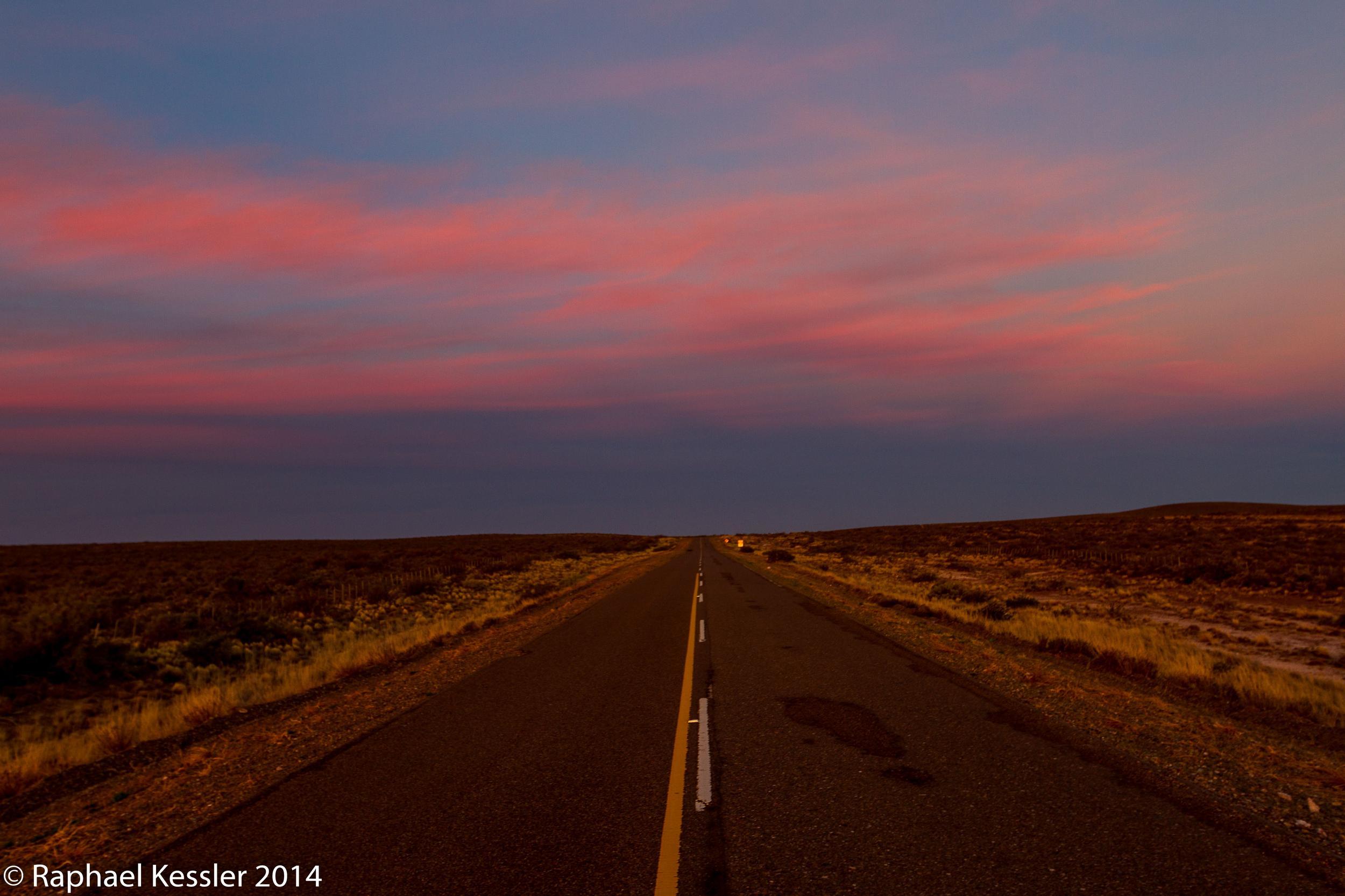
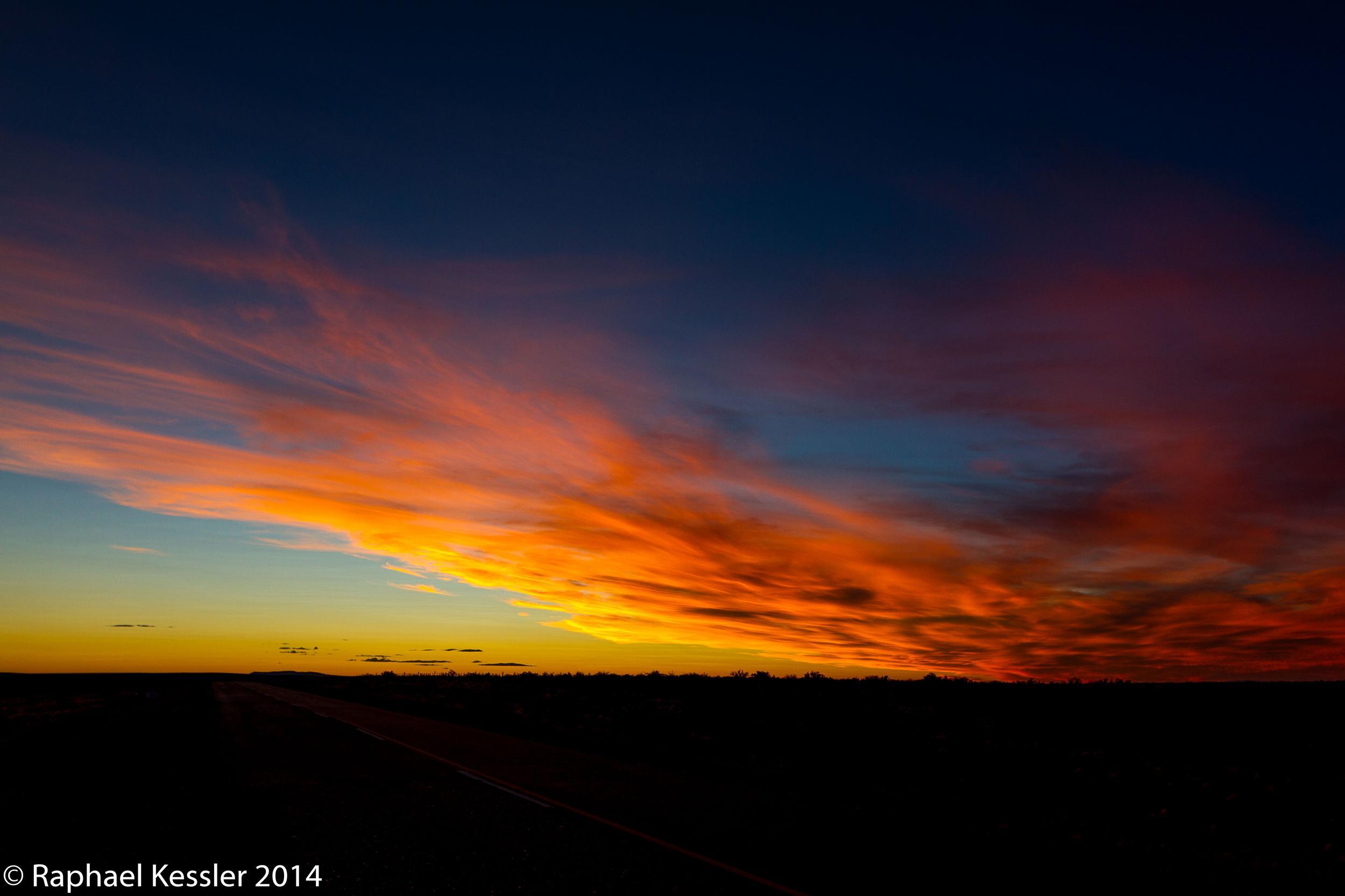
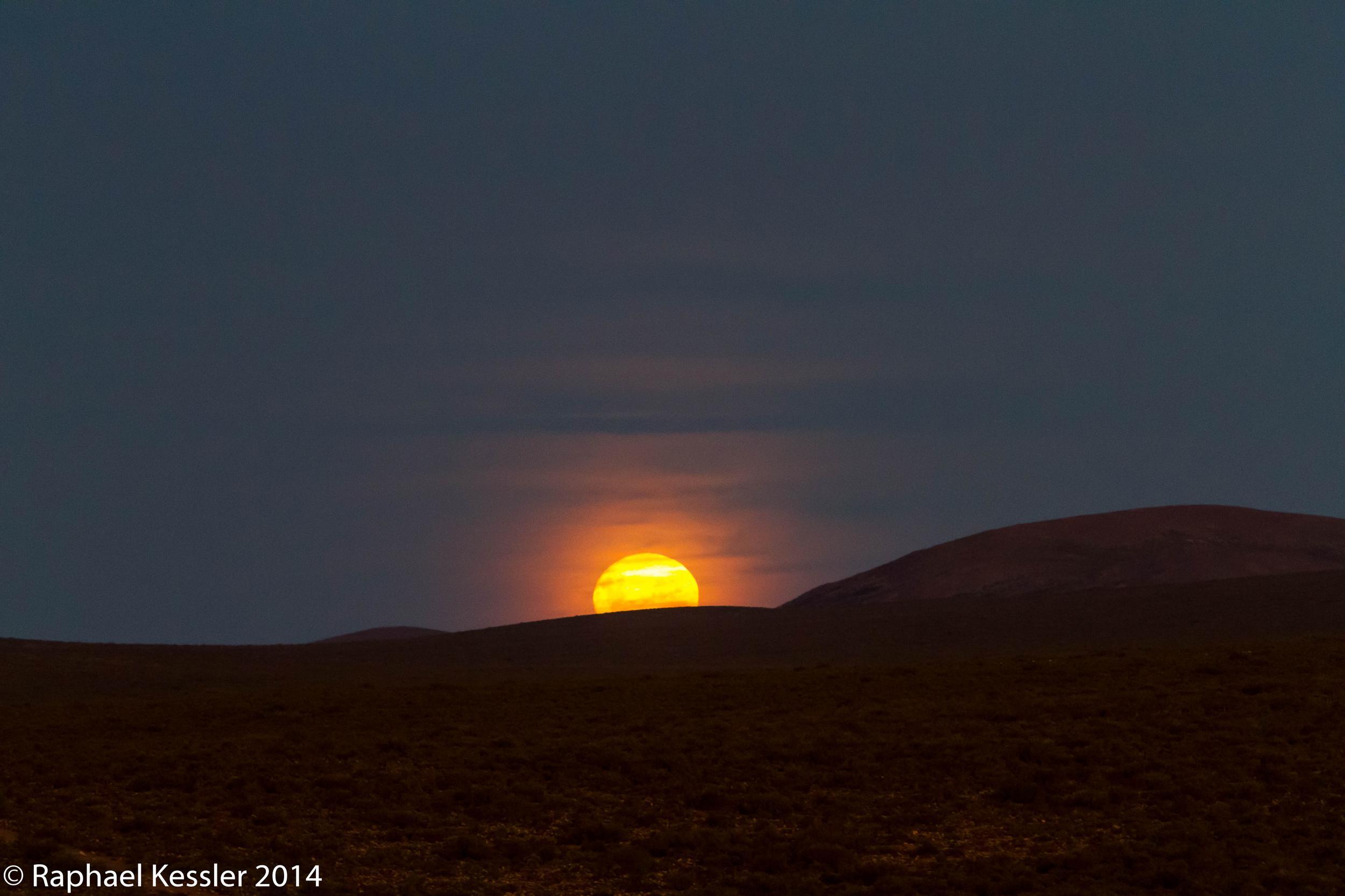
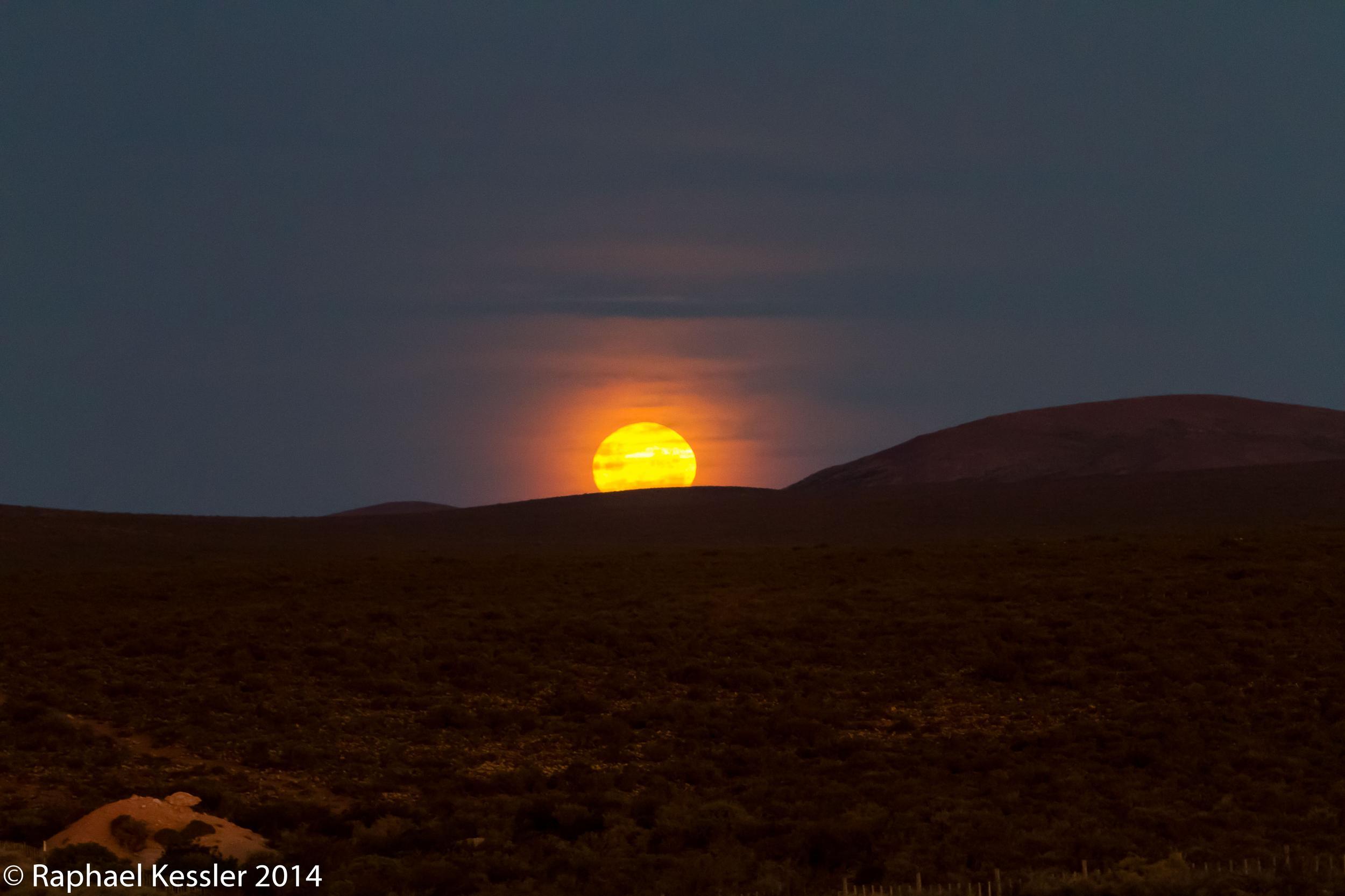
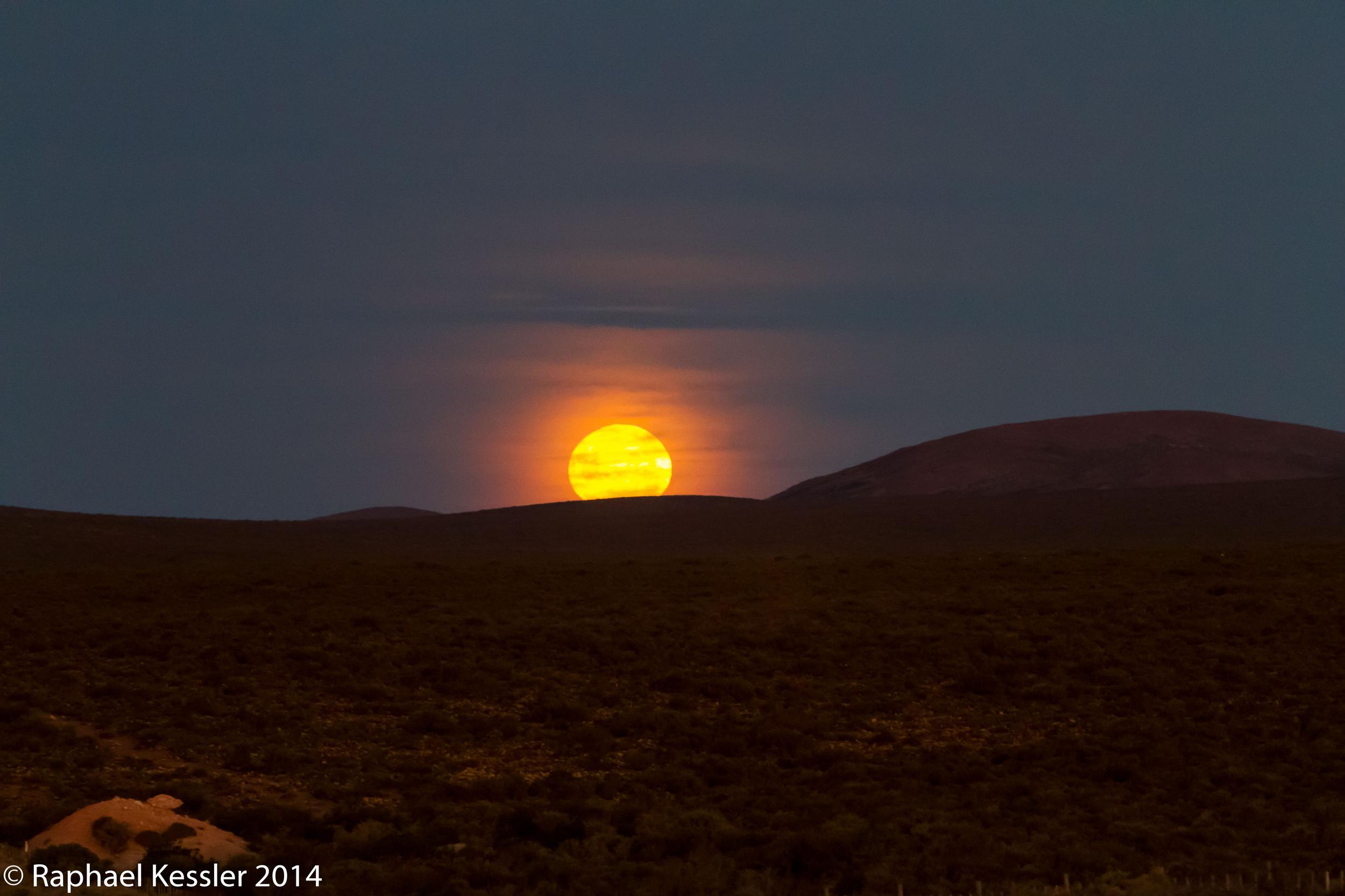
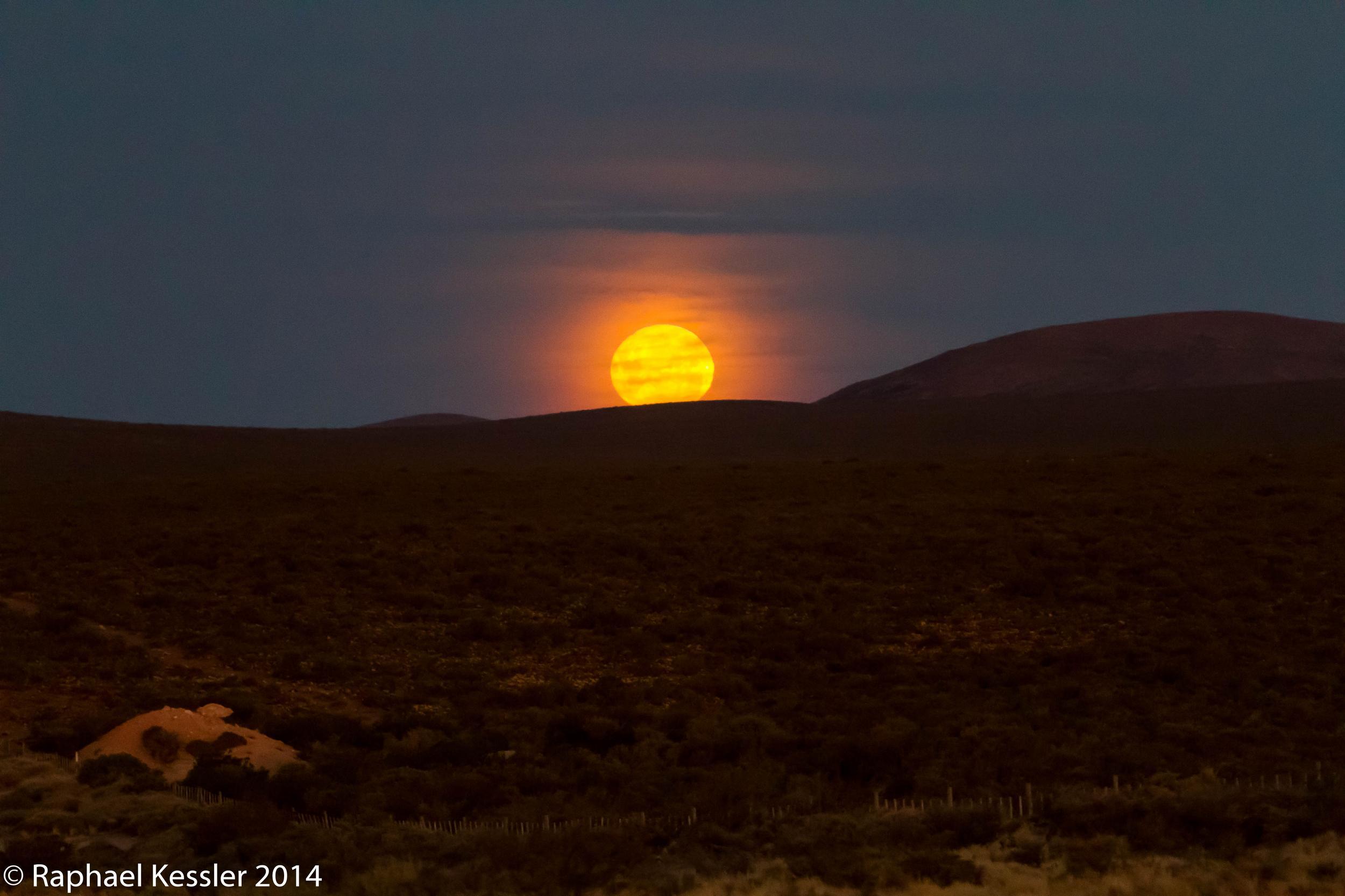
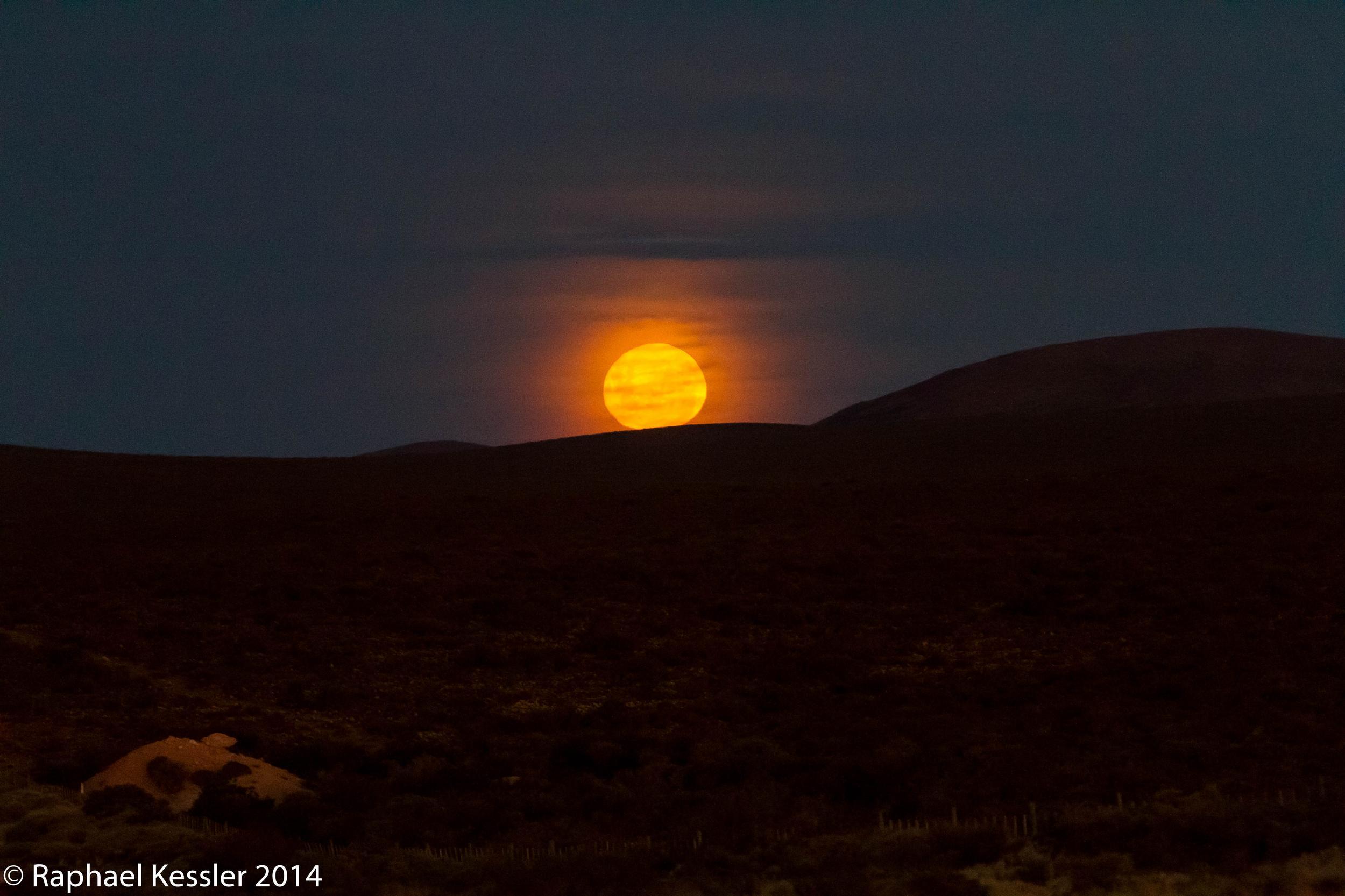
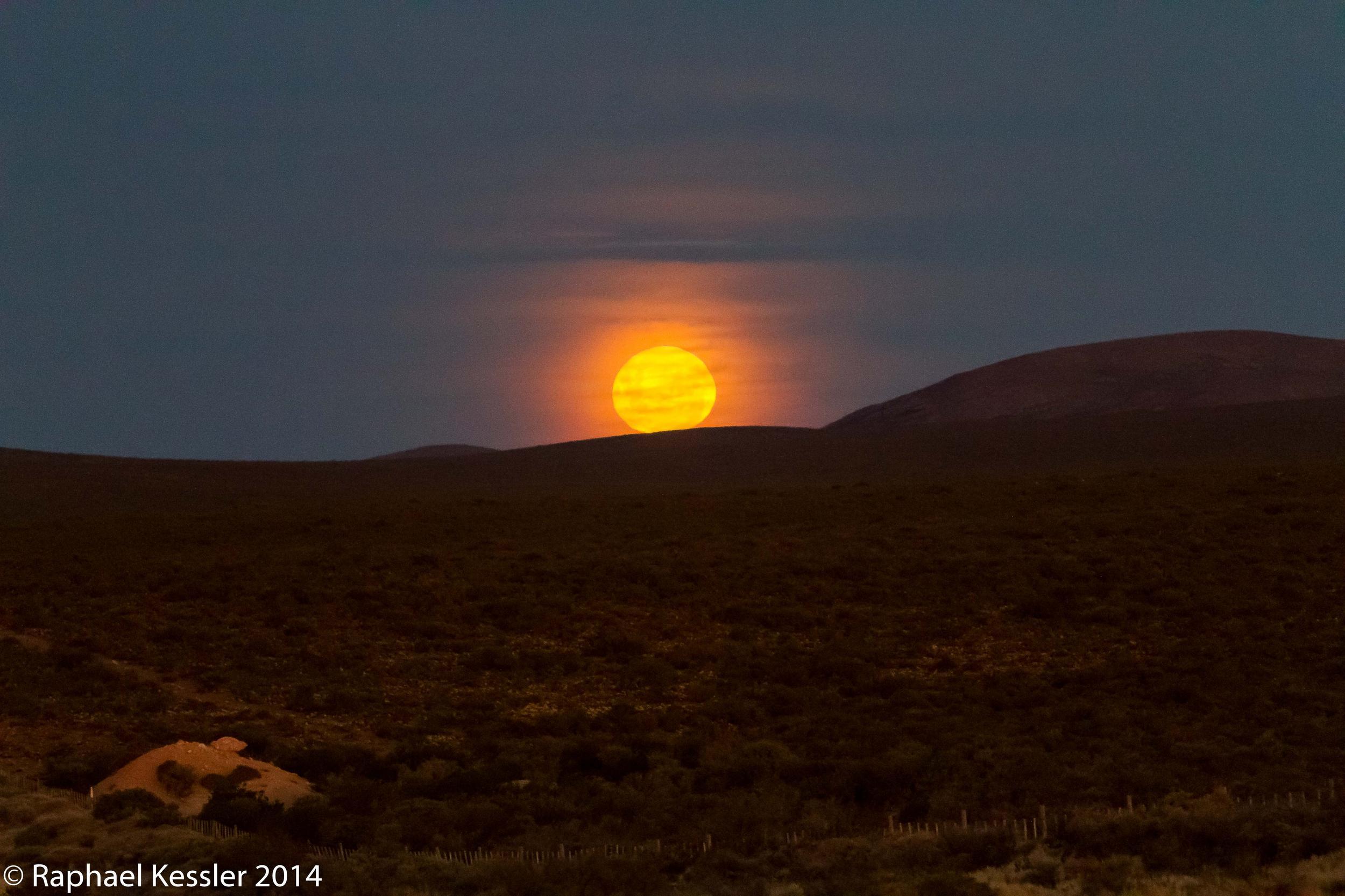
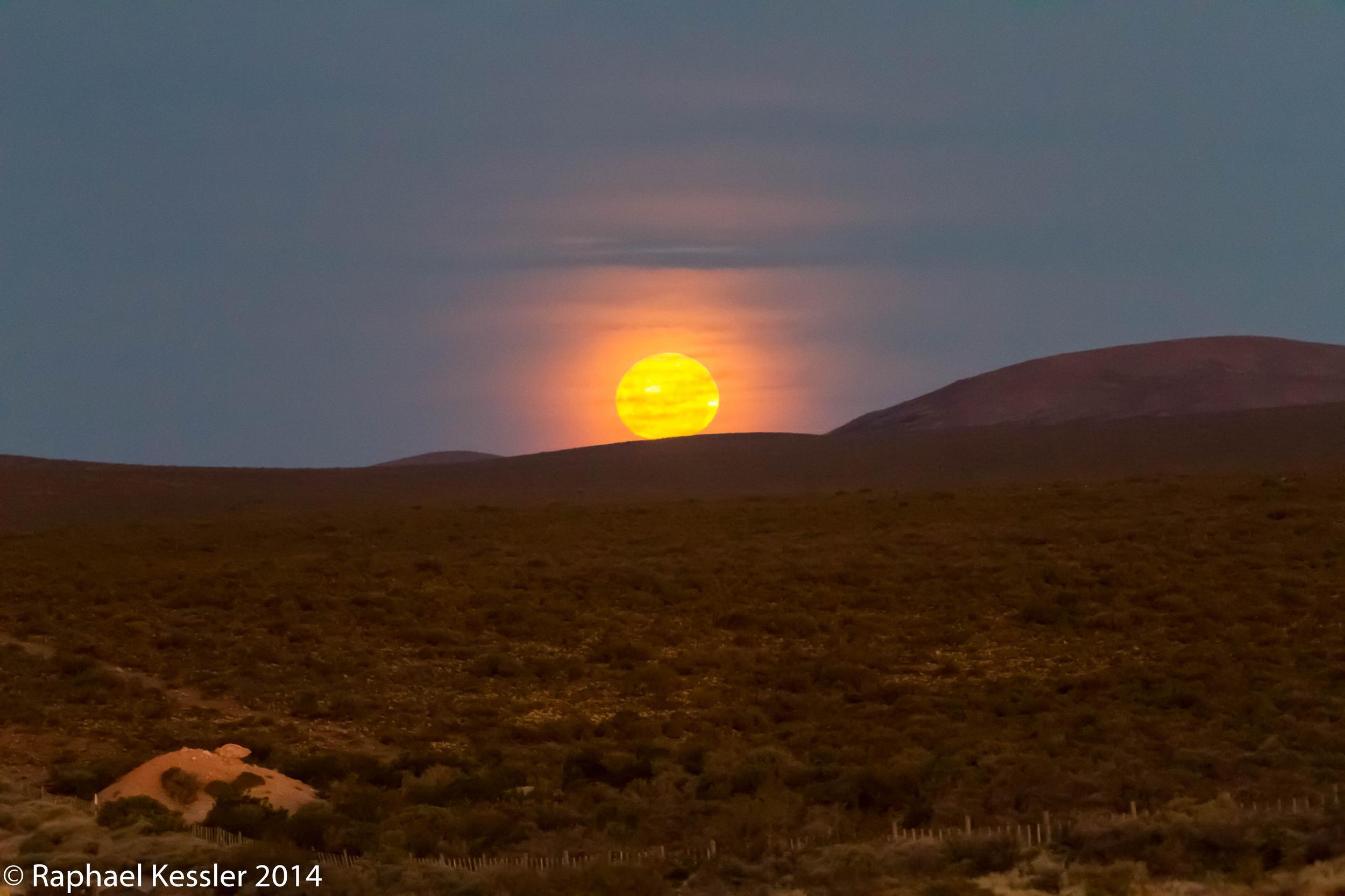
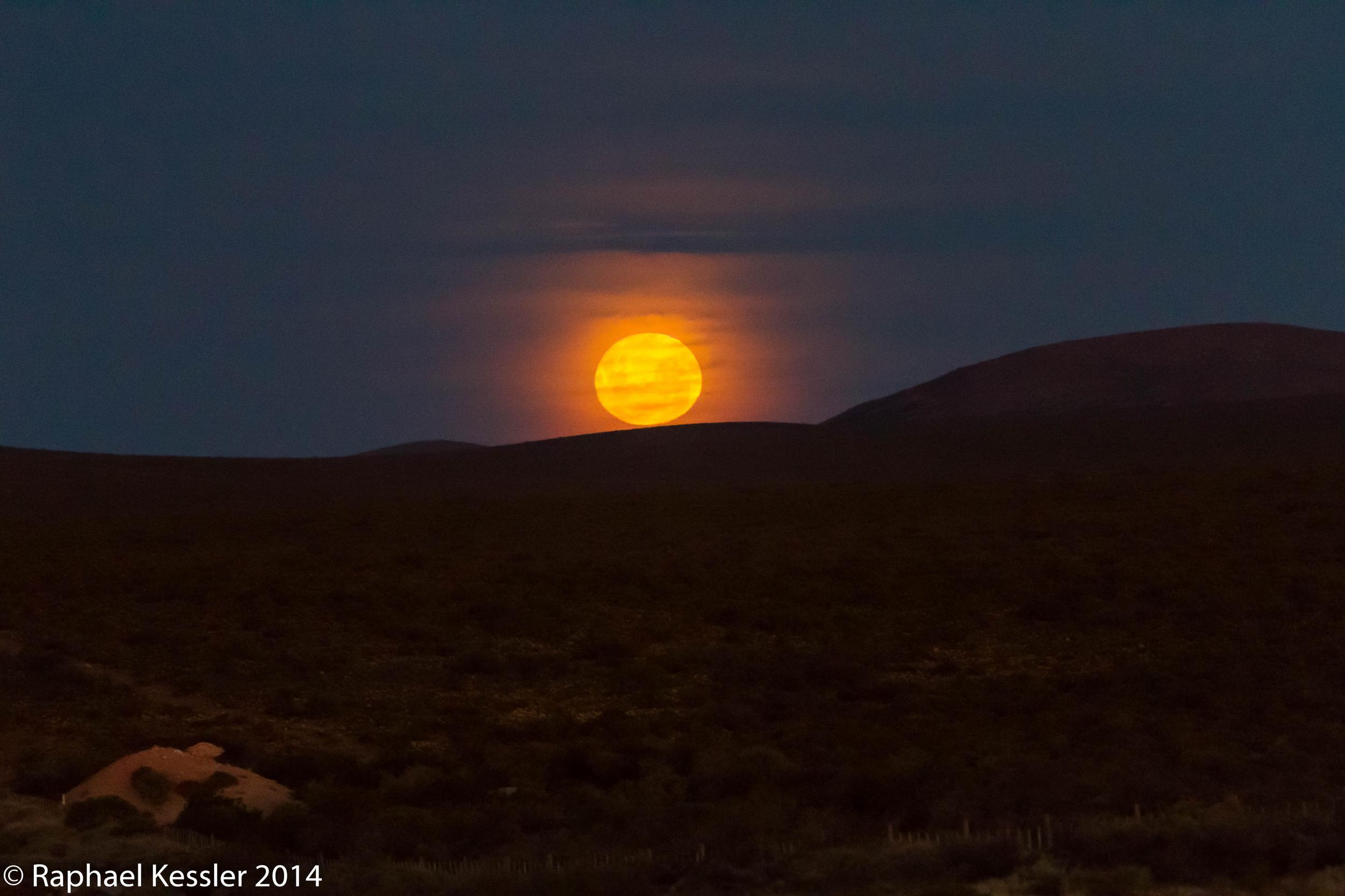
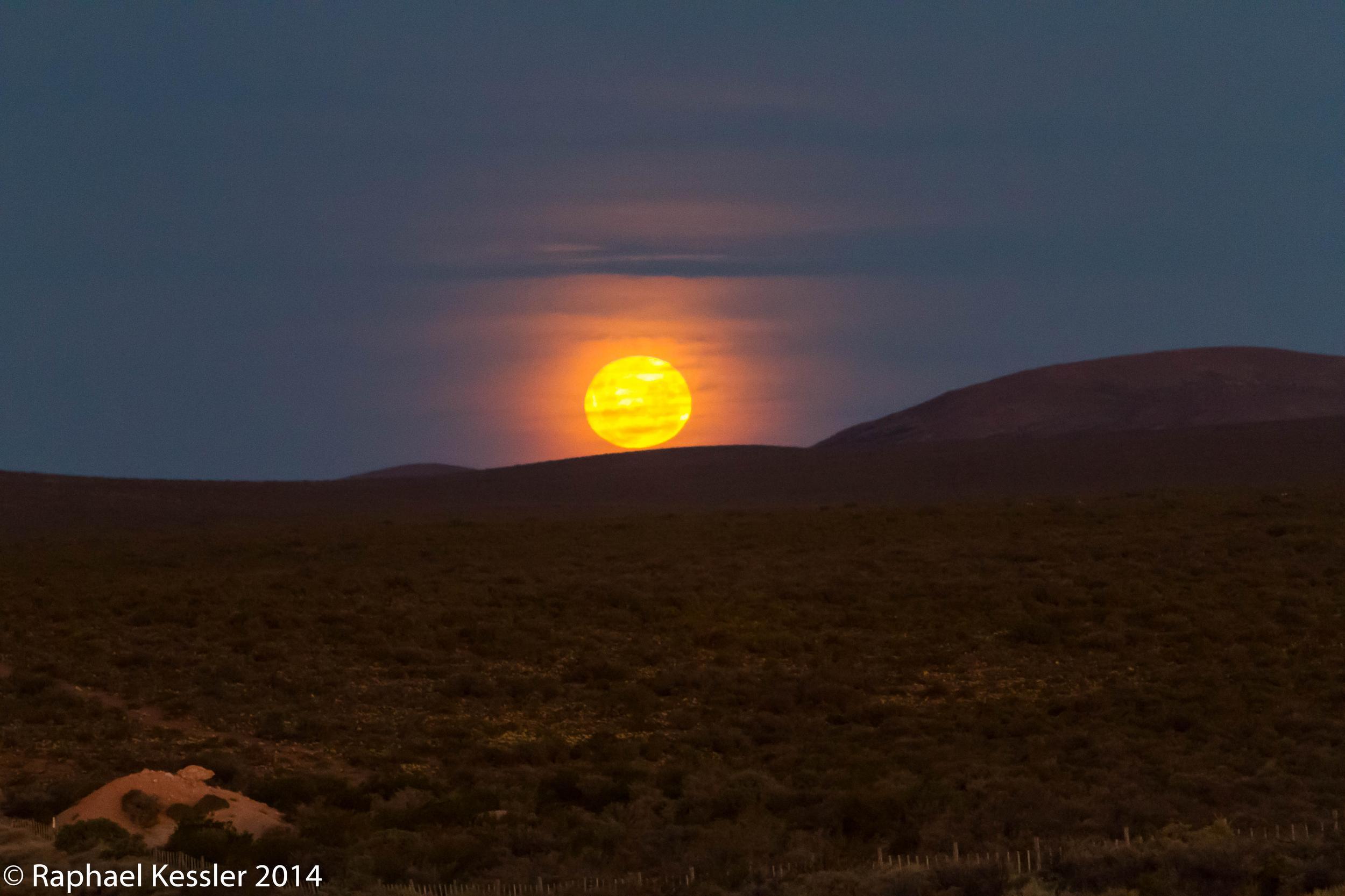
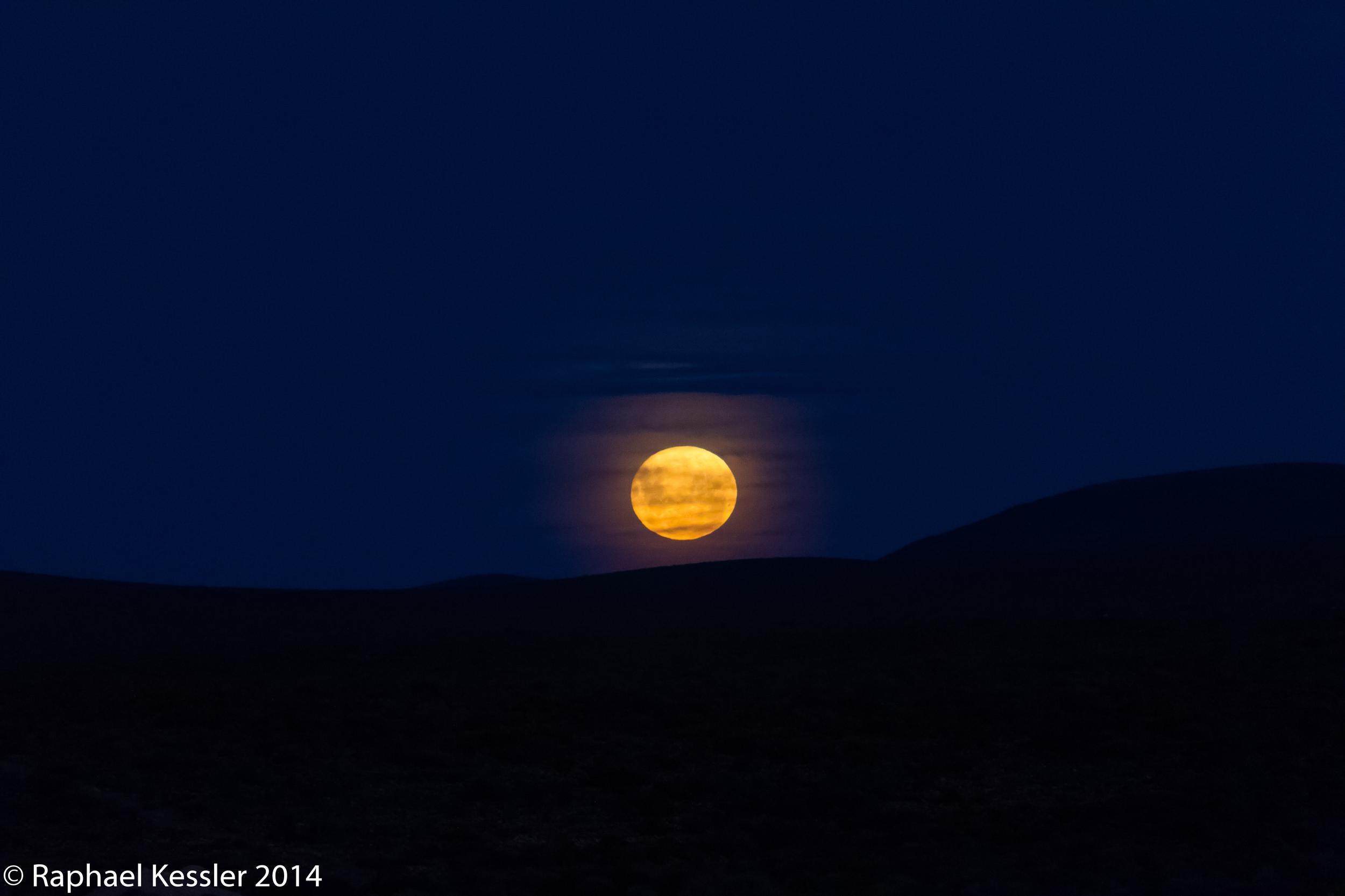
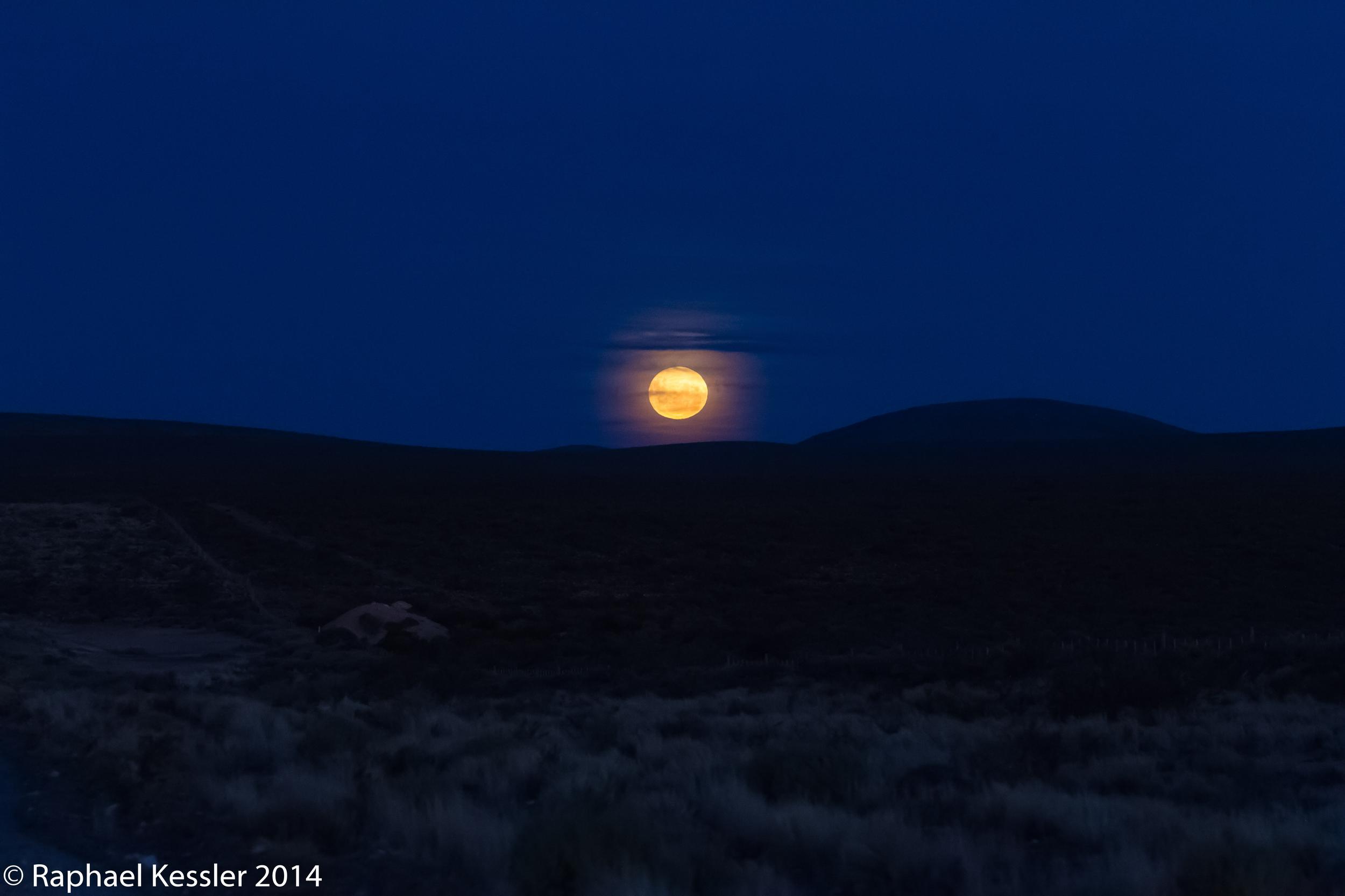
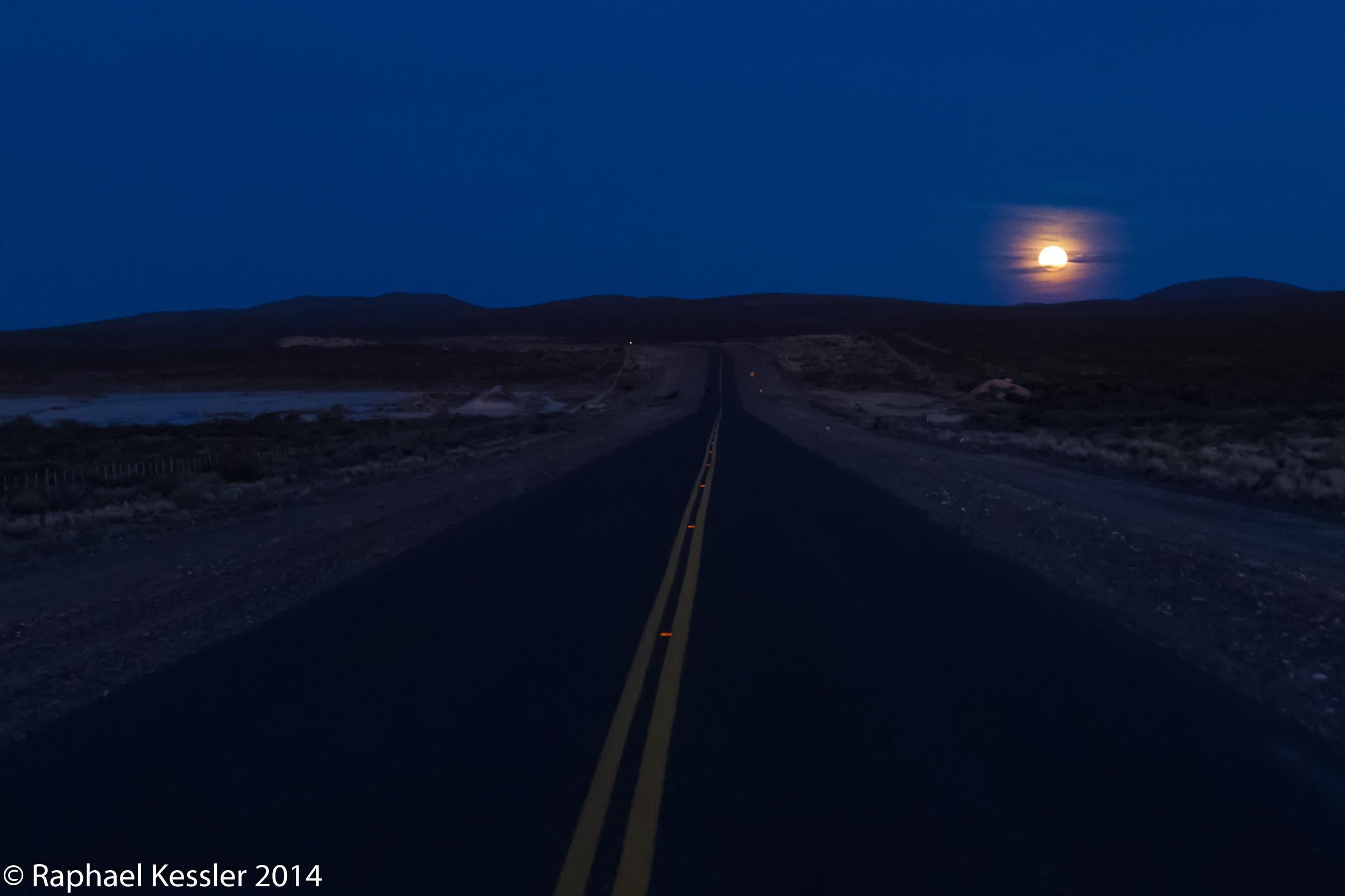
Crossing from West to East across Chubut allowed us to see some really dramatic scenery. We happened to see a flock of condors, which we did not recognise until we looked at the photos. Most memorable on this trip however, was a spectacular moonrise.
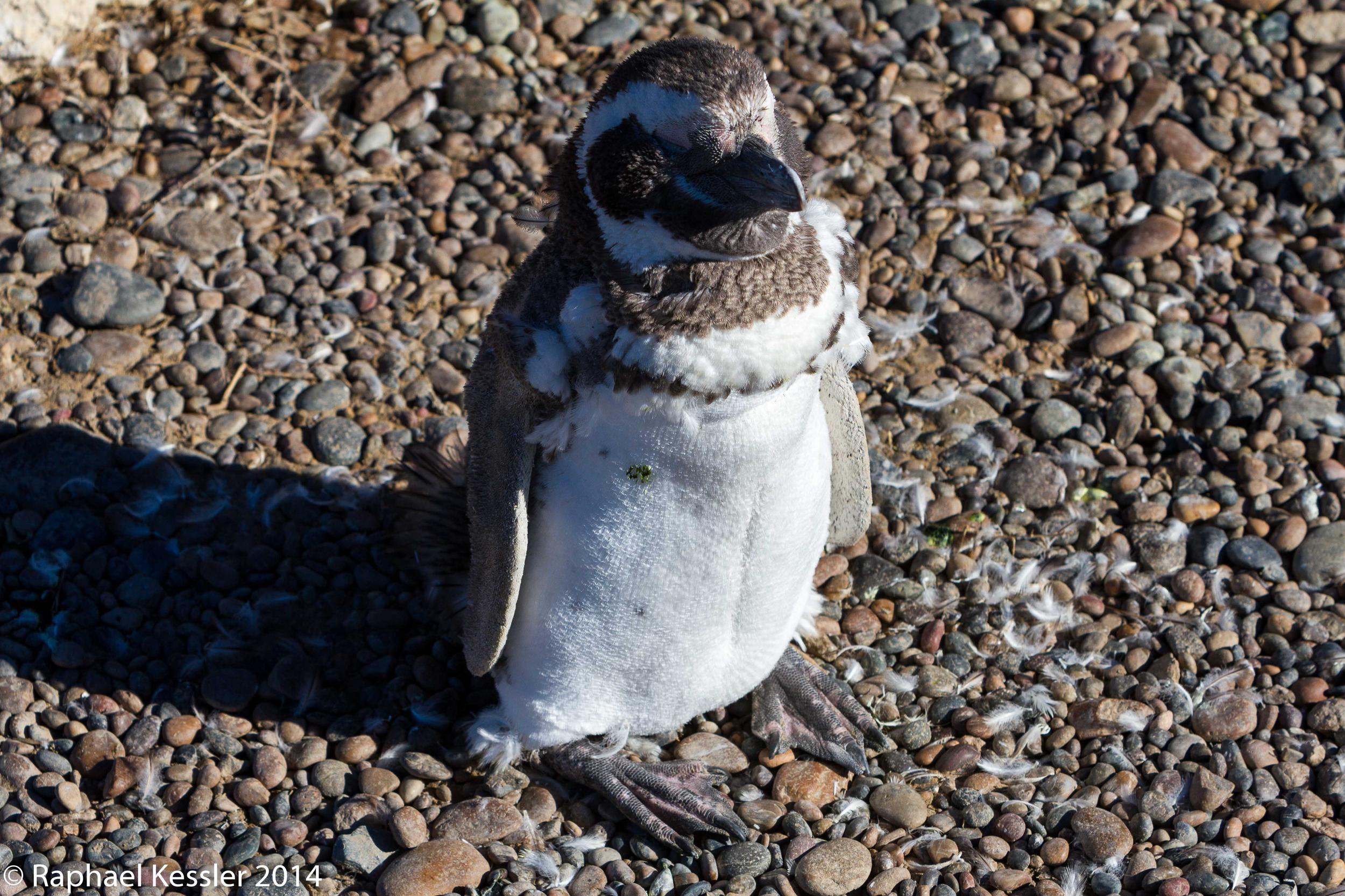
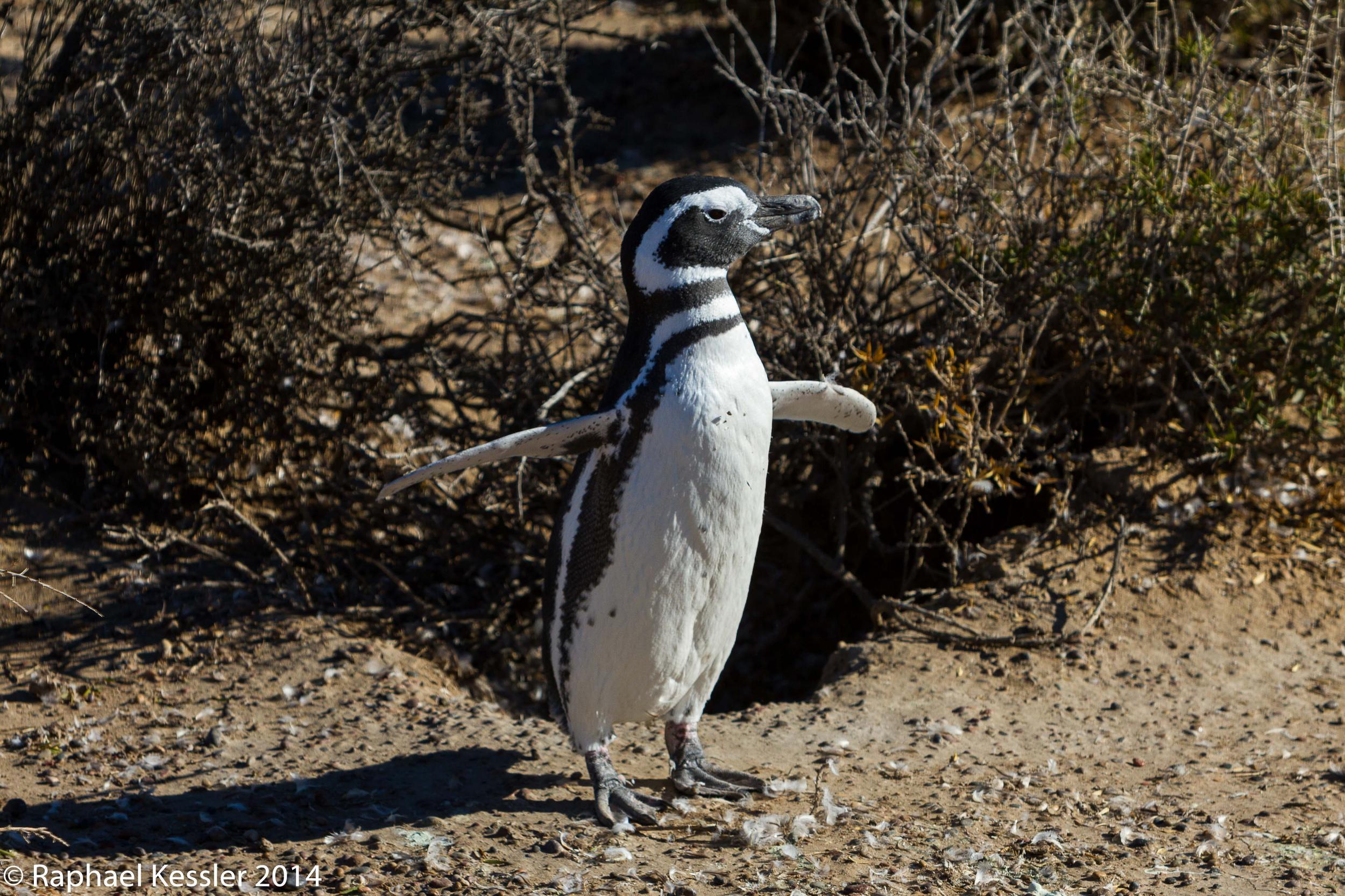
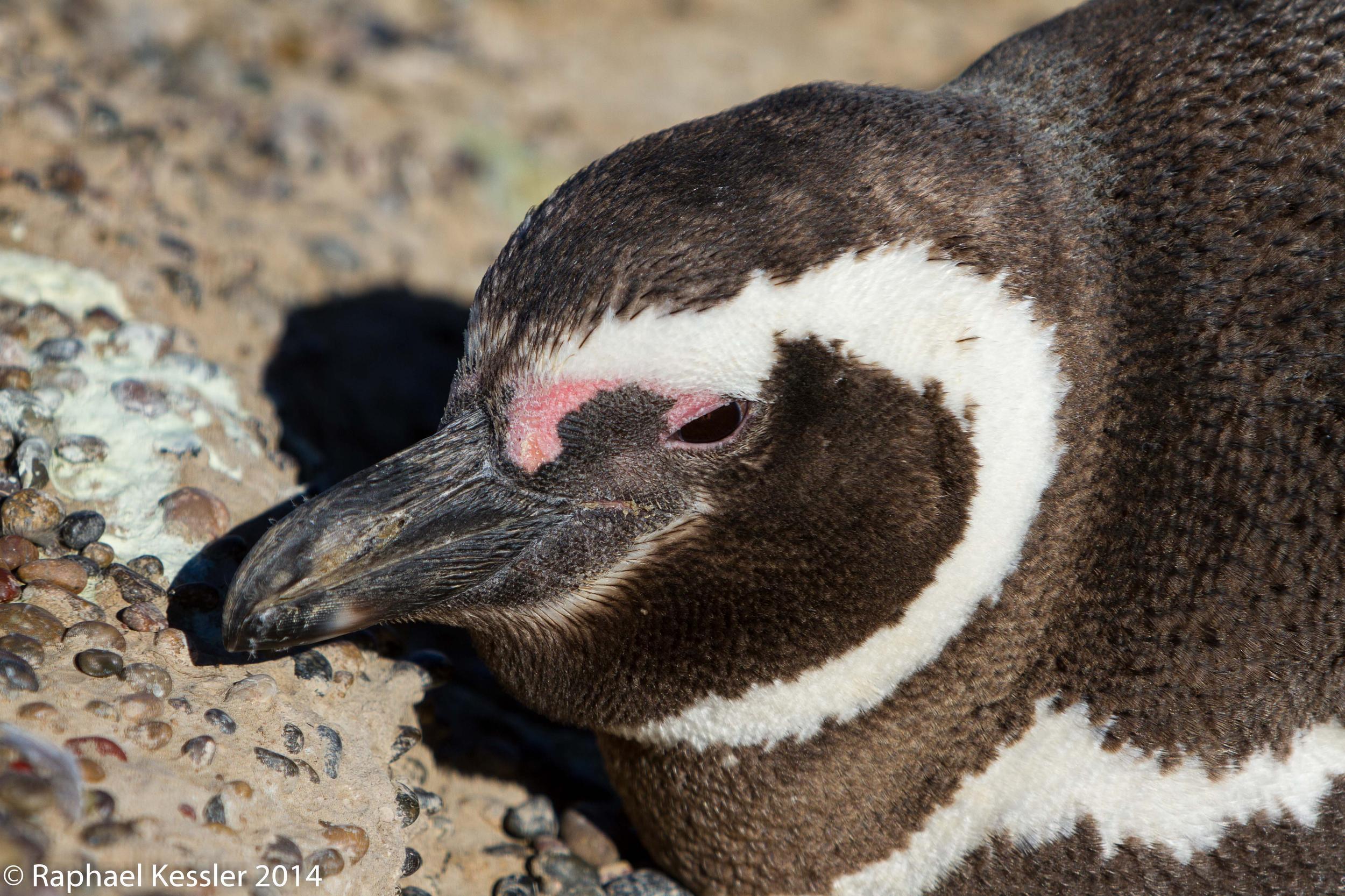
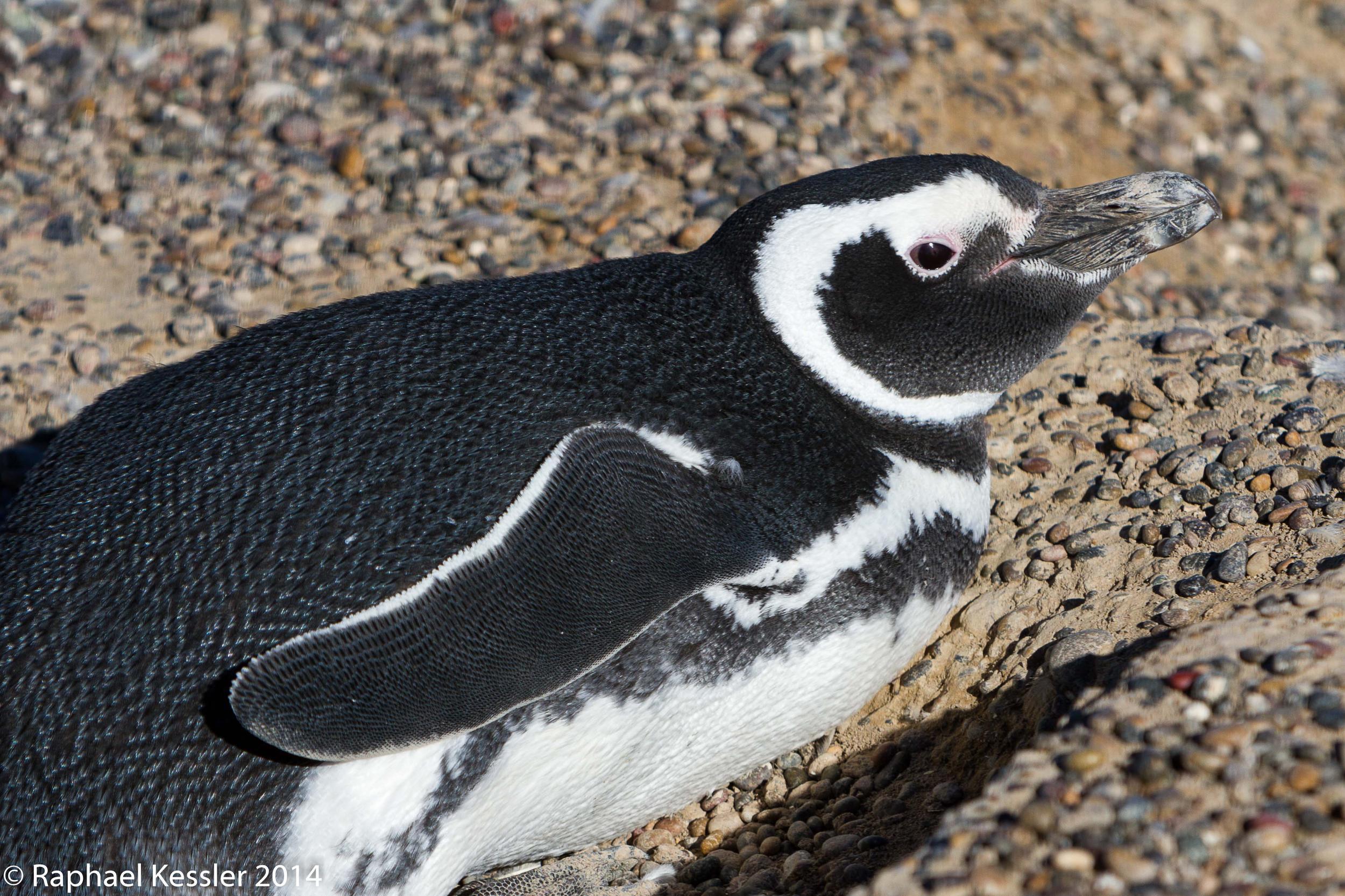
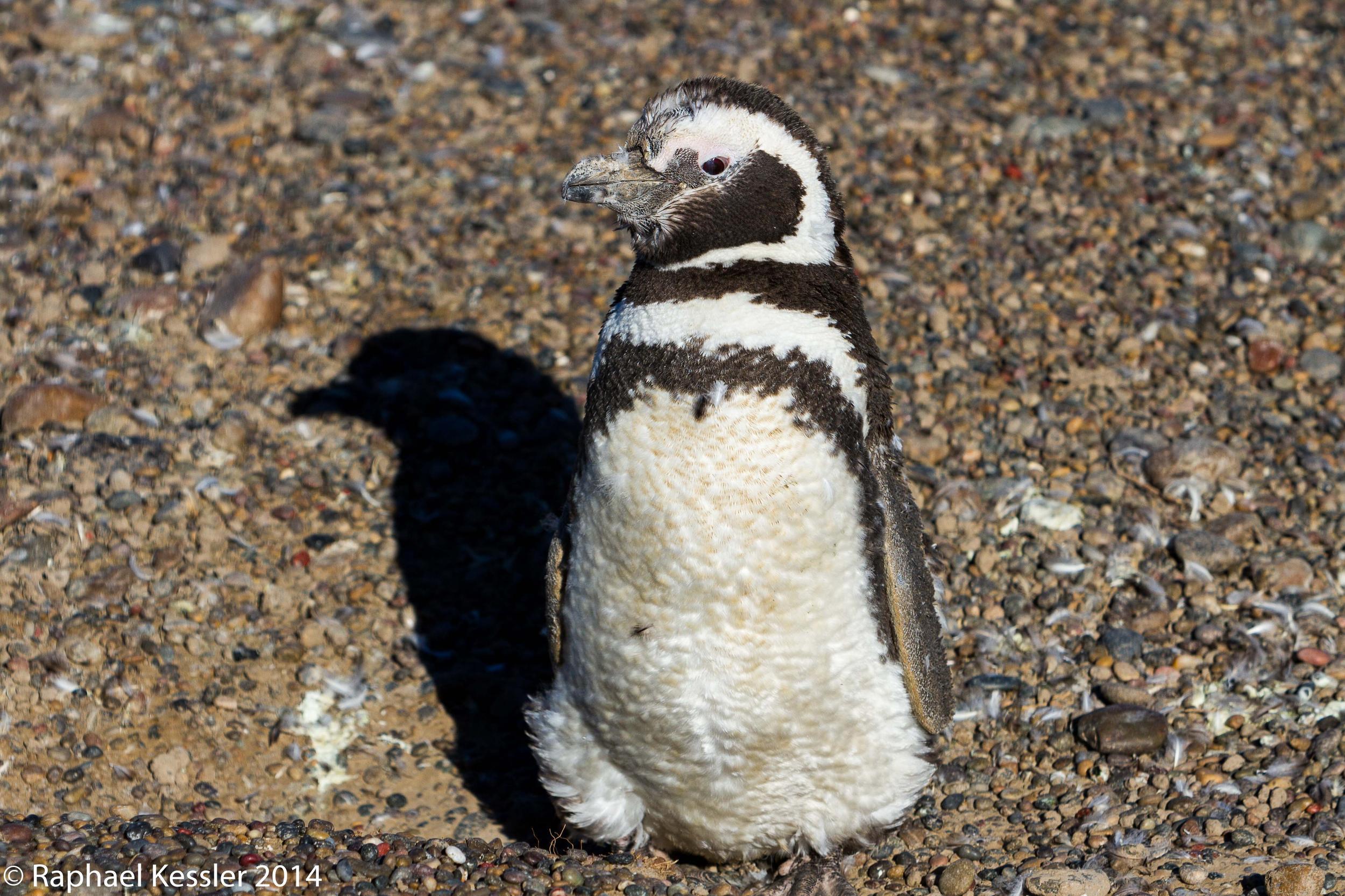
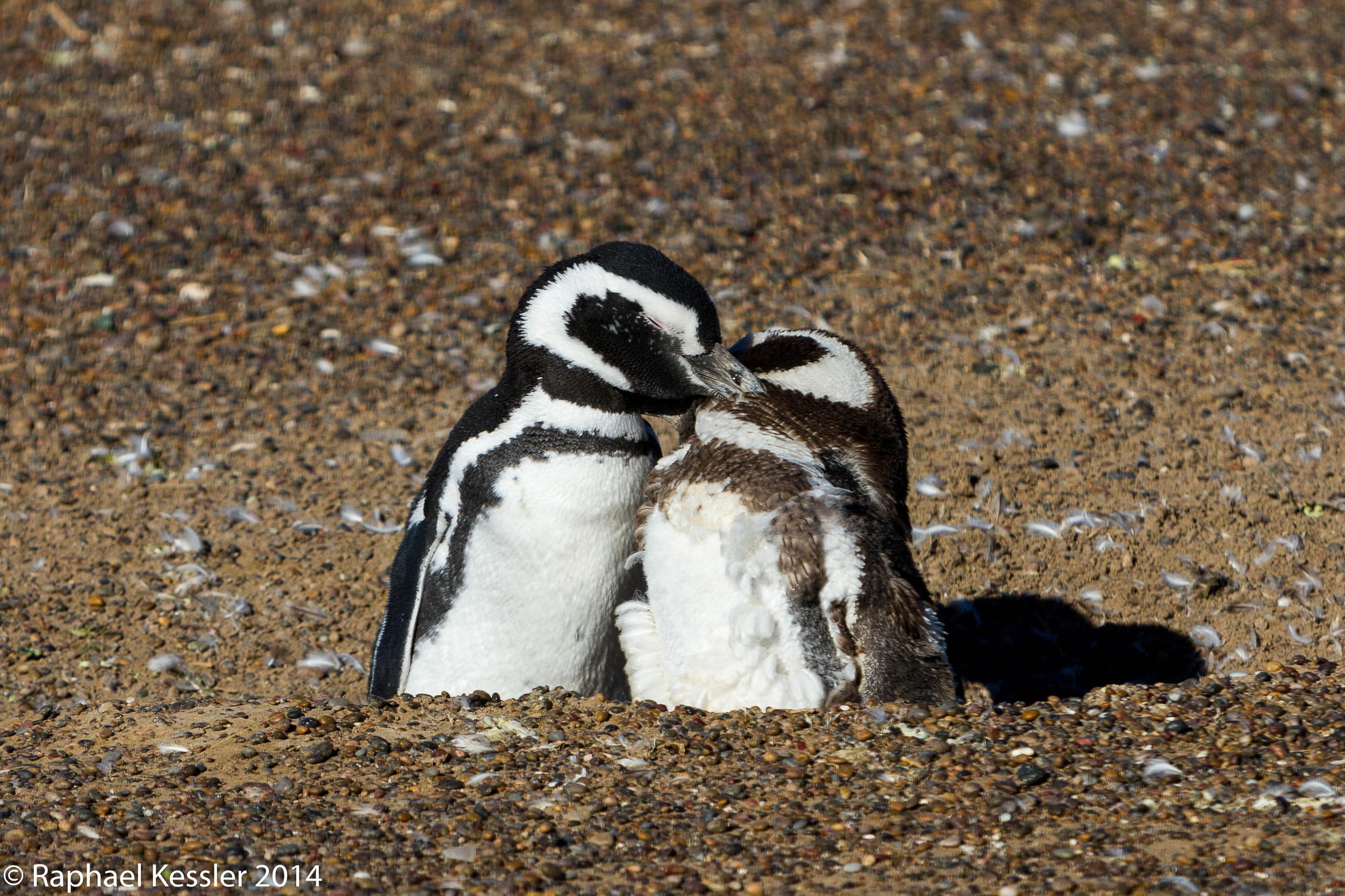
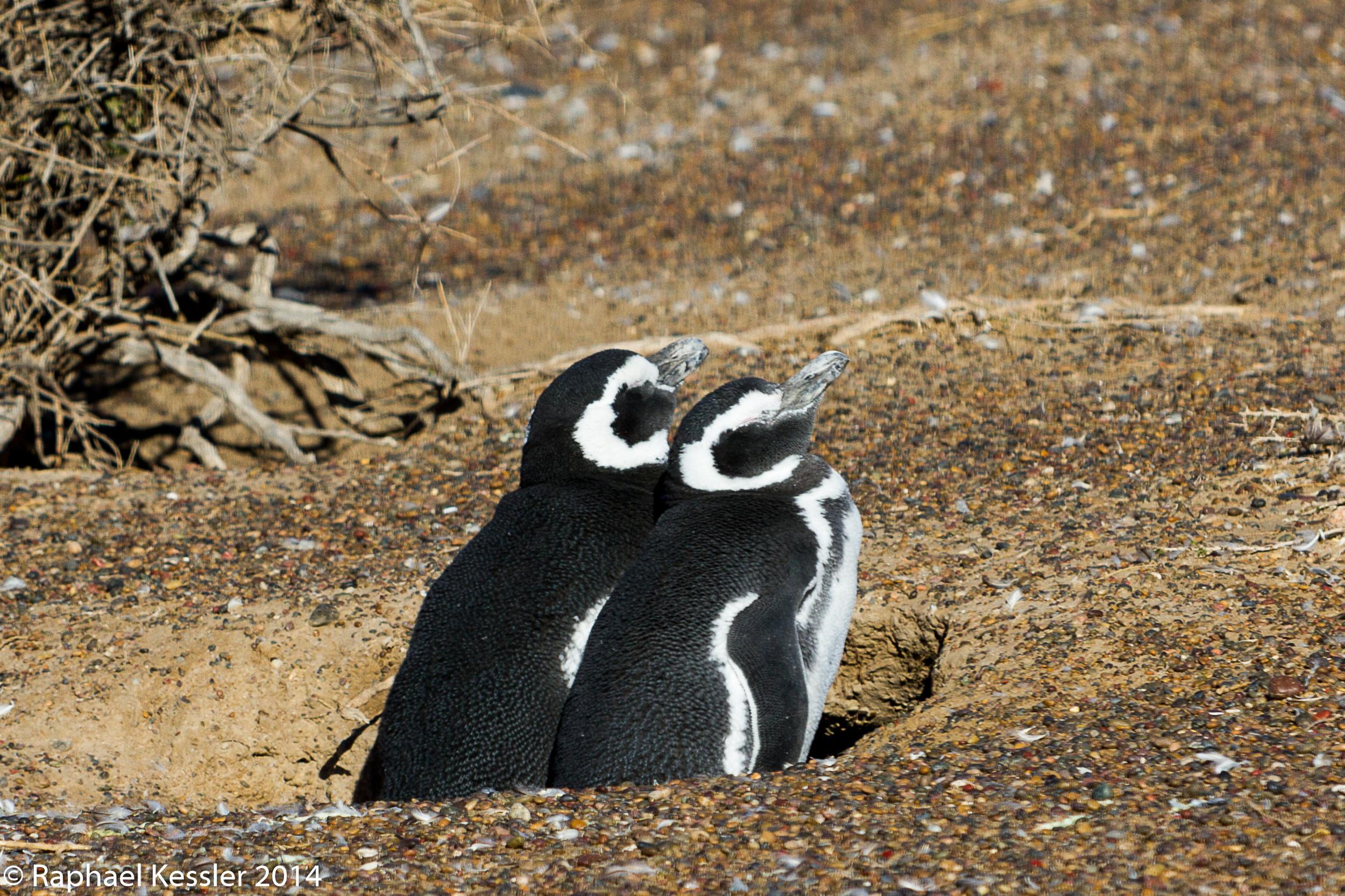
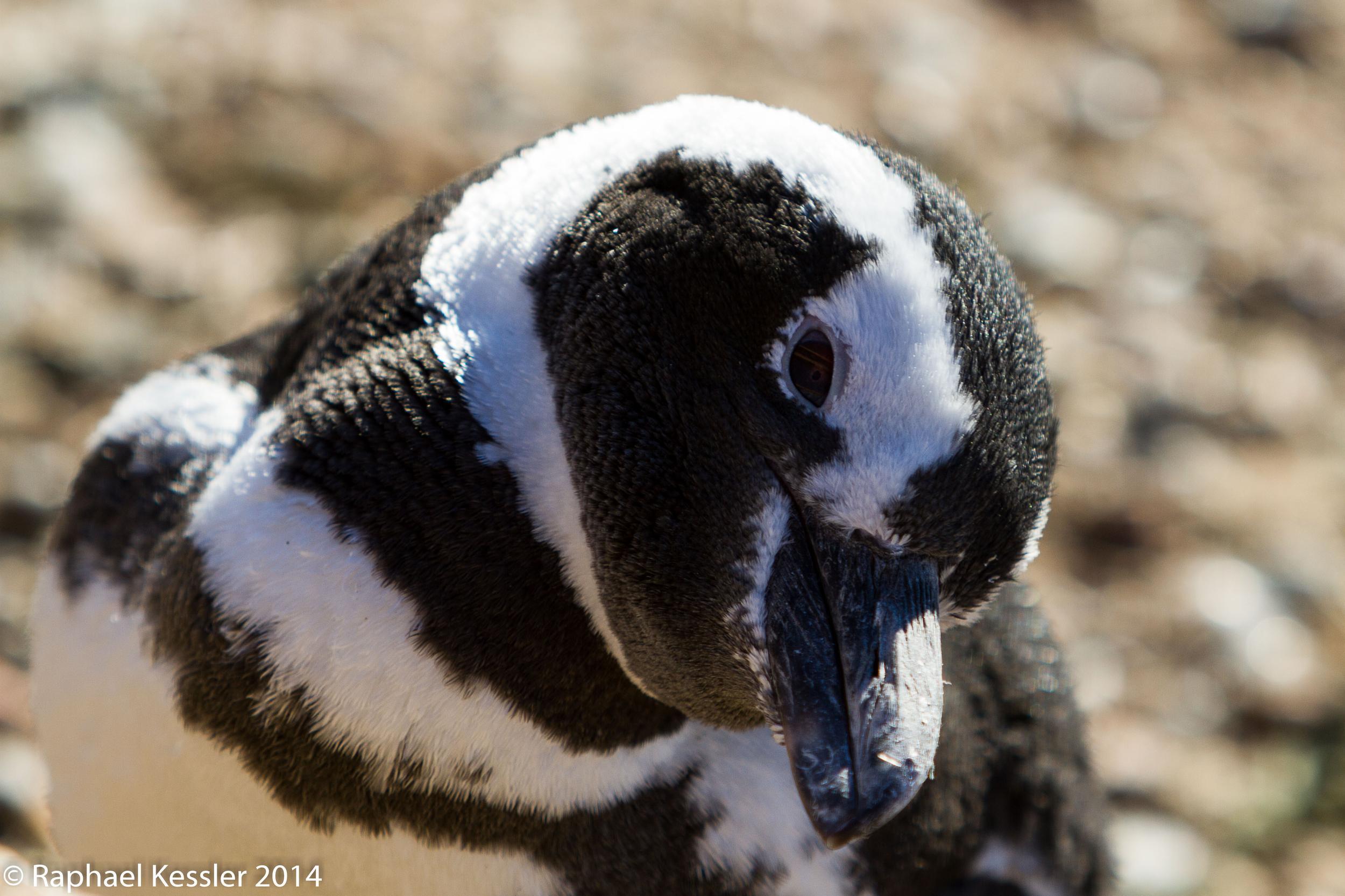
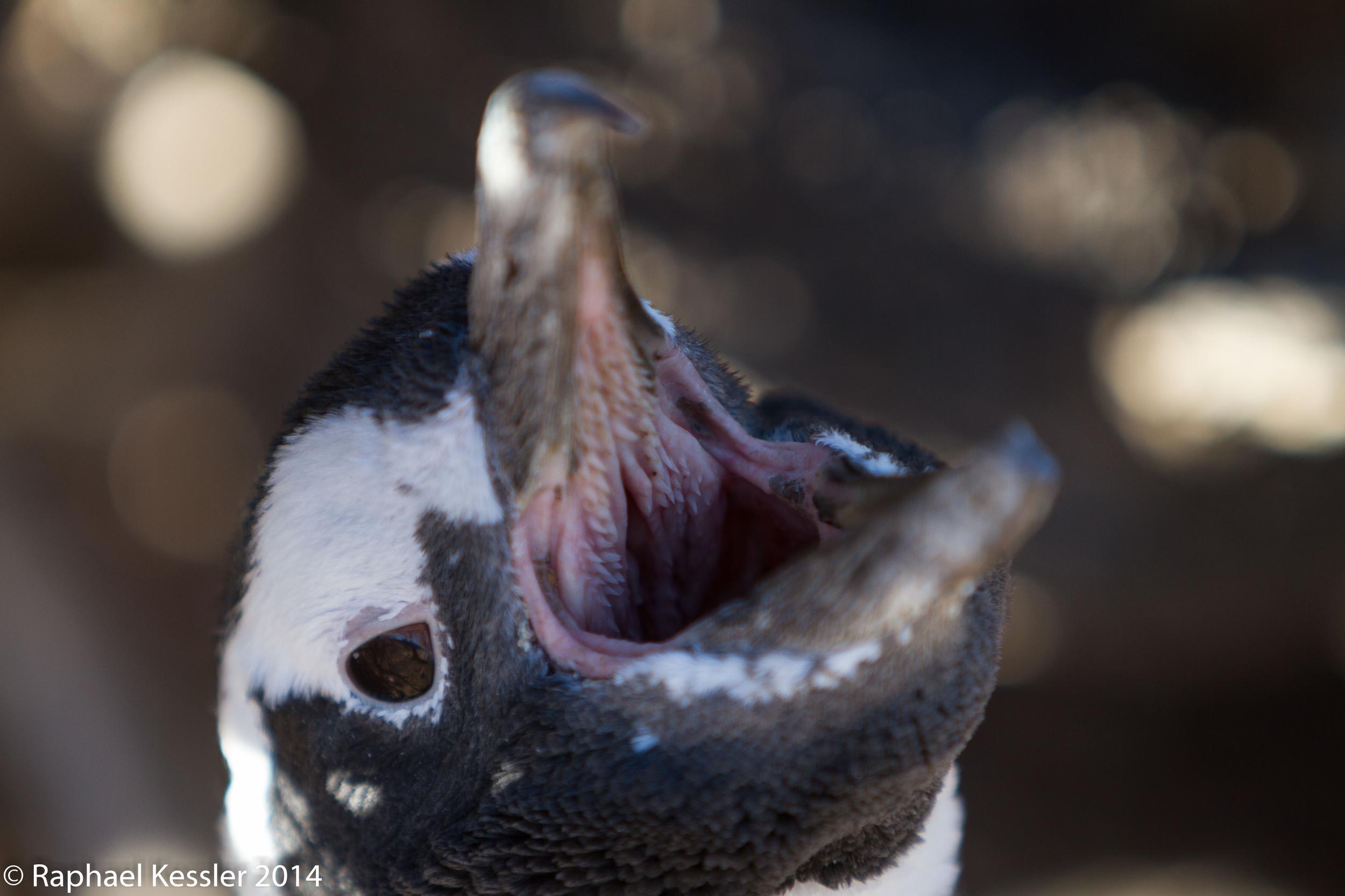
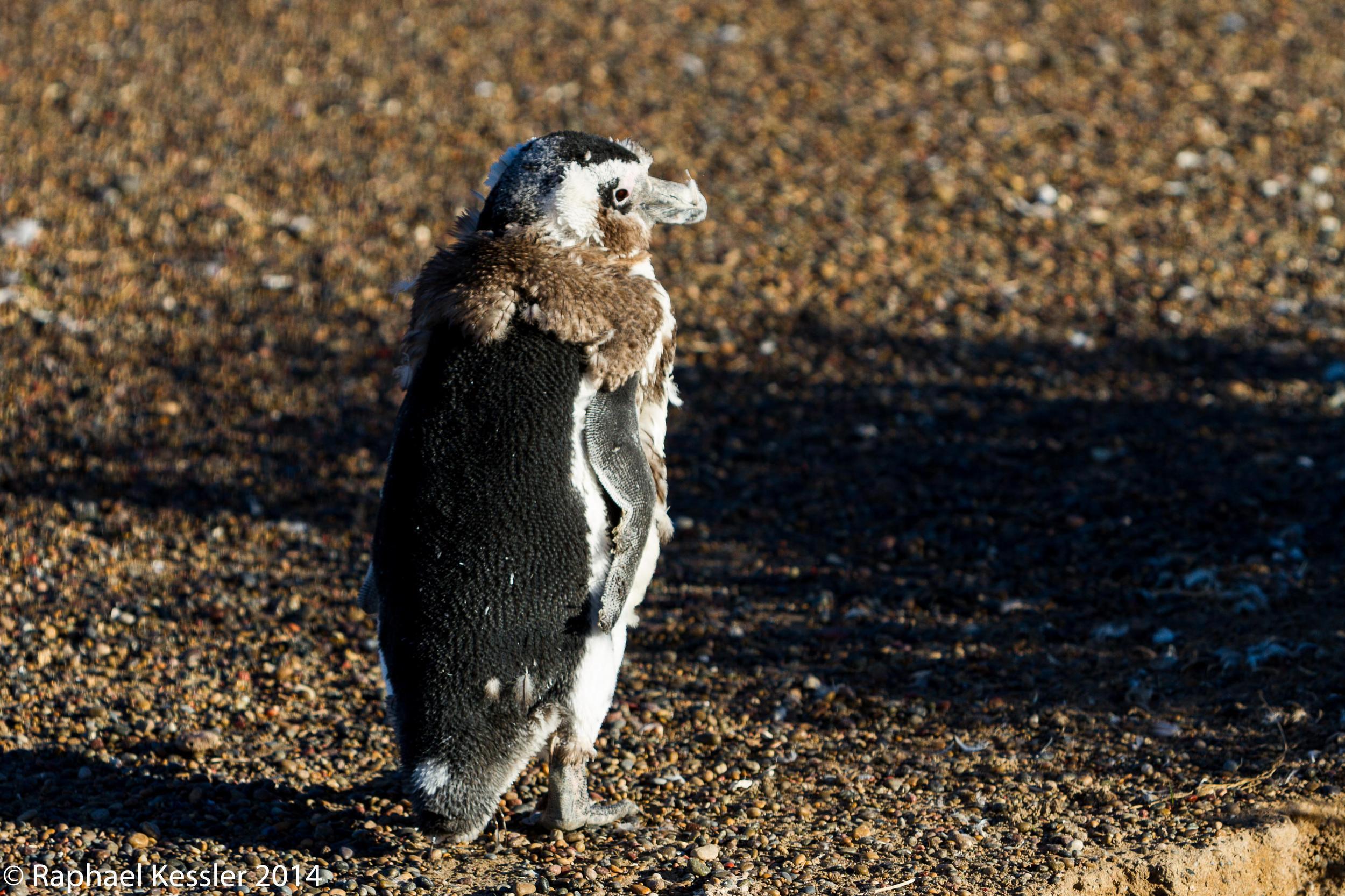
The penguin colony in Punto Tombo is home to a massive colony of Magellan penguins.
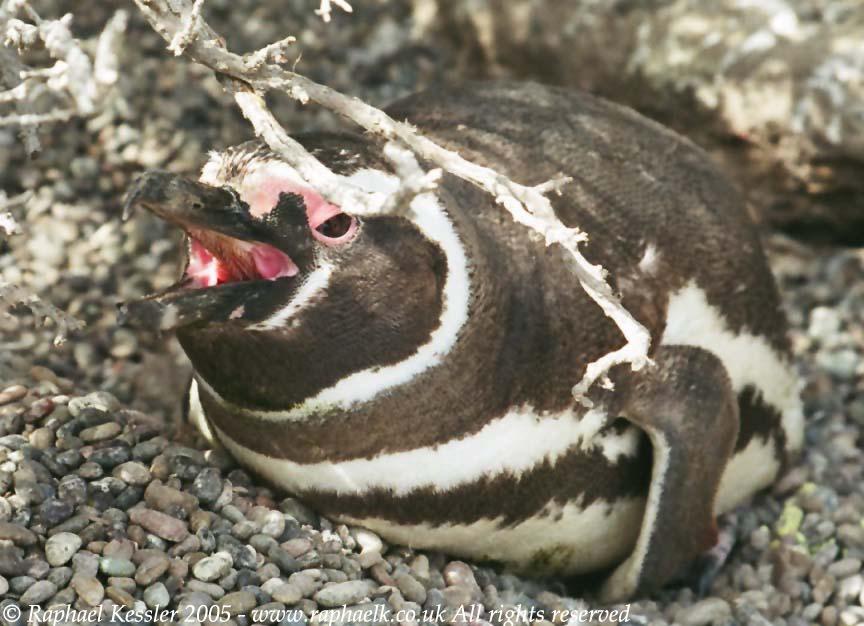
The noise these penguins make is suprising, it sounds more like a donkey braying than most birds. Experts apparently have no idea what the calls are for, they aren't for mating, so it is still to be discovered what is being communicated.
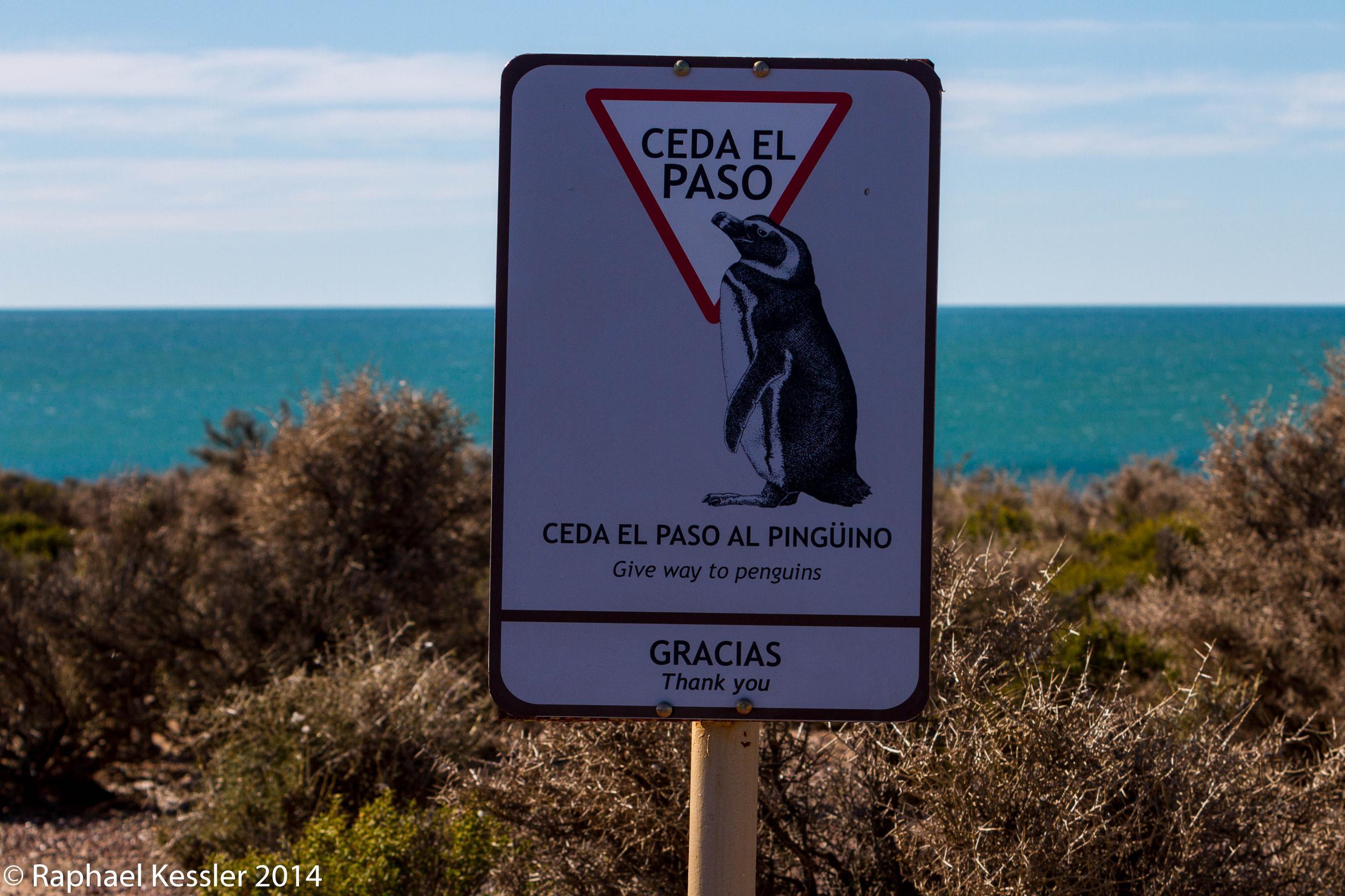
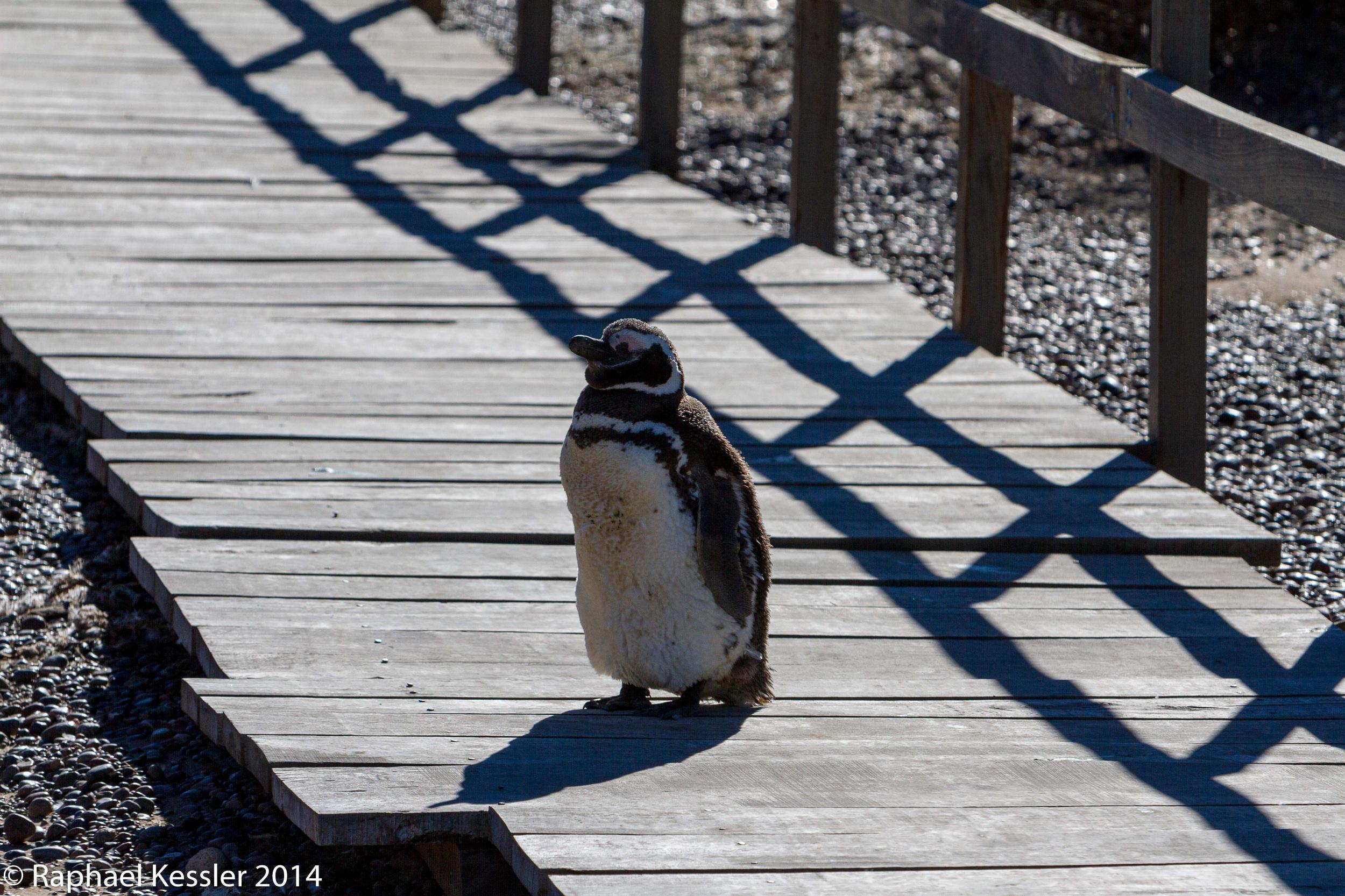
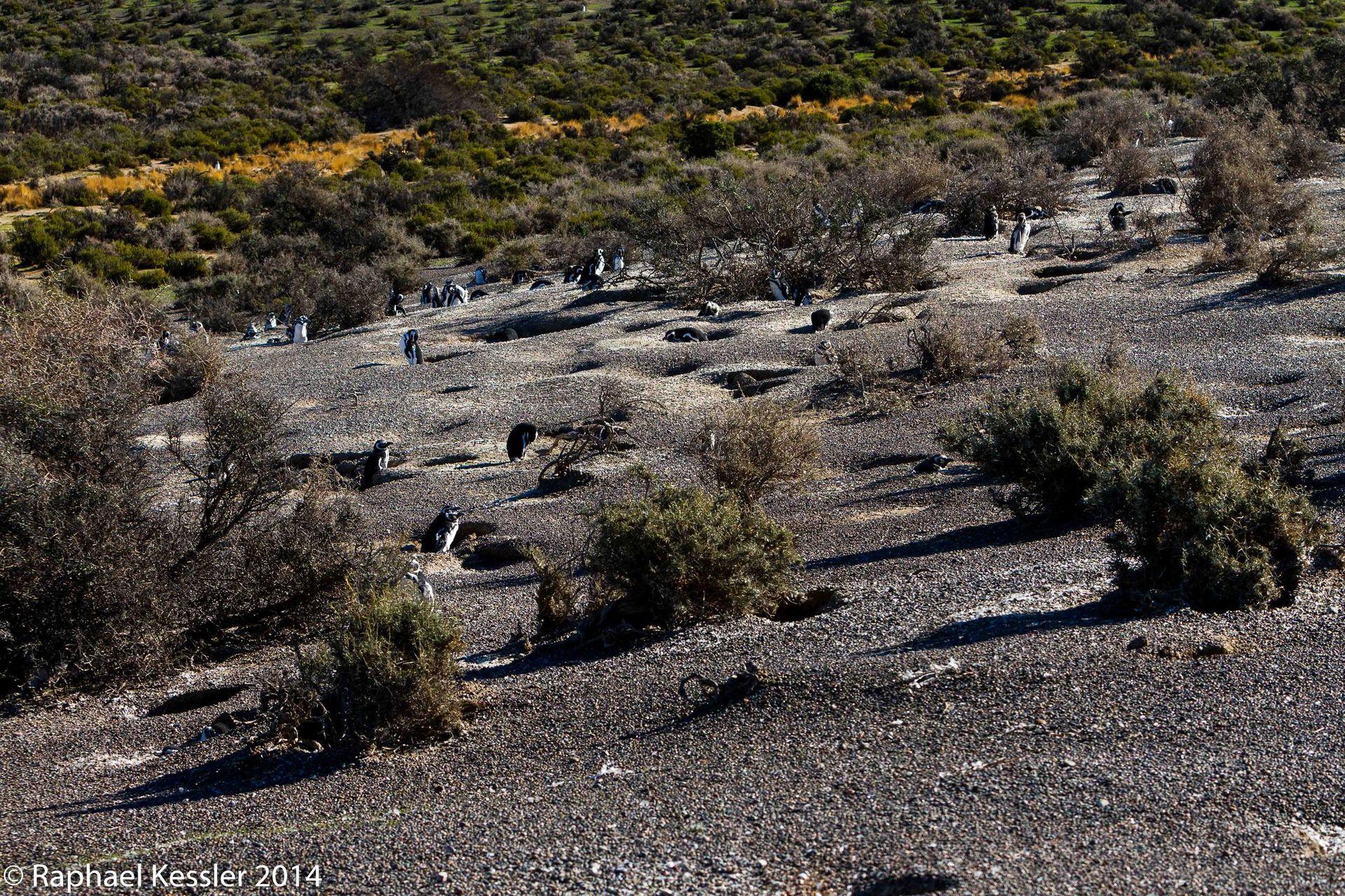
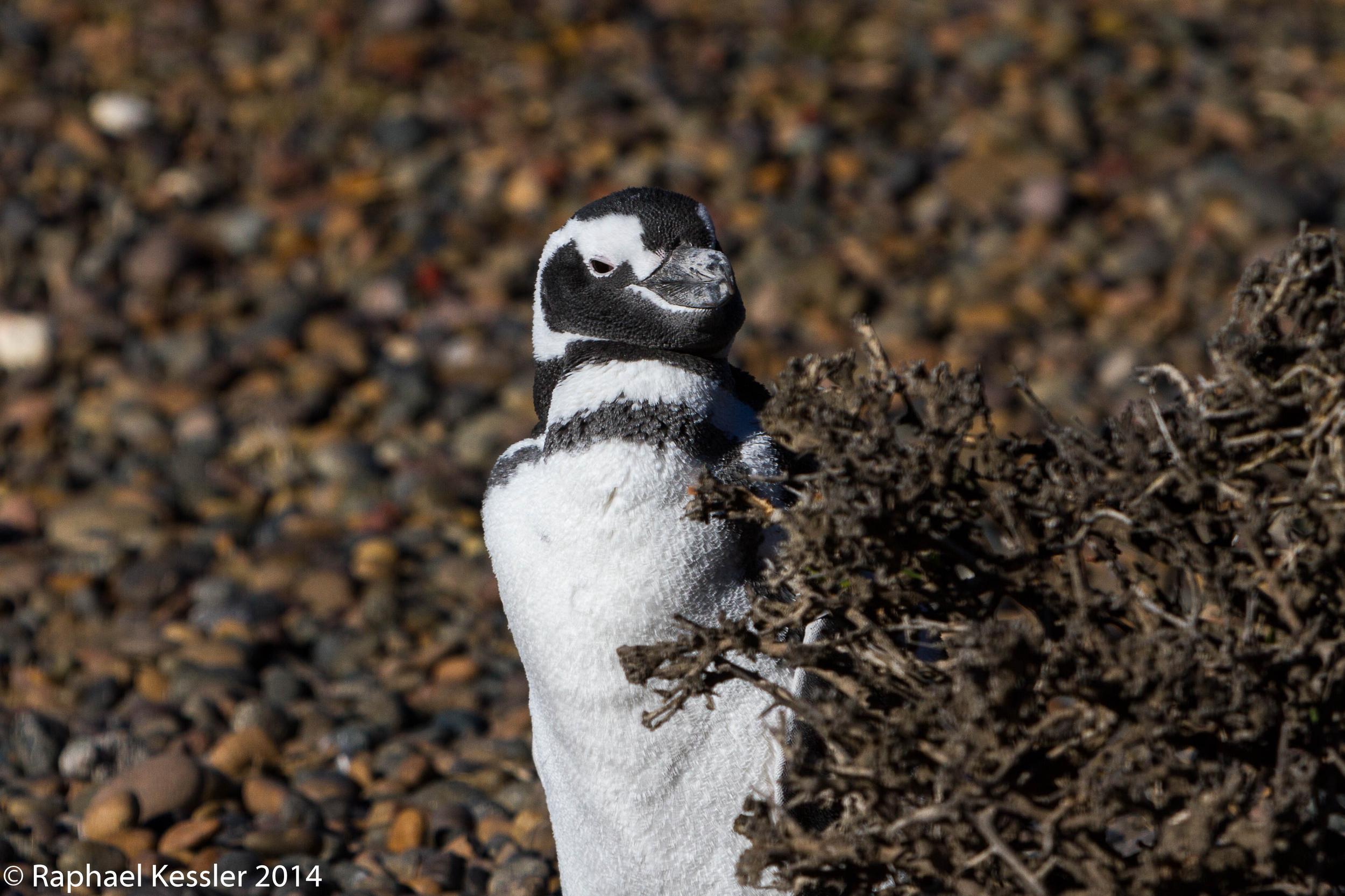
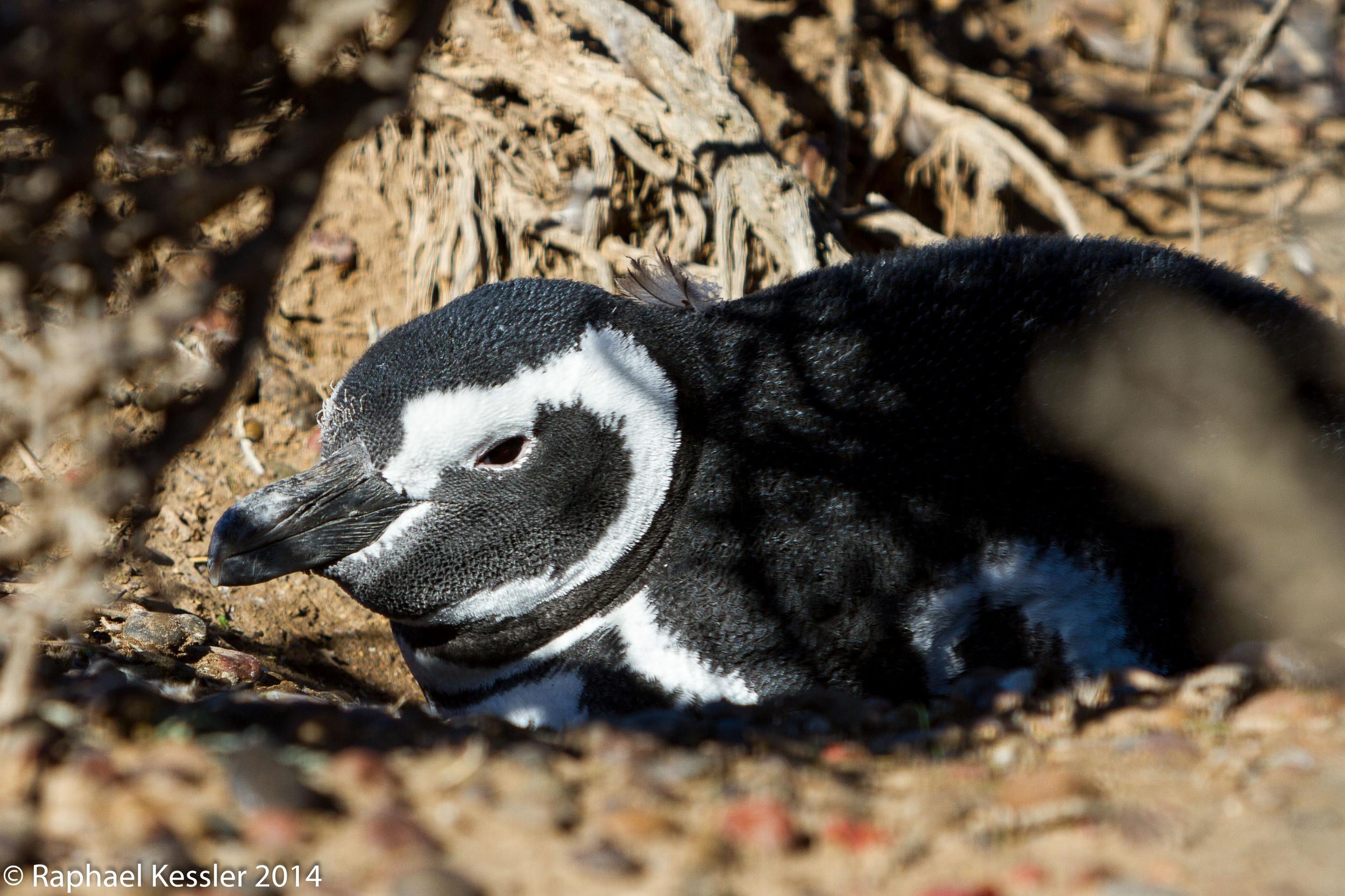
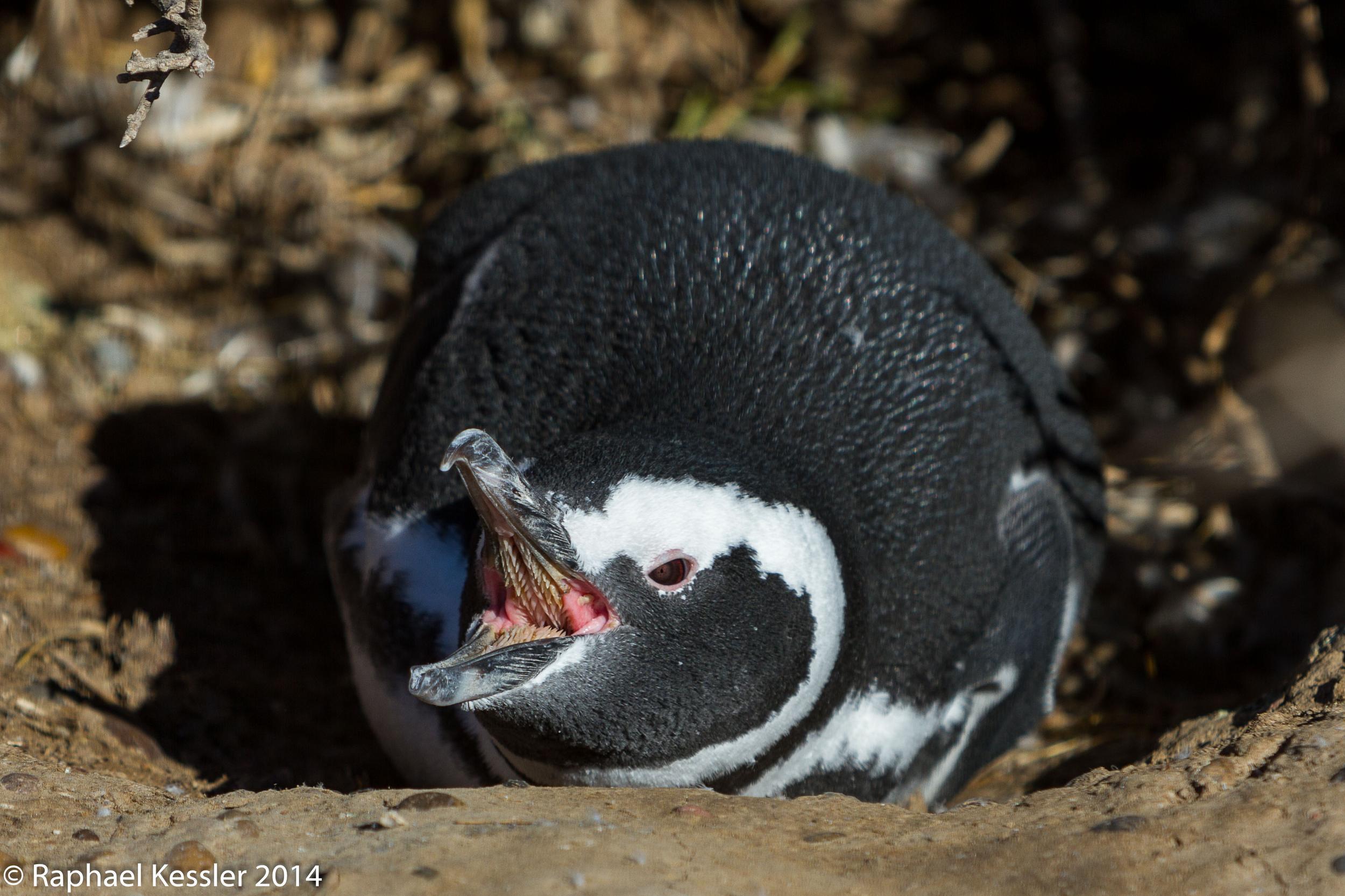
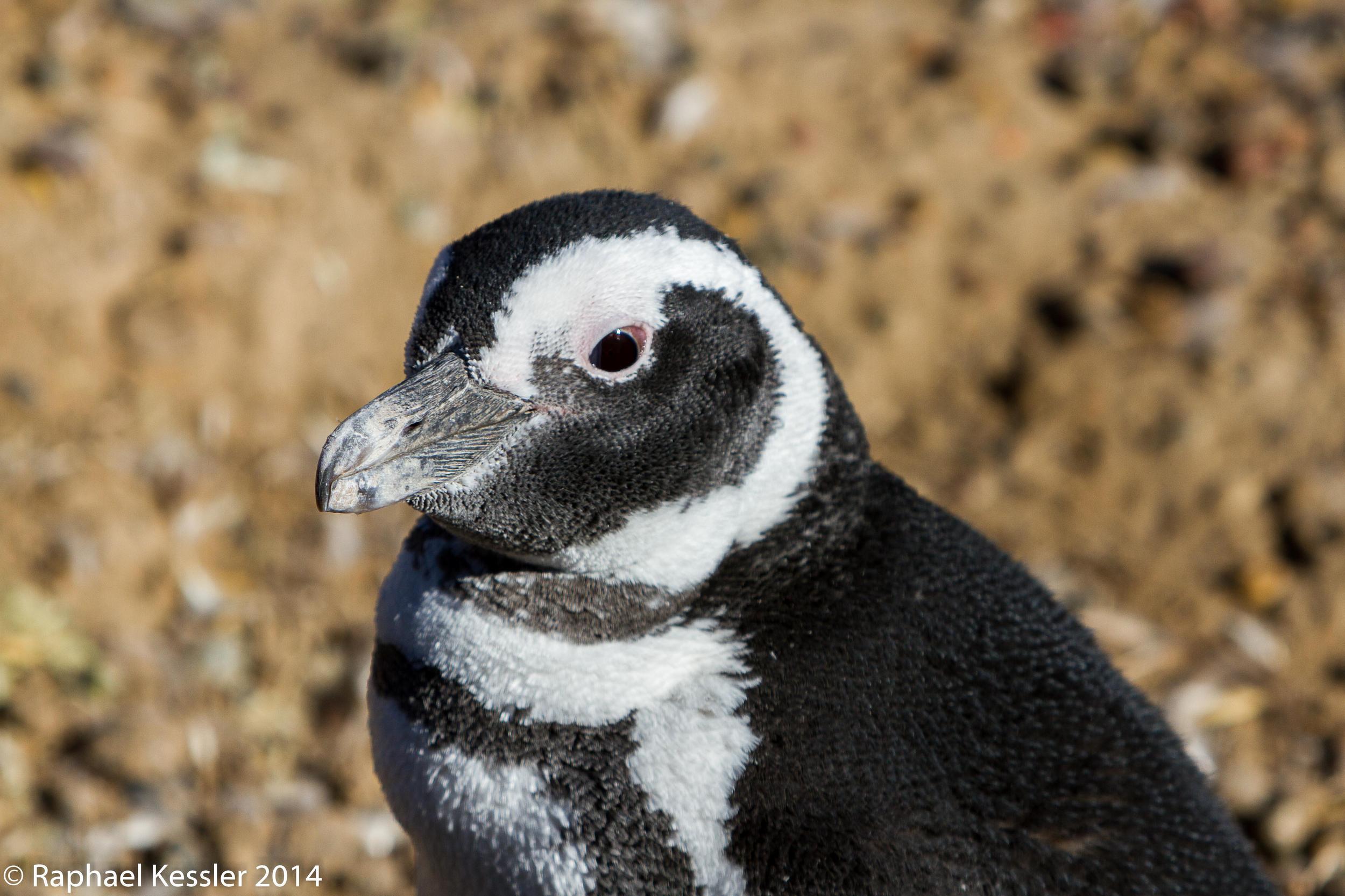
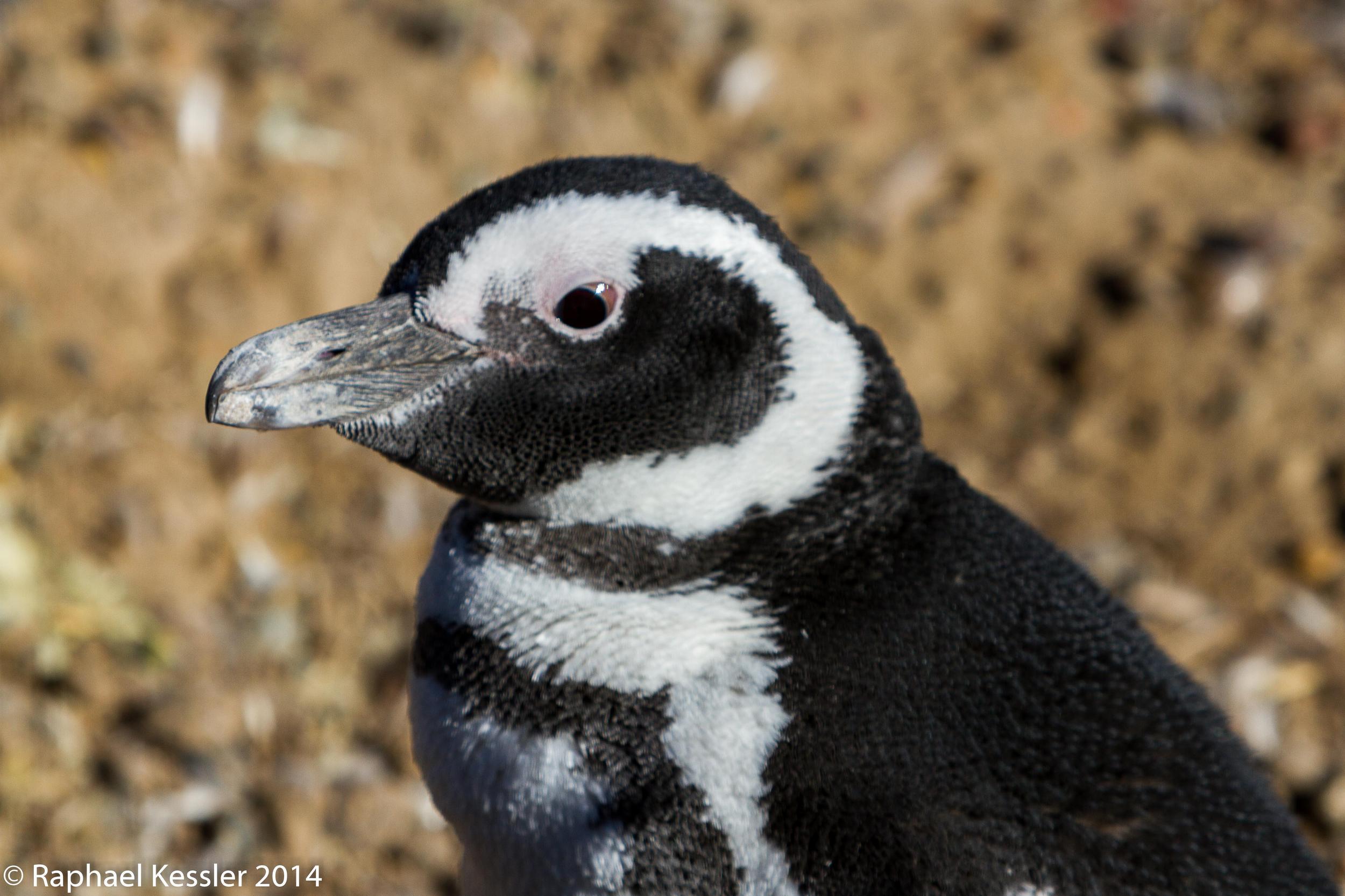
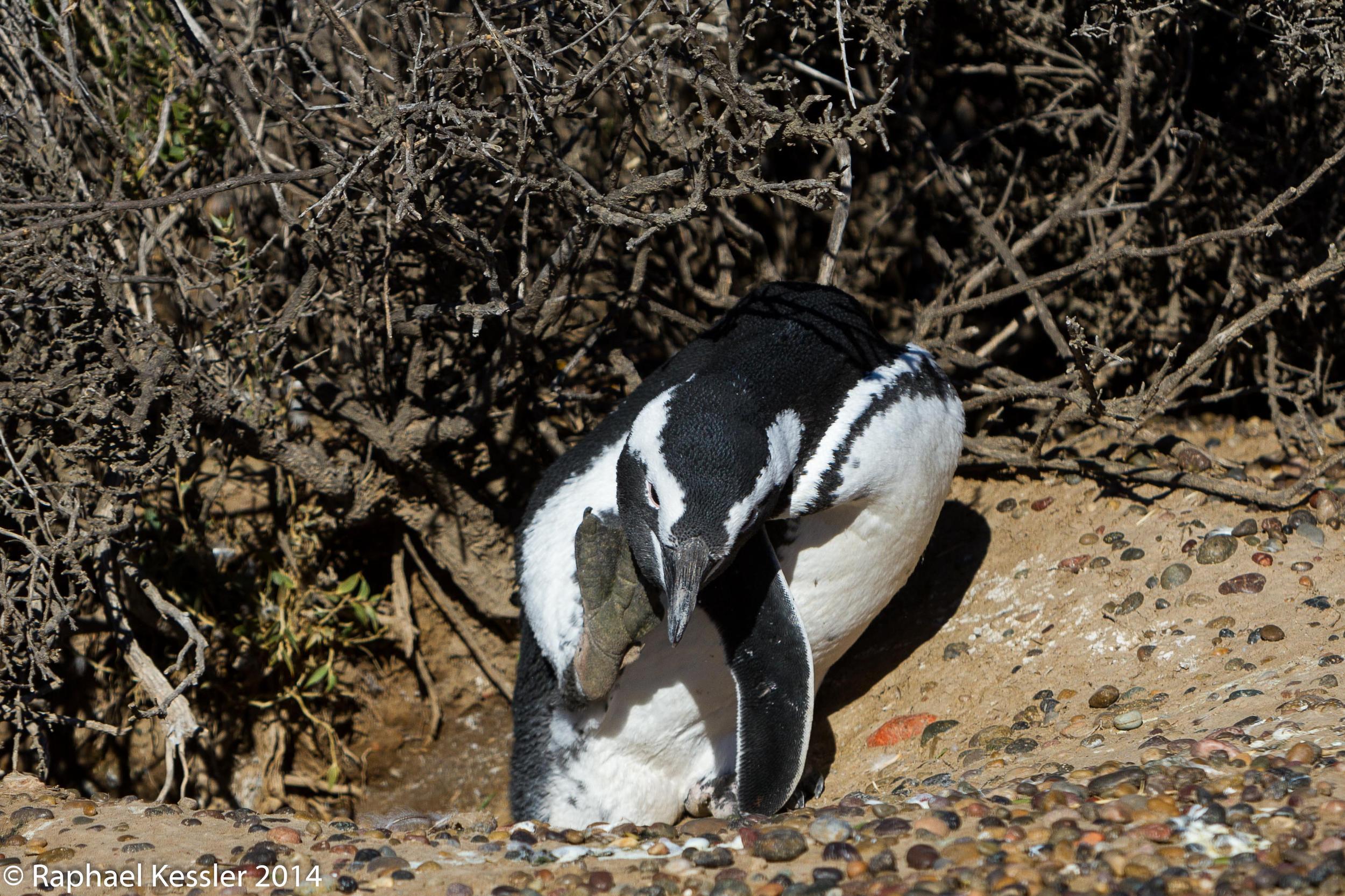
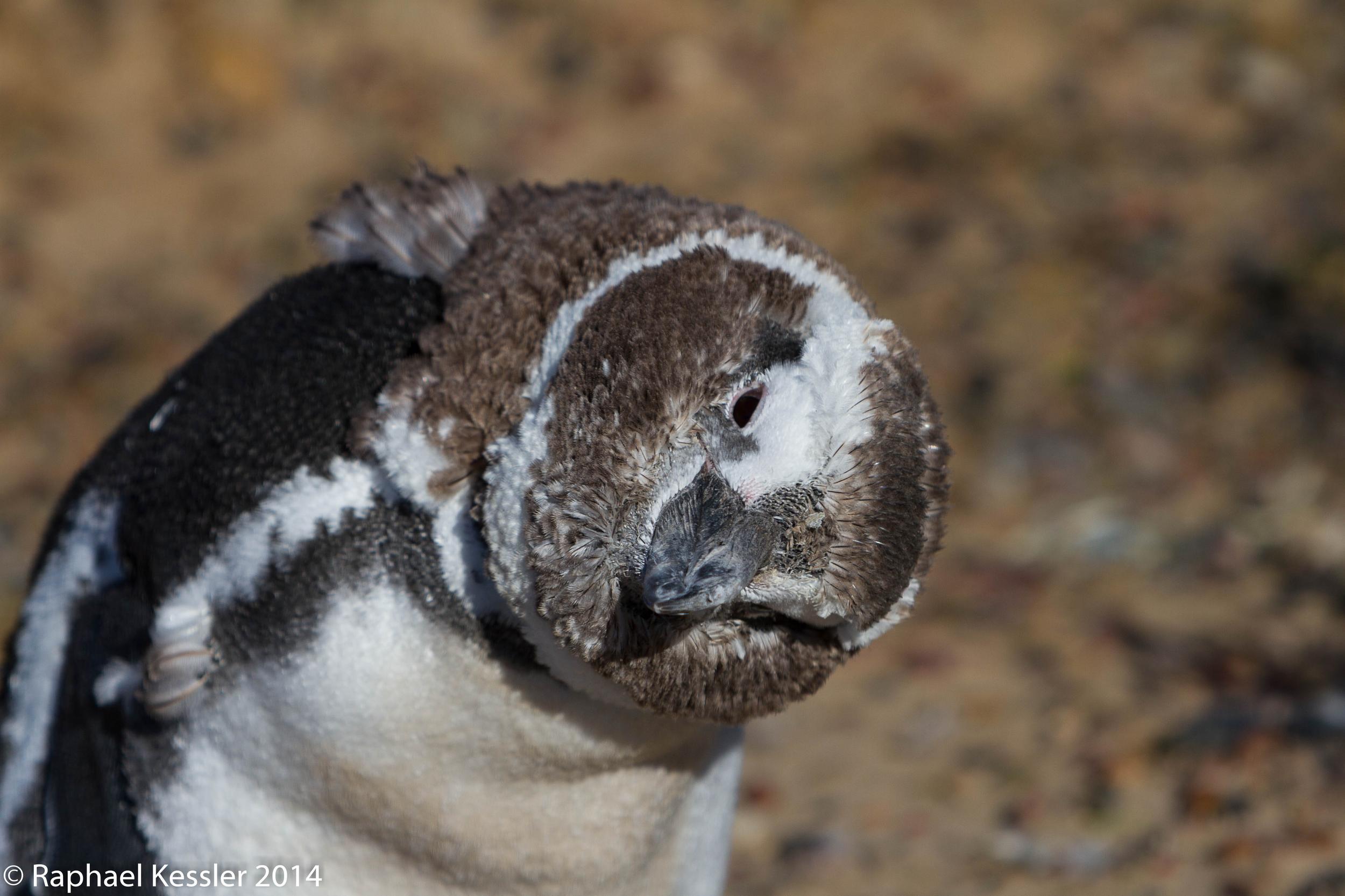
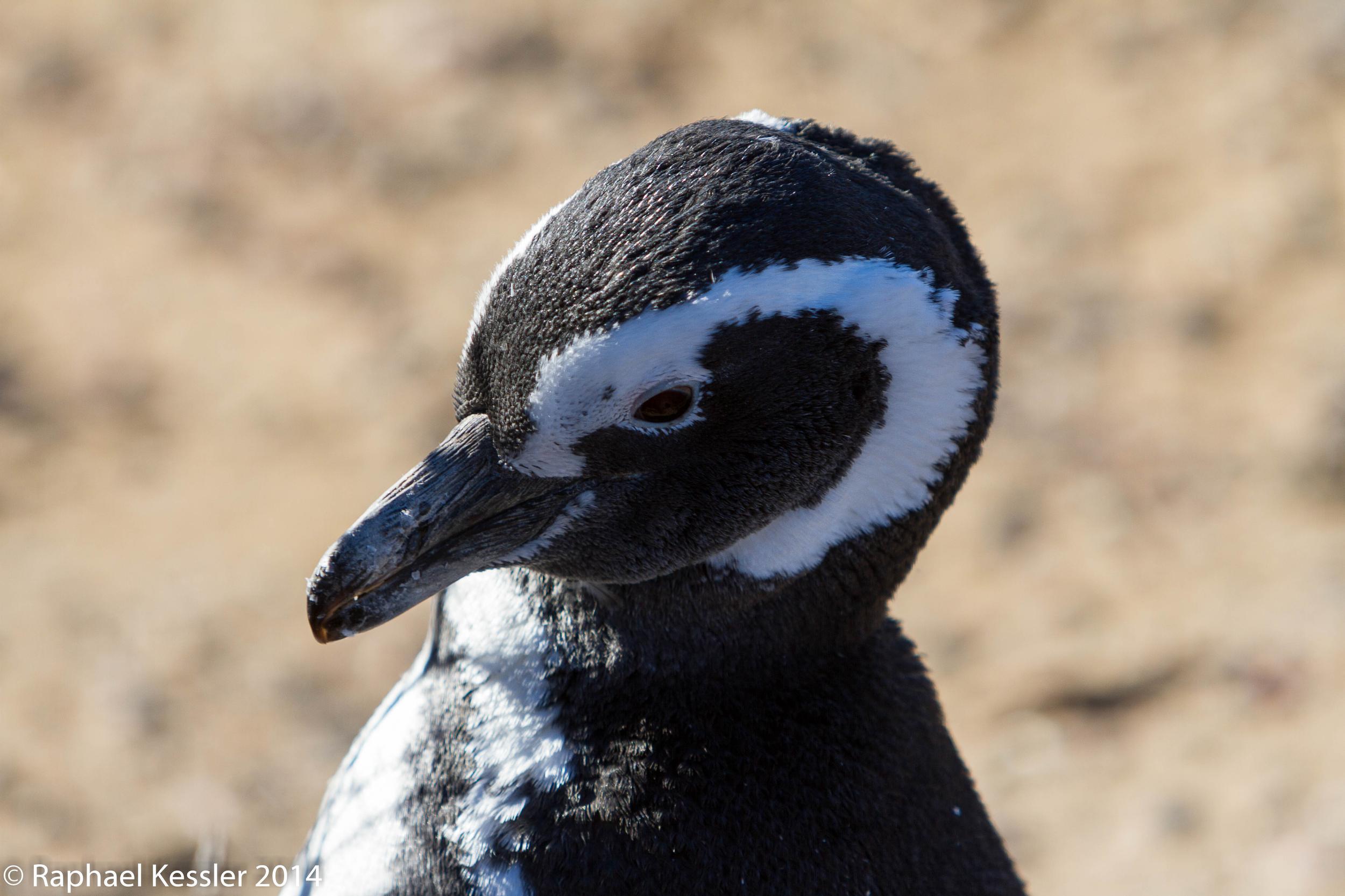
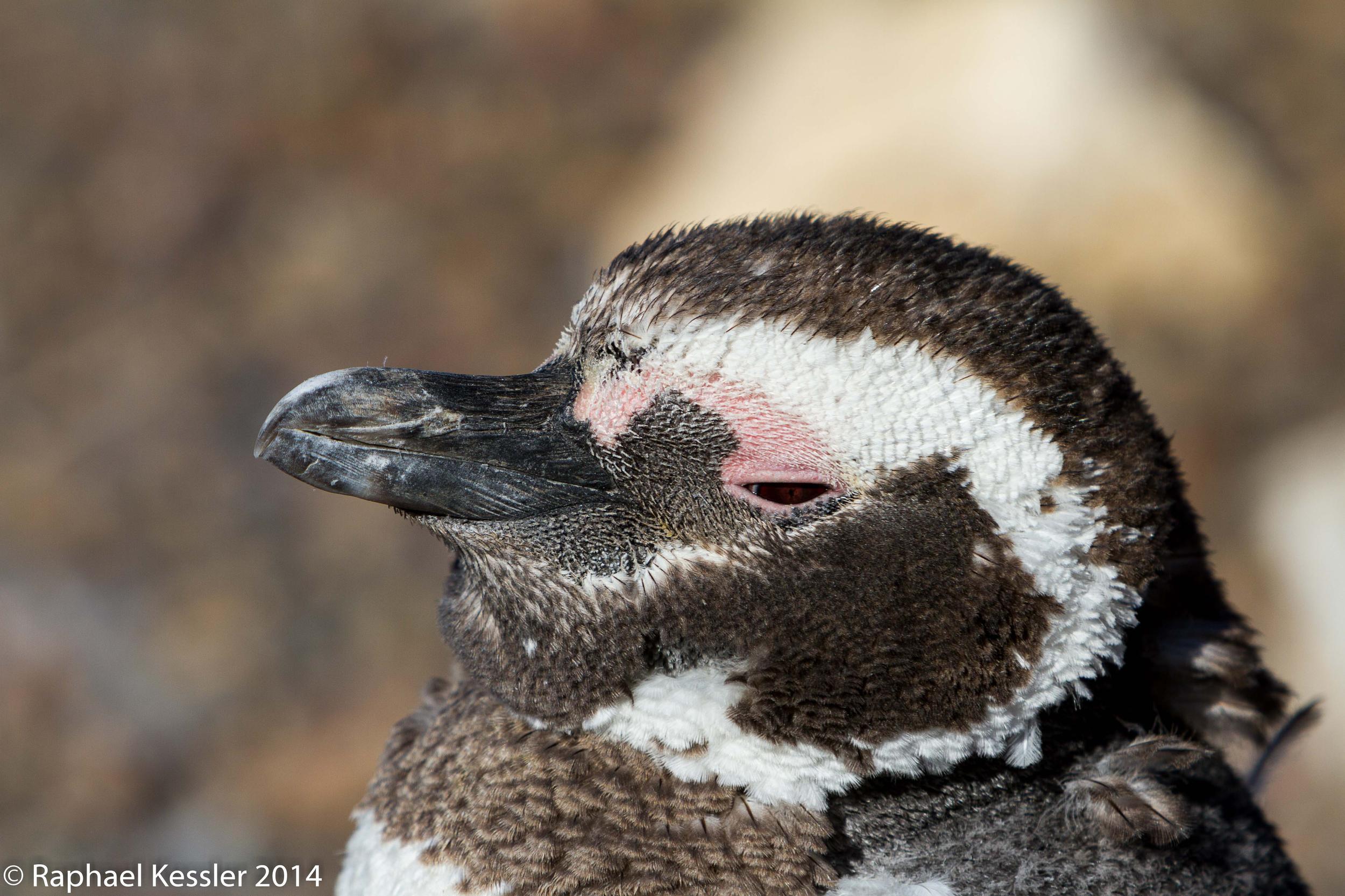
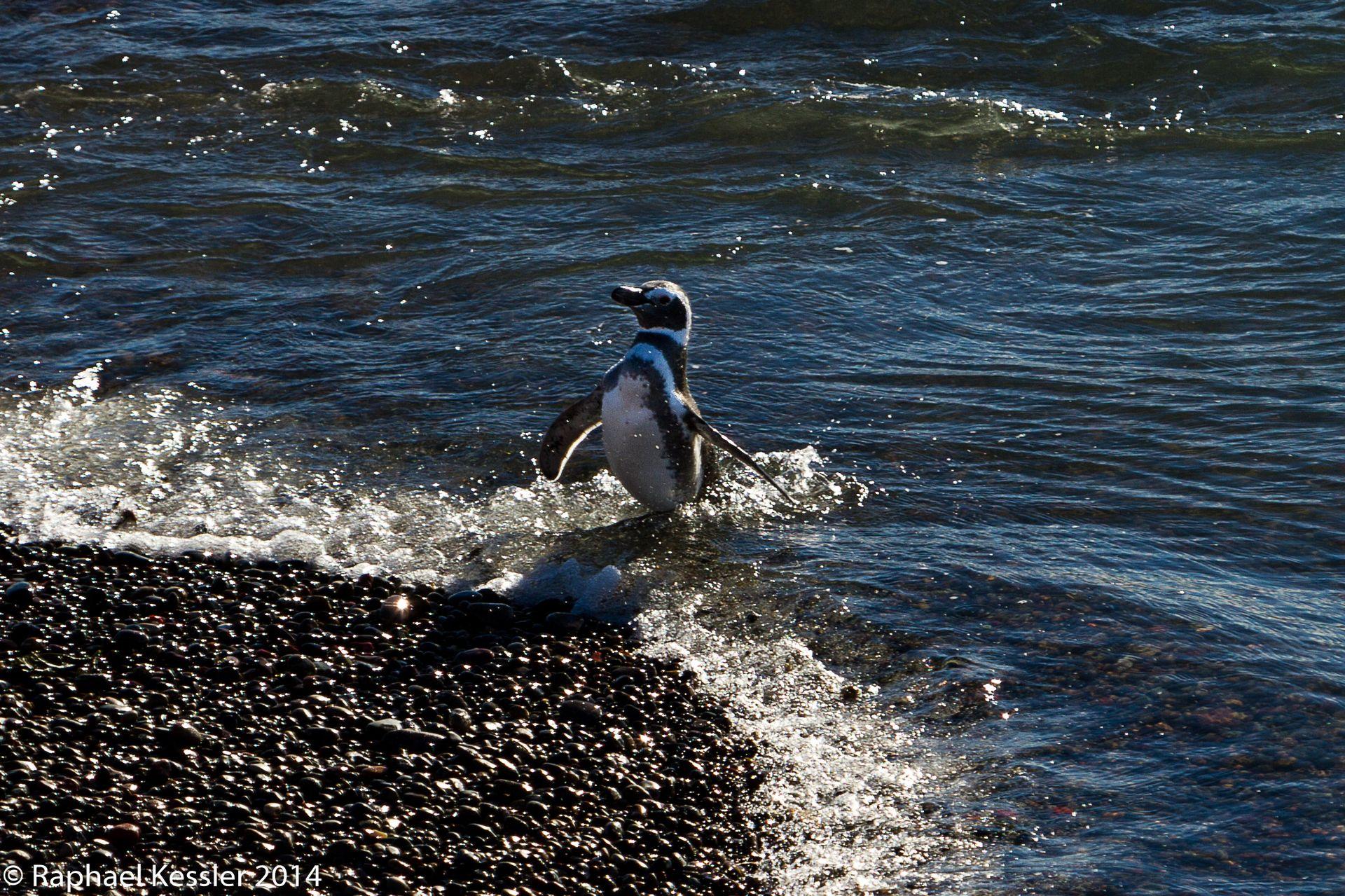
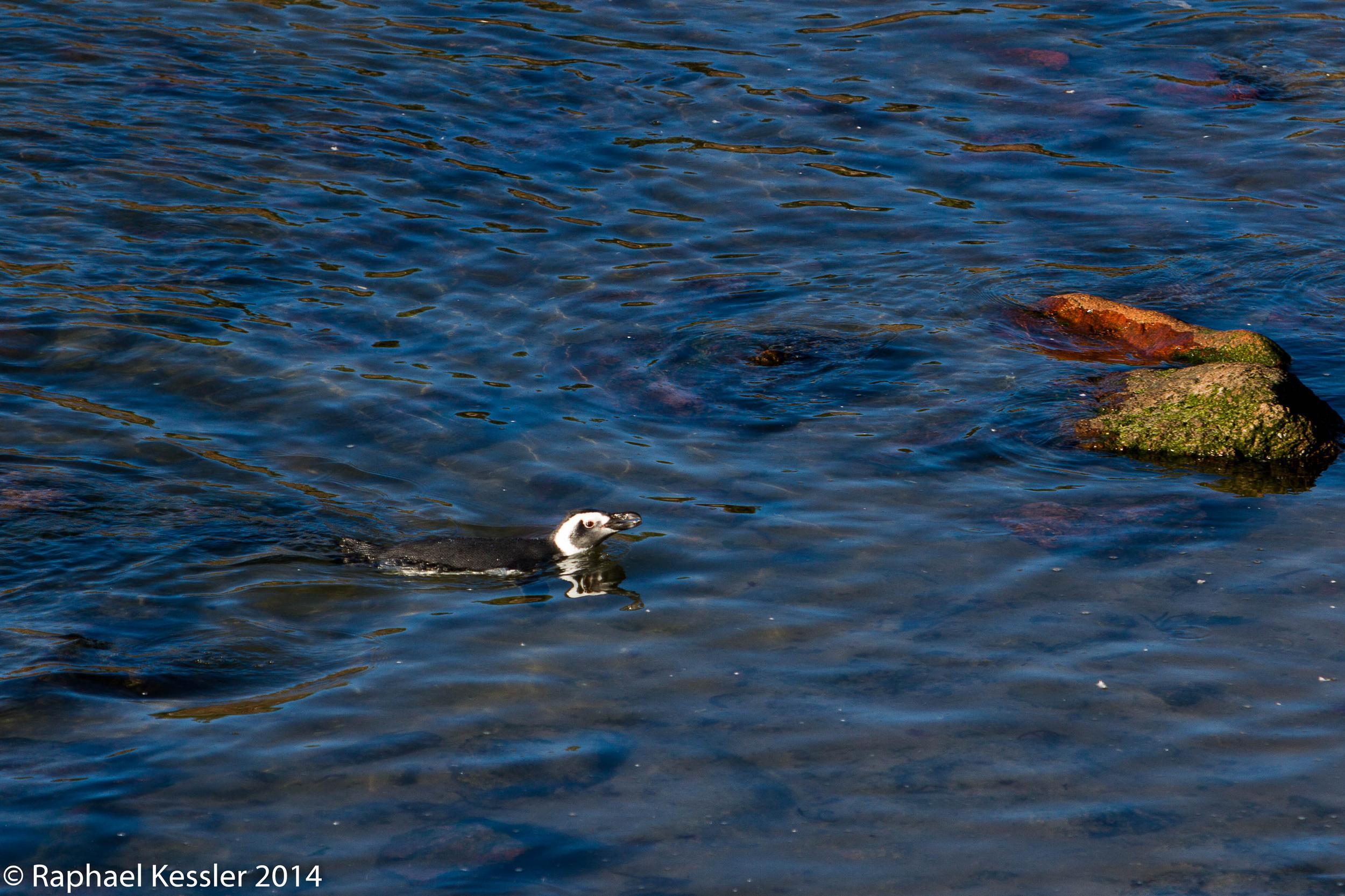
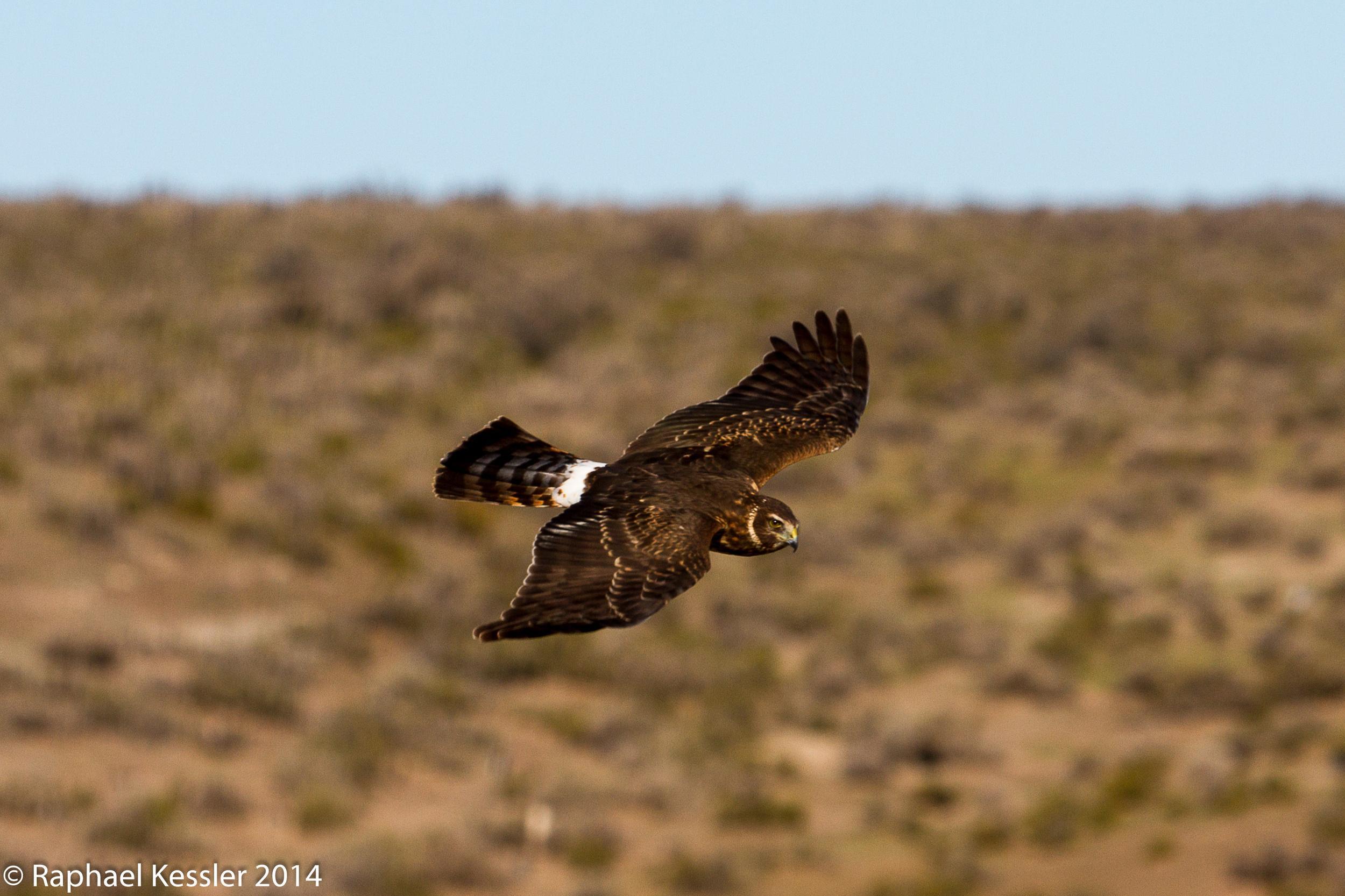
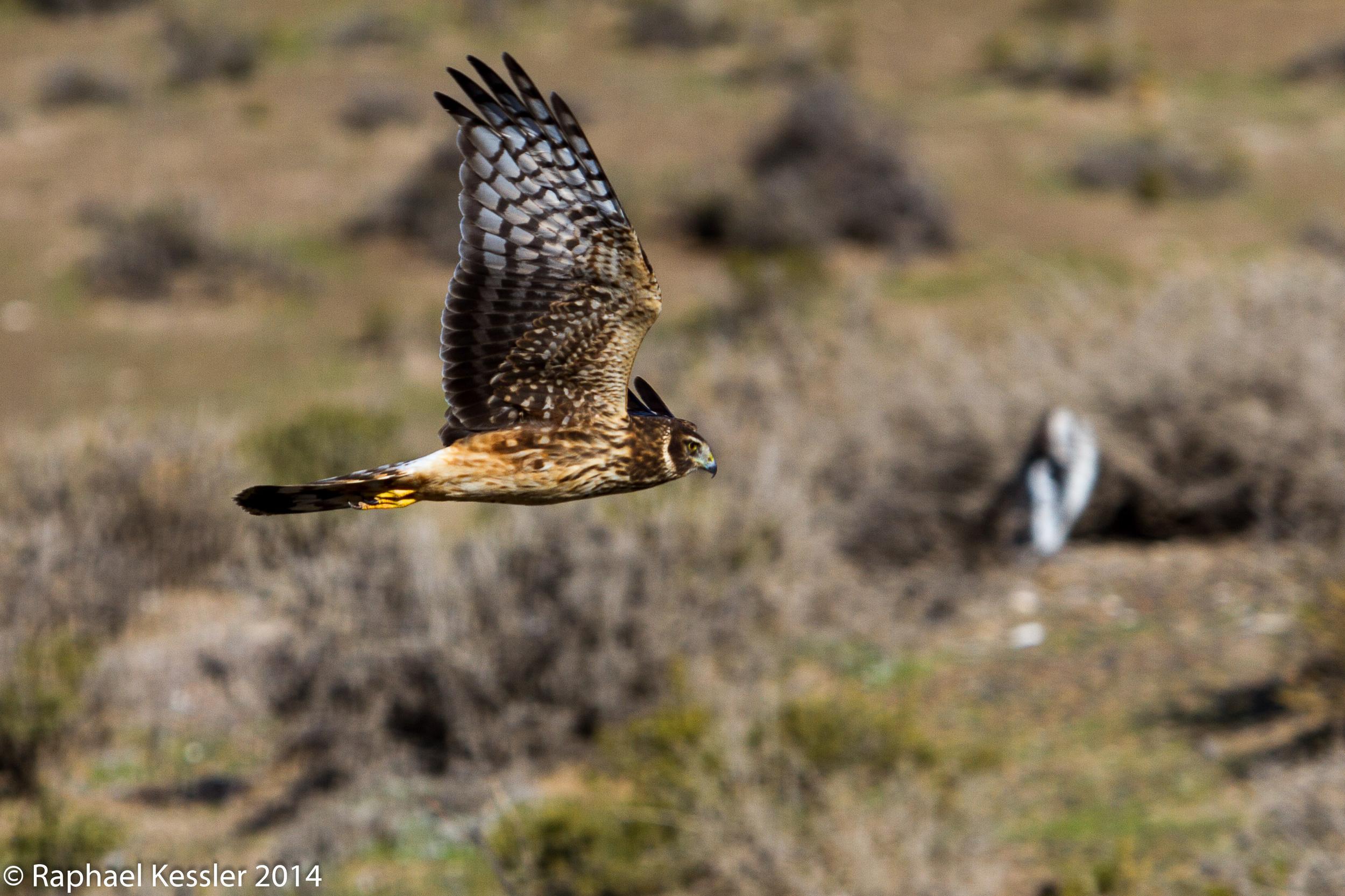
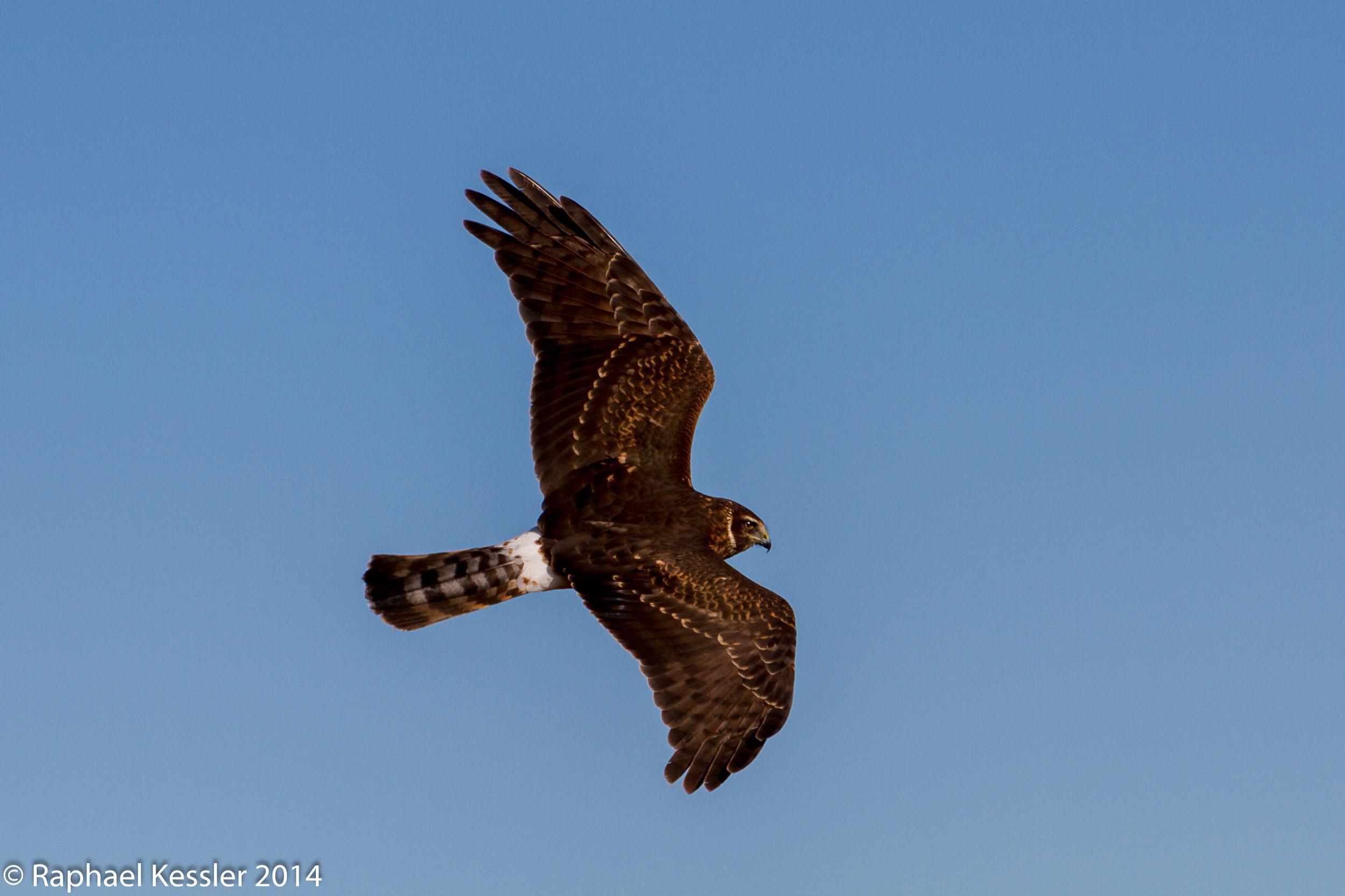
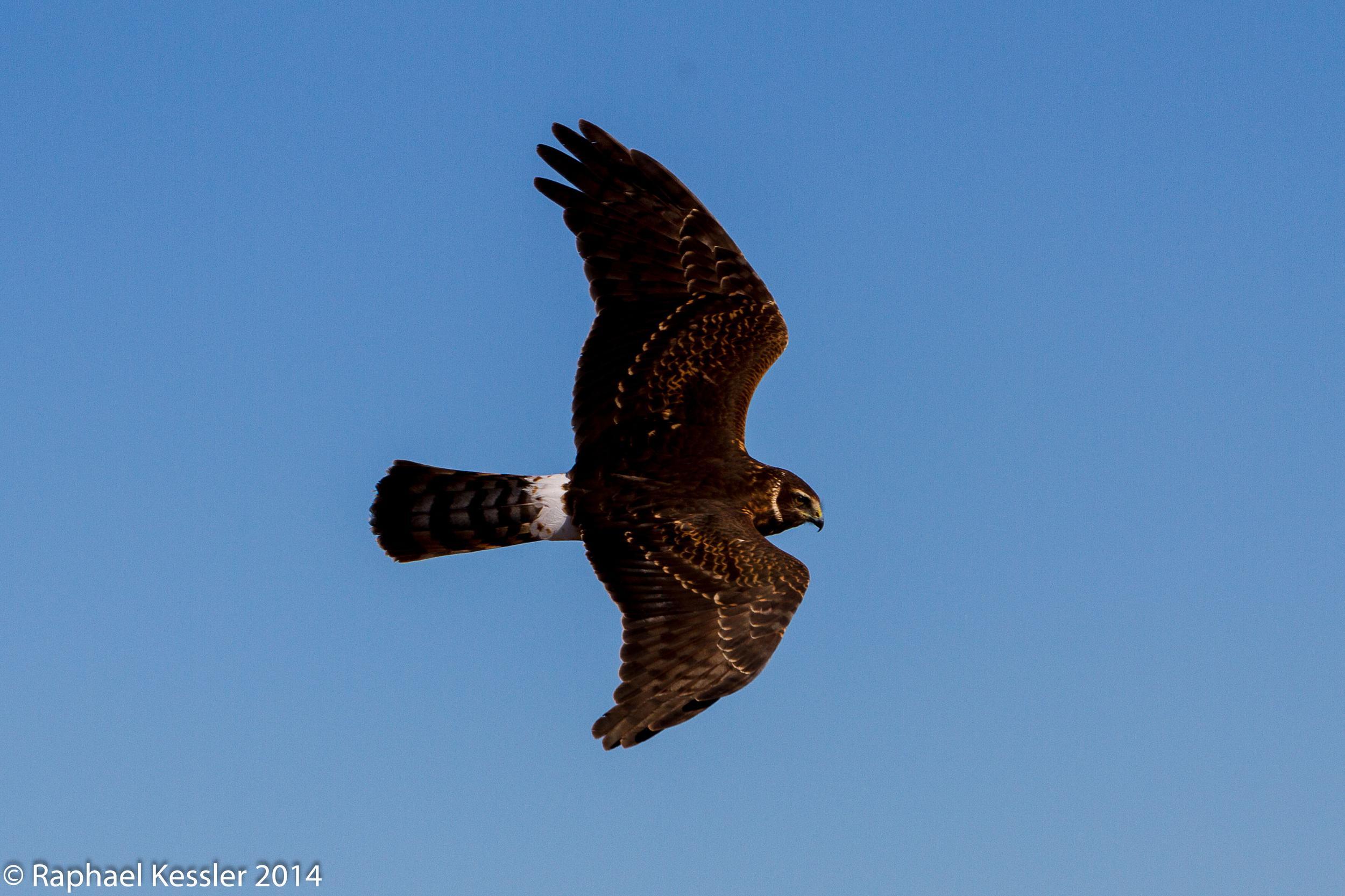
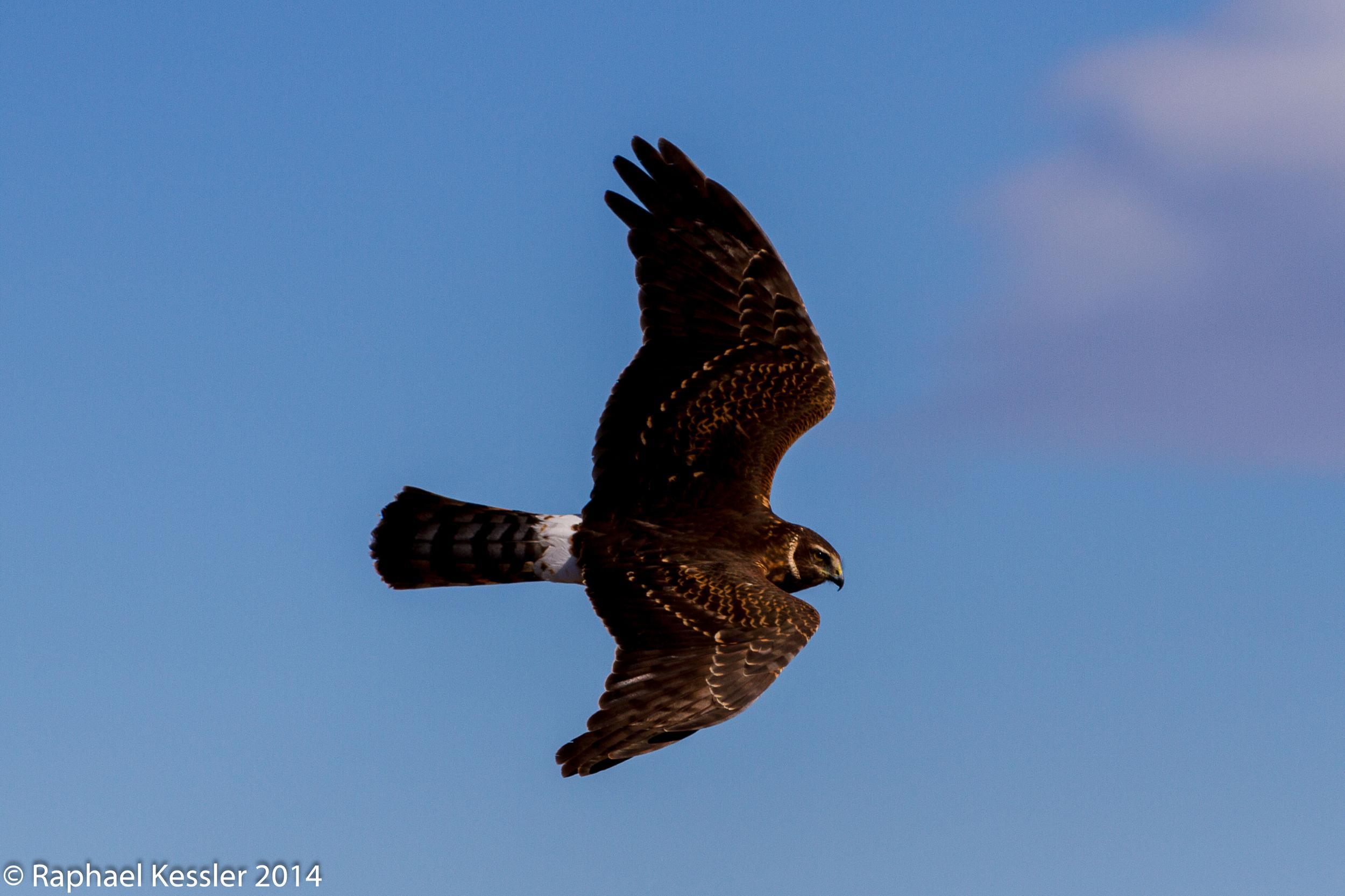
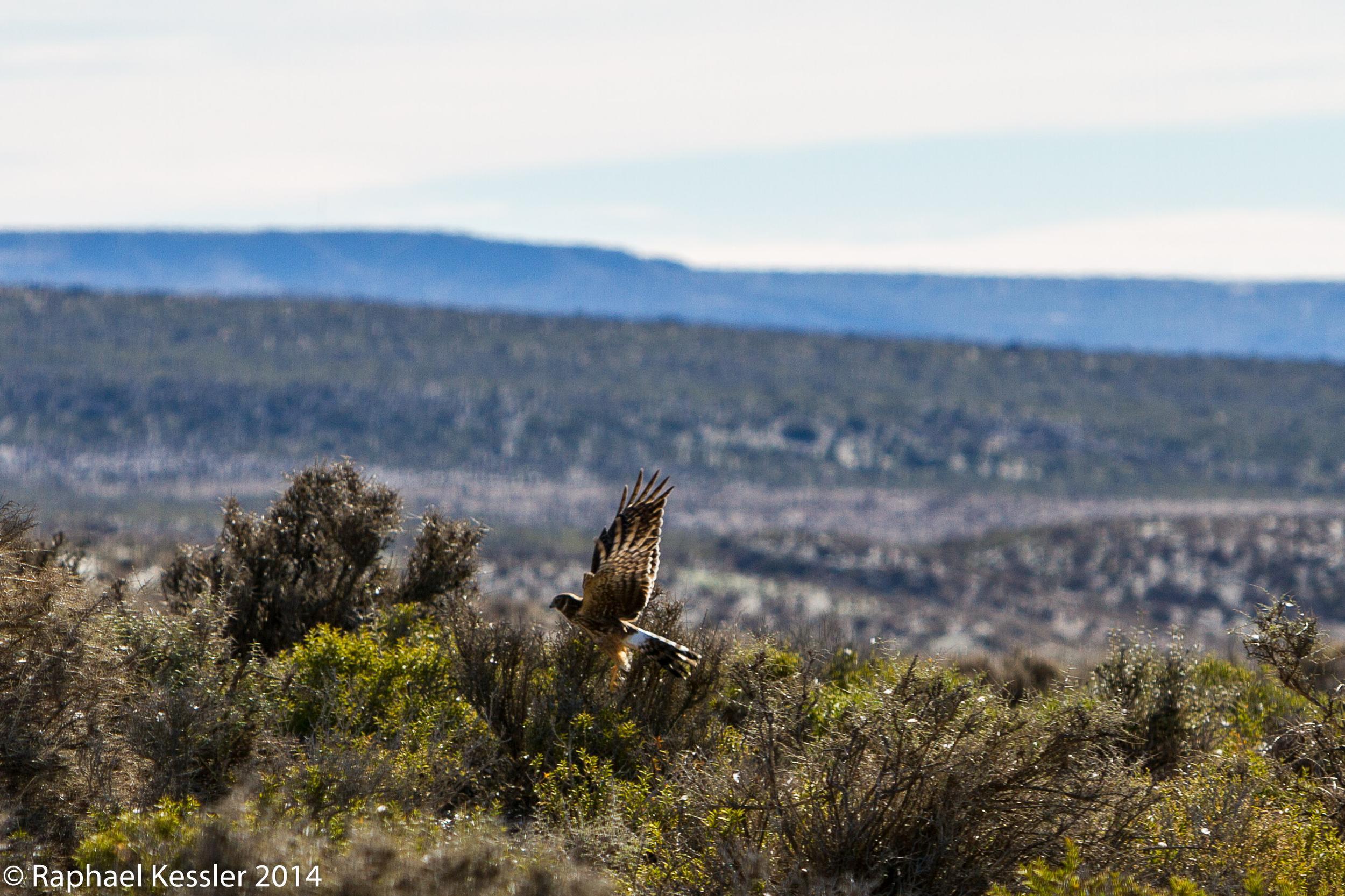
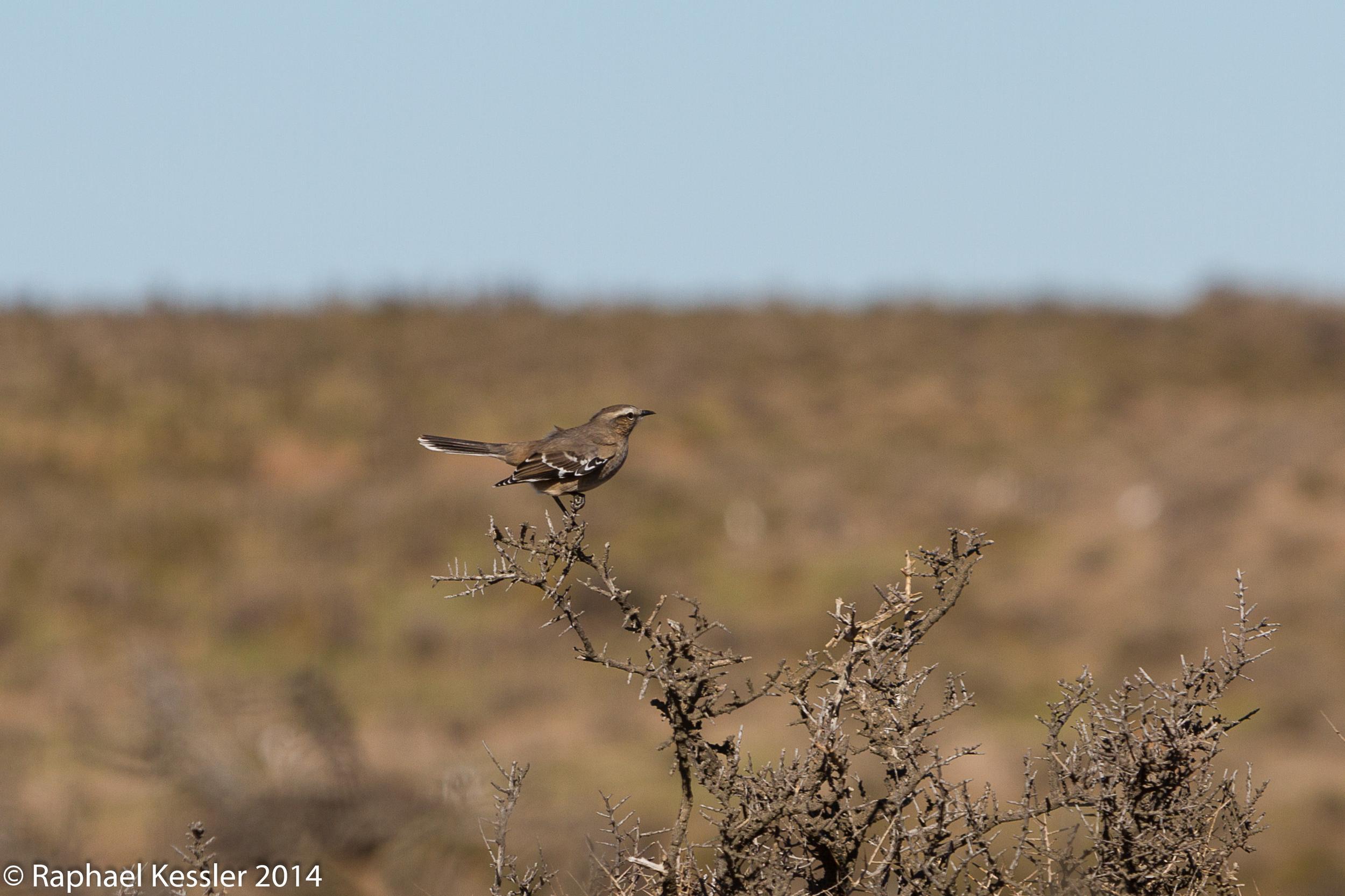
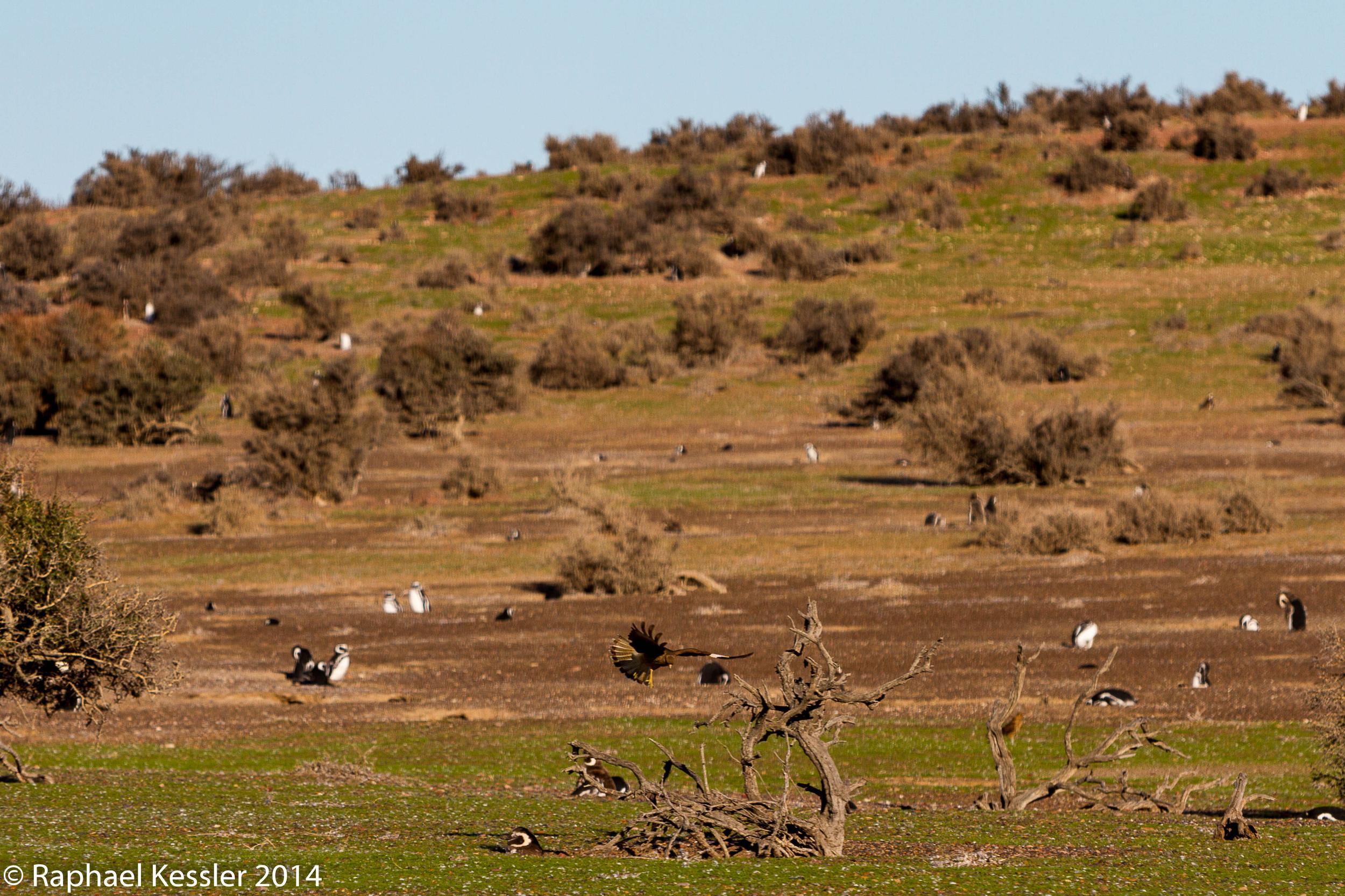
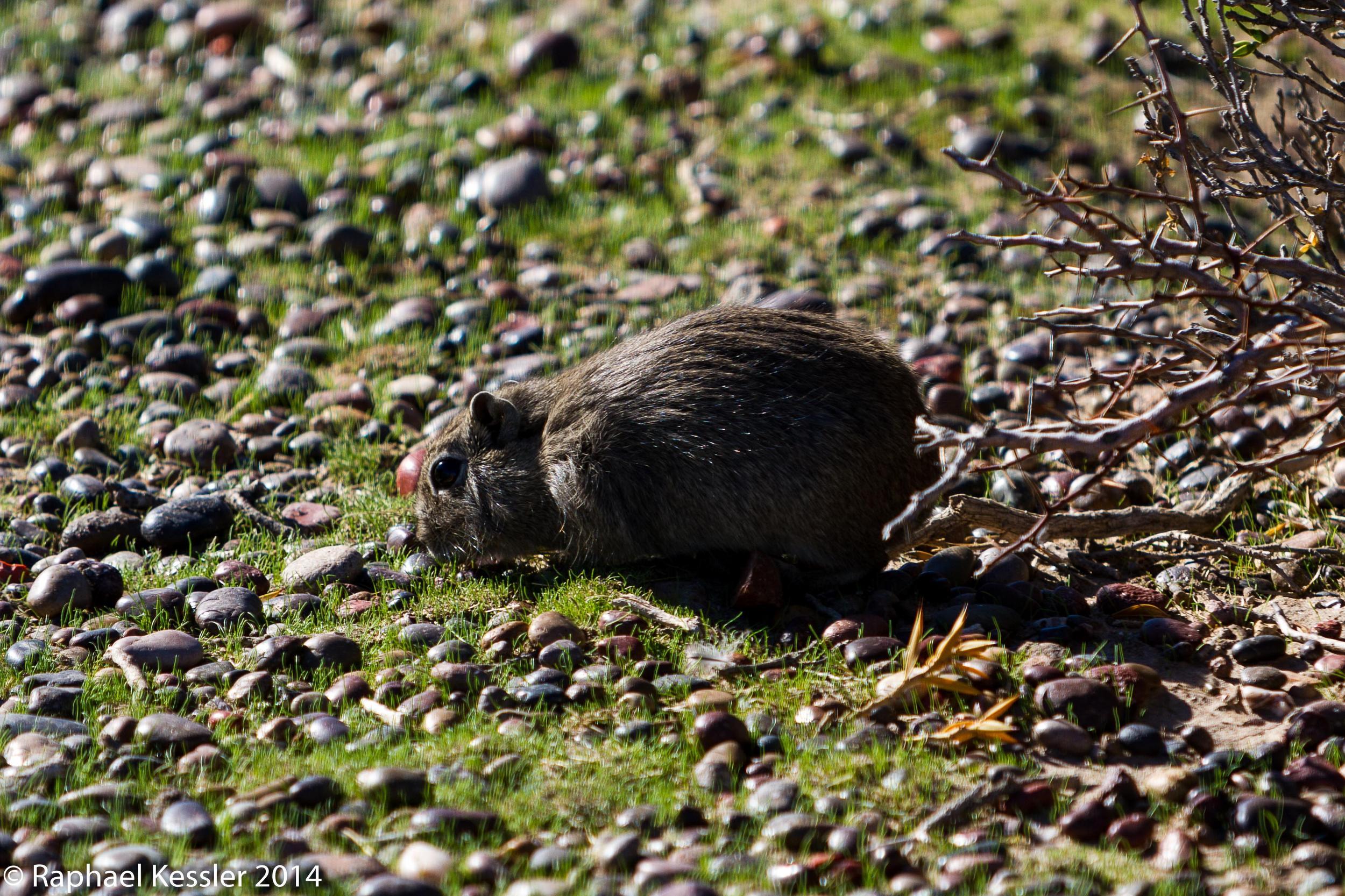
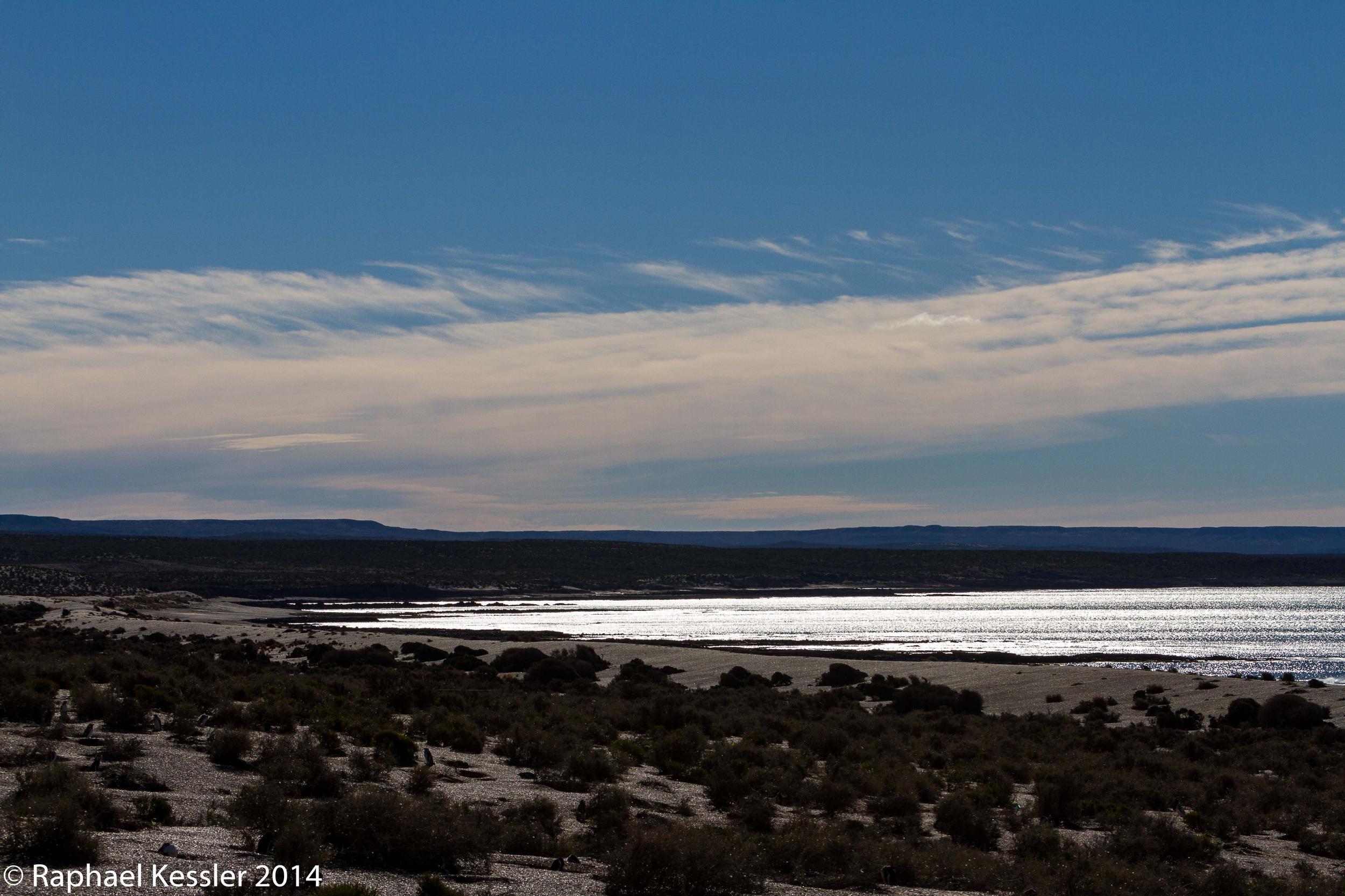
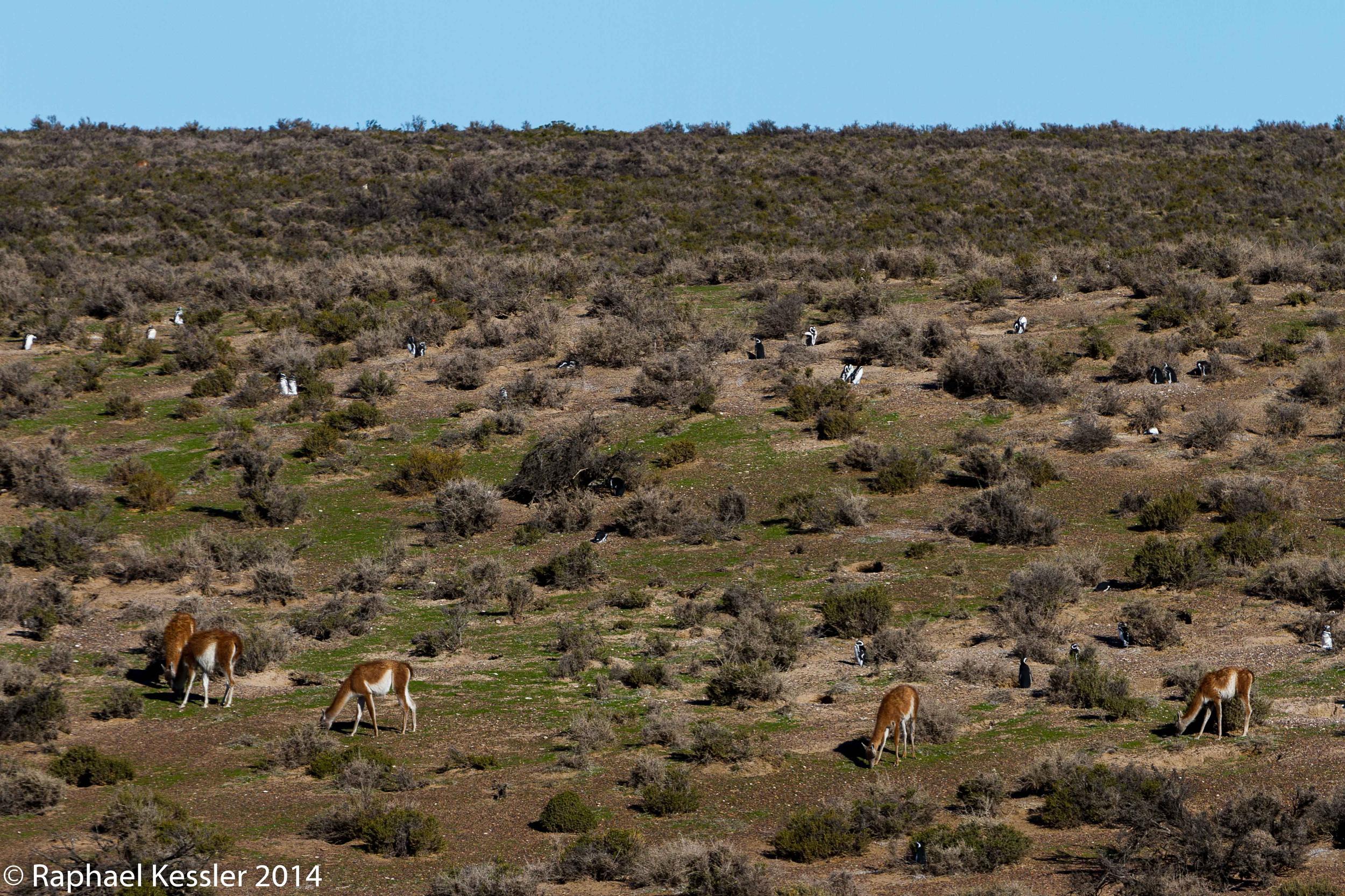
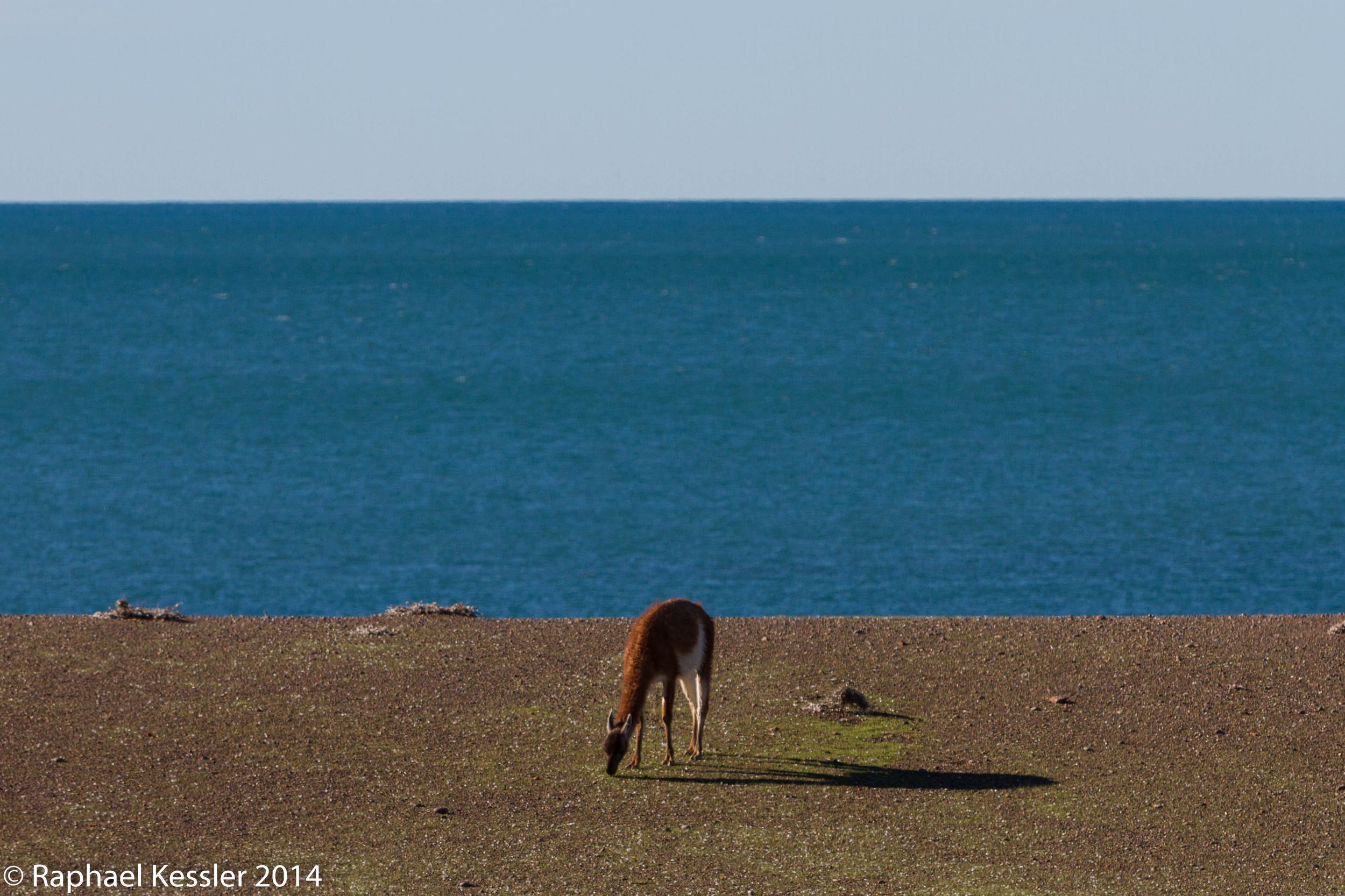
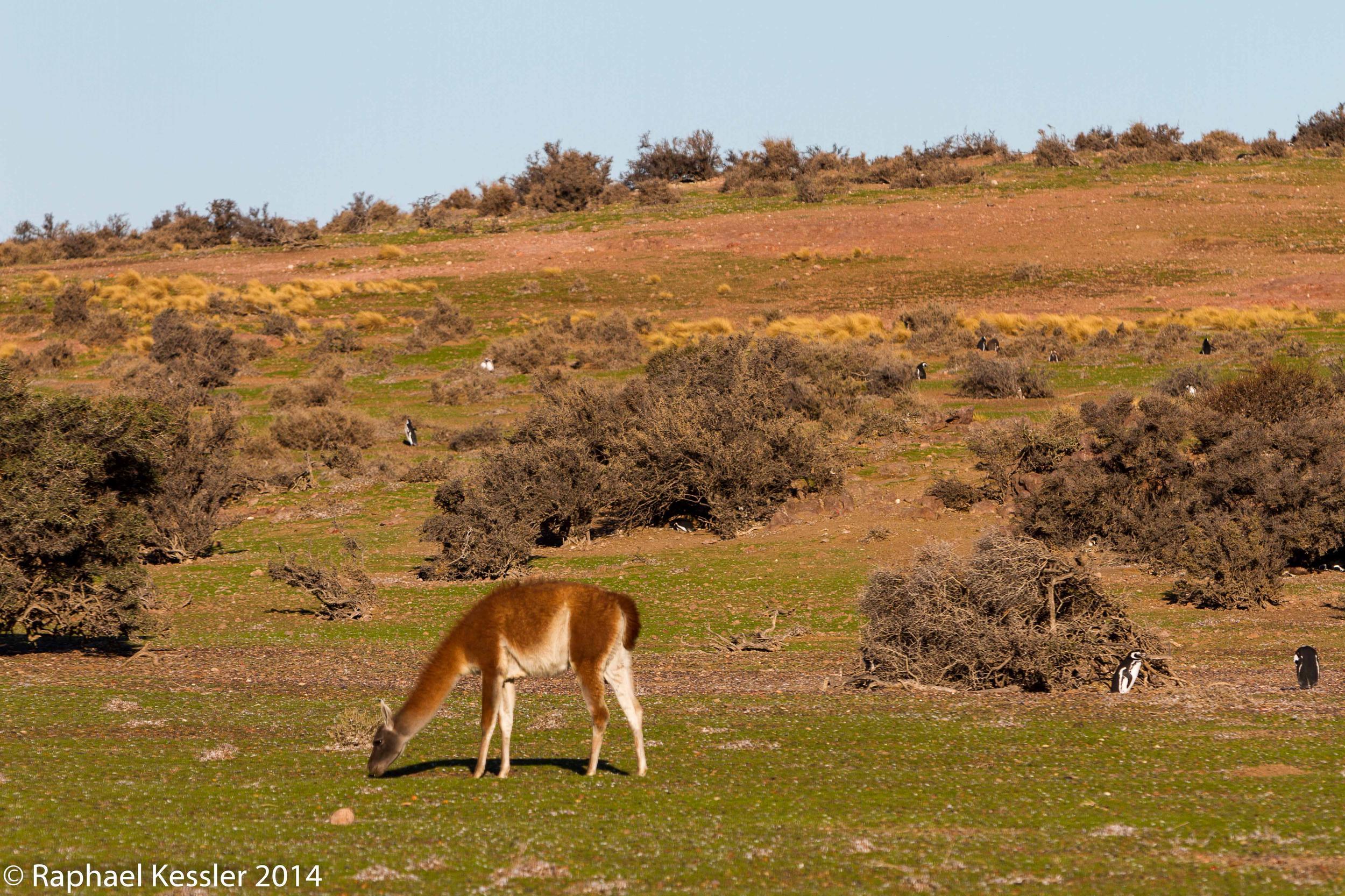
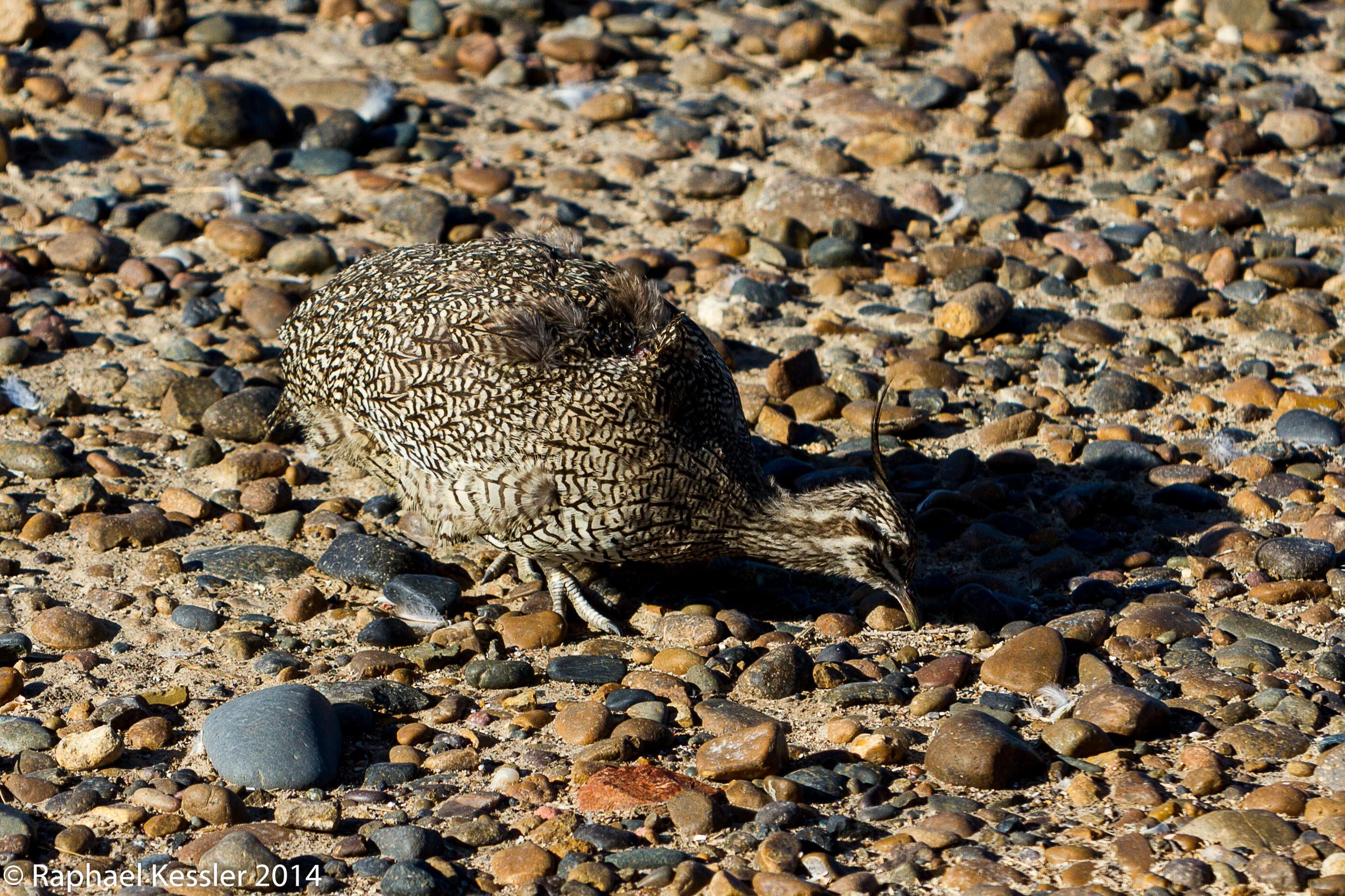
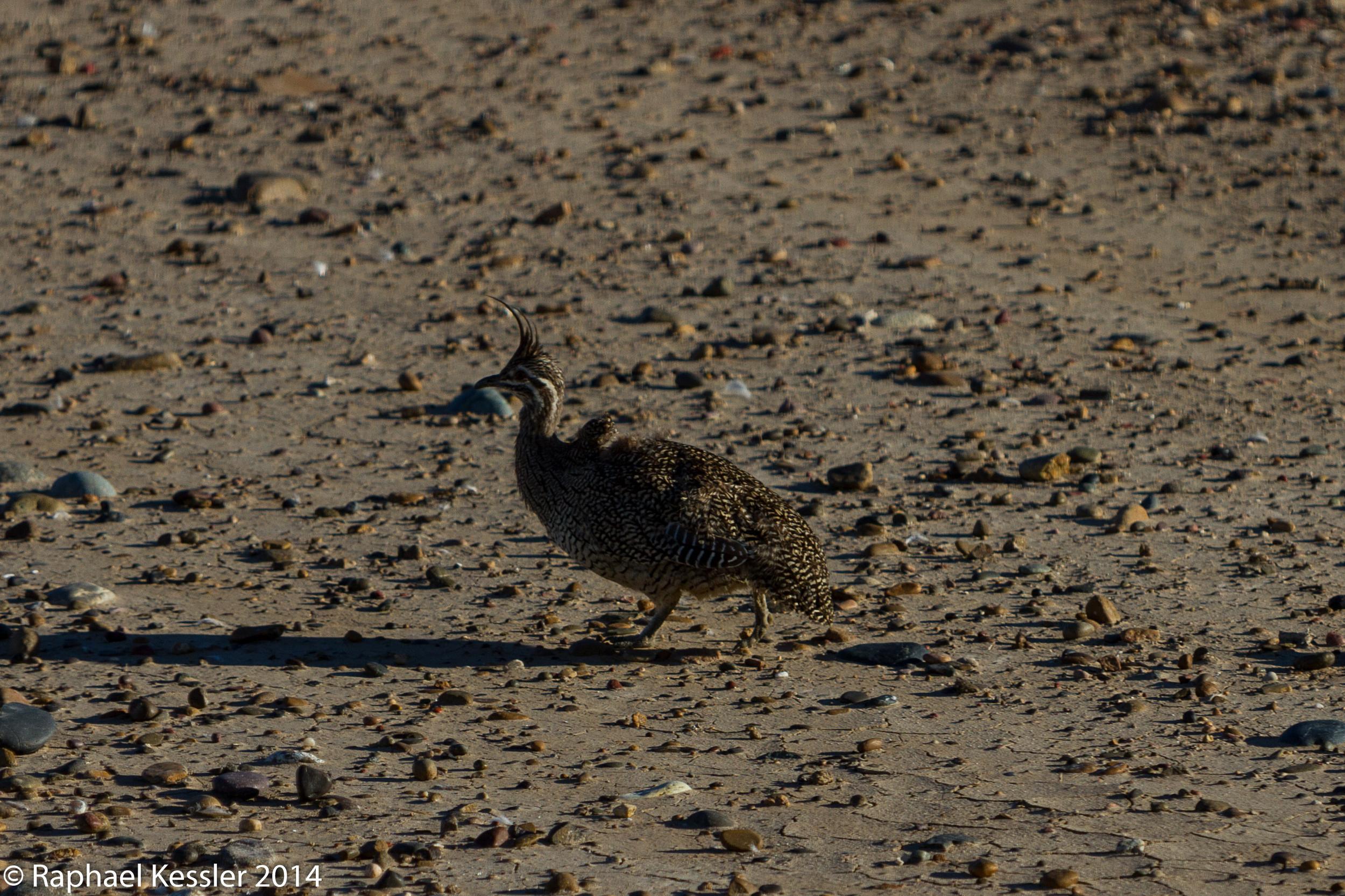
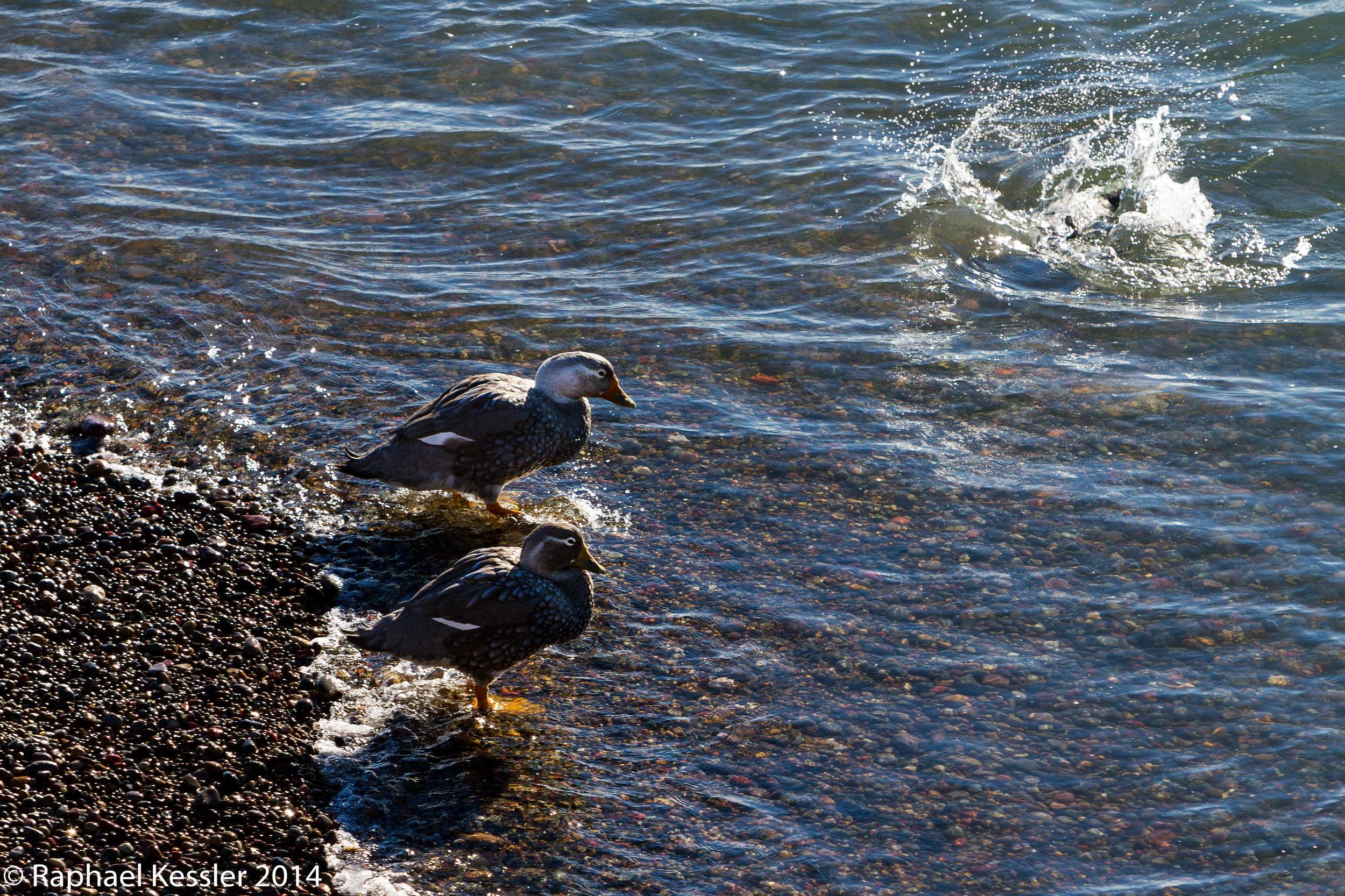
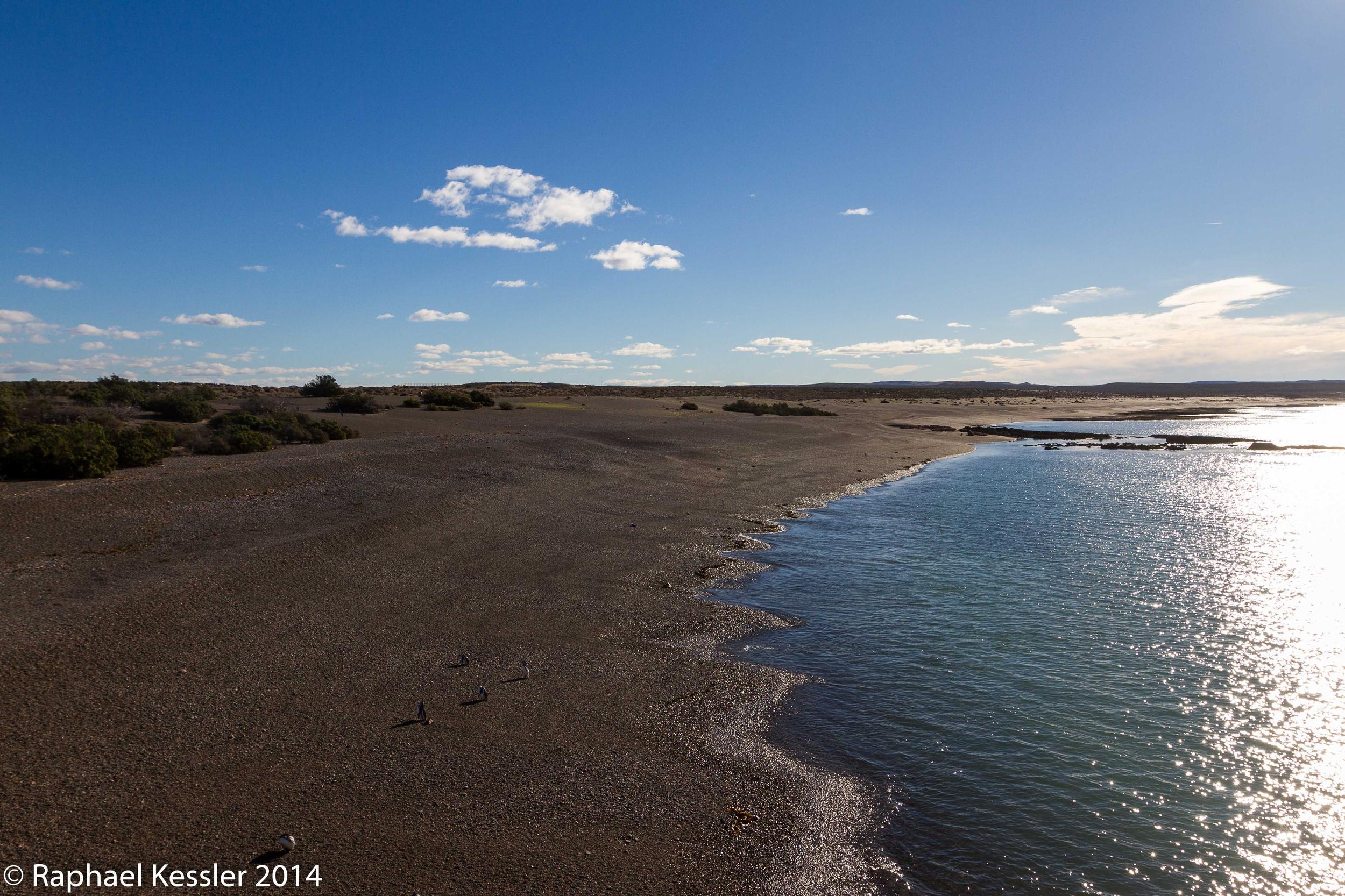
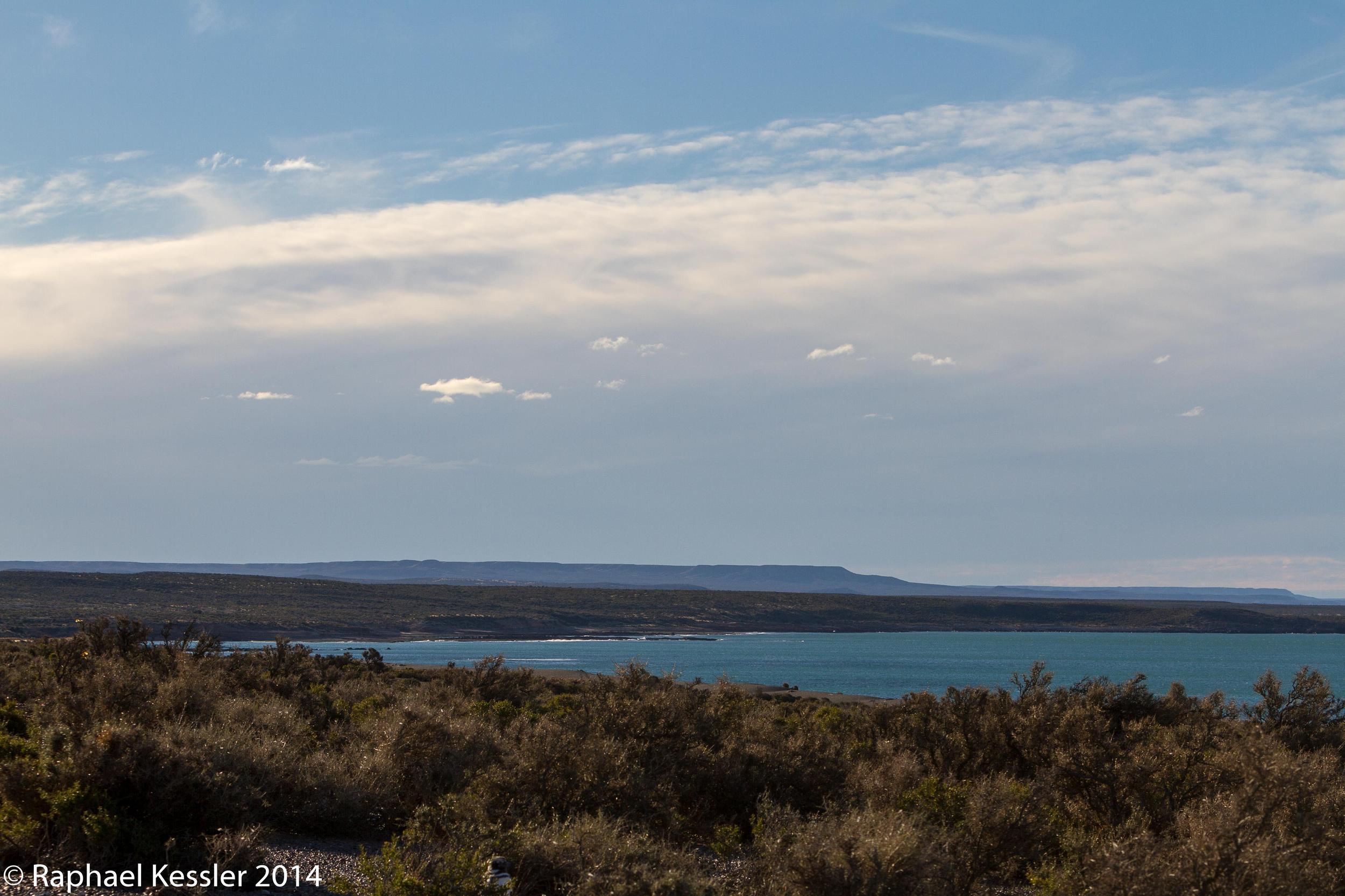
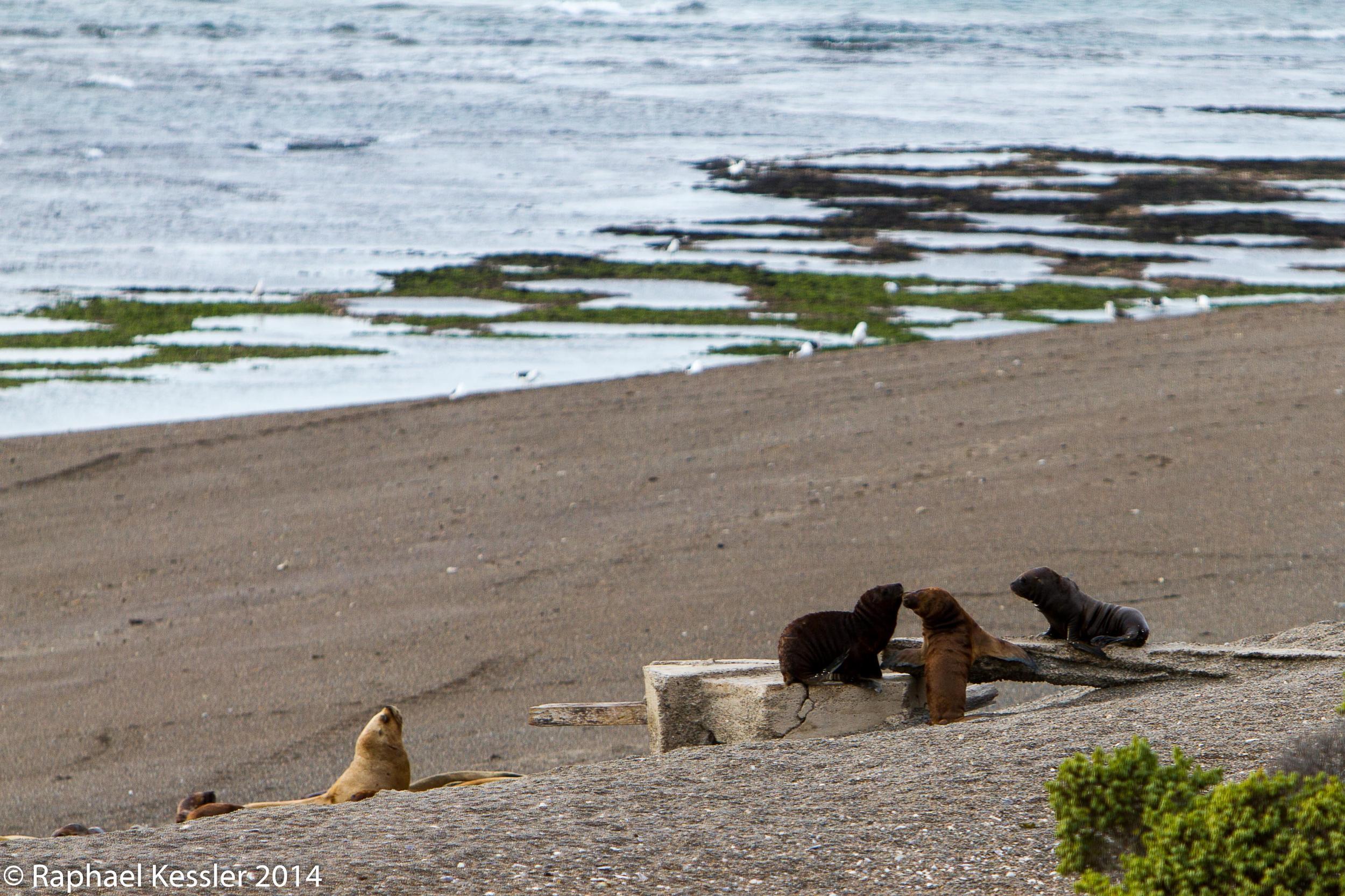
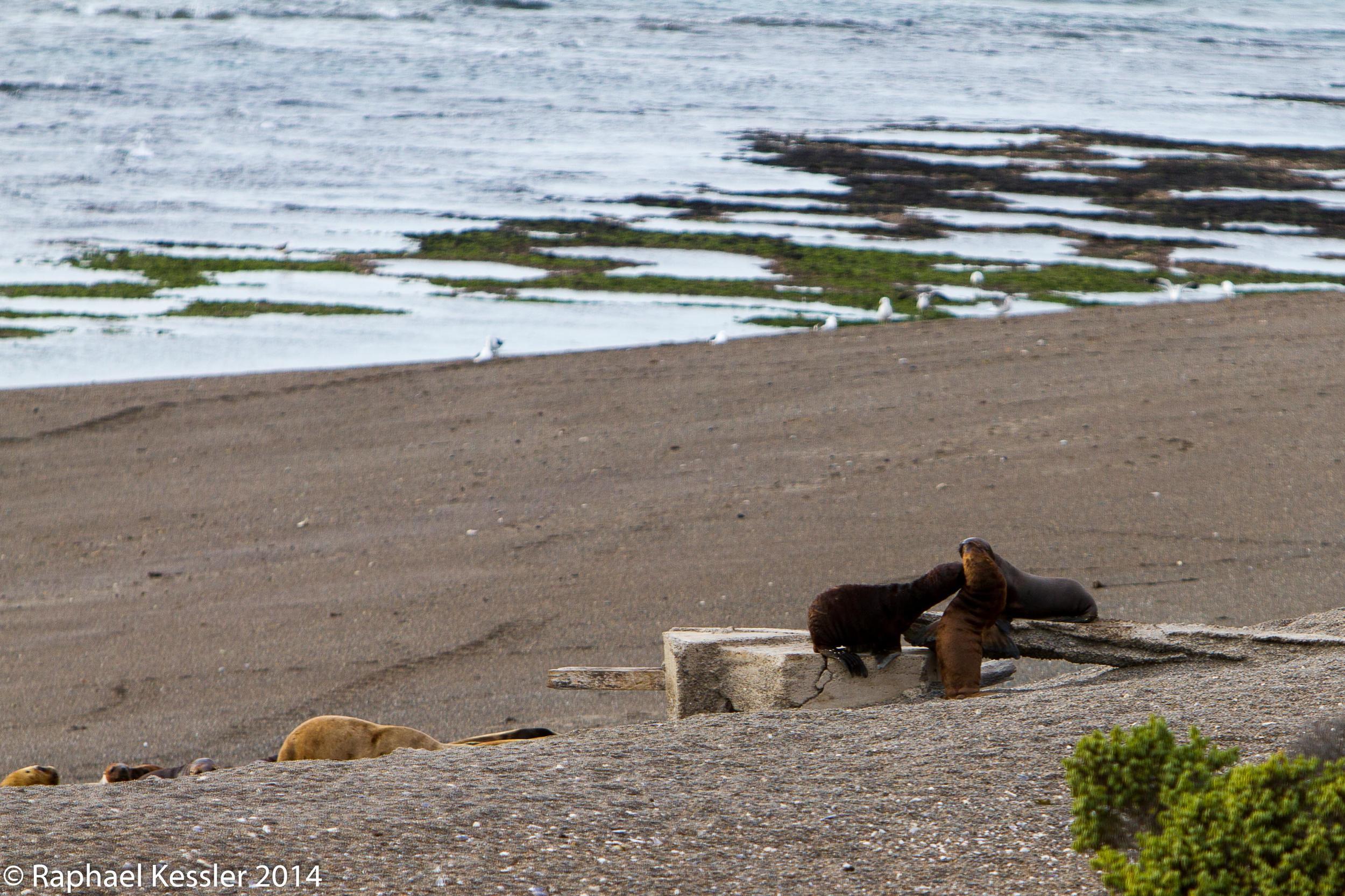
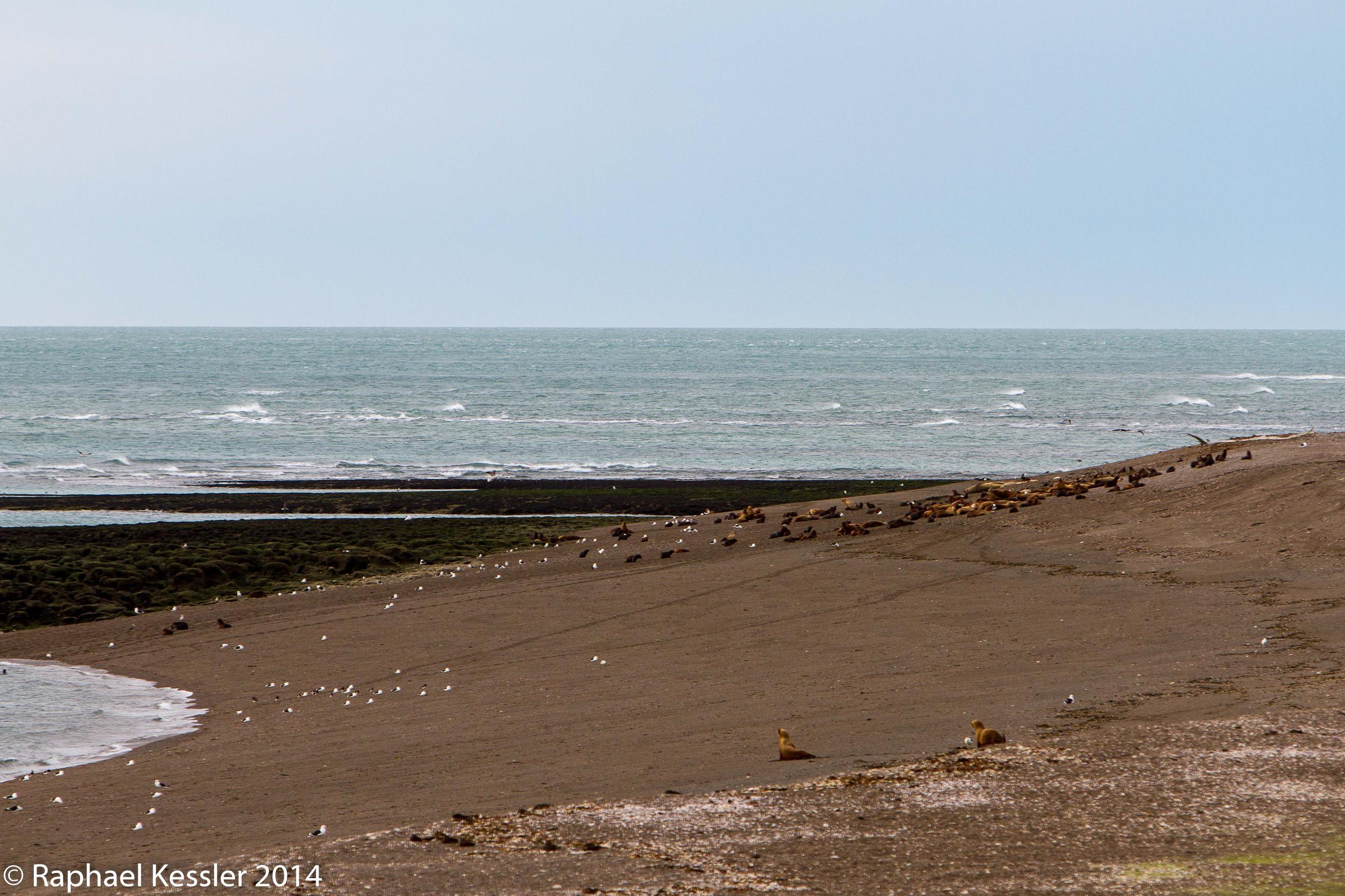
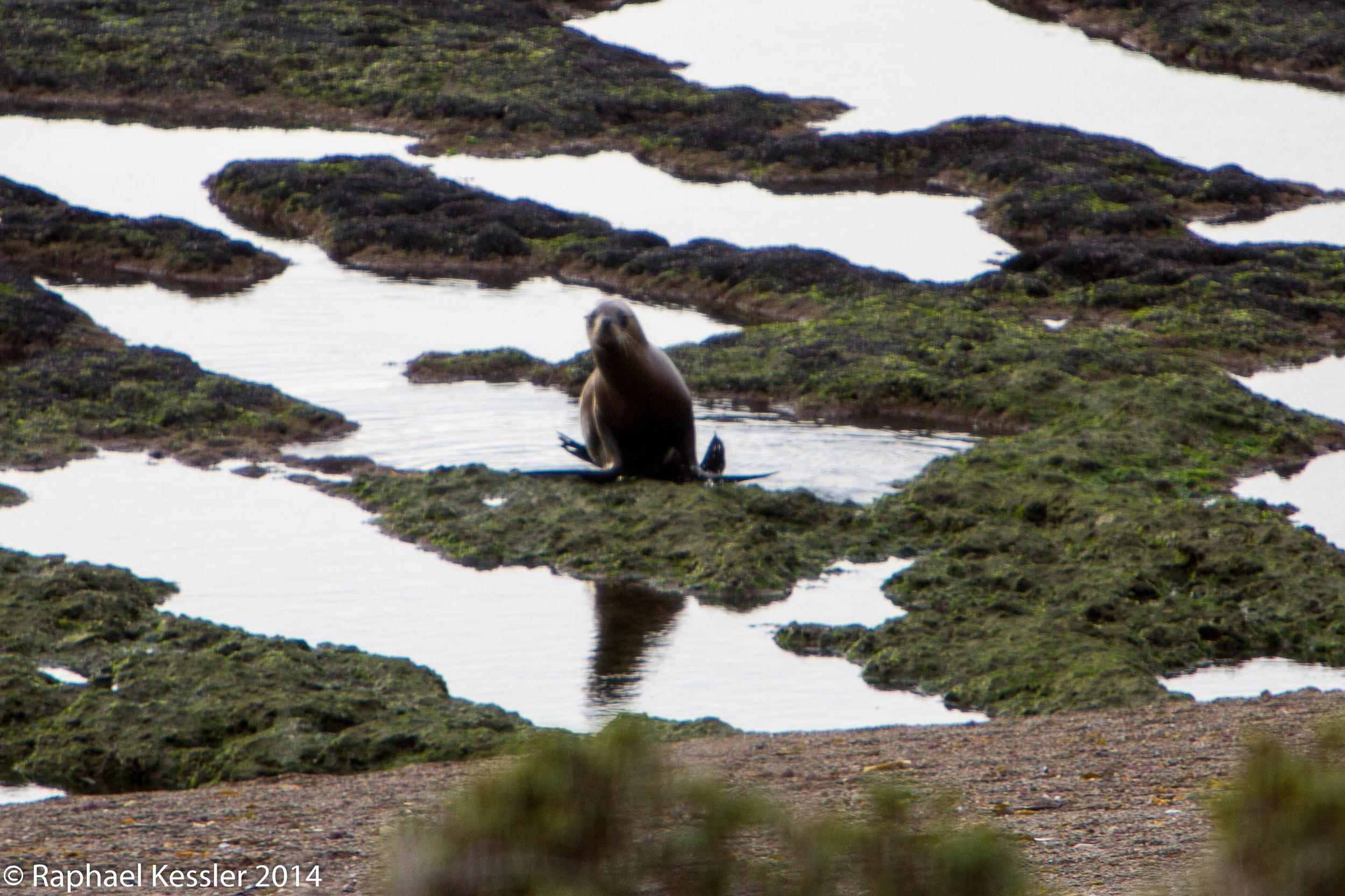
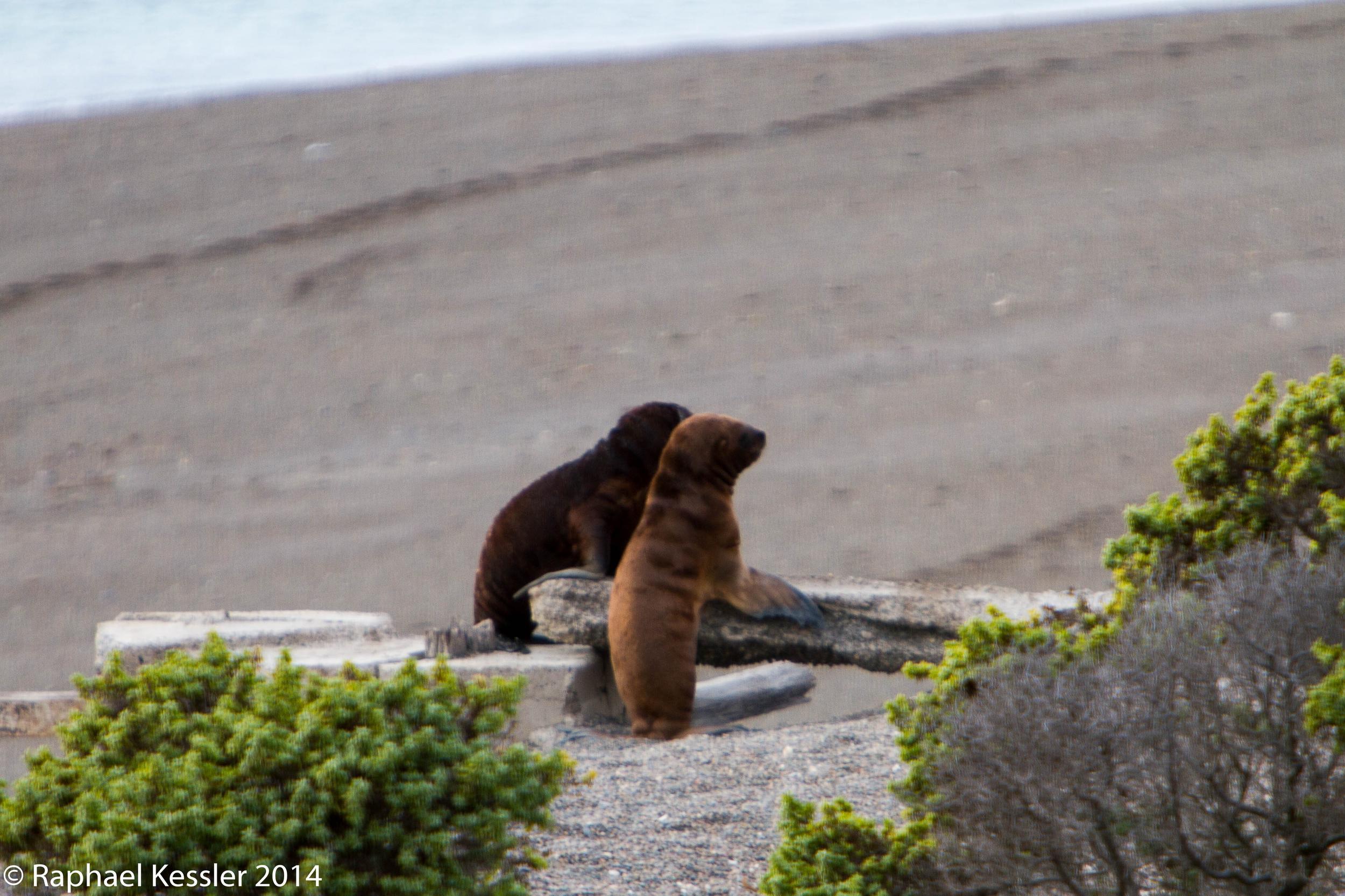
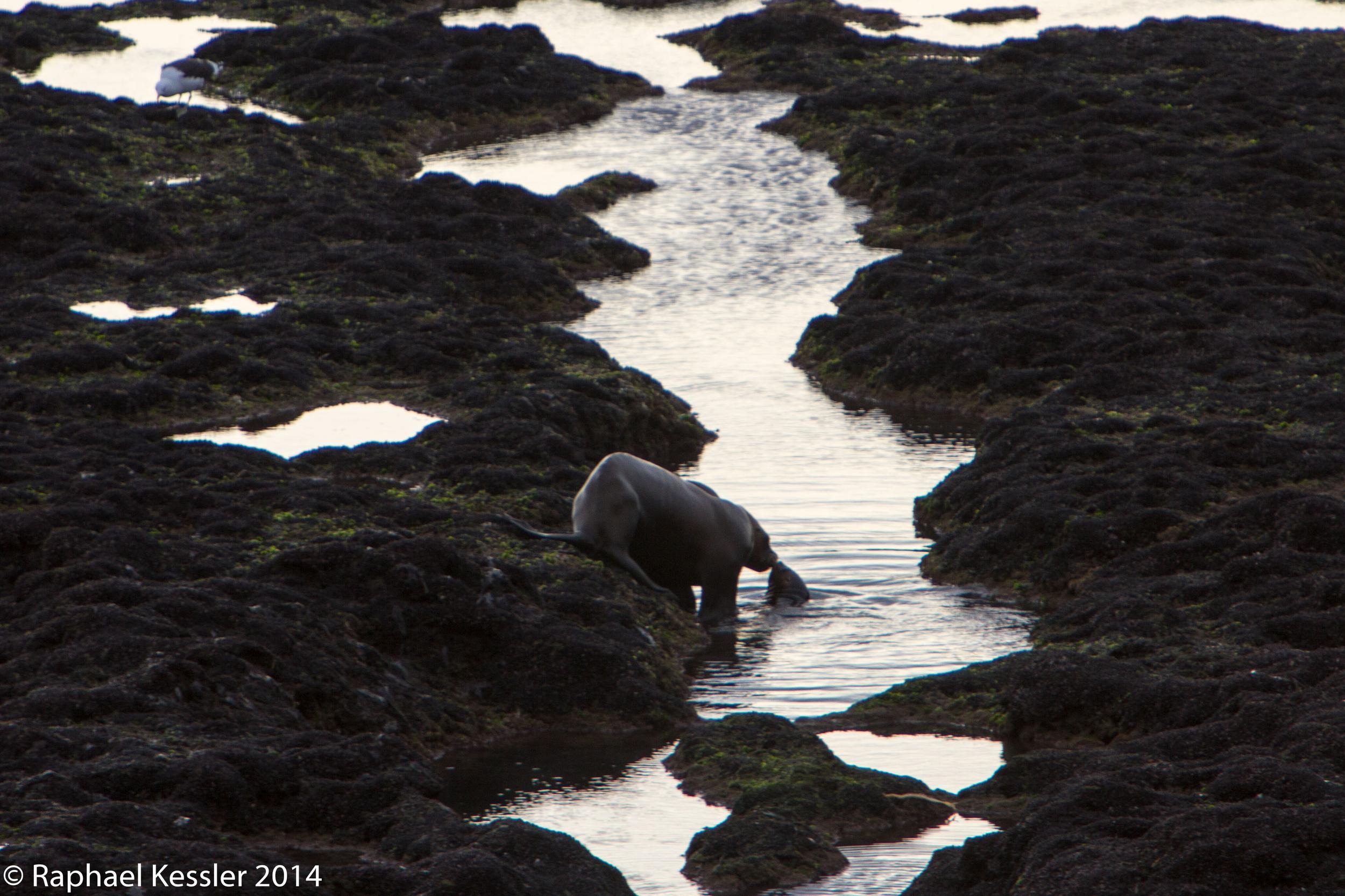
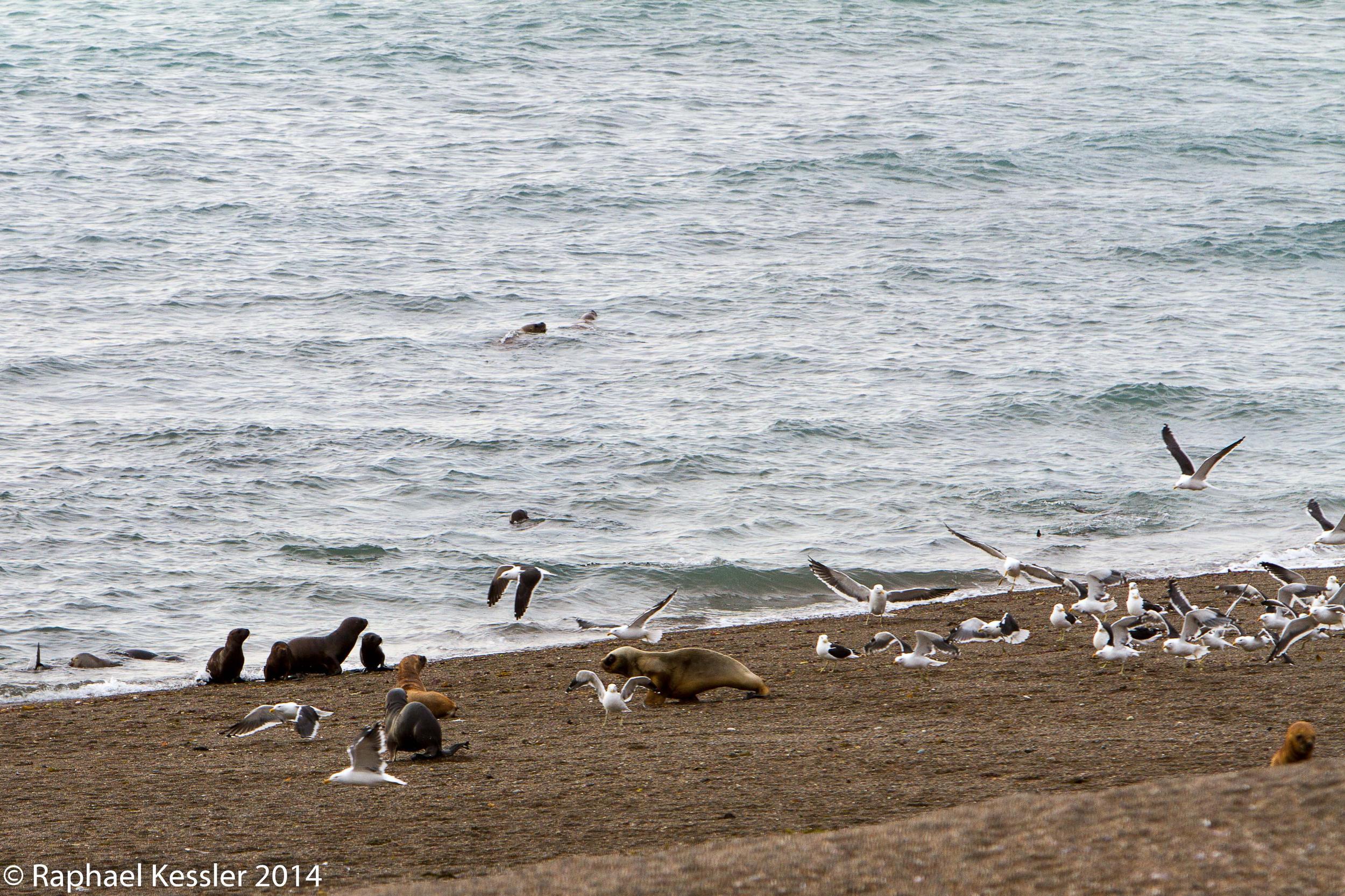
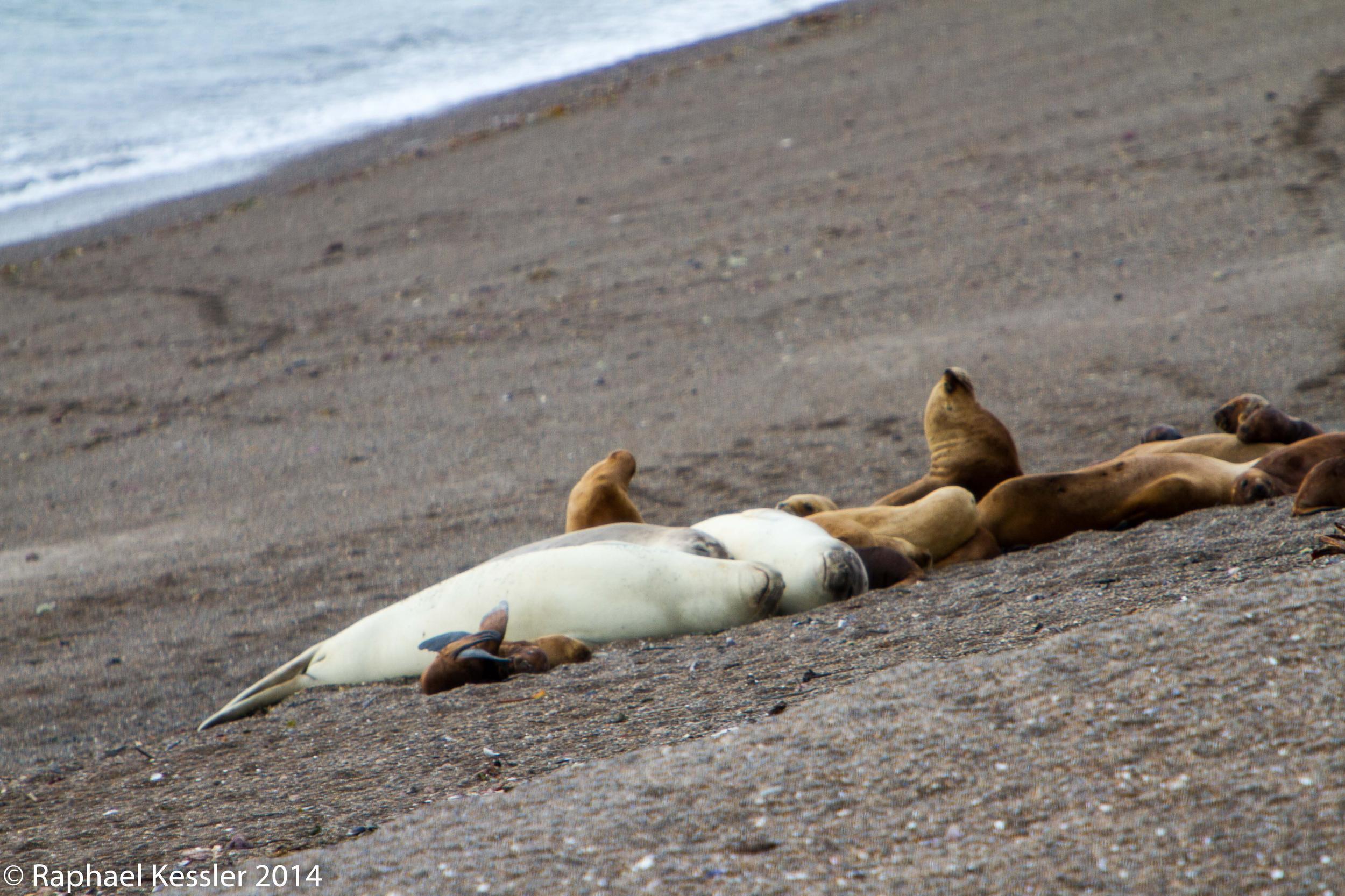
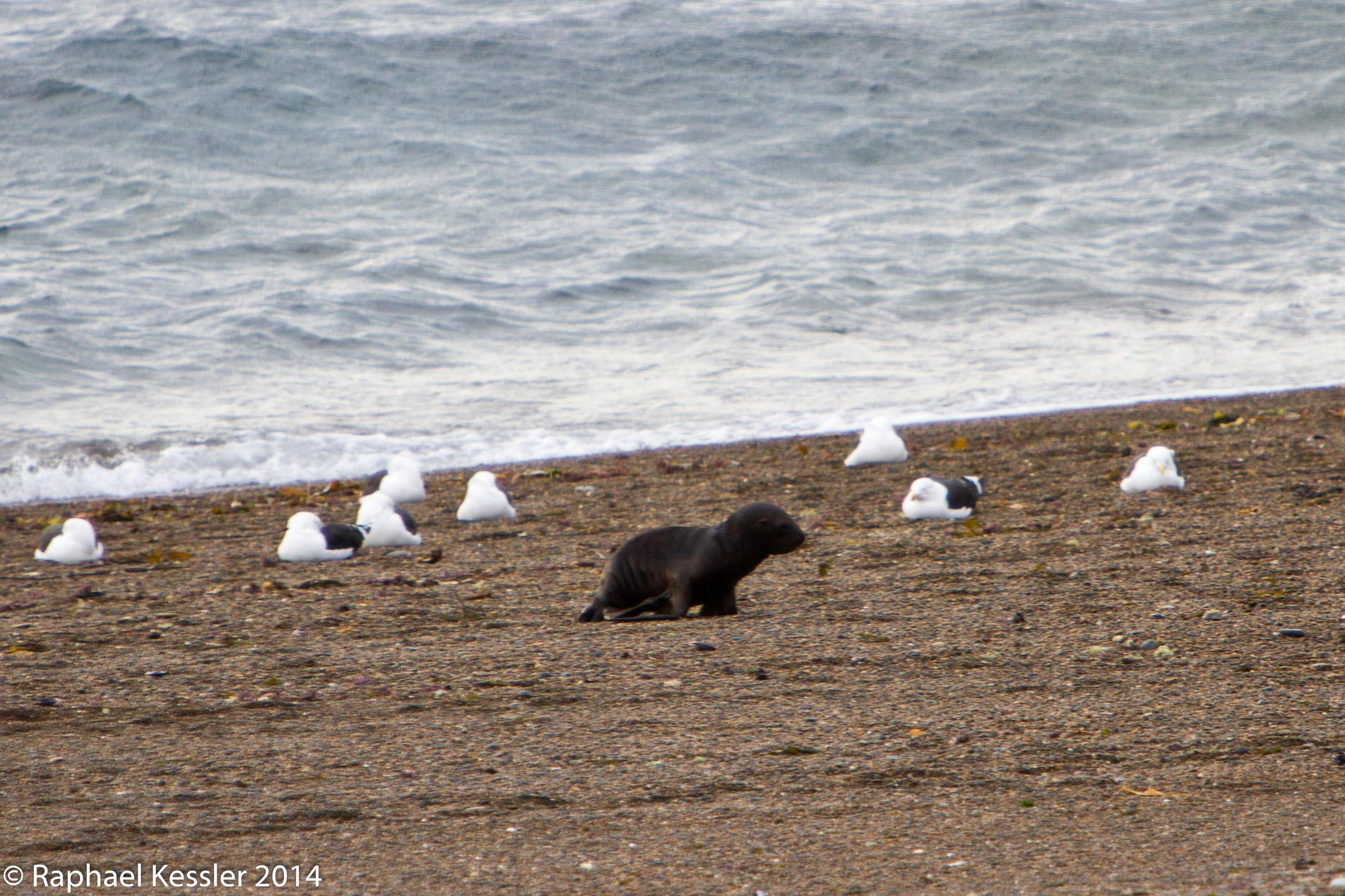
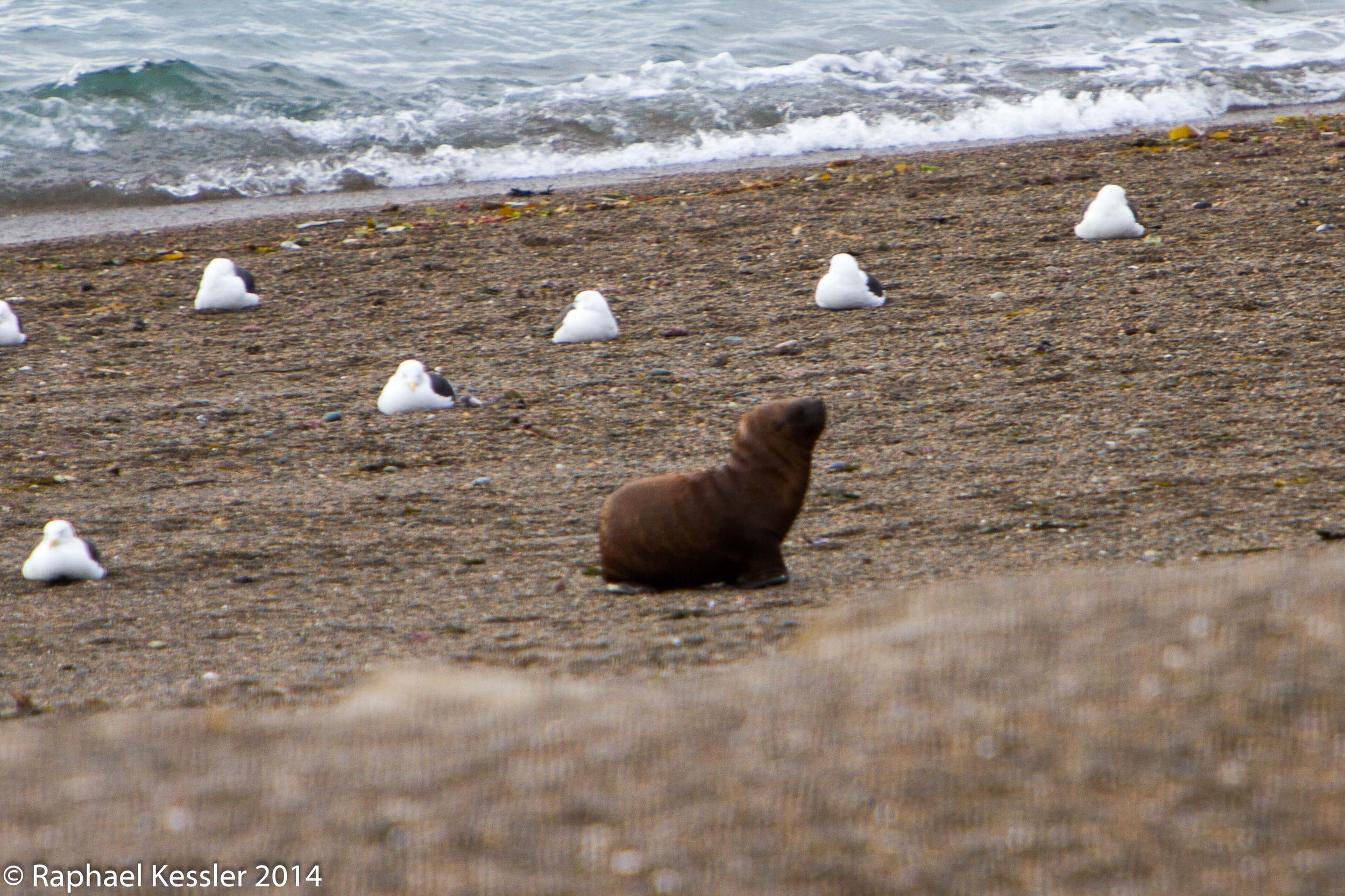
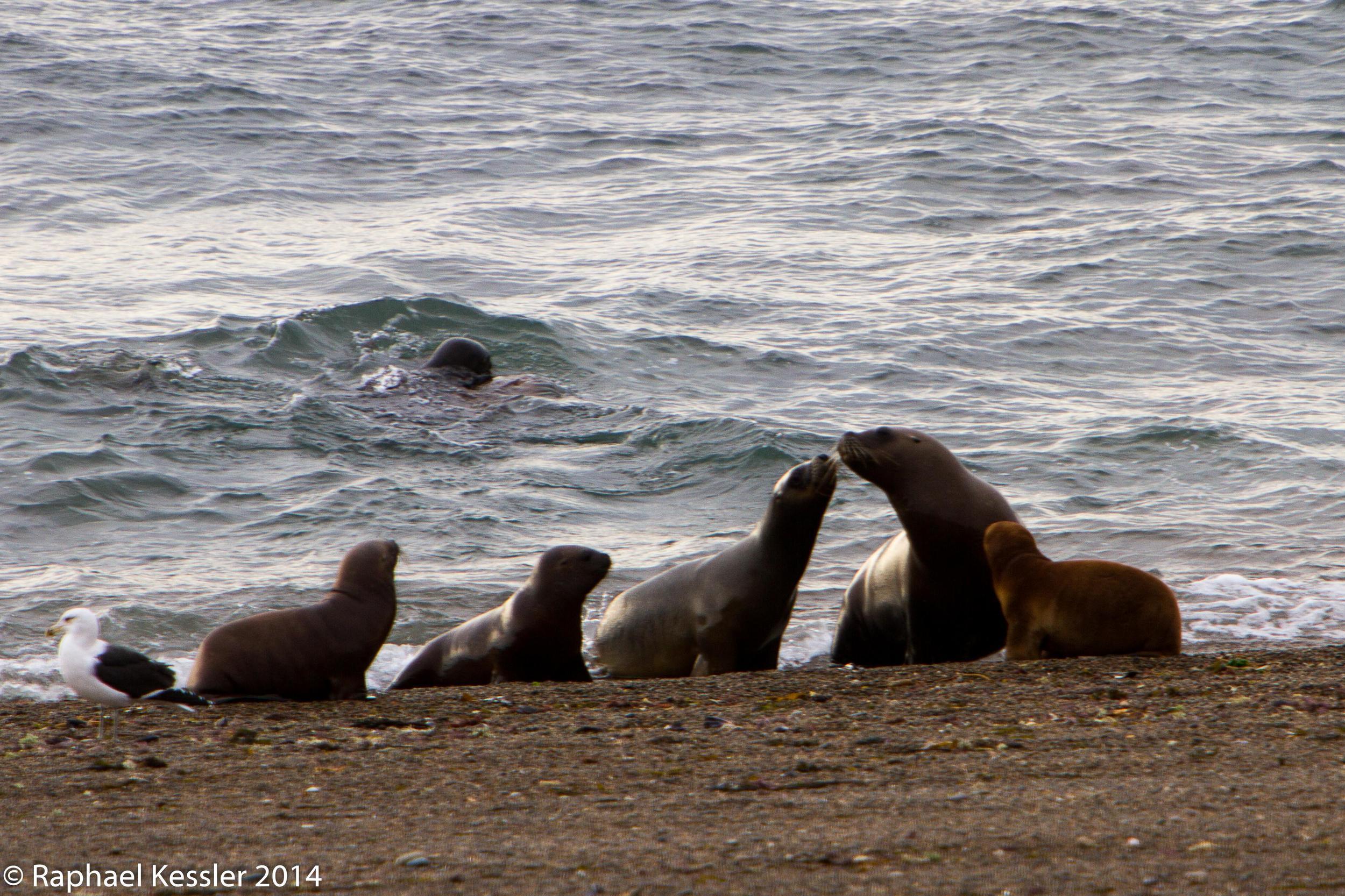
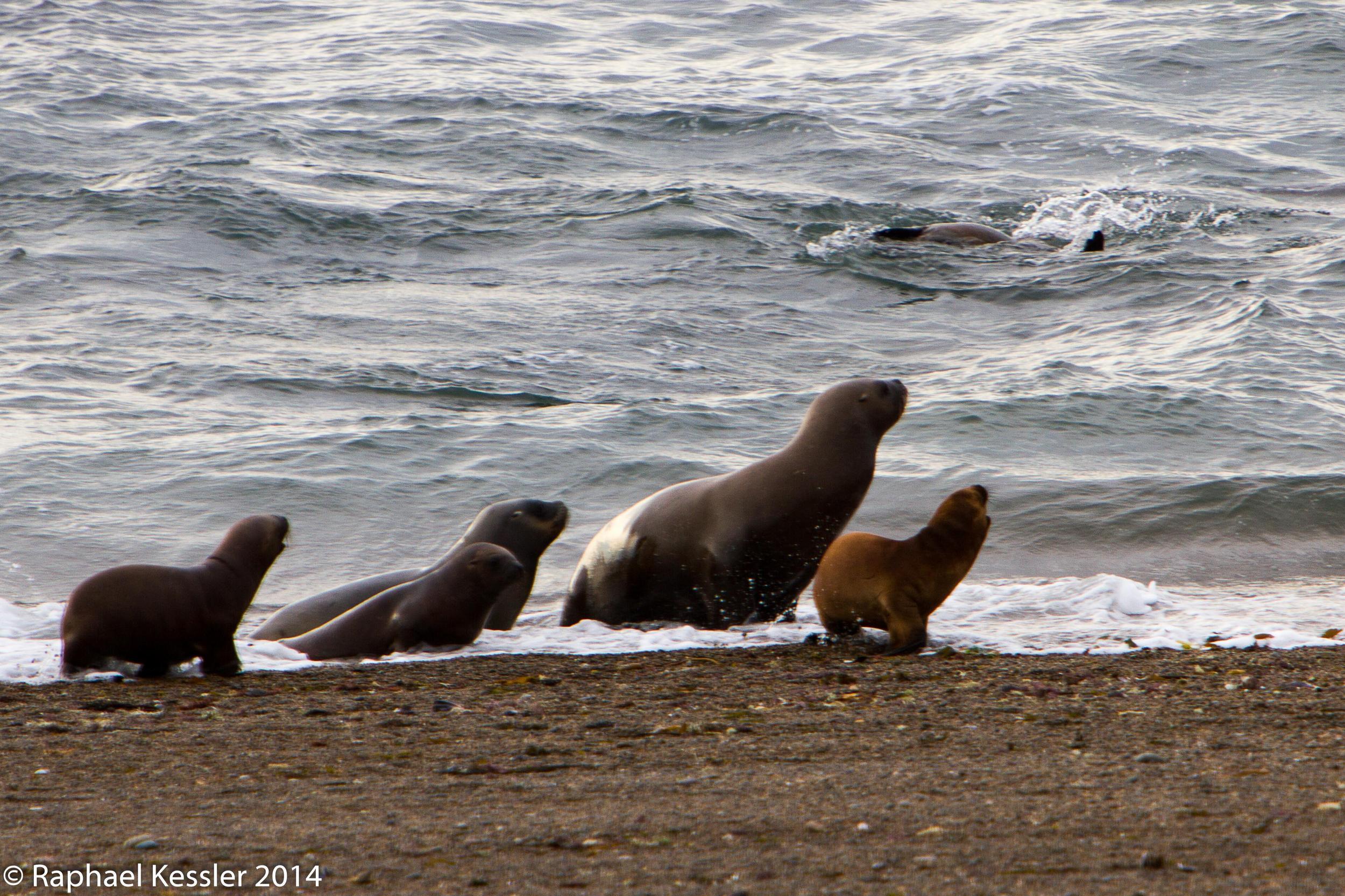
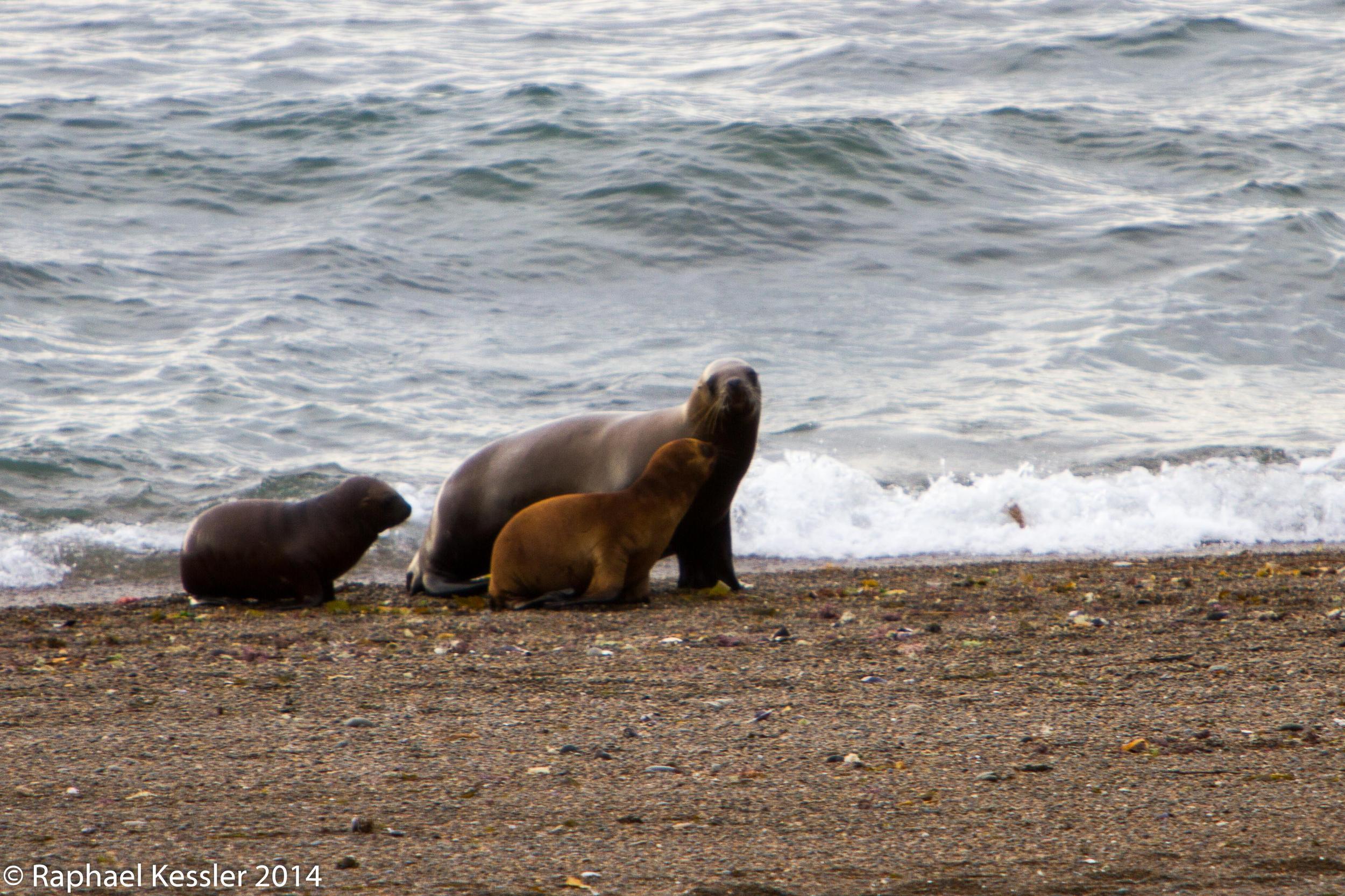
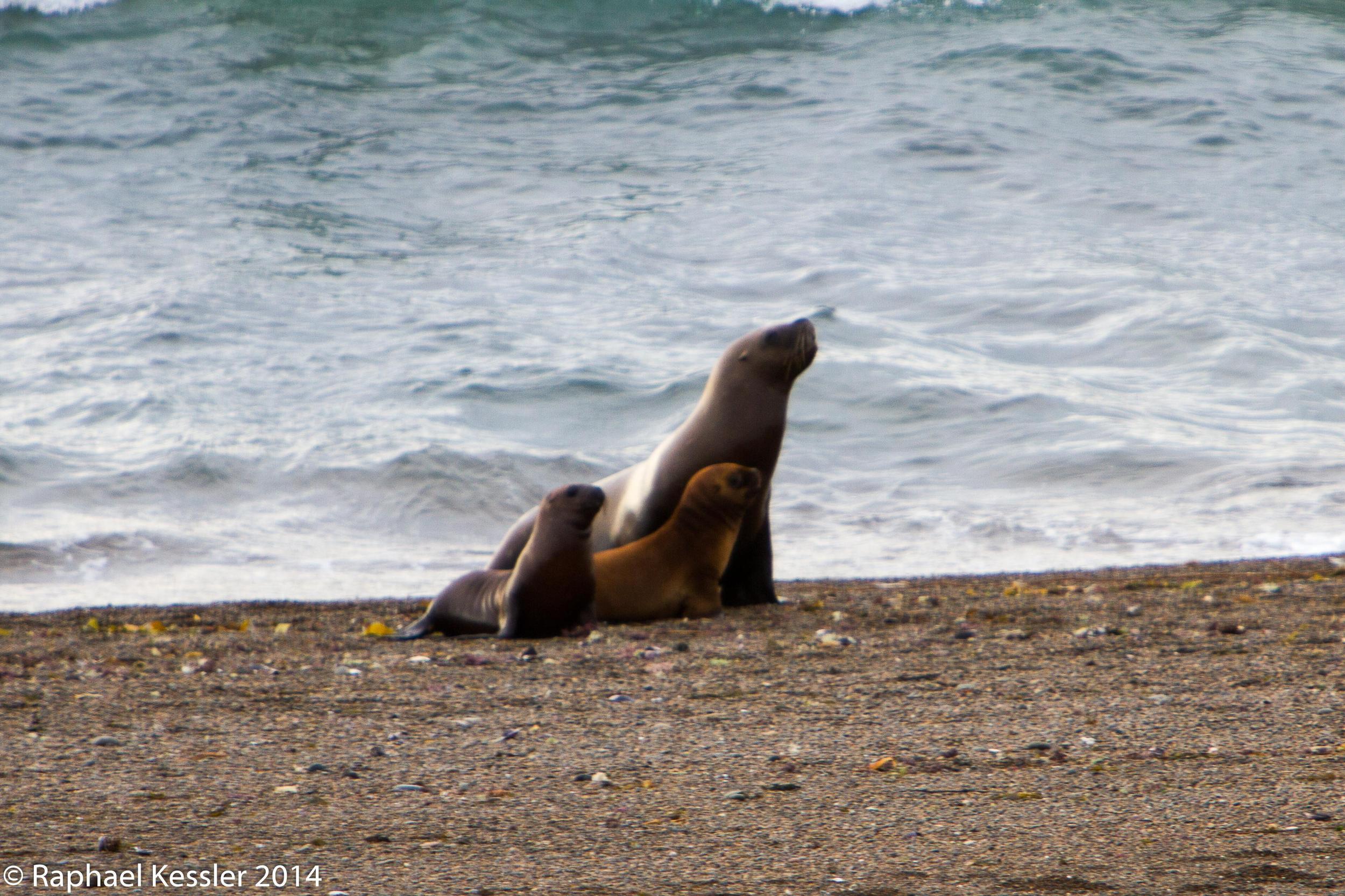
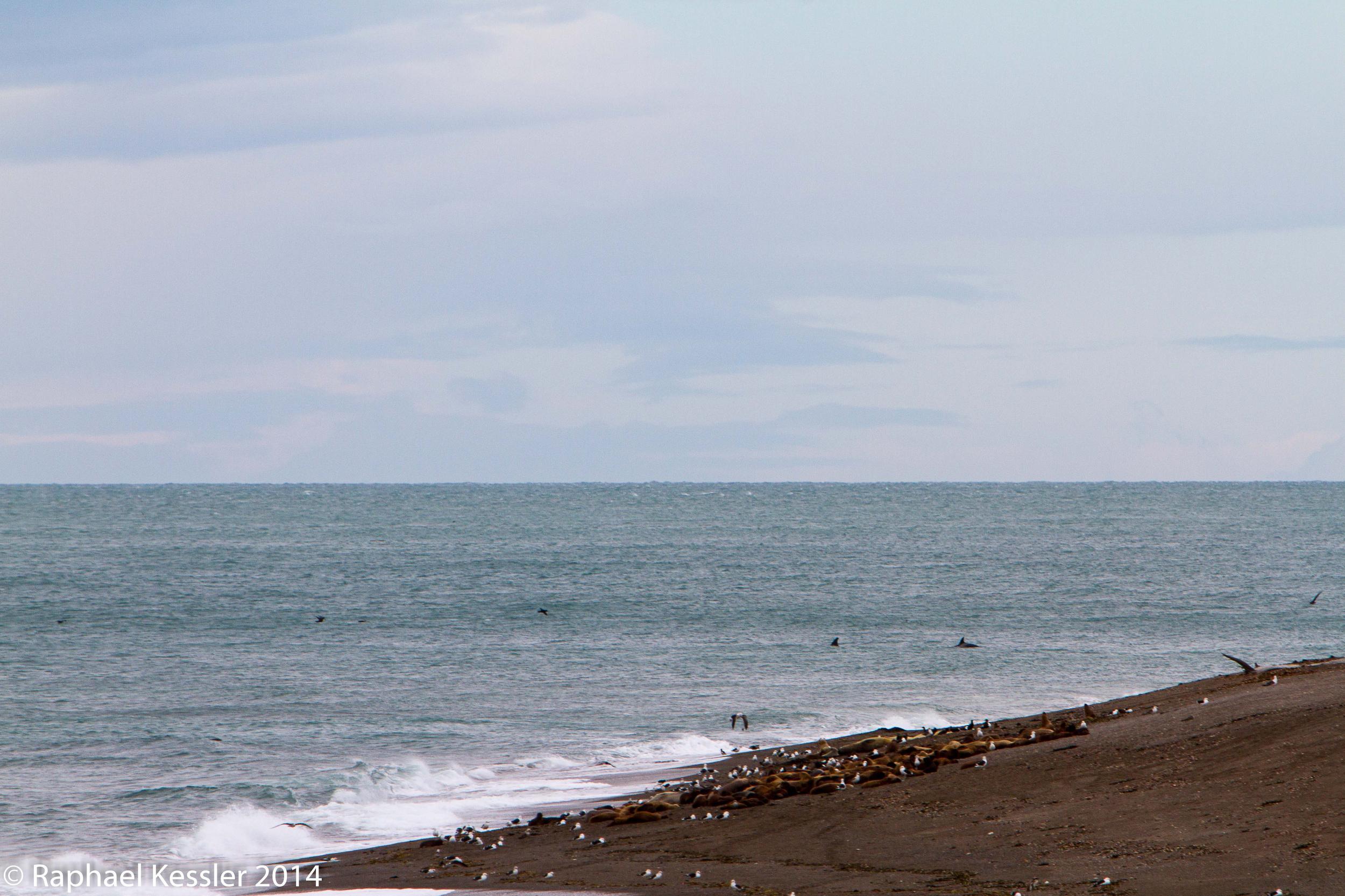
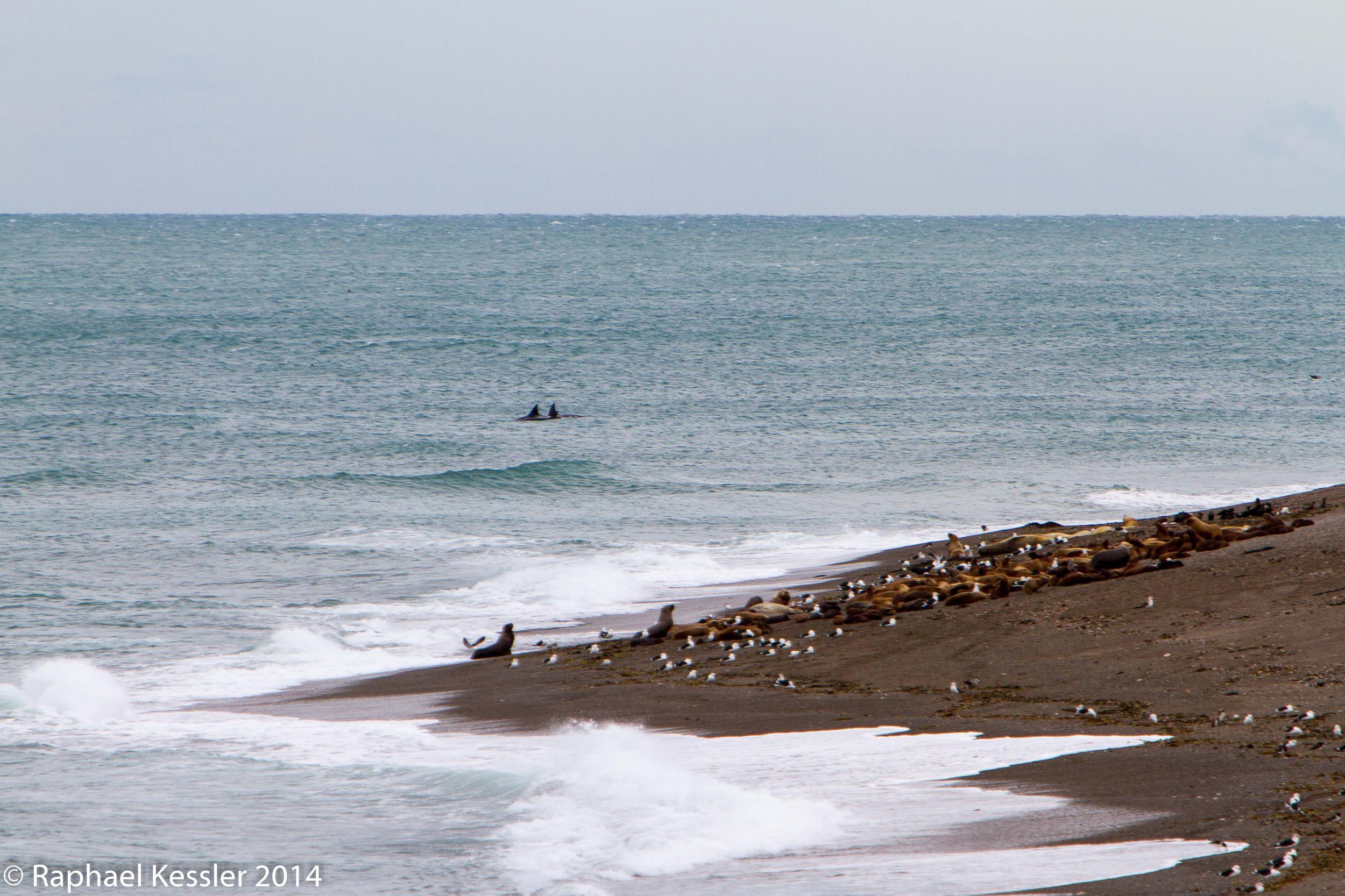
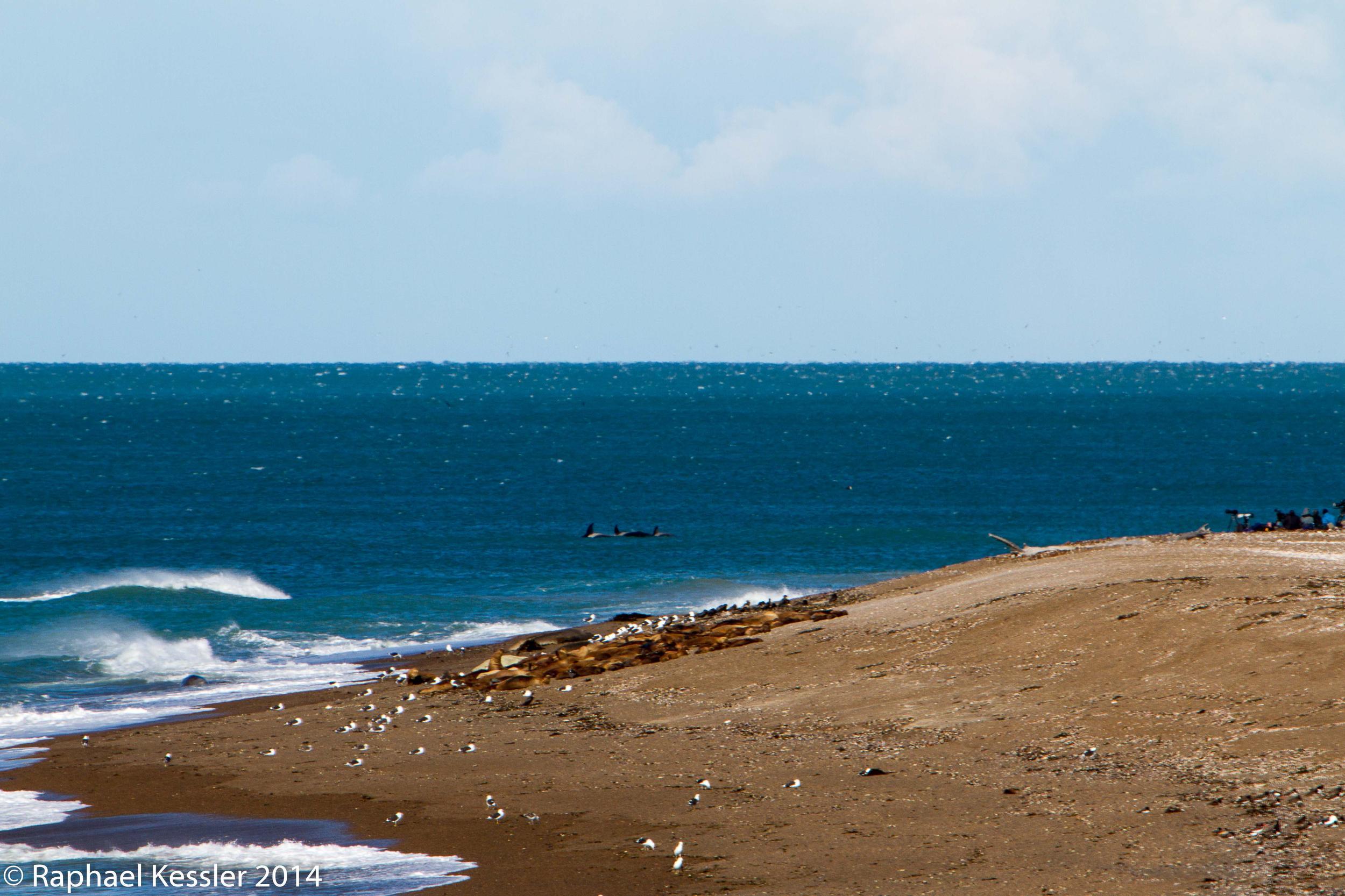
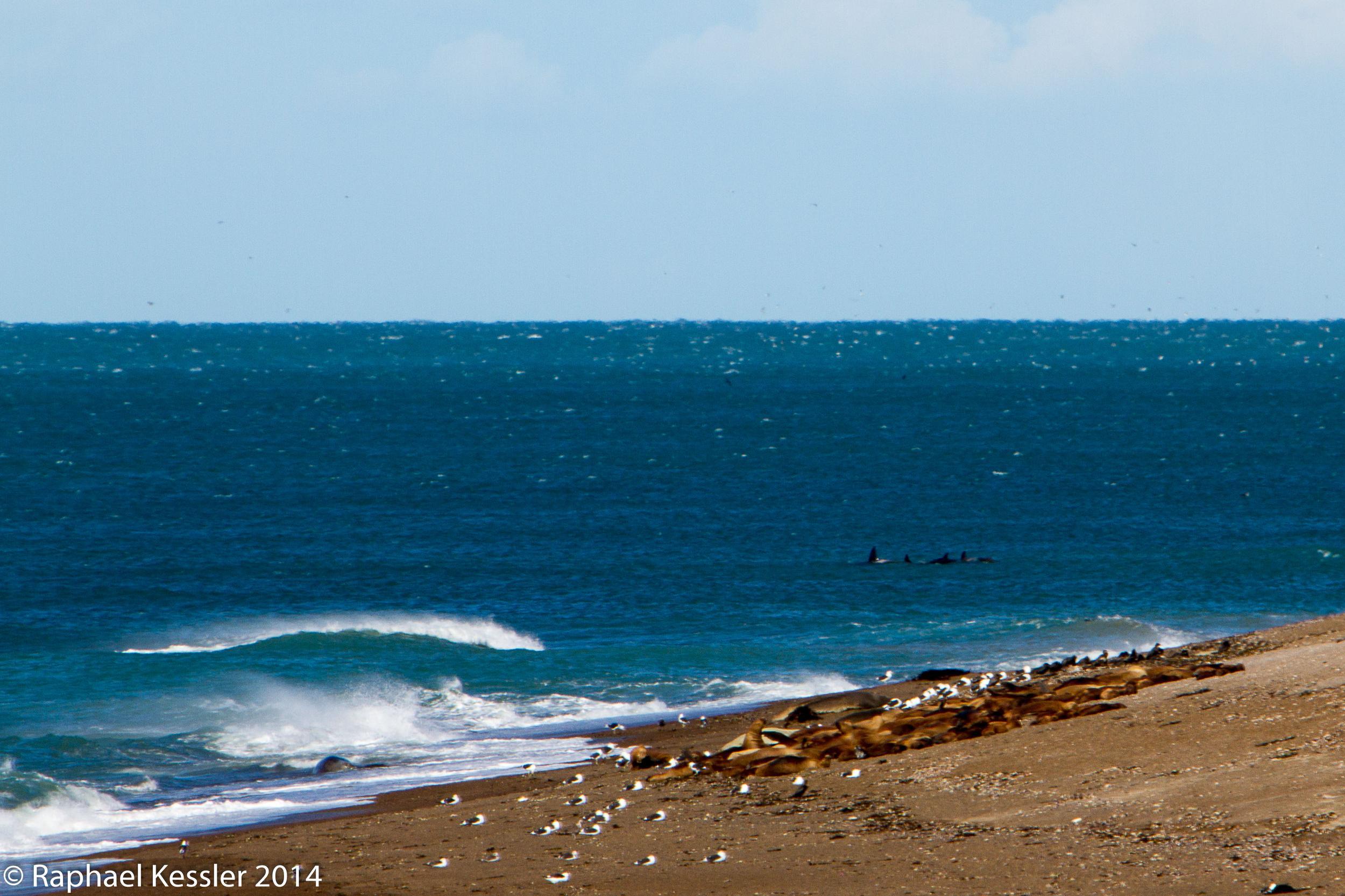
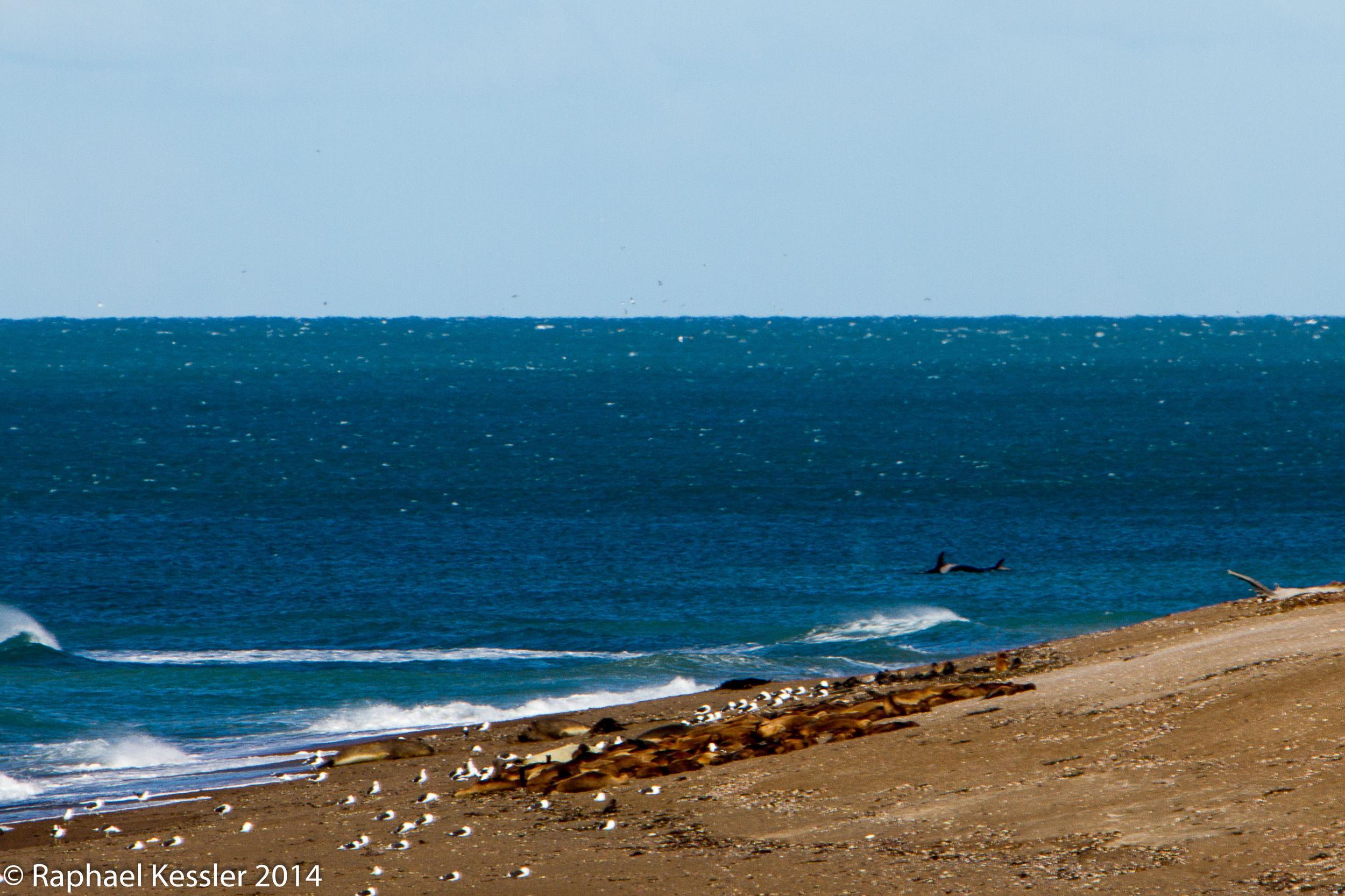
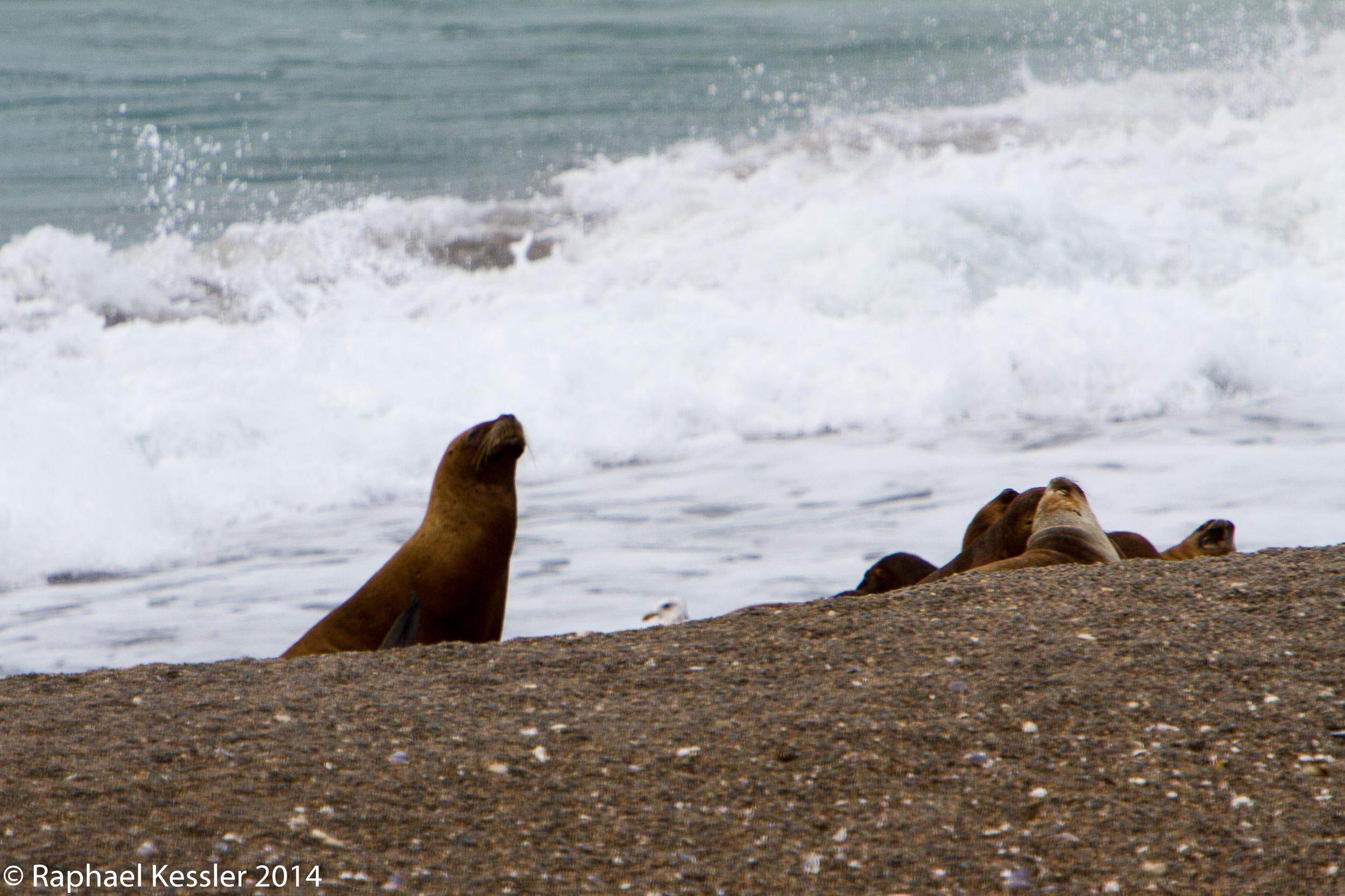
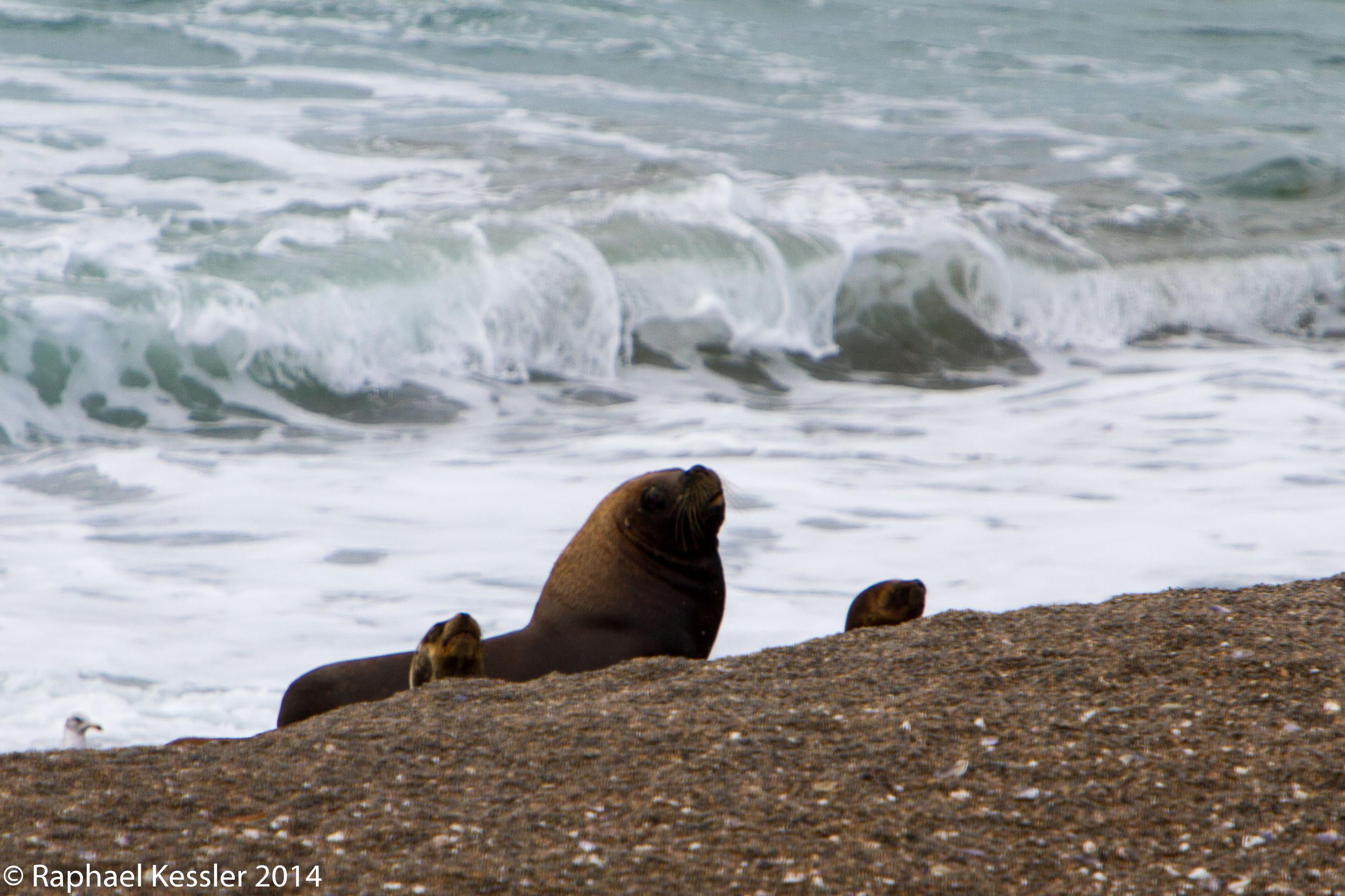
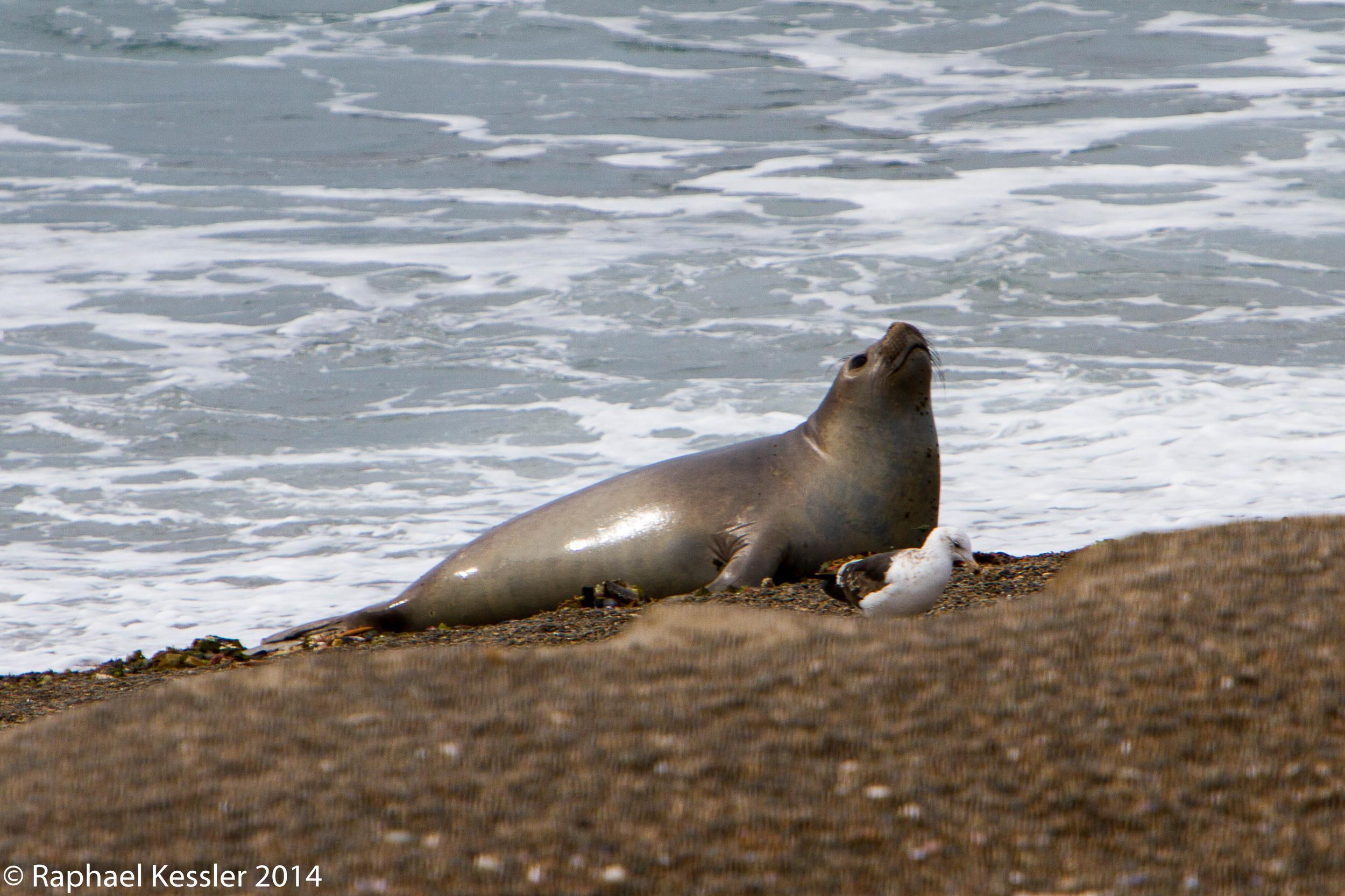
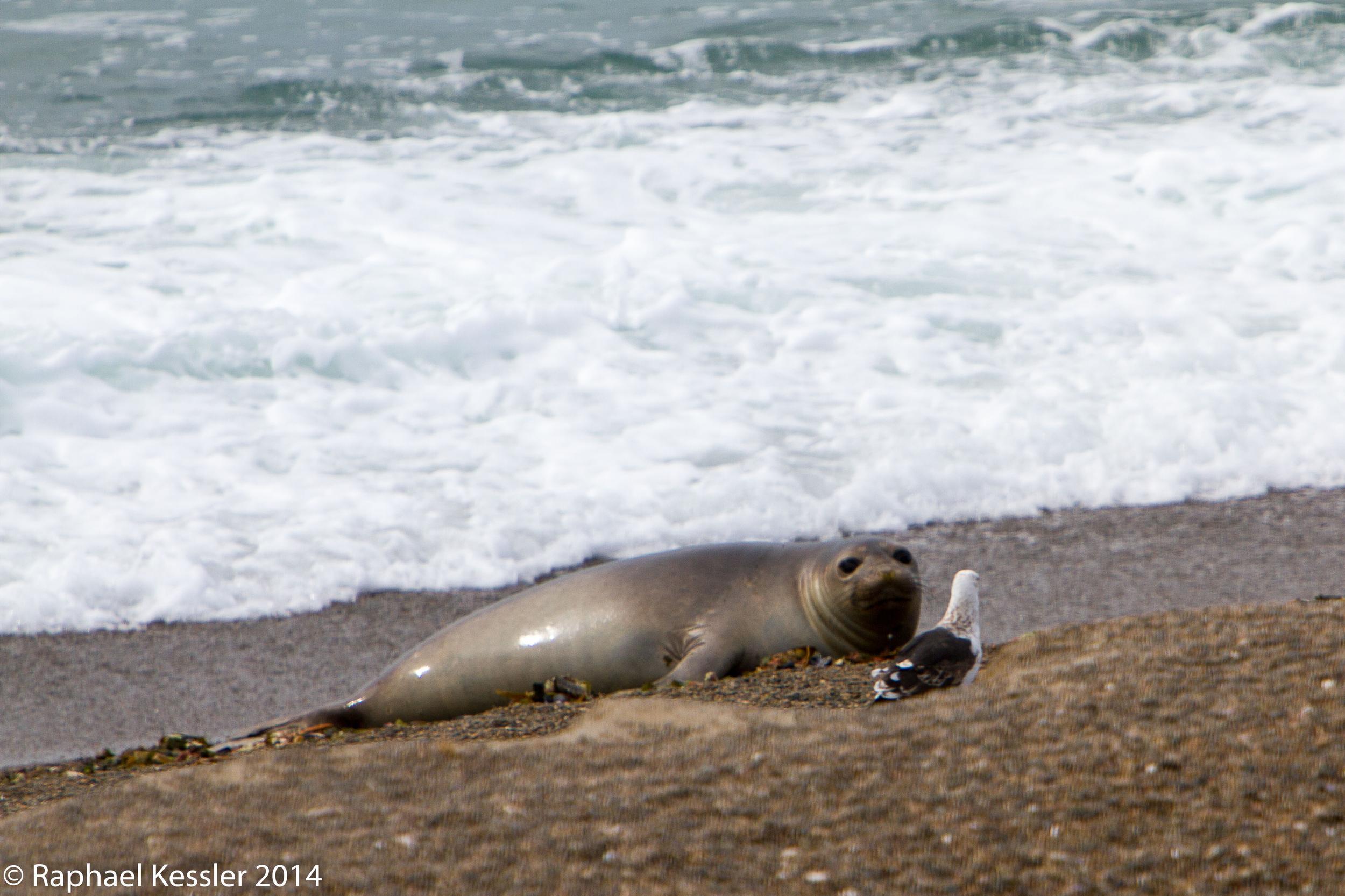
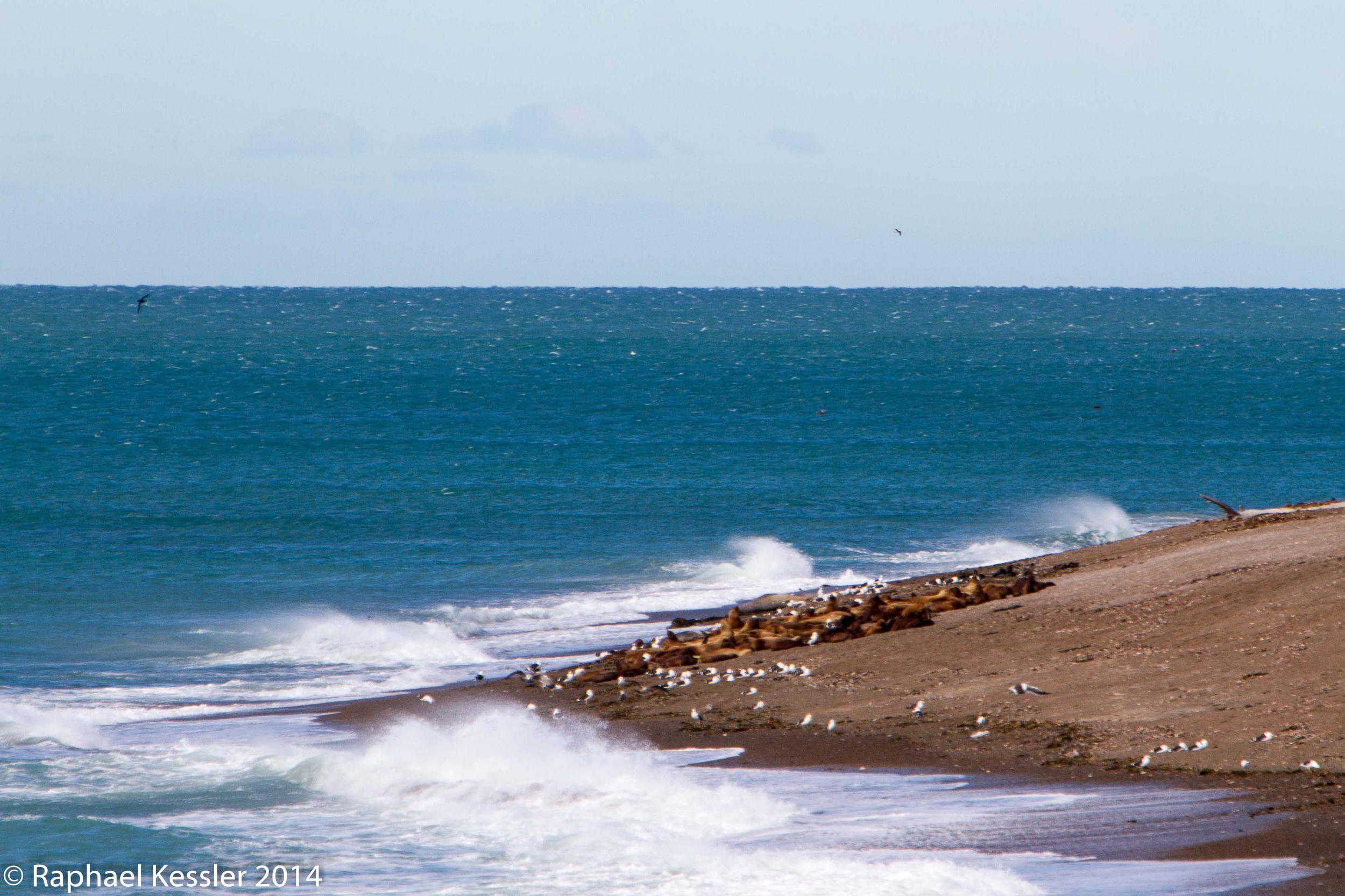
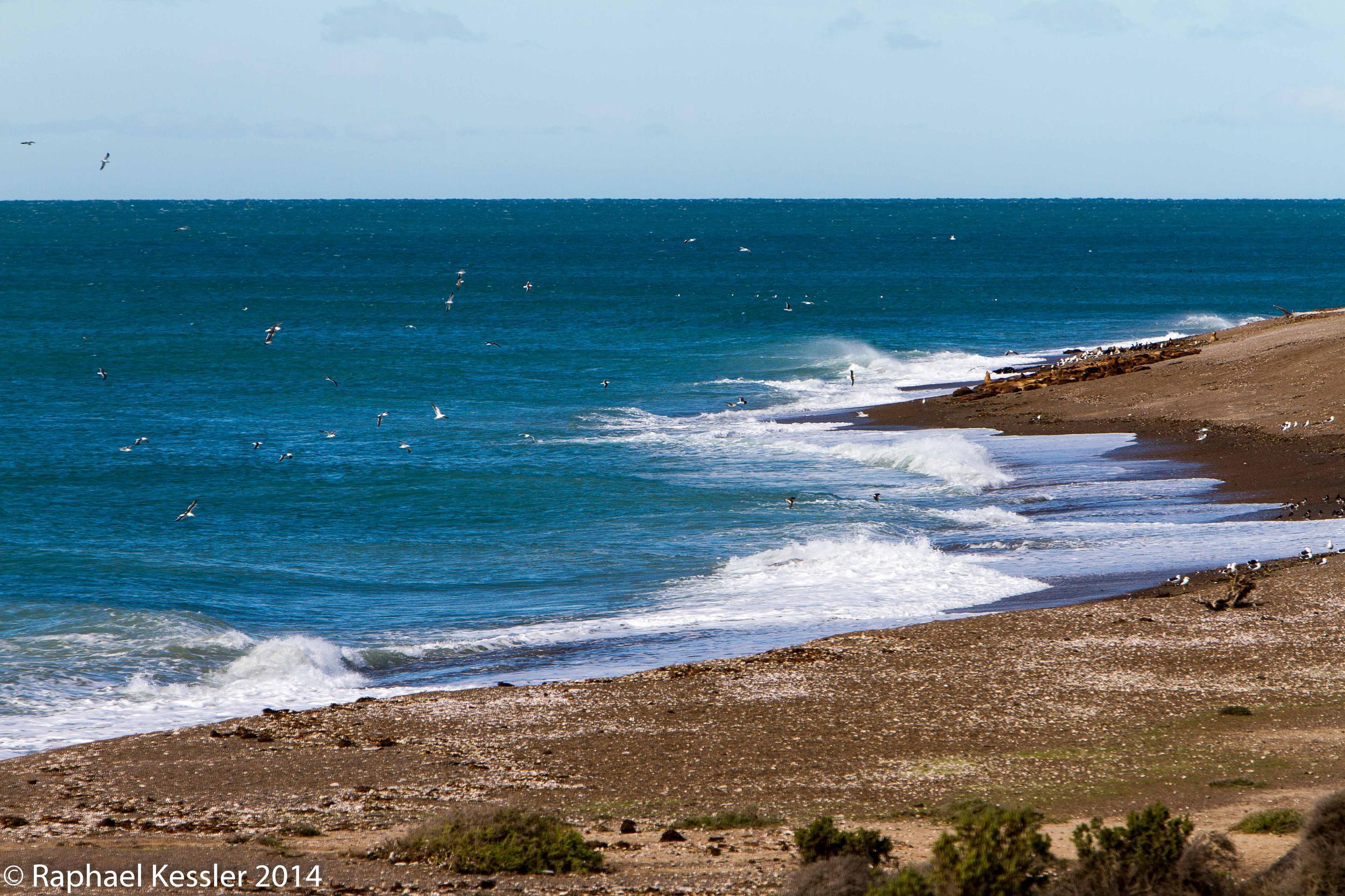
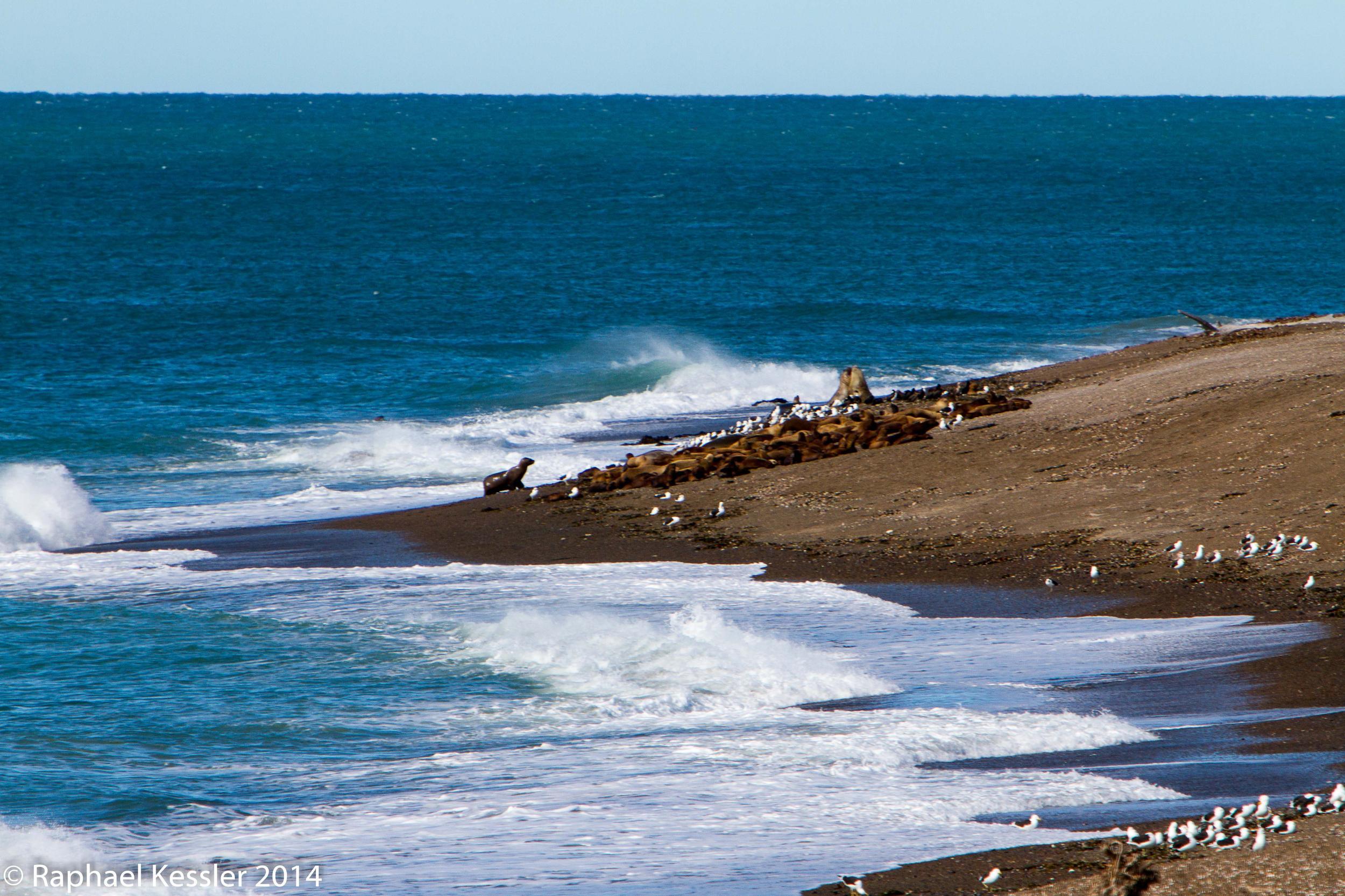
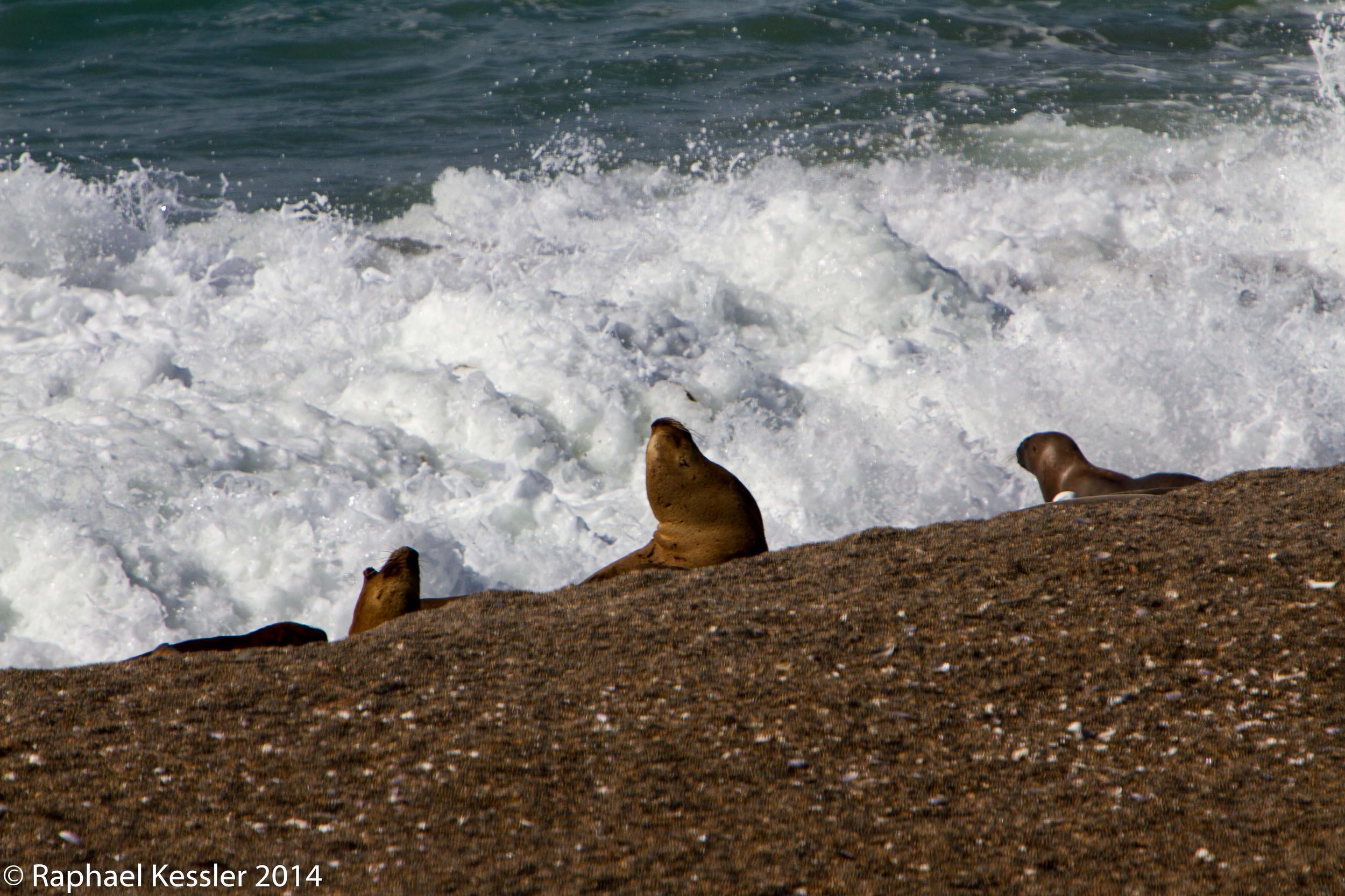
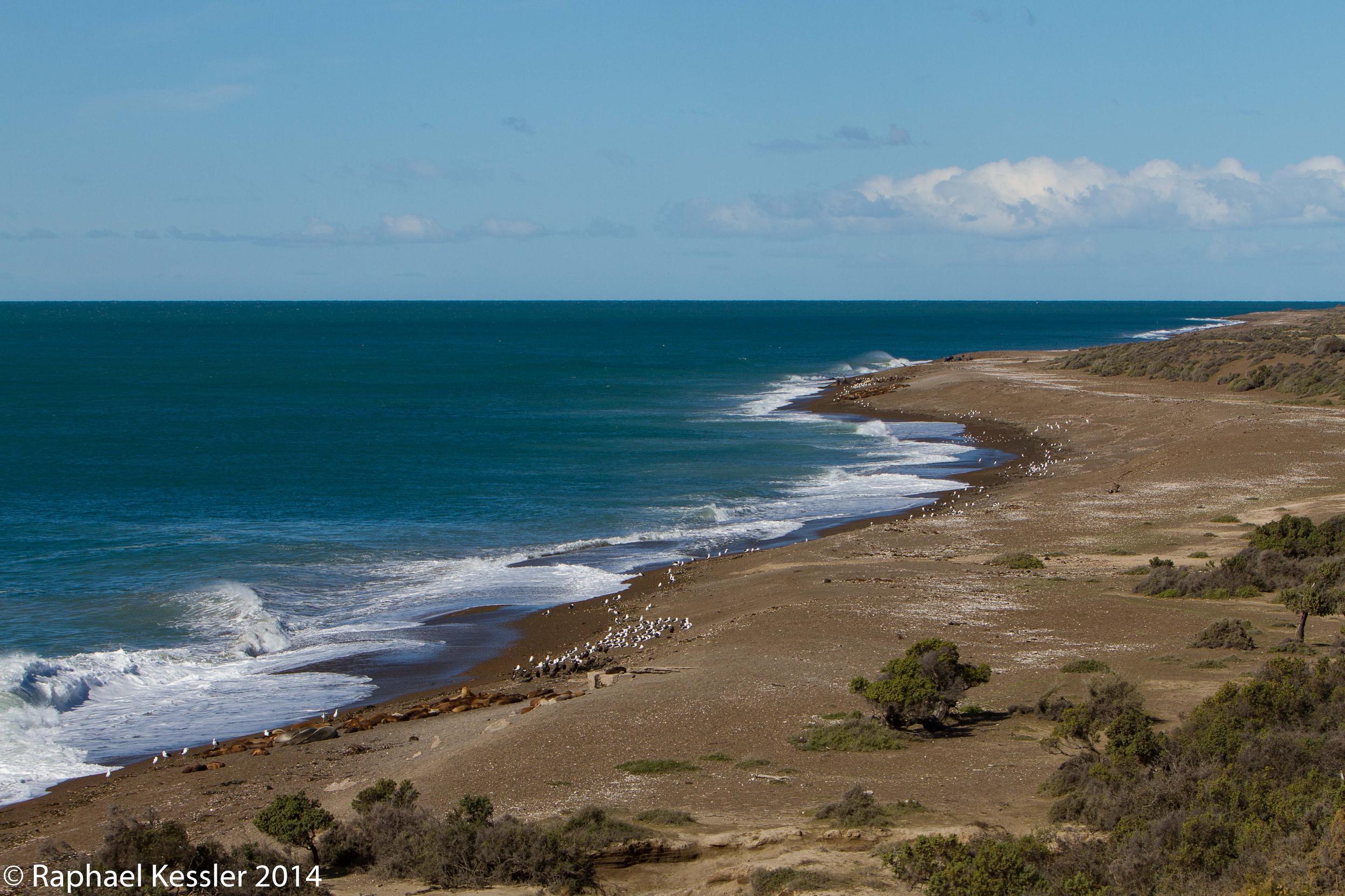
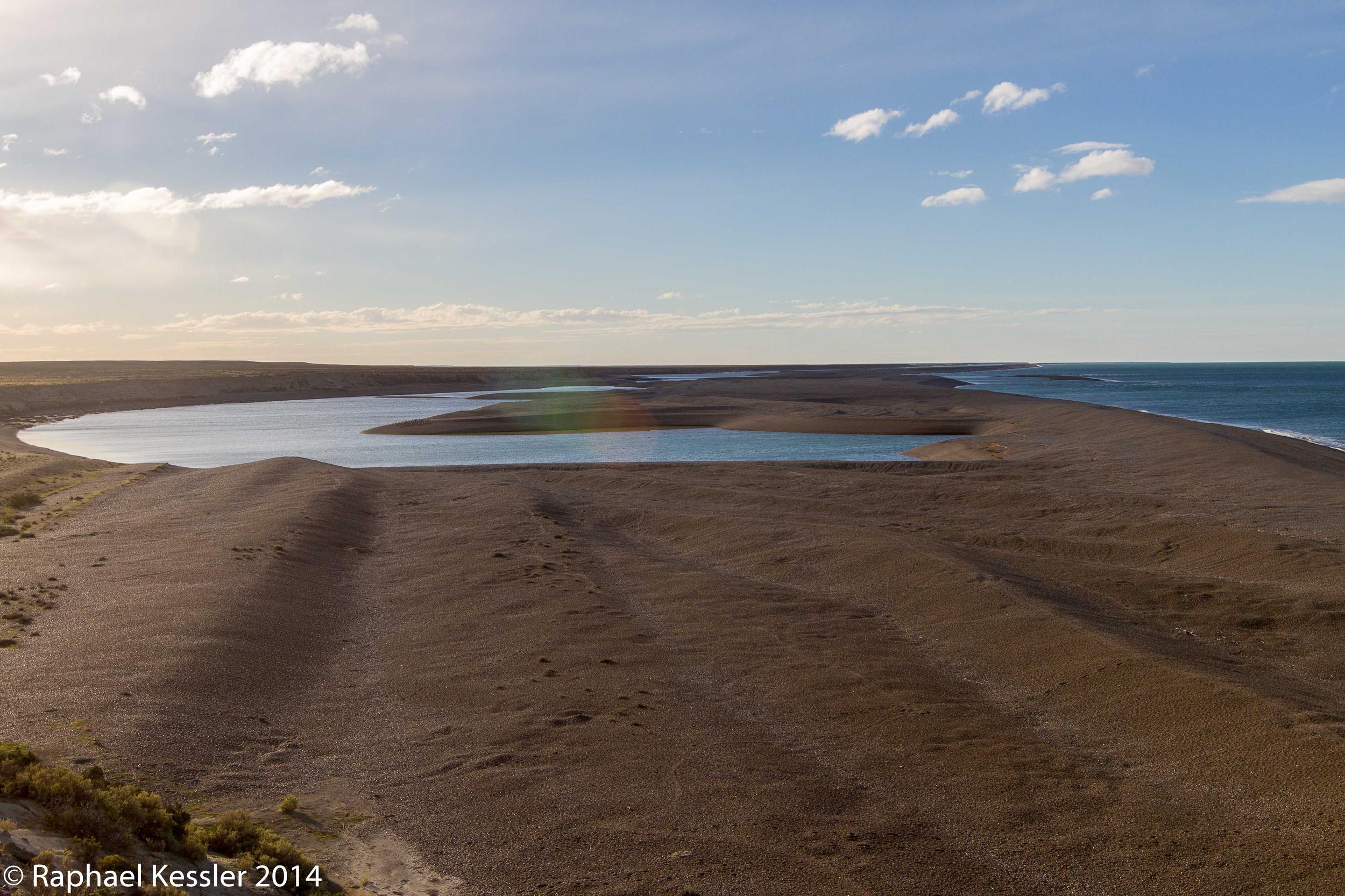
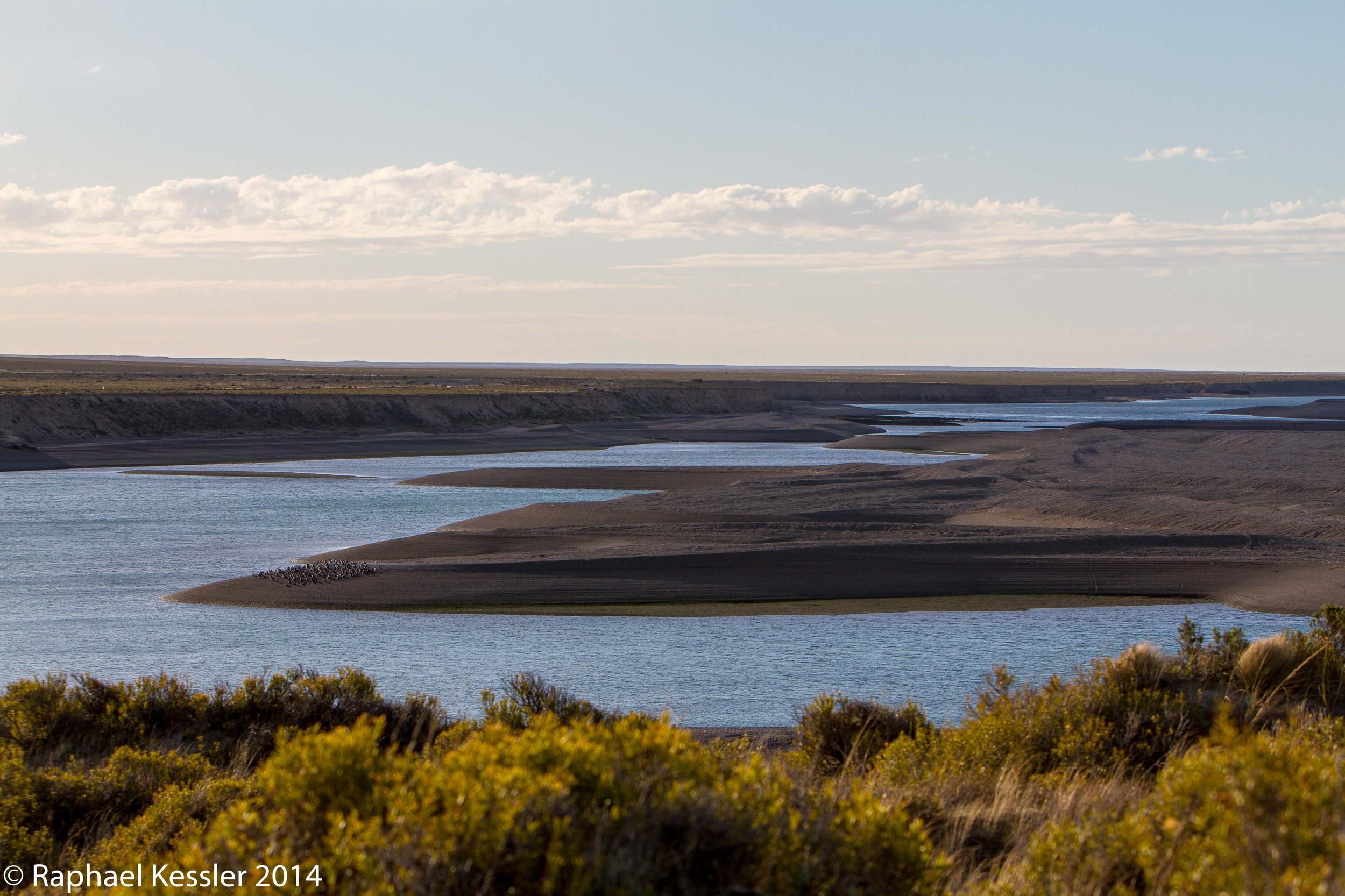
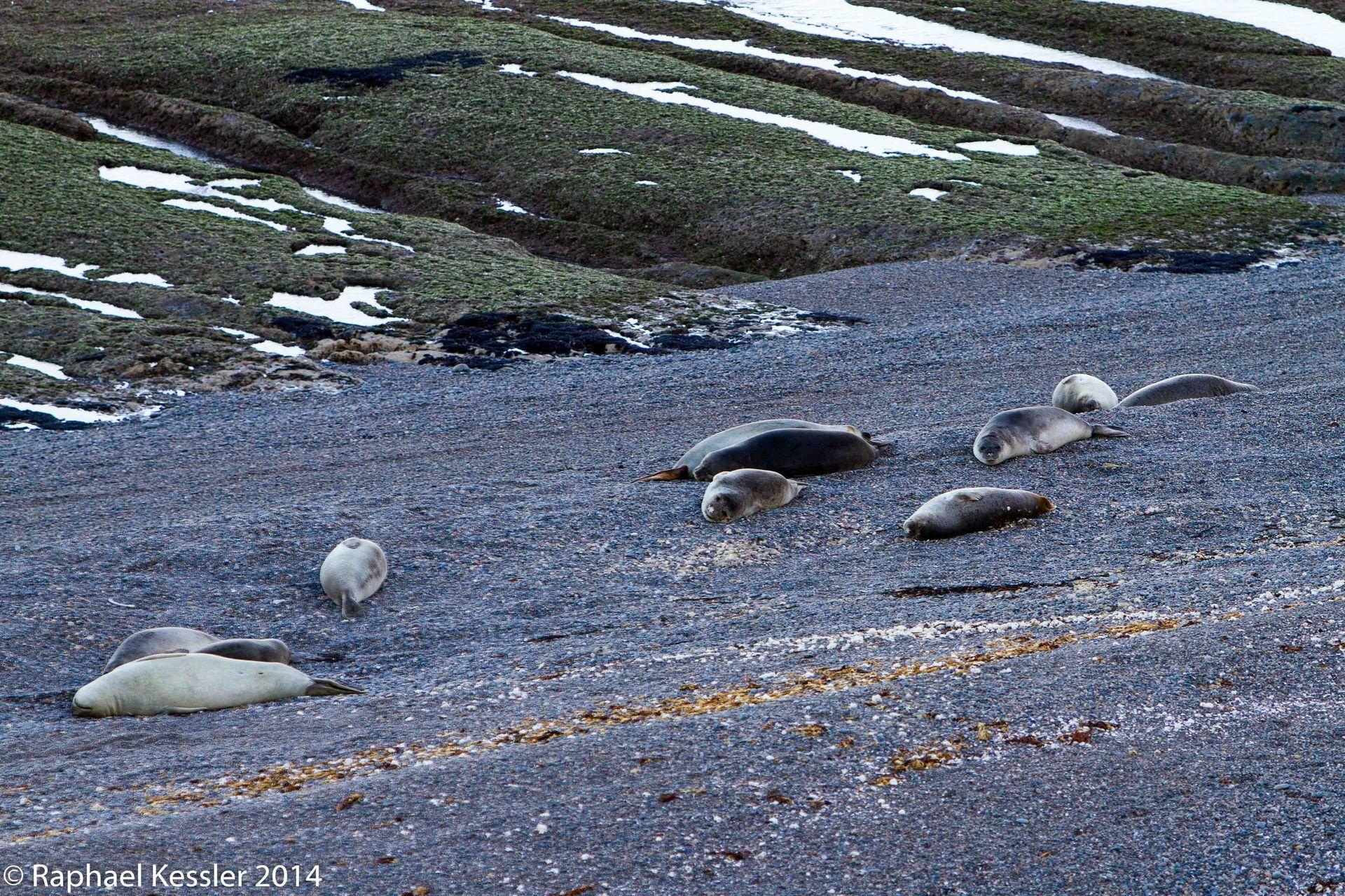
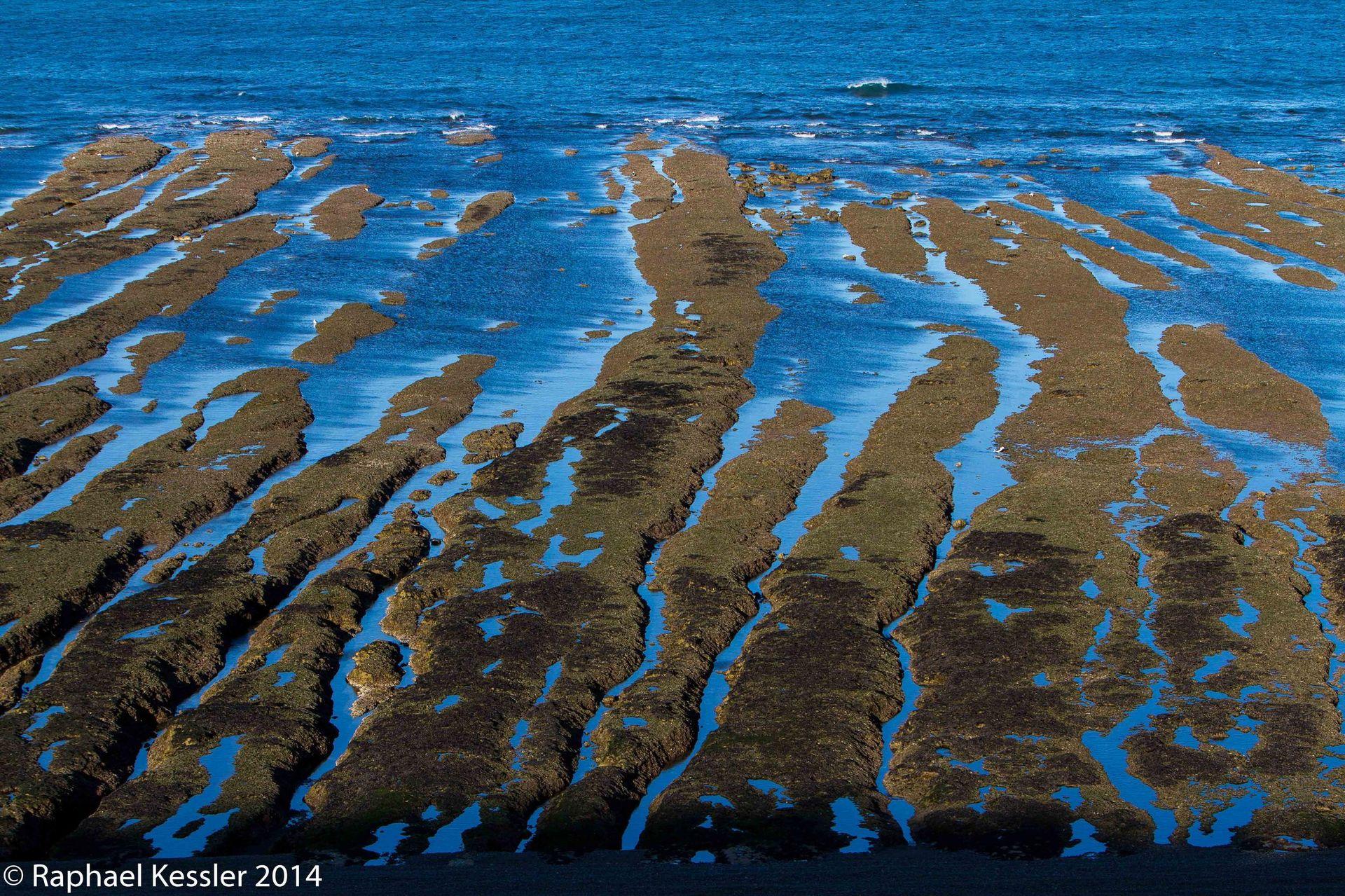
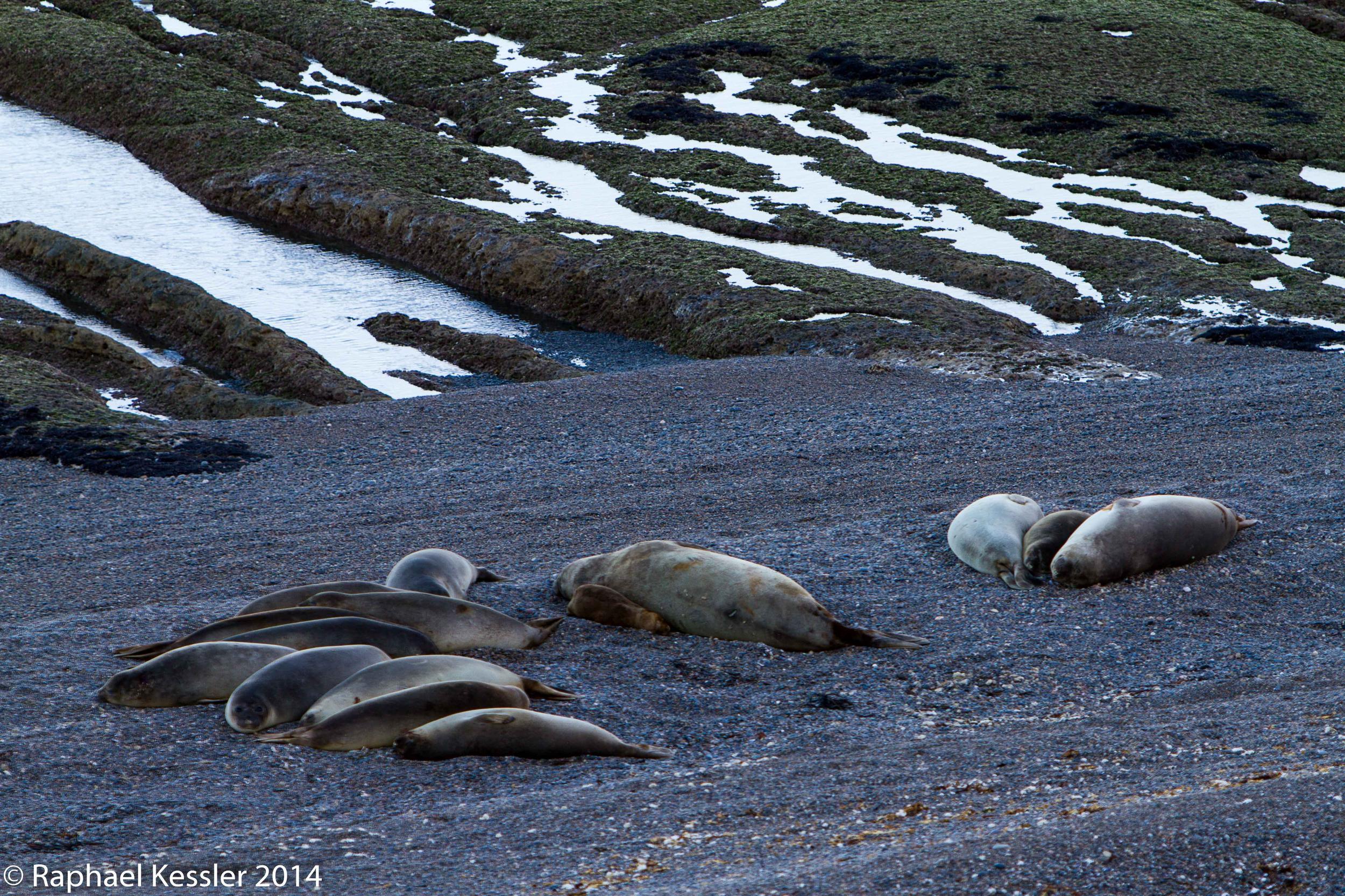
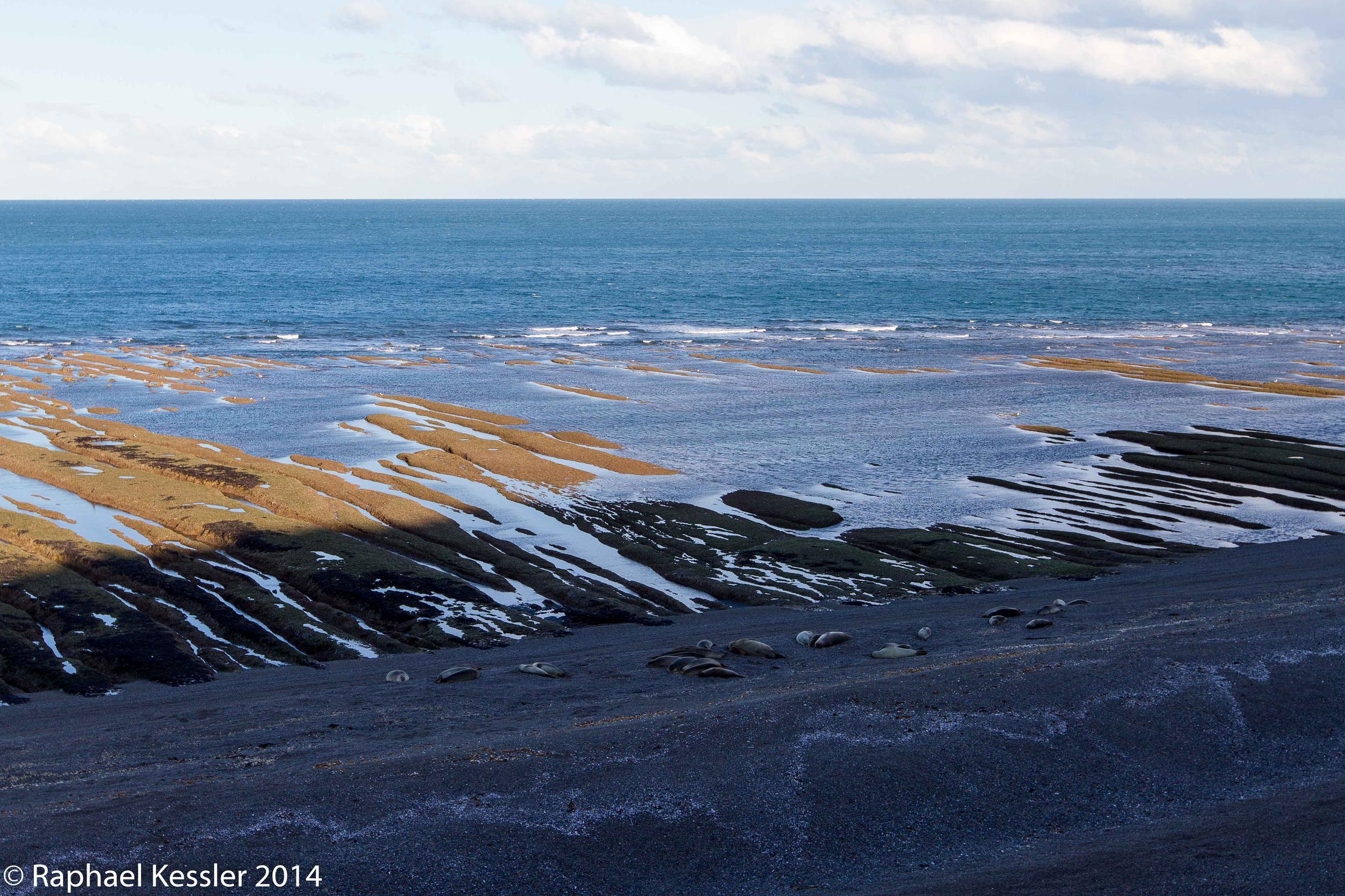
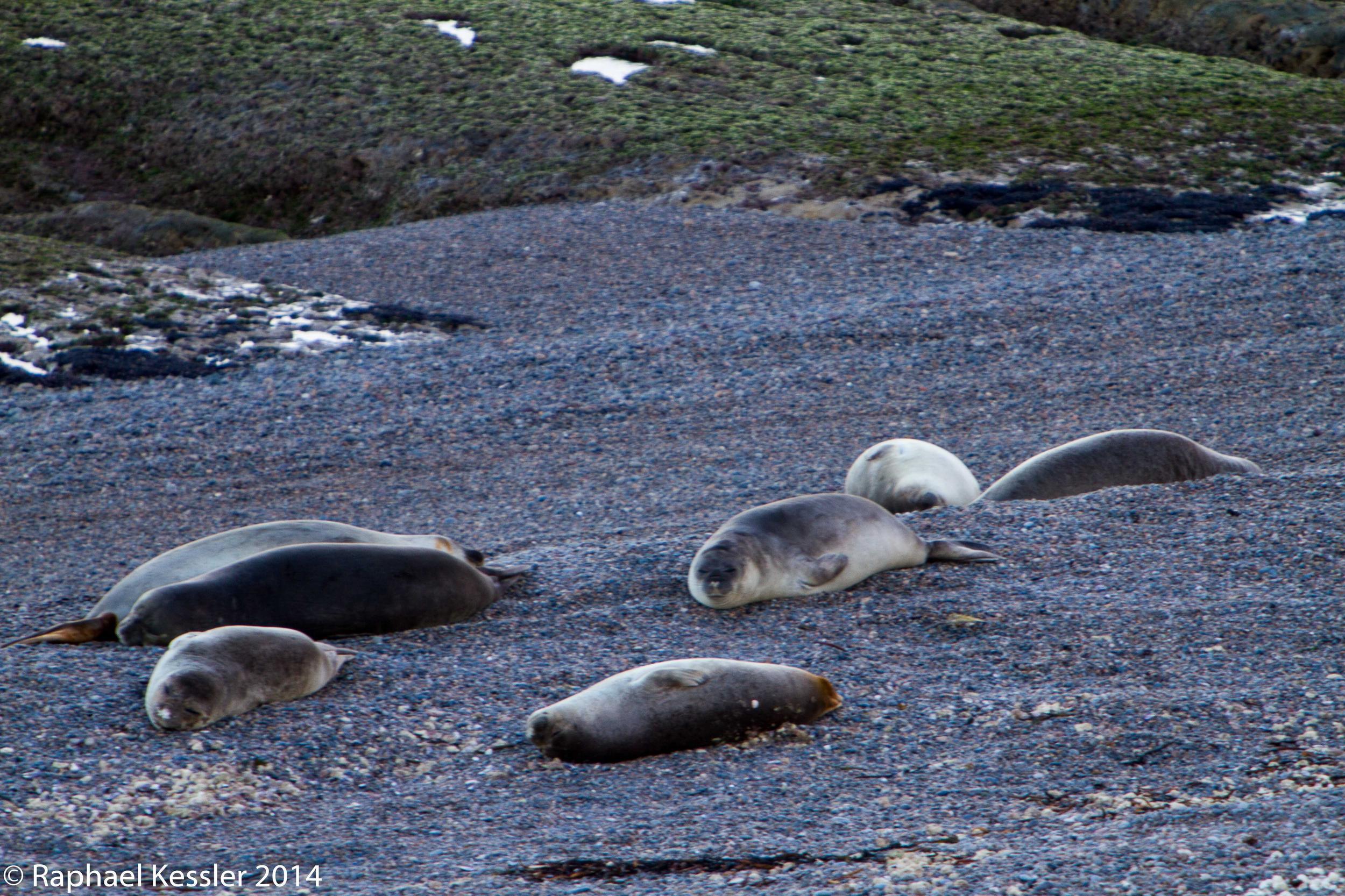
Peninsula Valdez is home to sealions, elephant seals, penguins and visiting orcas and whales. We got to see four orcas in the distance, though not an attack.
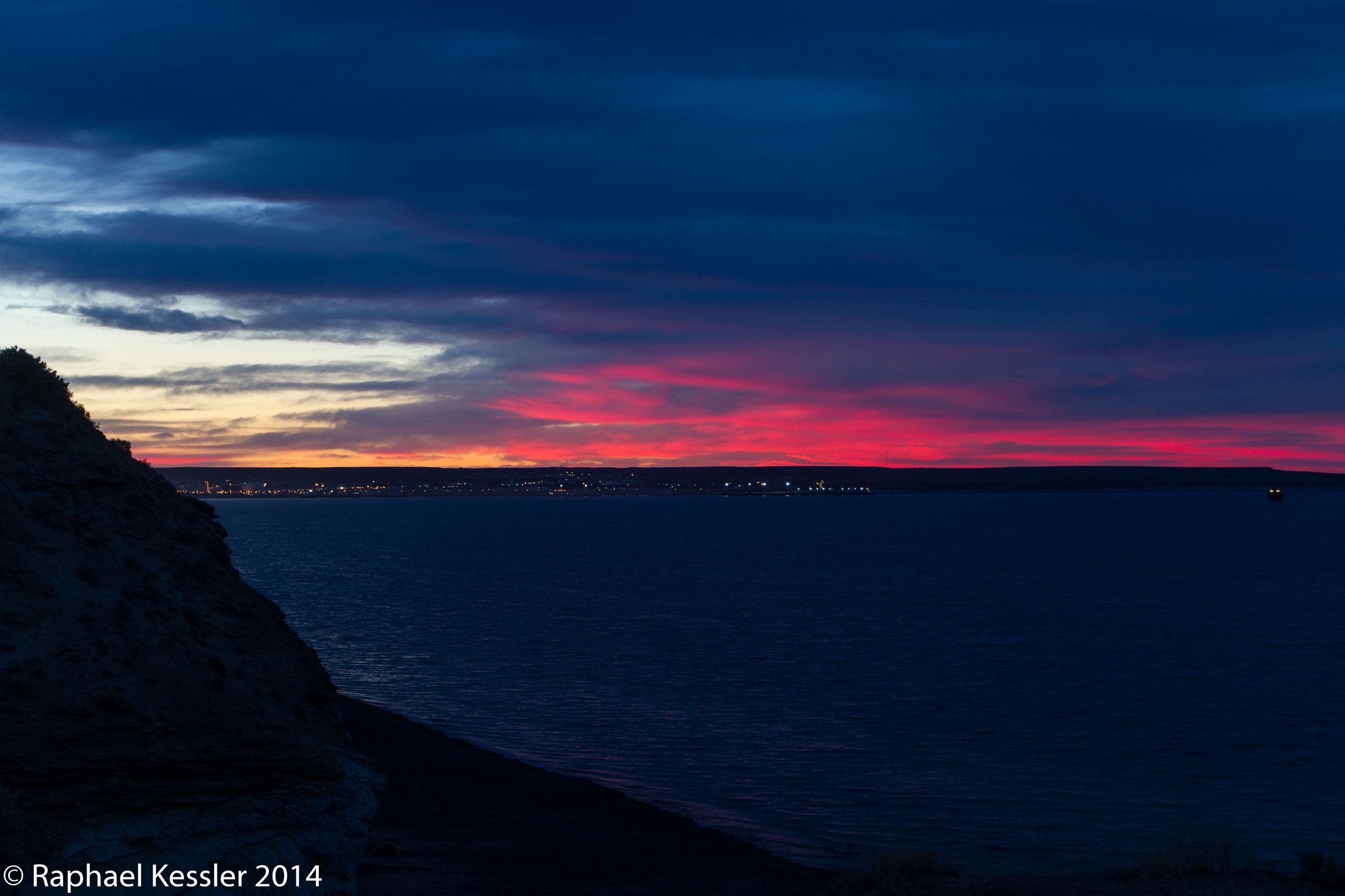
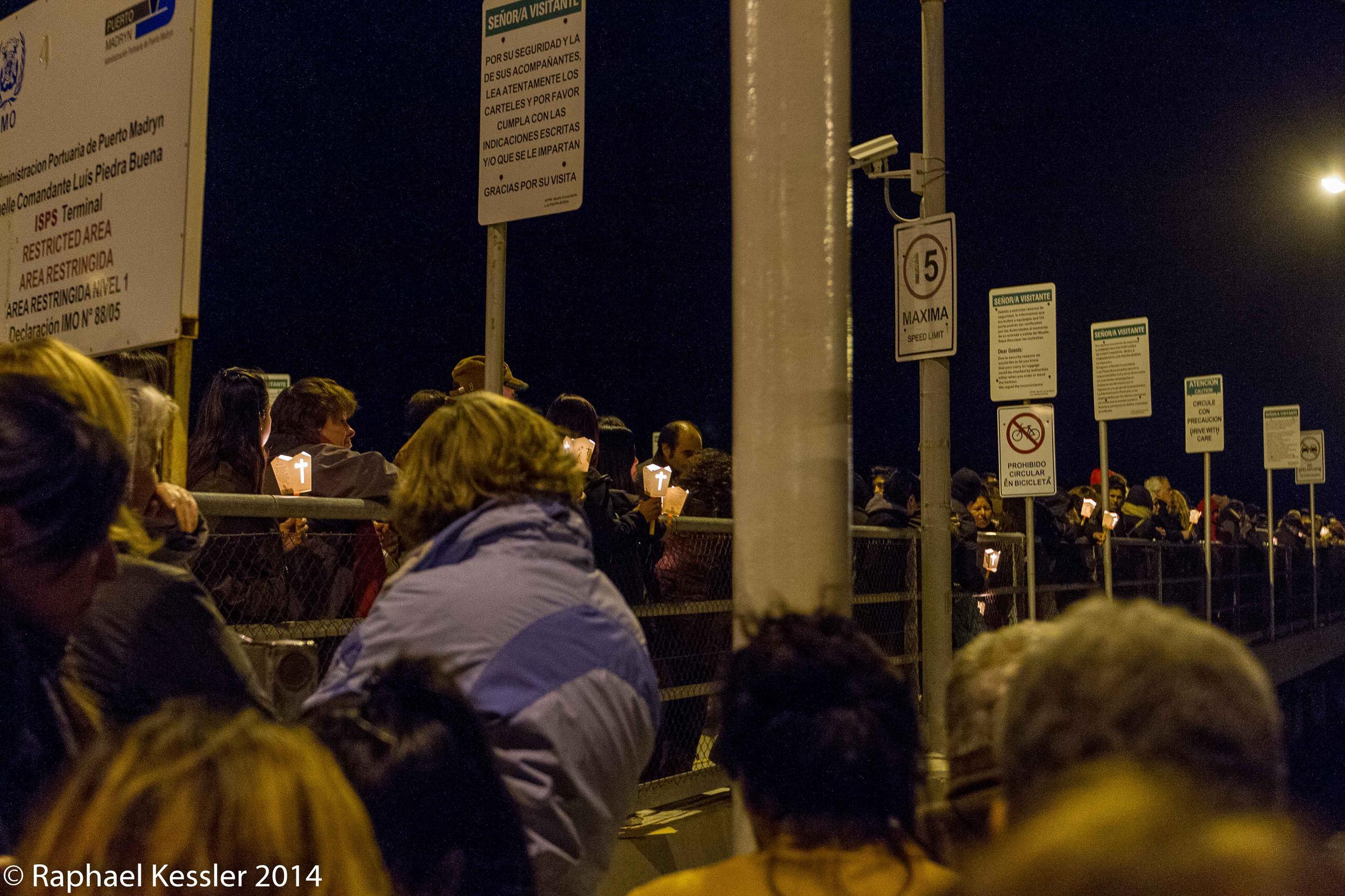
Puerto Madryn is a pleasant seaside town.
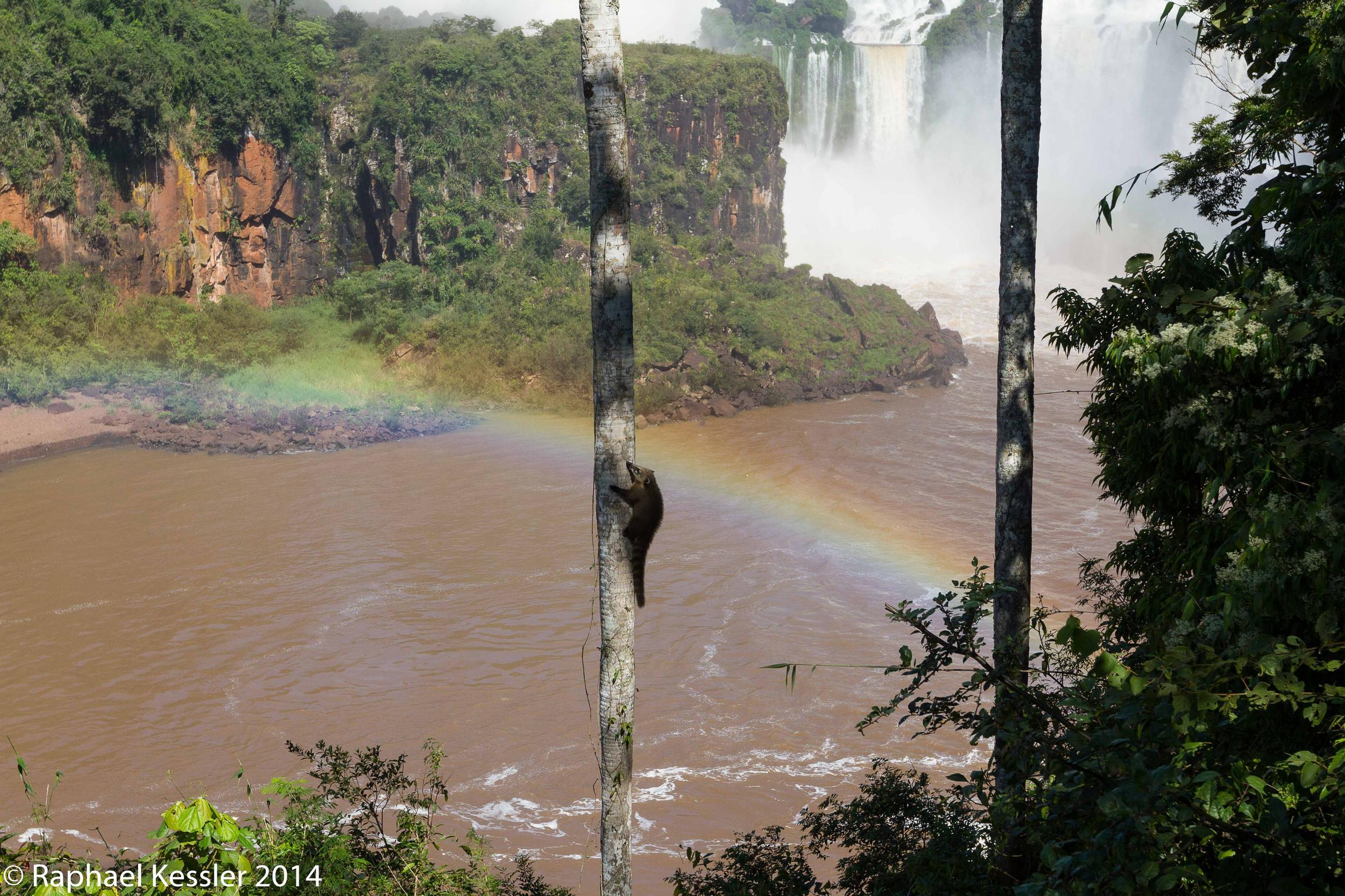
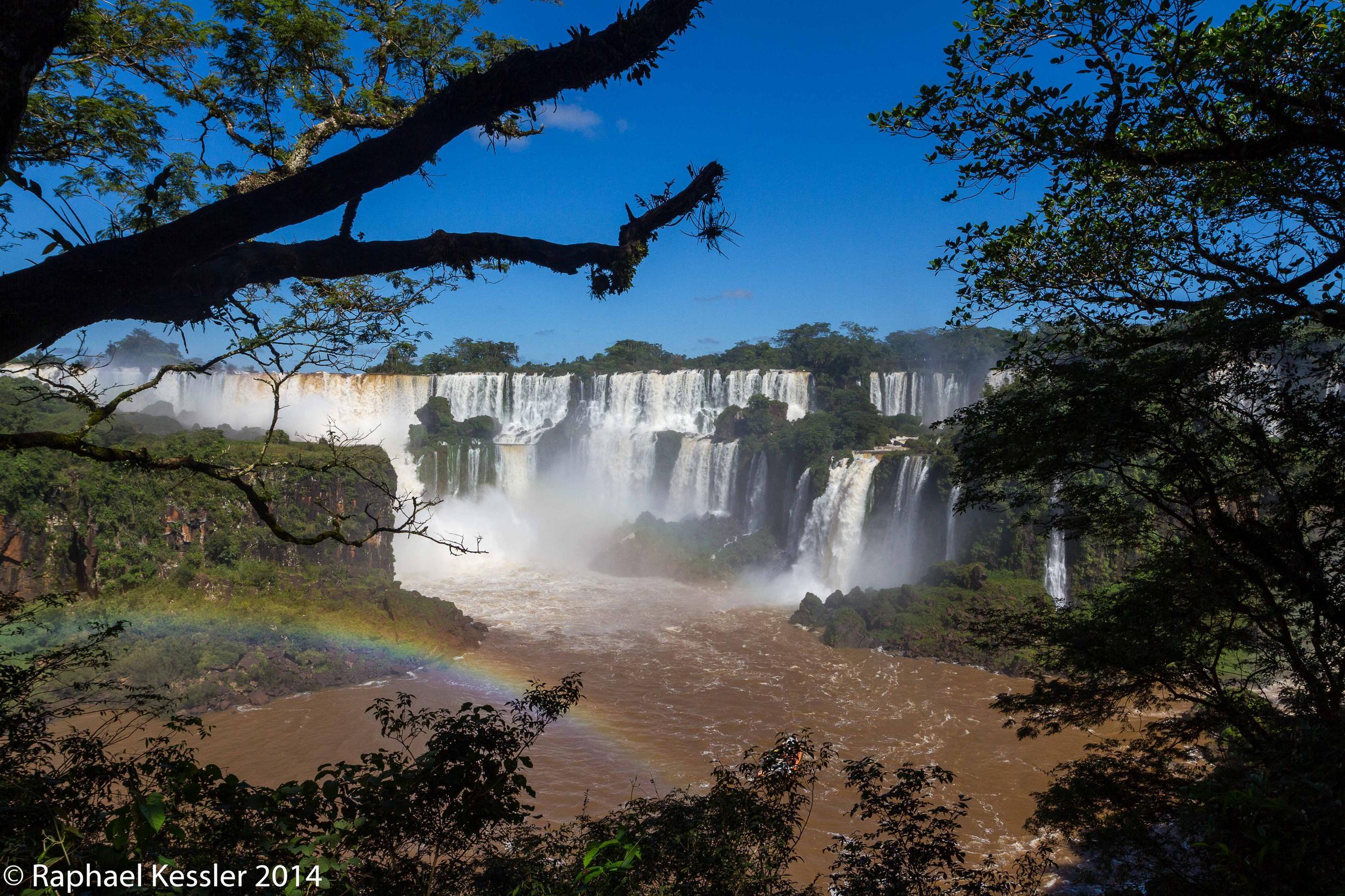
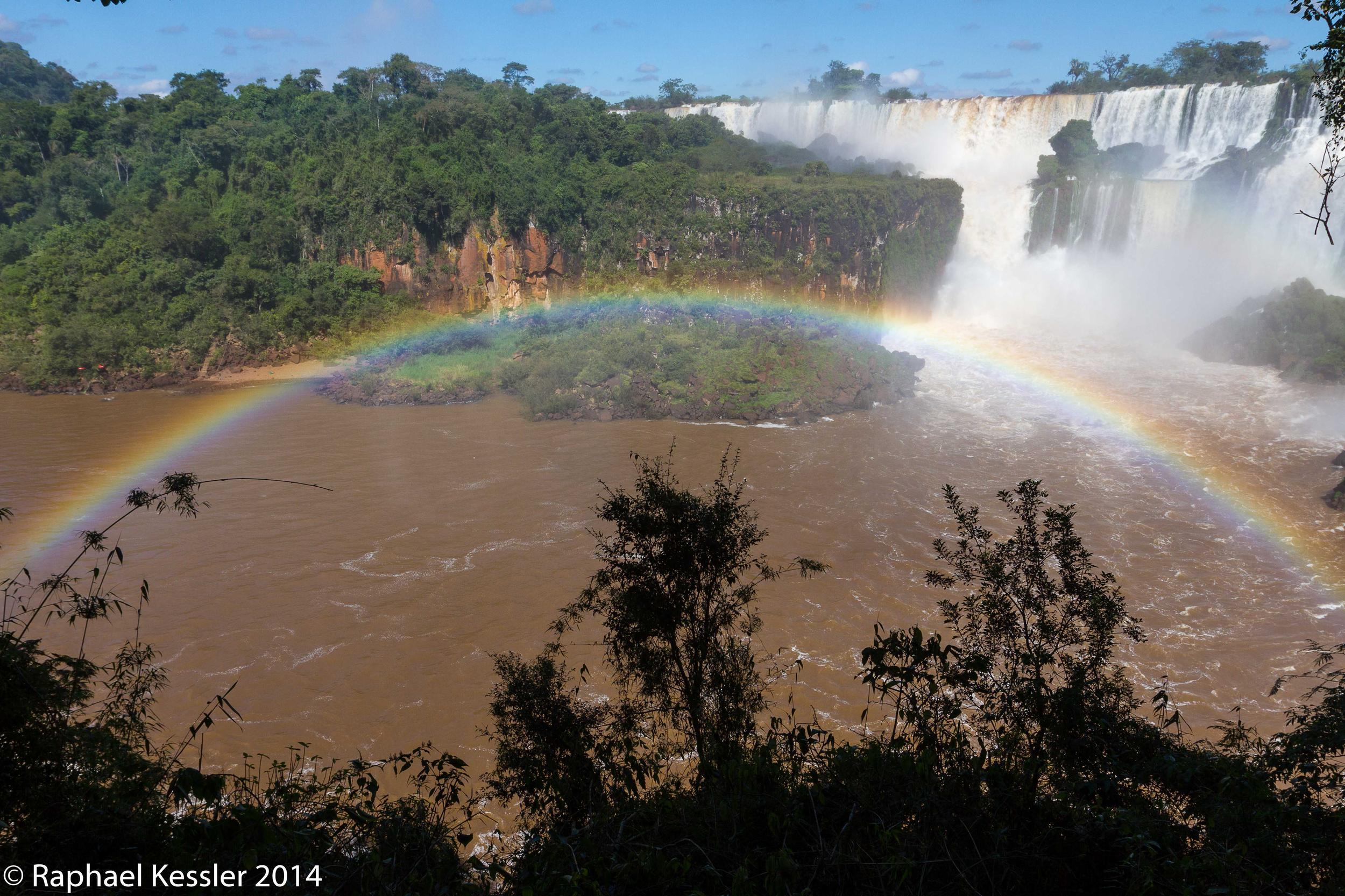
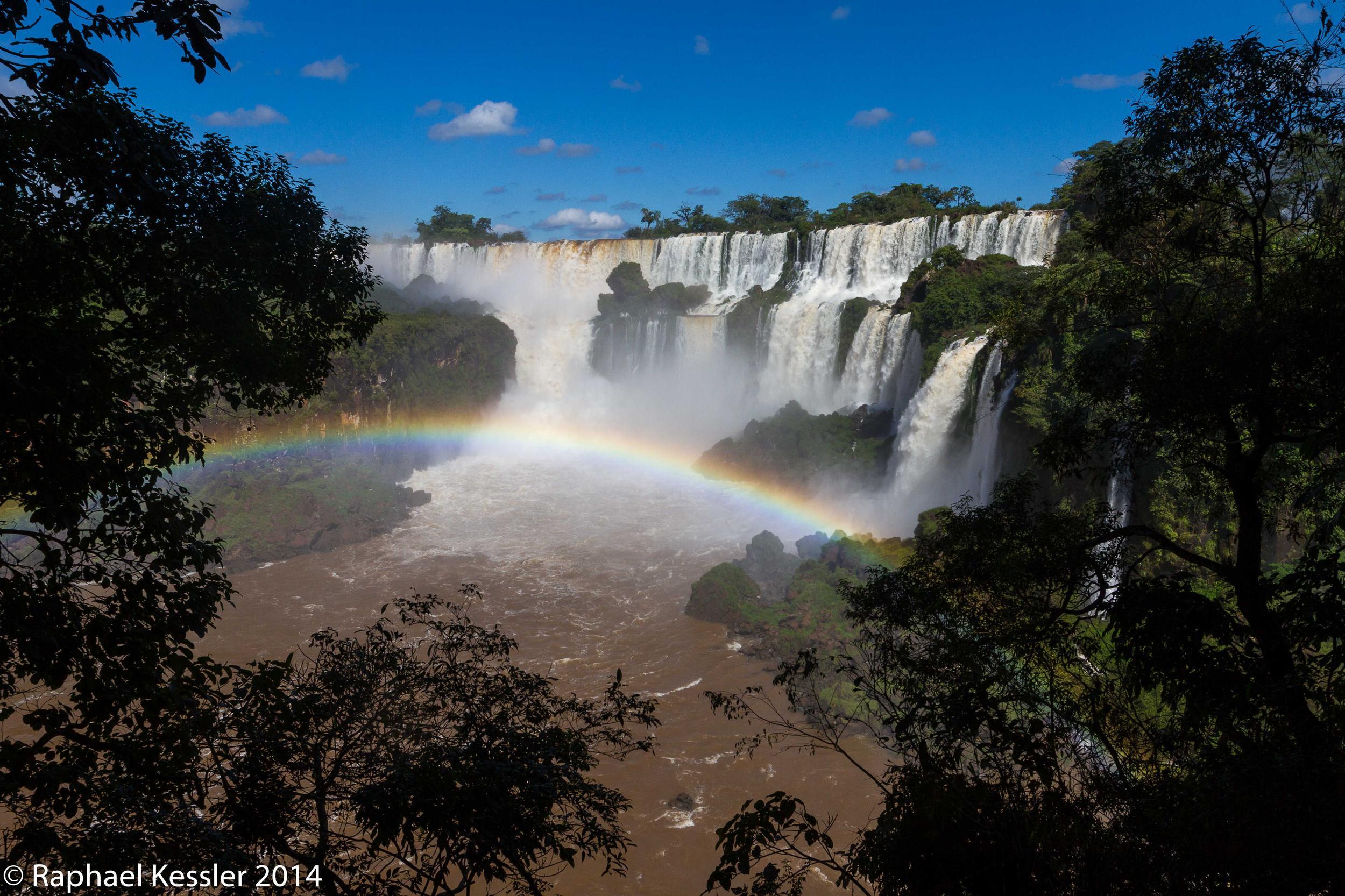
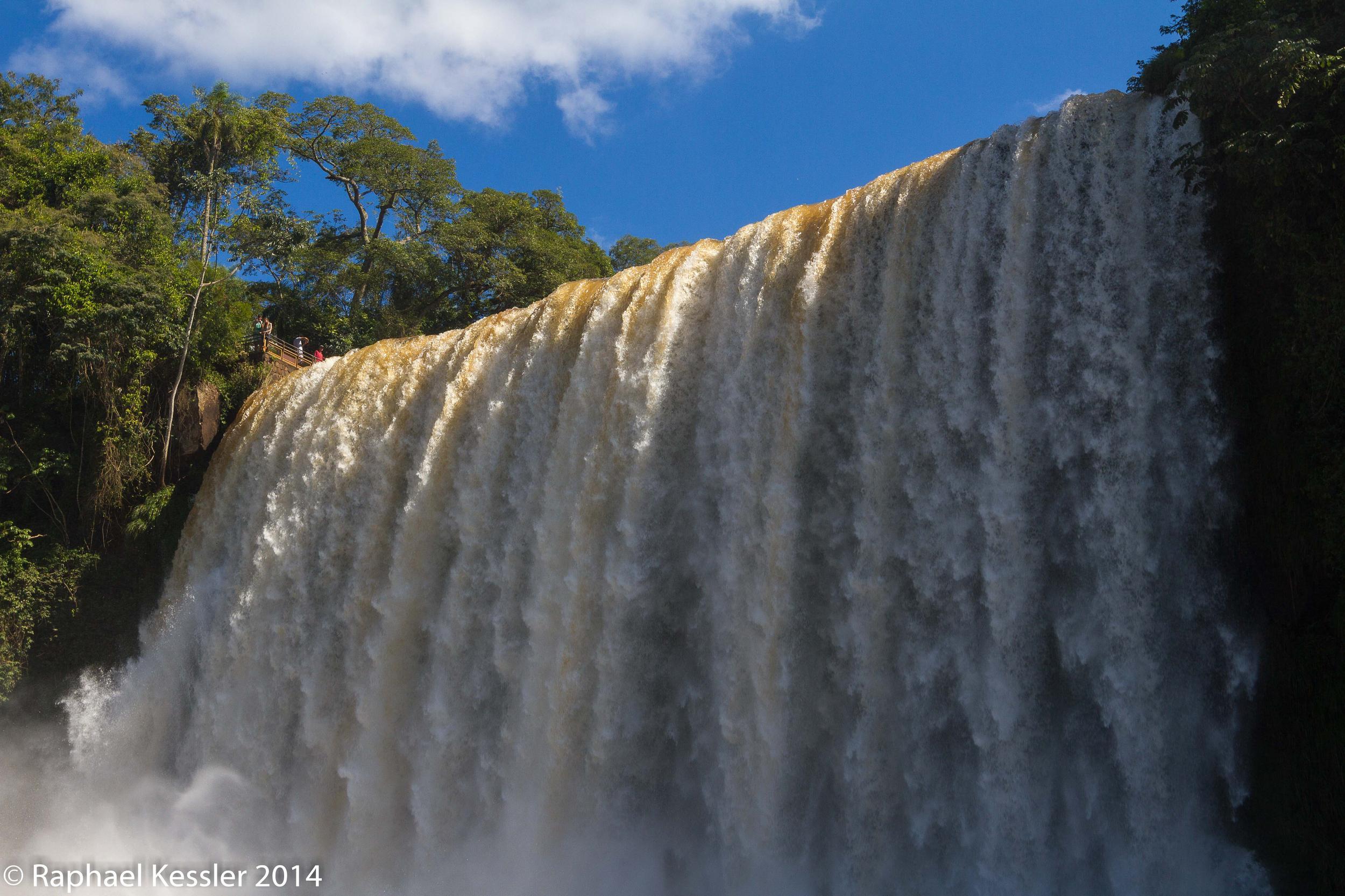
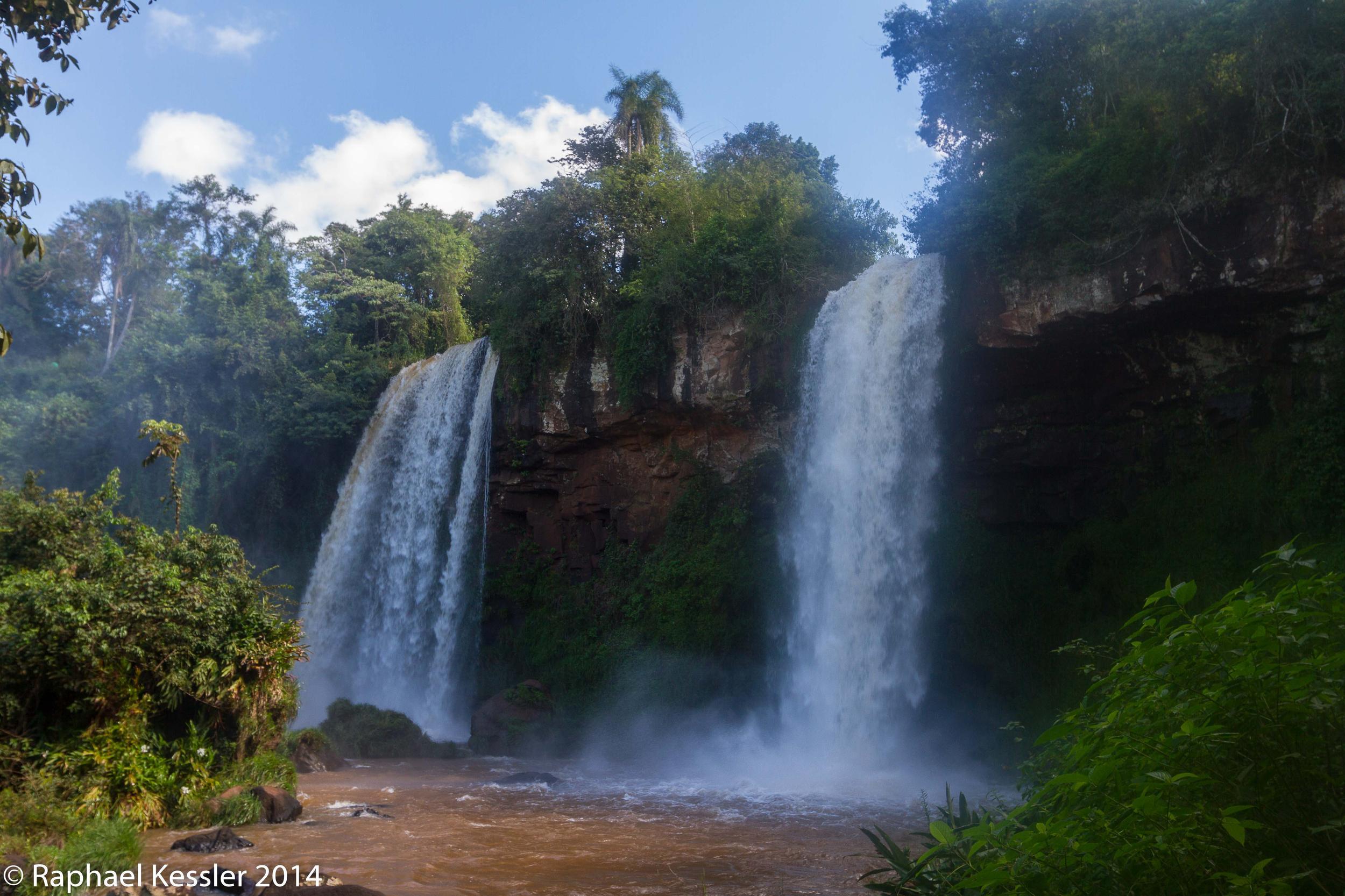
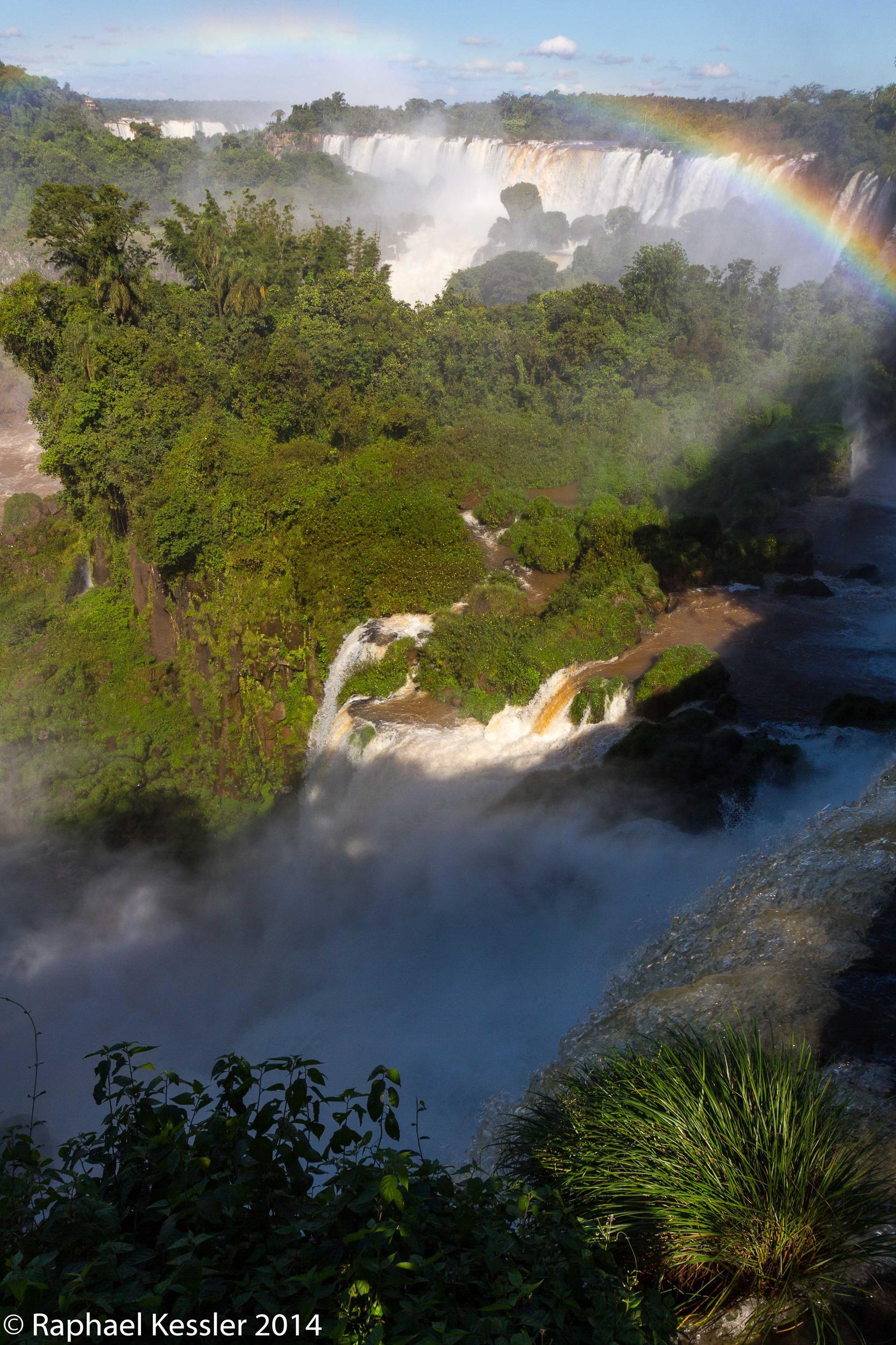
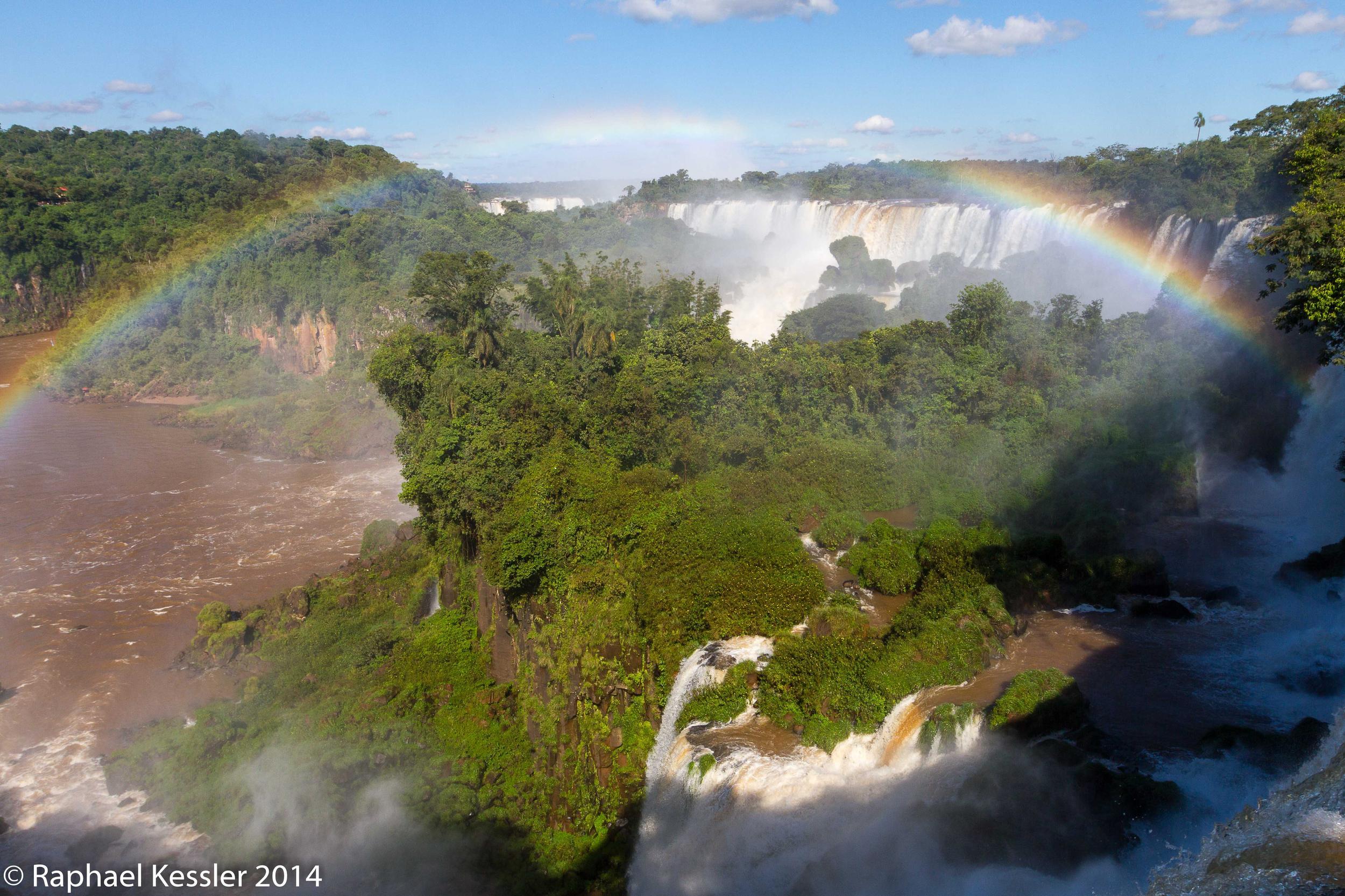
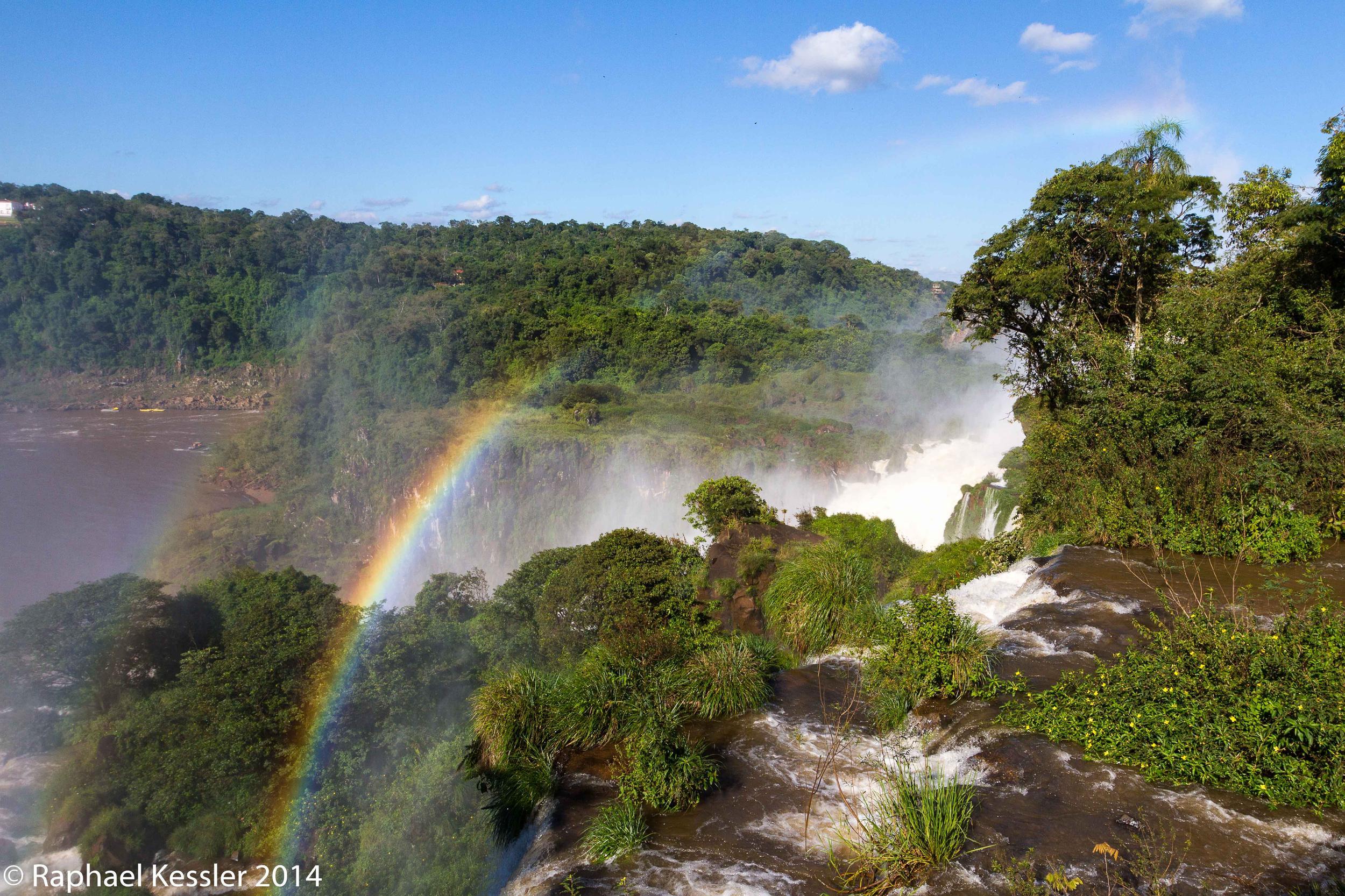
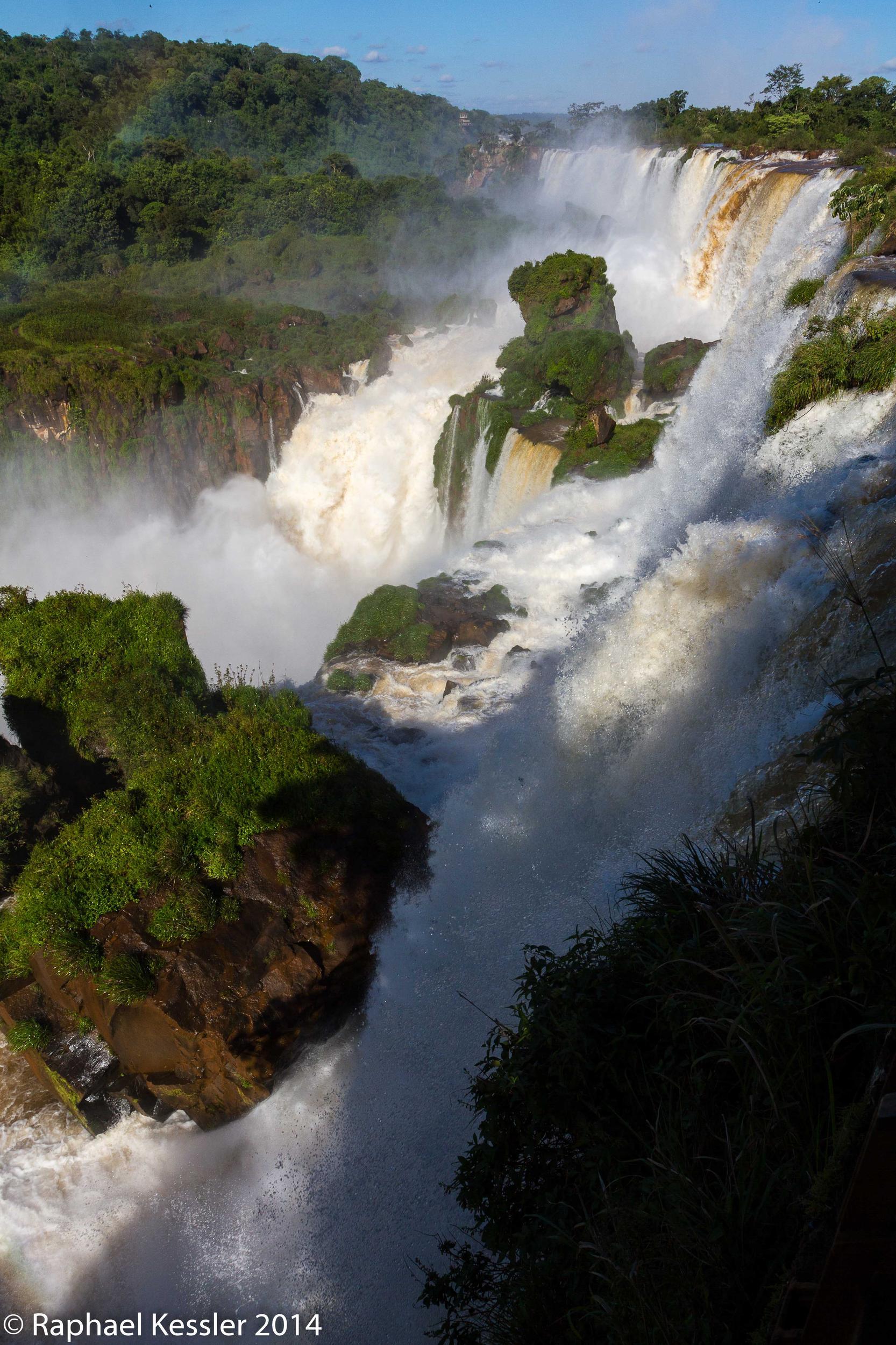
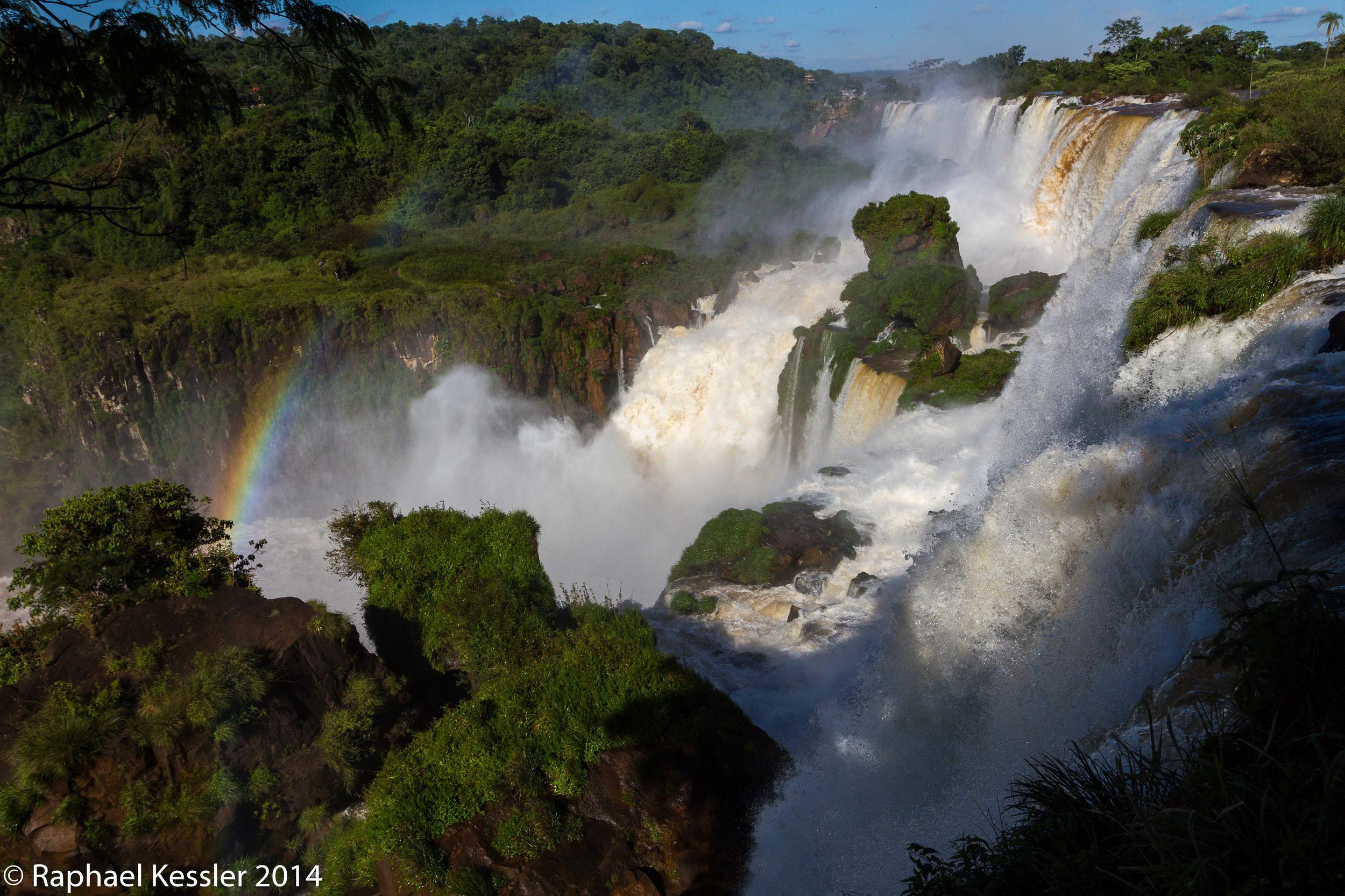
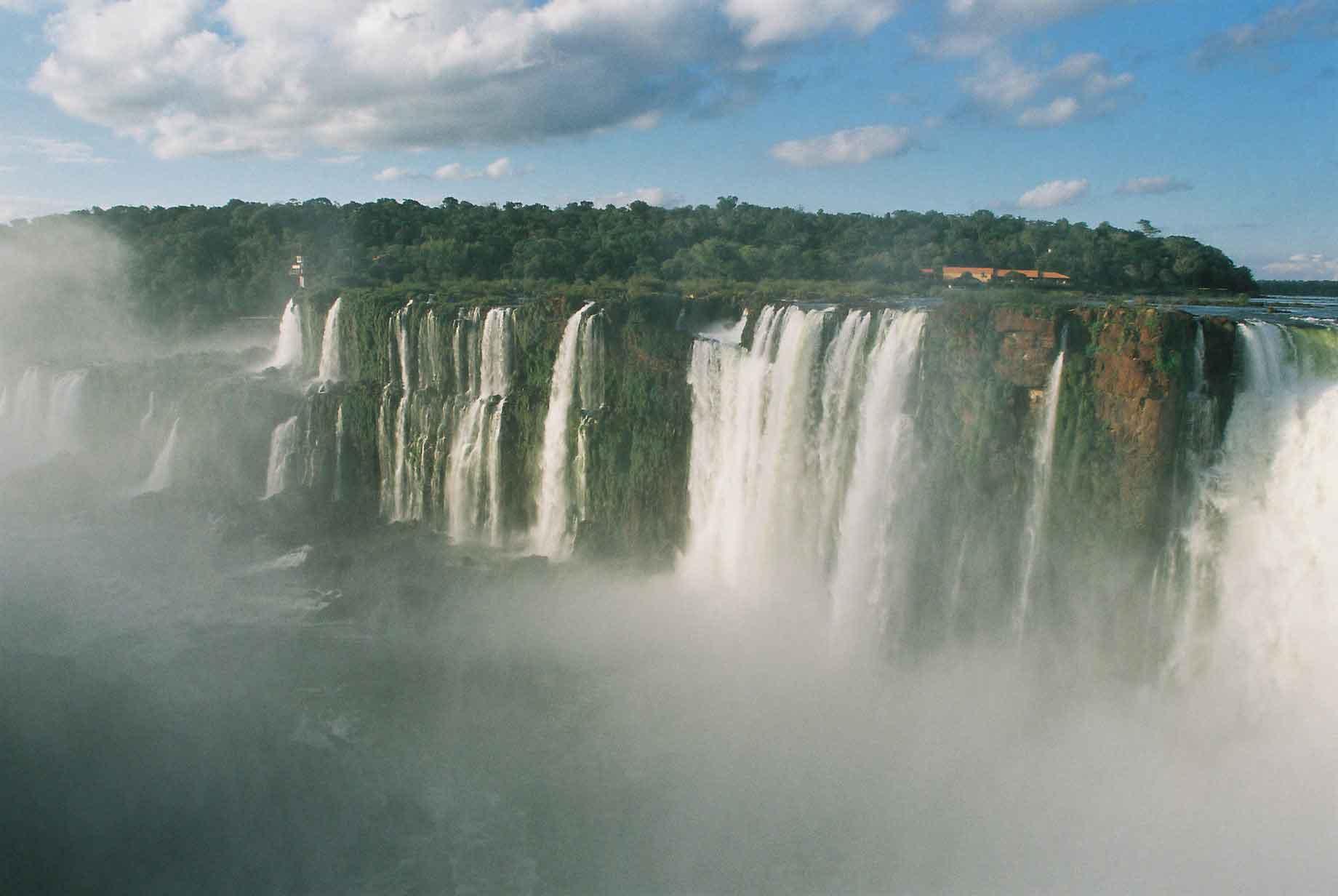
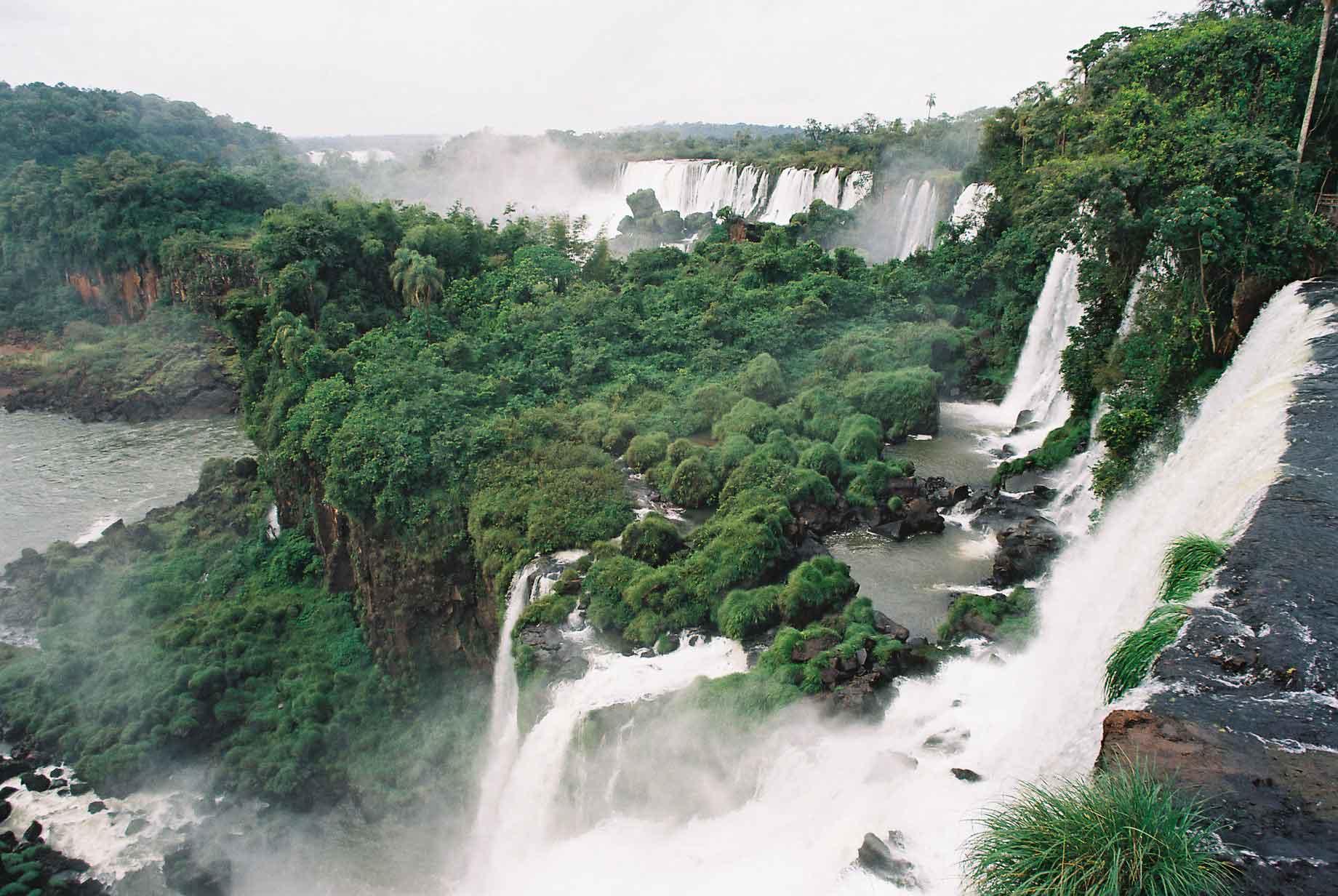
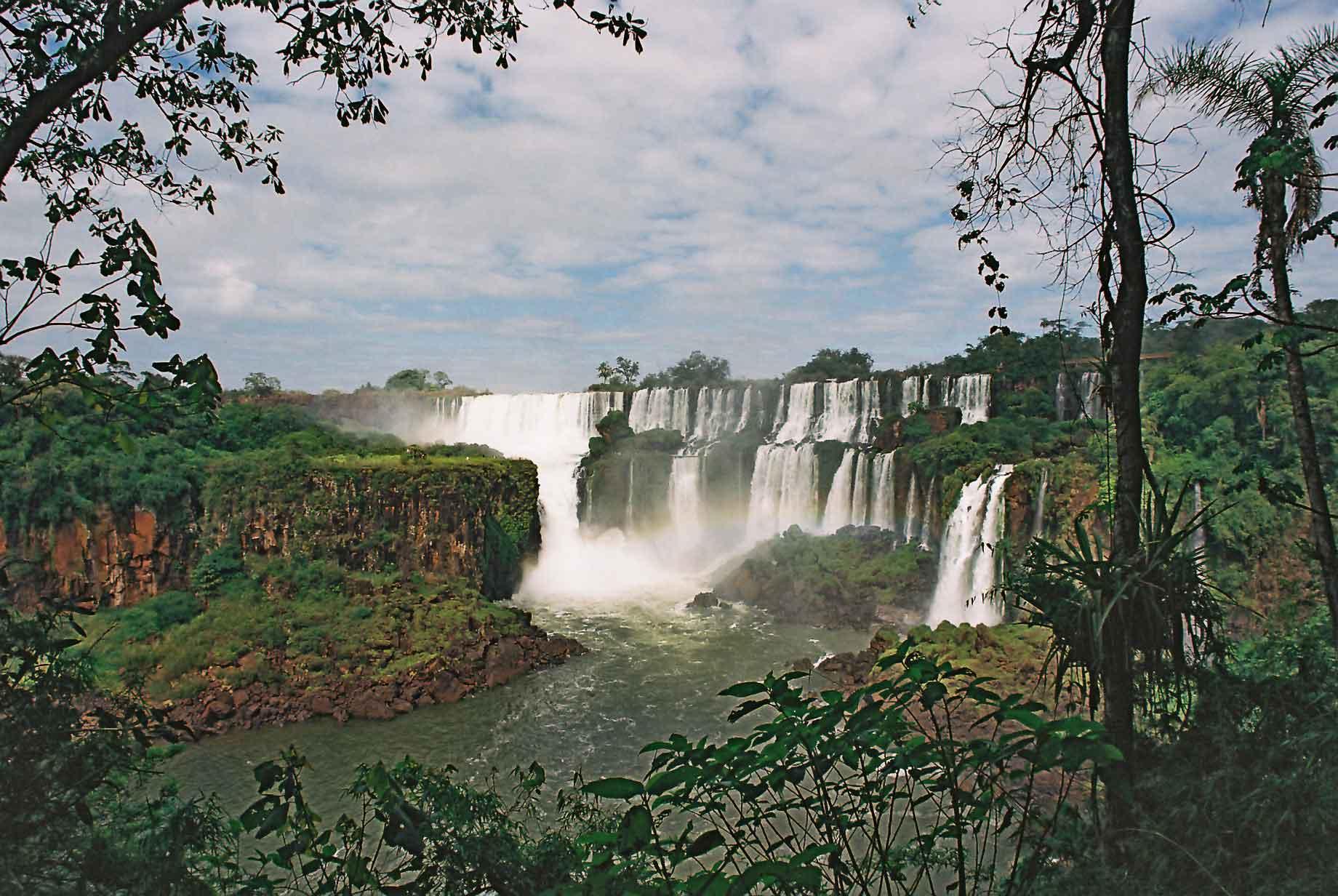
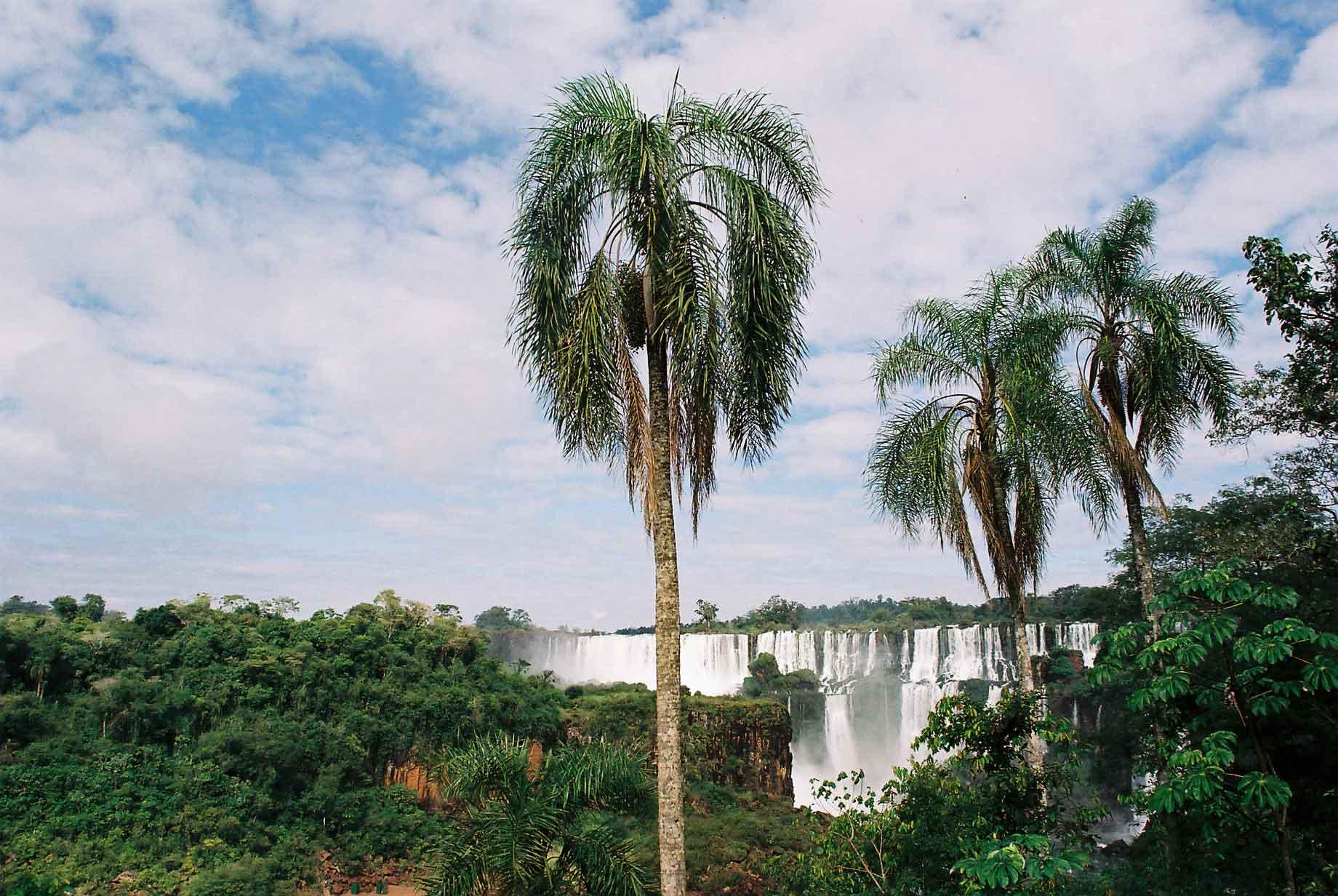
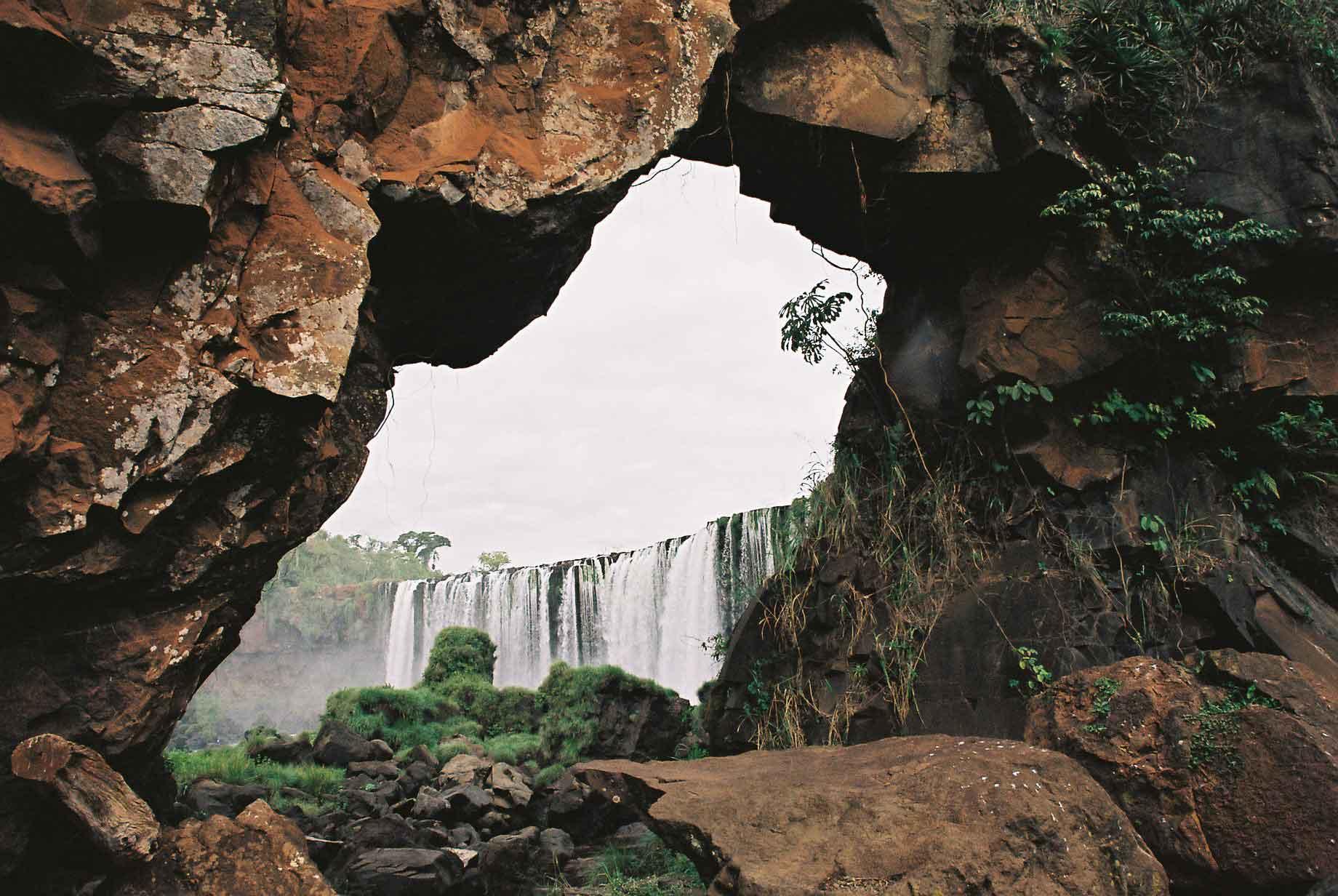
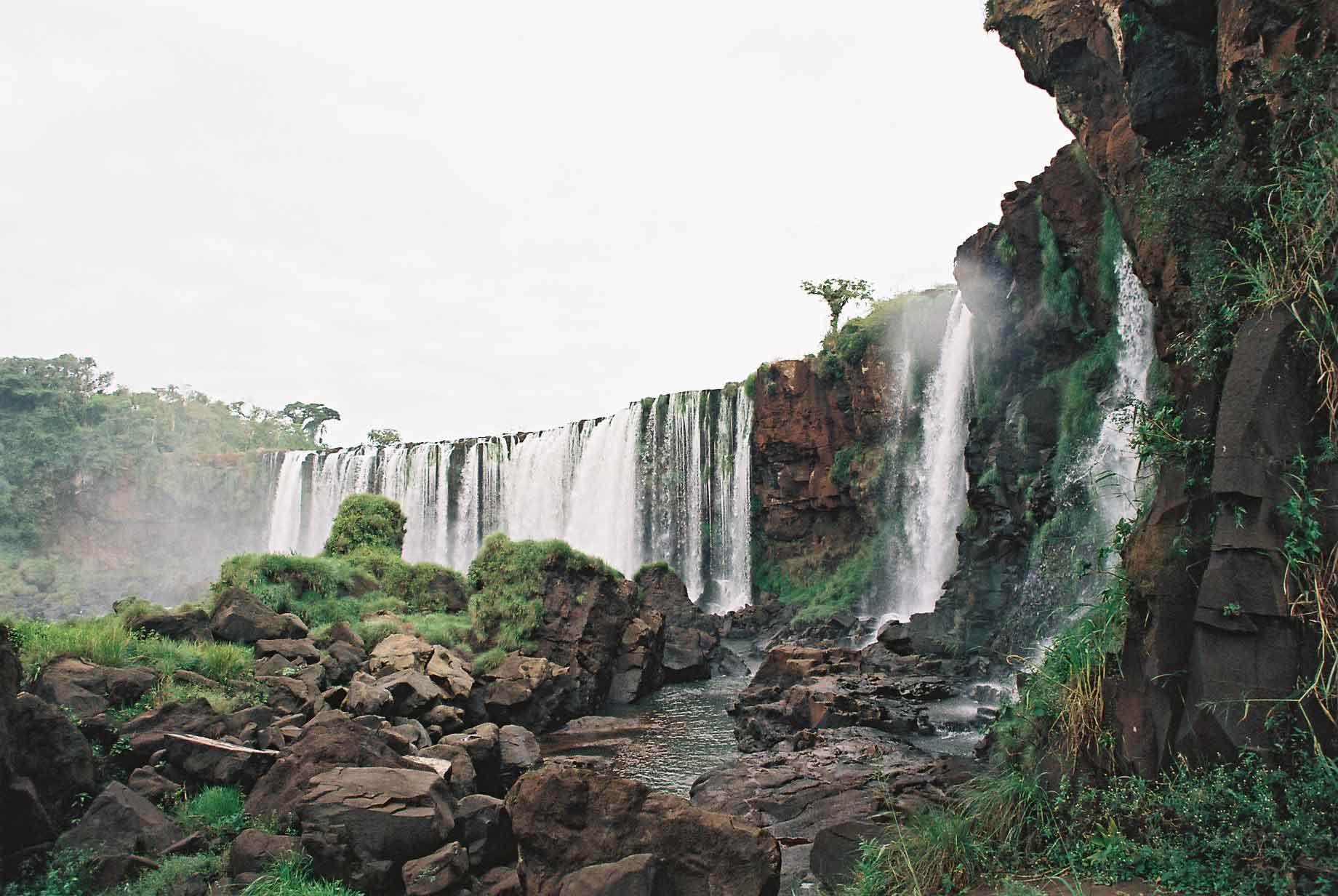
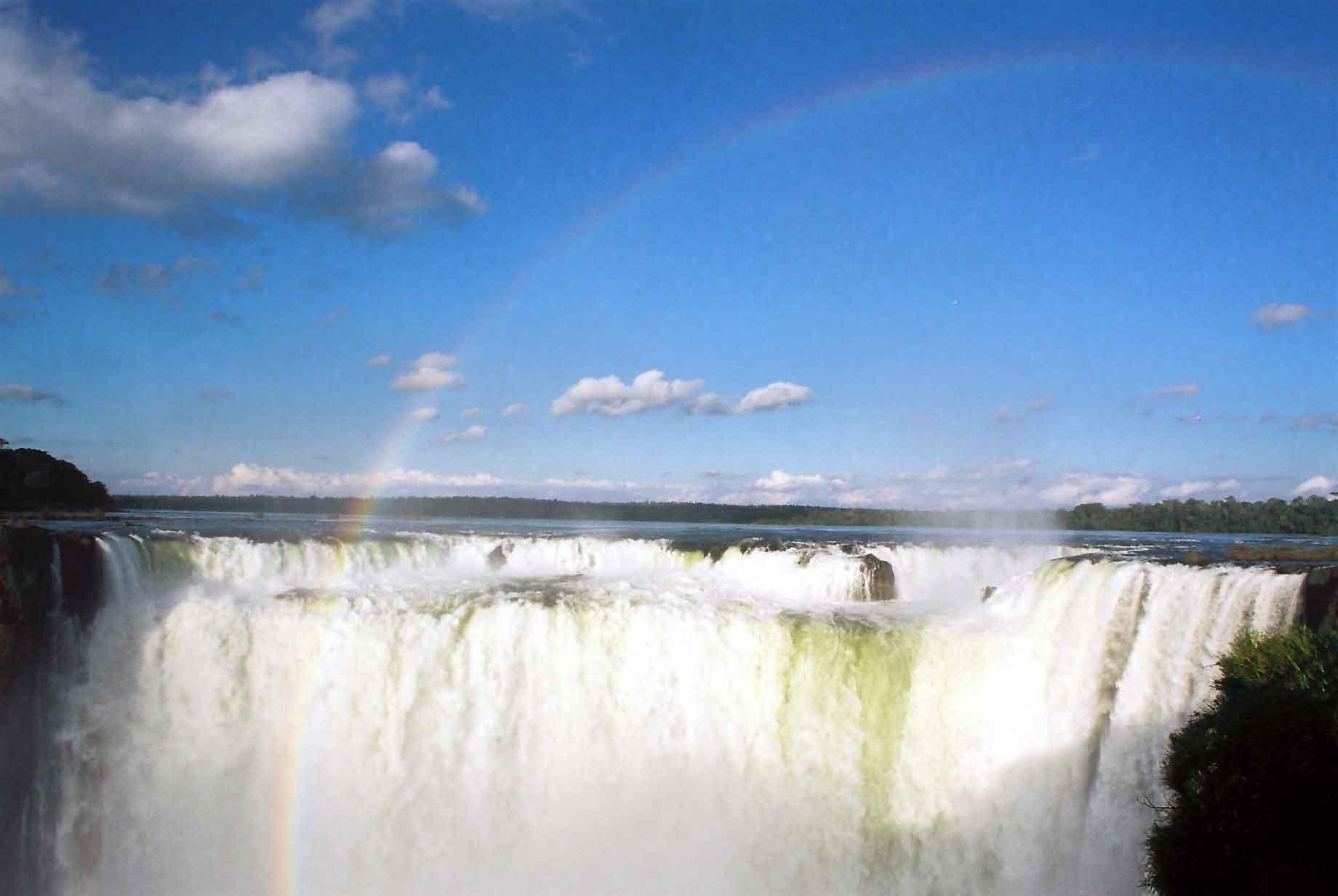
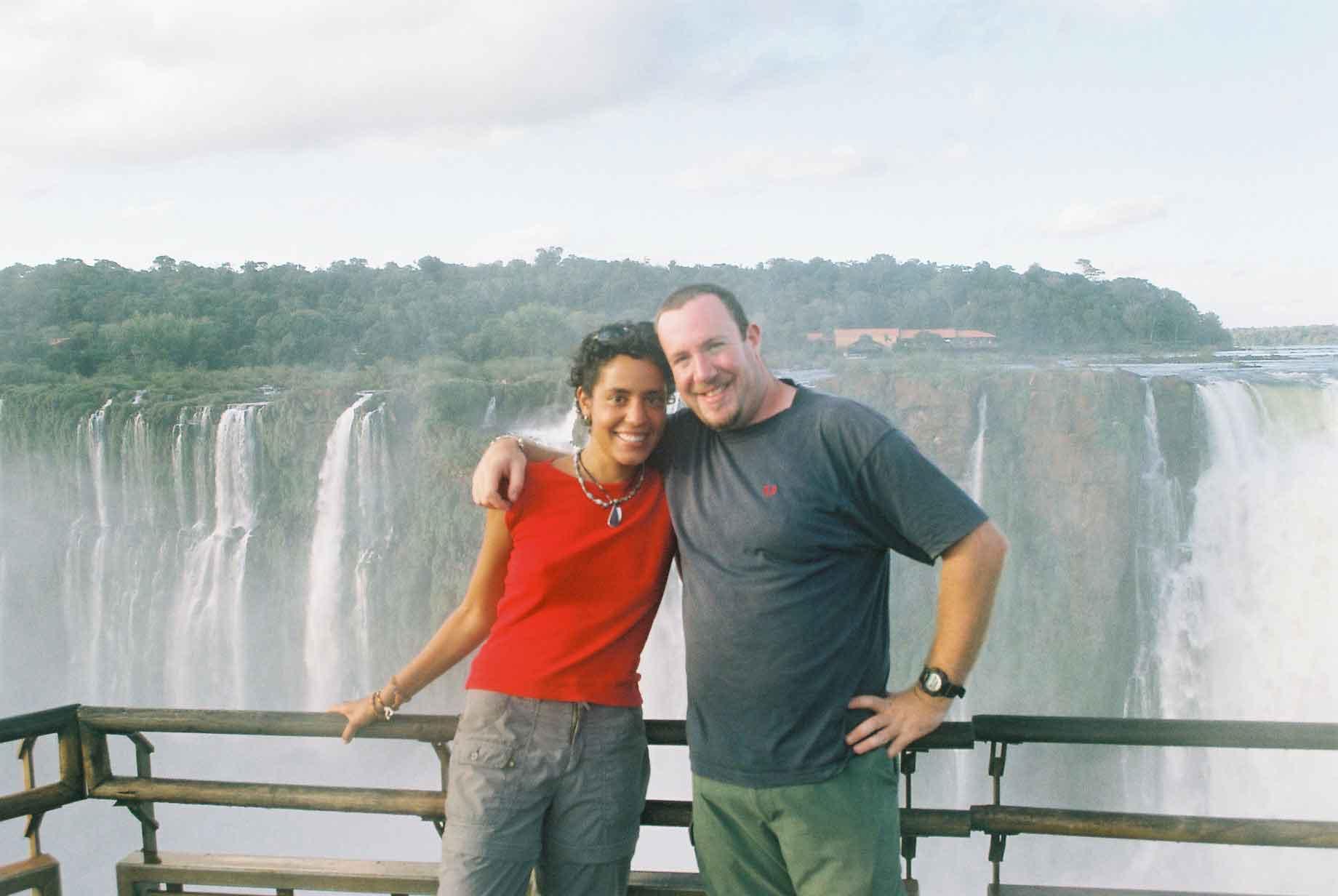
The waterfall at Iguazu are incredible, both in volume and how picturesque they are.
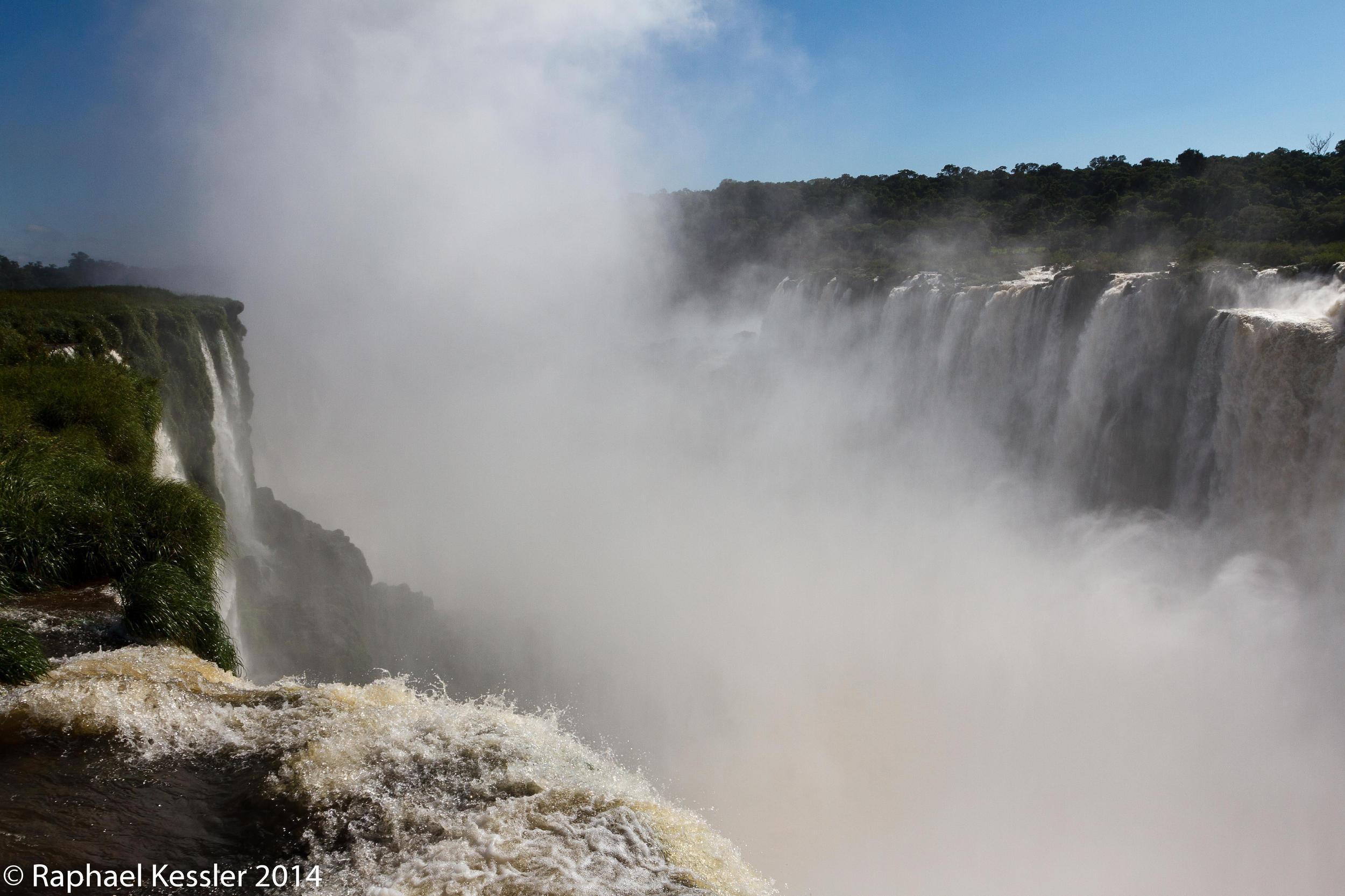
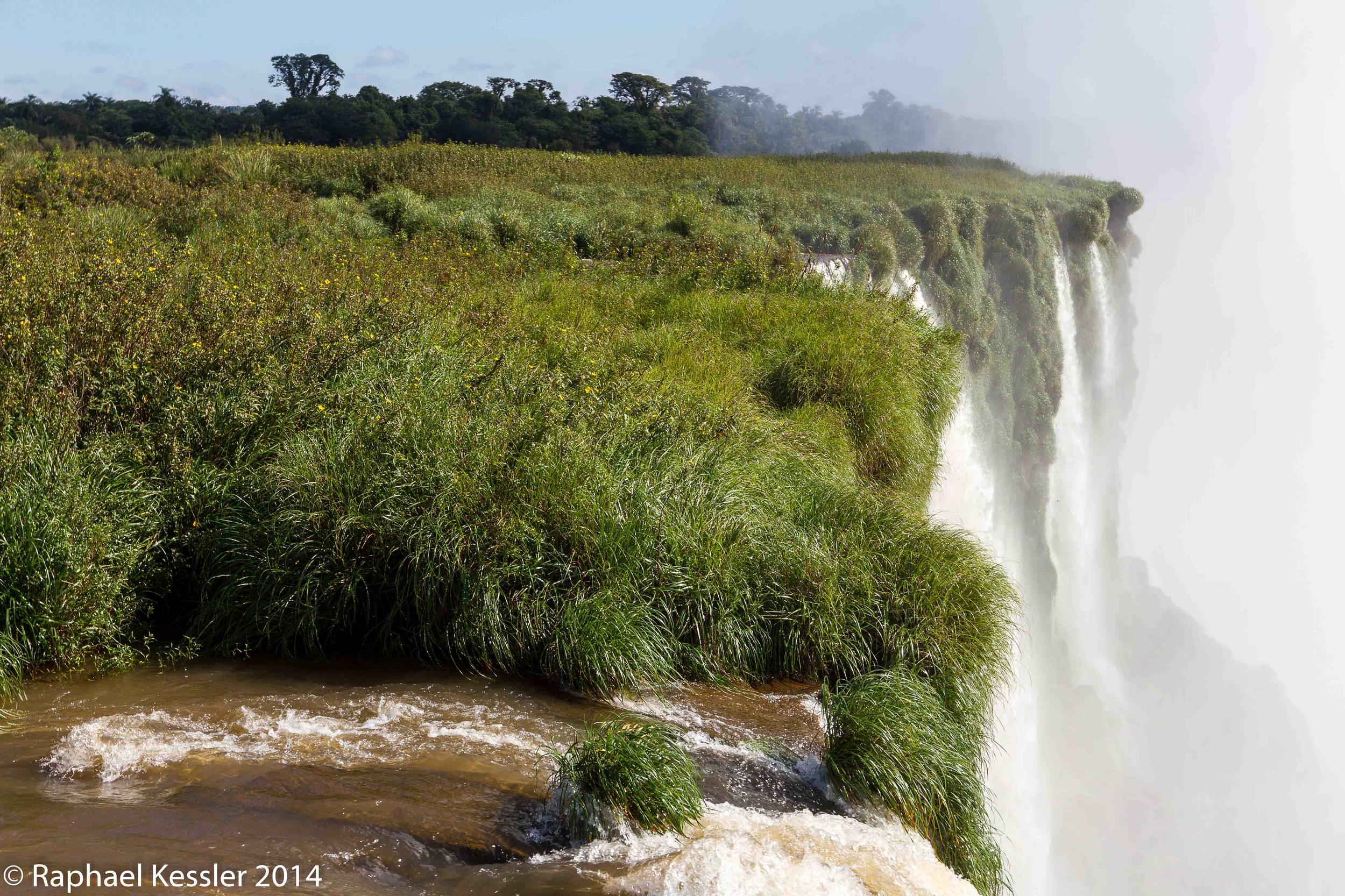
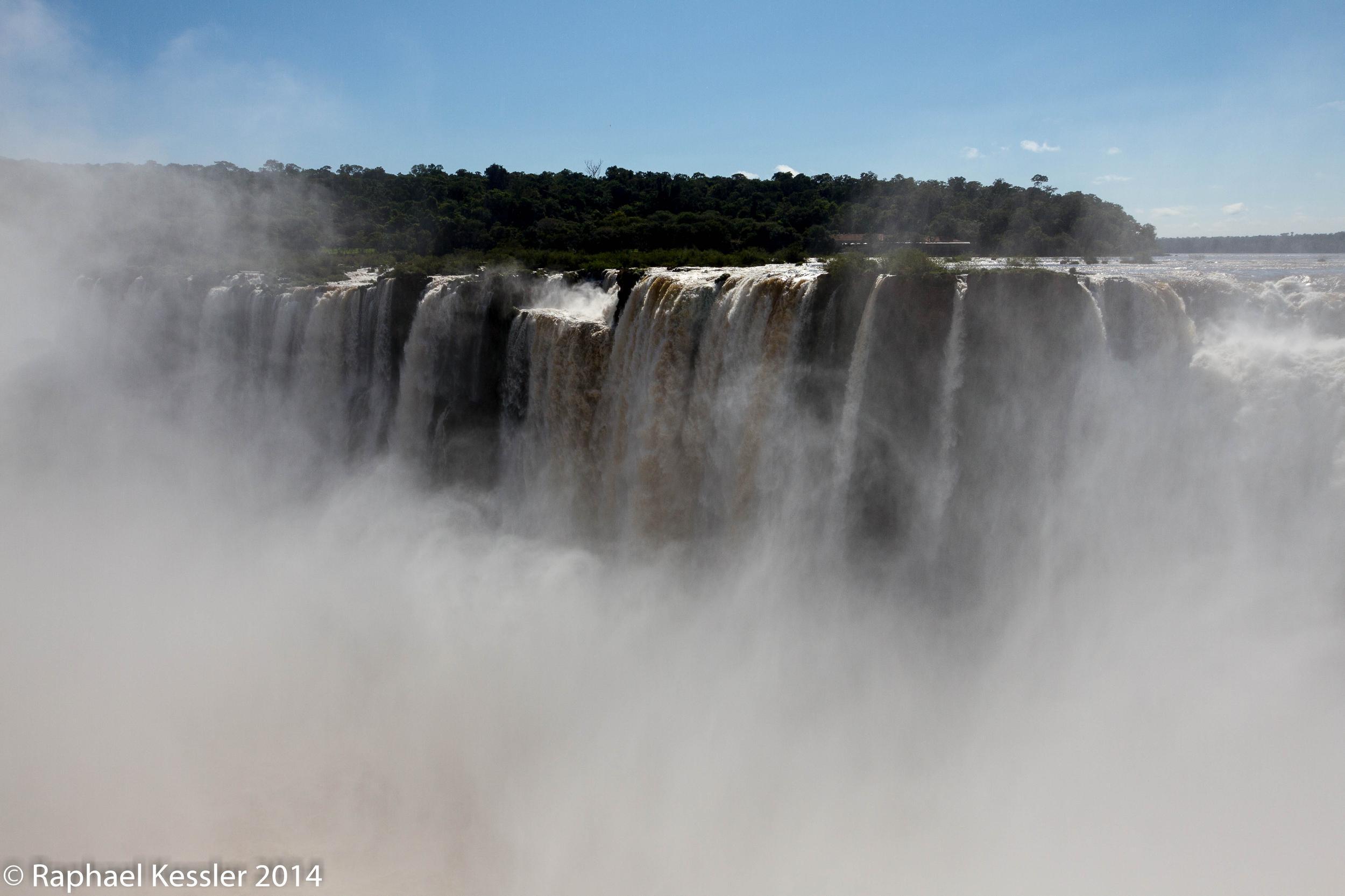
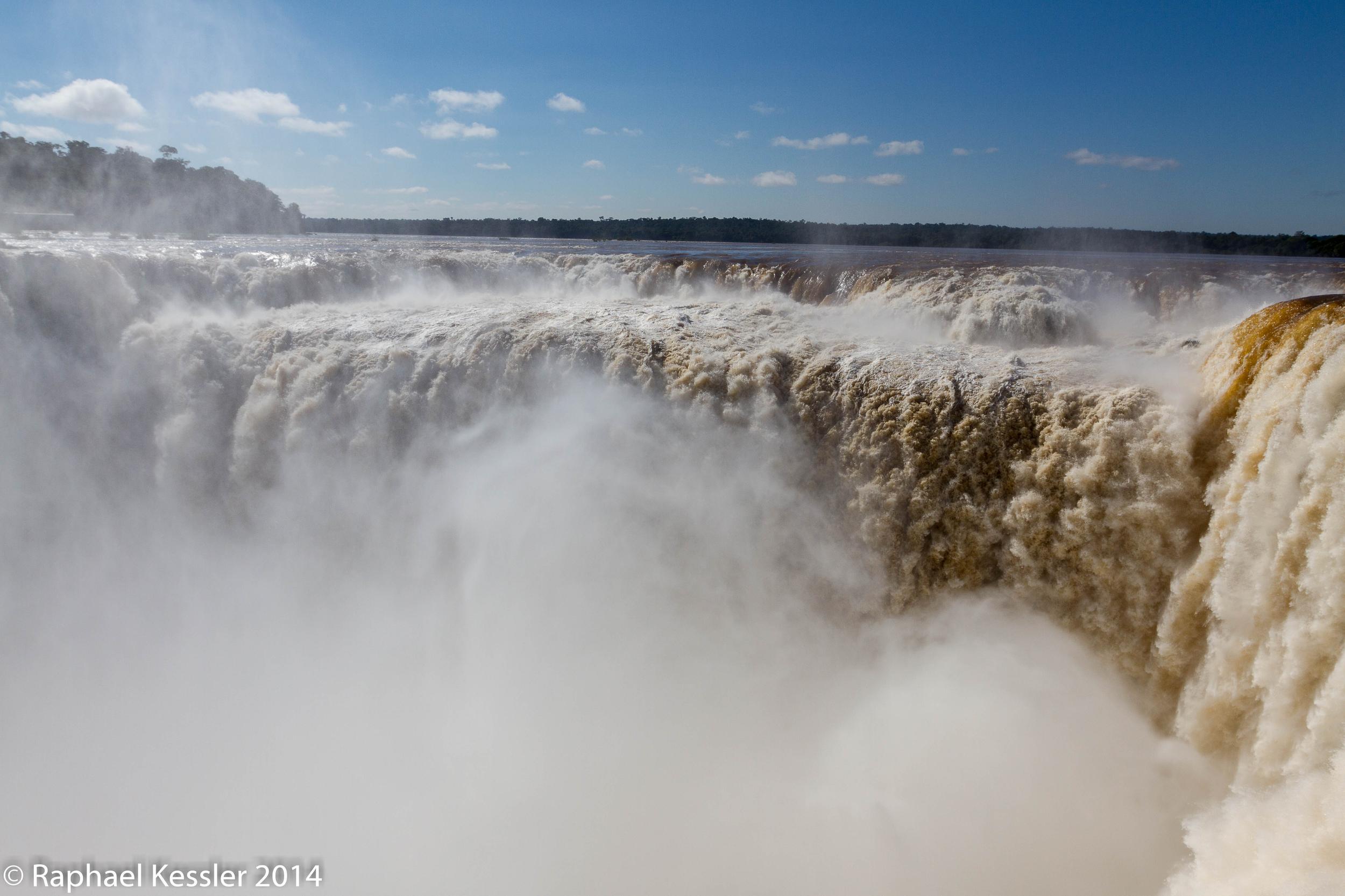
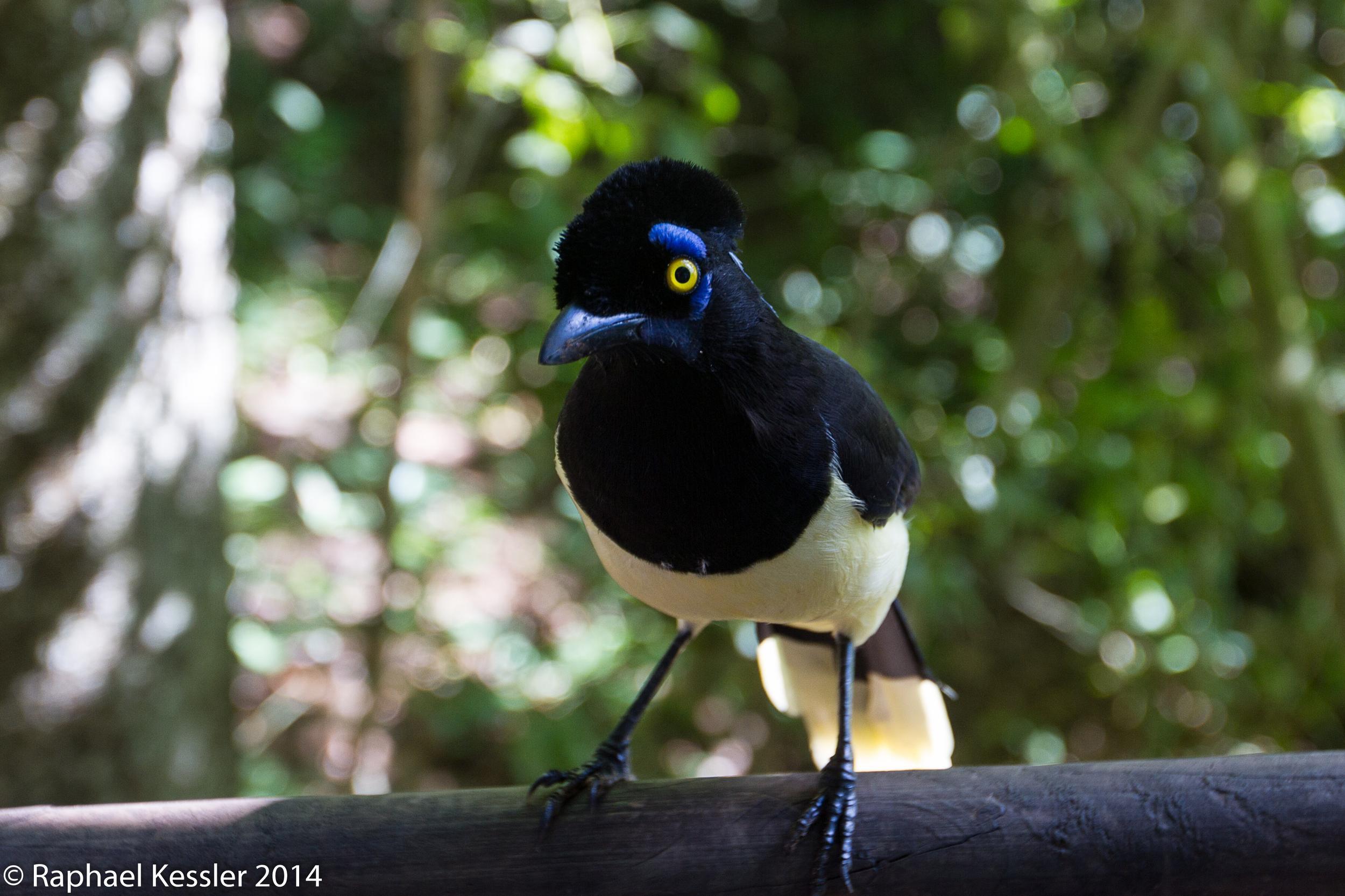
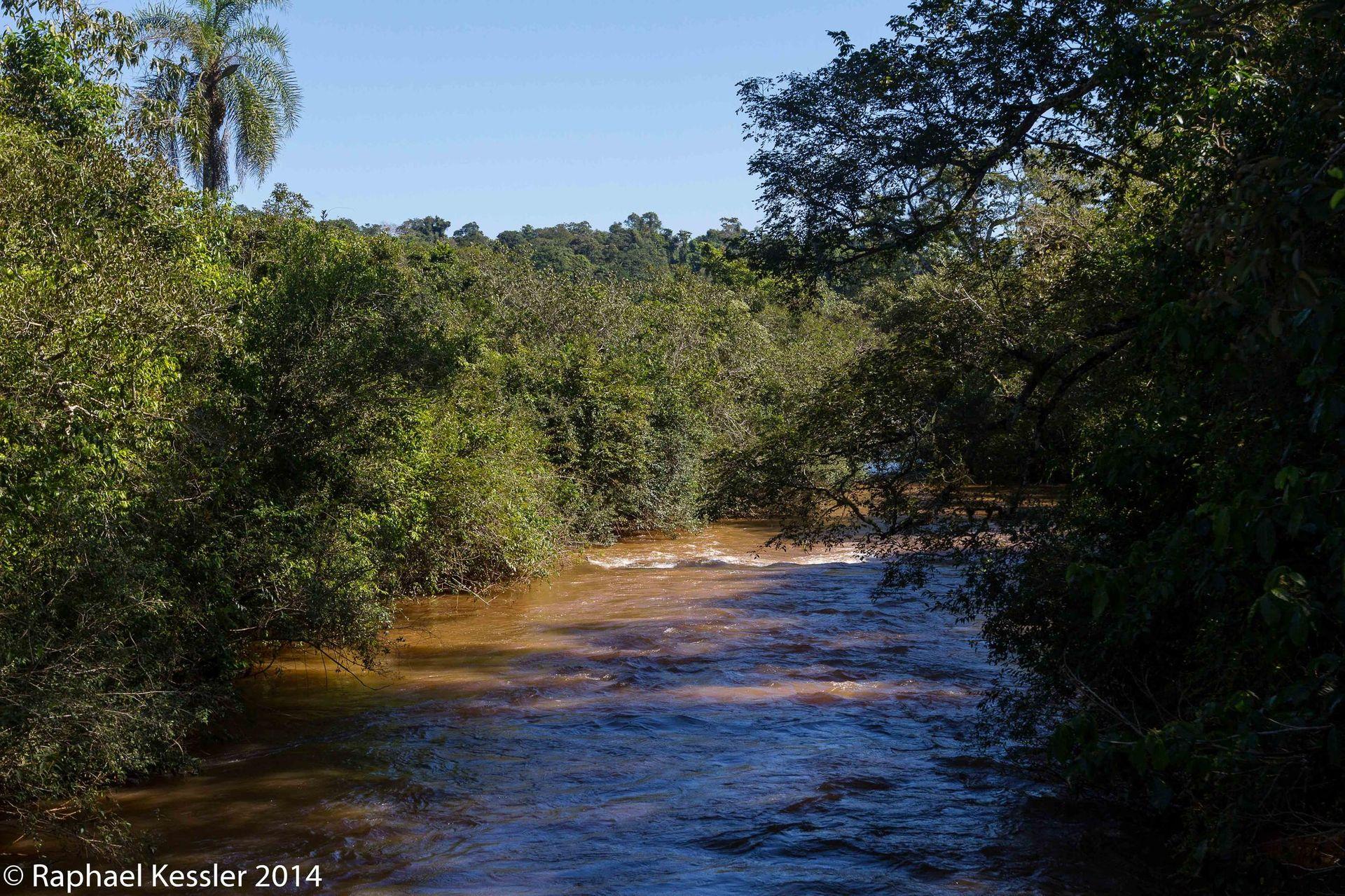
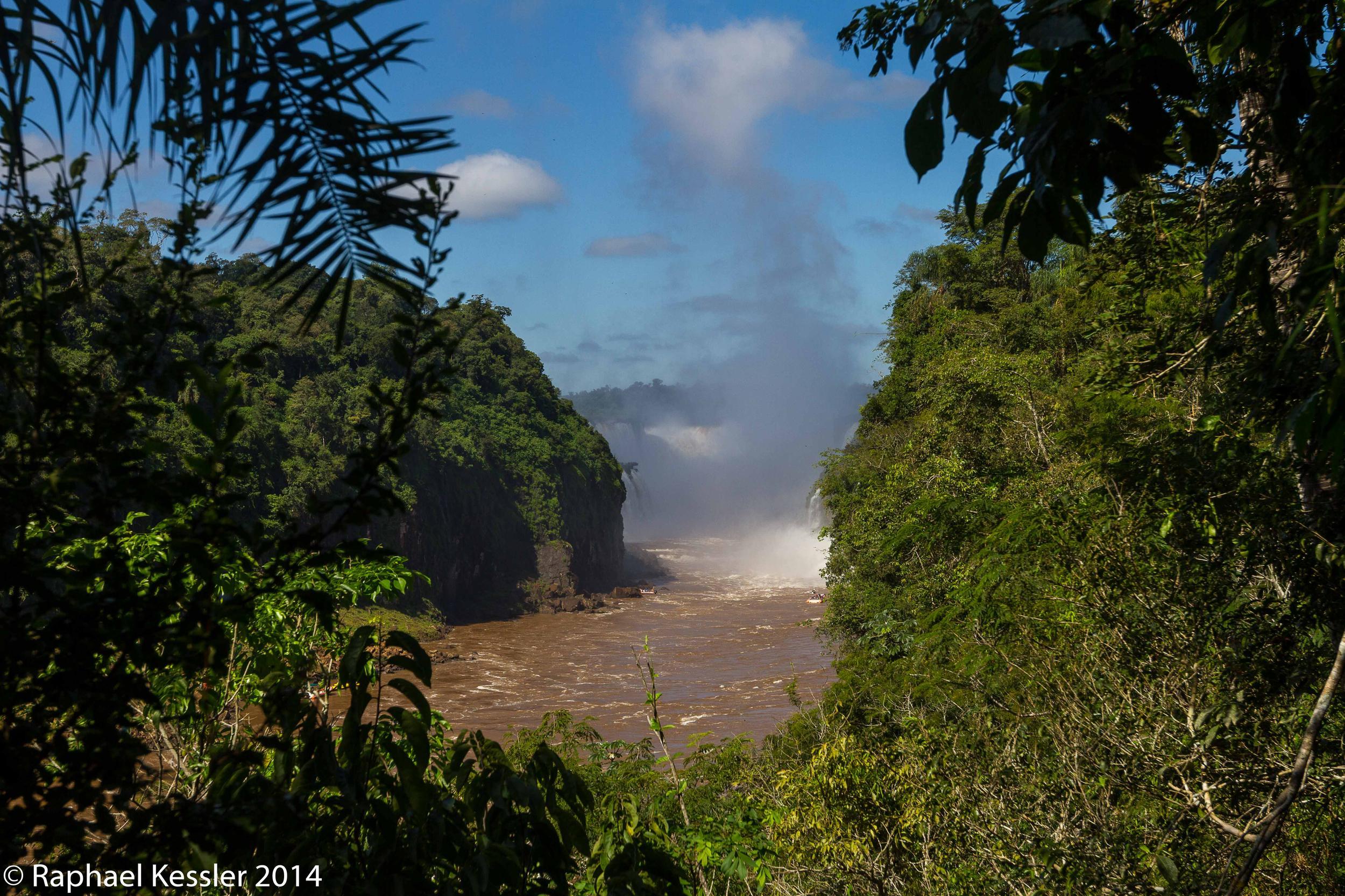
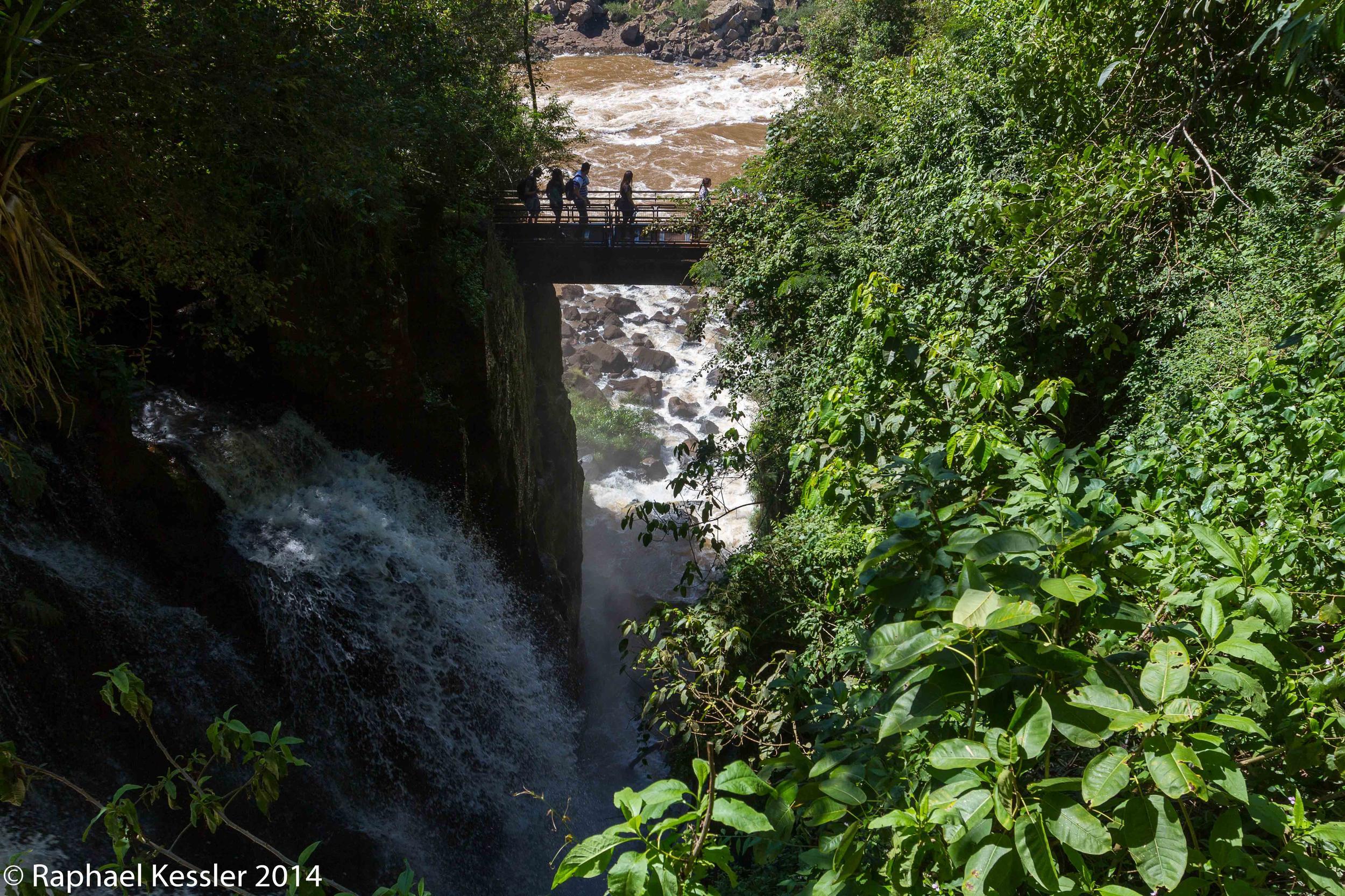
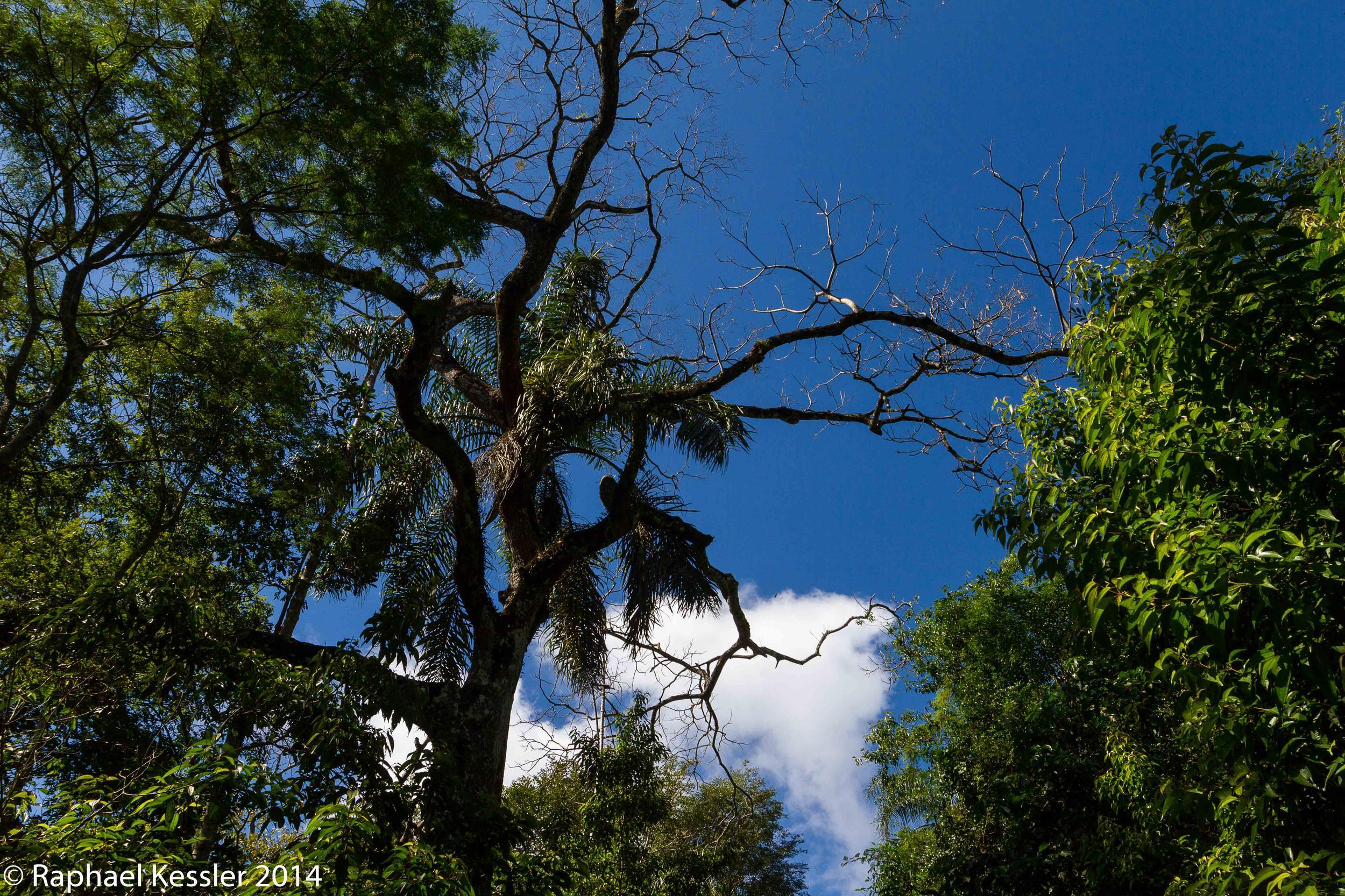
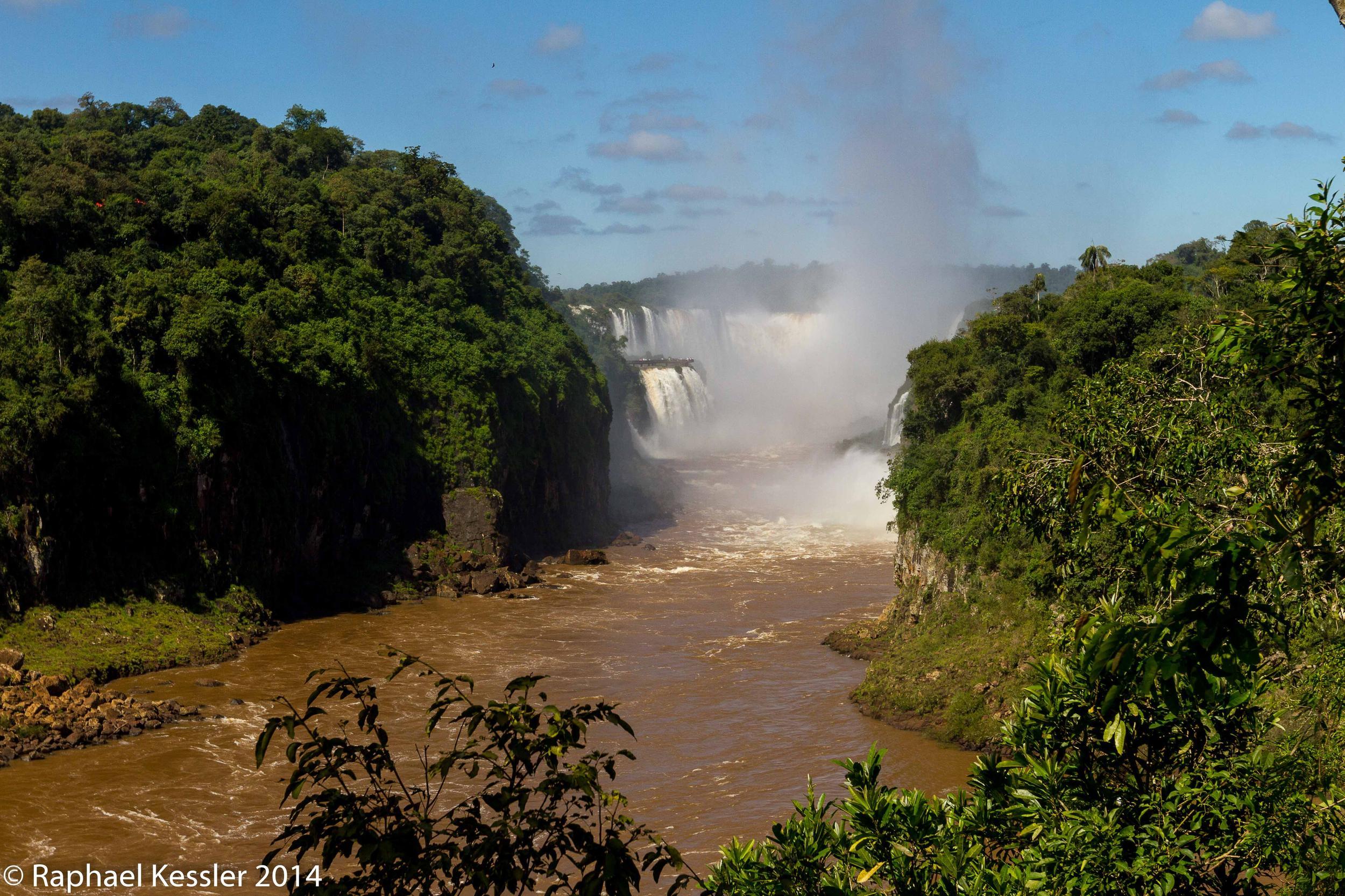
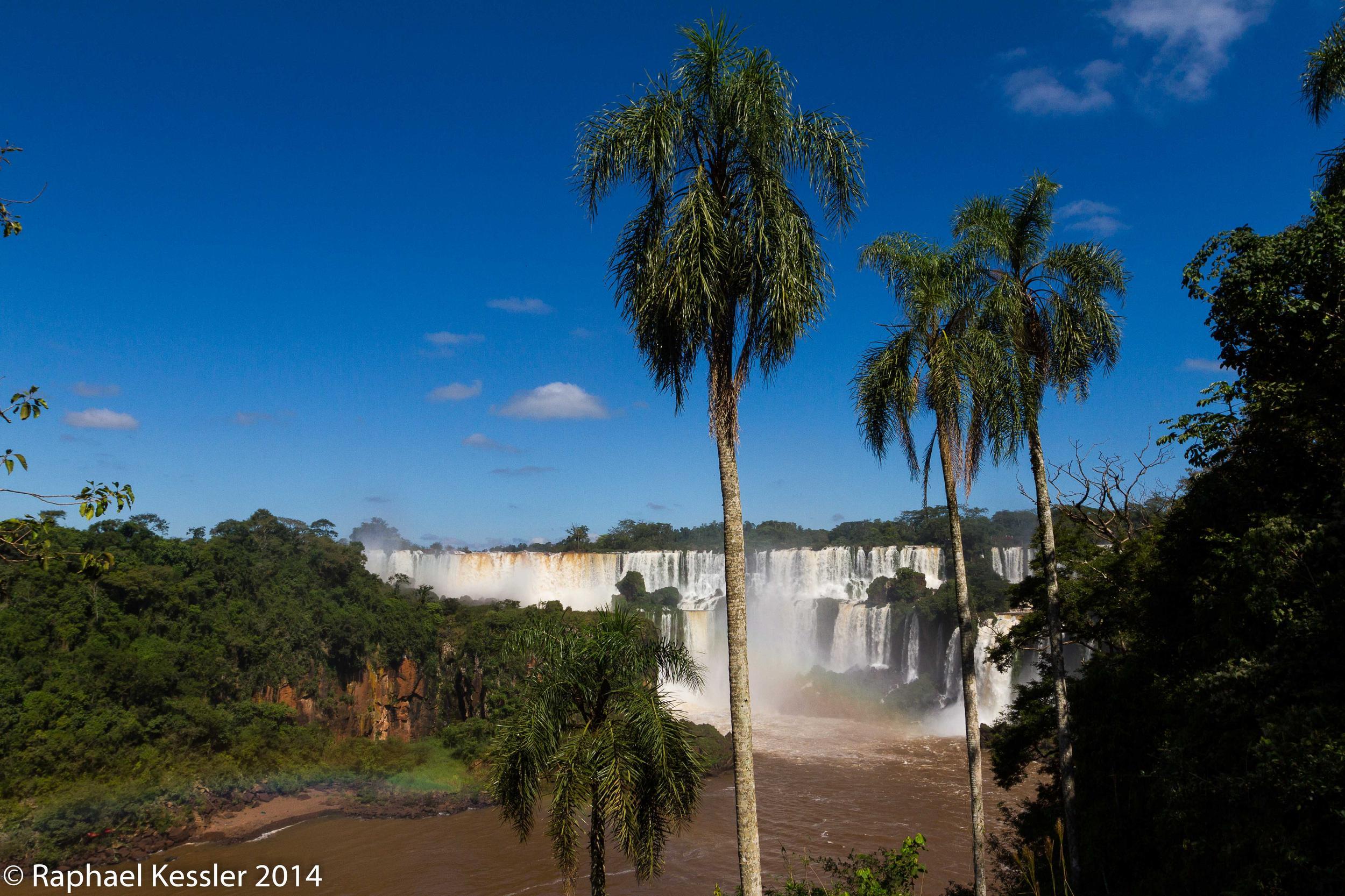
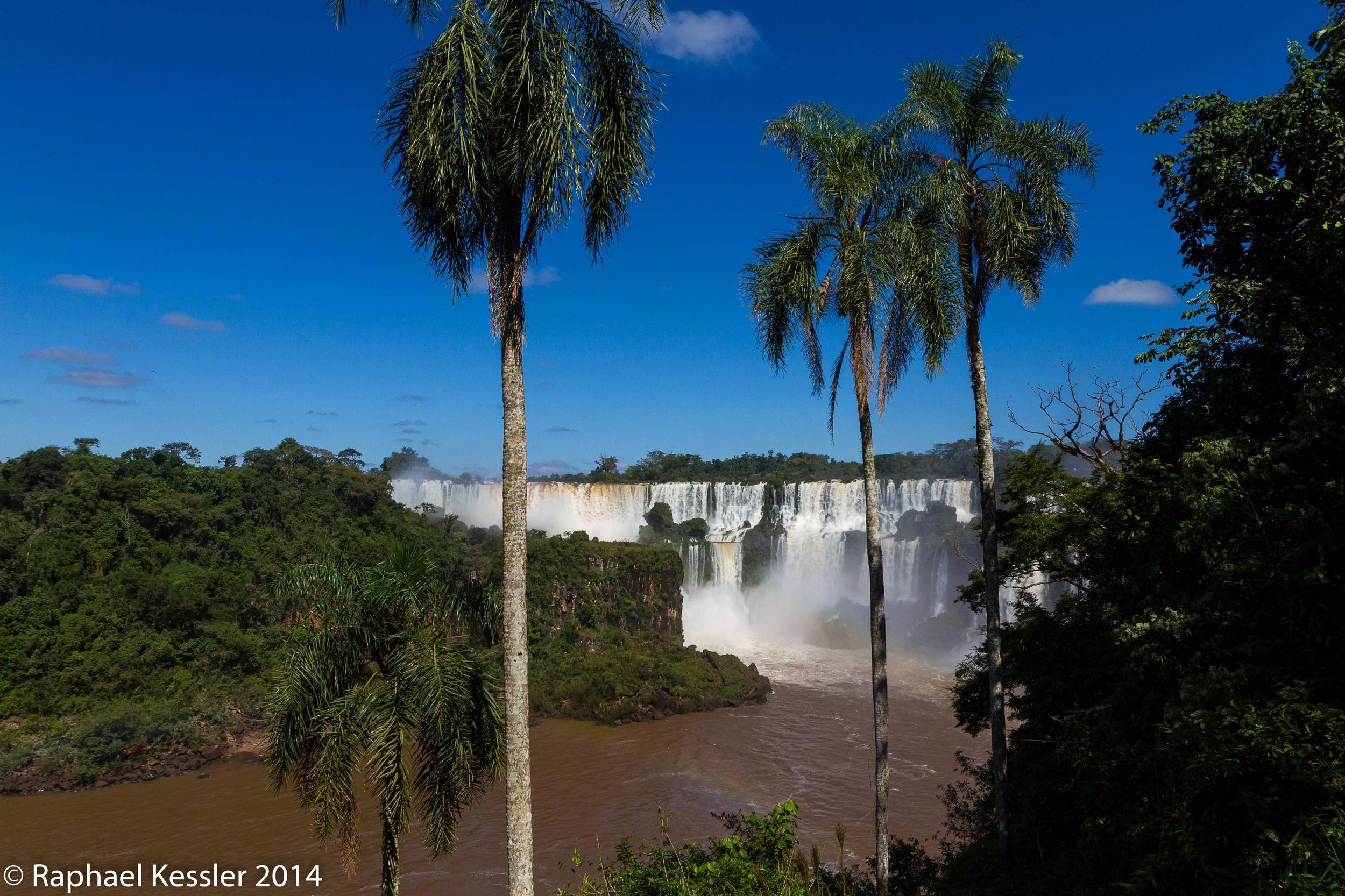
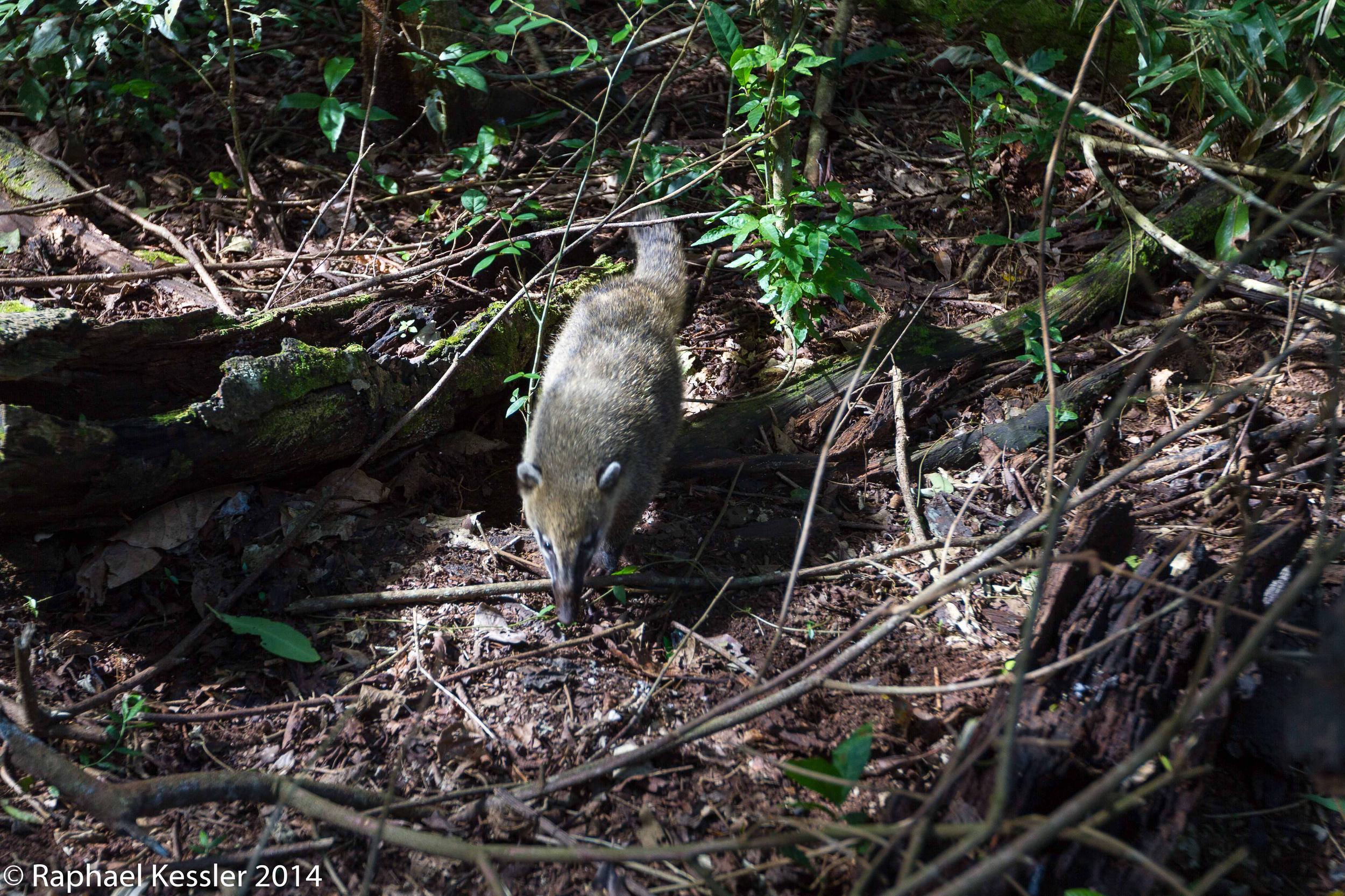
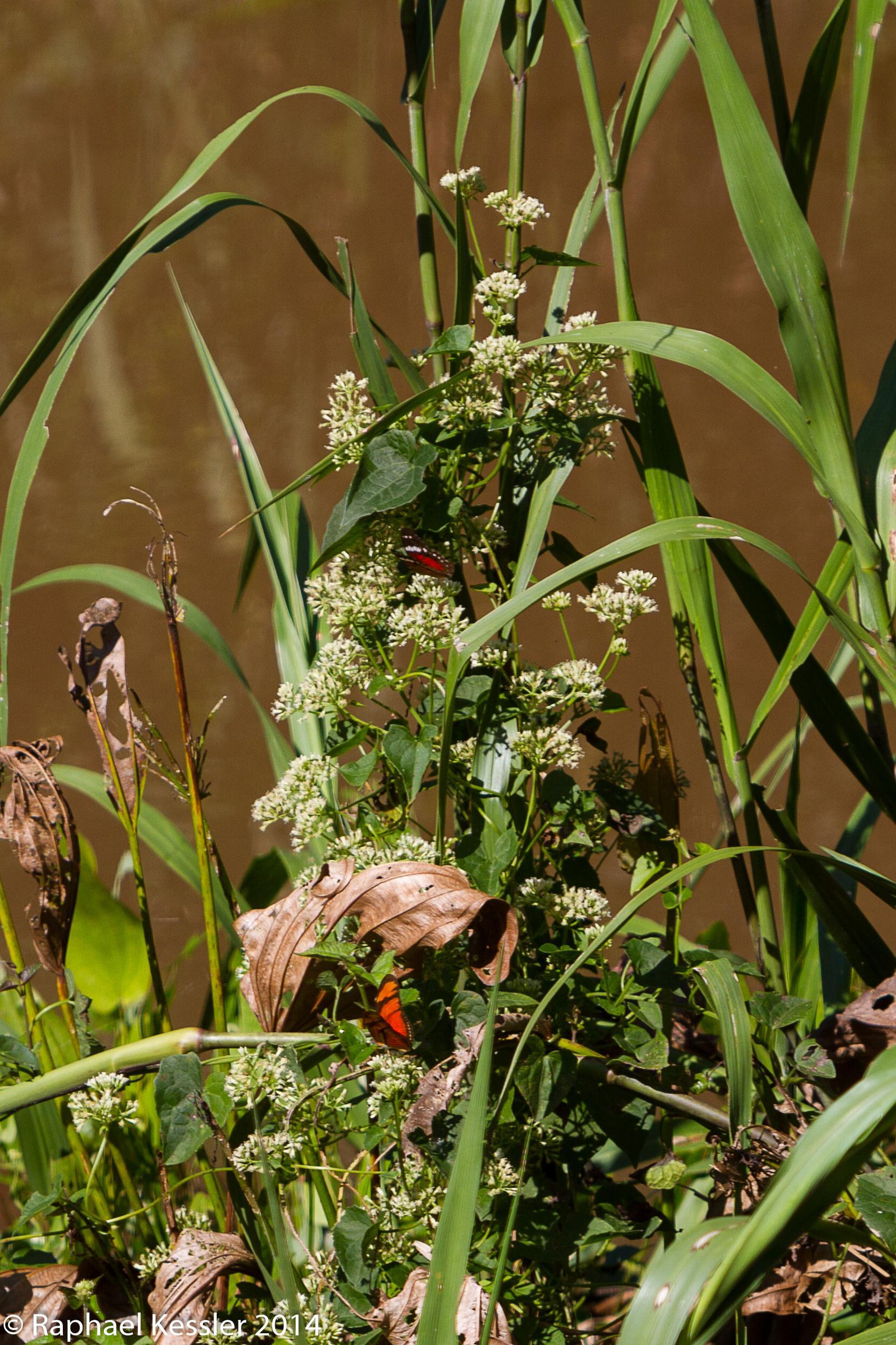
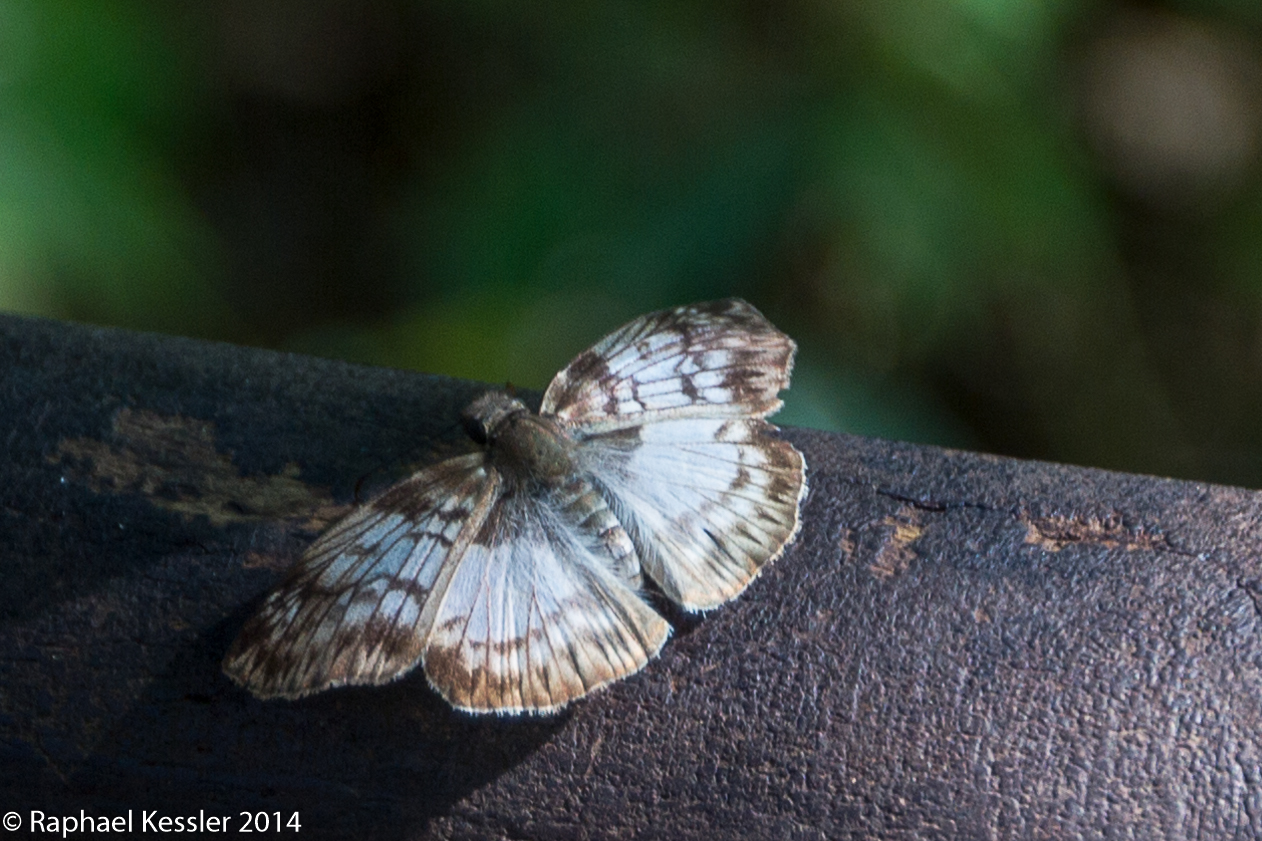
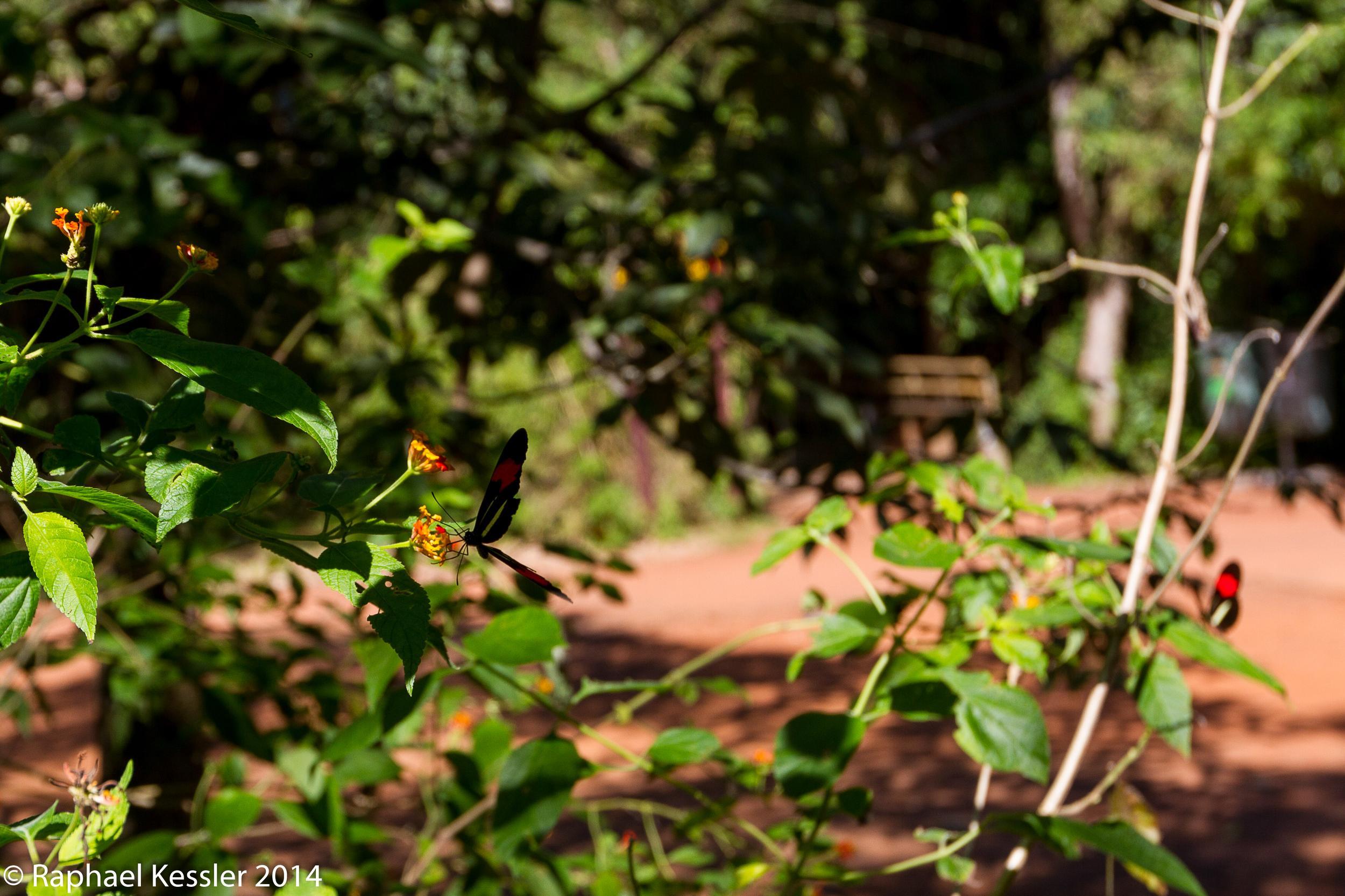
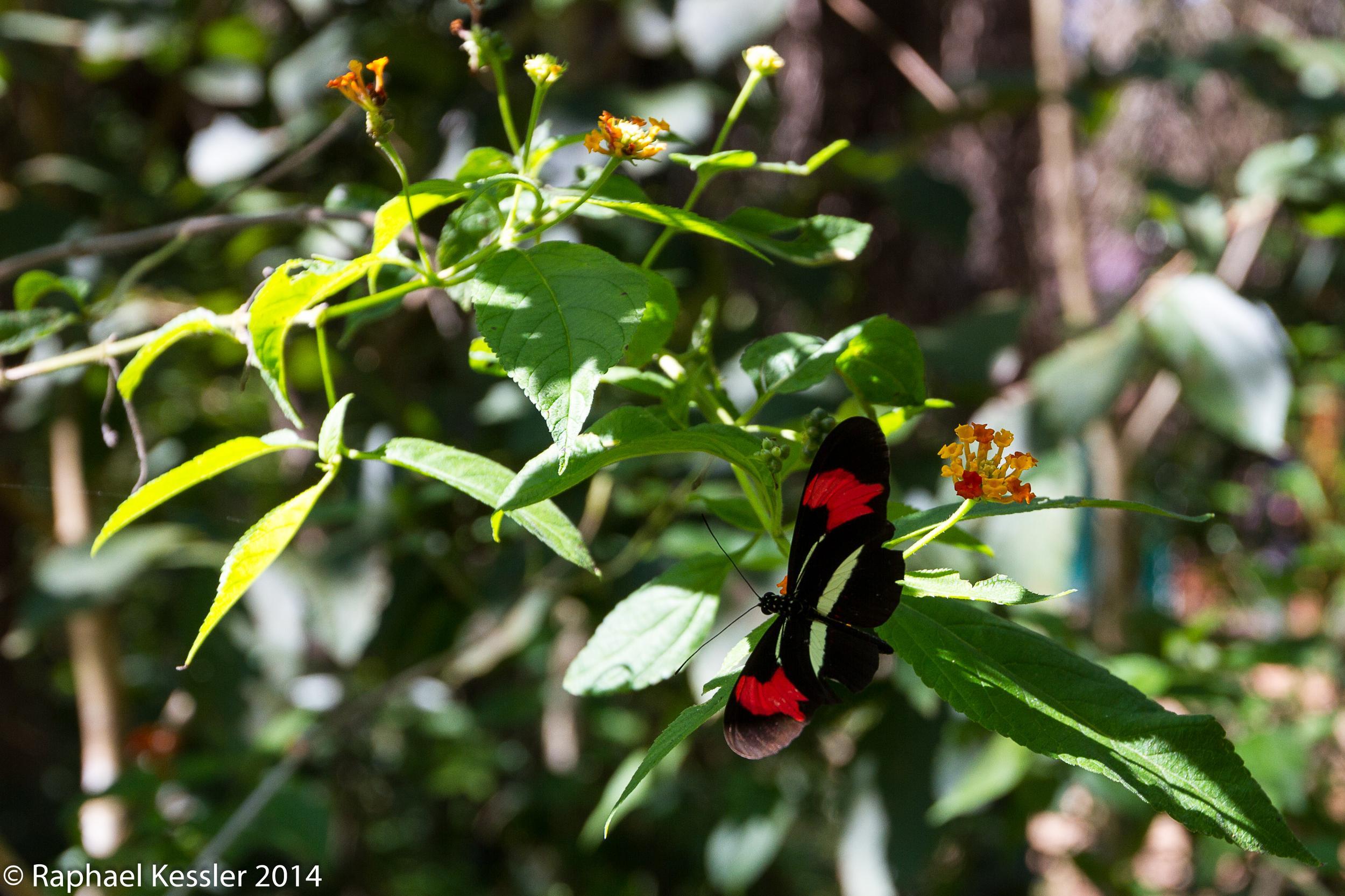
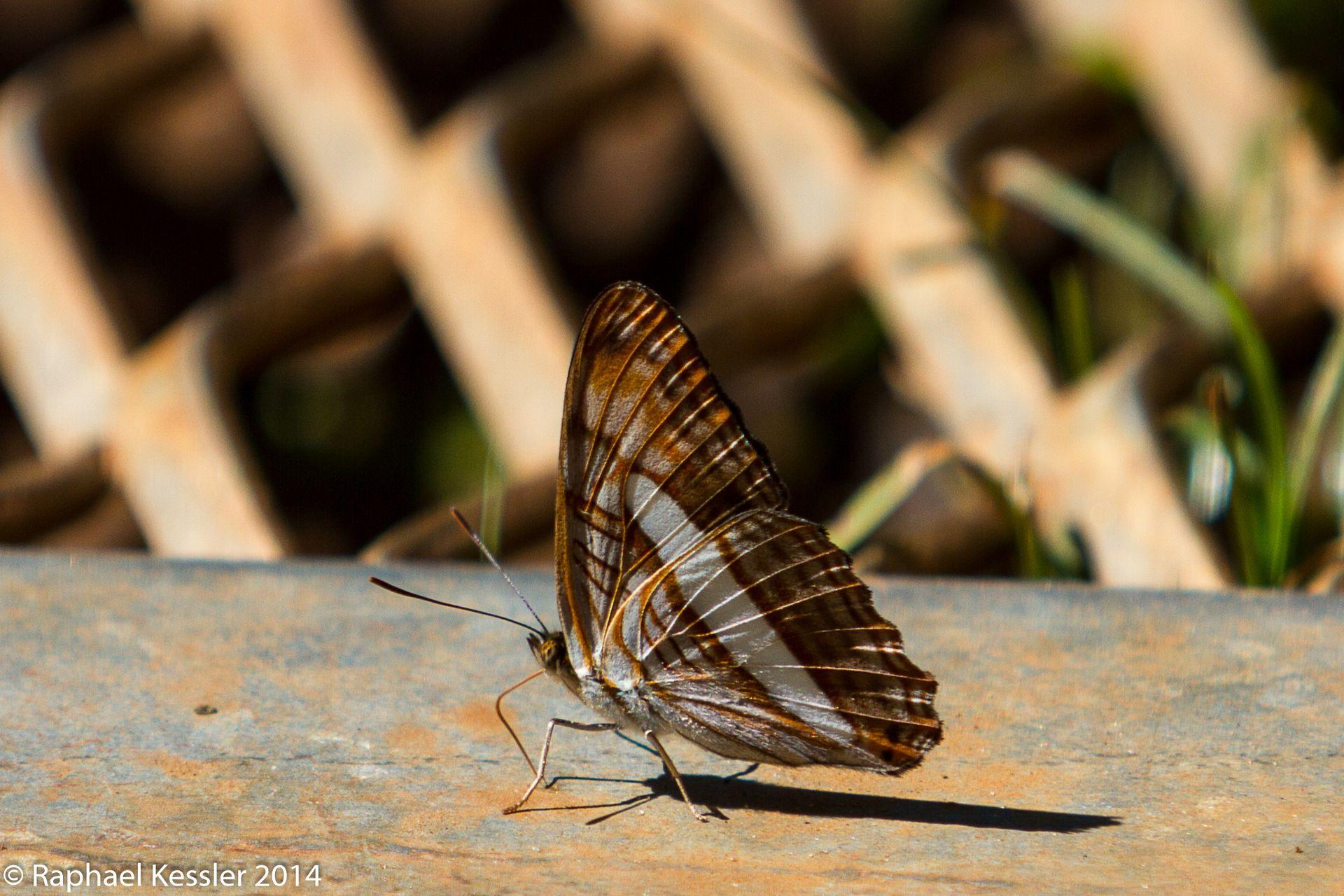
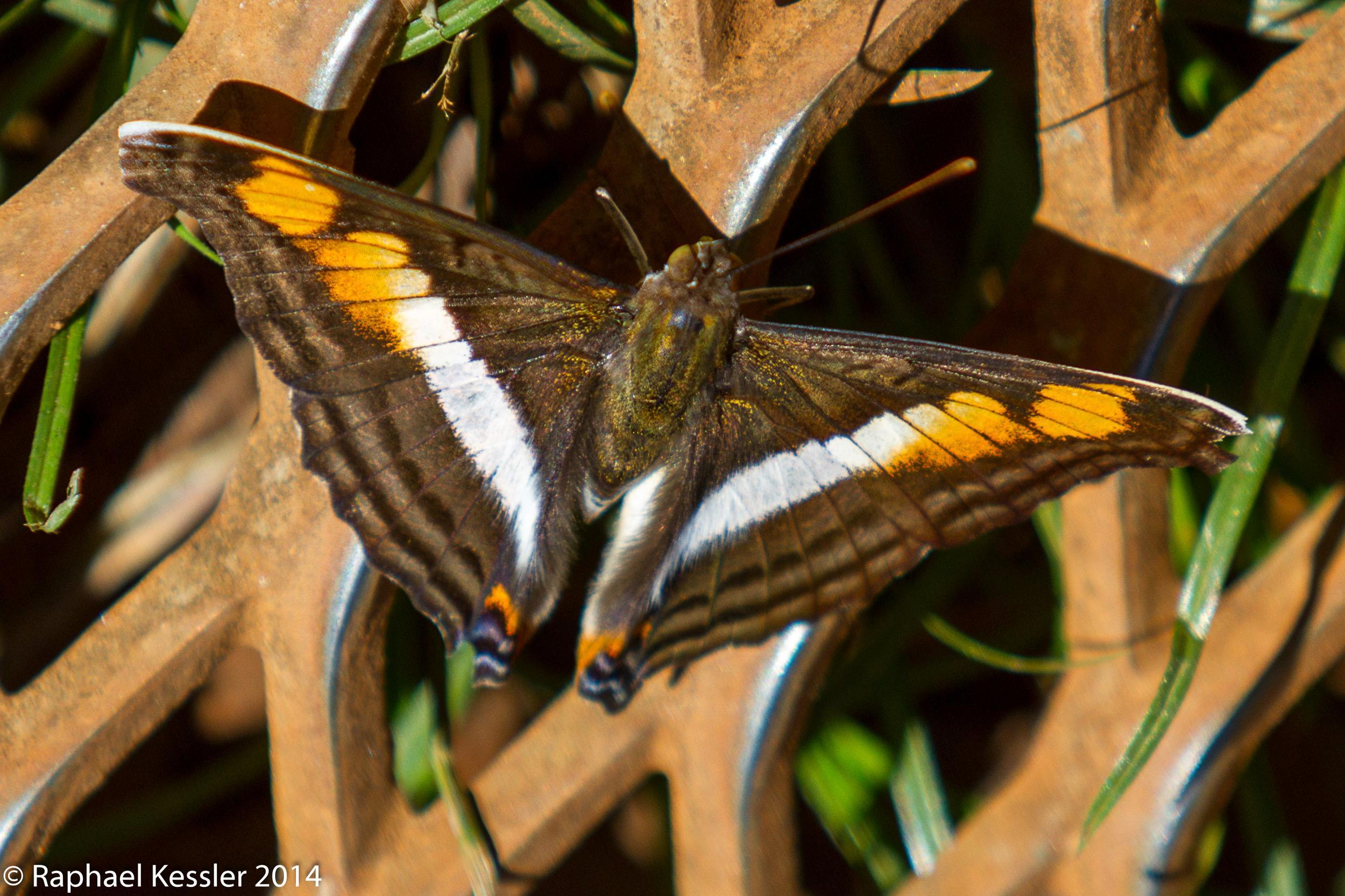
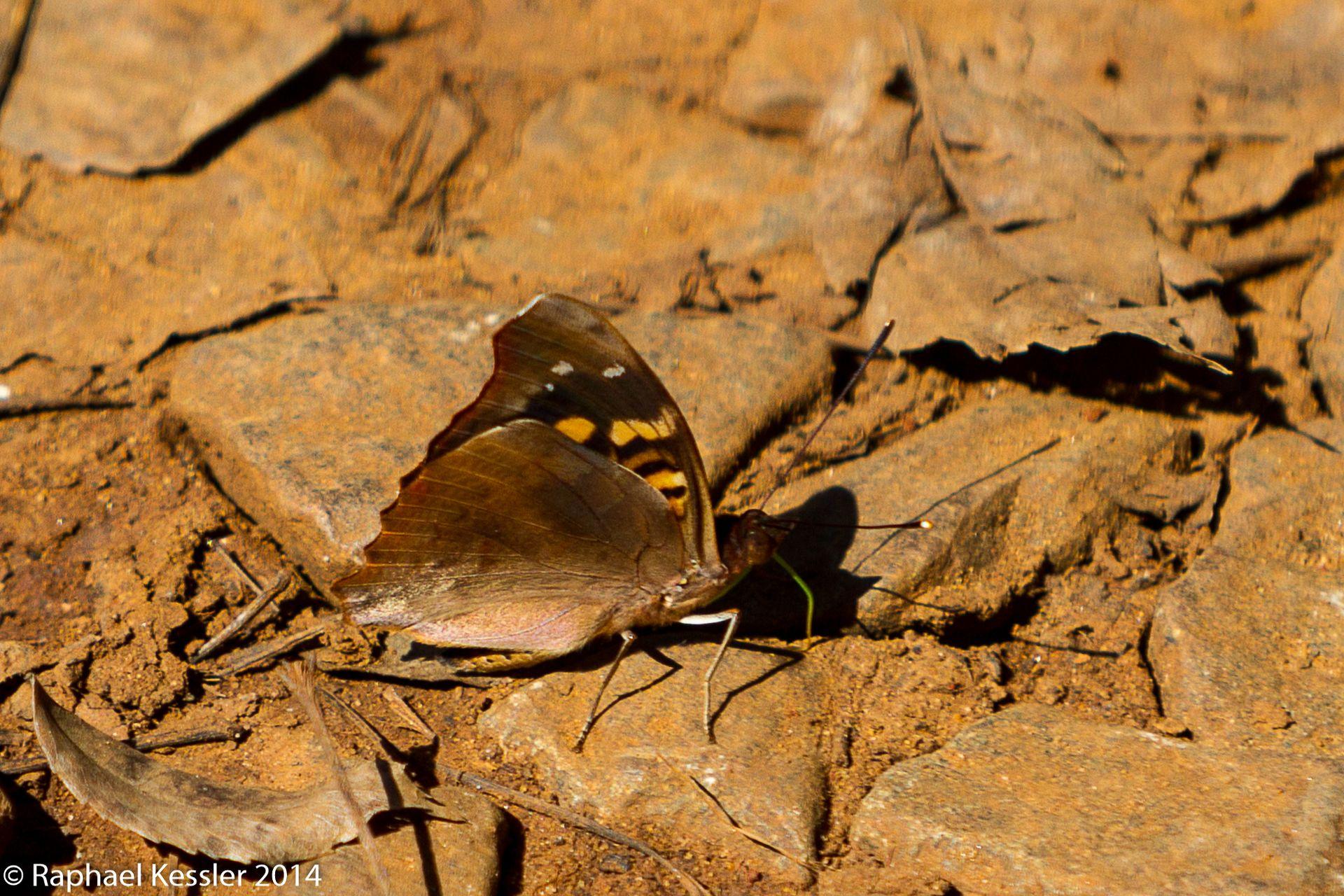
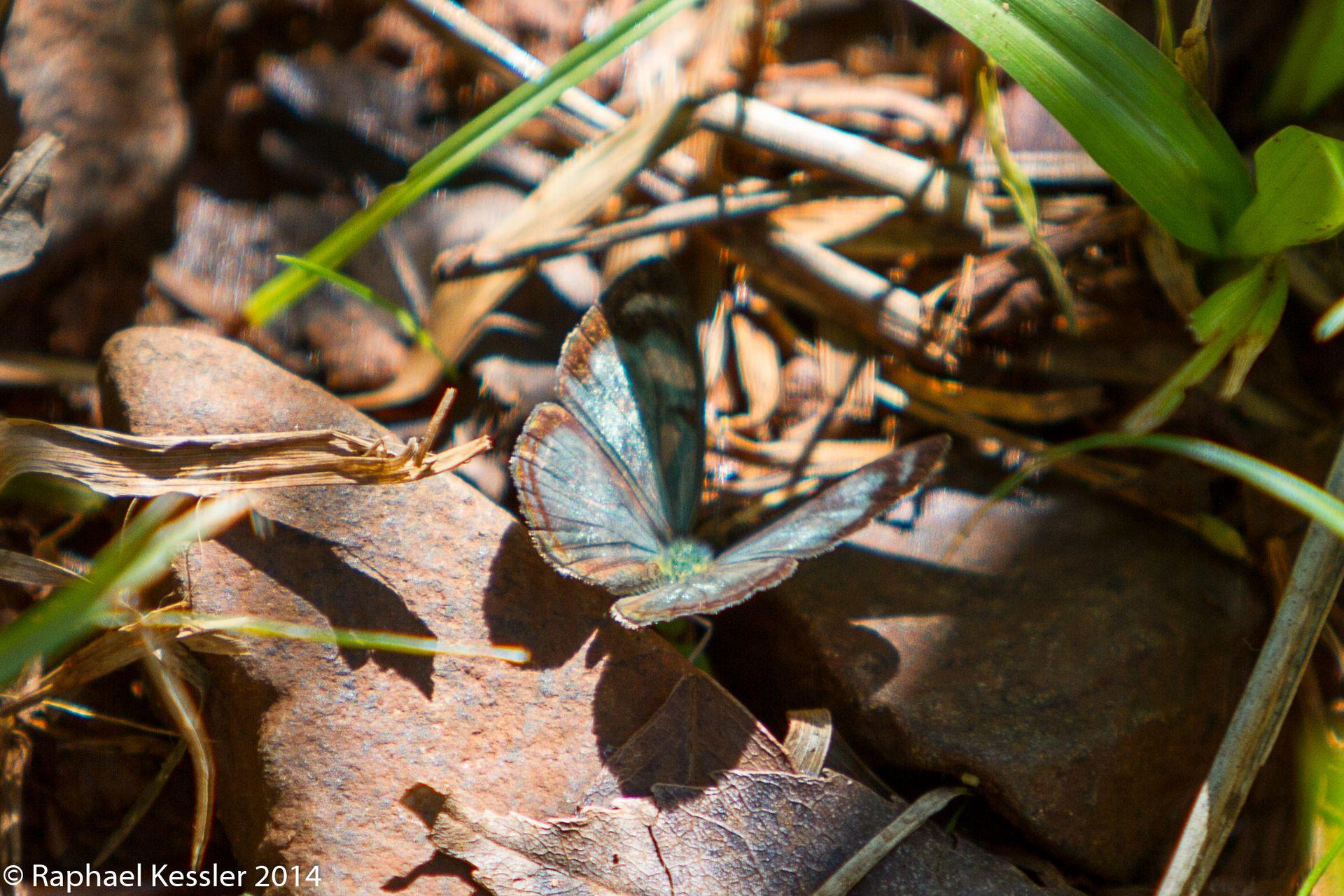
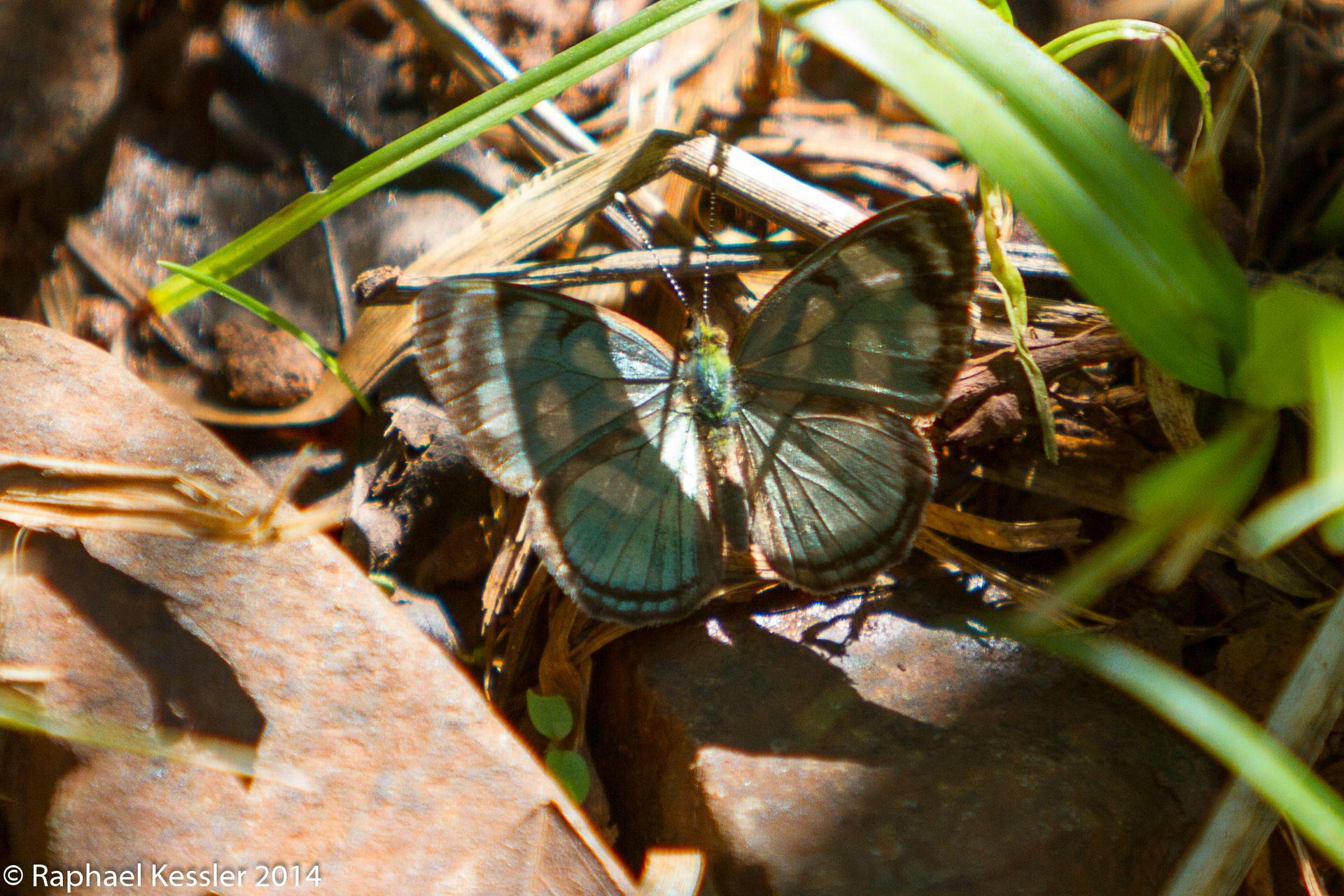
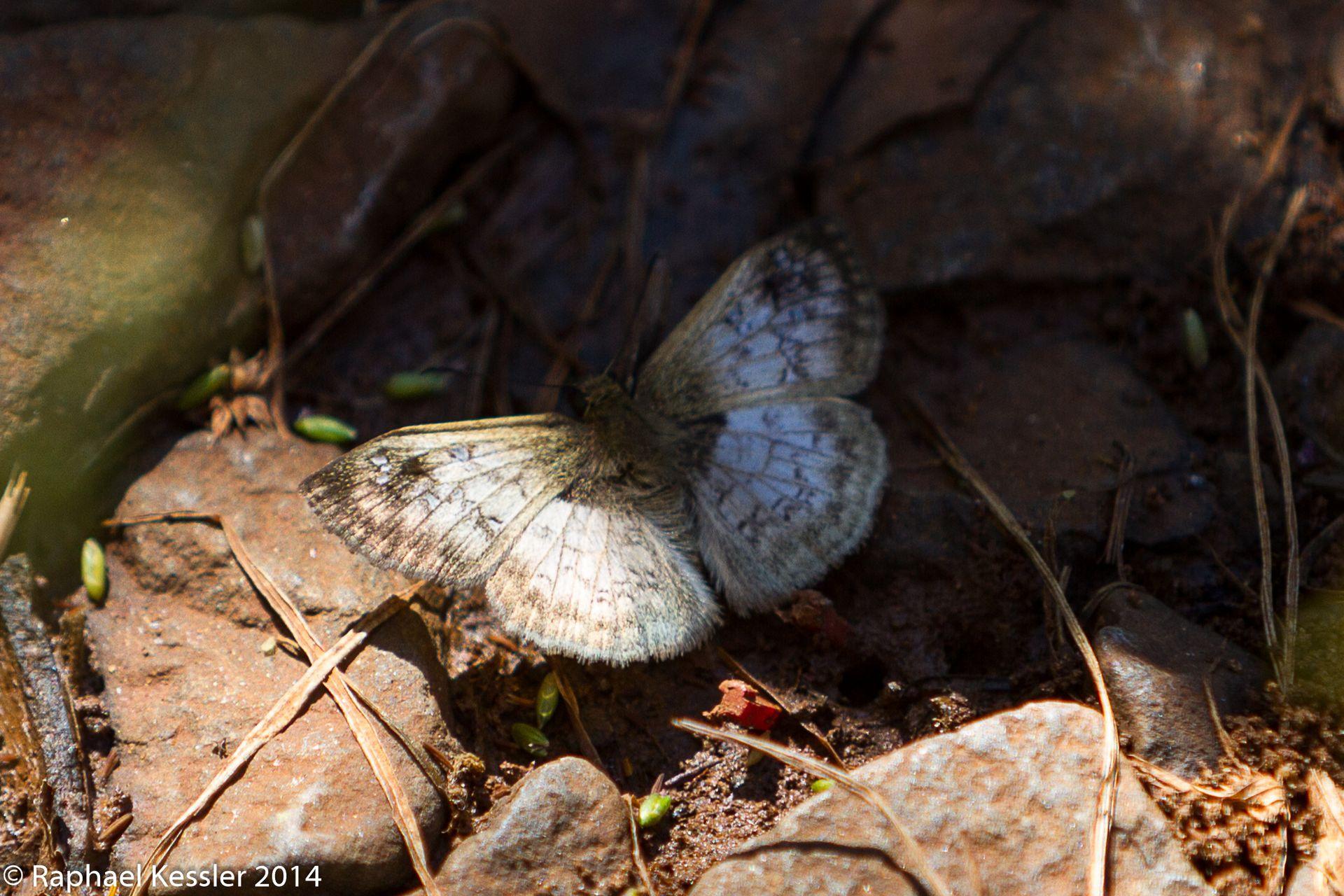
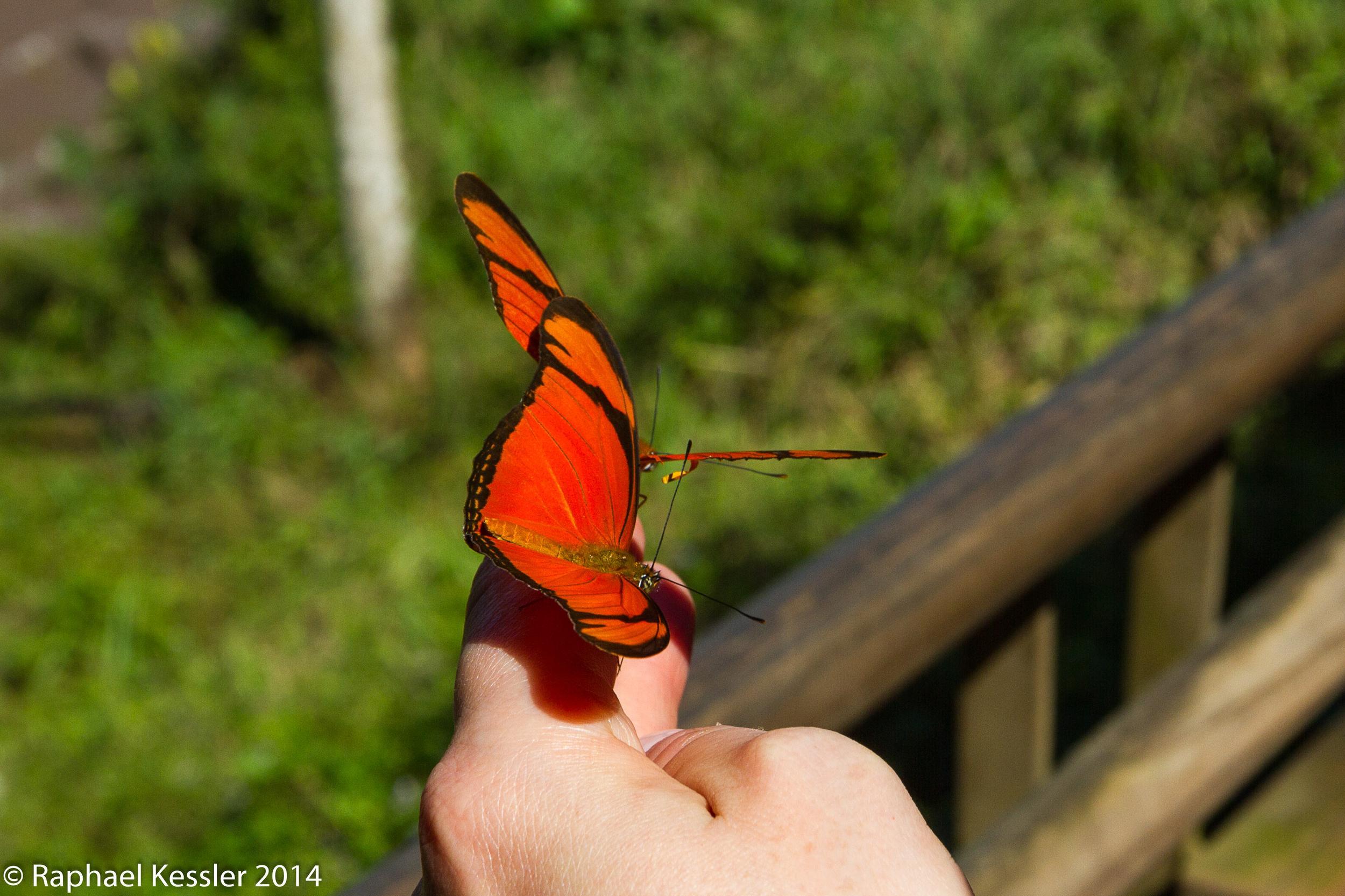
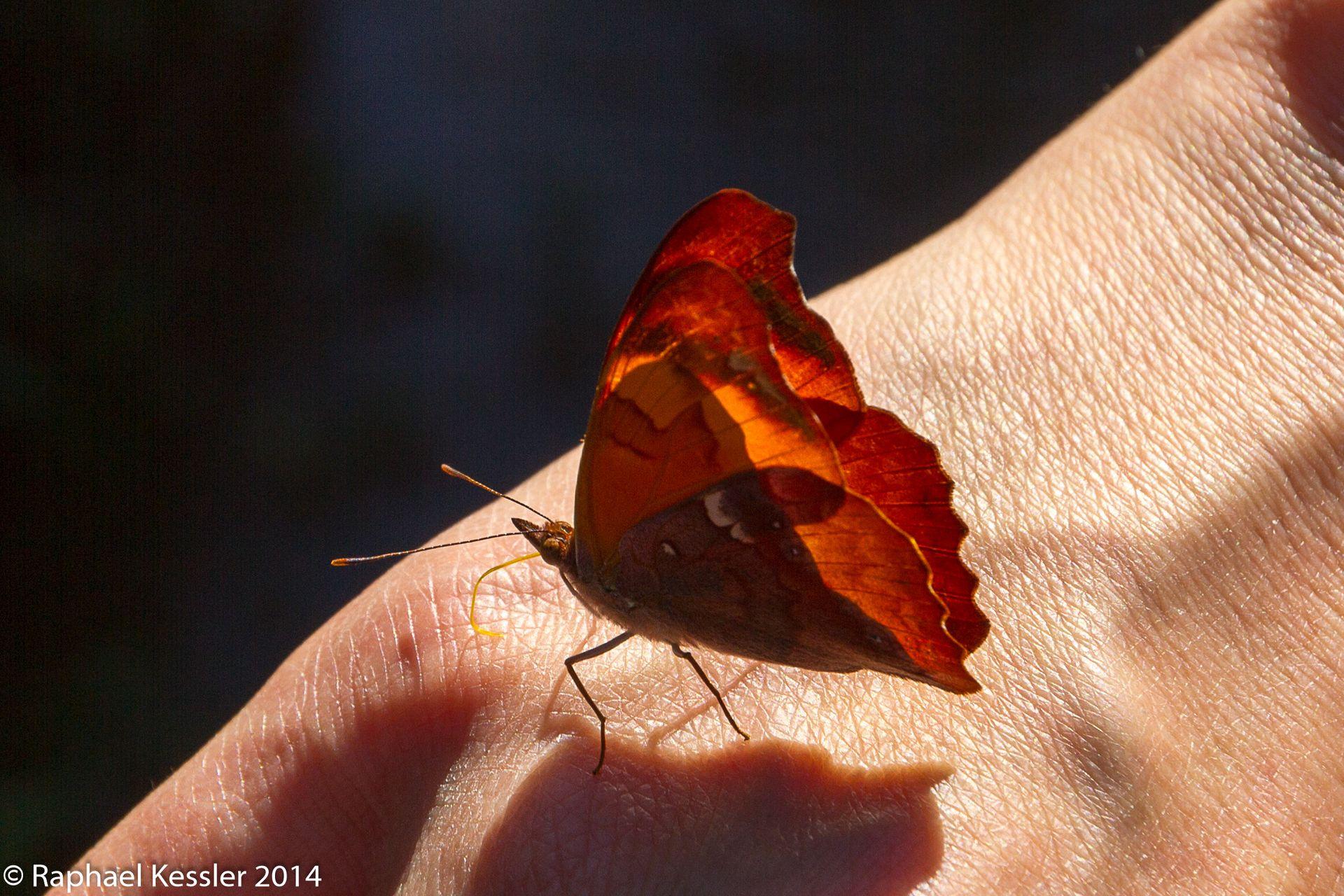
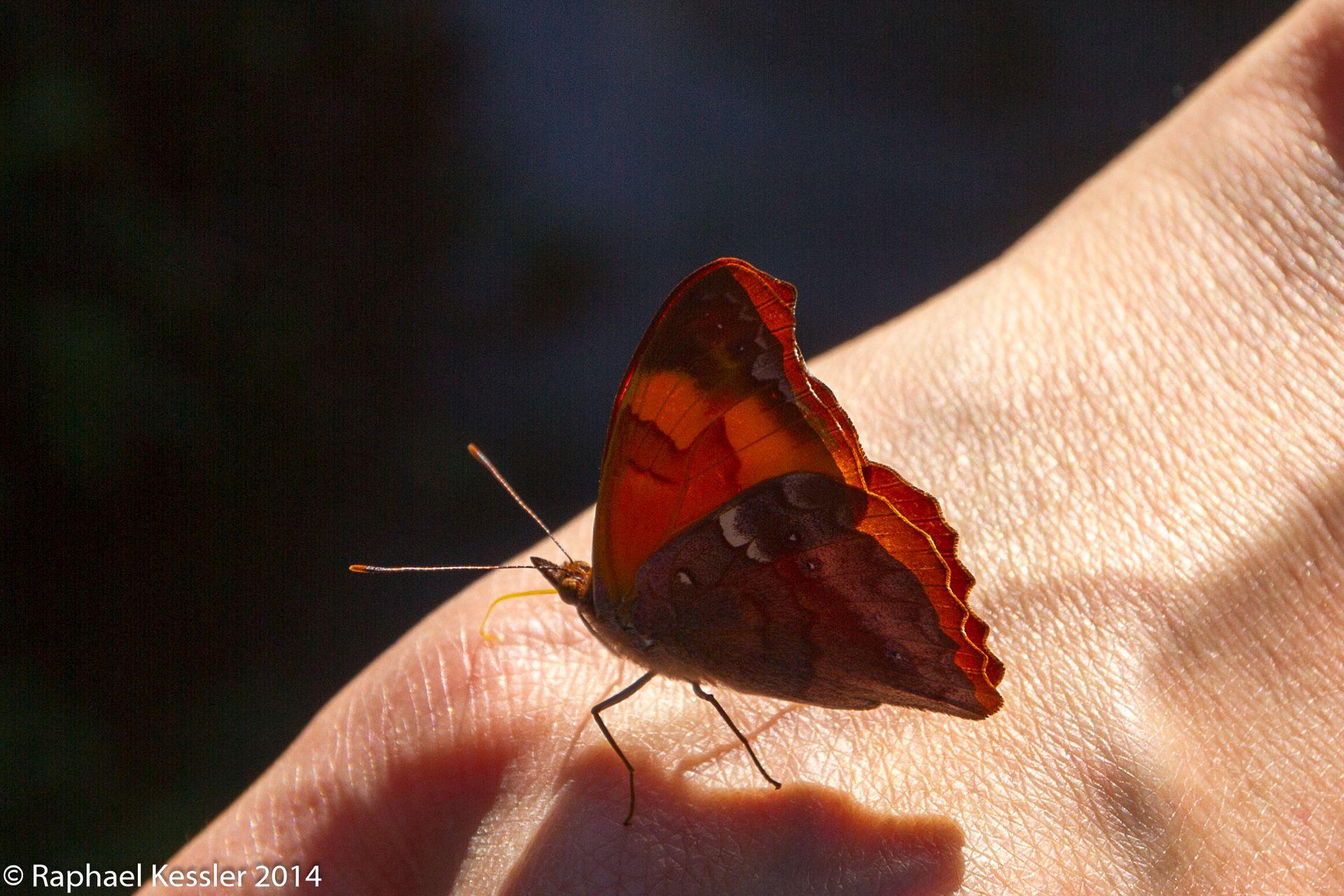
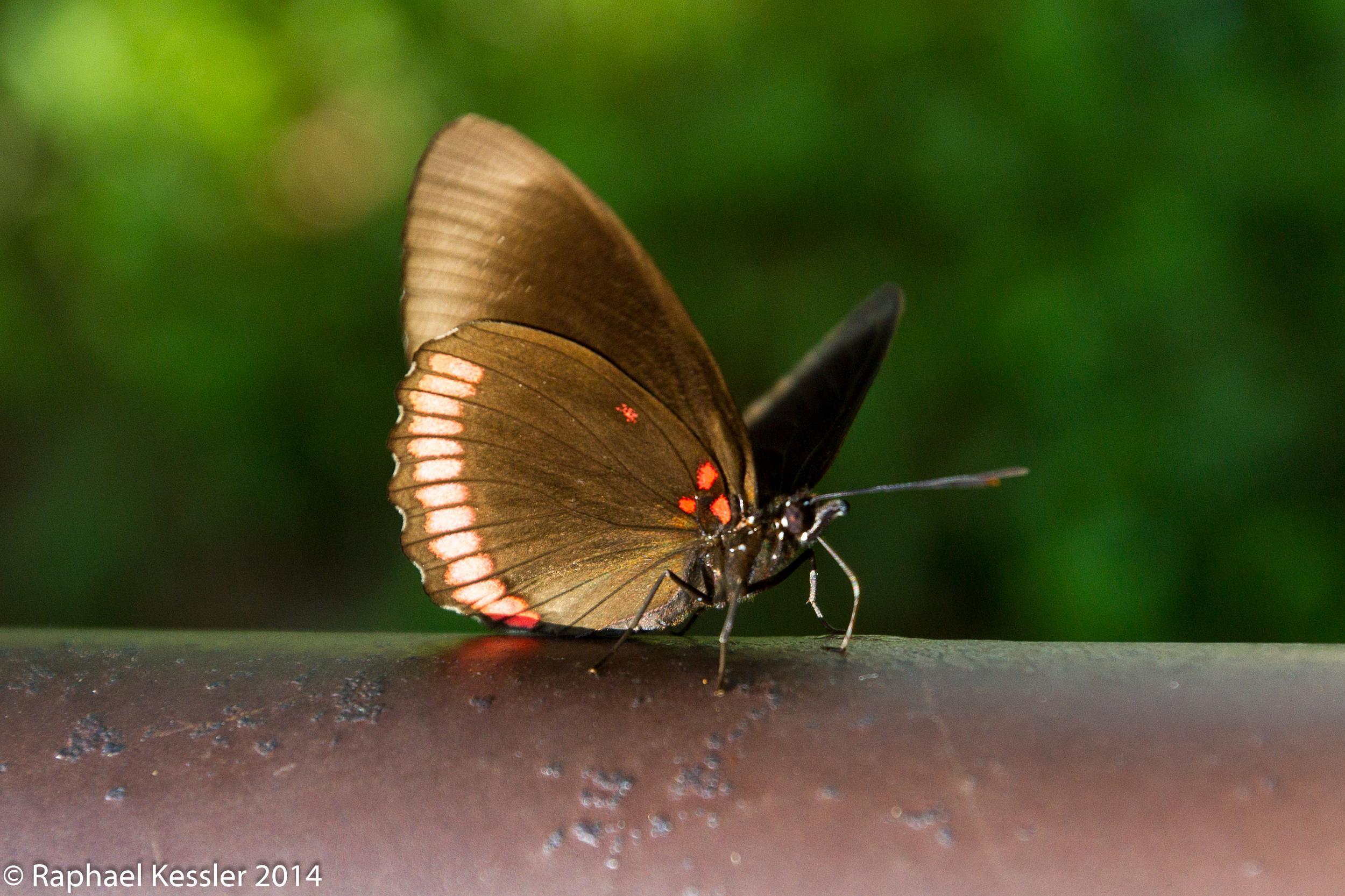
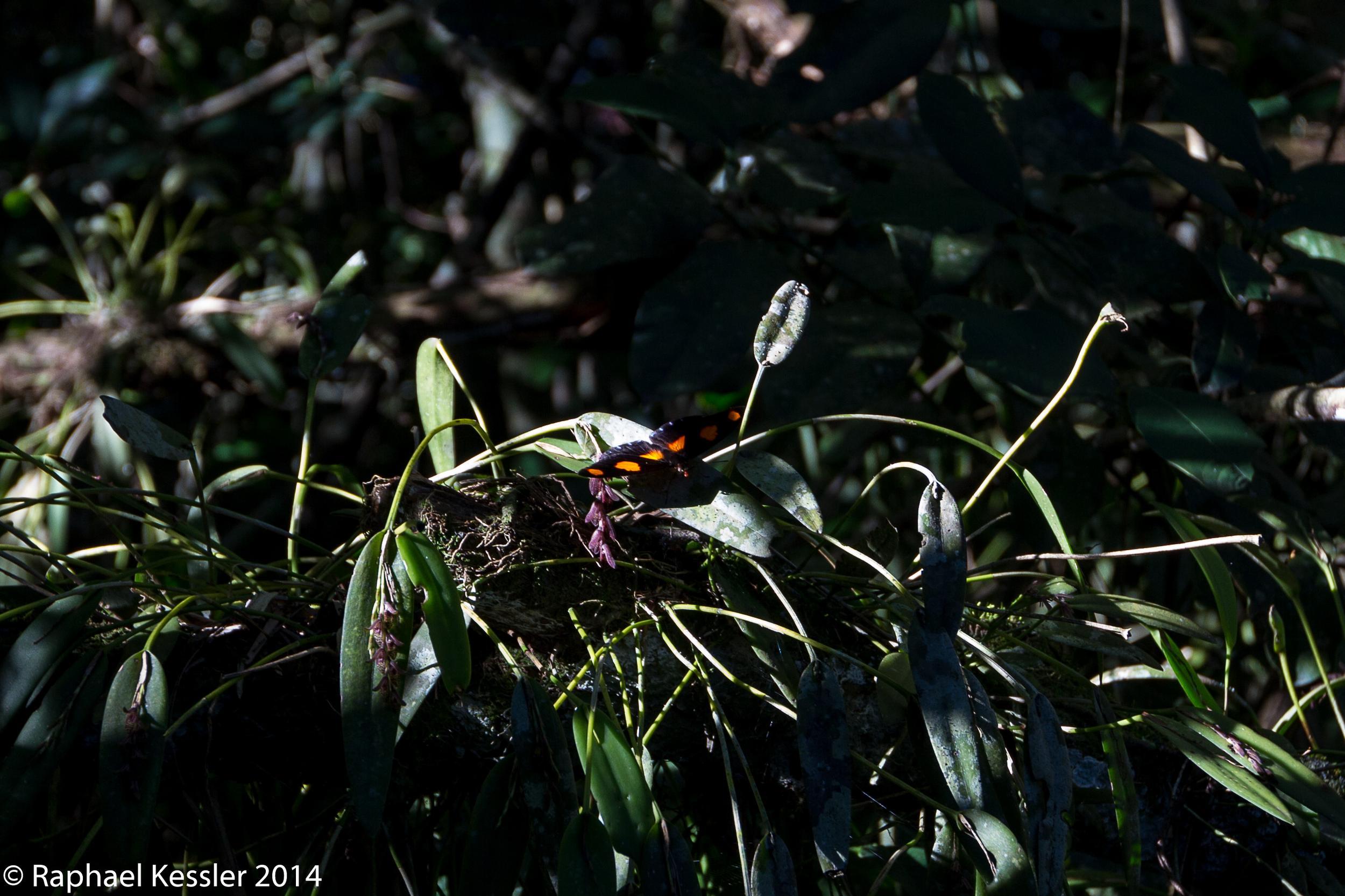
Around Iguazu, there were many different types of butterflies and other wildlife.
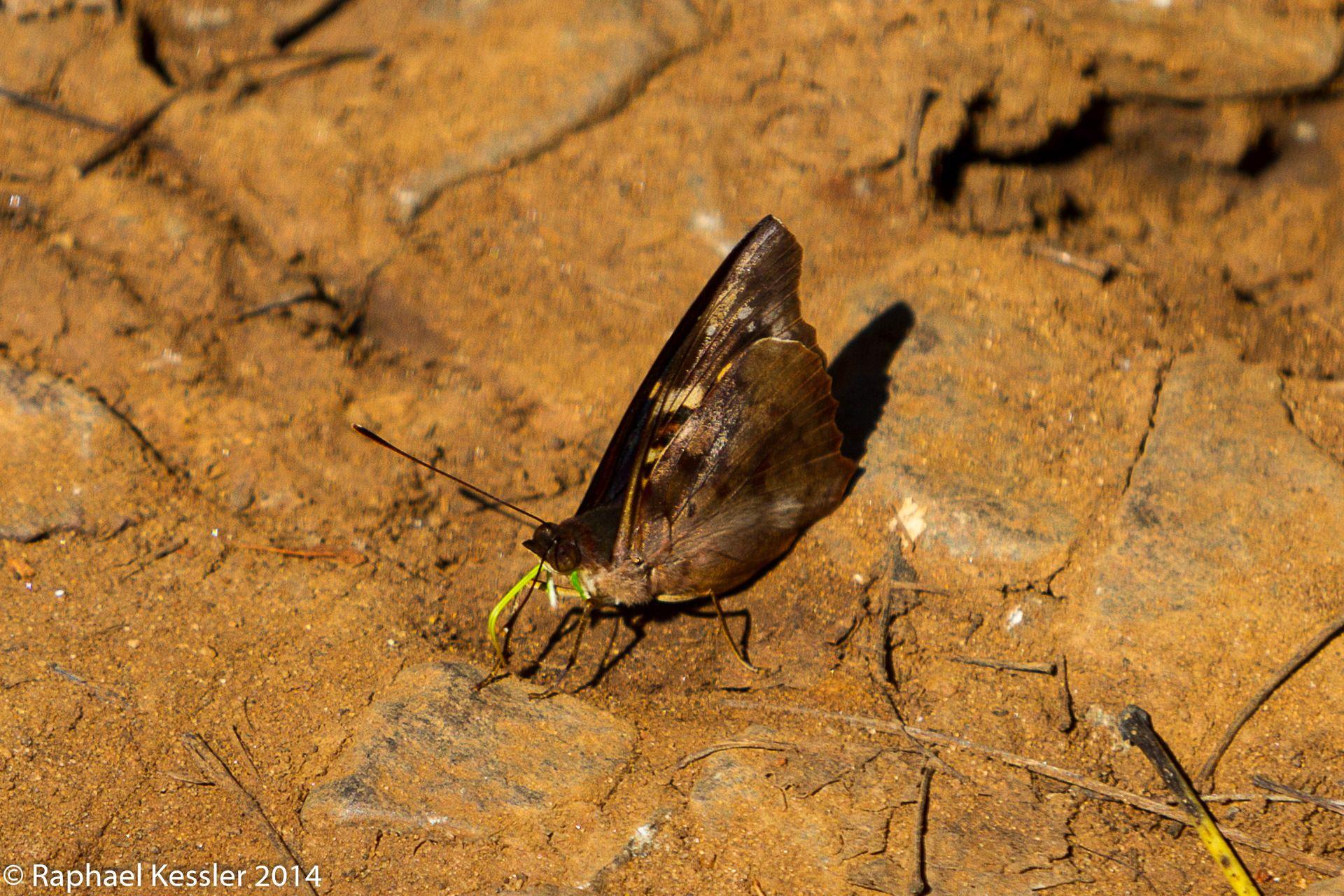
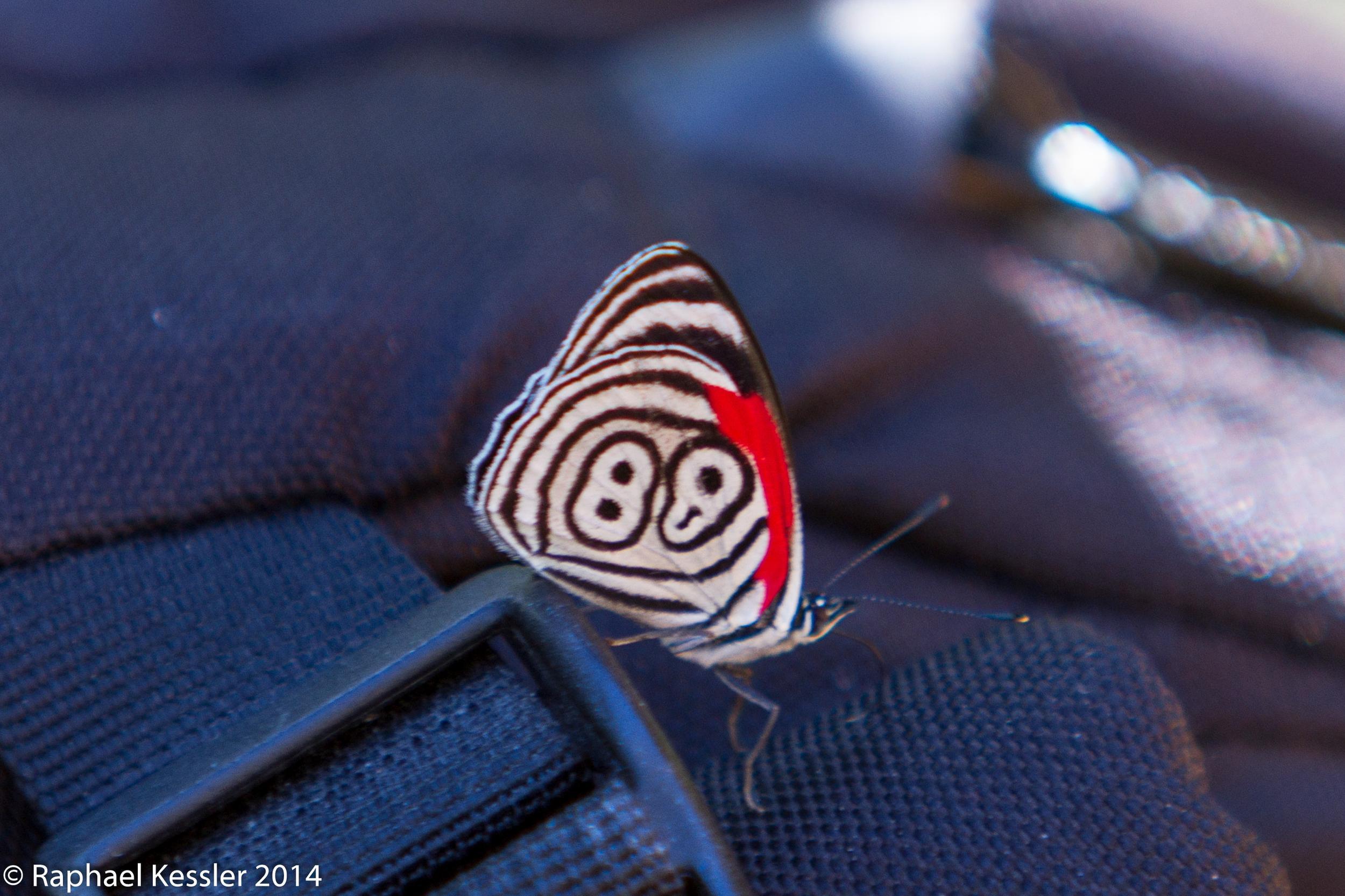
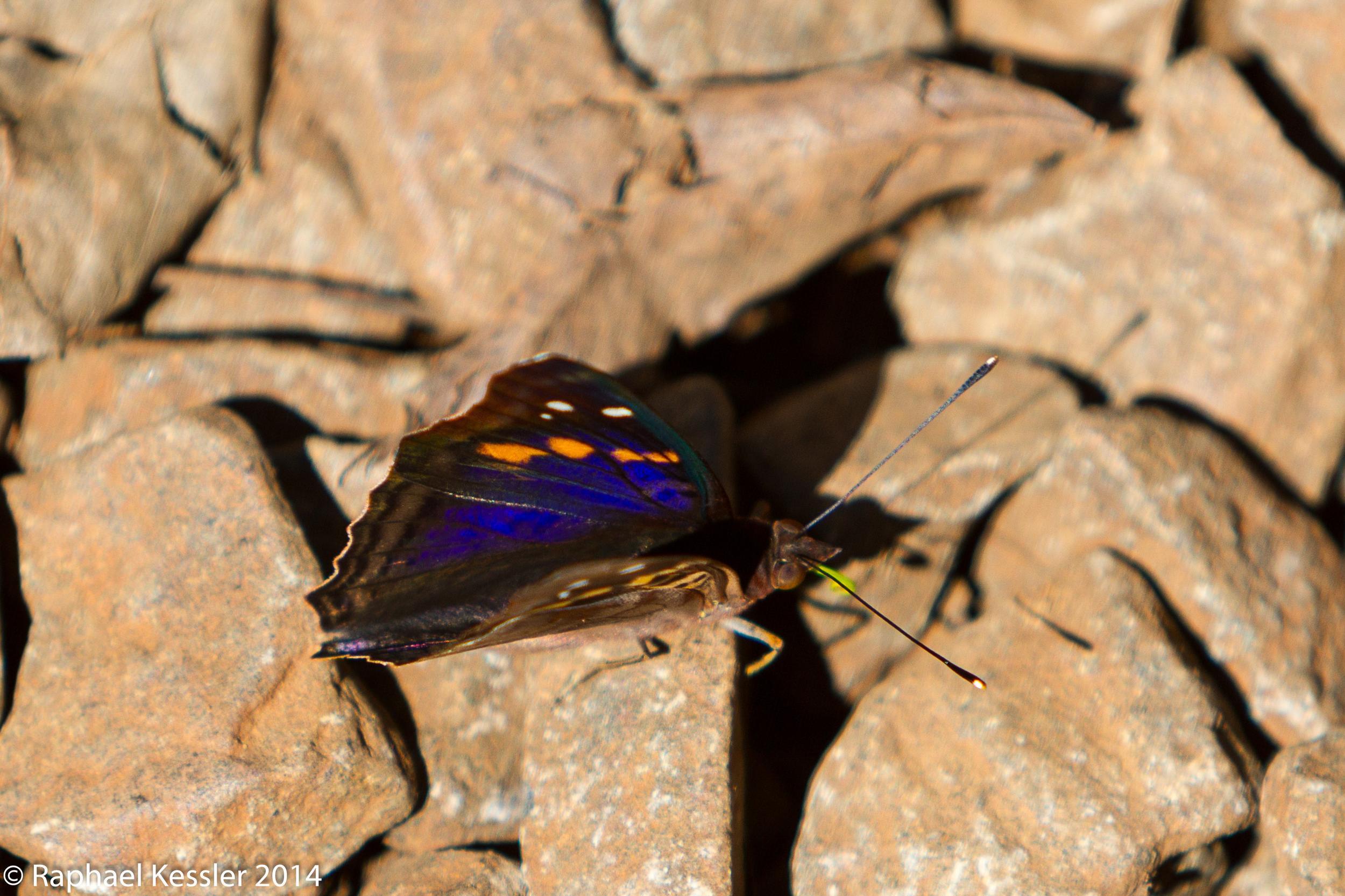
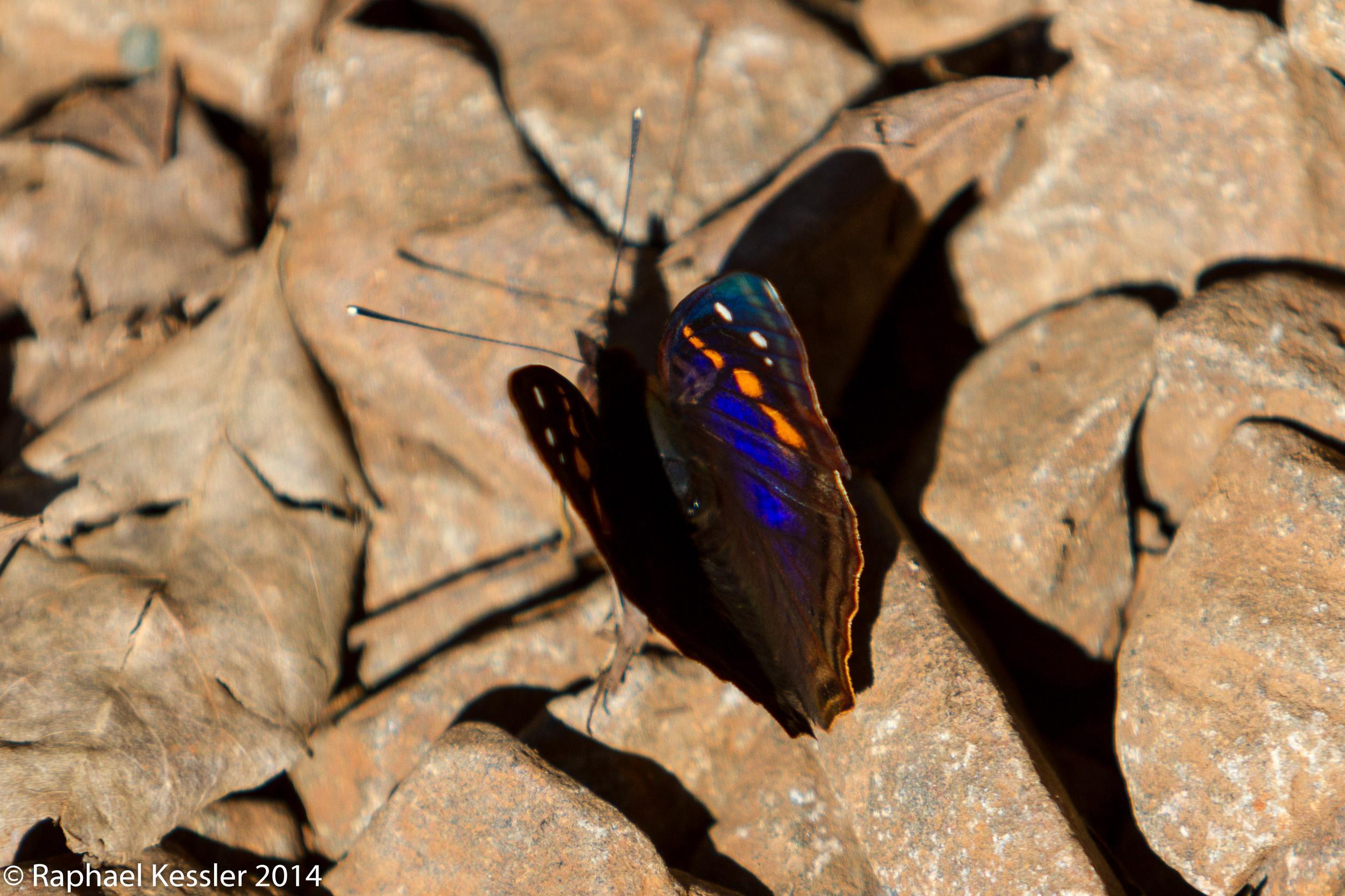
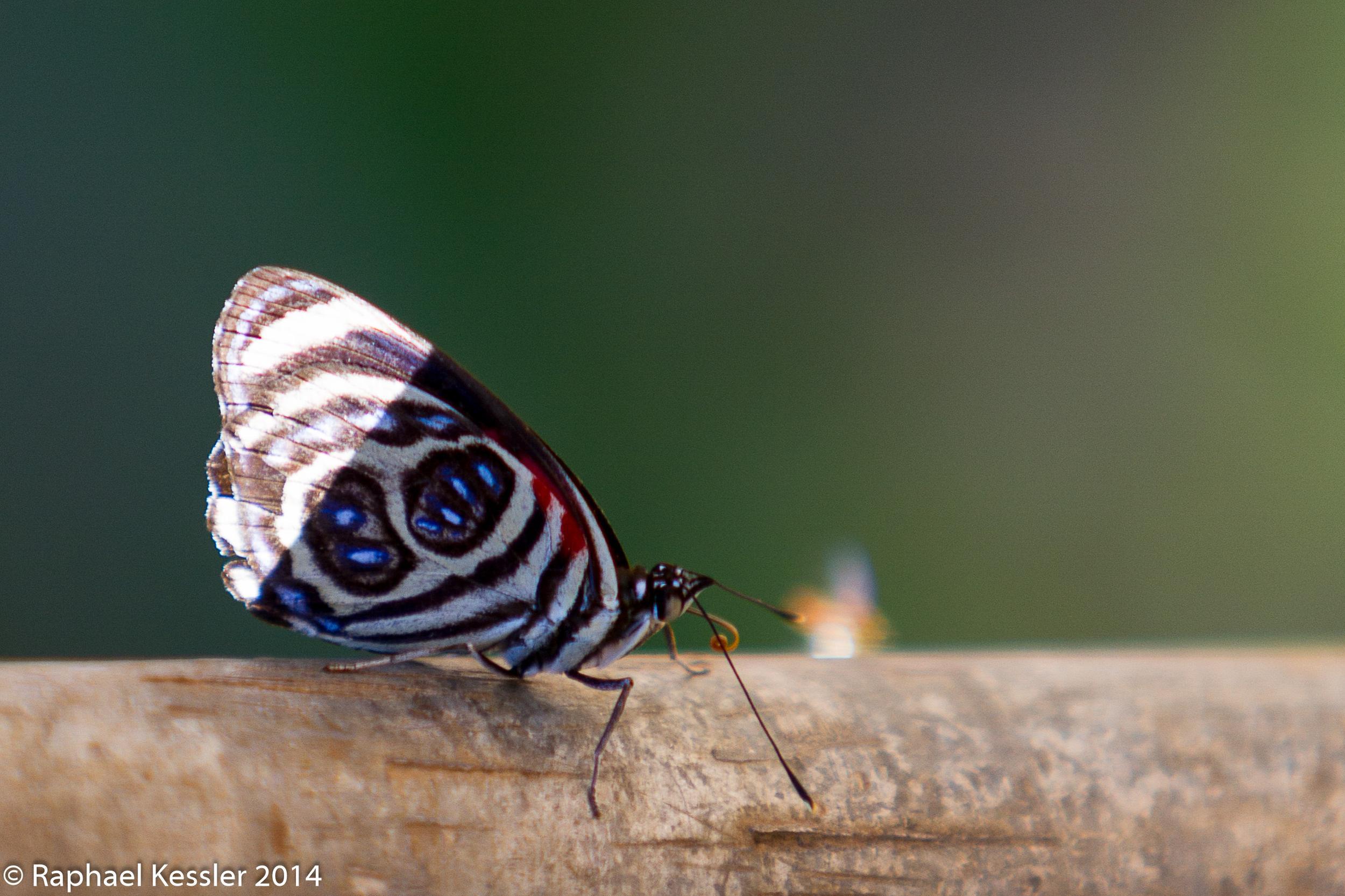
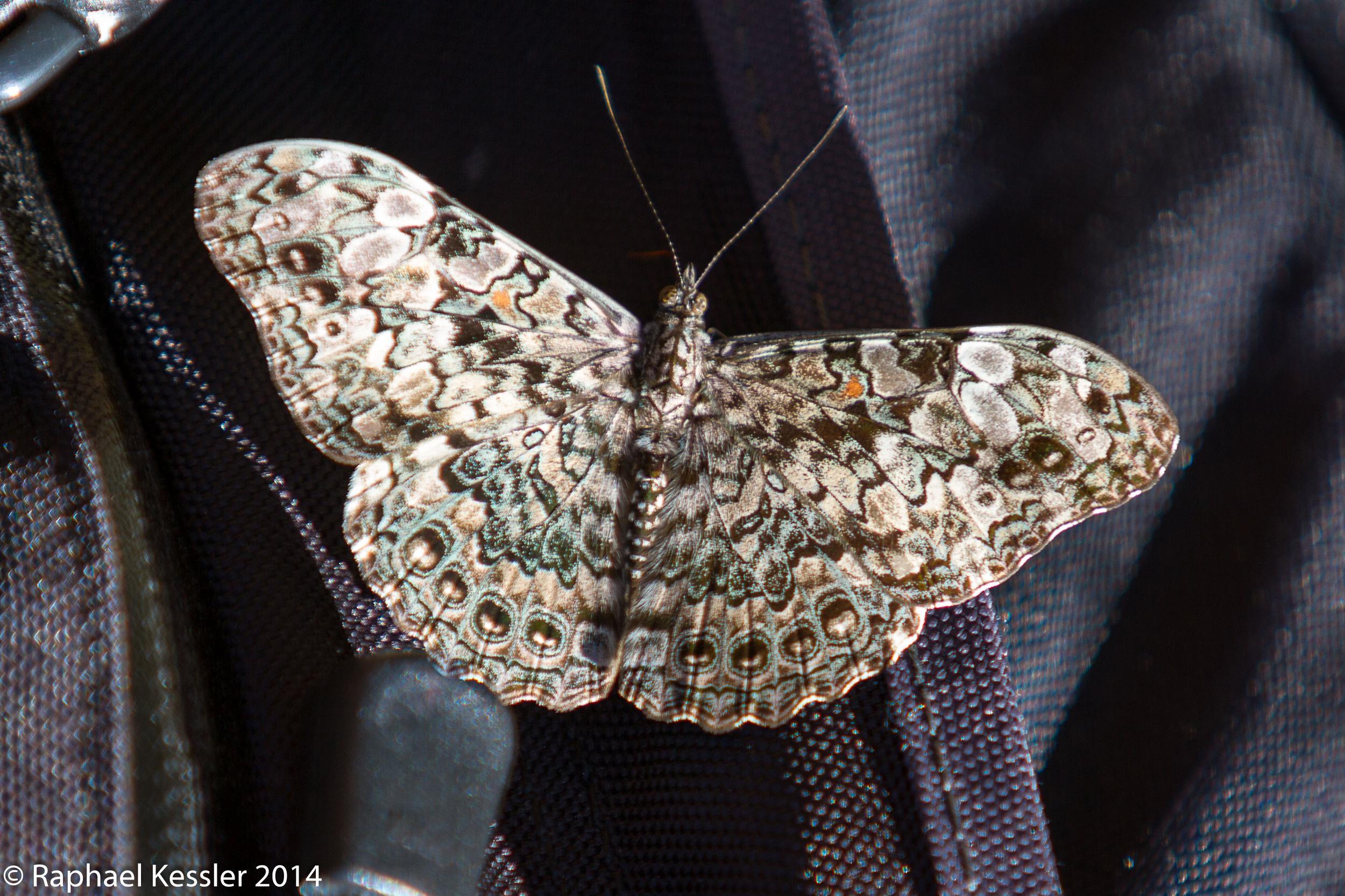
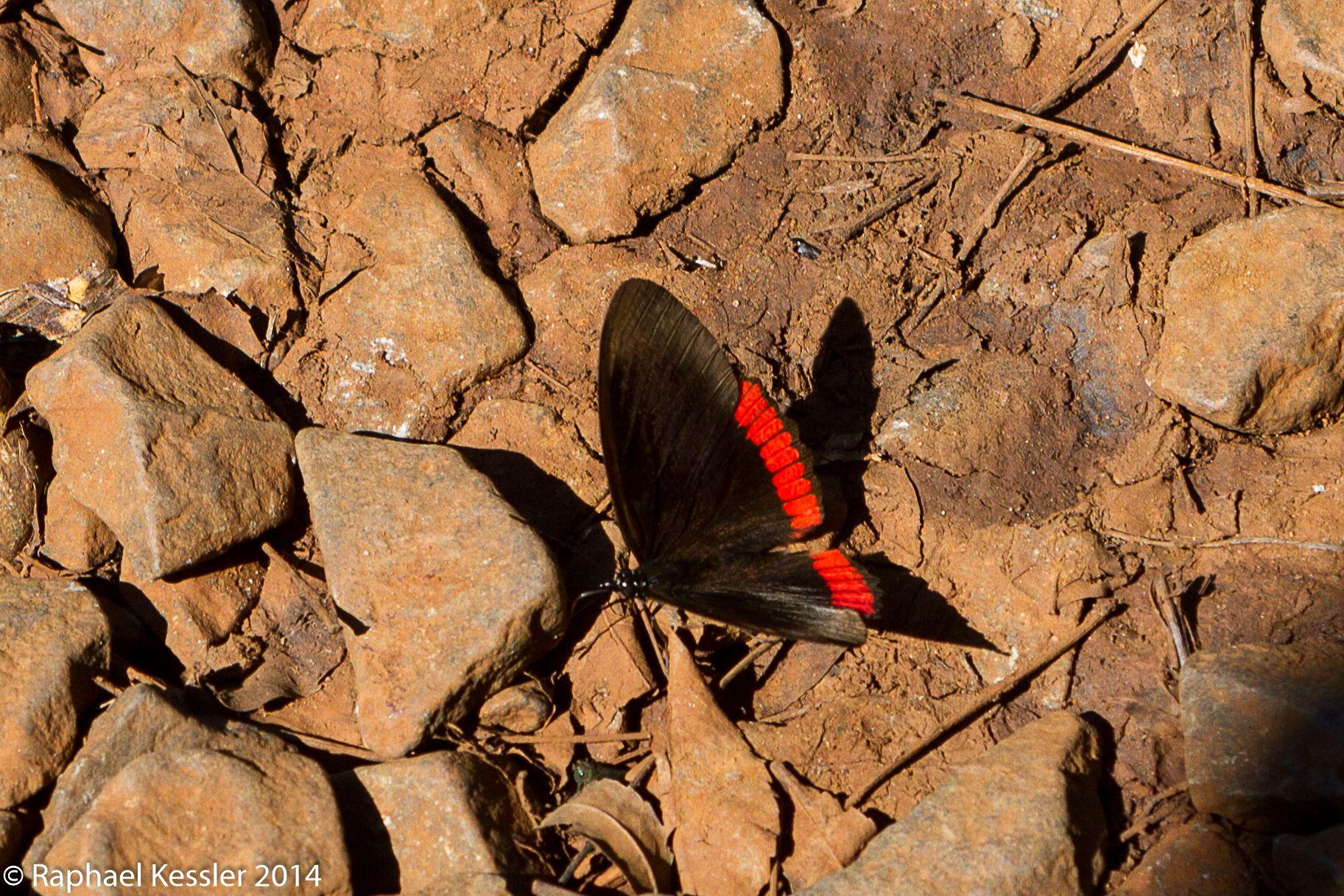
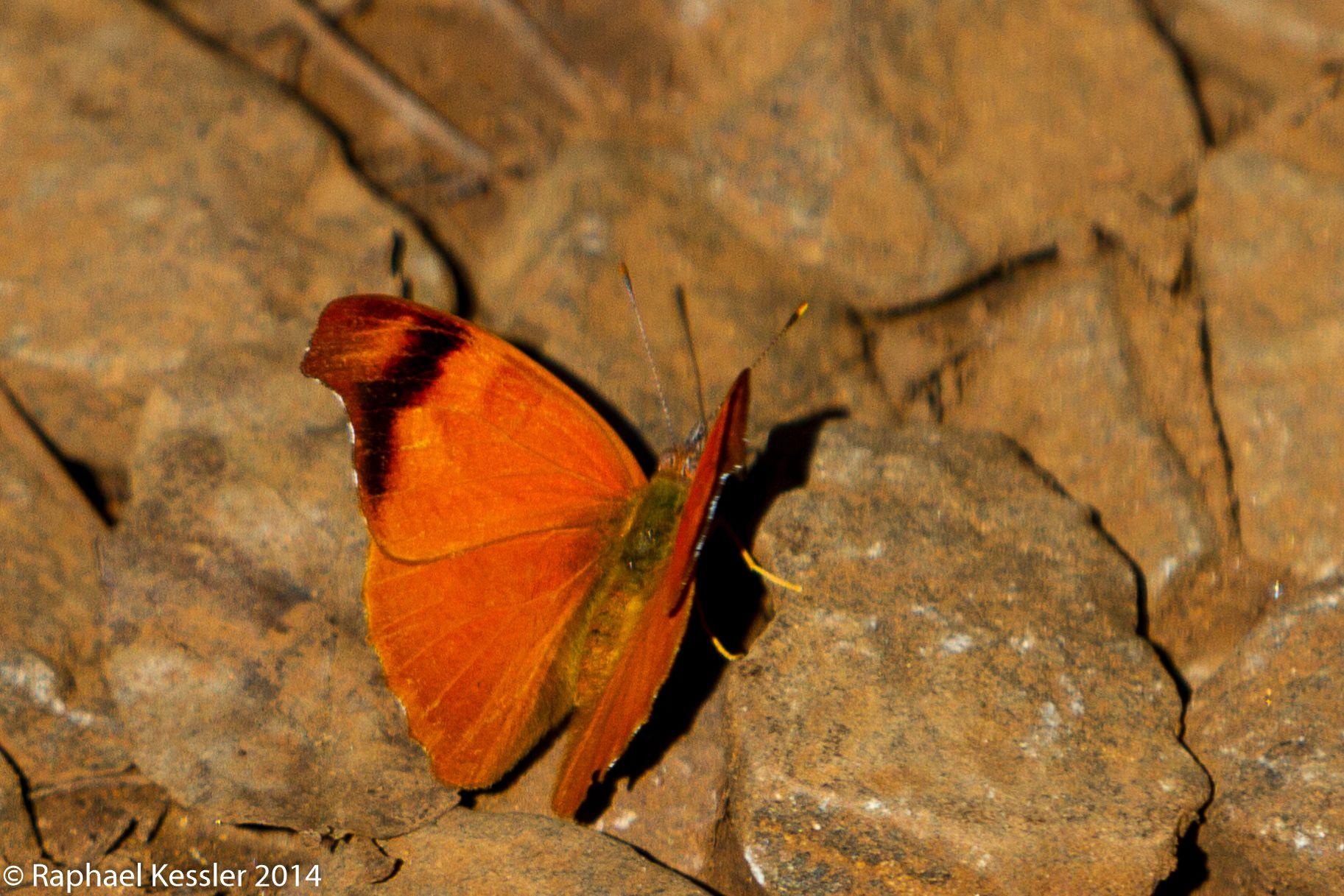
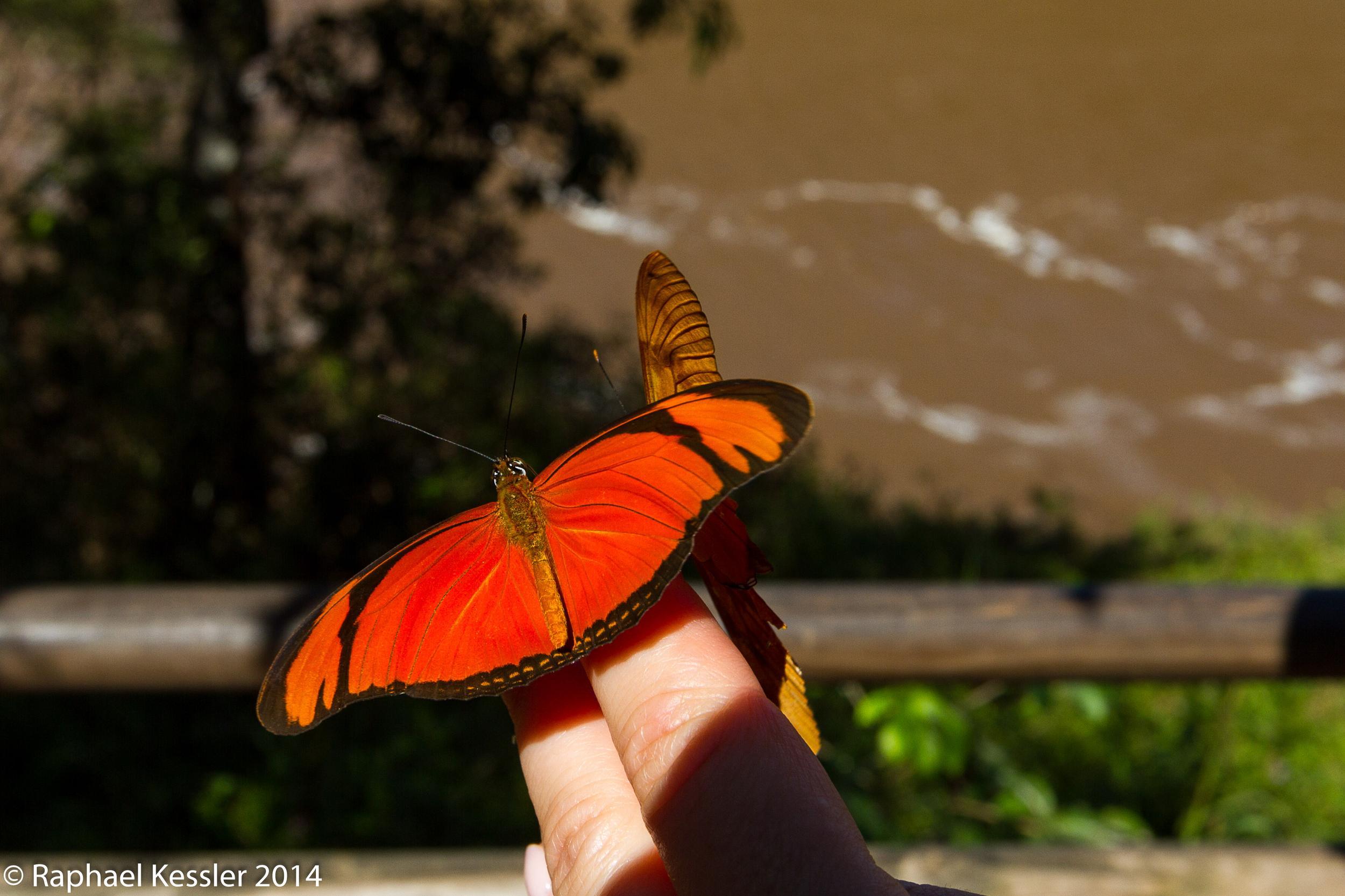
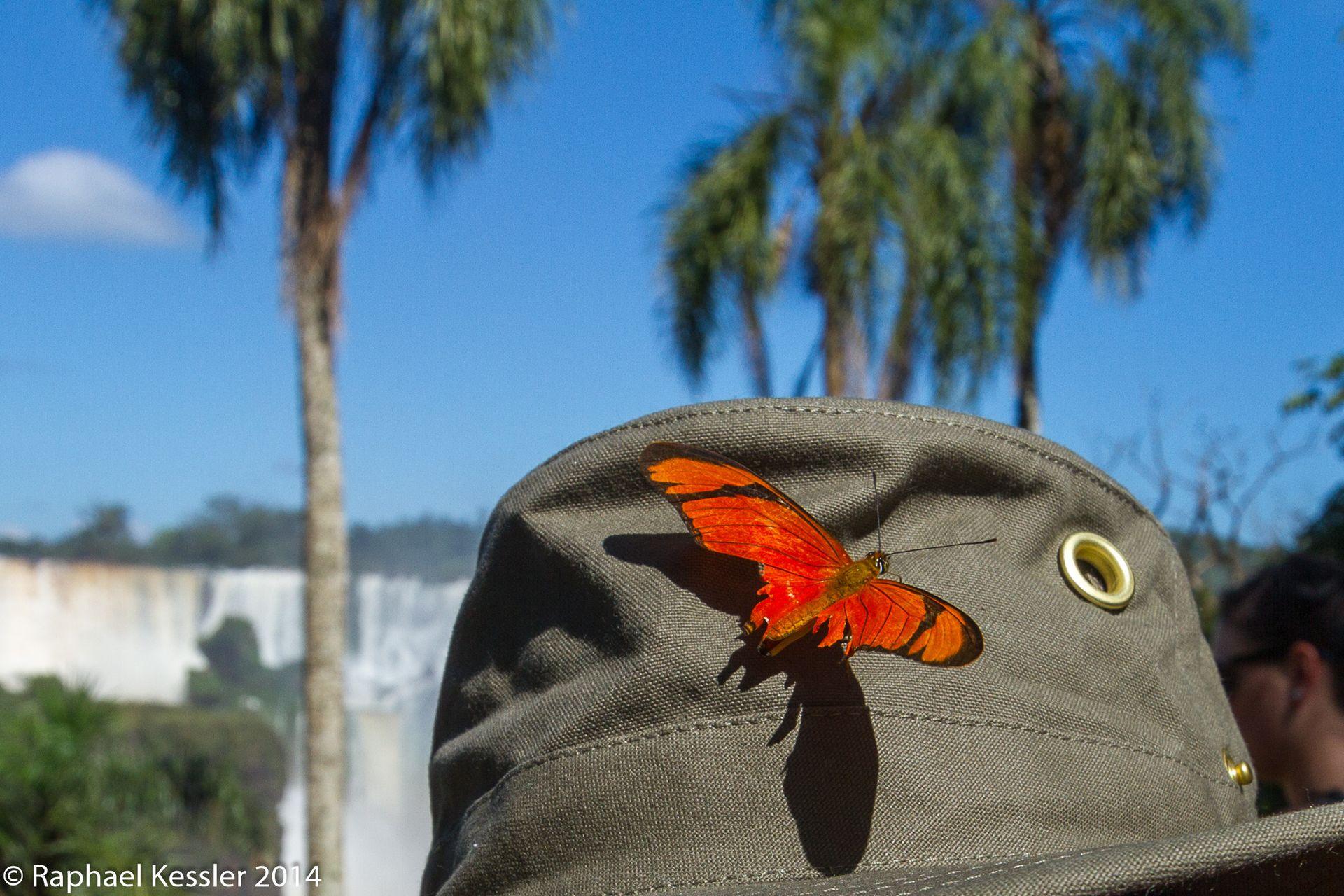
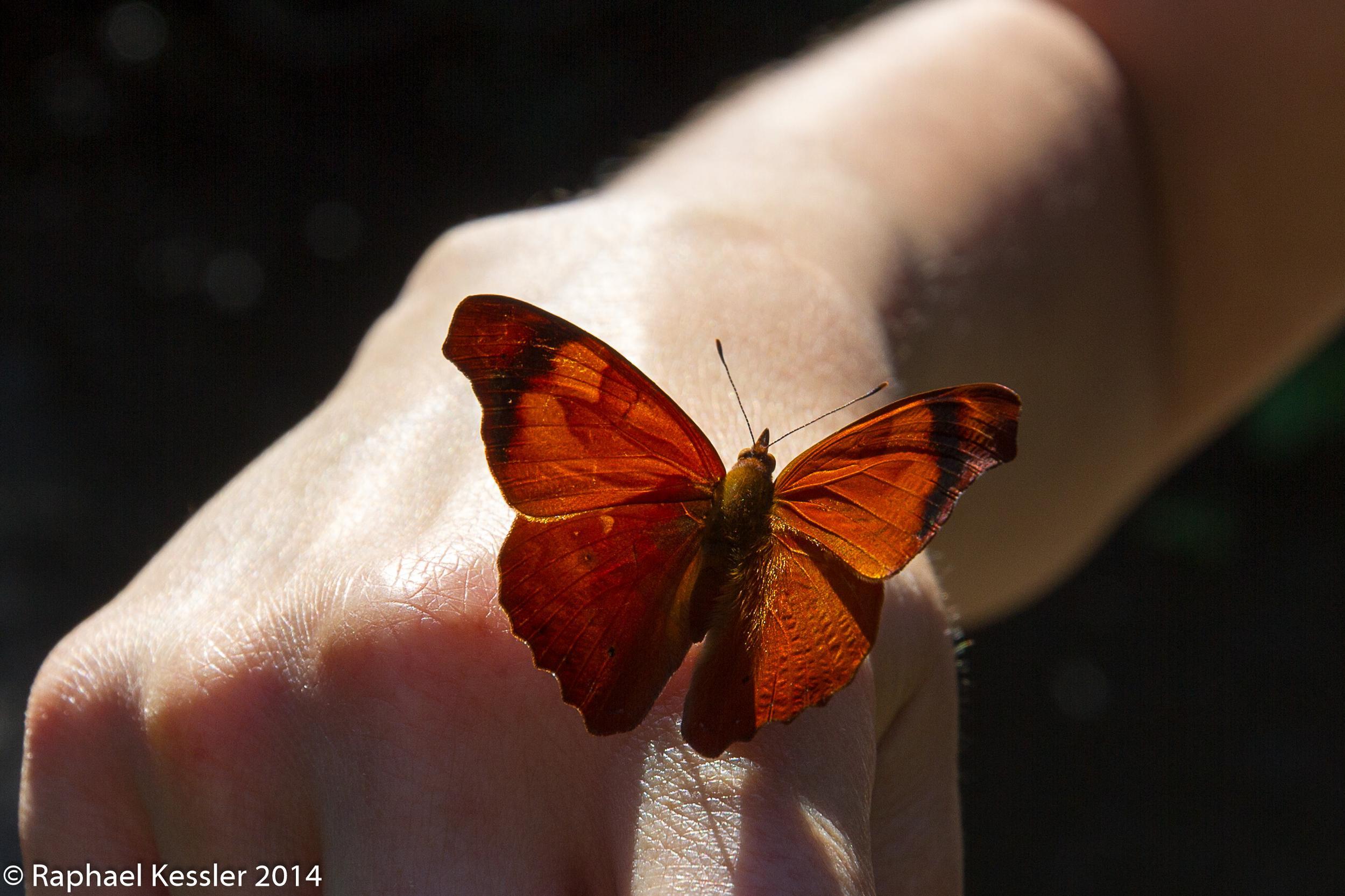
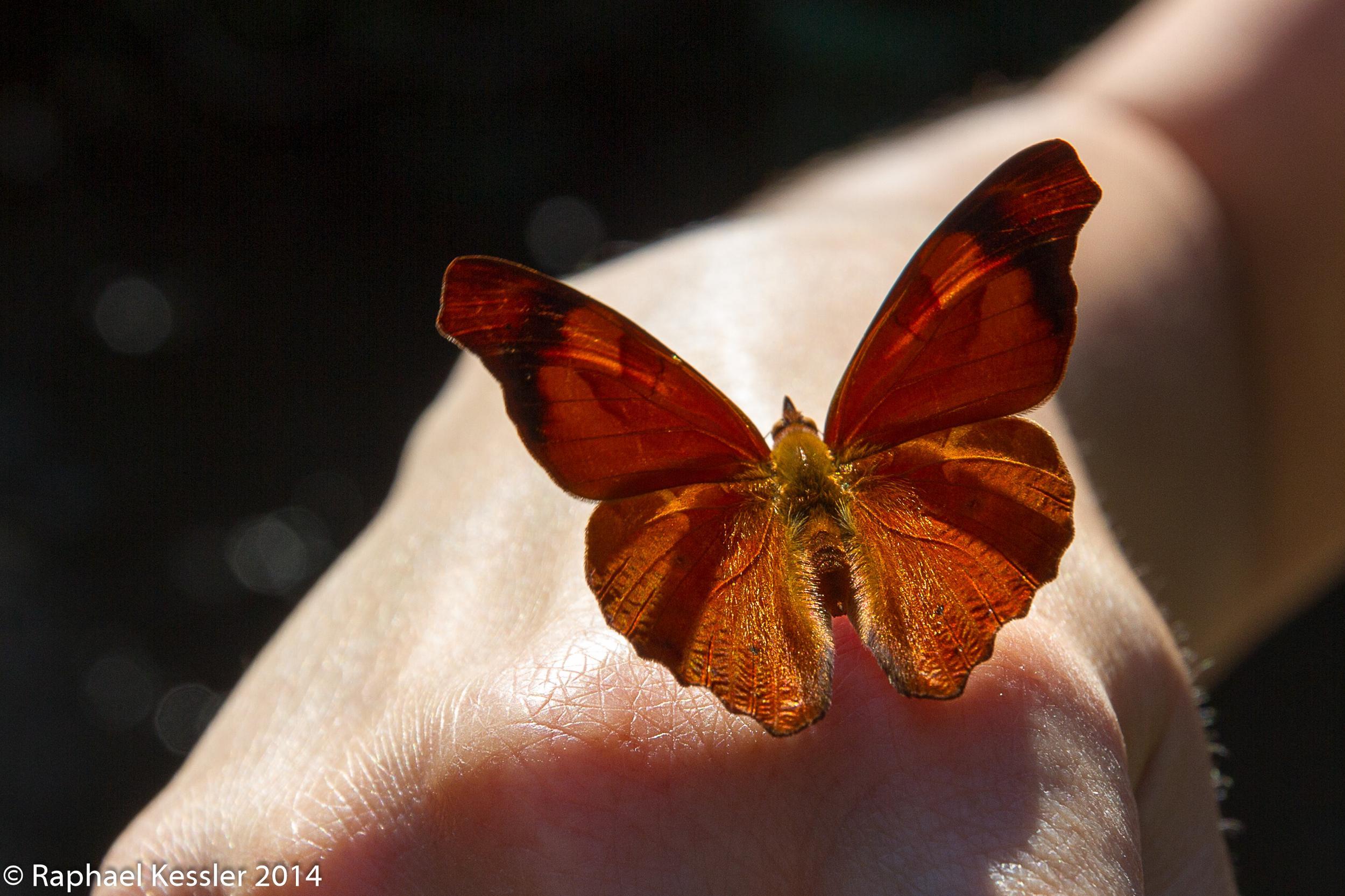
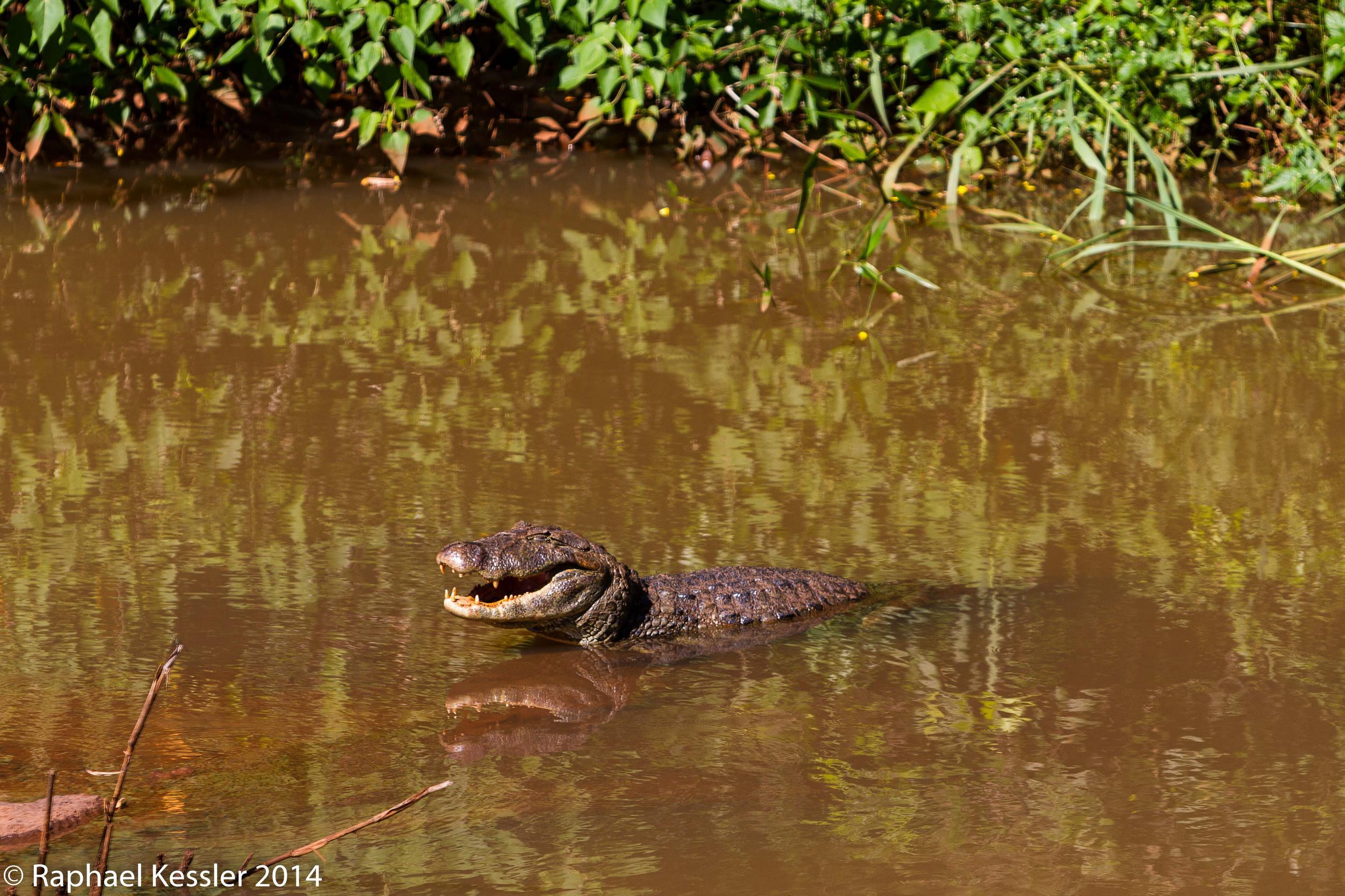
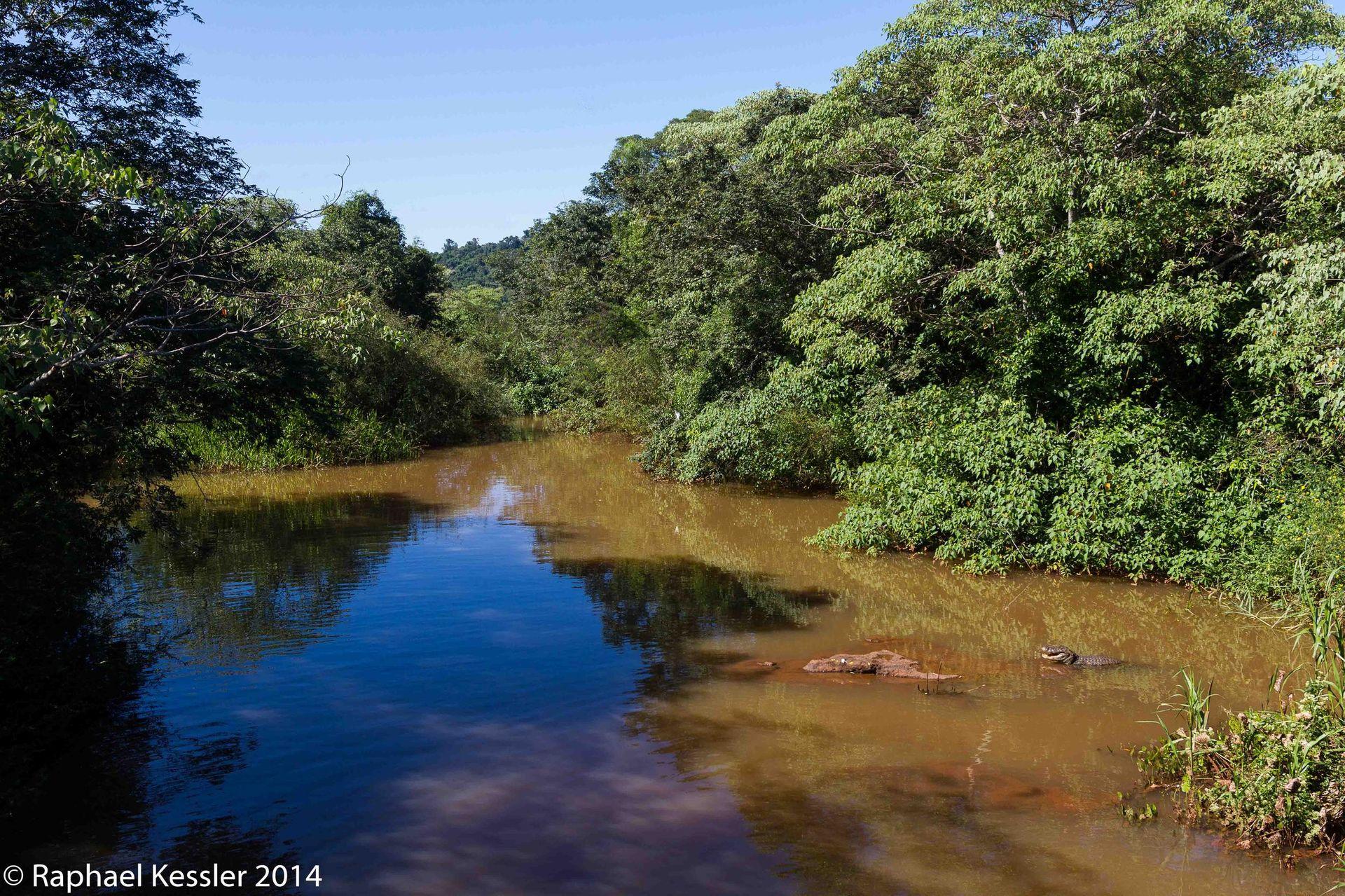
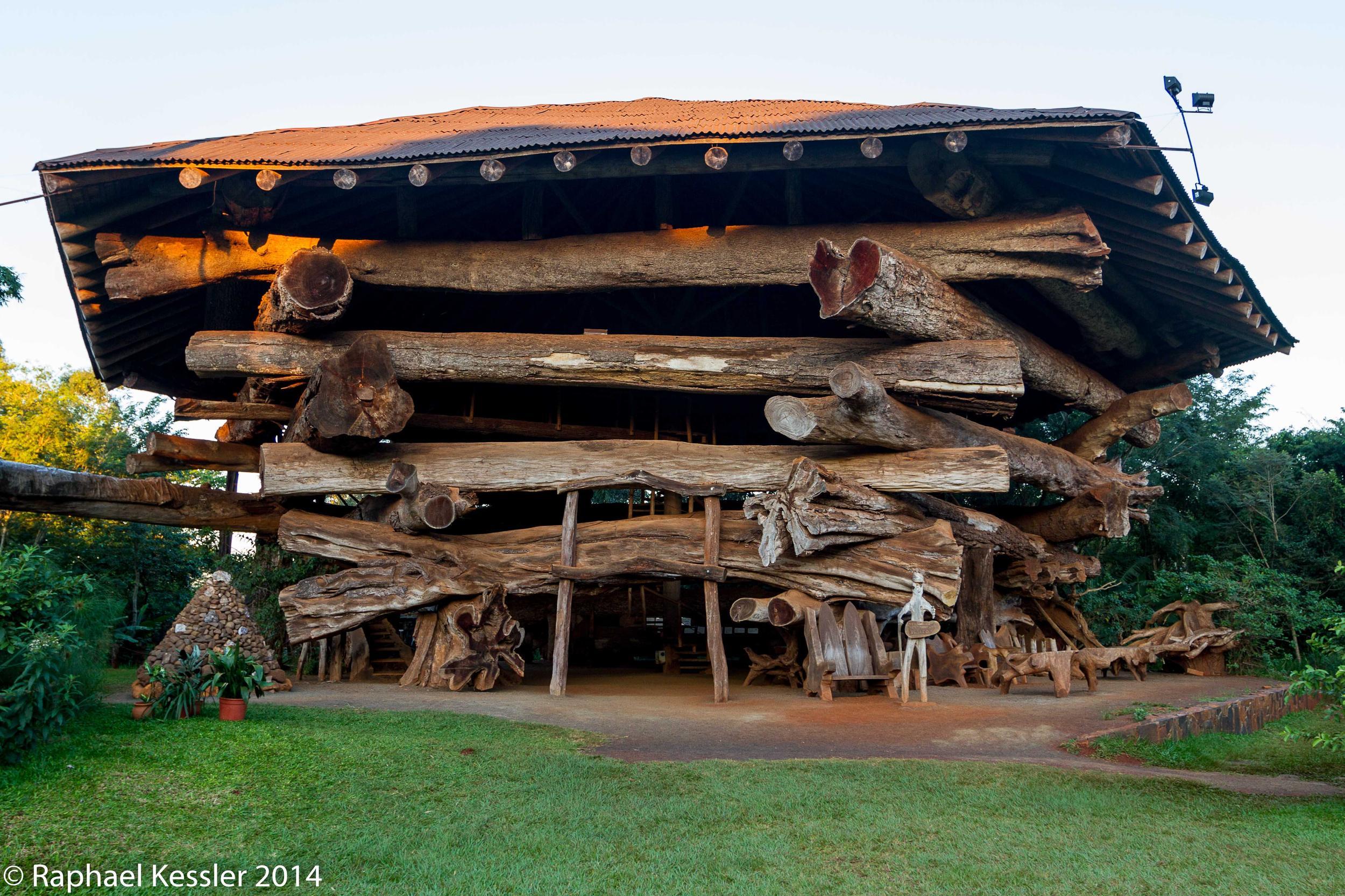
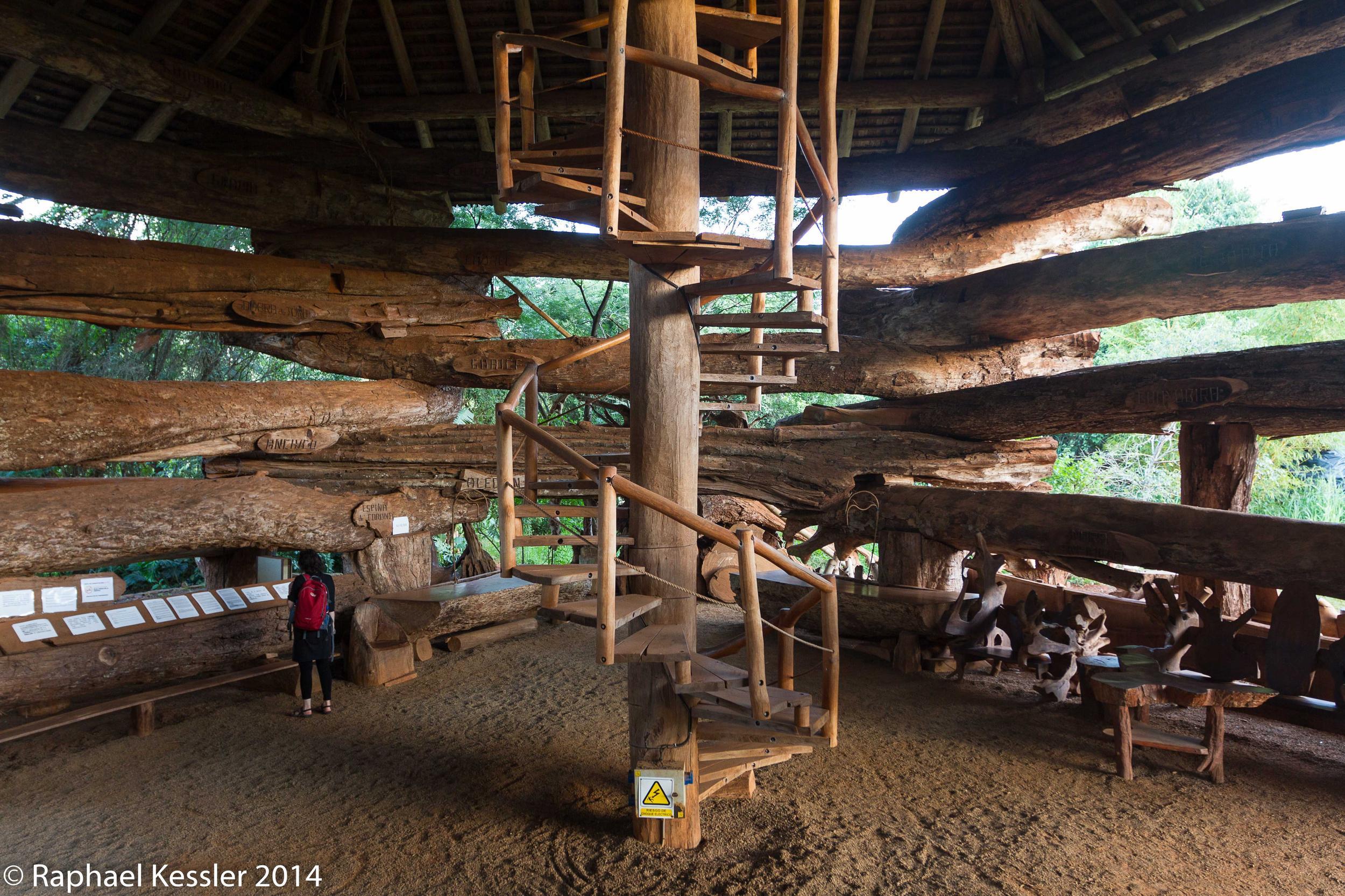
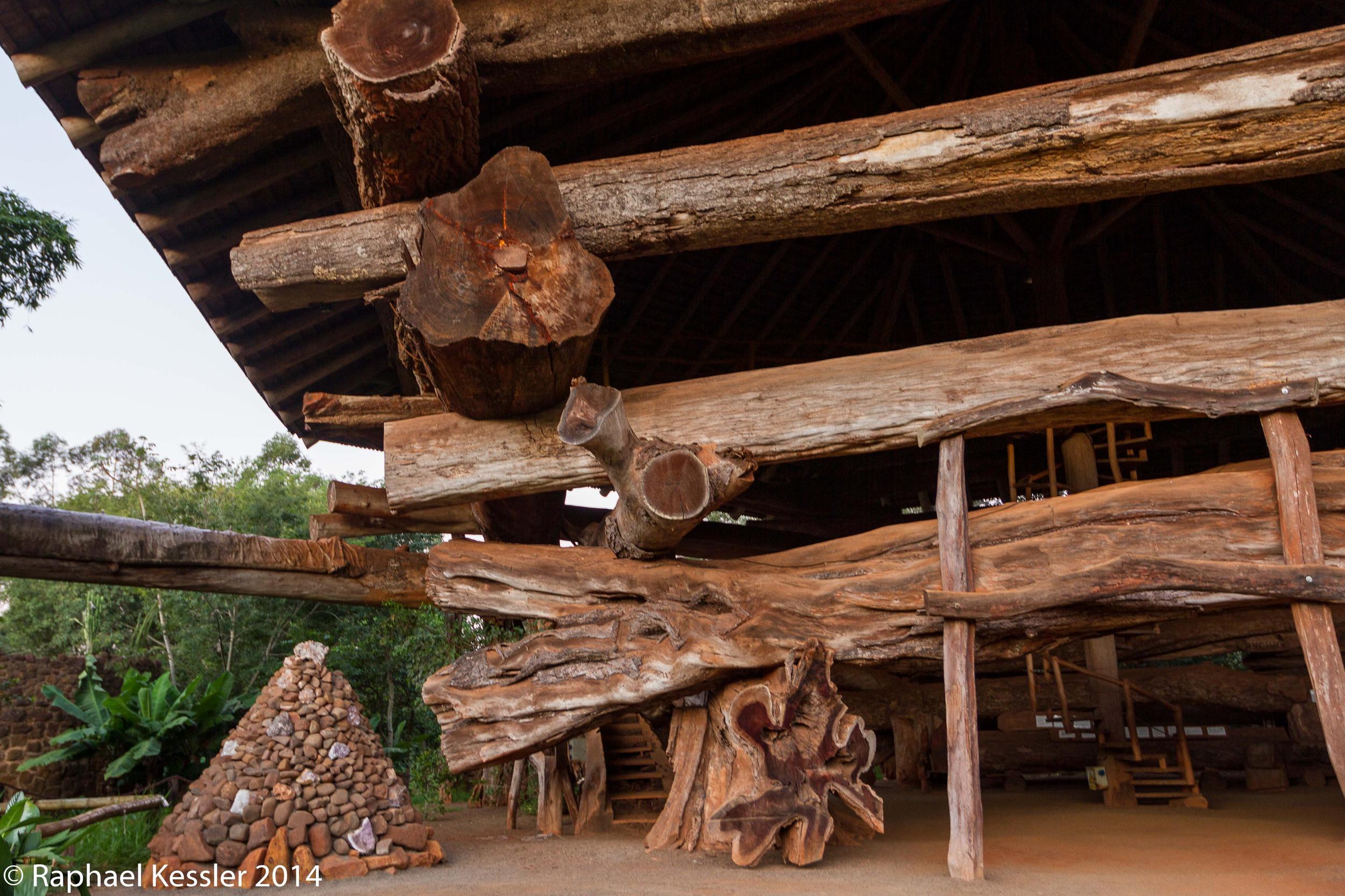
In Puerto Iguazu La Aripuca shows some indigenous tree species.
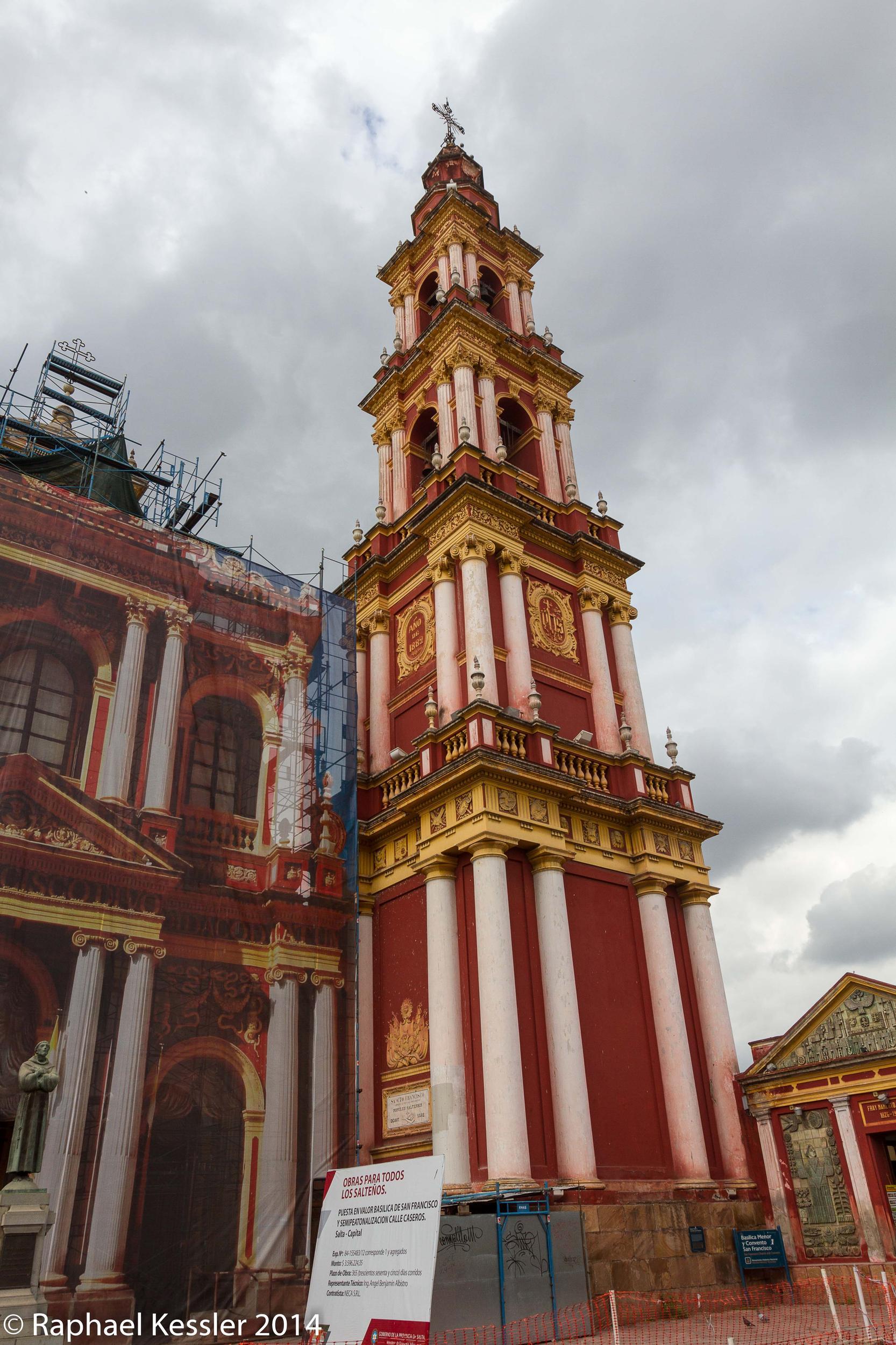
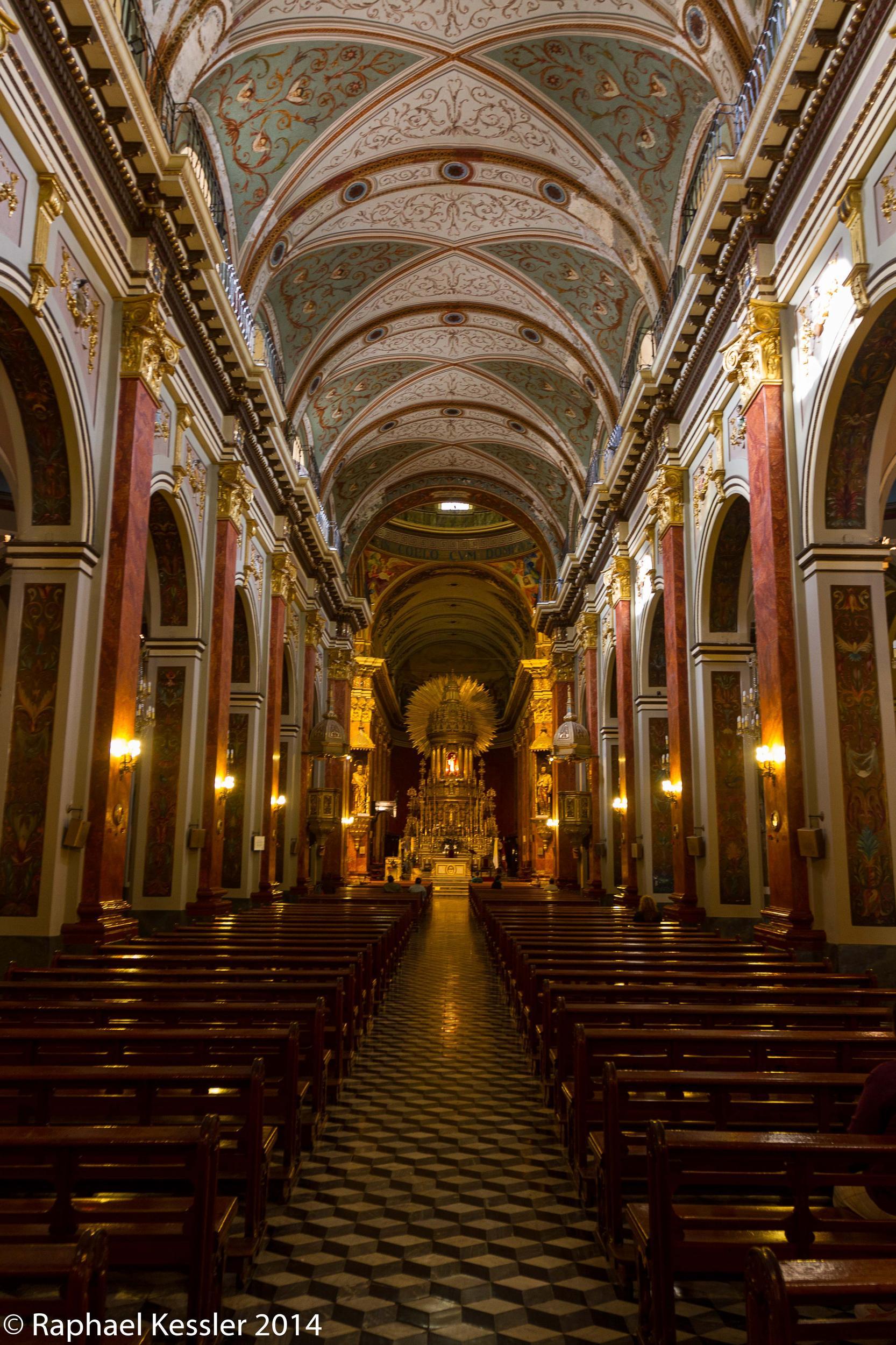
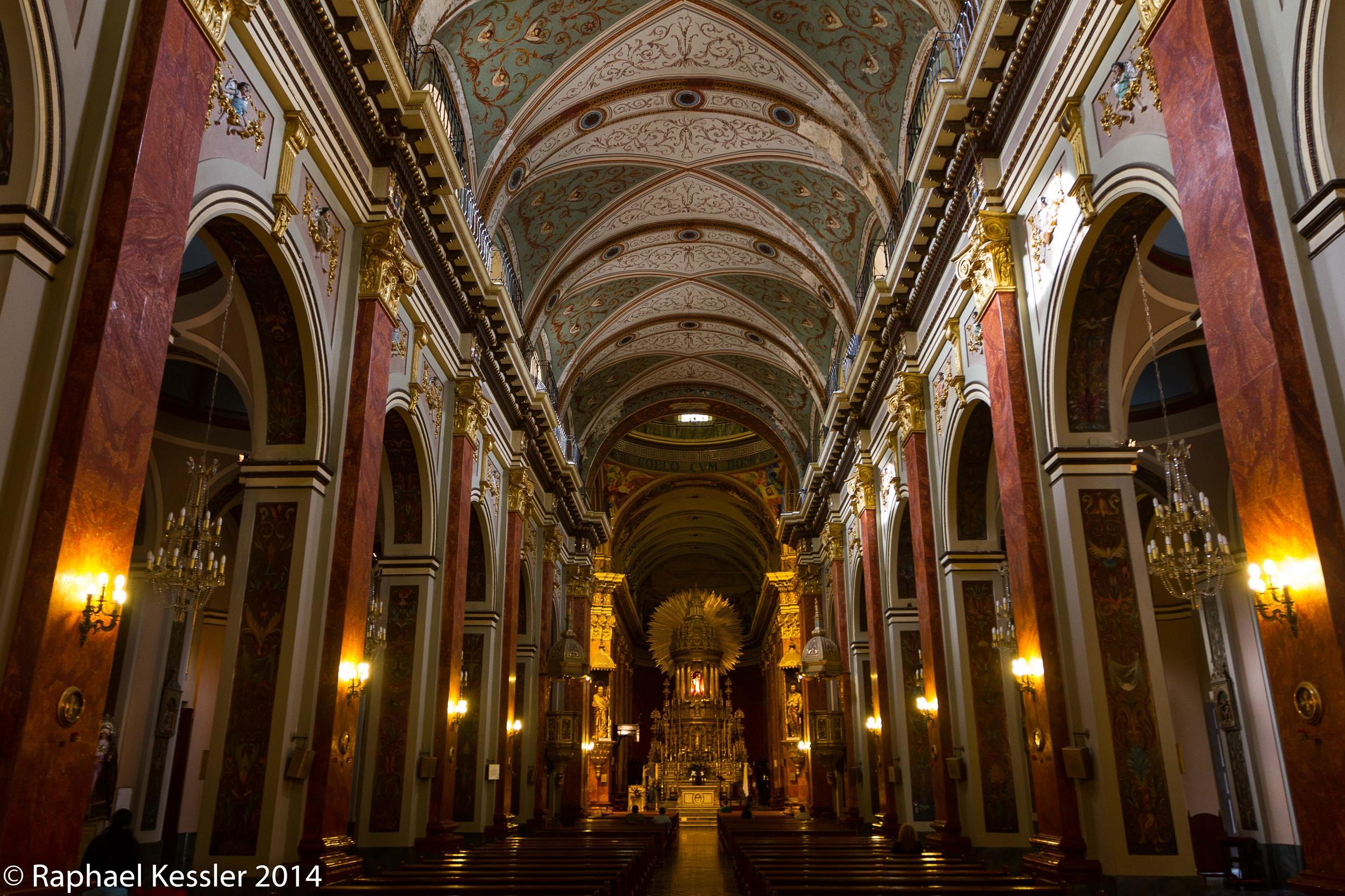
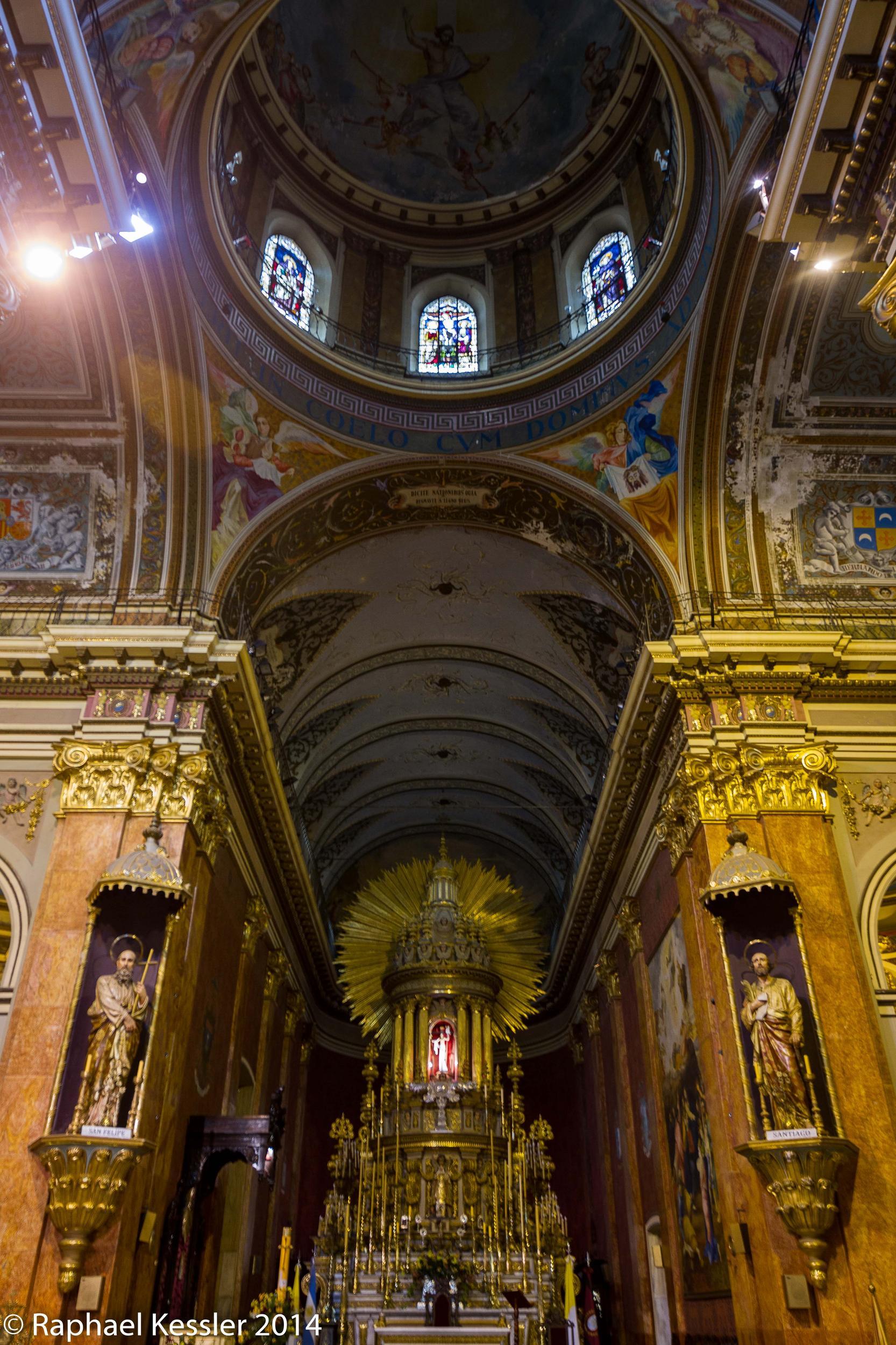
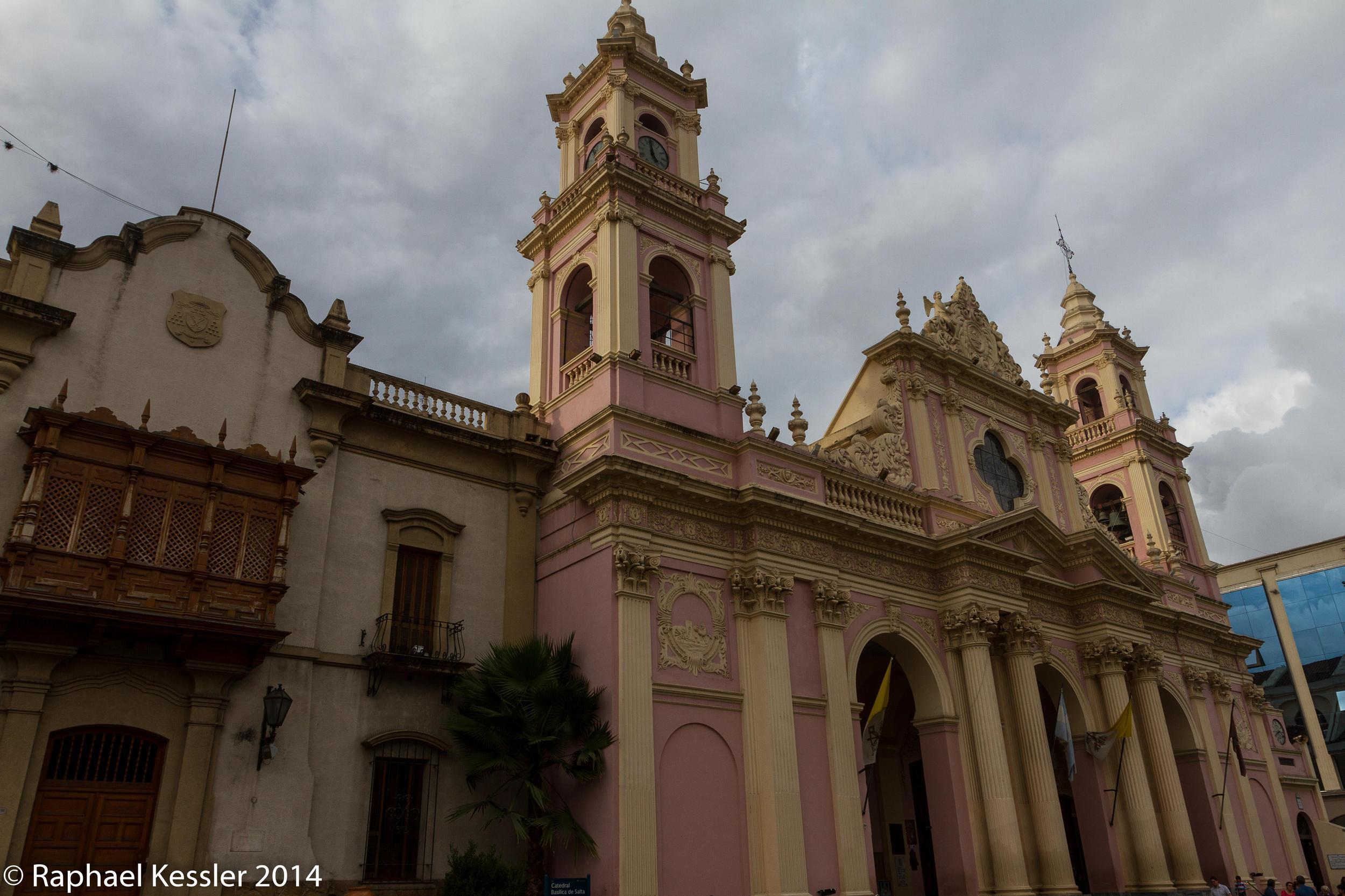
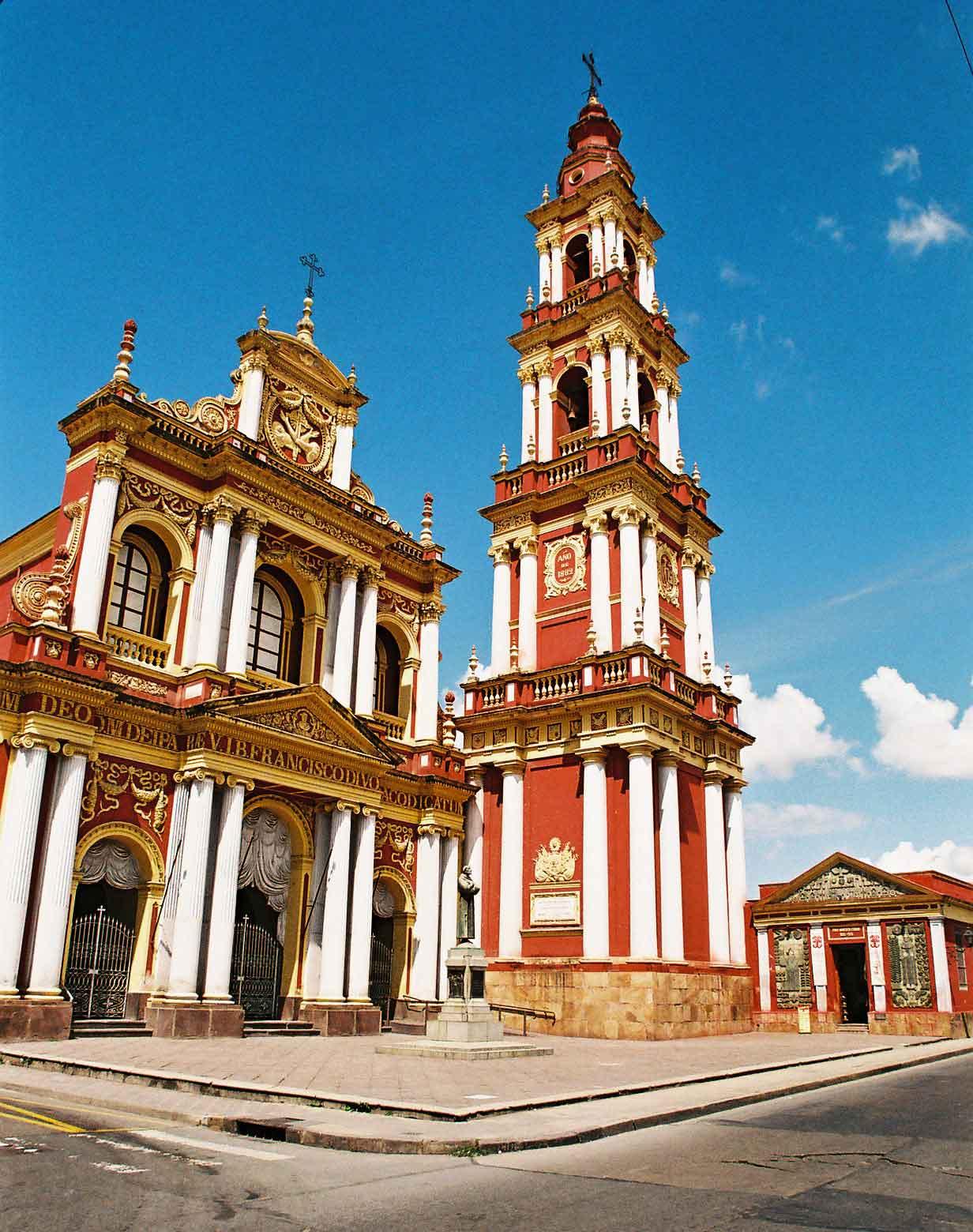
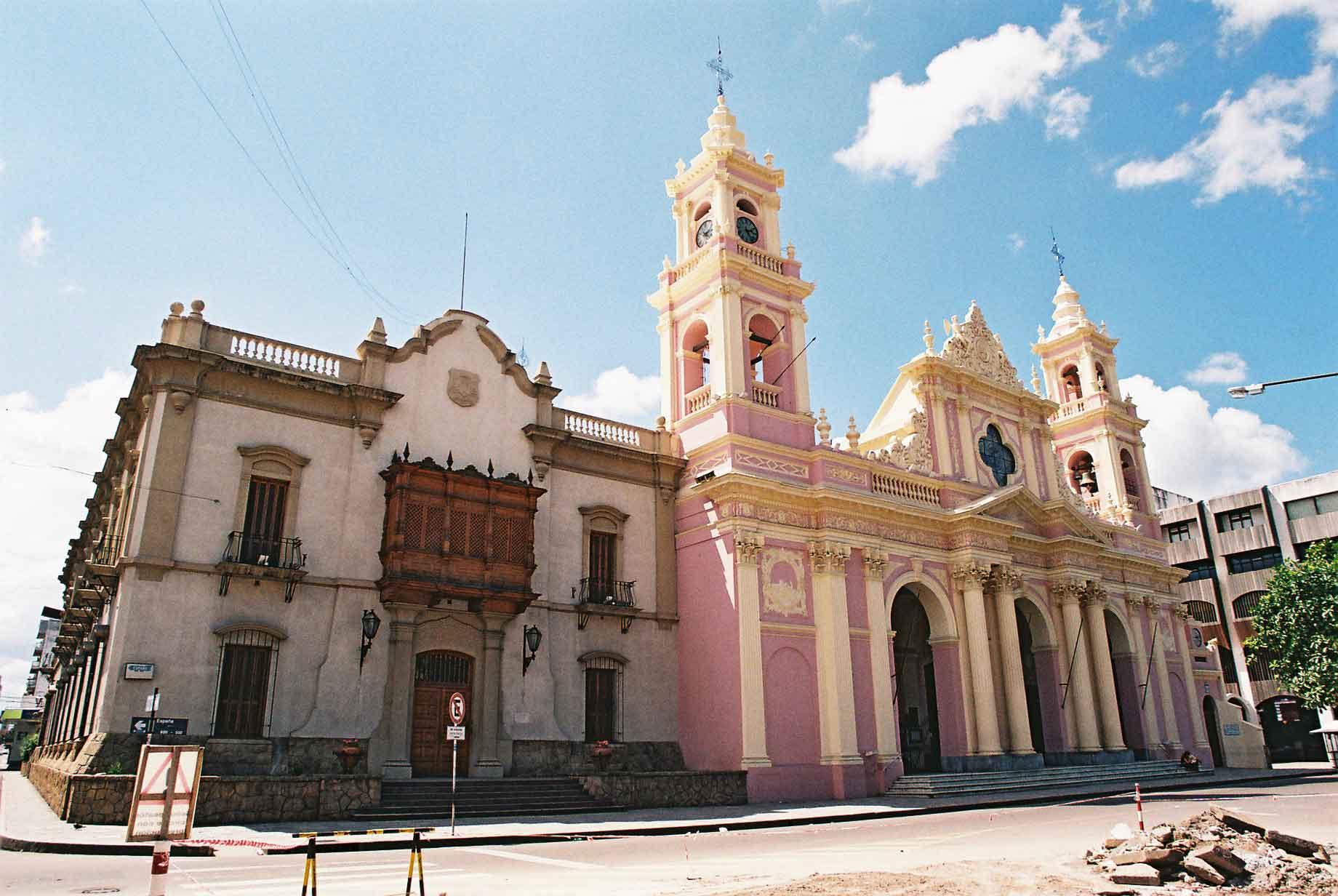
Salta is in the north of Argentina and has some pretty churches.
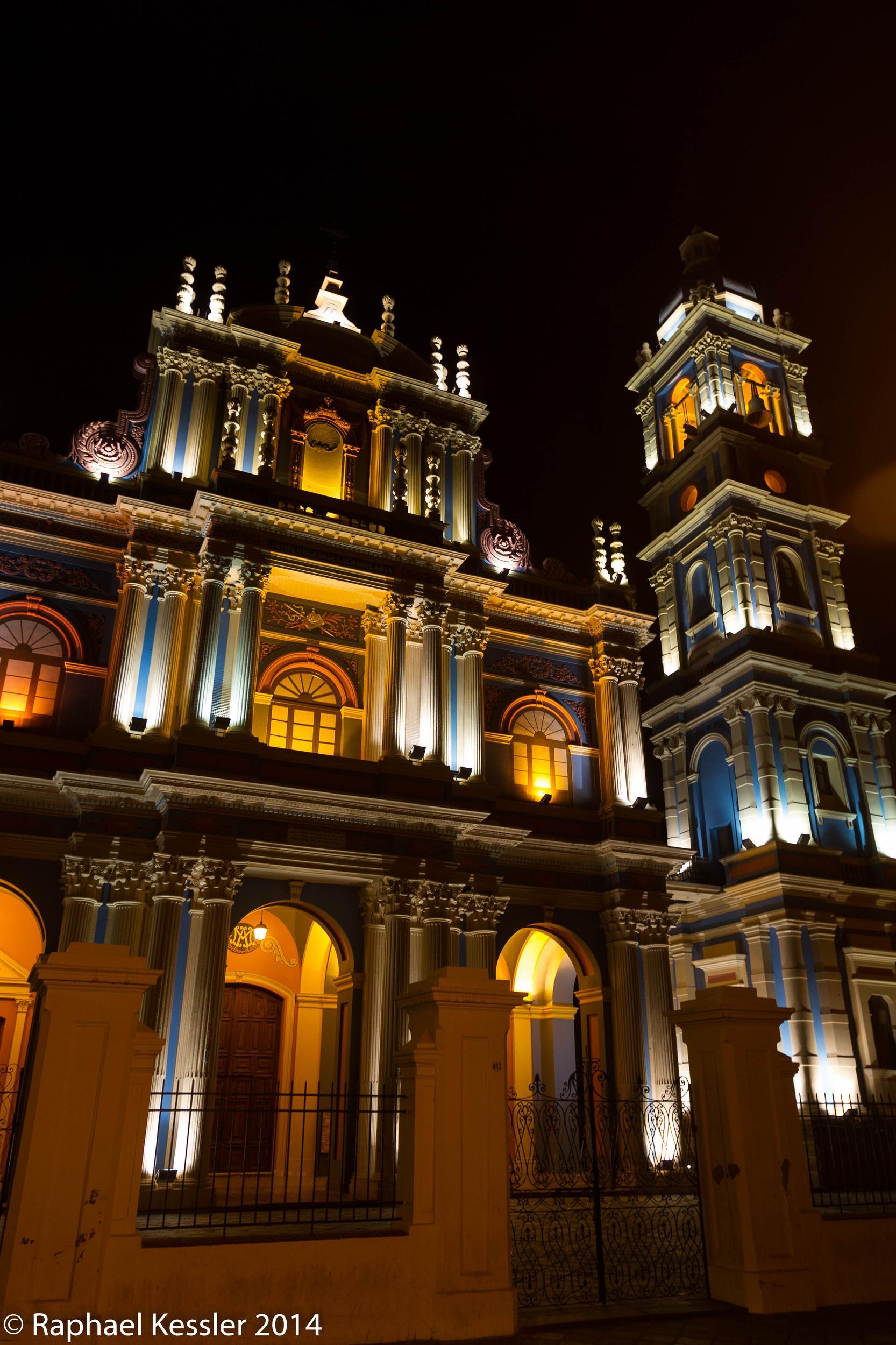
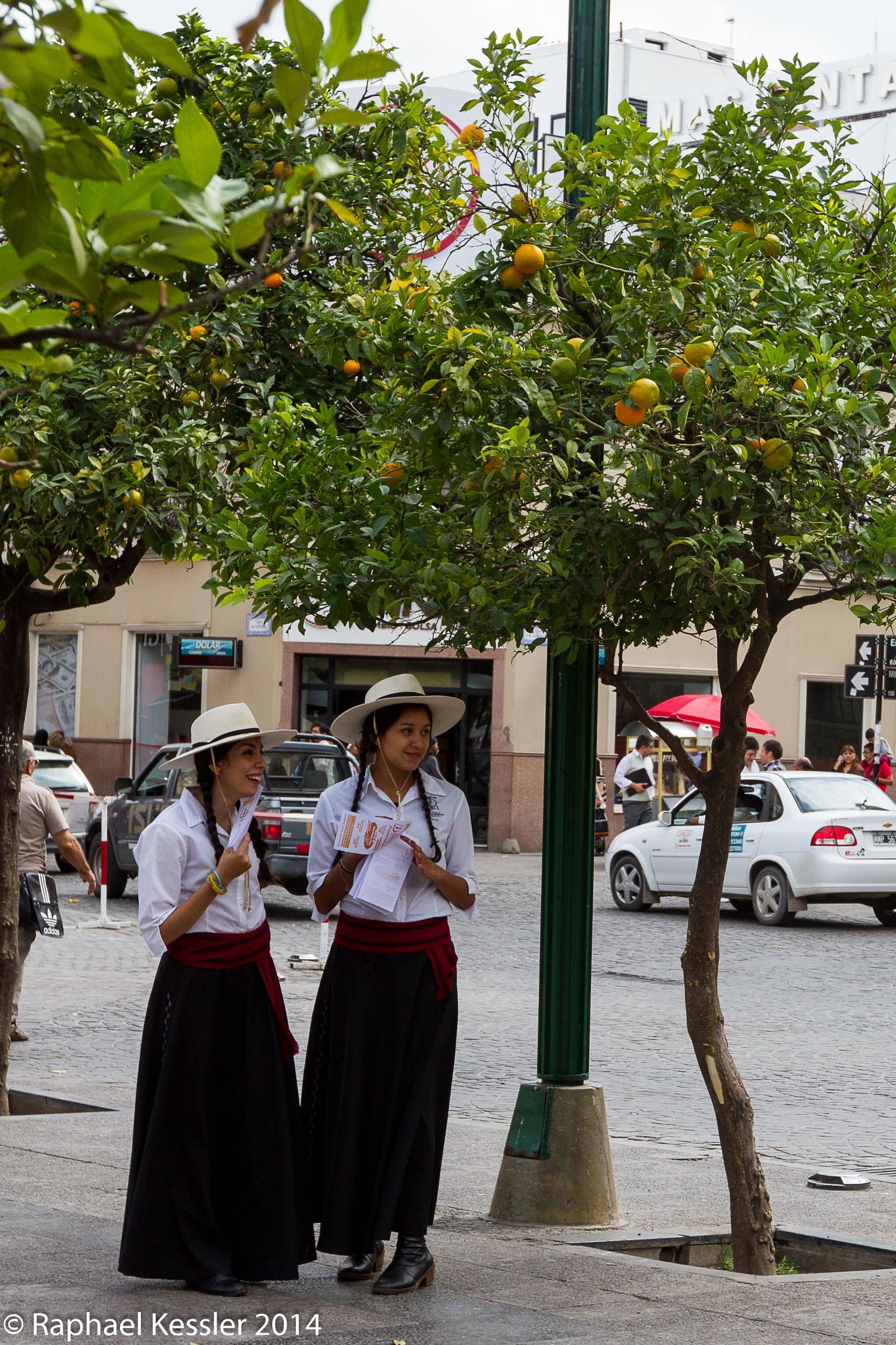
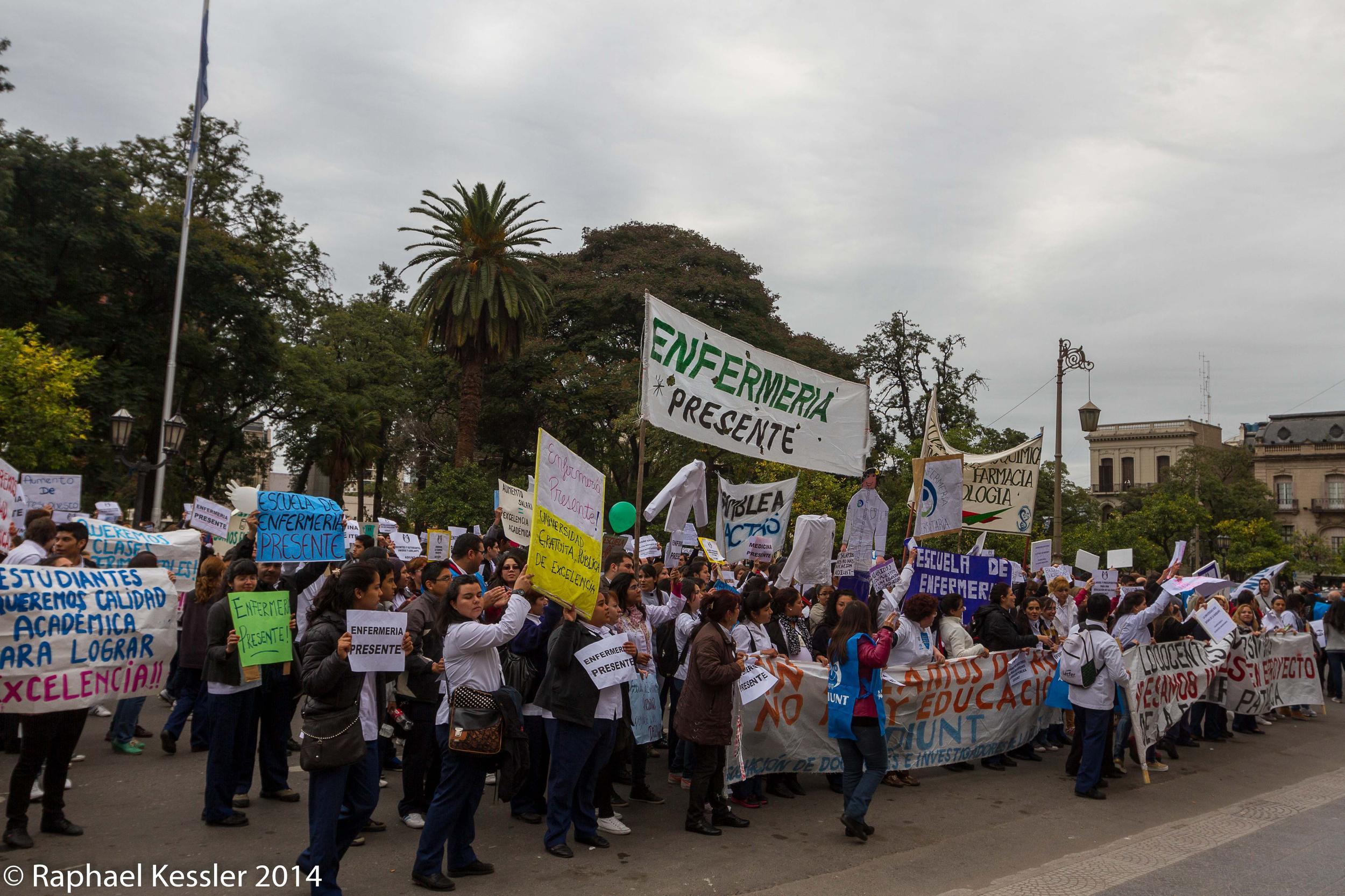
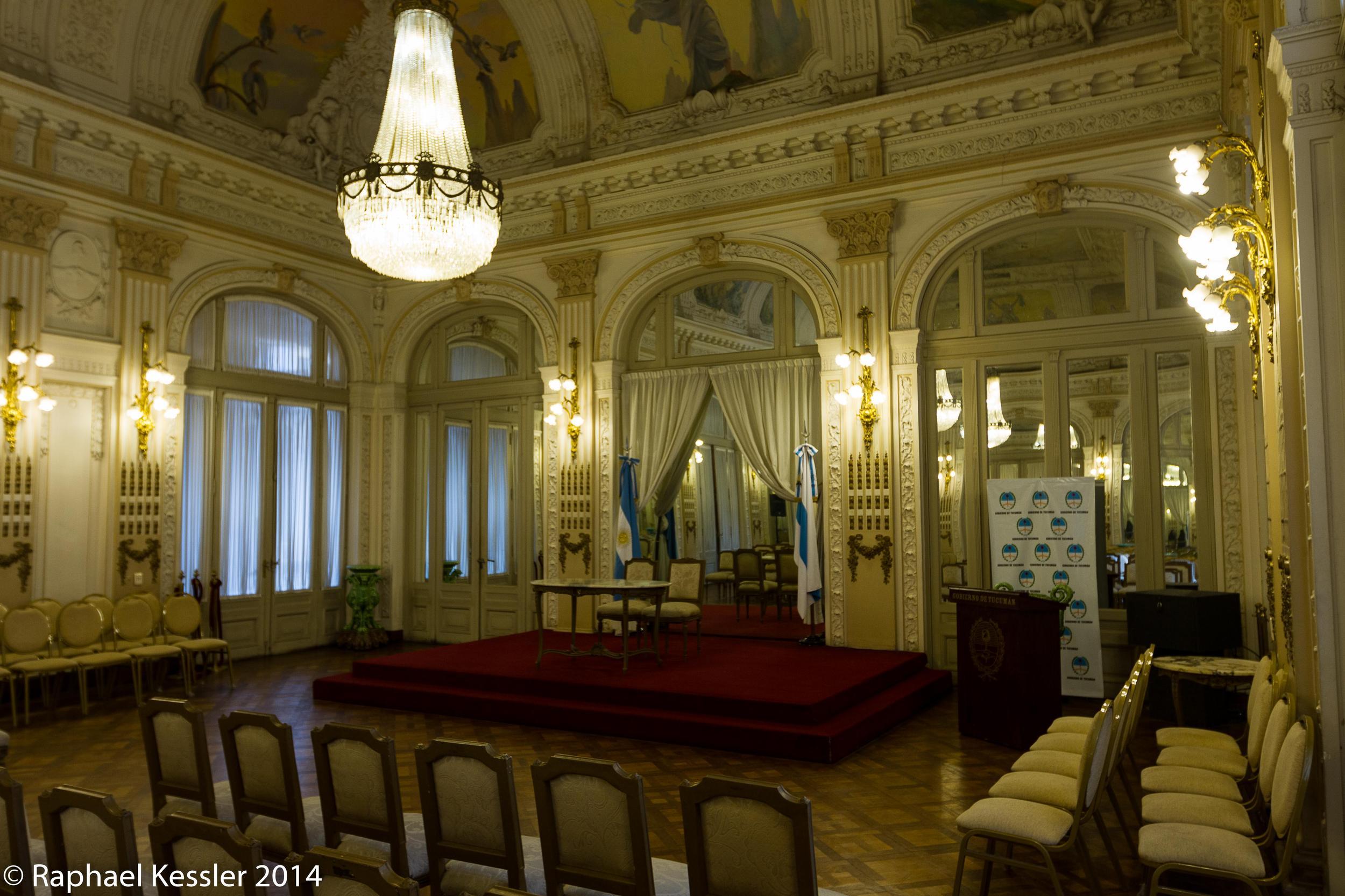
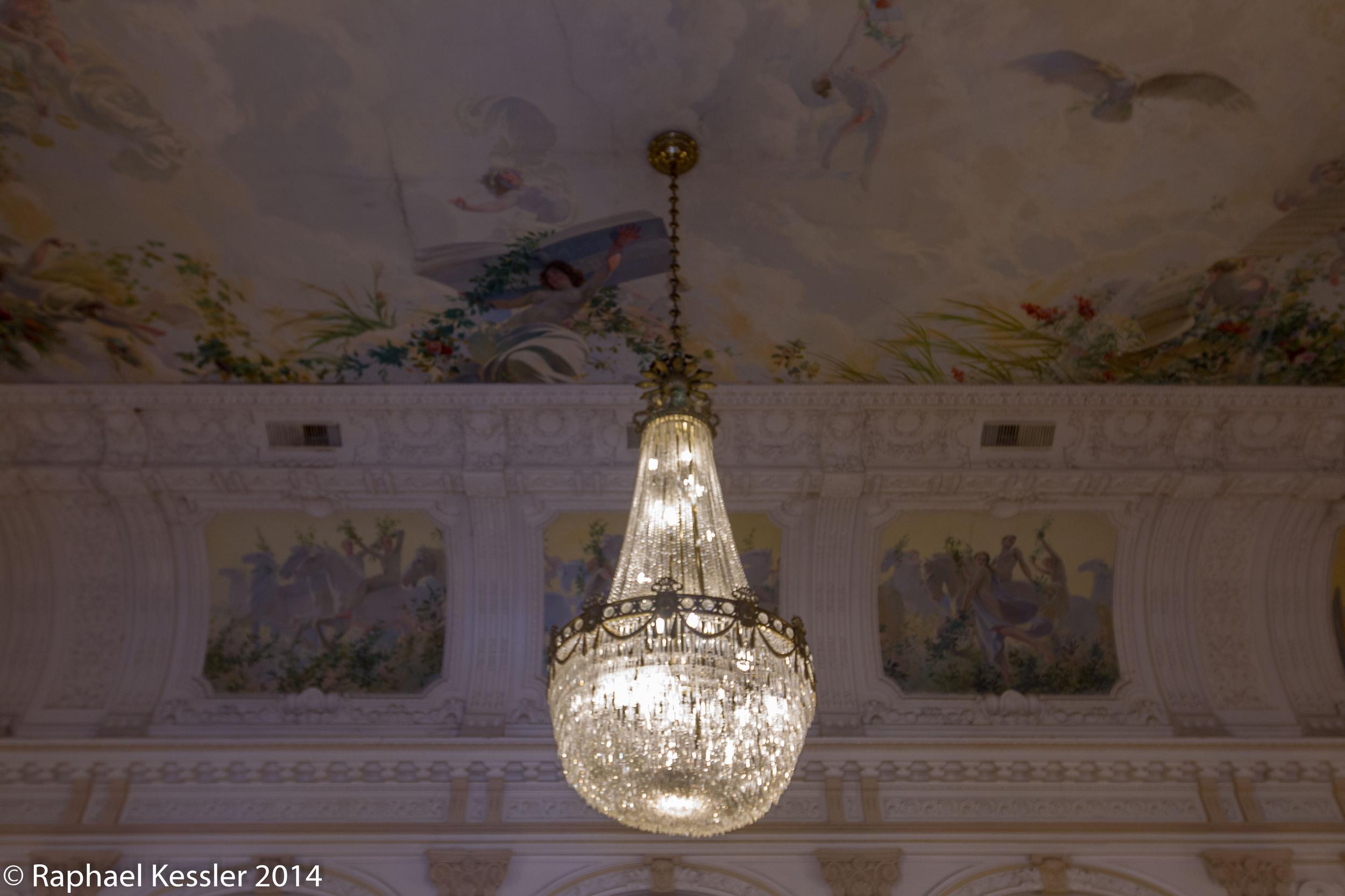
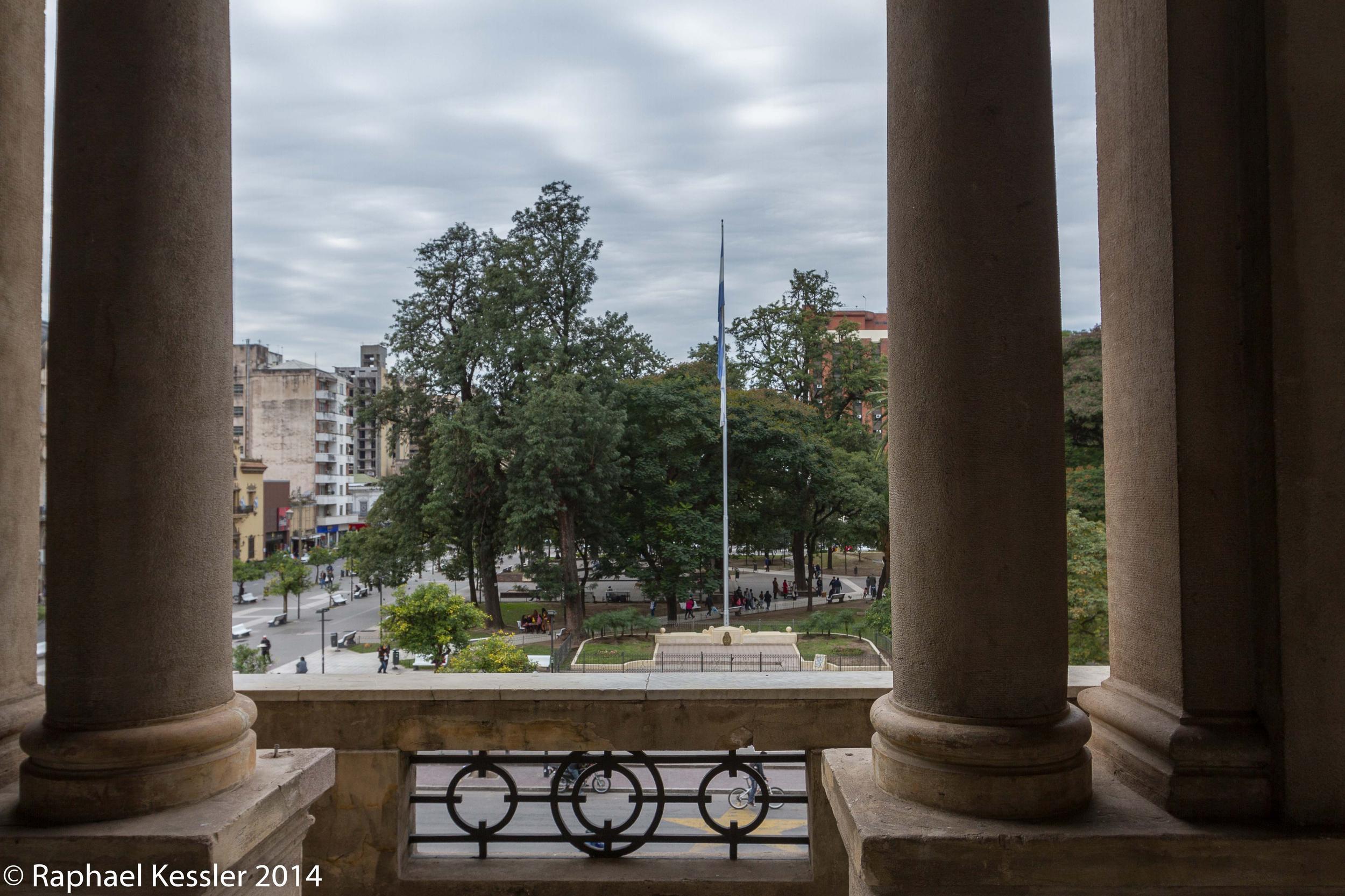
Tucuman is where independence from Spain was declared and we enjoyed the city and found it to have a nice vibe.
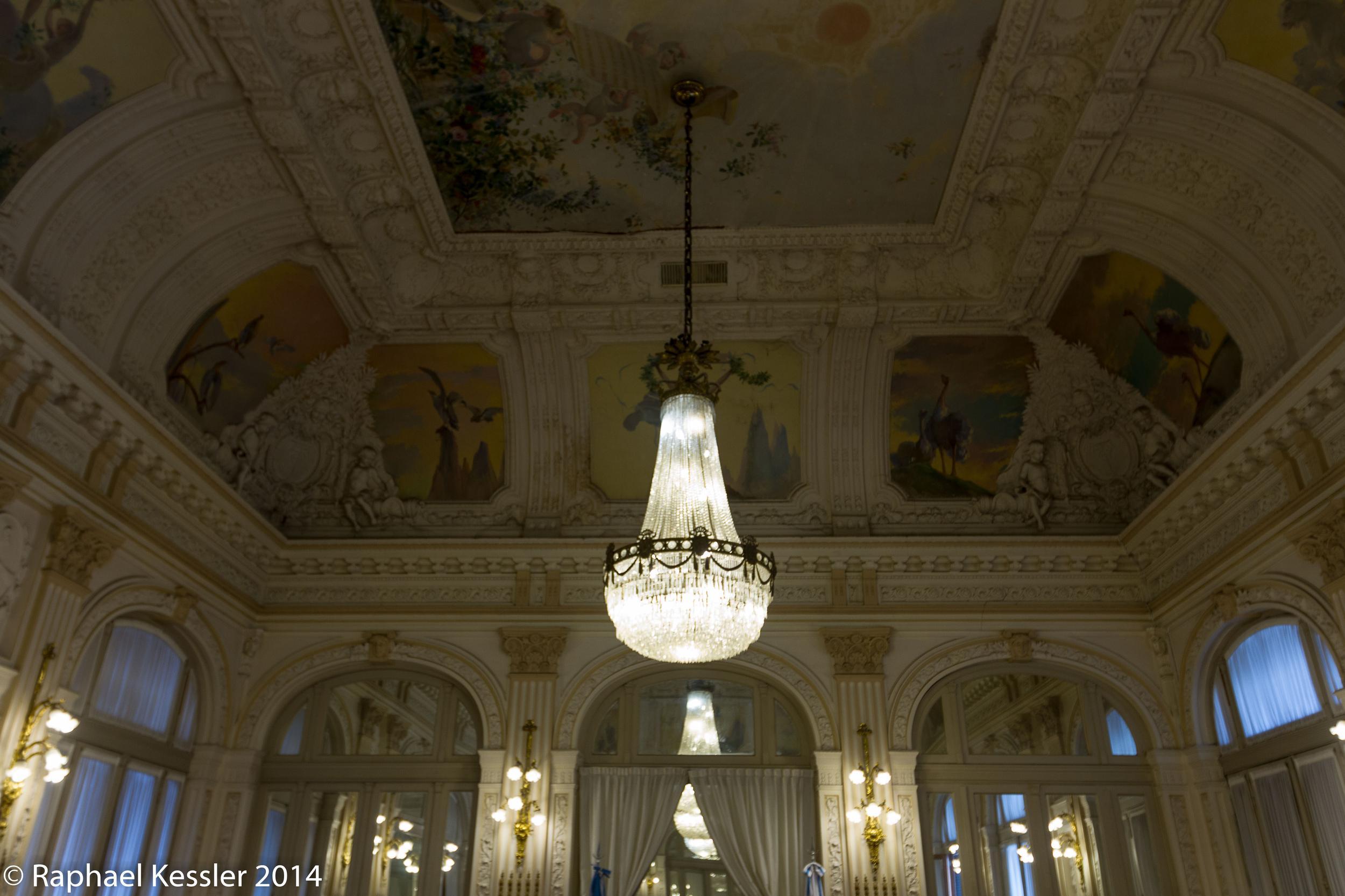
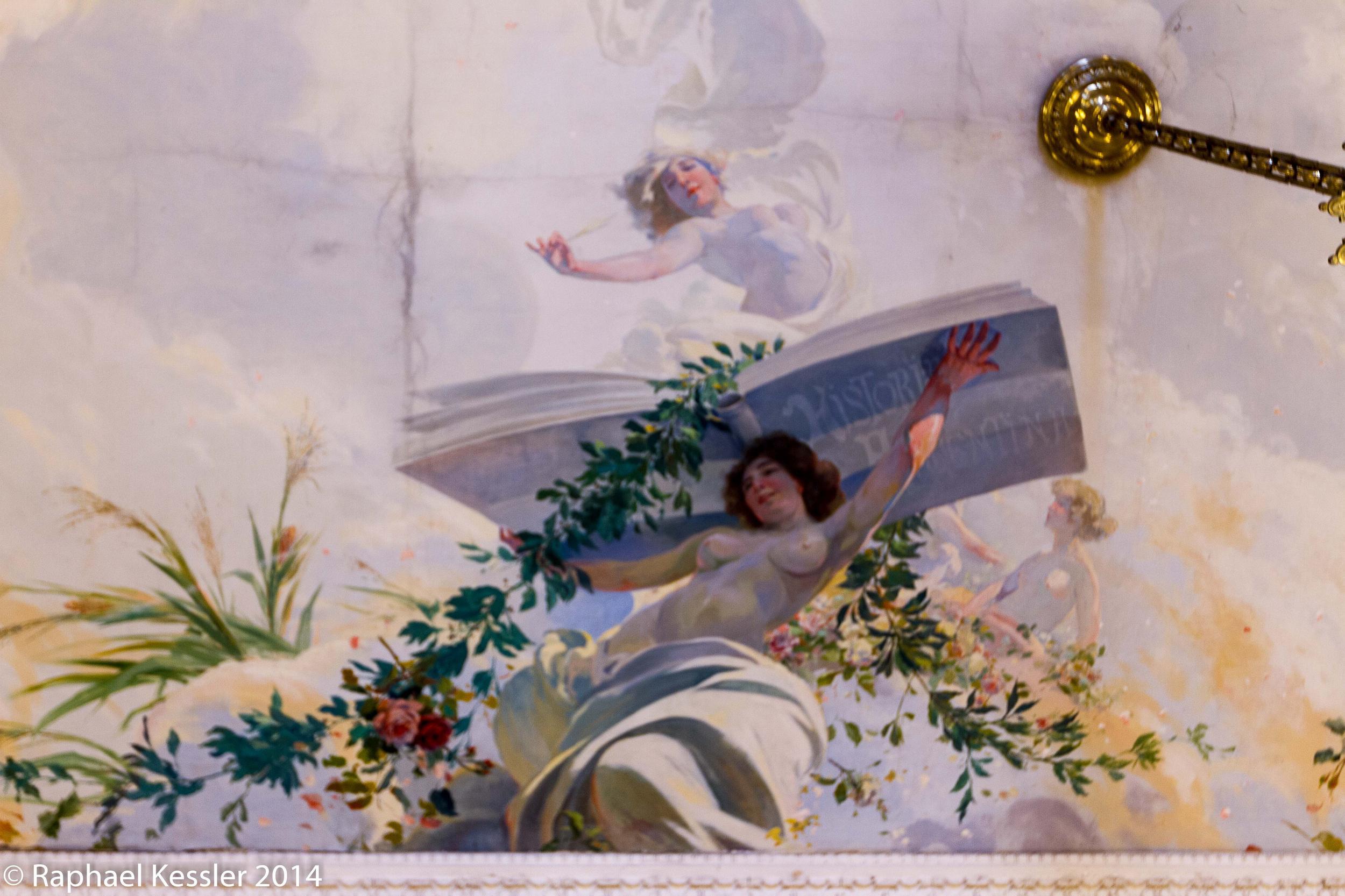
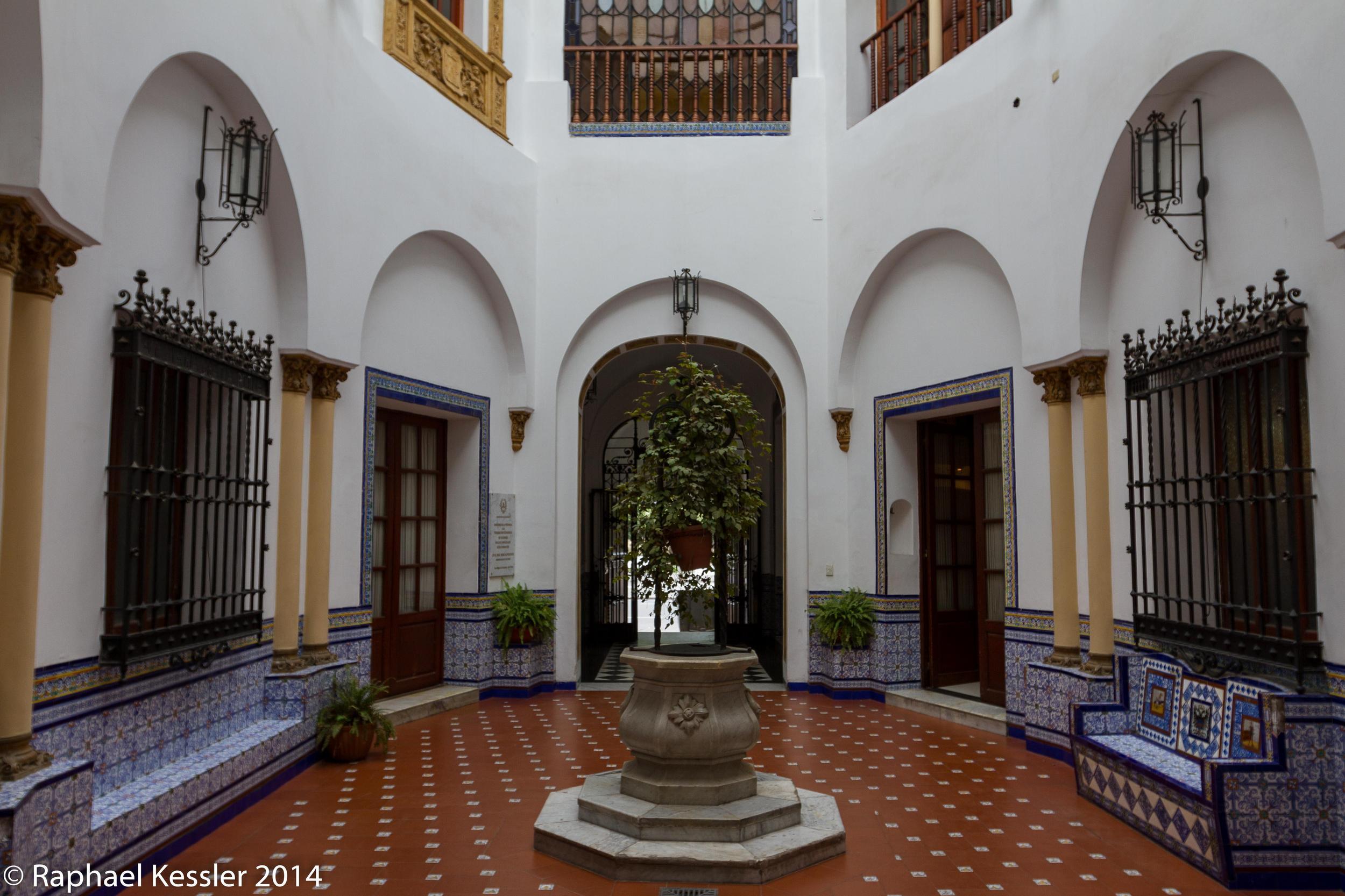
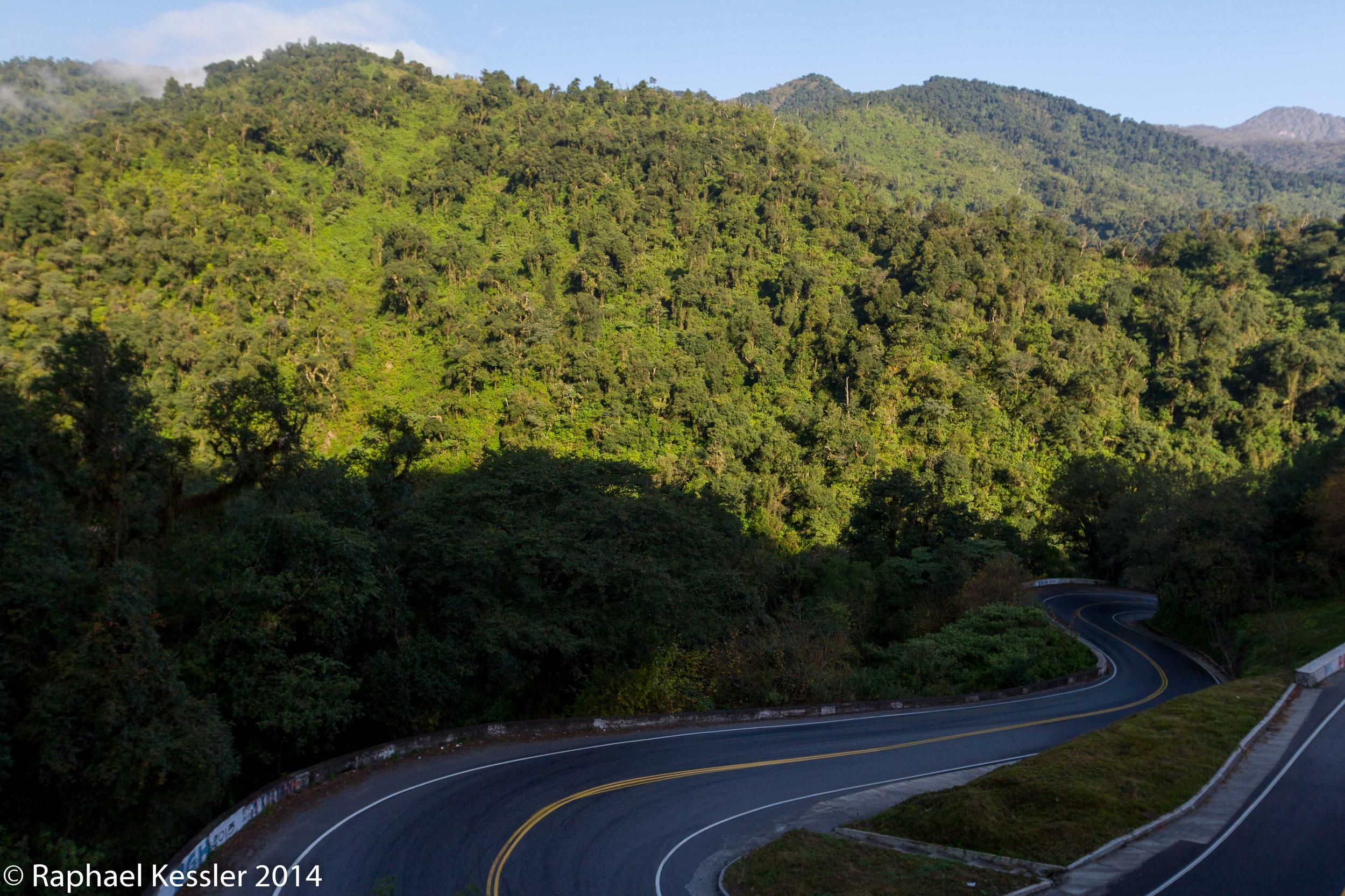
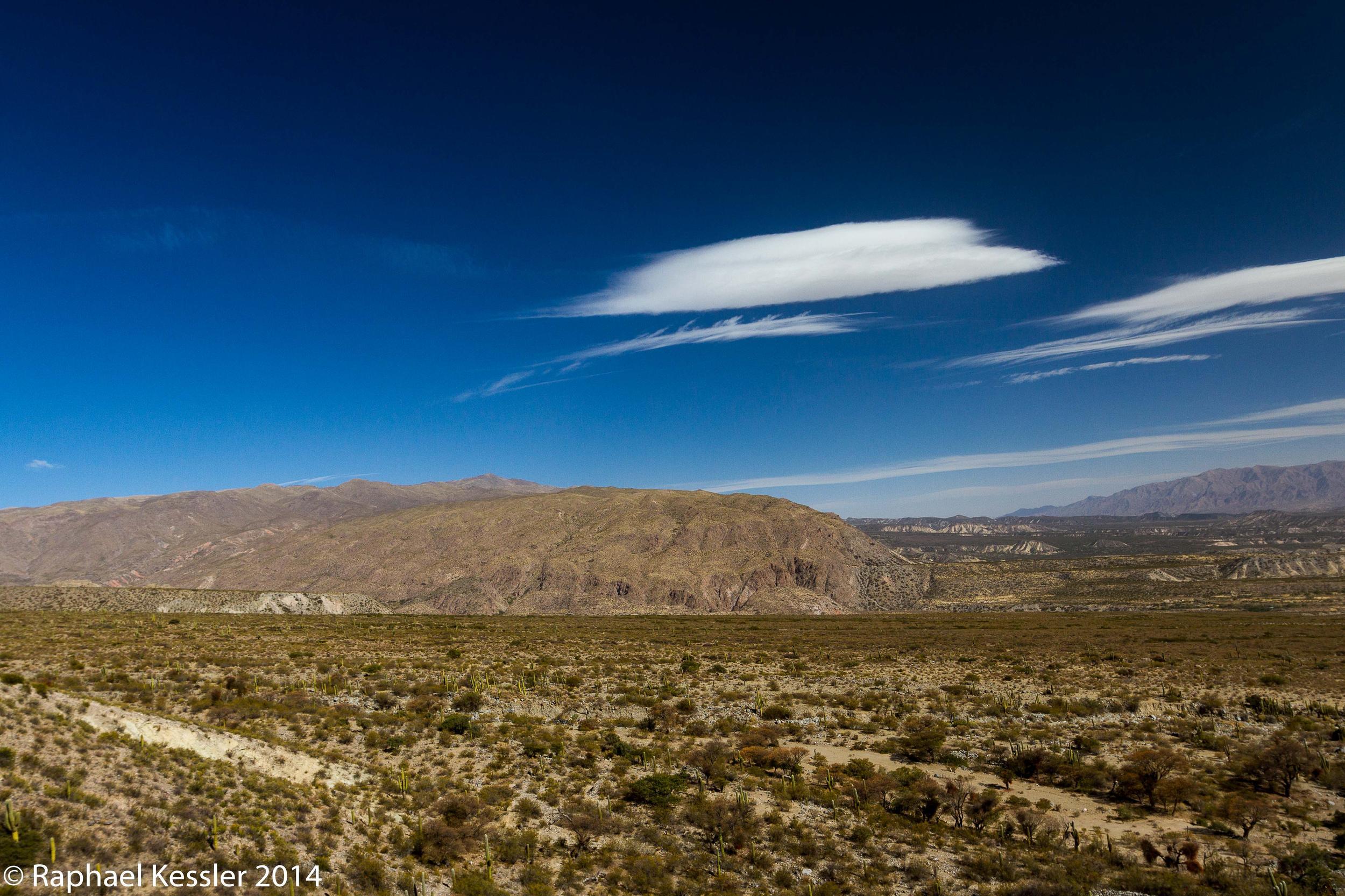
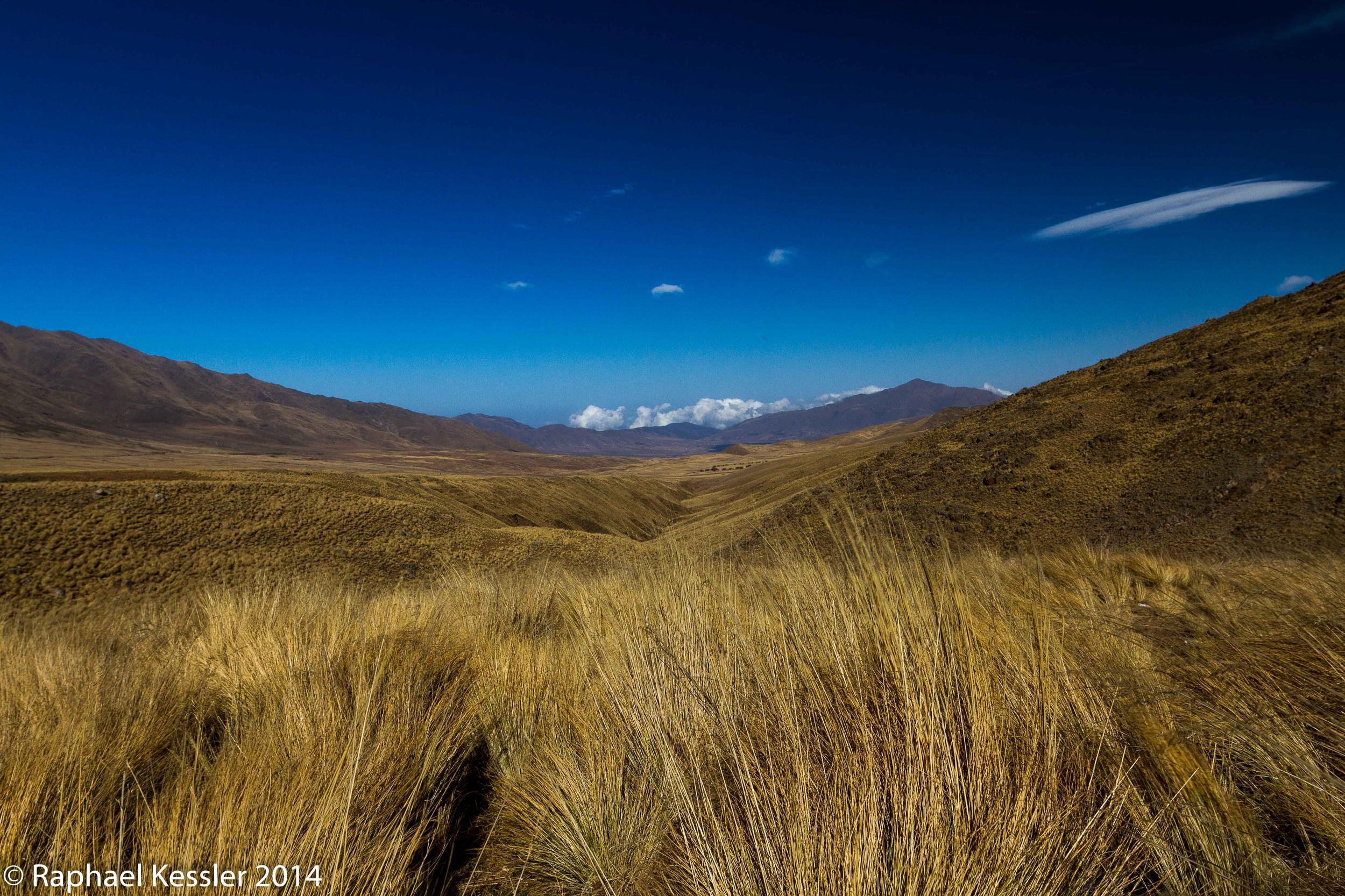
As one moves along the valley of Tafi del Valle there are a range of climates.
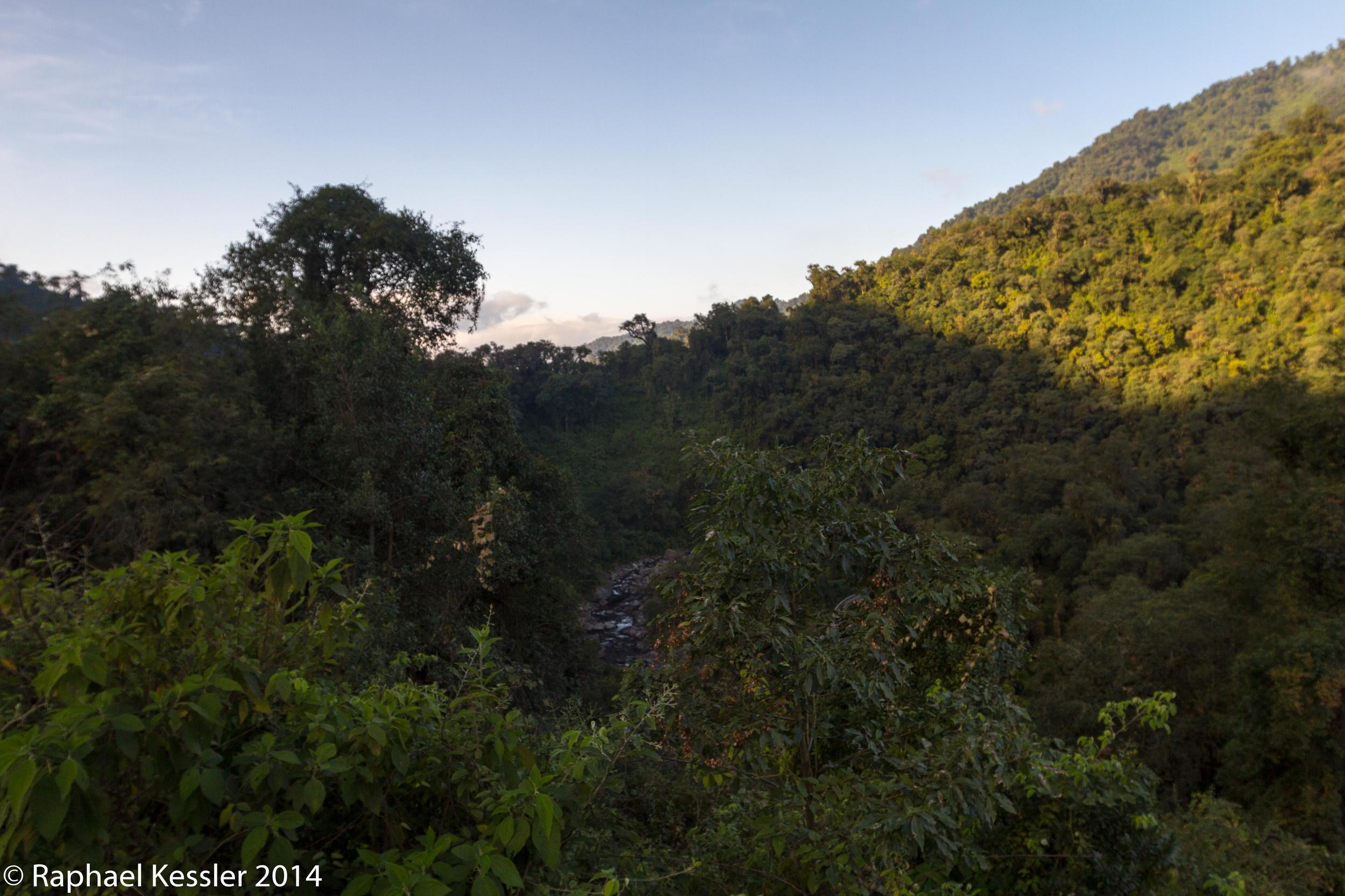
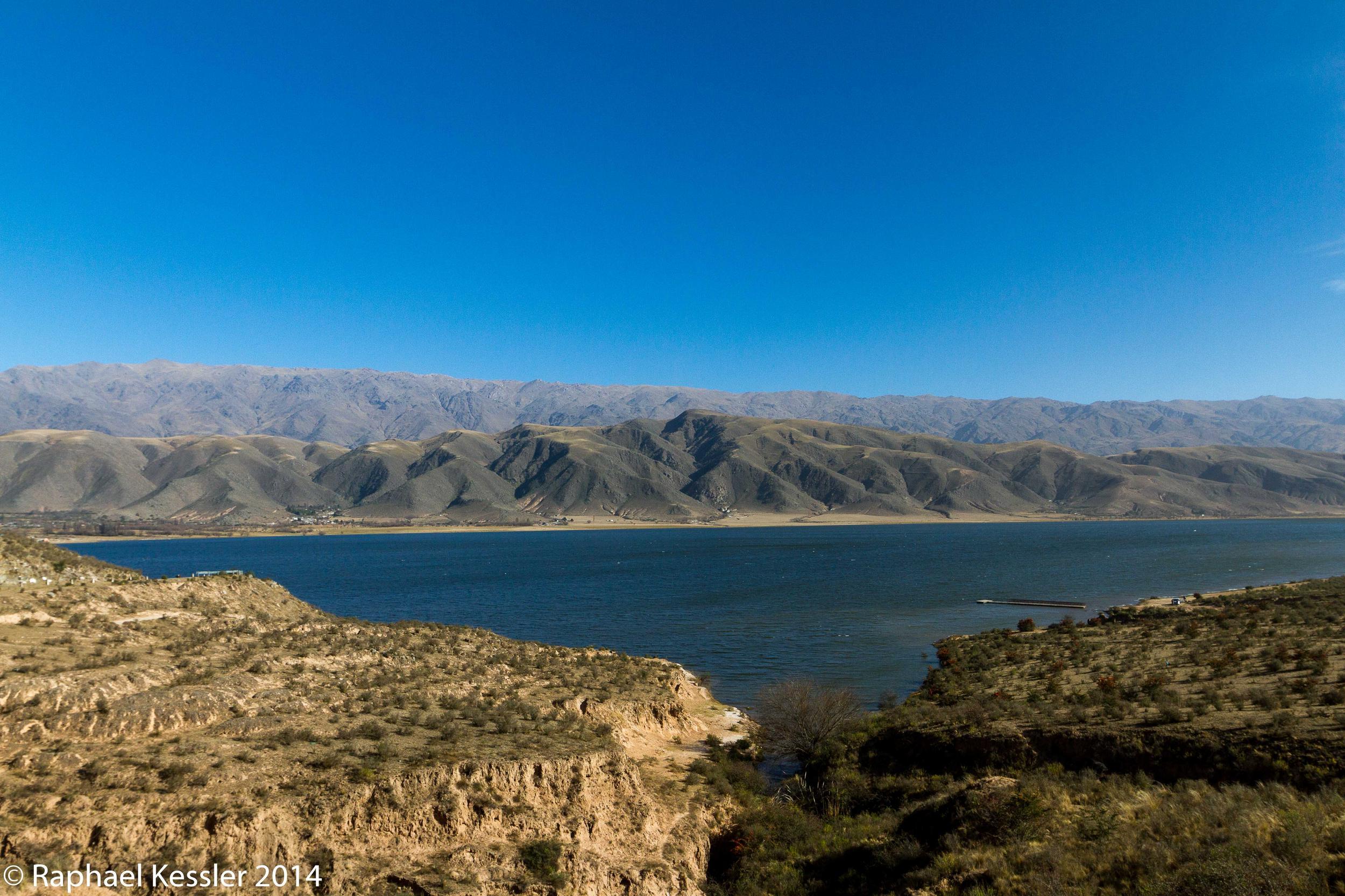
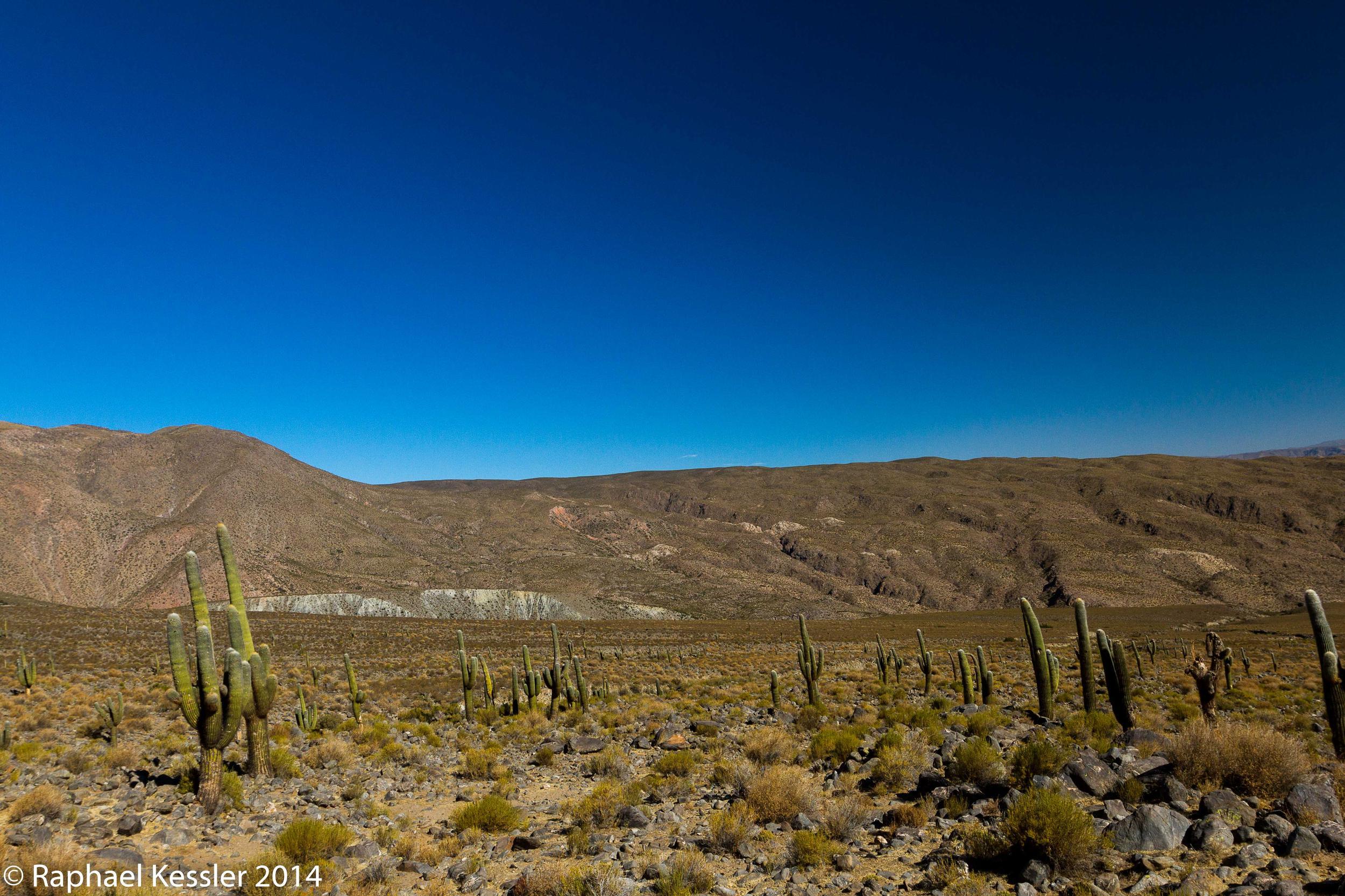
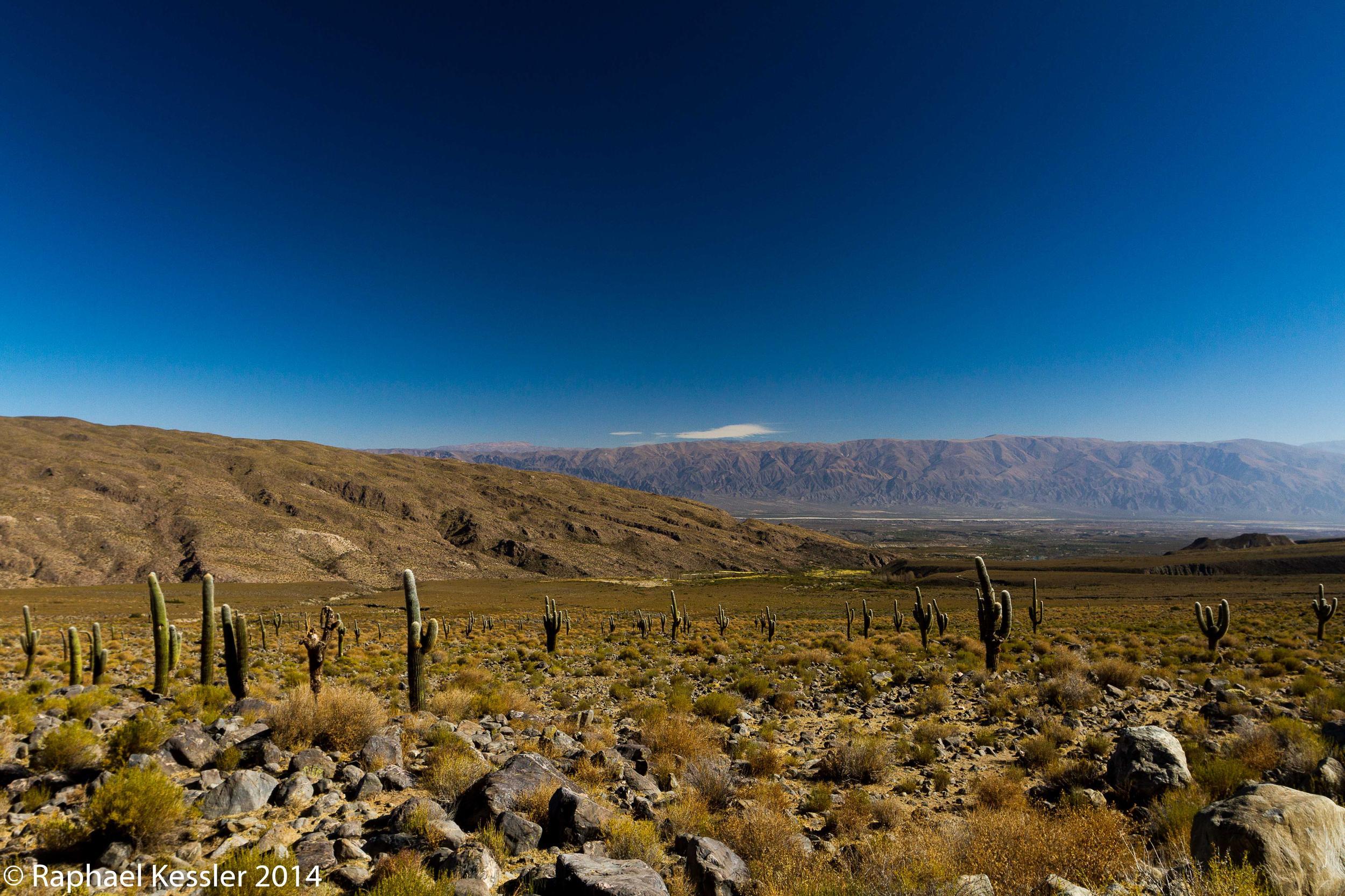
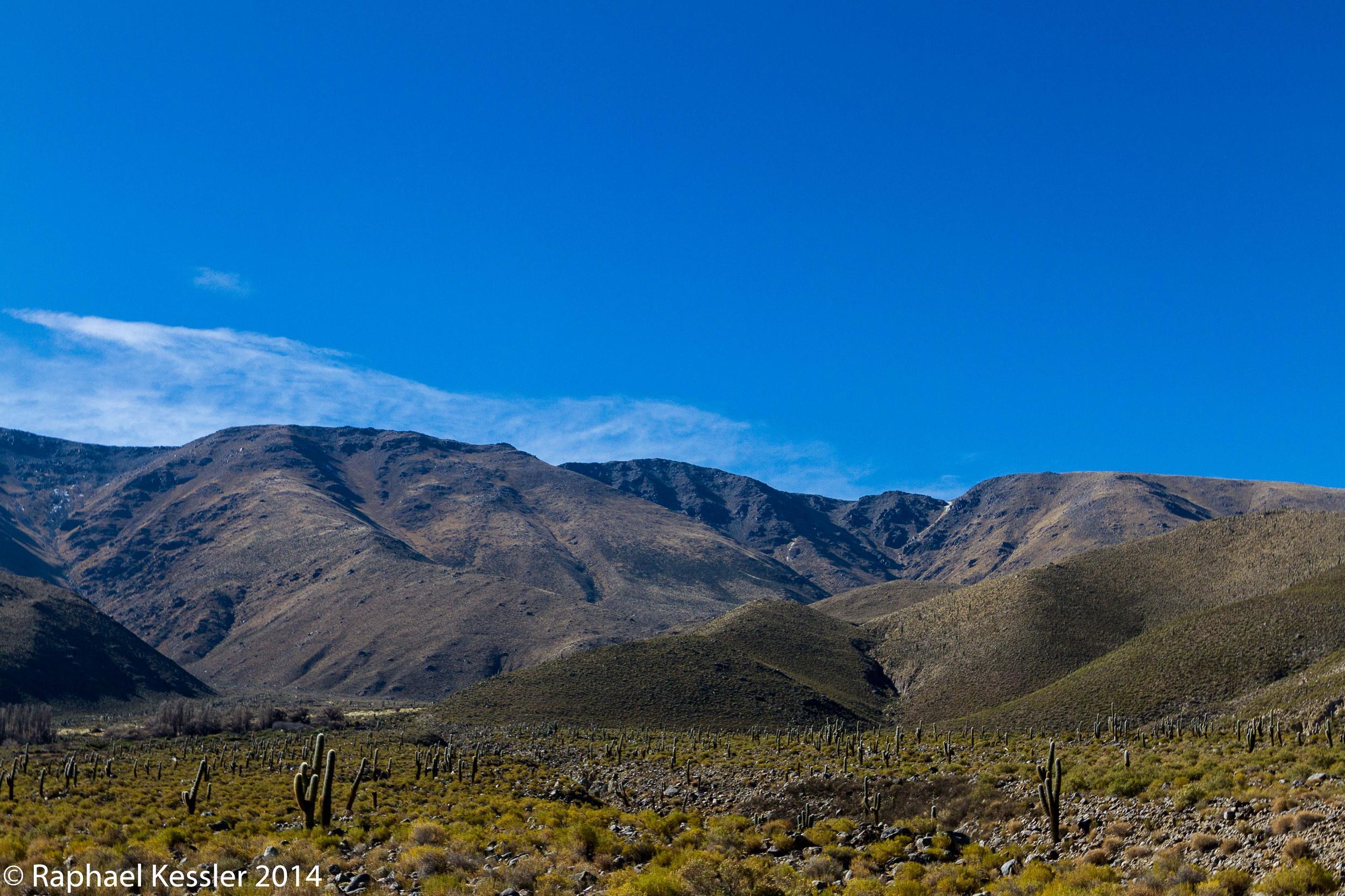
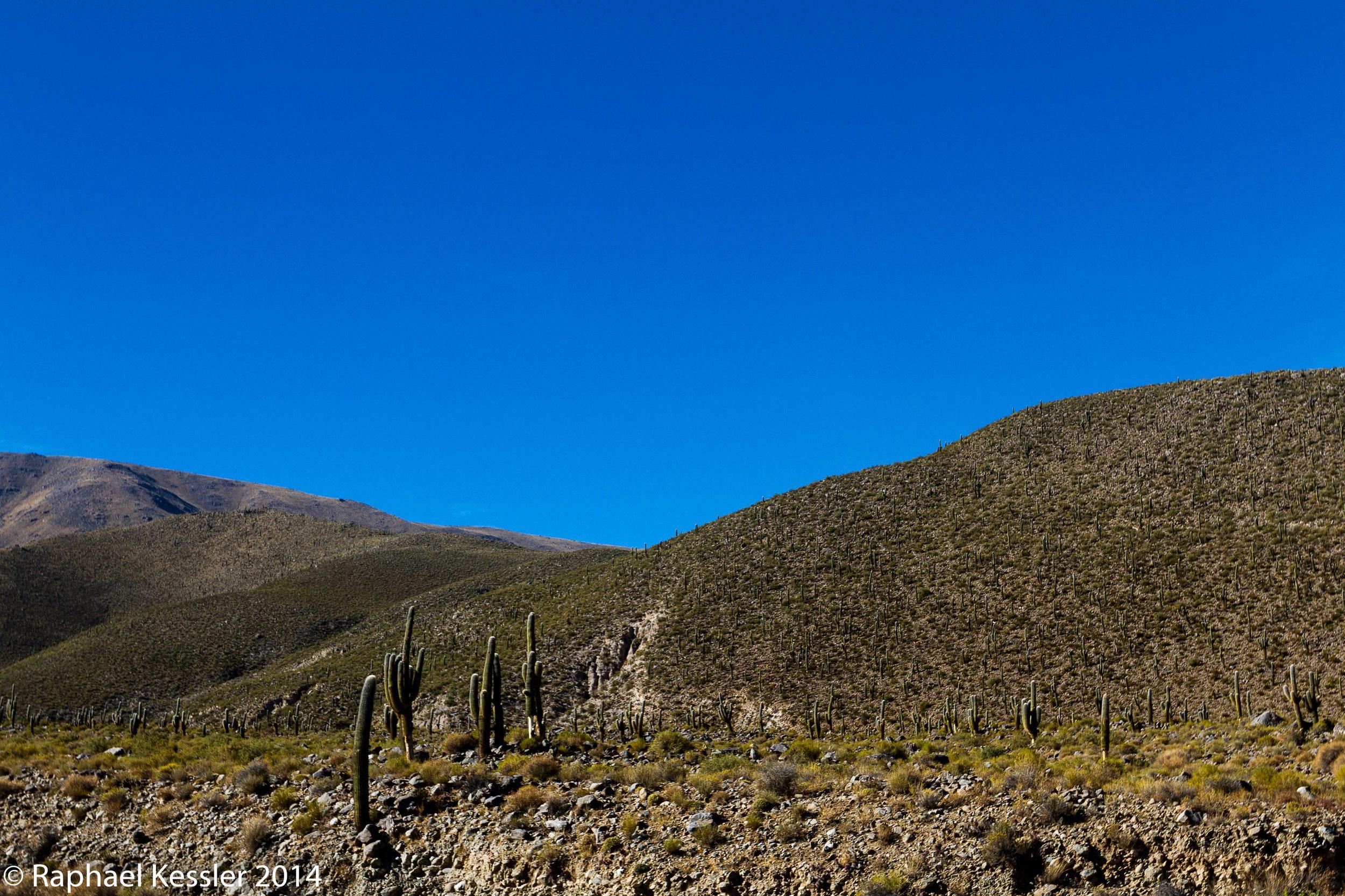
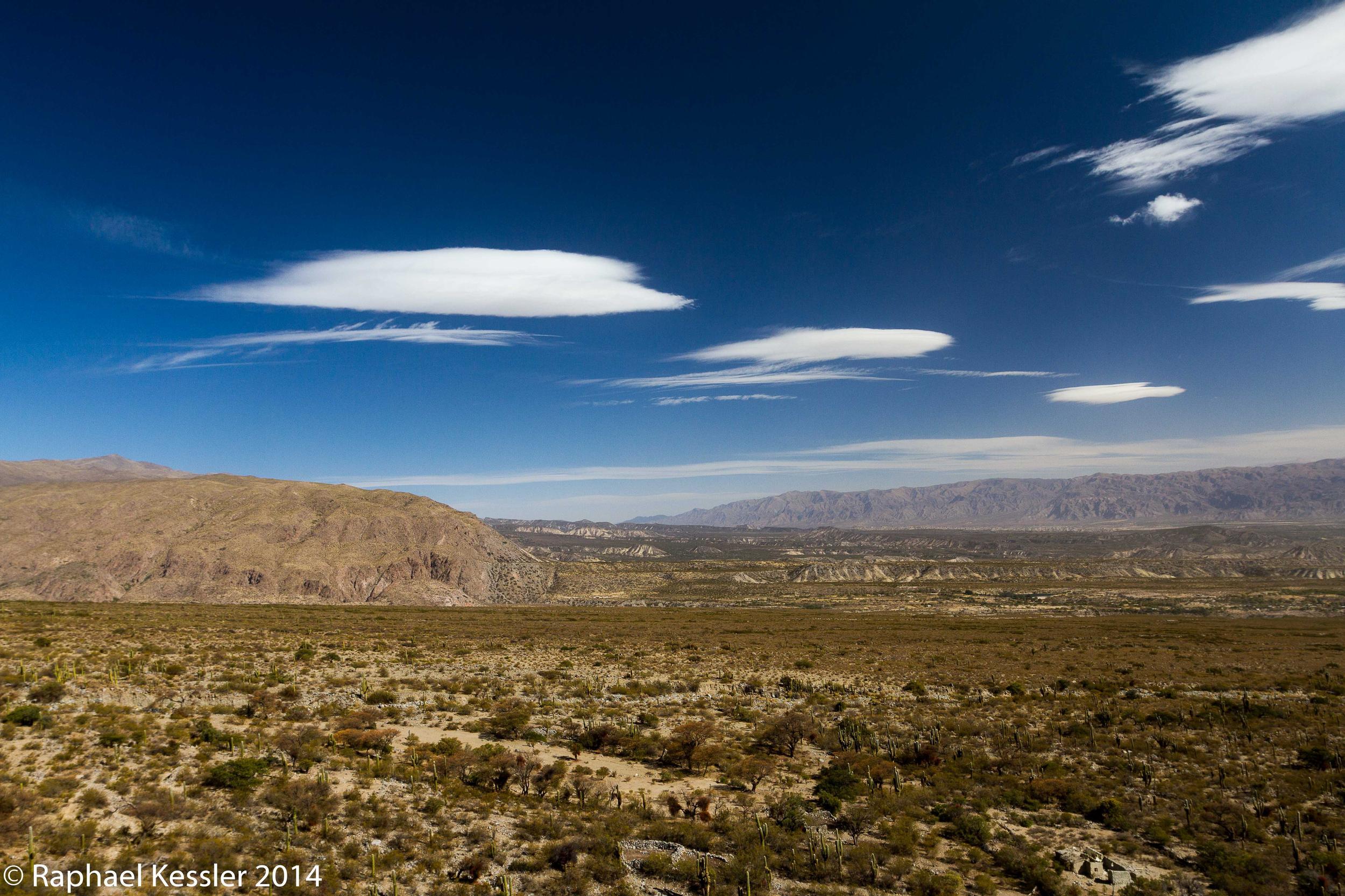
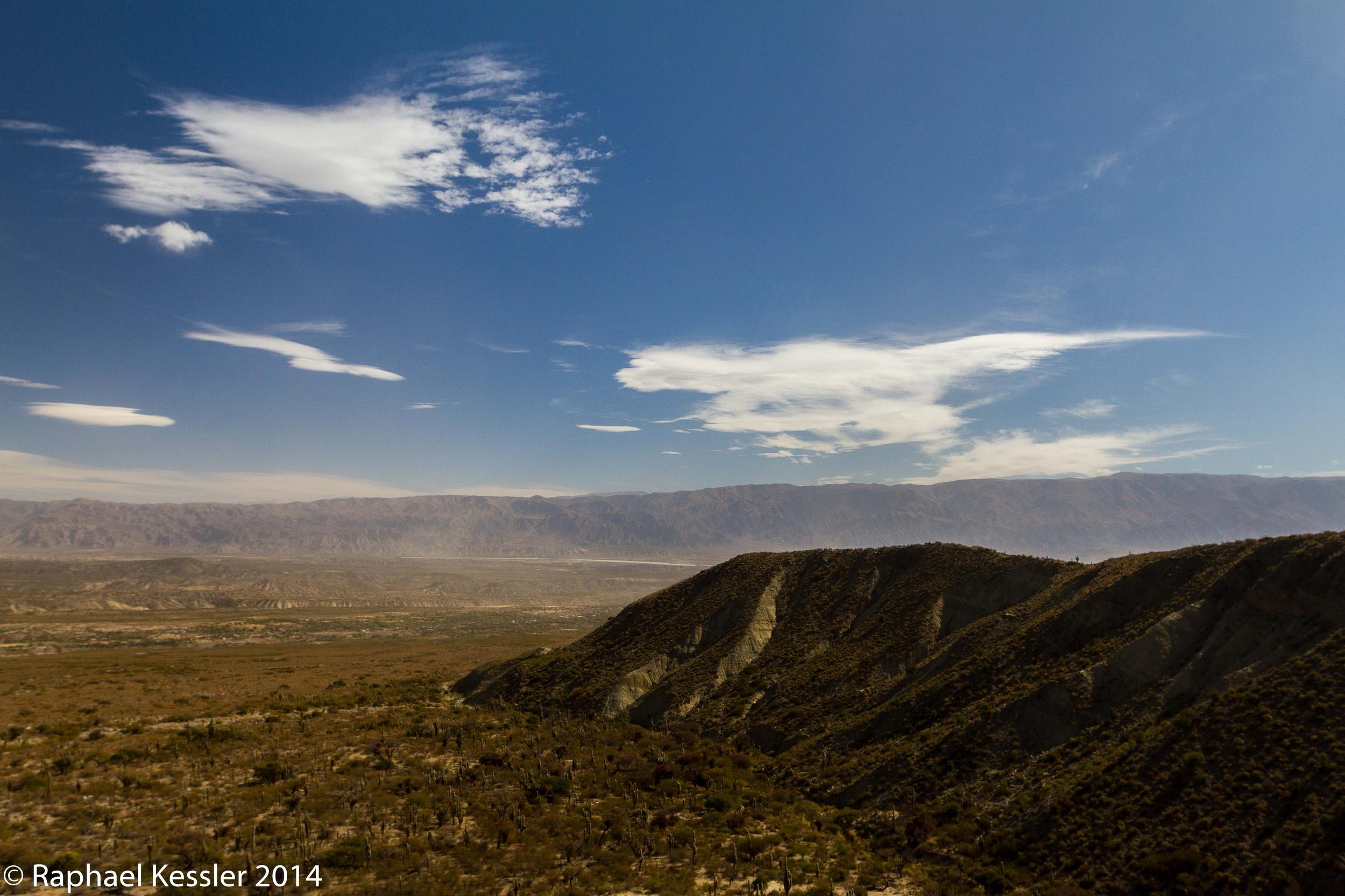
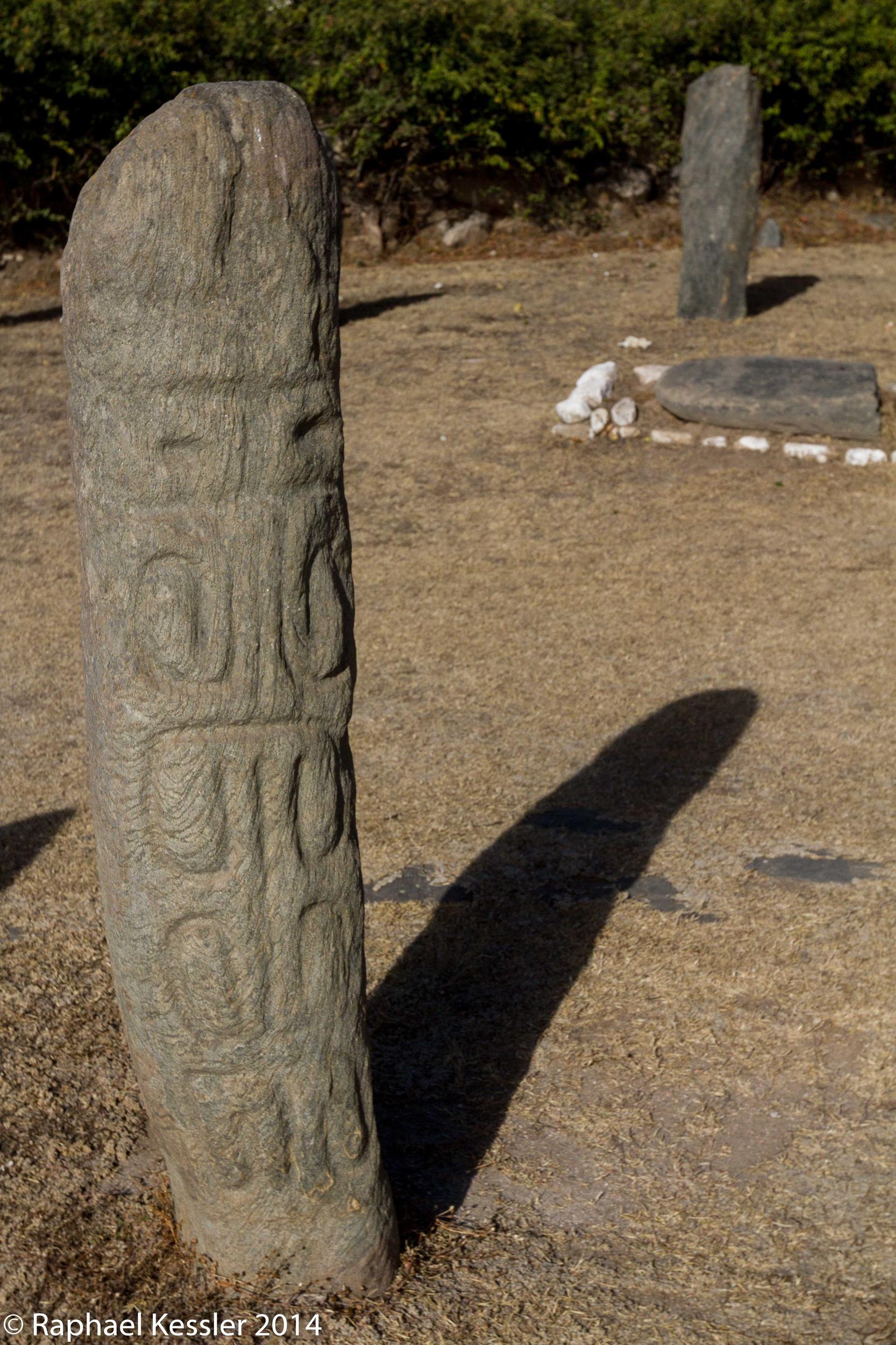
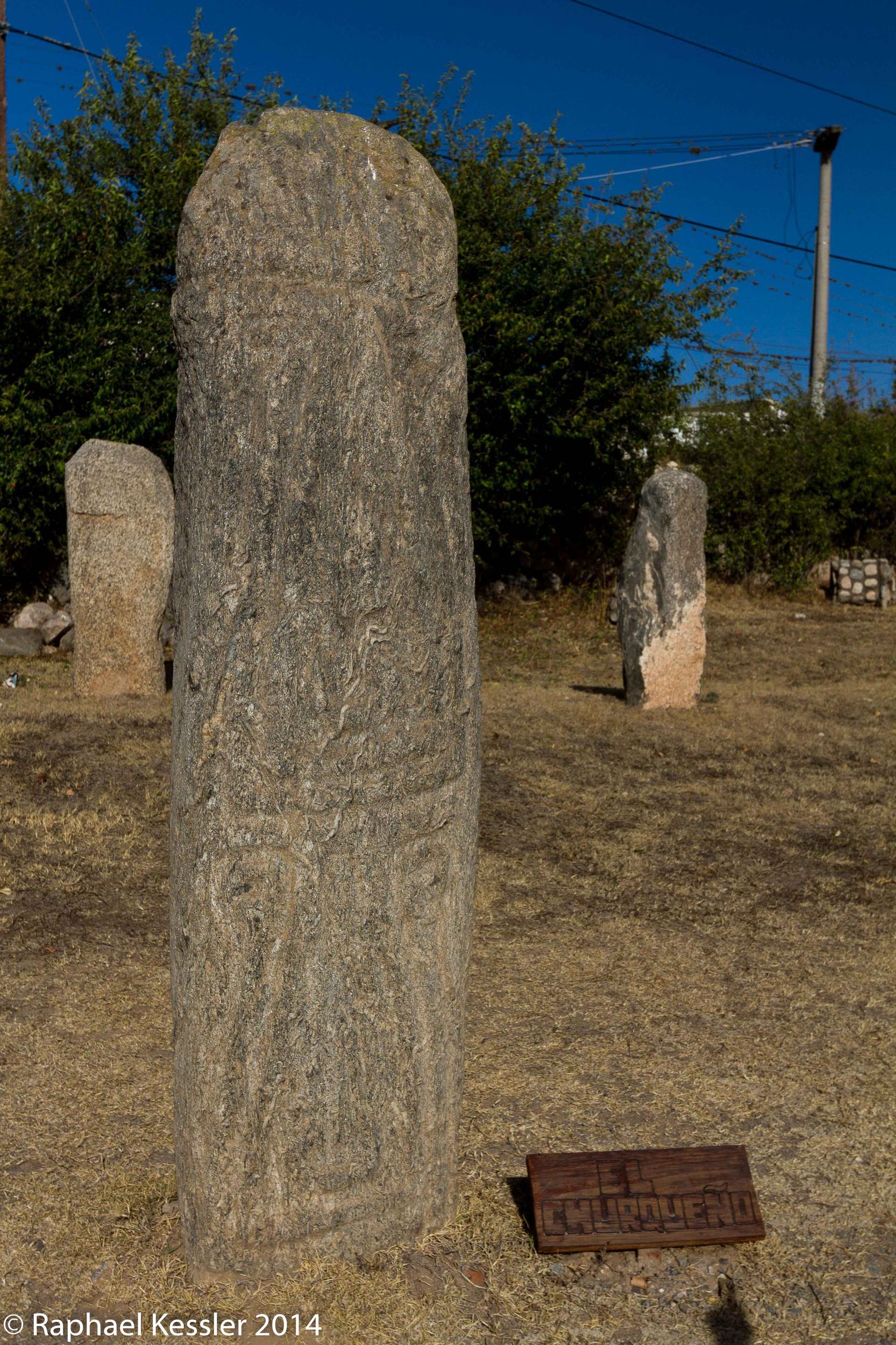
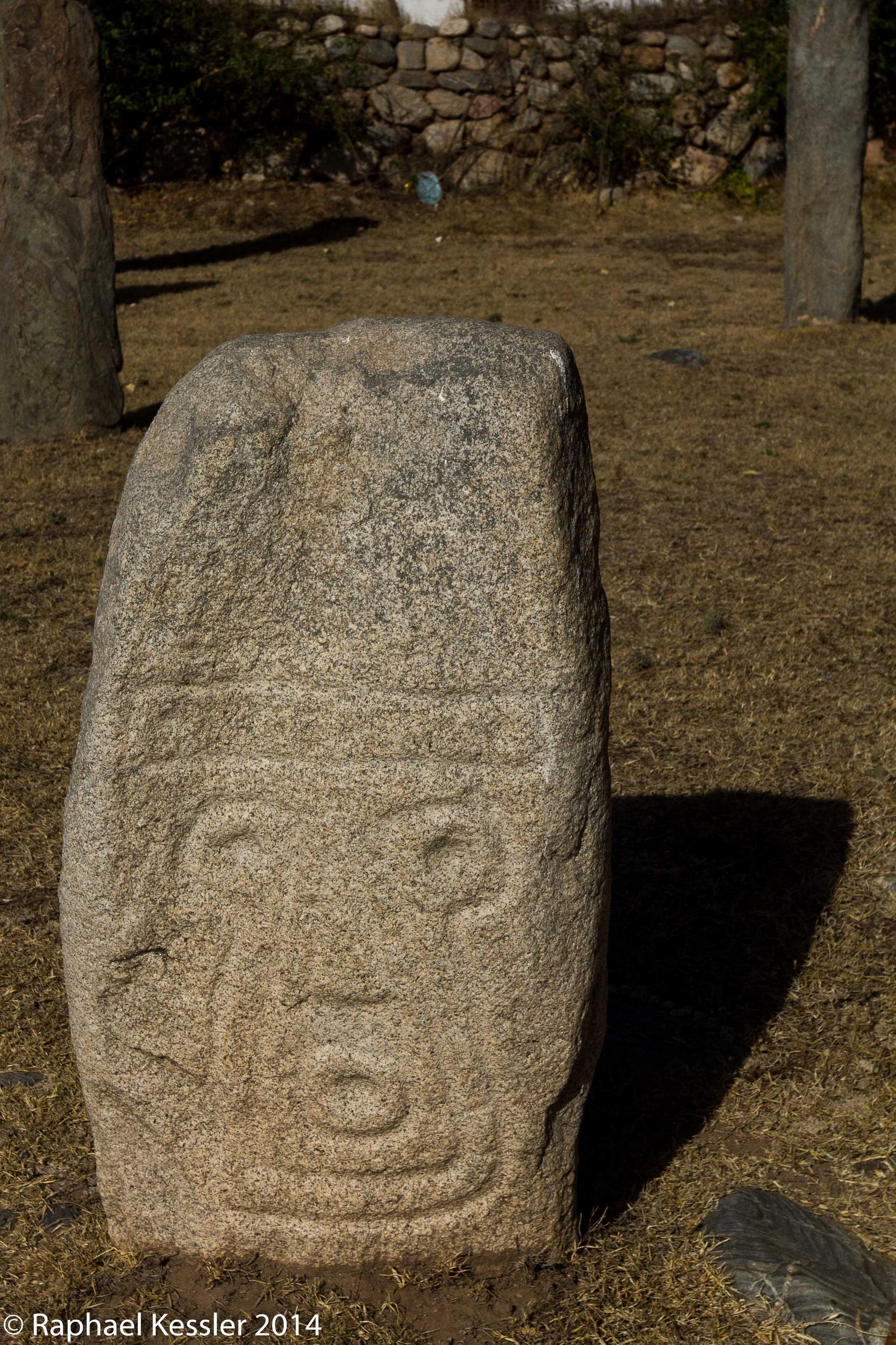
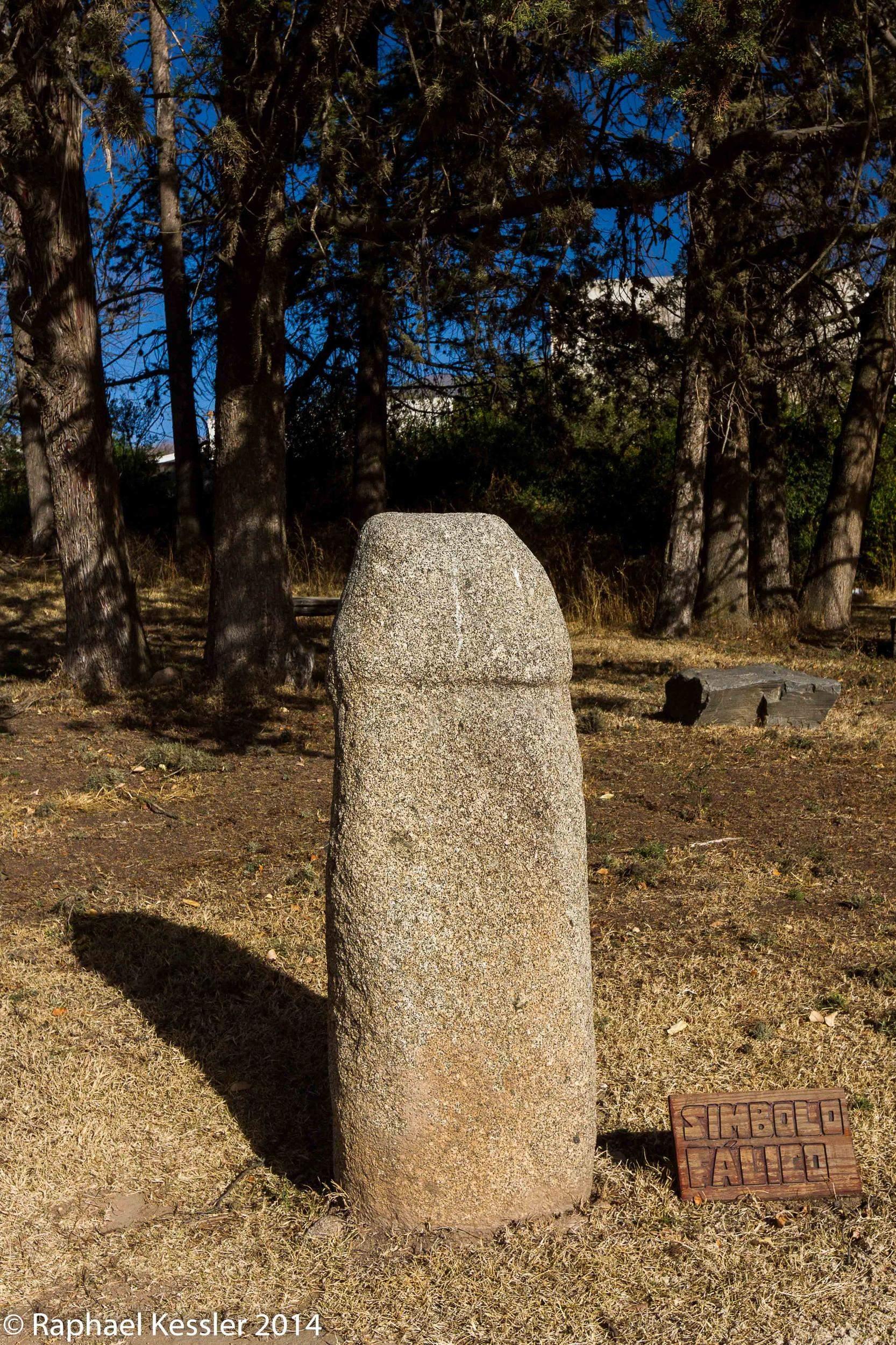
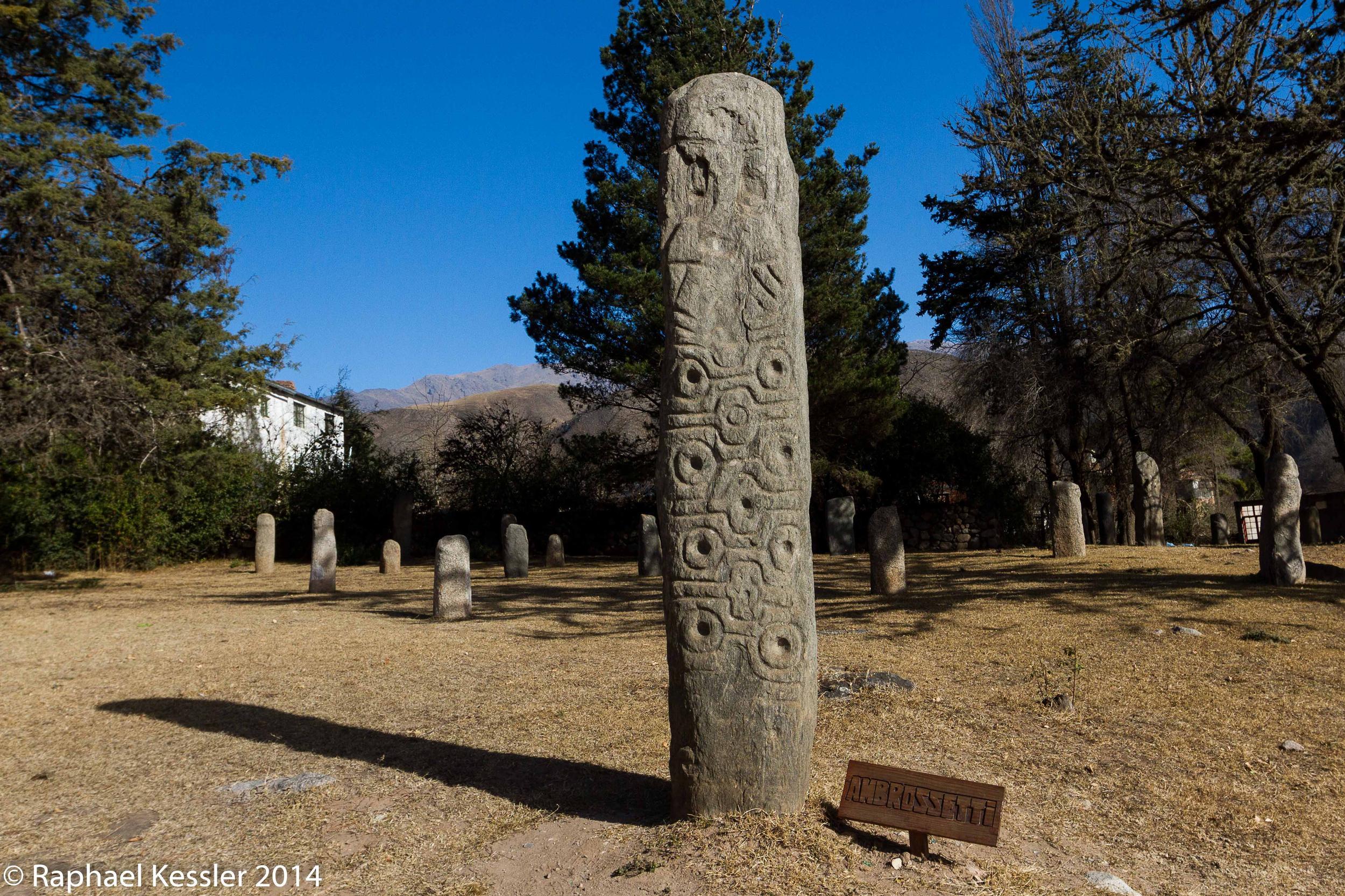
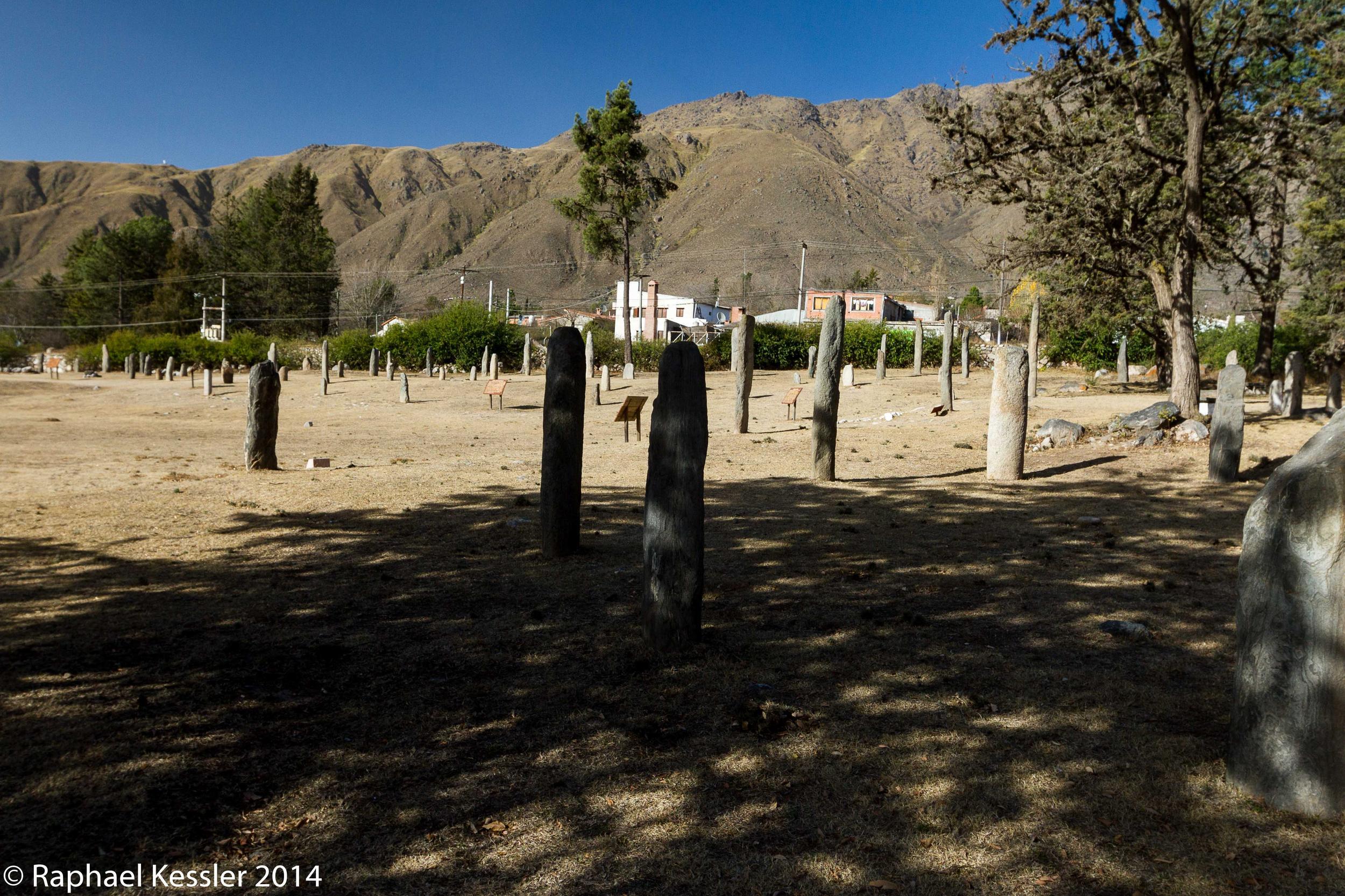
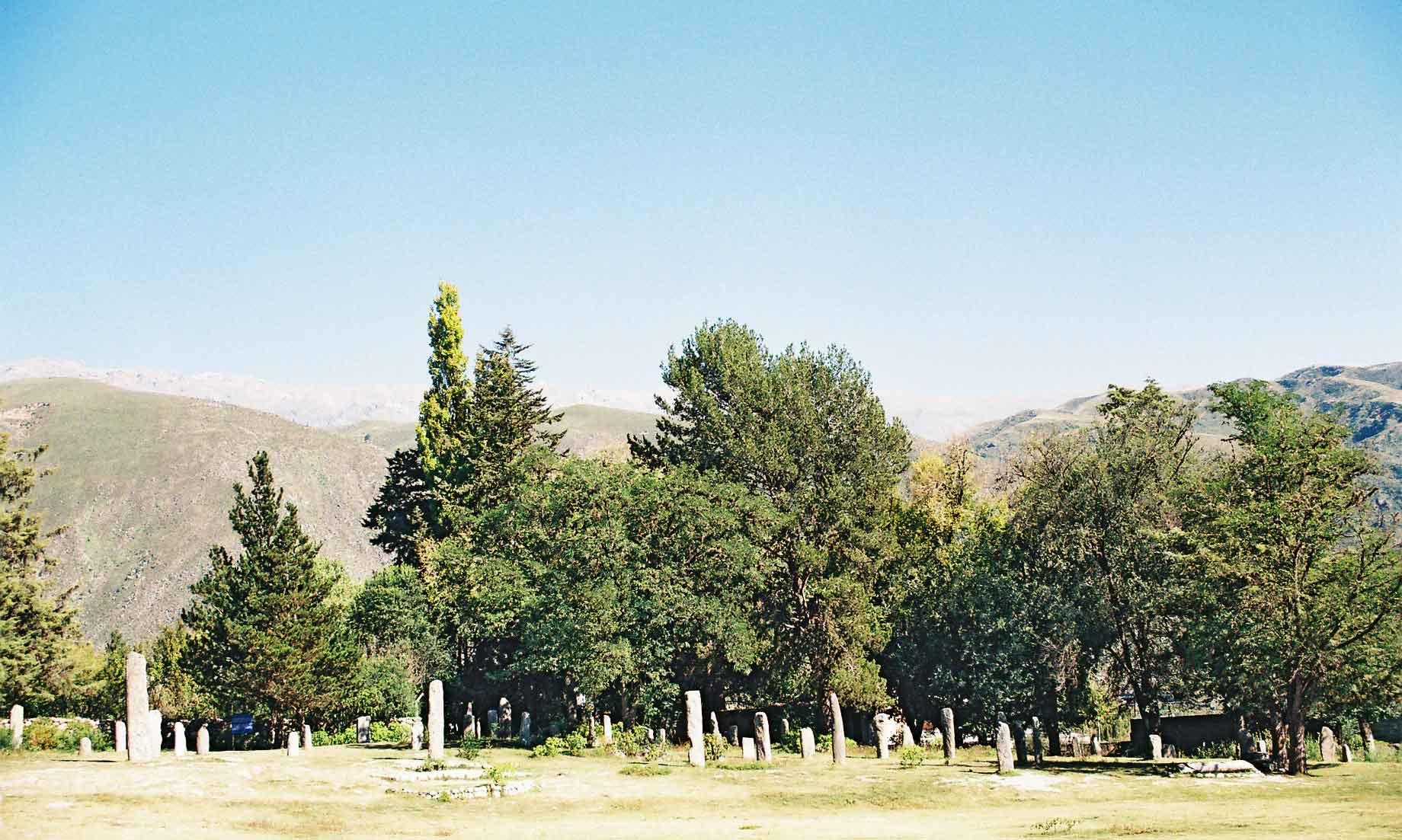
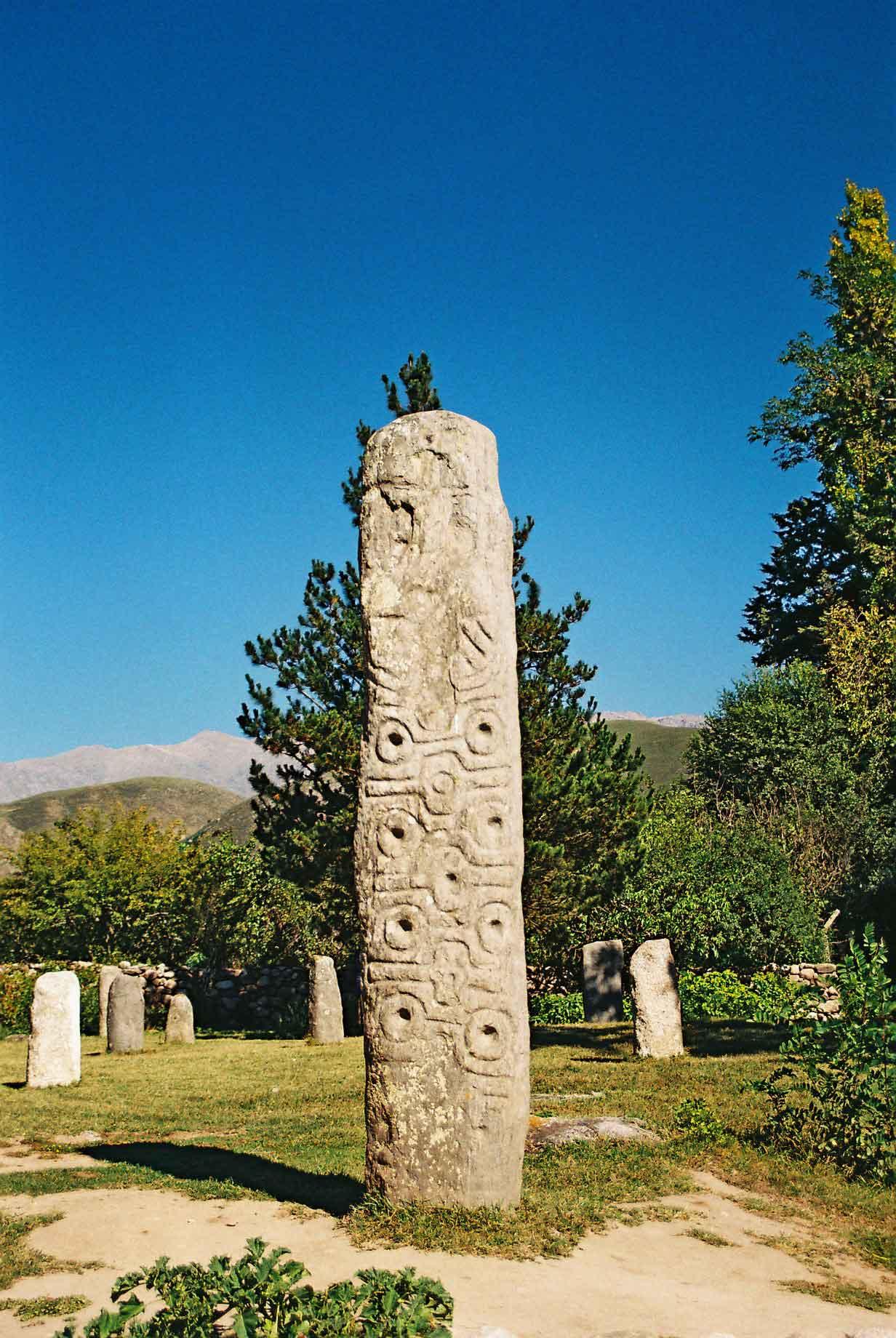
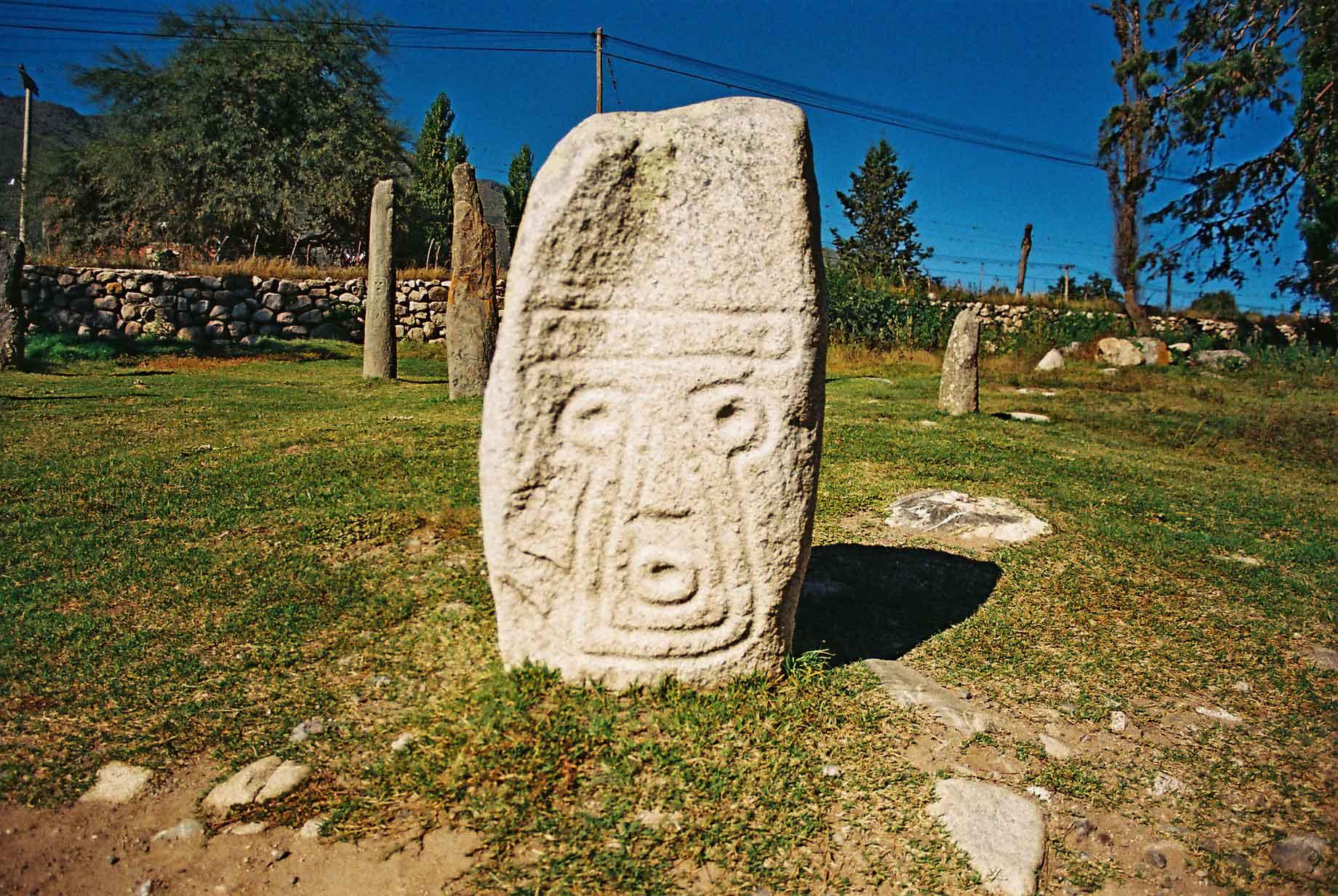
The pre-Colombian menhirs or huancas of El Mollar have been brought together from the surrounding area to preserve them in one site.
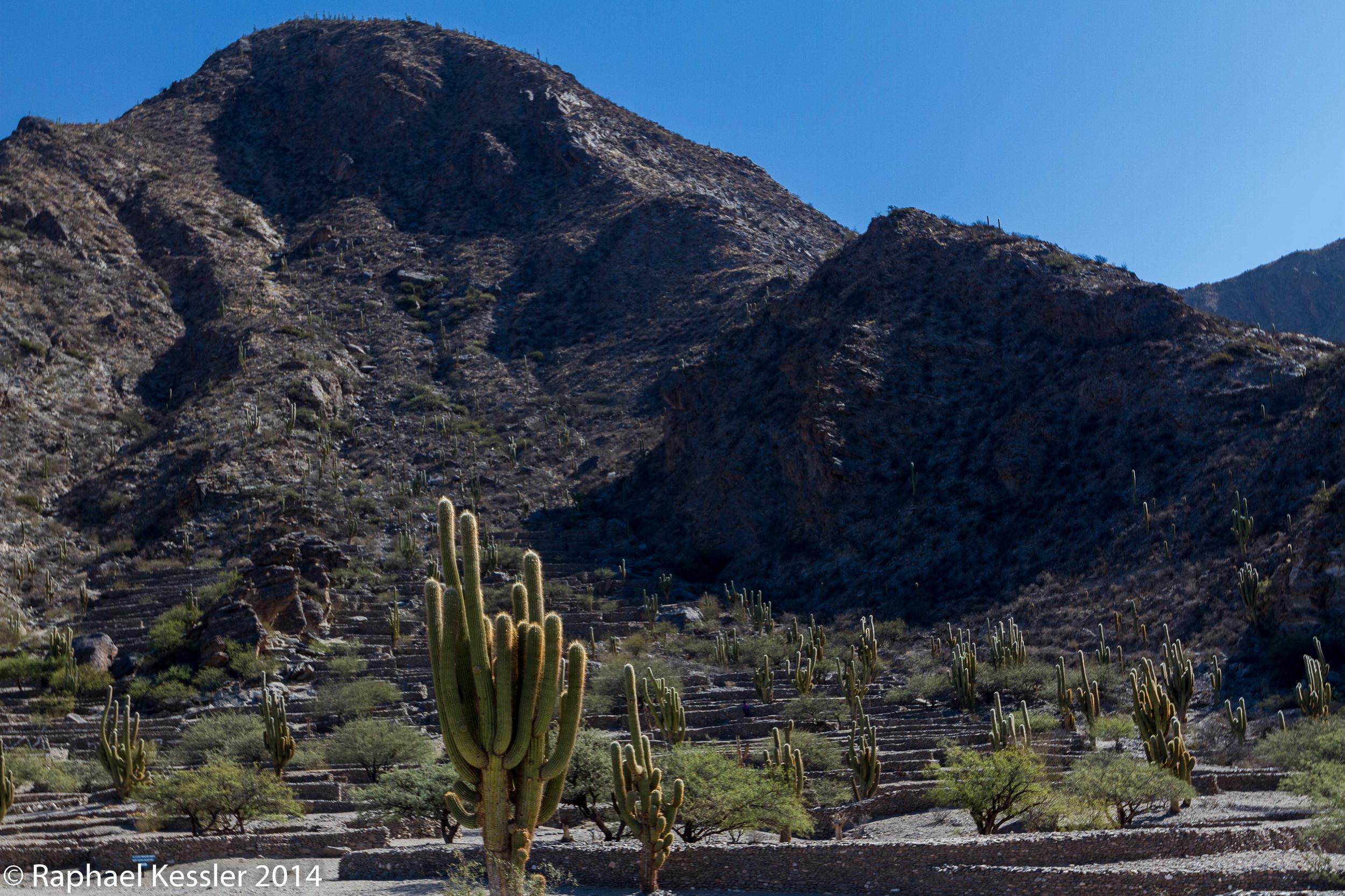
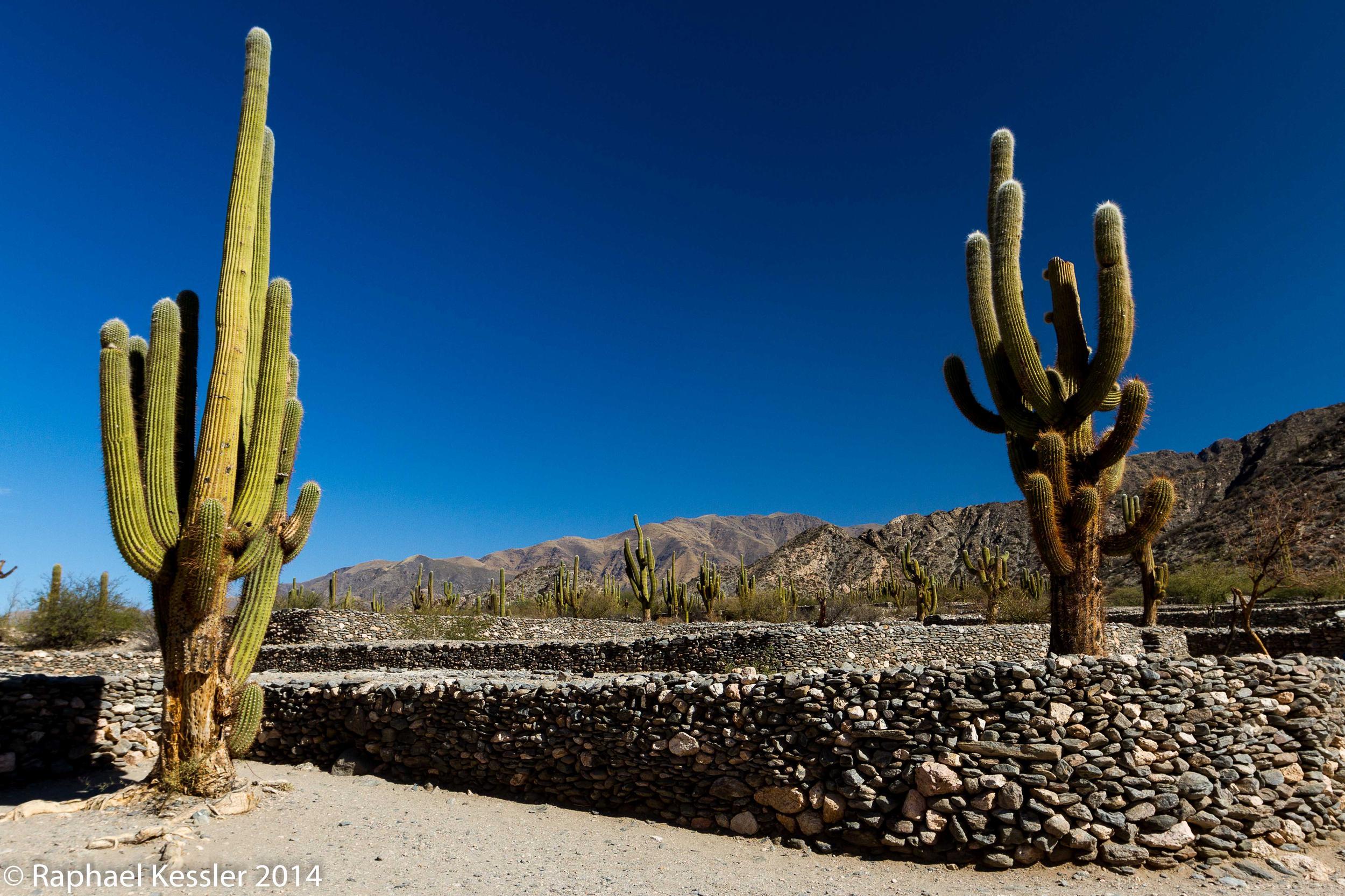
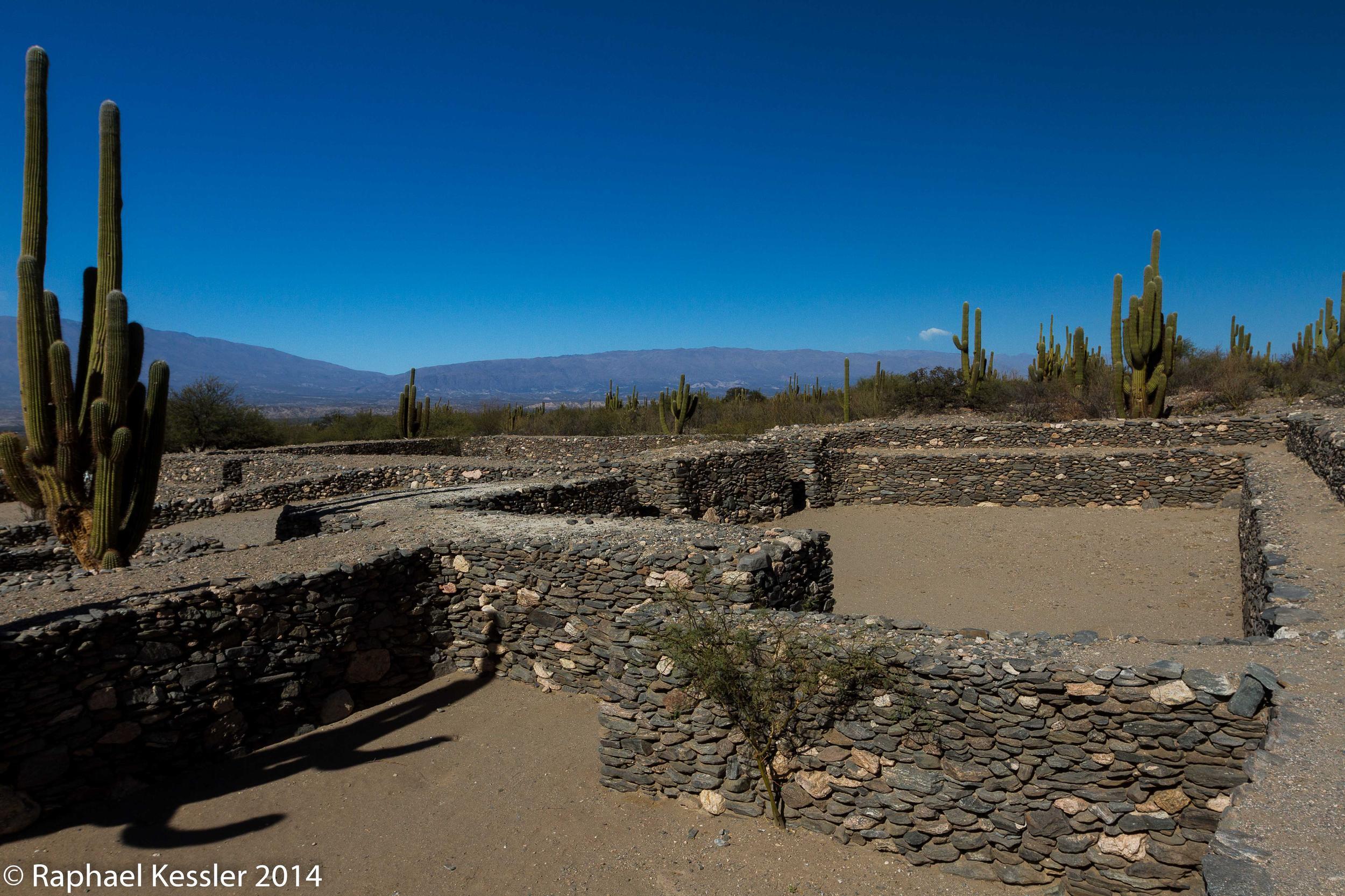
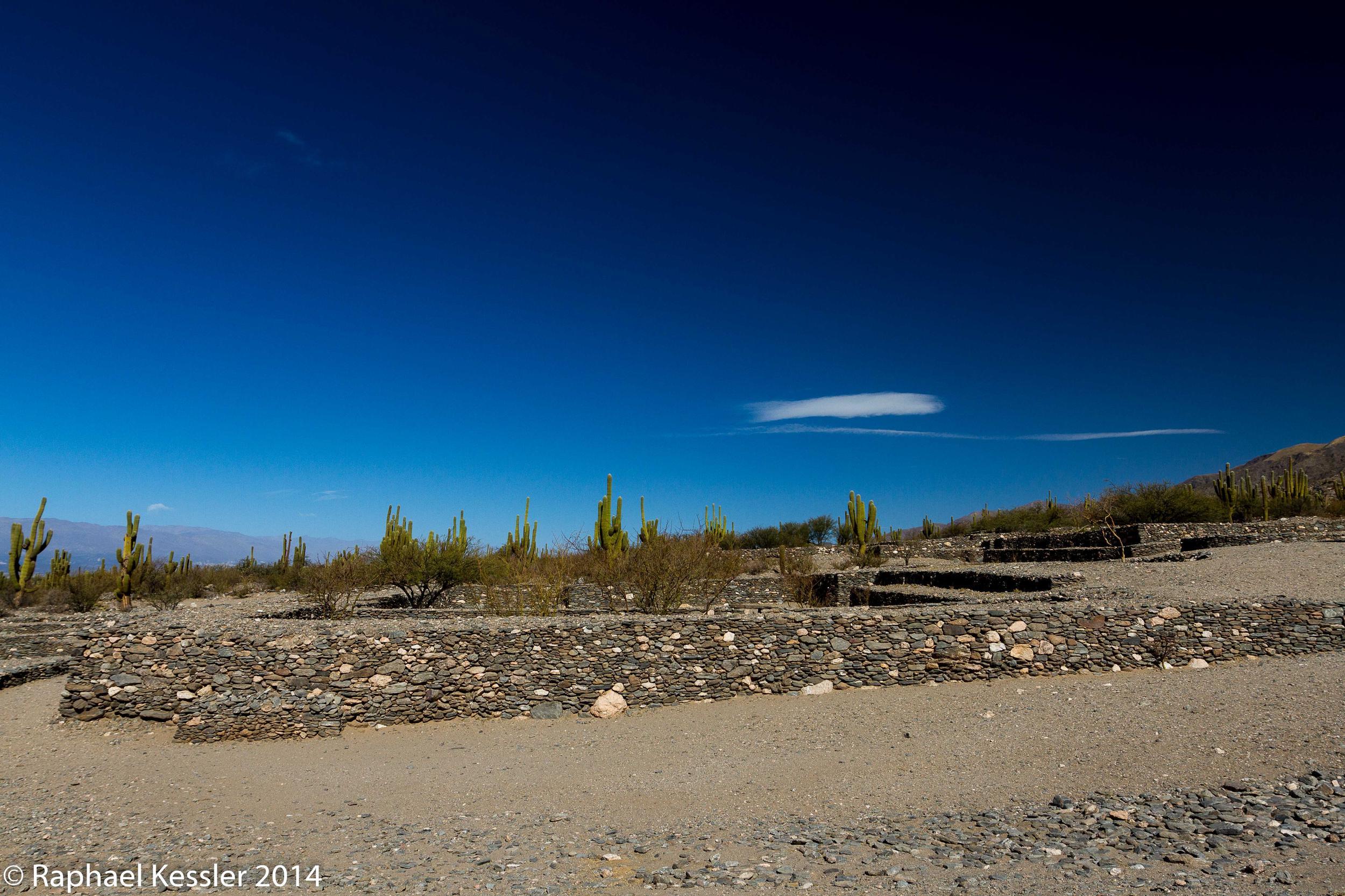
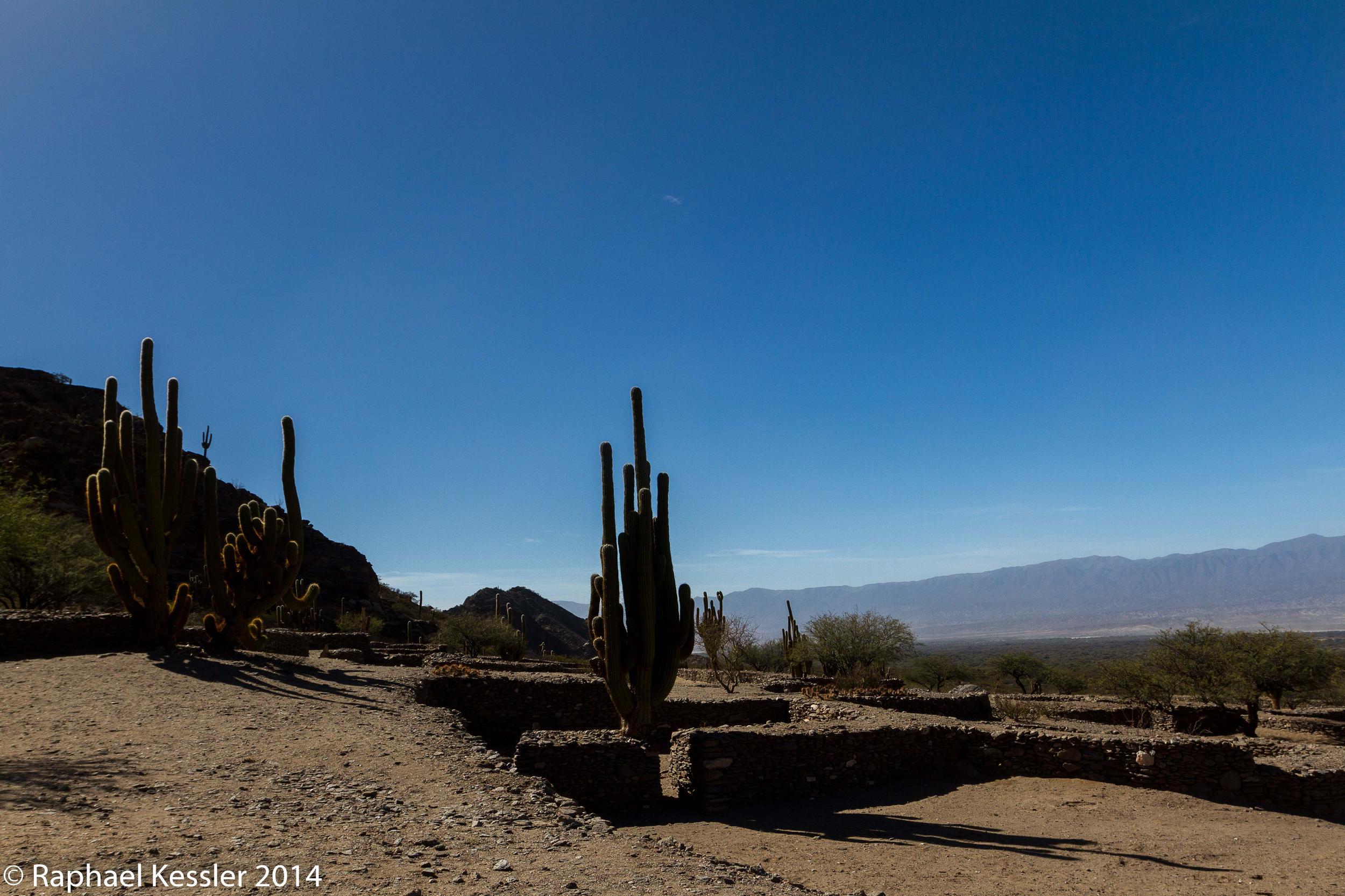
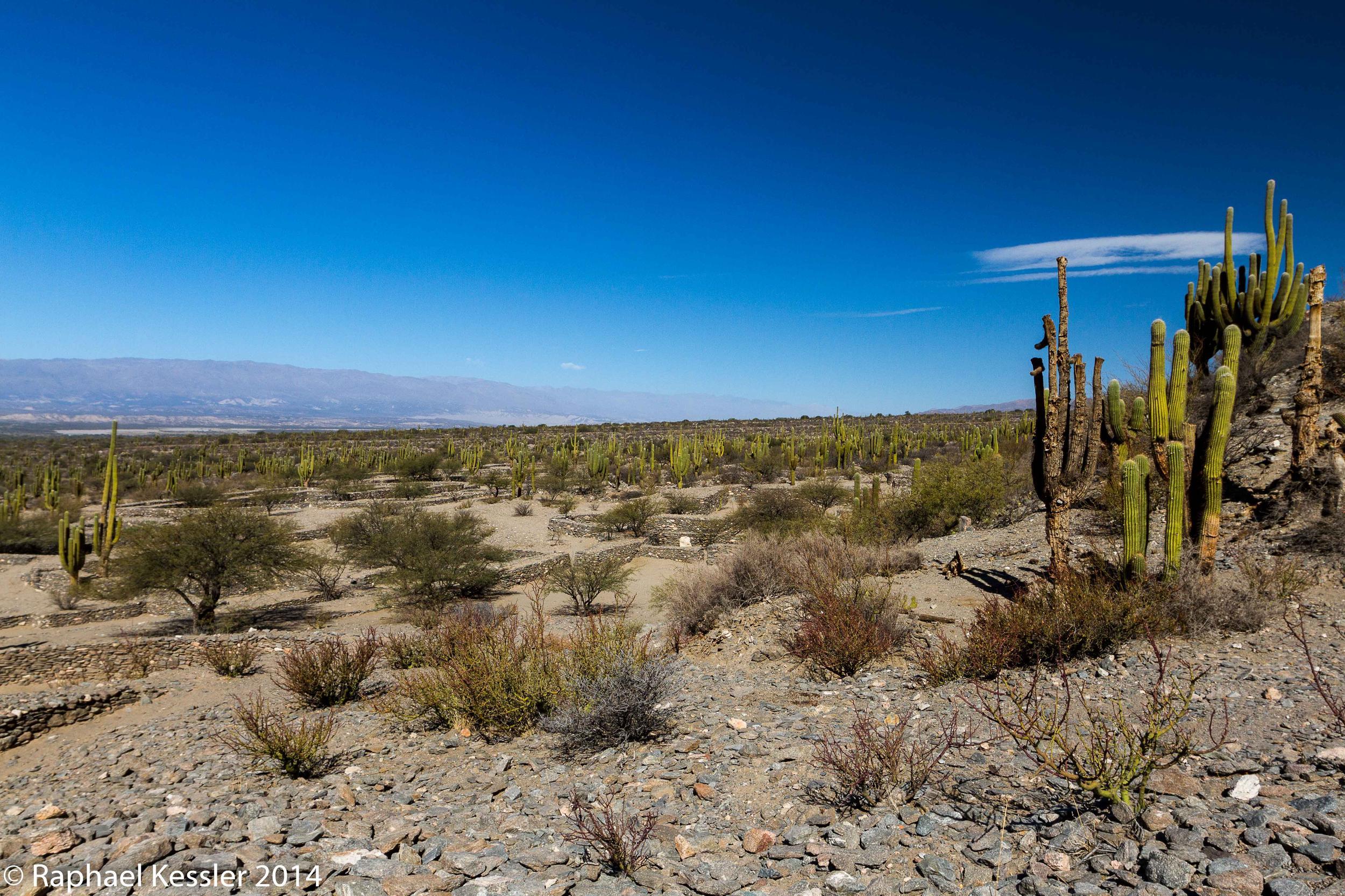
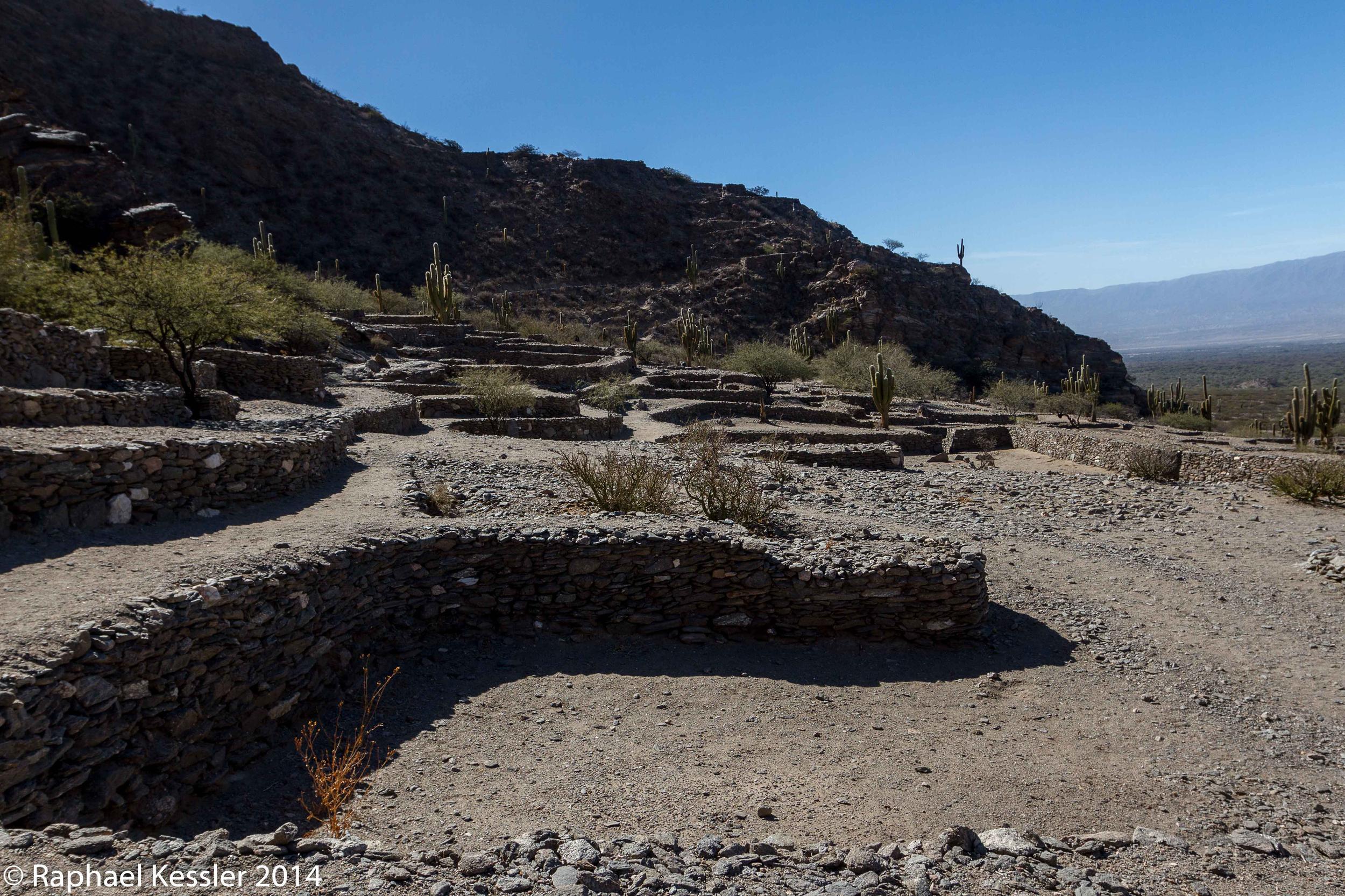
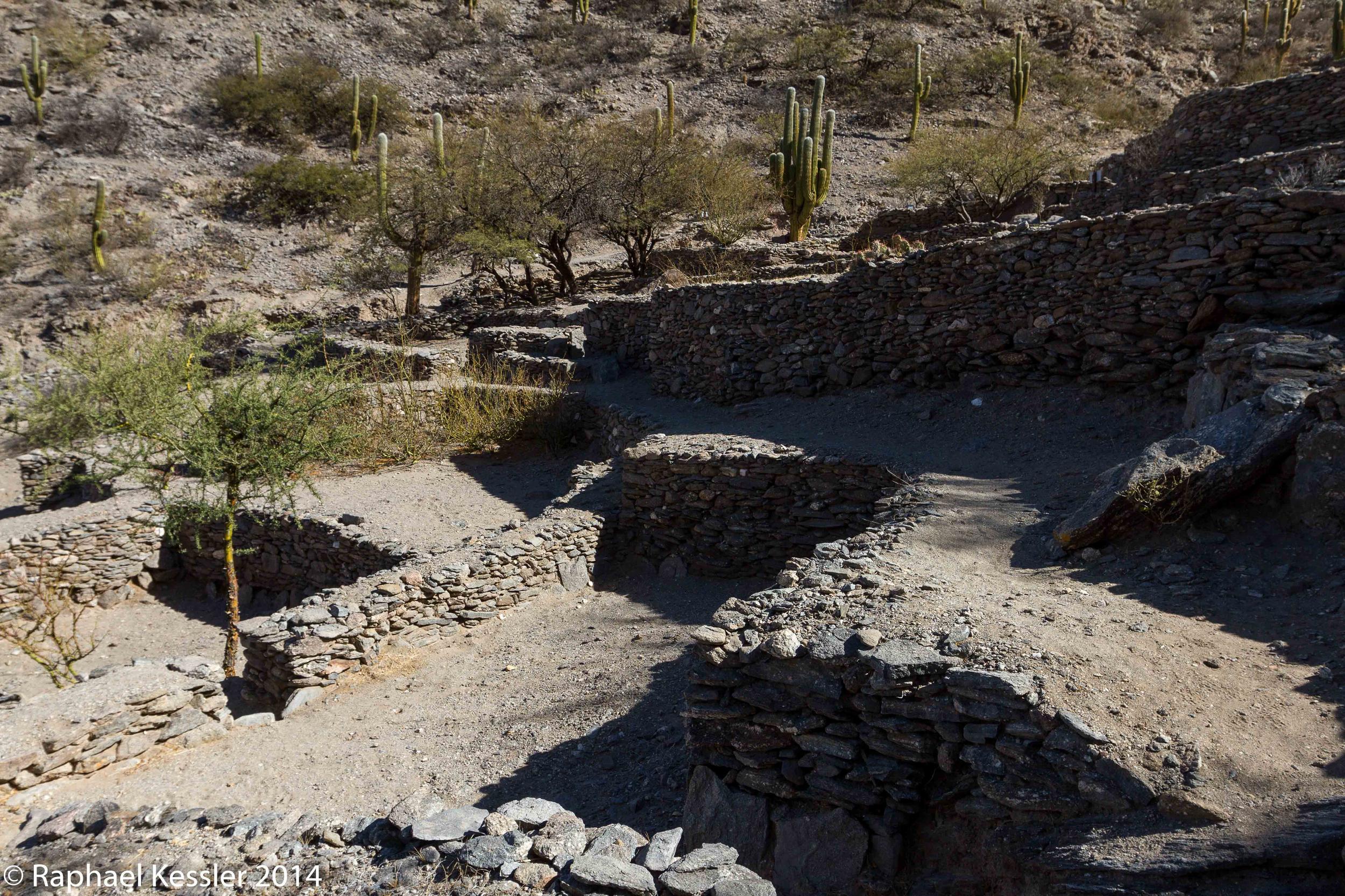
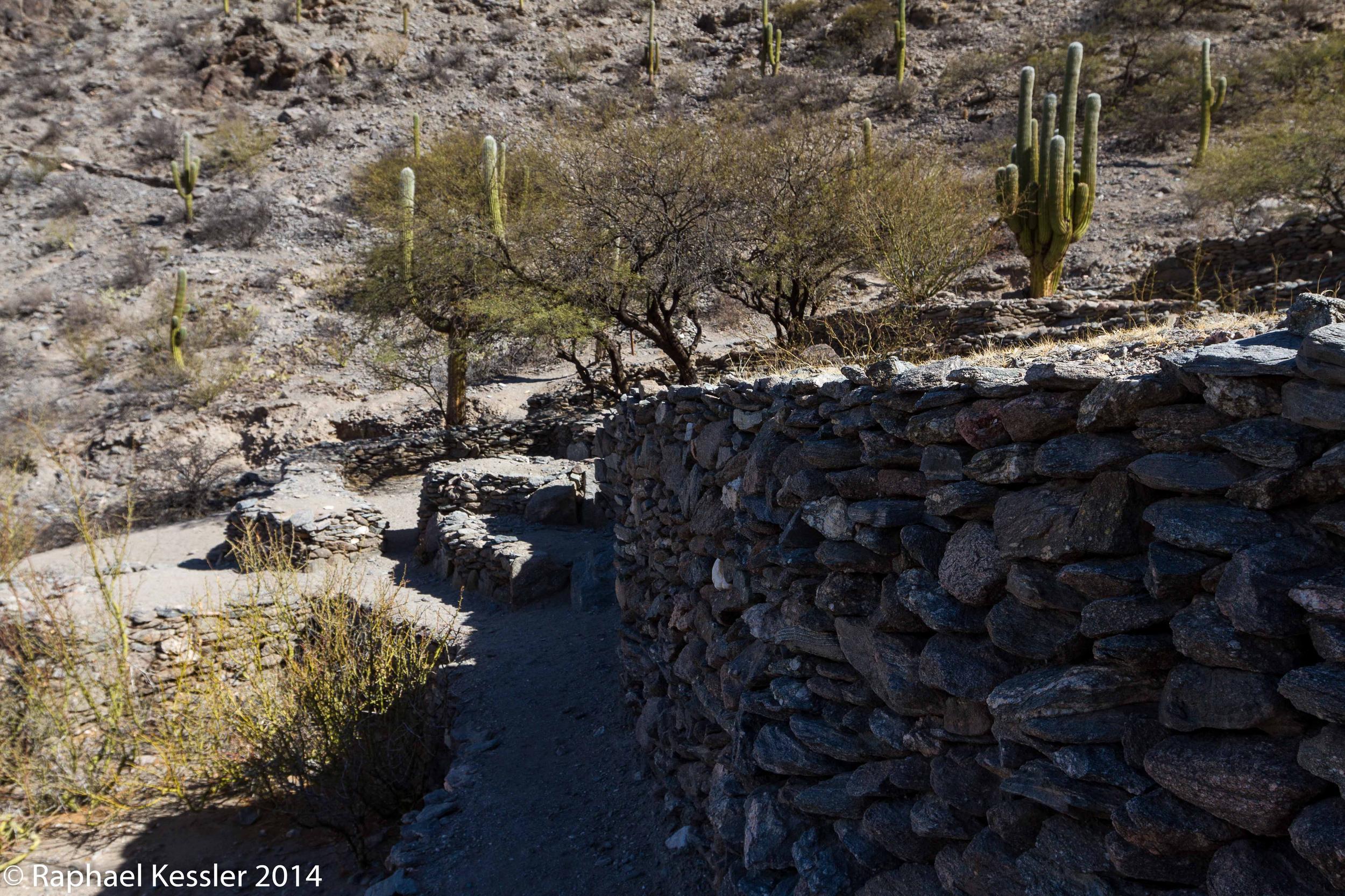
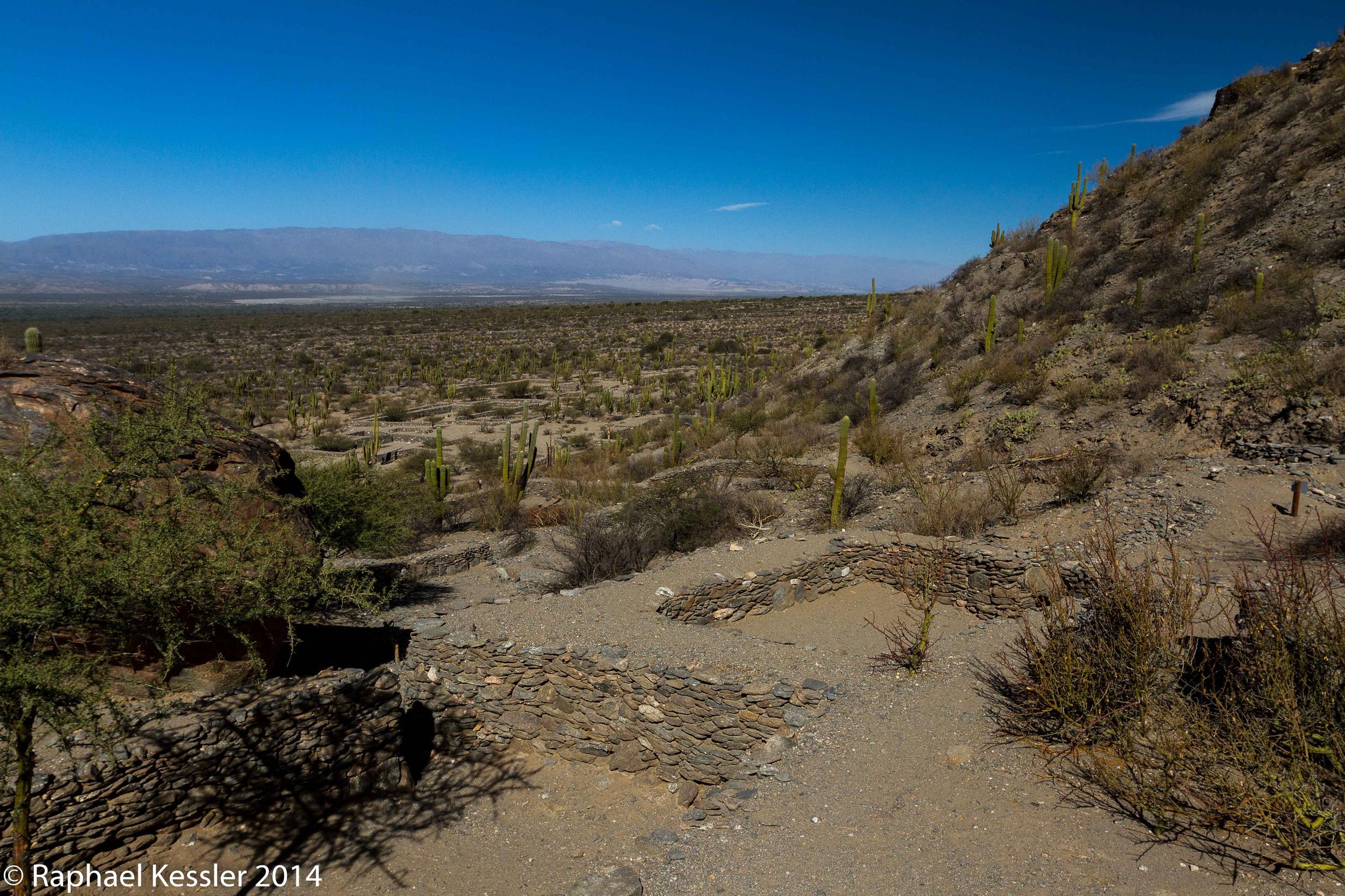
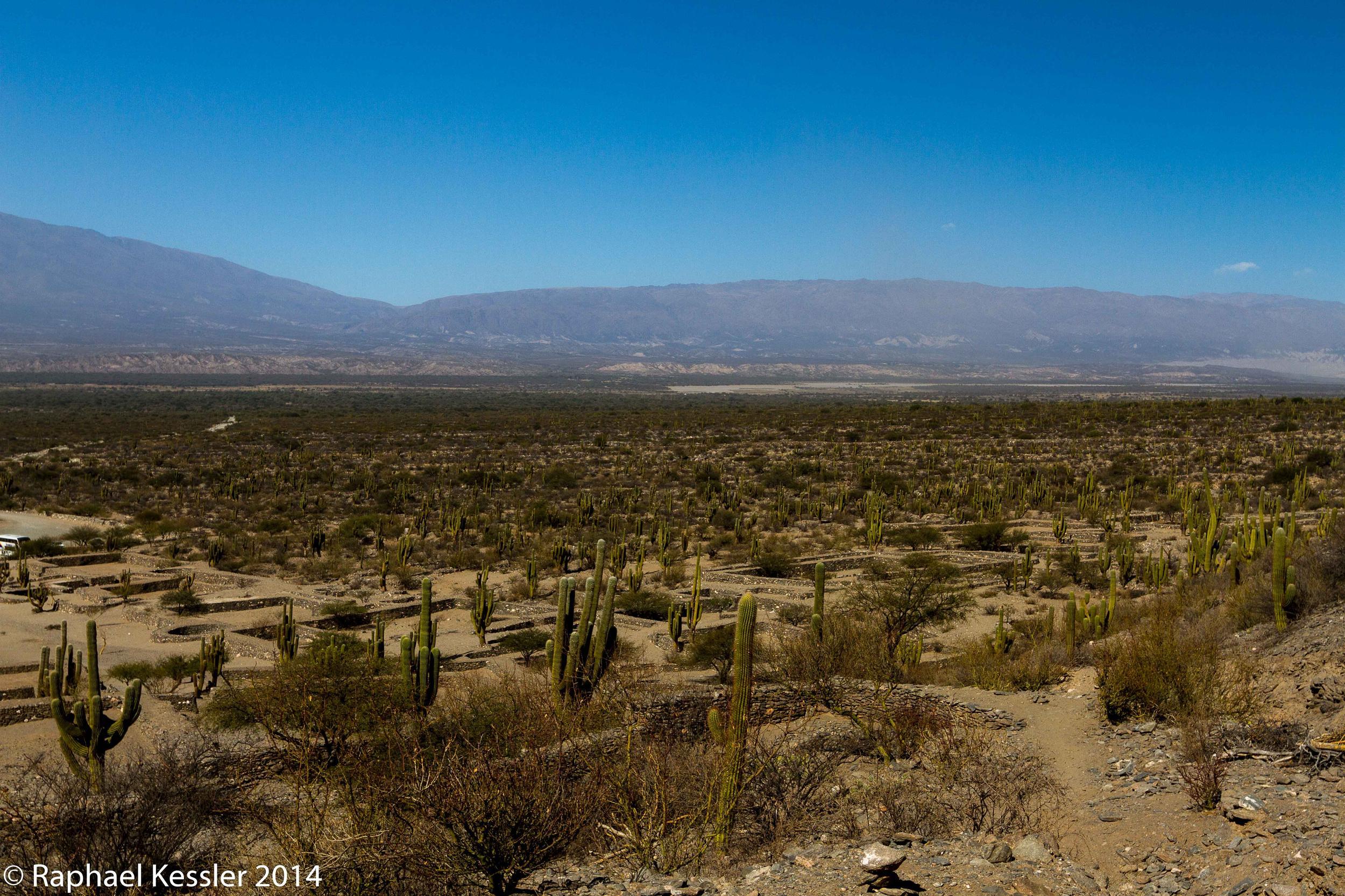
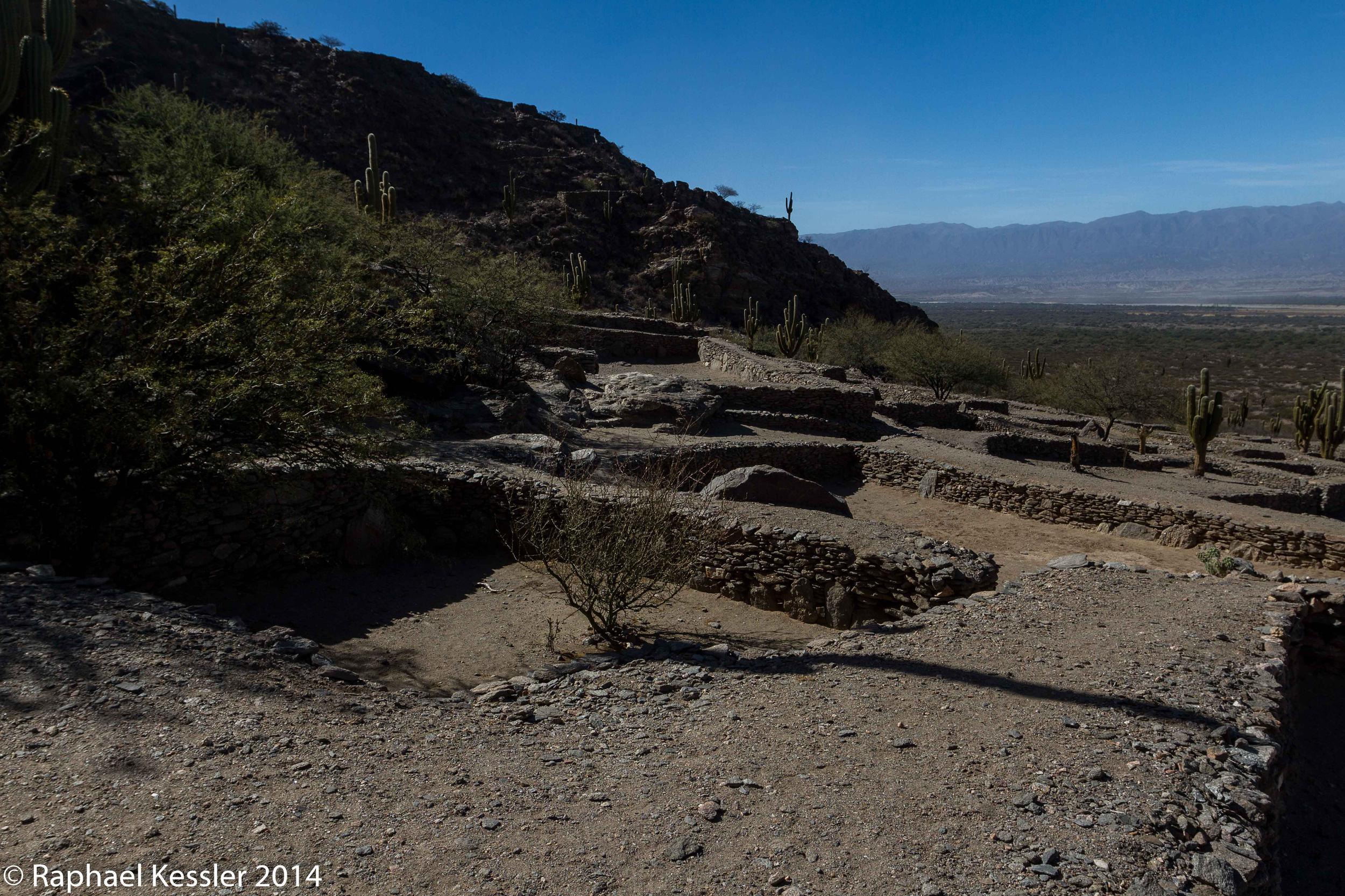
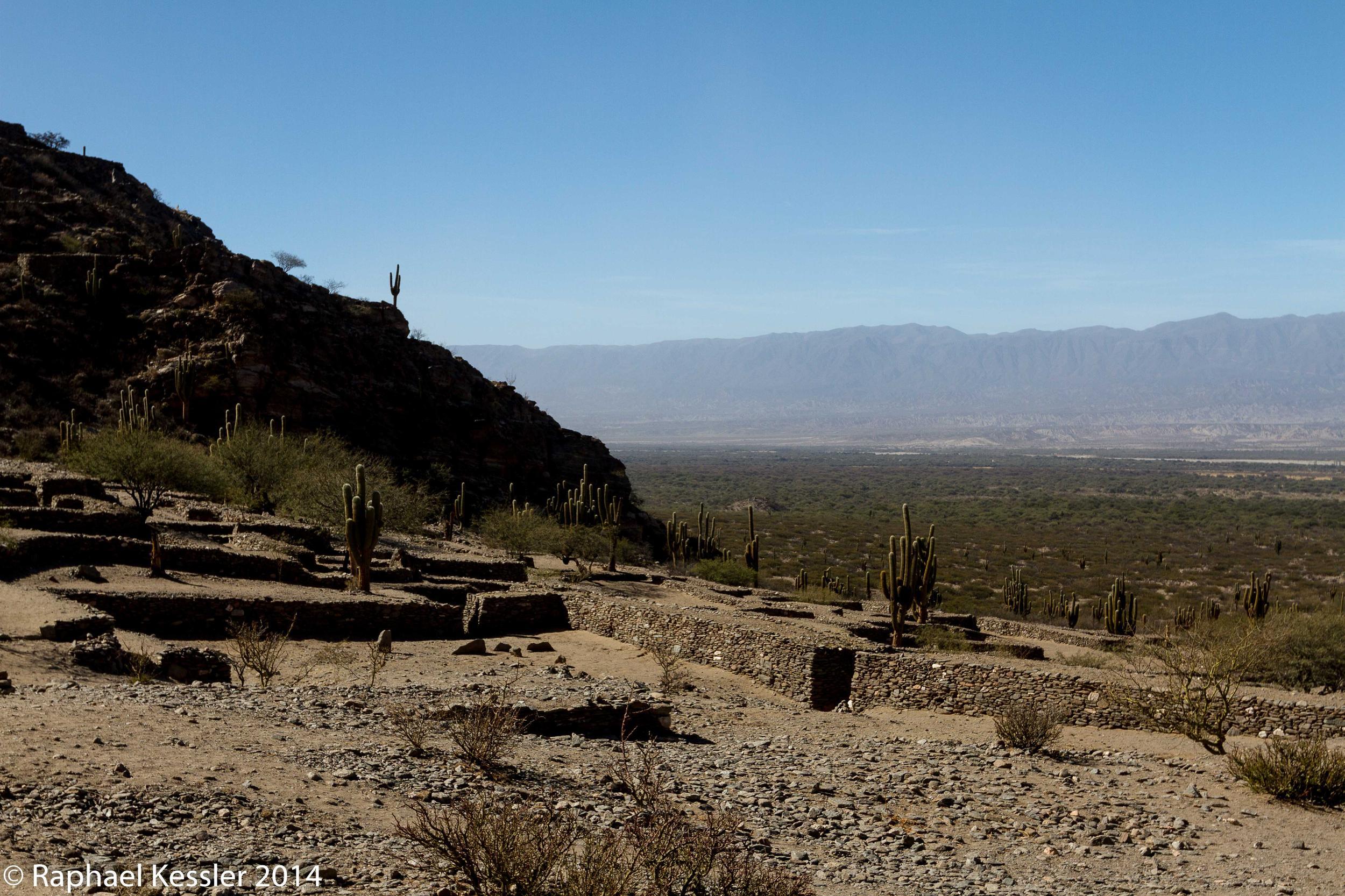
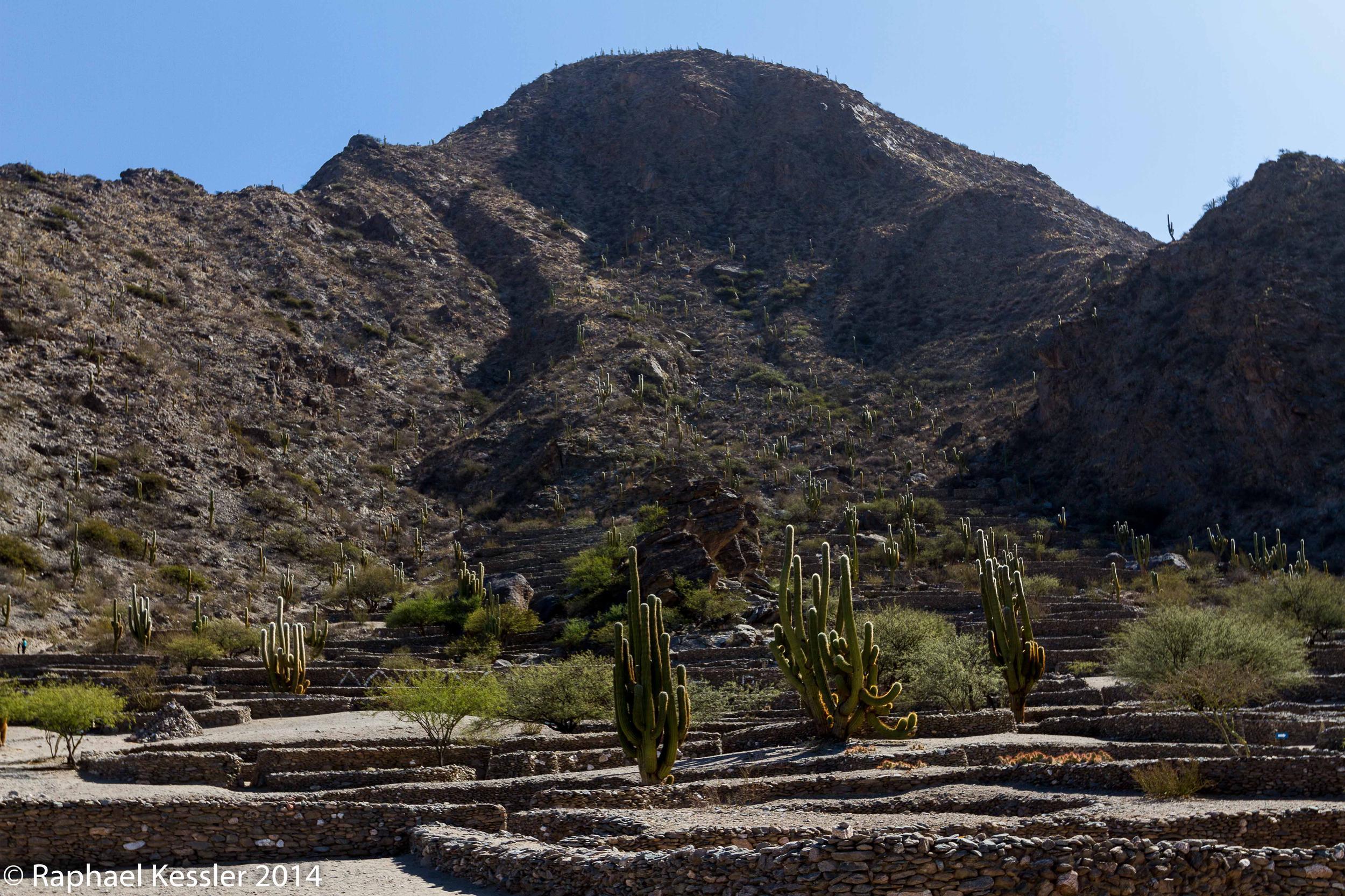
The ruins of the fort of Quilmes were impressive and tranquil.
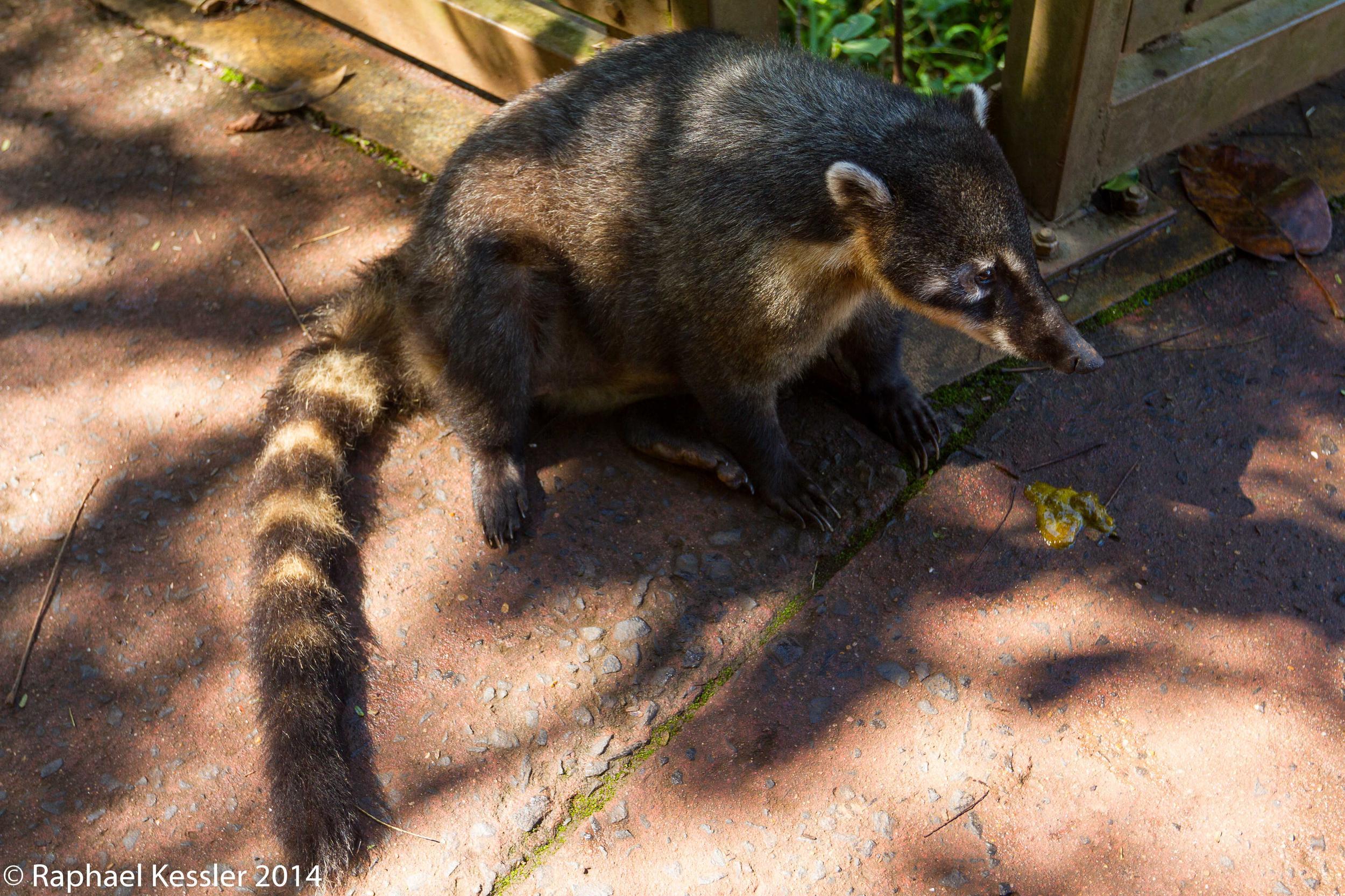
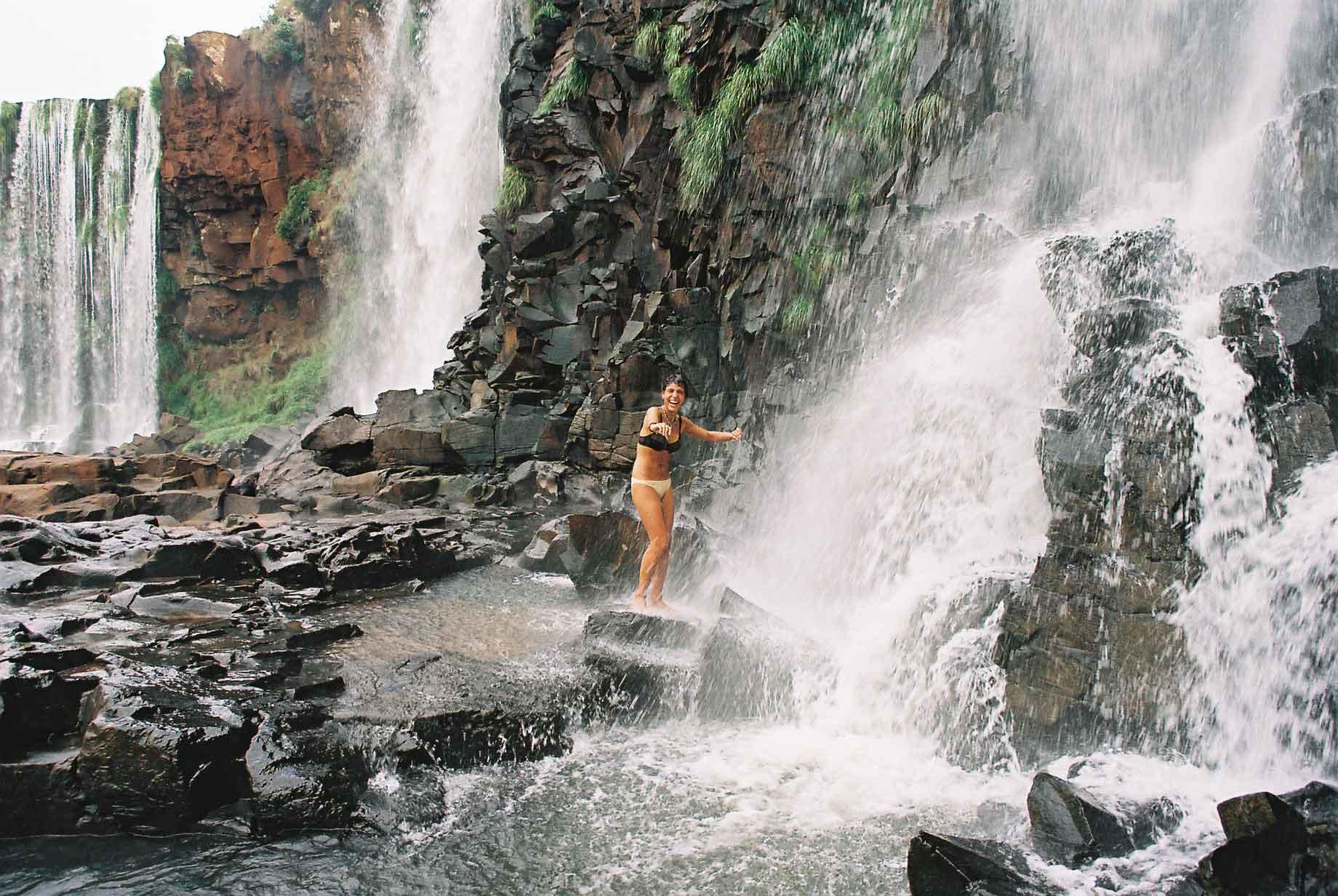
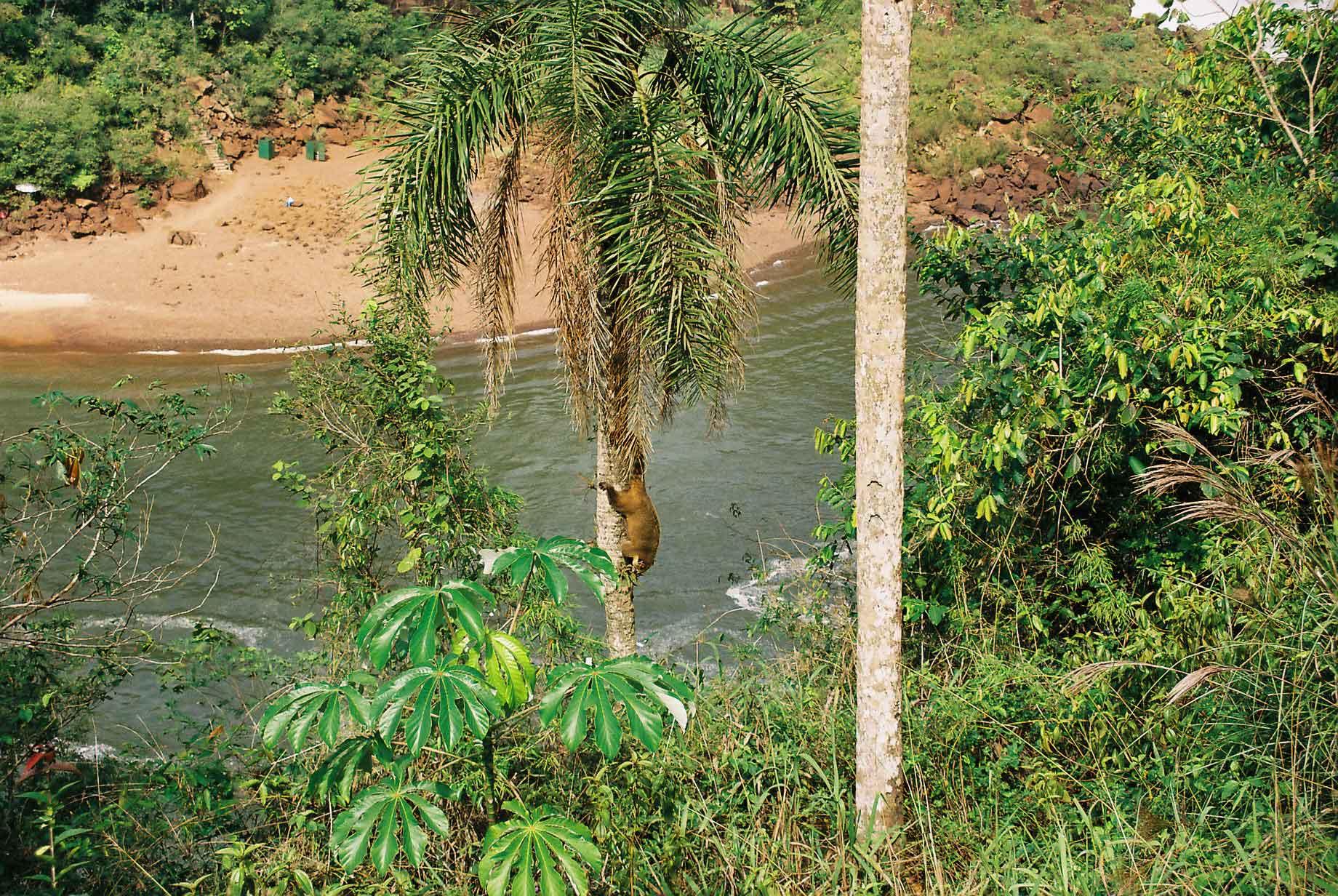
The first time I went to Argentina, I crossed at the Iguacu falls, when I was back in Argentina a couple of years later, I went to see them again, they are truly spectacular and also now I know about the secret place (photos 5-7) where you get to have your own private part of the falls to yourself to swim and frolic in. Don't ask how to get there I'm not telling, it's a secret and also it's very naughty. Because of the vapour, there are often lots of rainbows, which I like. One can also see coati, a carnivorous South American raccoon (photo 10), from time to time. To see more pictures from the Brazilian side of the falls, click on the link on the left.
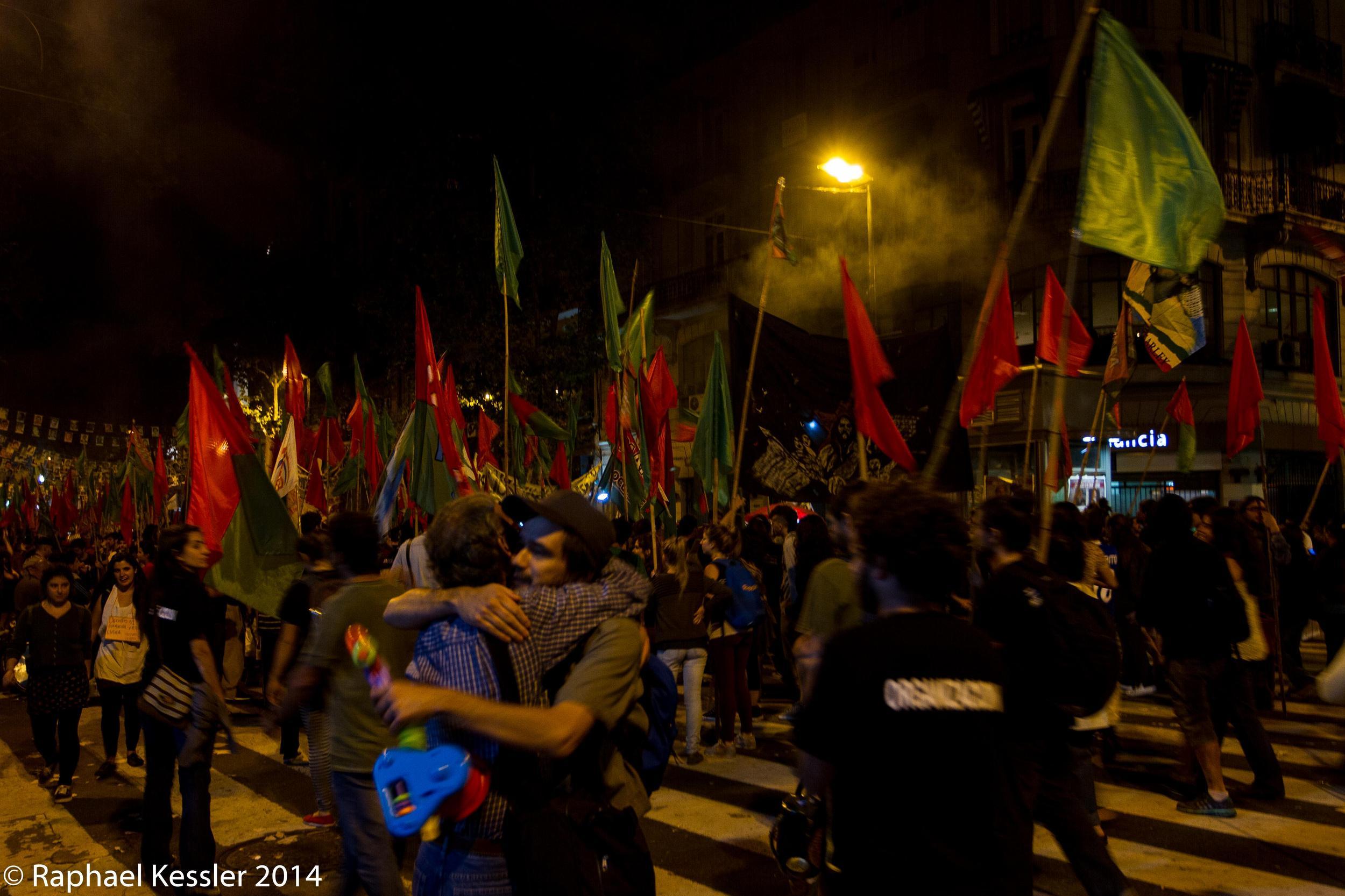
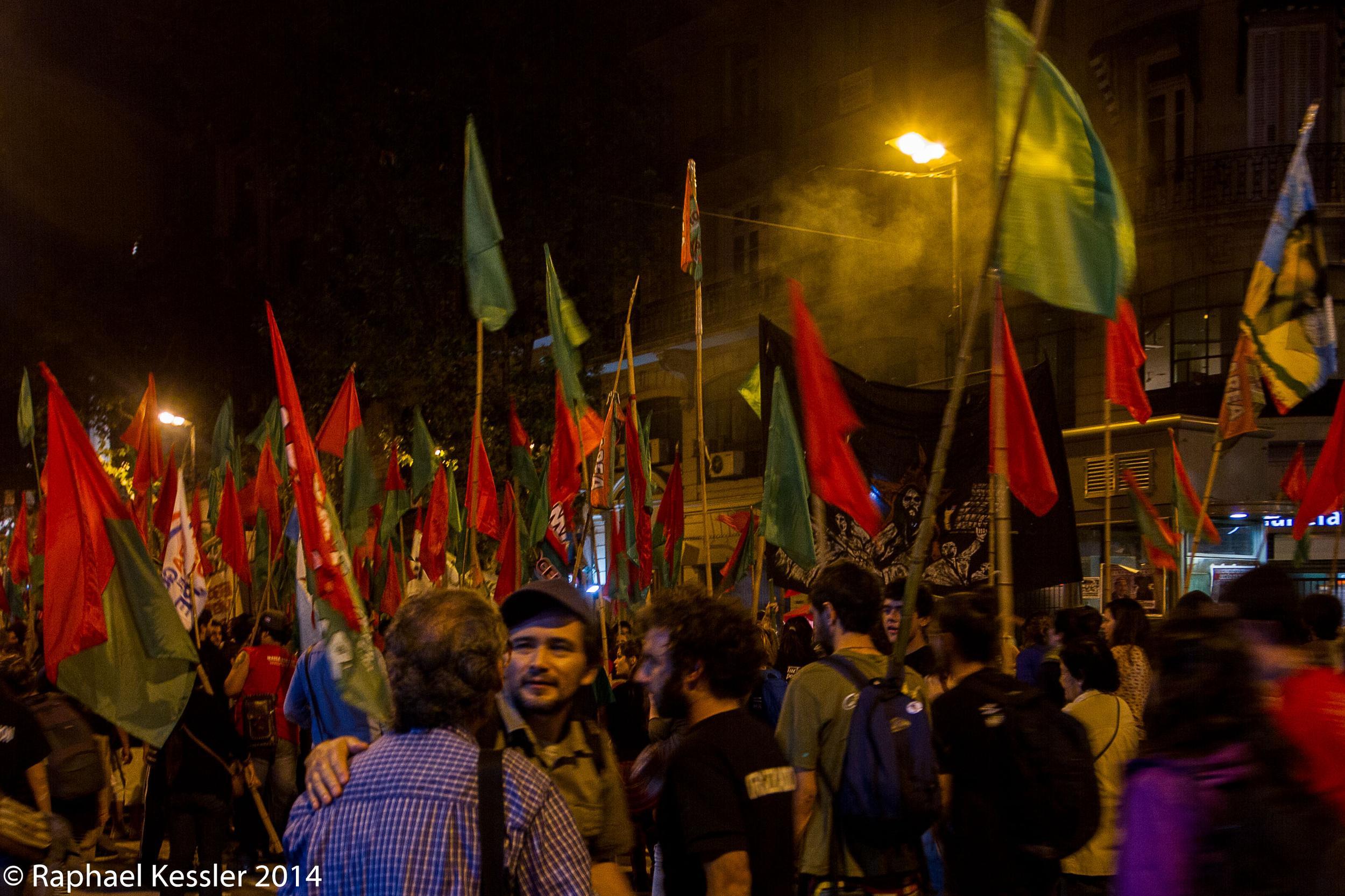
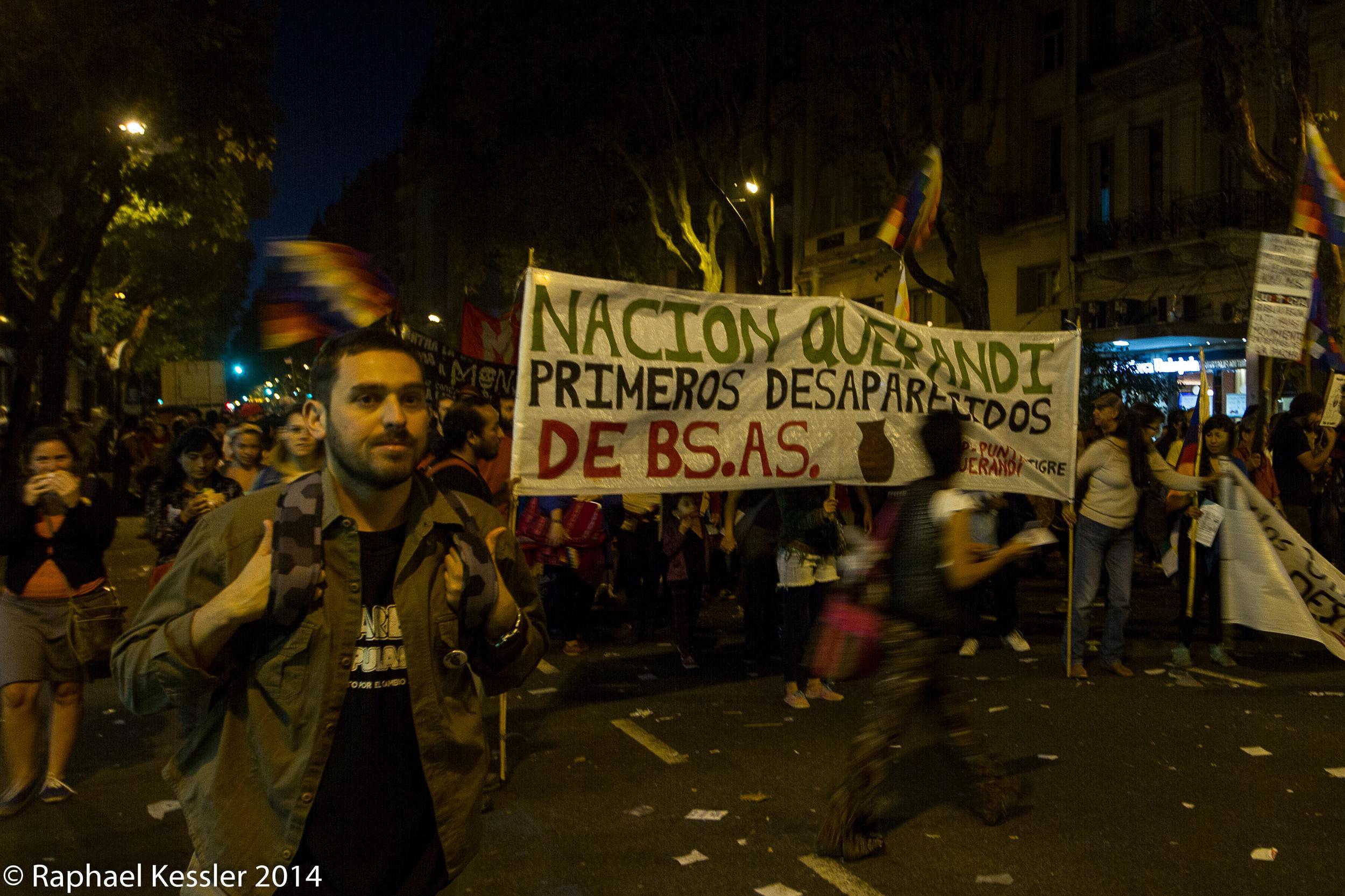
When I was first in Argentina it was in a major economic recession with many people losing their jobs and having their money devalued on an ongoing basis. As a result there were daily protests in Buenos Aires for one thing or another this one was about restricted access to peoples funds. A couple of years later, things hadn't improved a great deal.

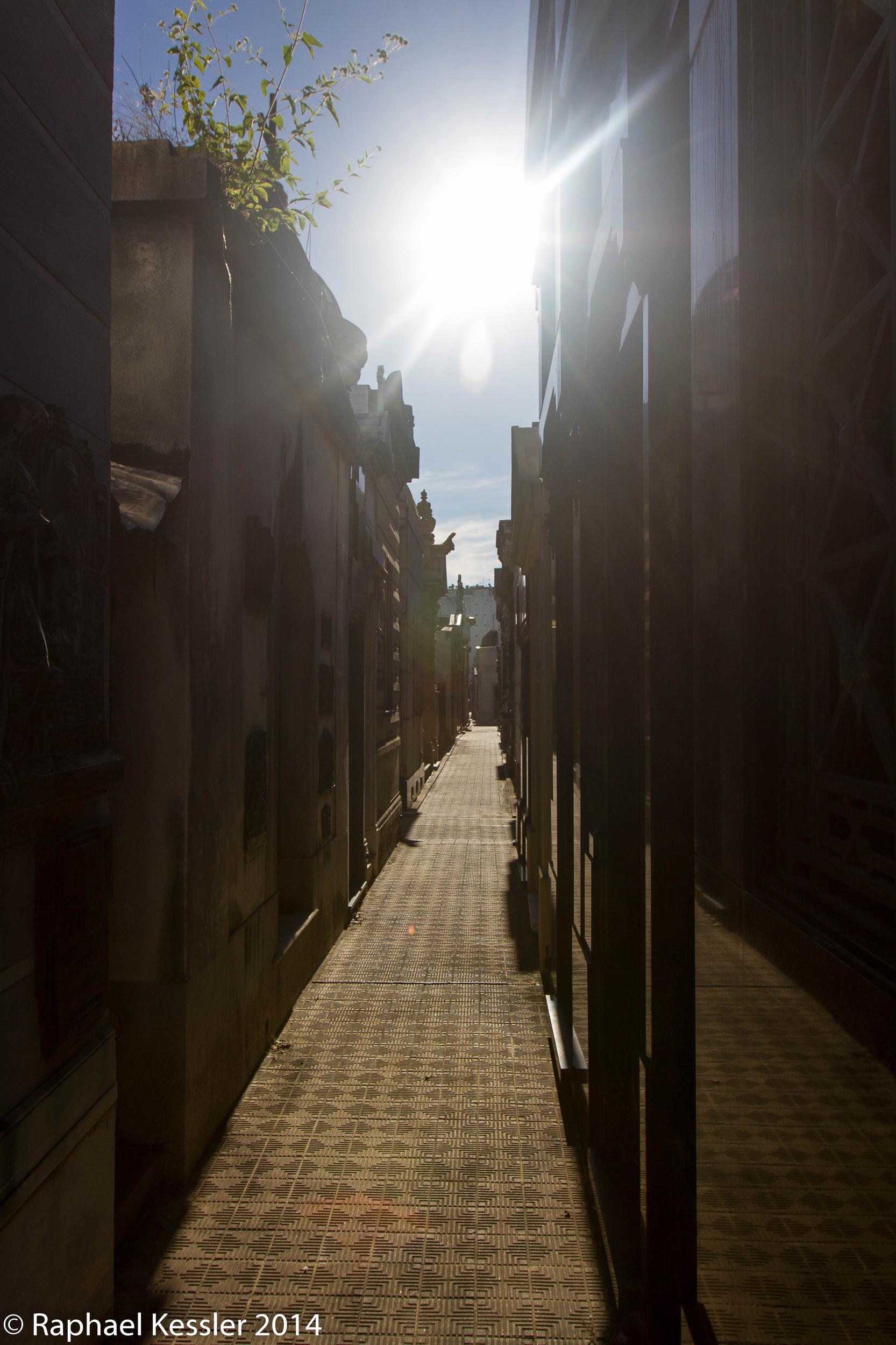
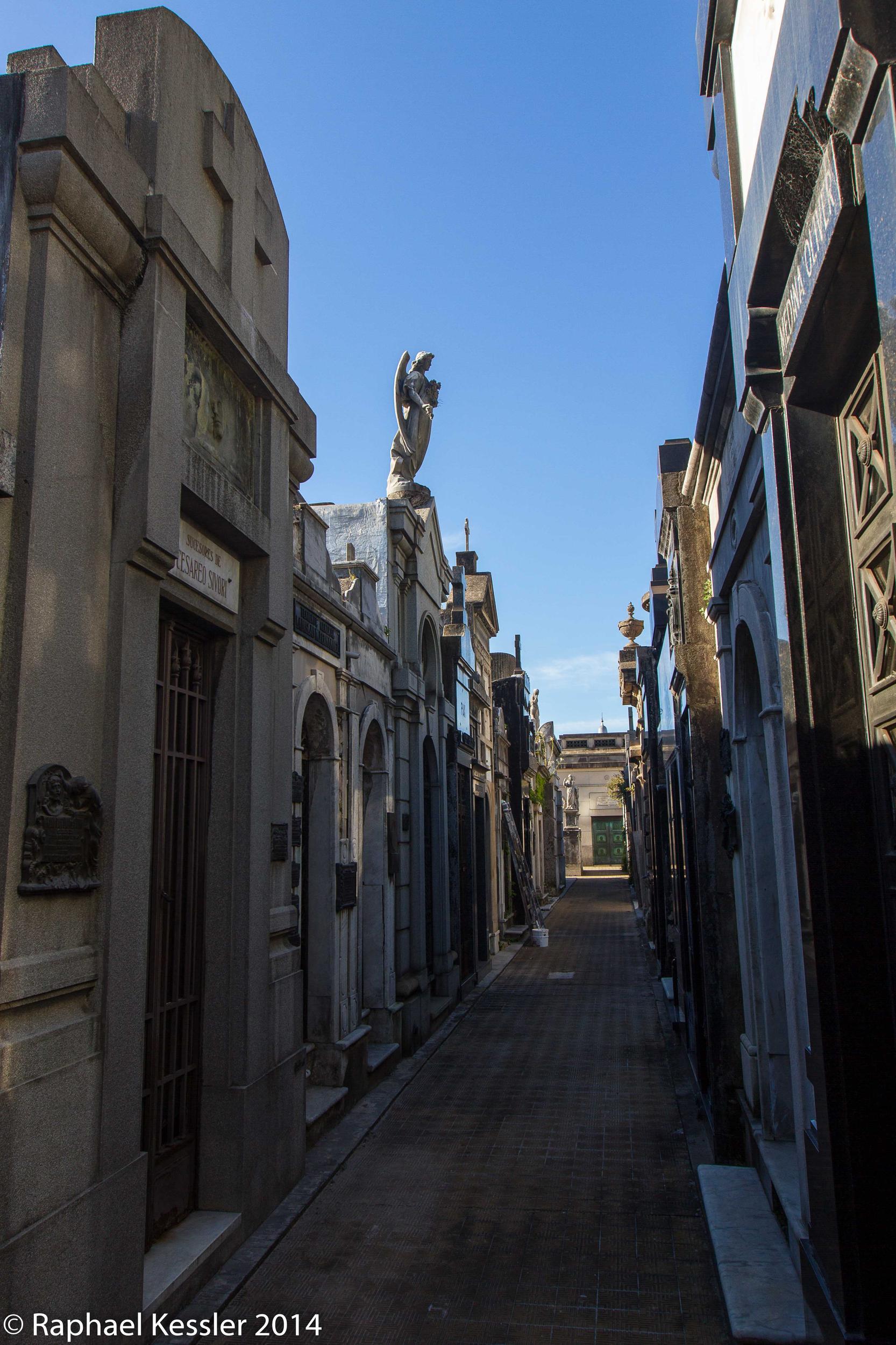
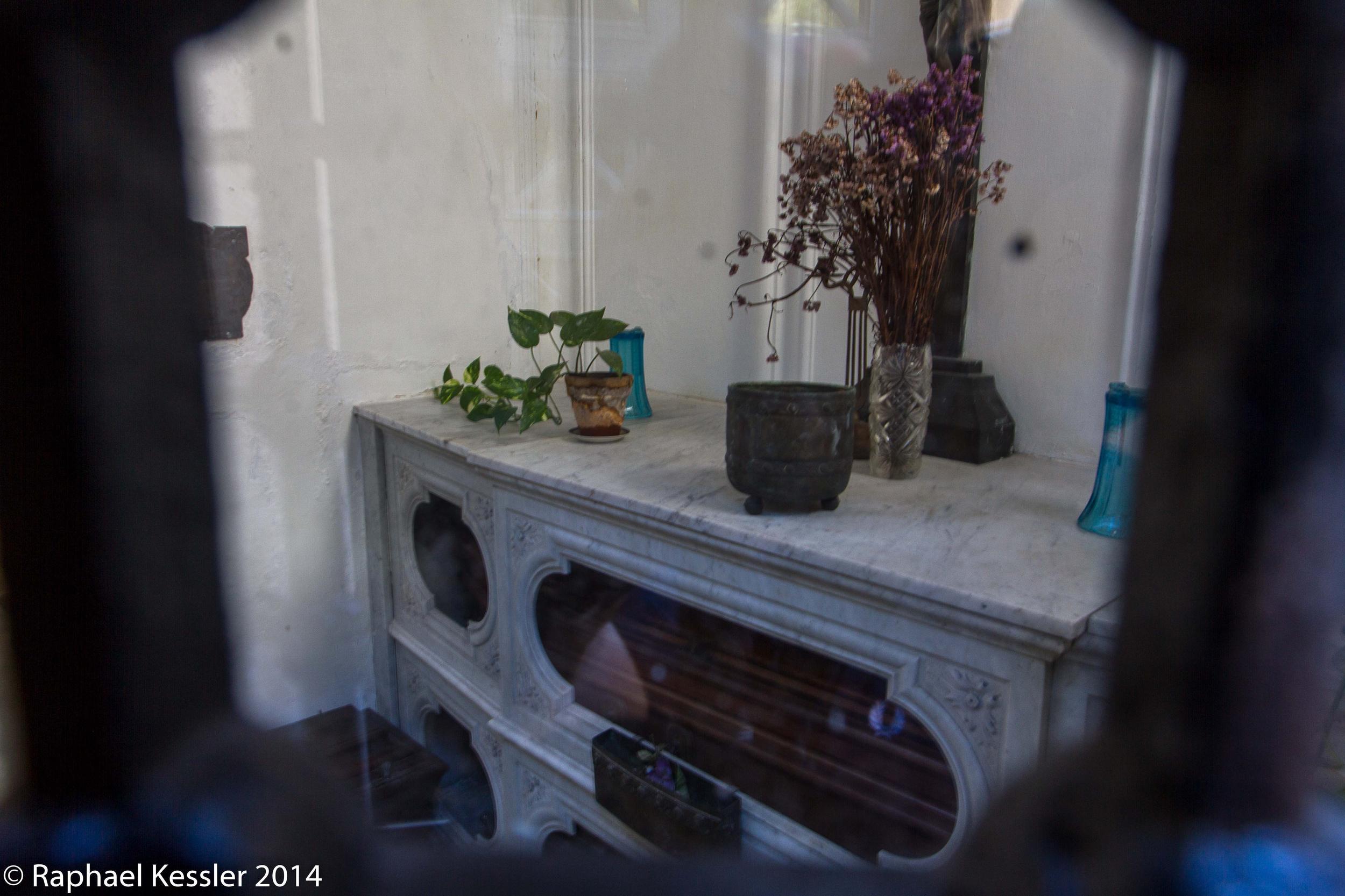
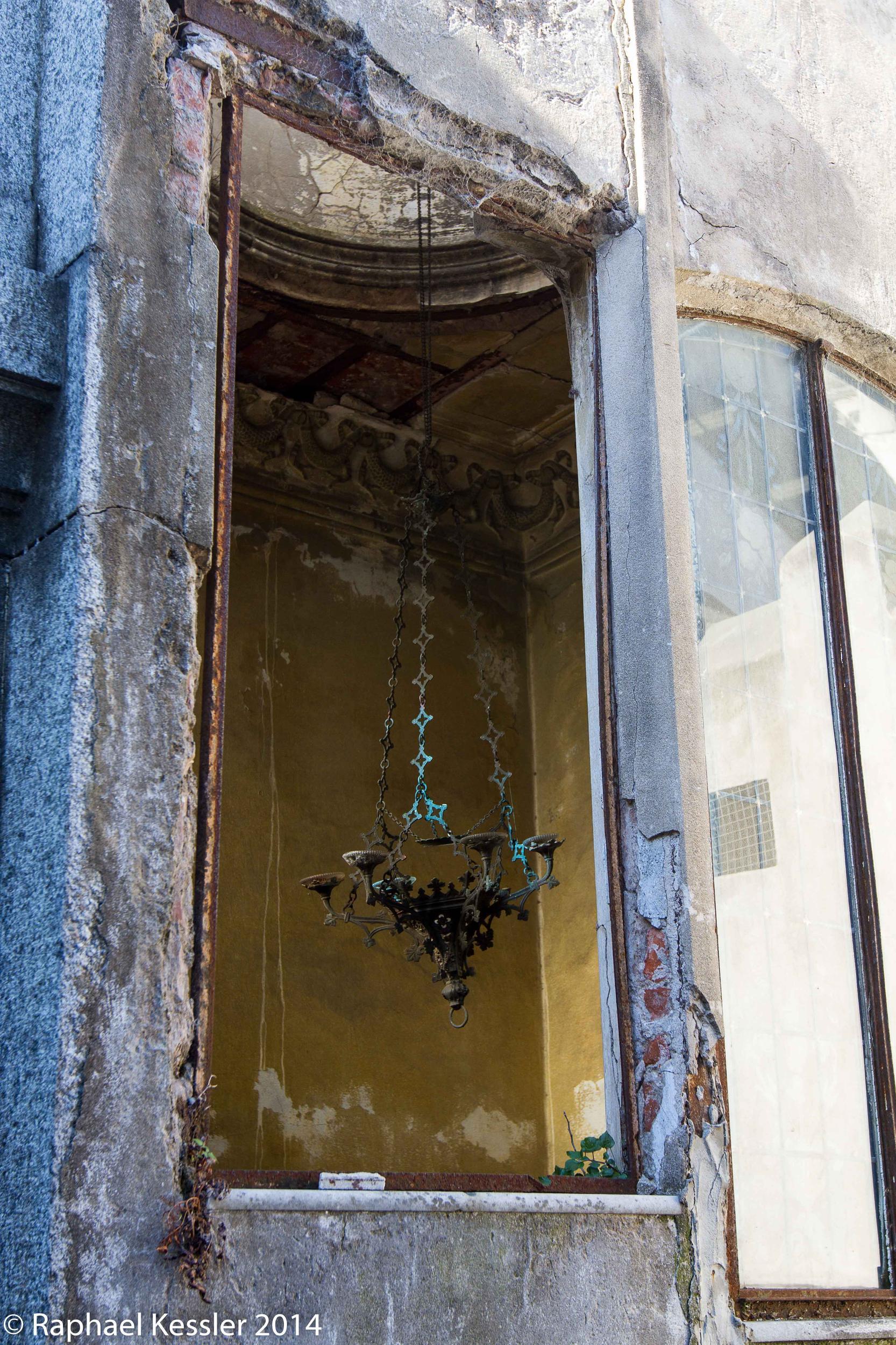
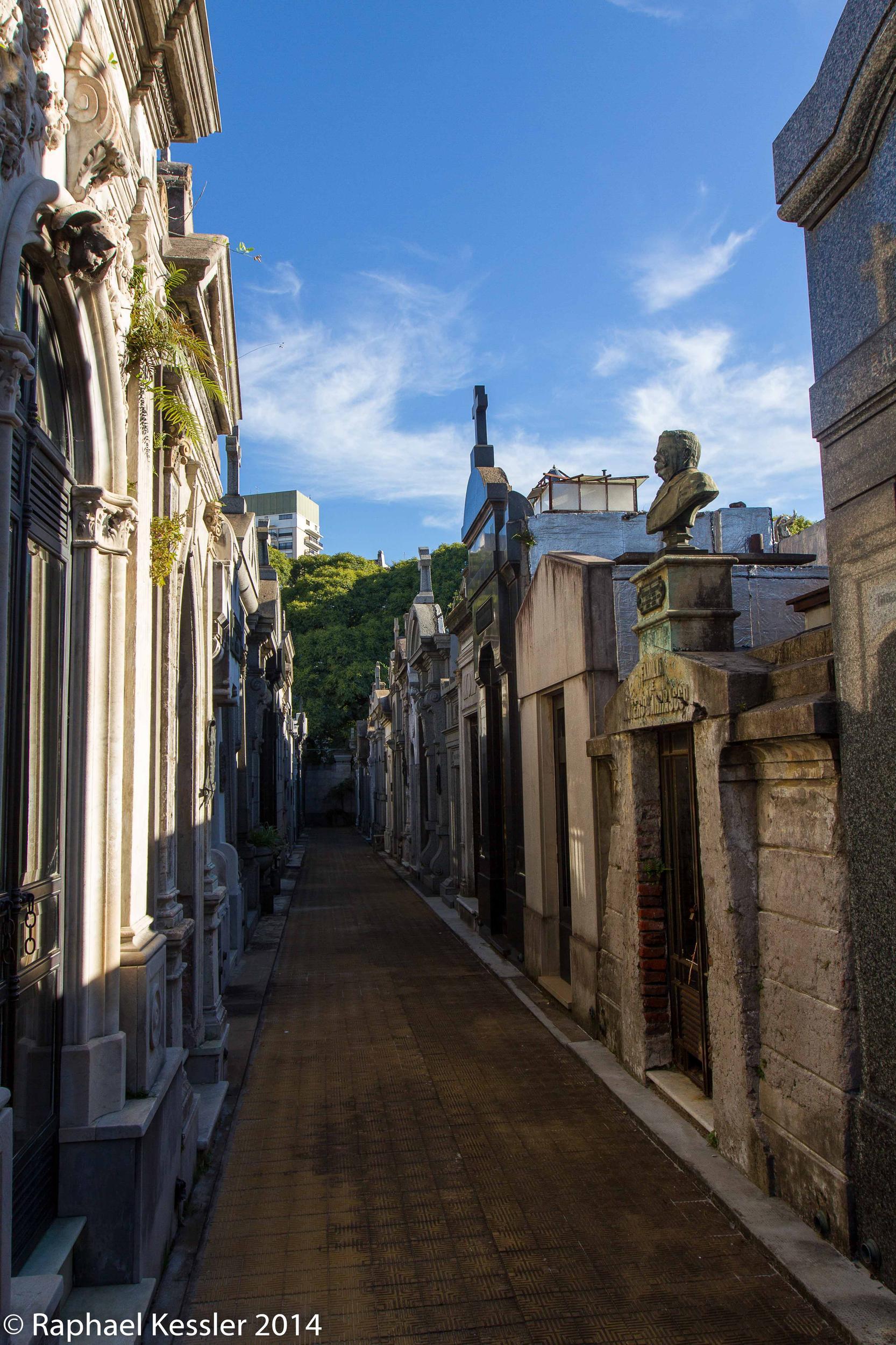
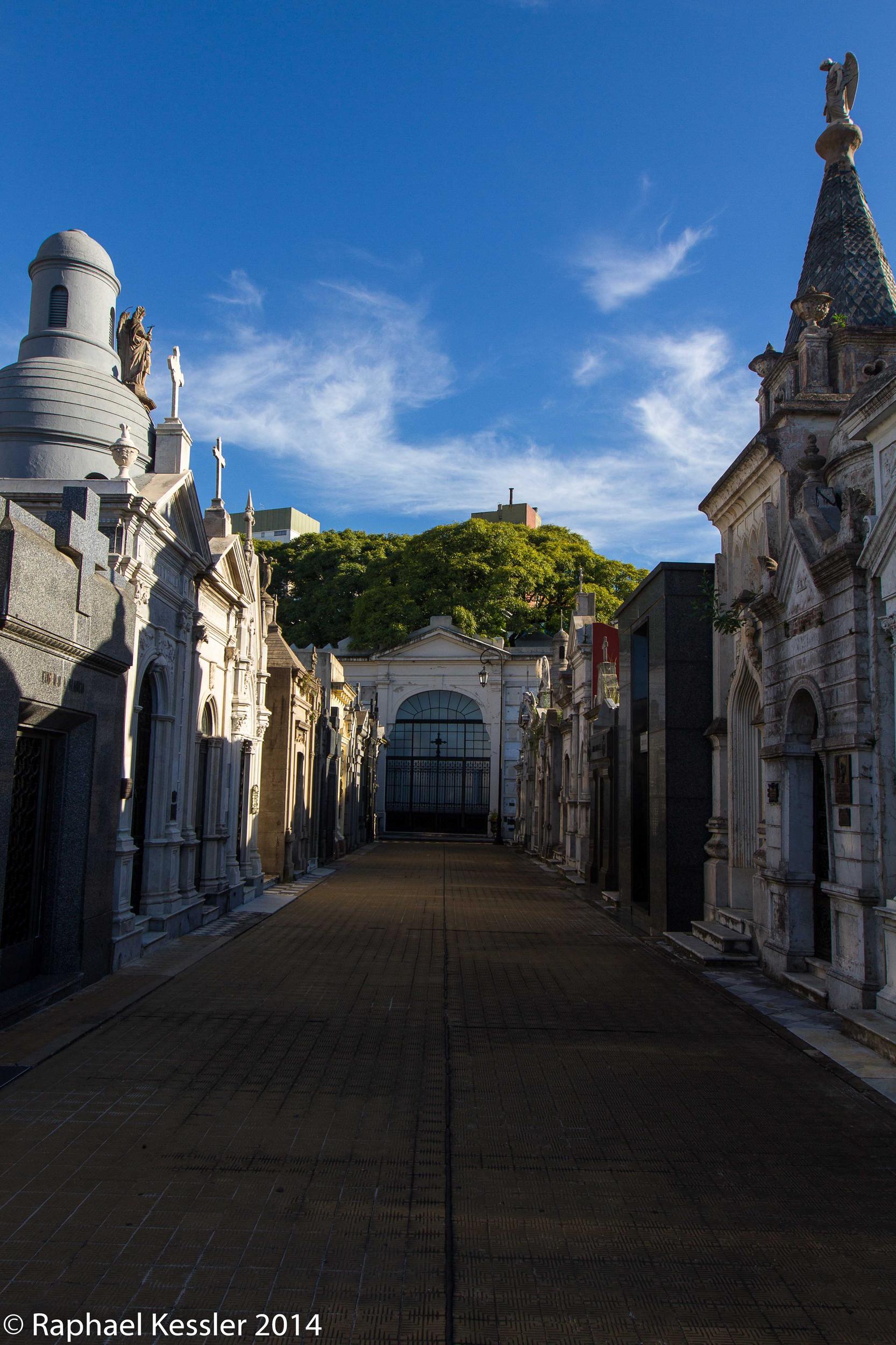
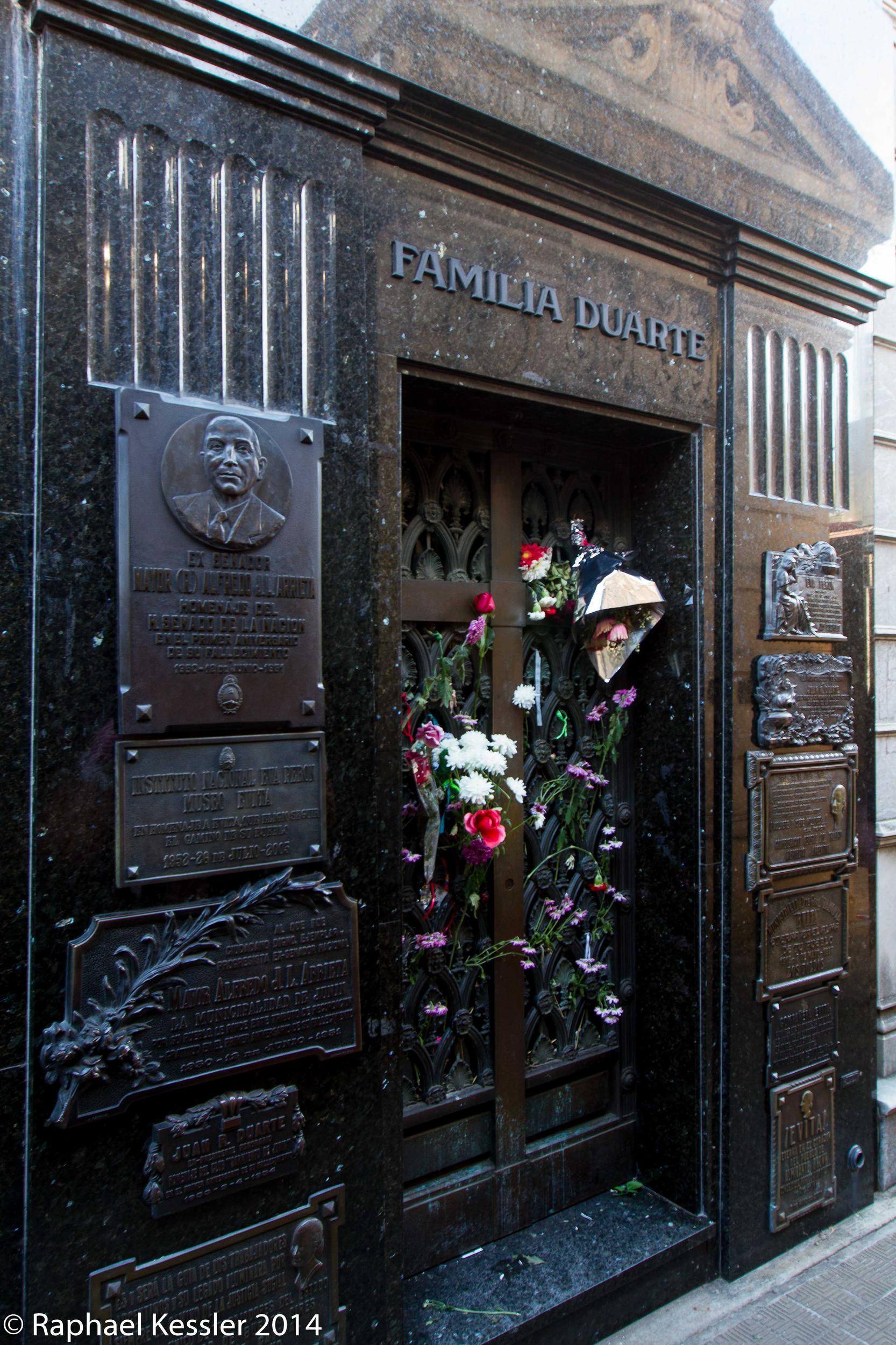
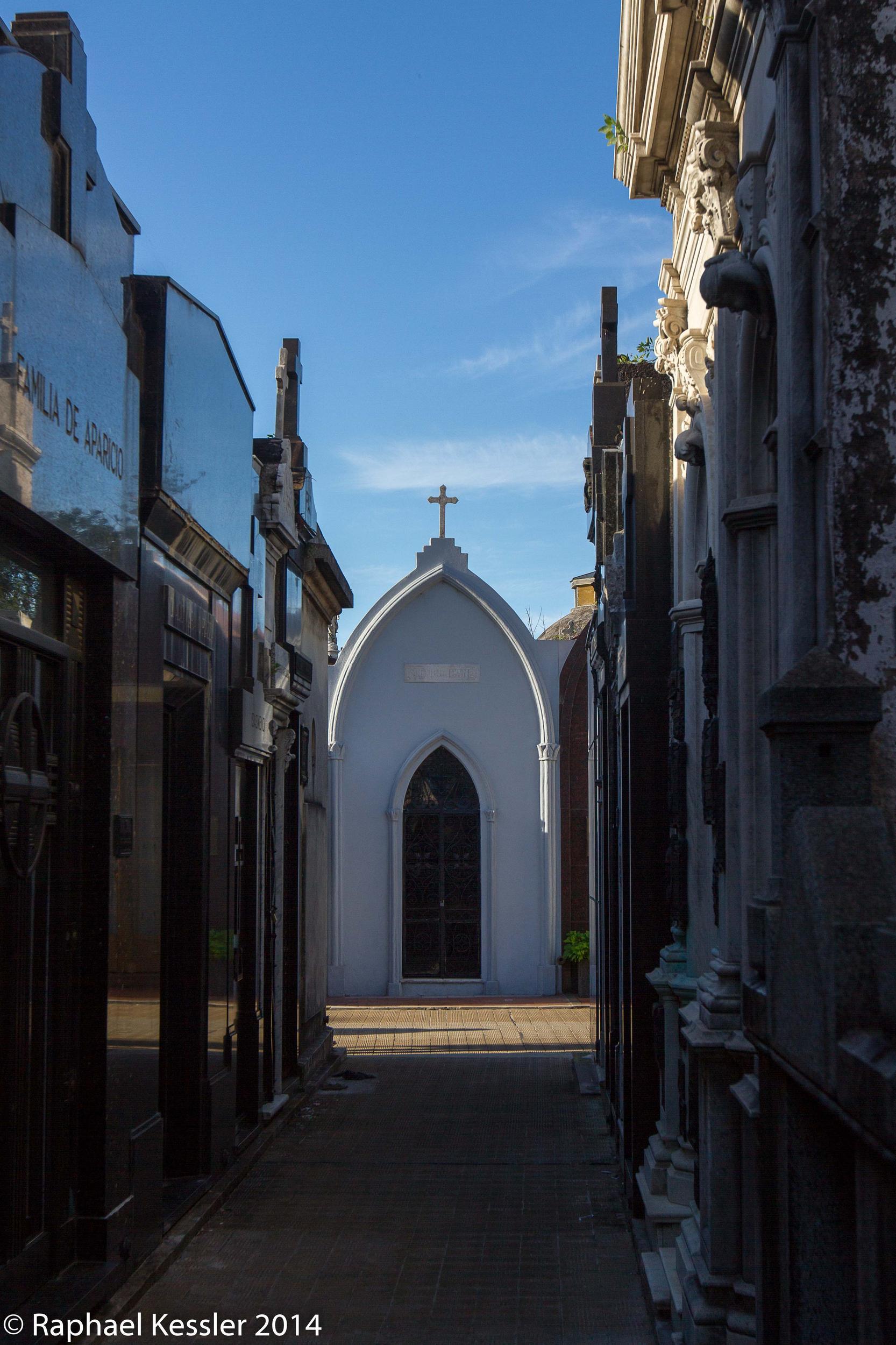
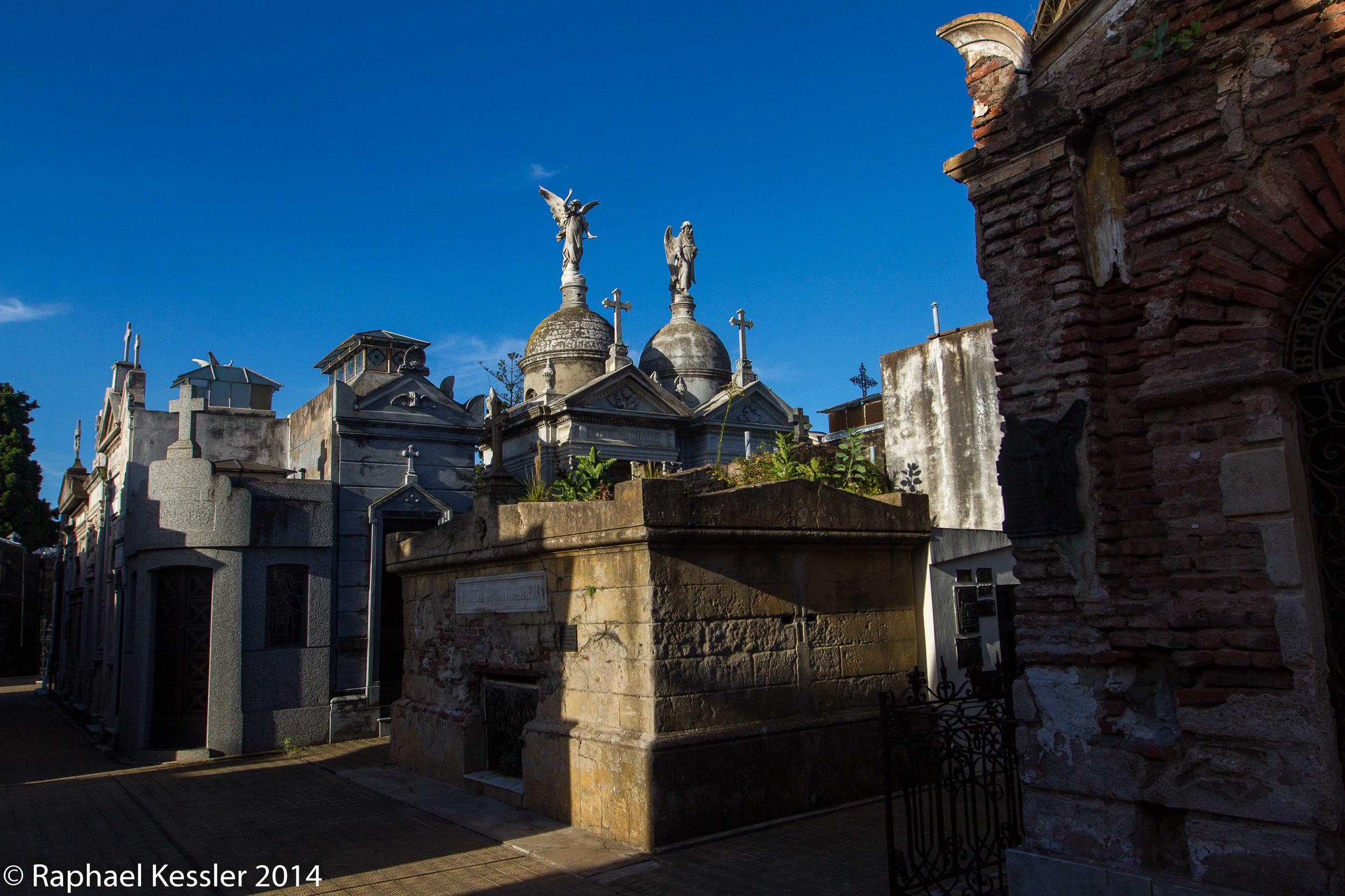
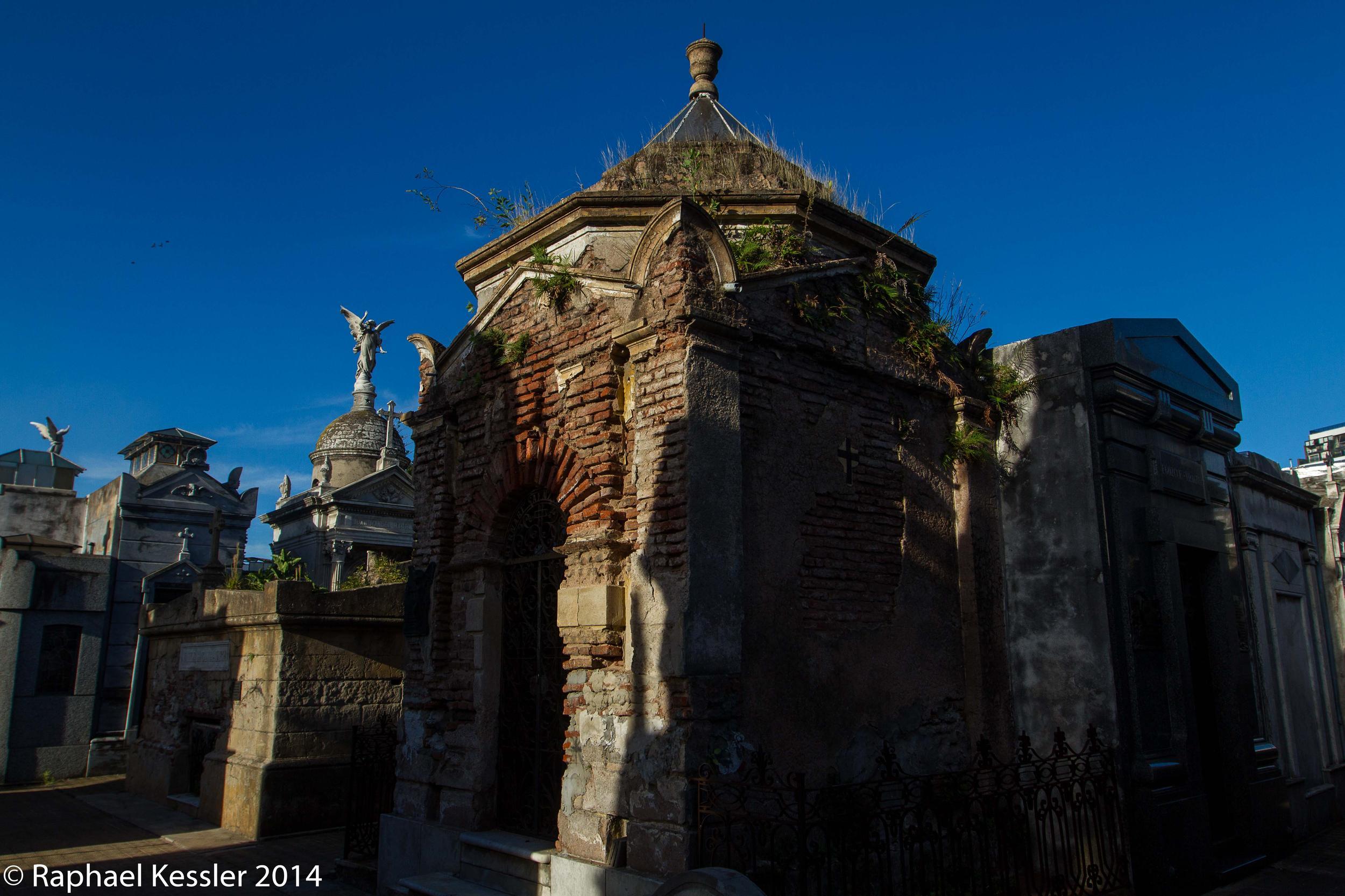
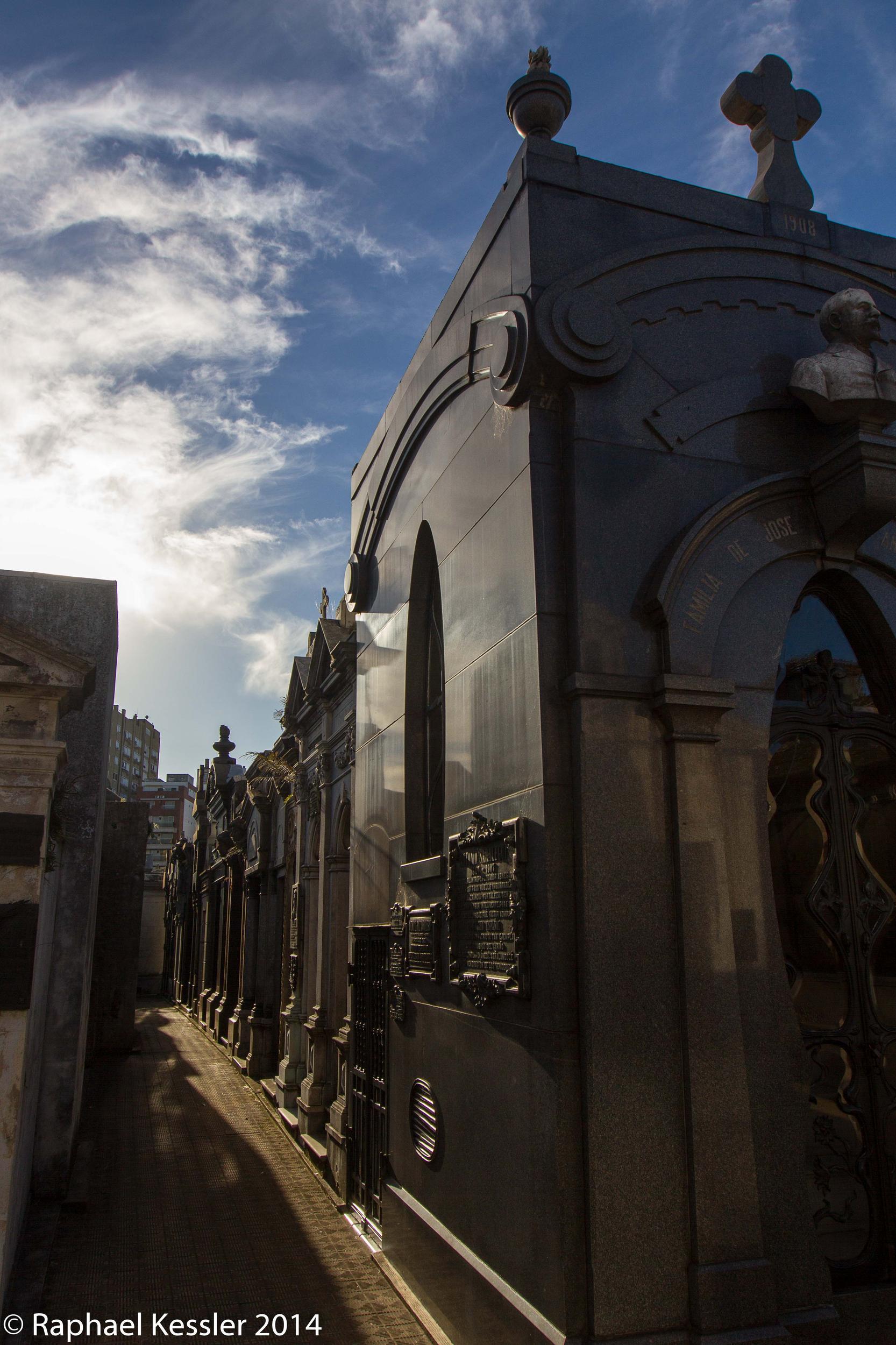
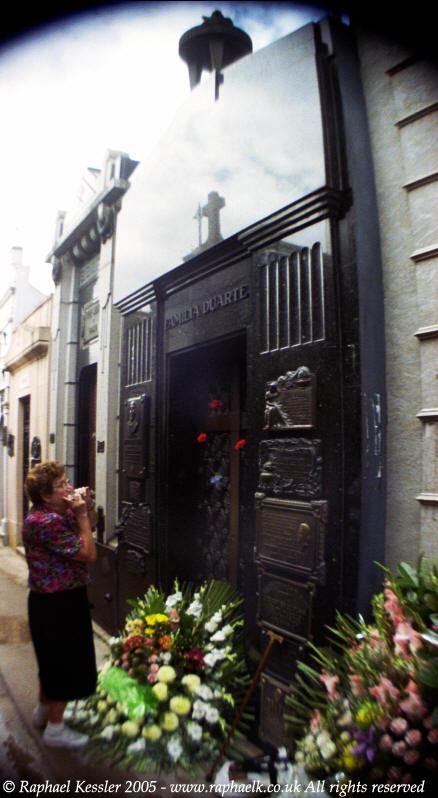
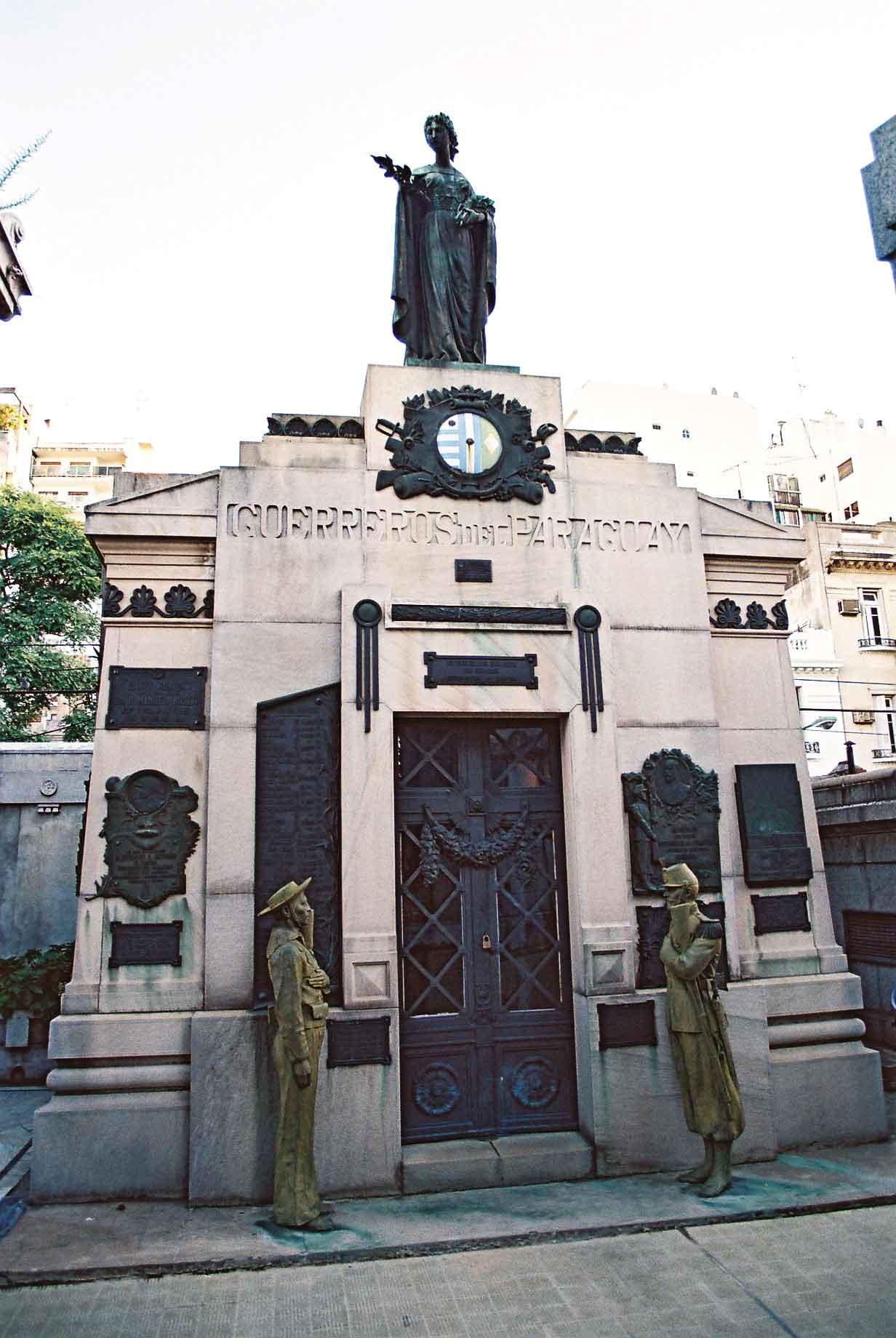
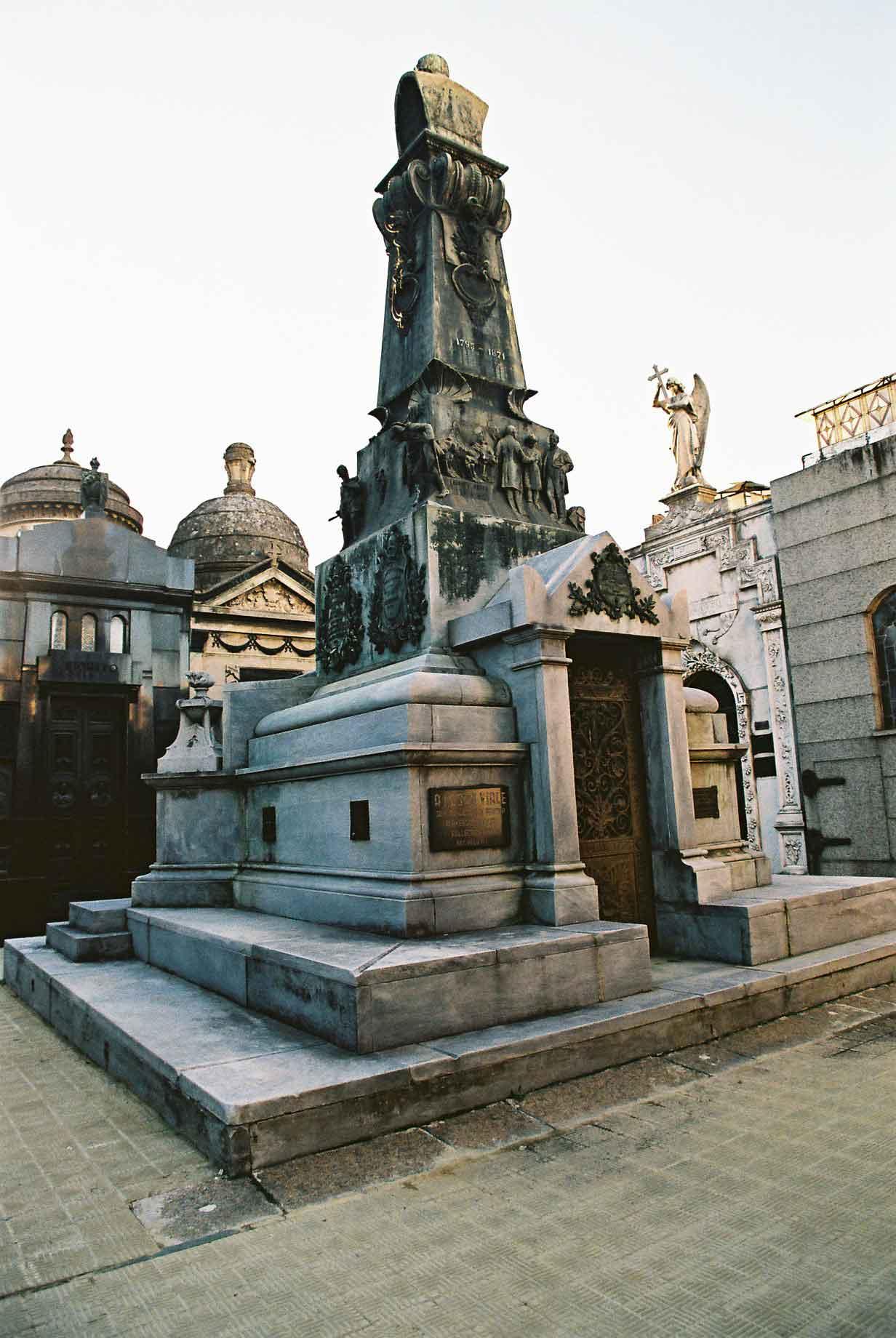
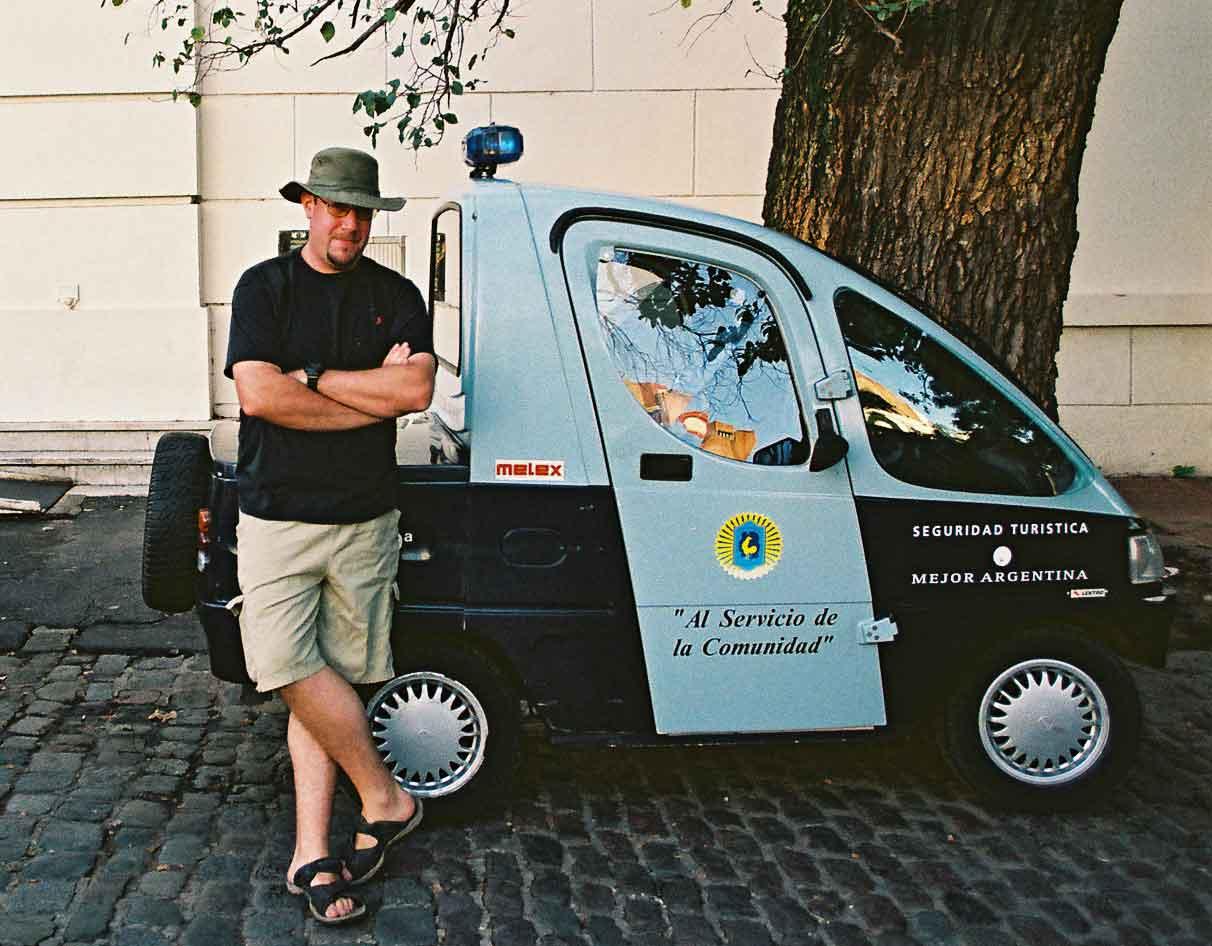
In Buenos Aires I went to the cemetery in La Recoleta, where the tombs are all very grand and ornate. The most famous internee is Eva Duarte-Peron, more famously known as Evita, interred in the Duarte family tomb (photo 1). On the facade there are several brass plaques remembering 'Santa Evita' which some people would rub in order to receive a blessing. Whilst I was there an elderly lady came along and started playing music on her harmonica including 'Don't cry for me Argentina'. It was interesting and amusing to see the depth of feeling that some people still had for this woman. There is also a tomb for soldiers who died in the War of the Triple Alliance against Paraguay (photo 2) amongst the fancy final resting places. In La Recoleta I decided to take a picture illustrating how the economic strife and ensuing budget cutbacks have reduced the size of the Buenos Aires police force.
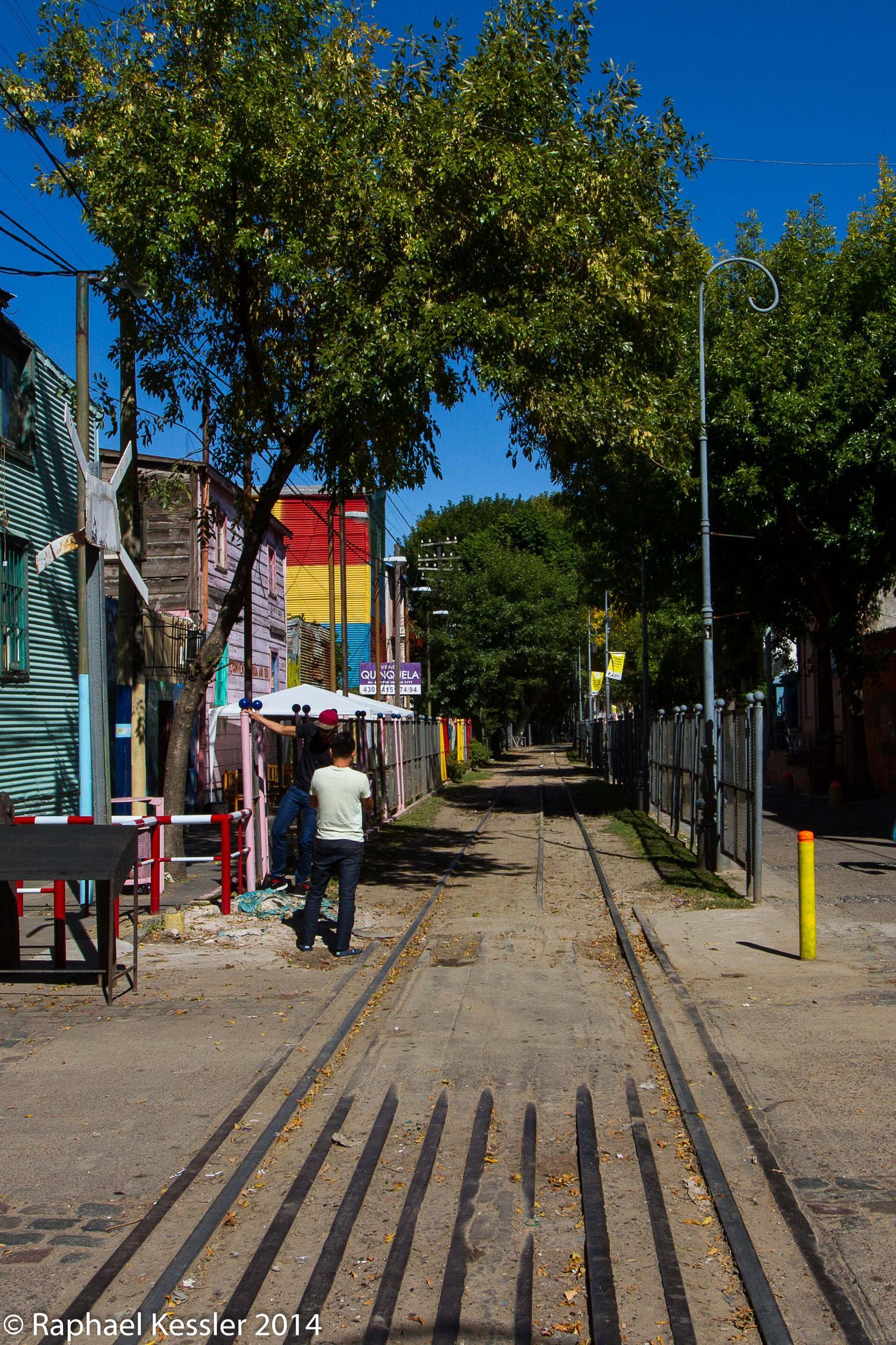
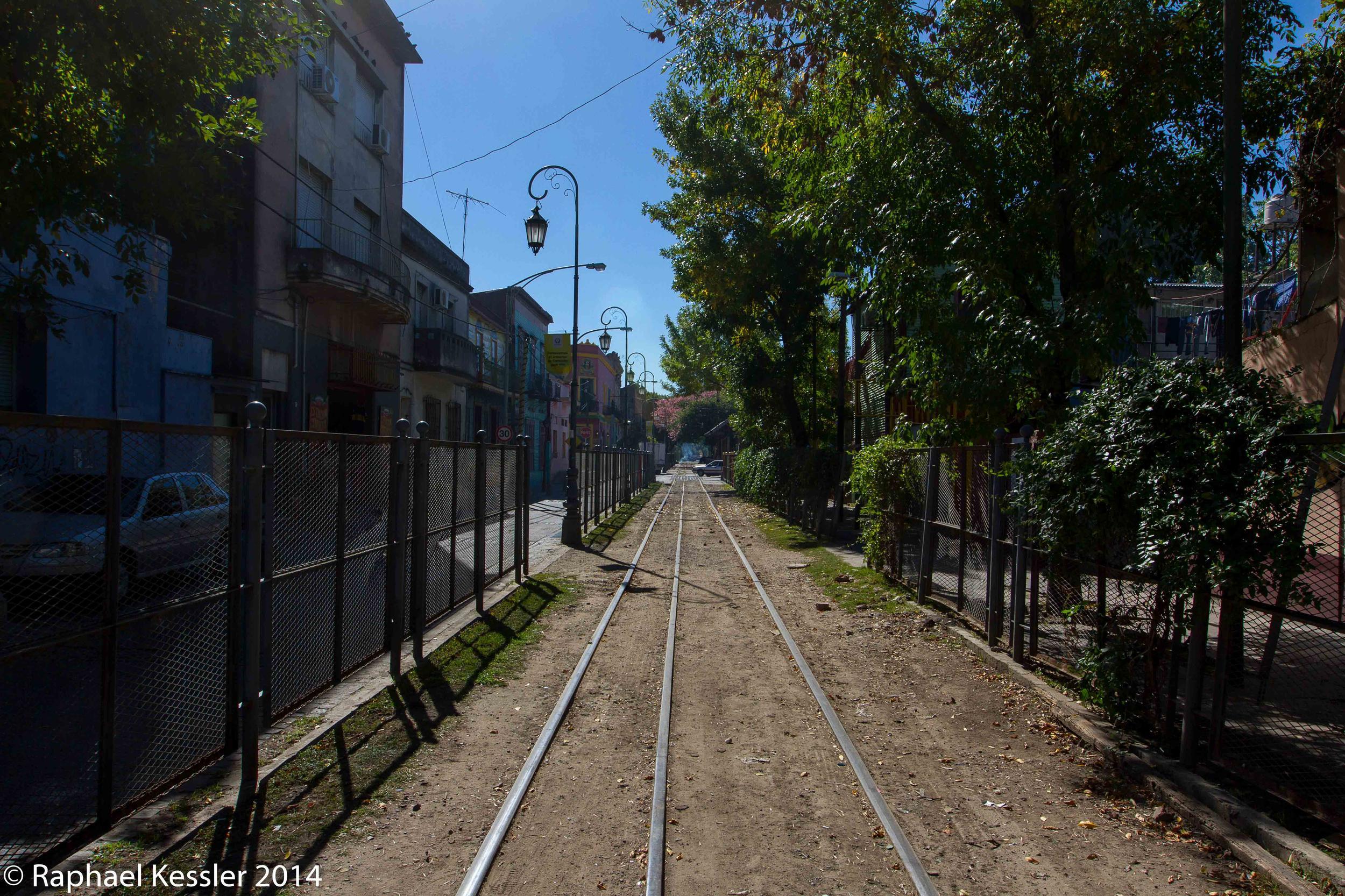
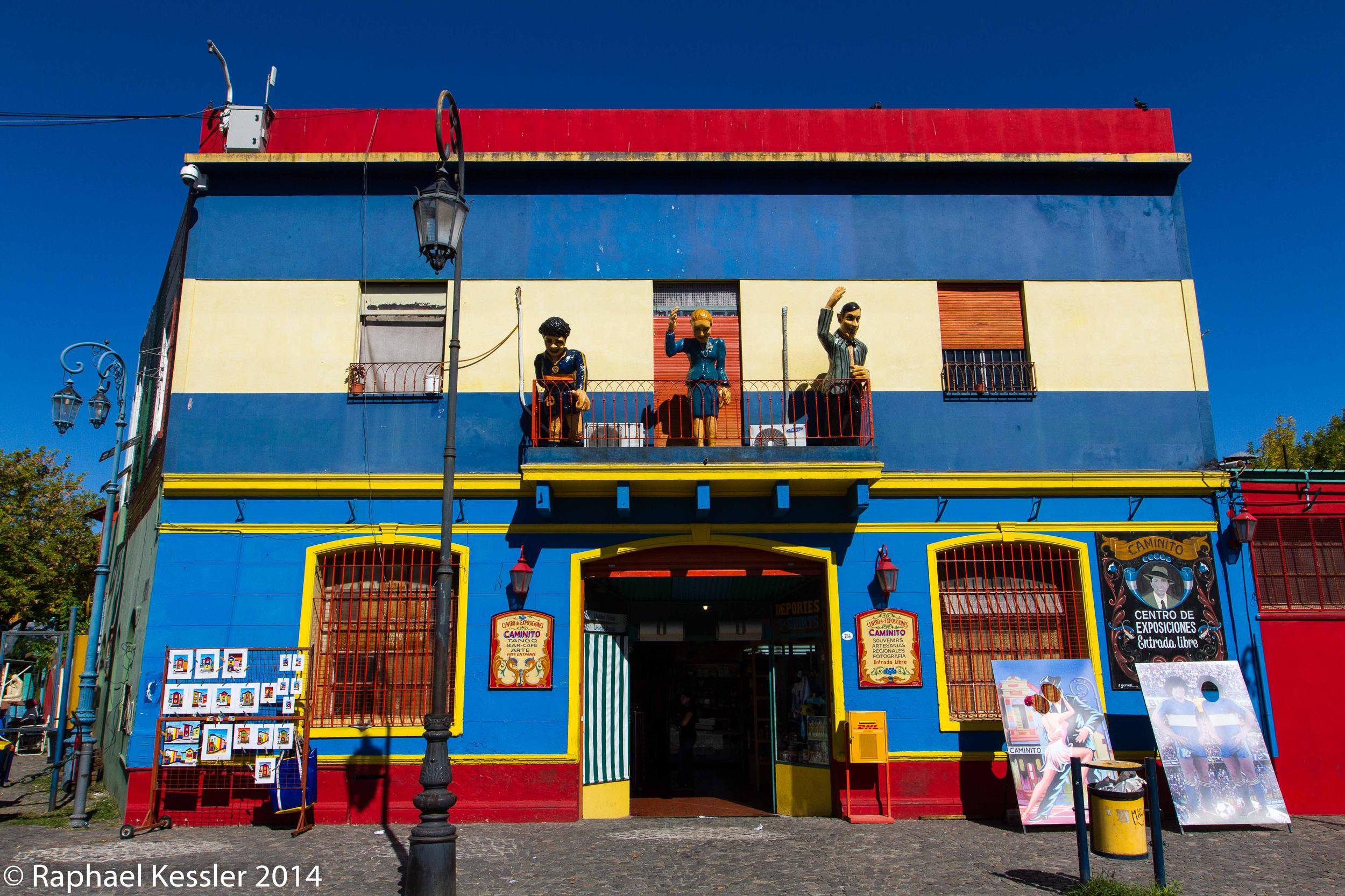
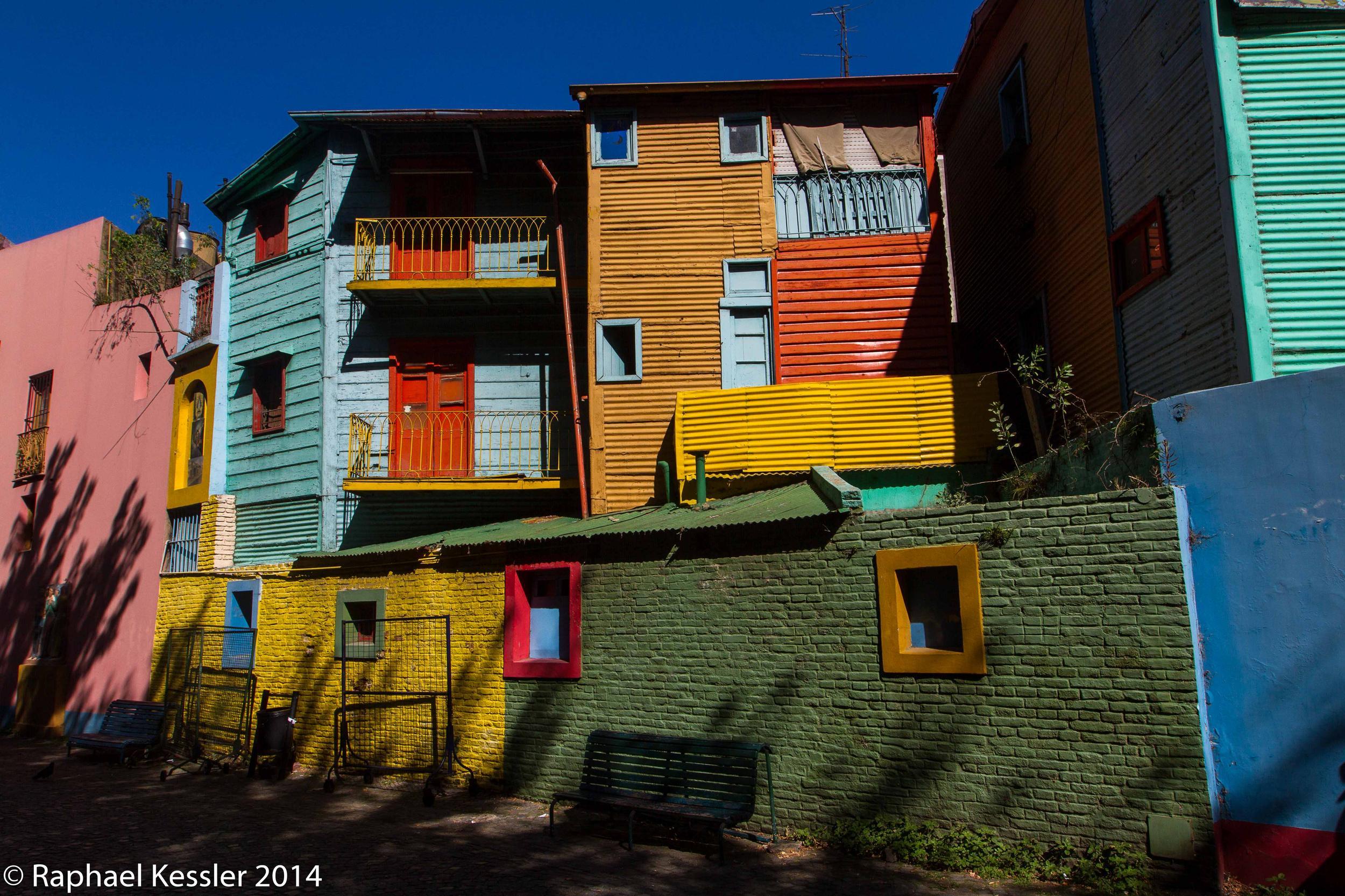
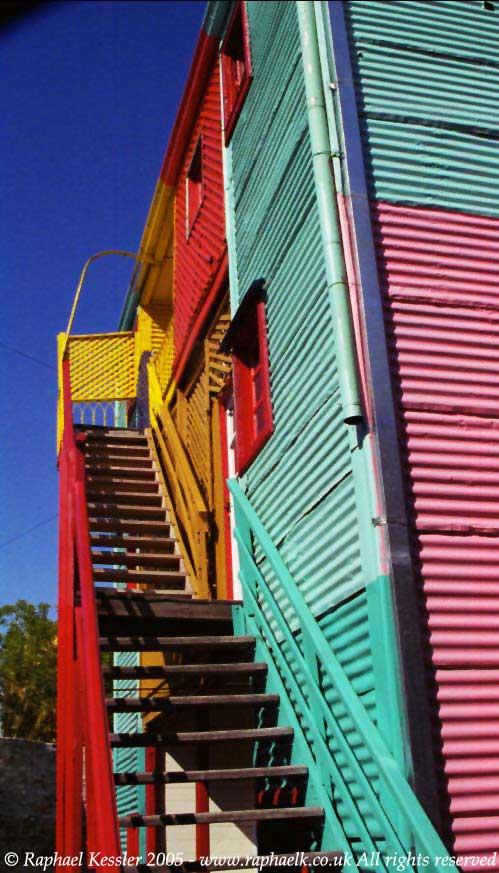
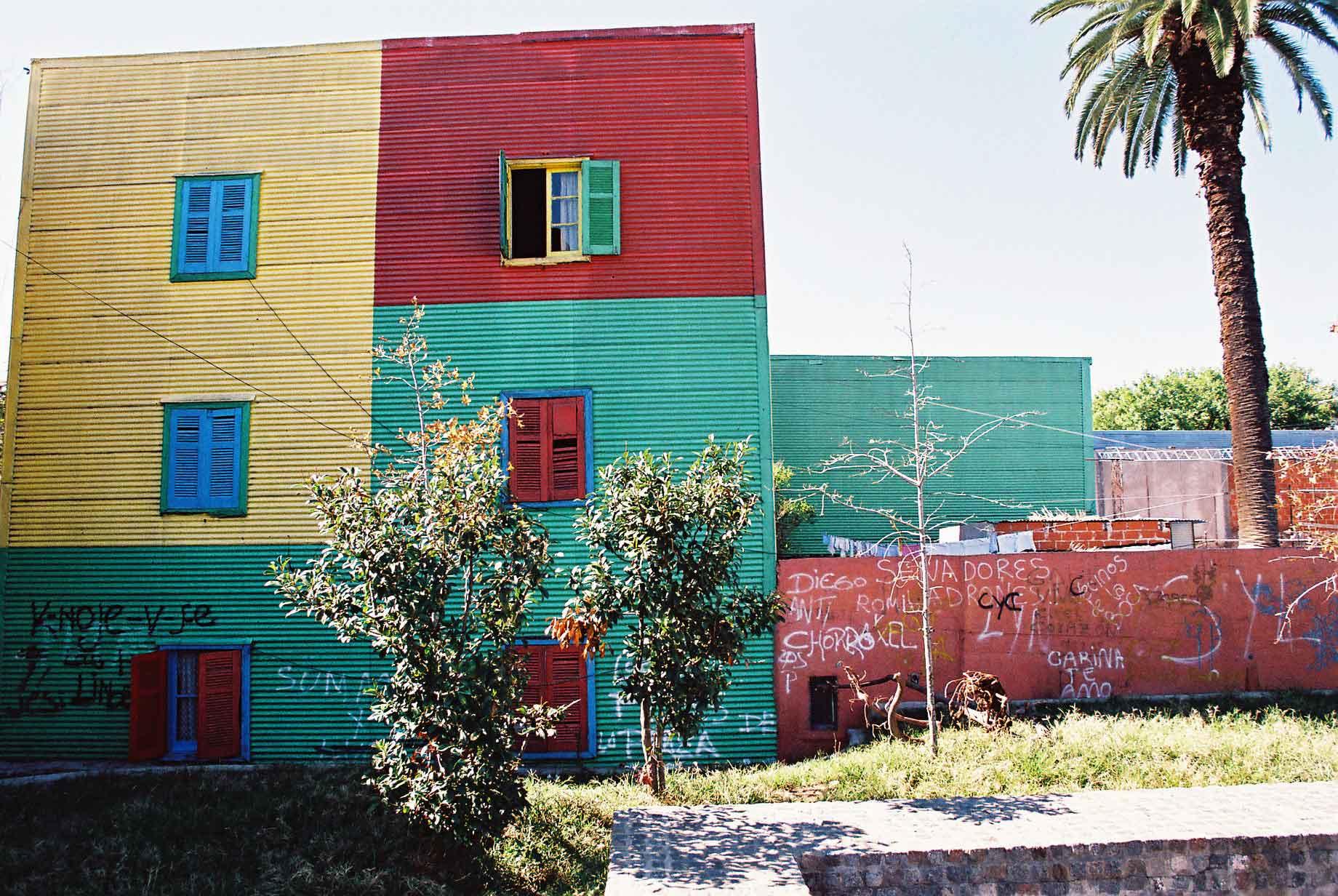
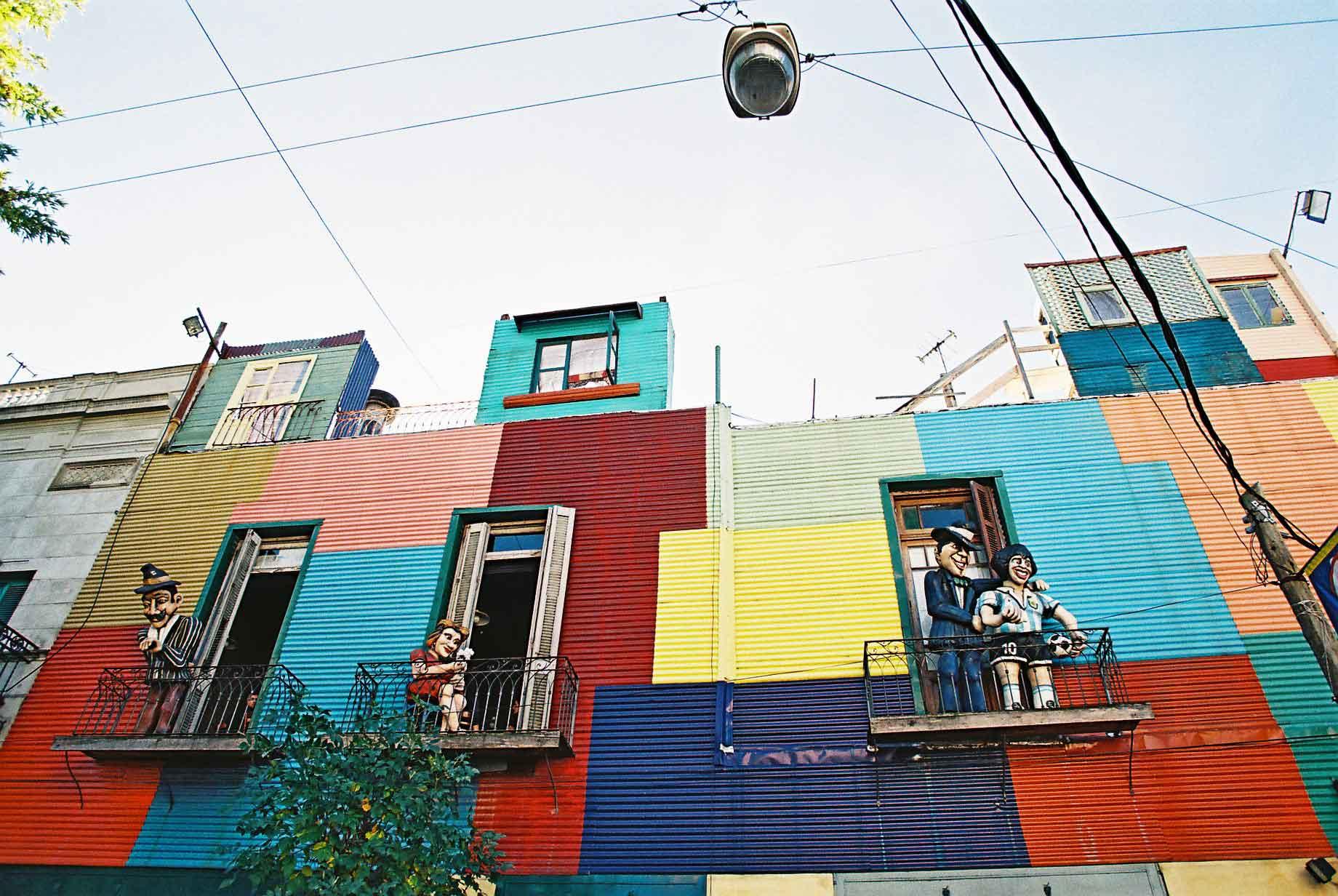
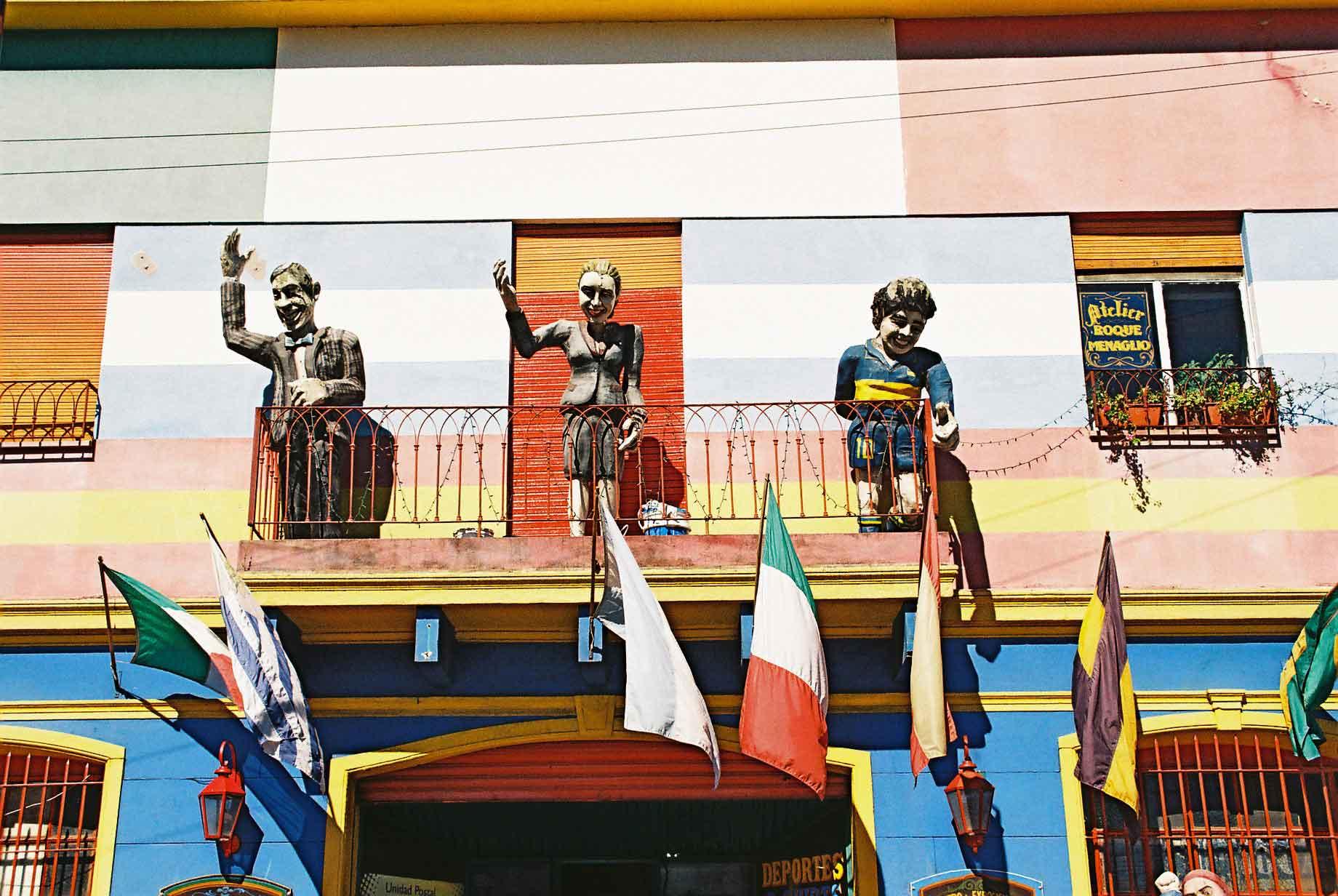
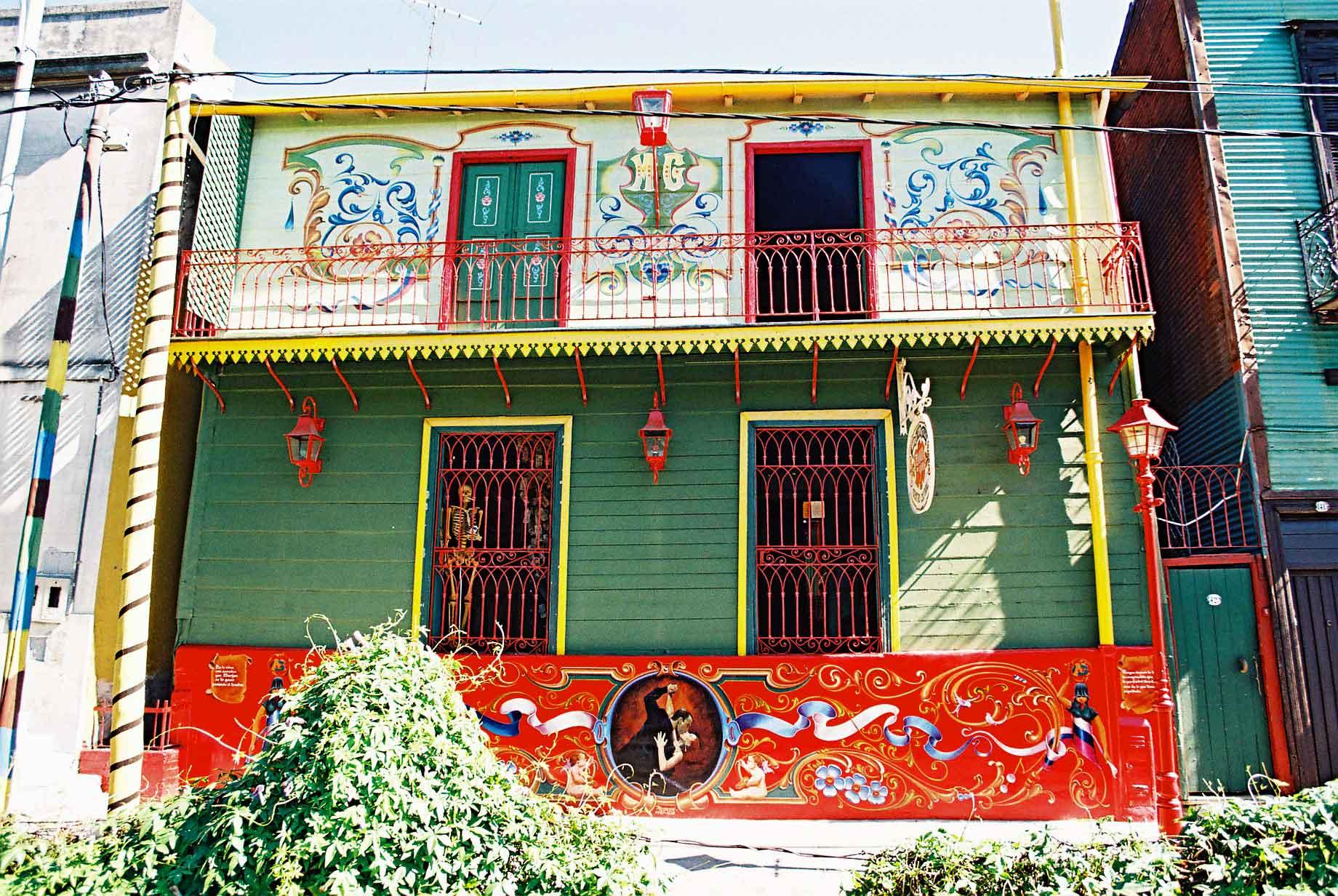
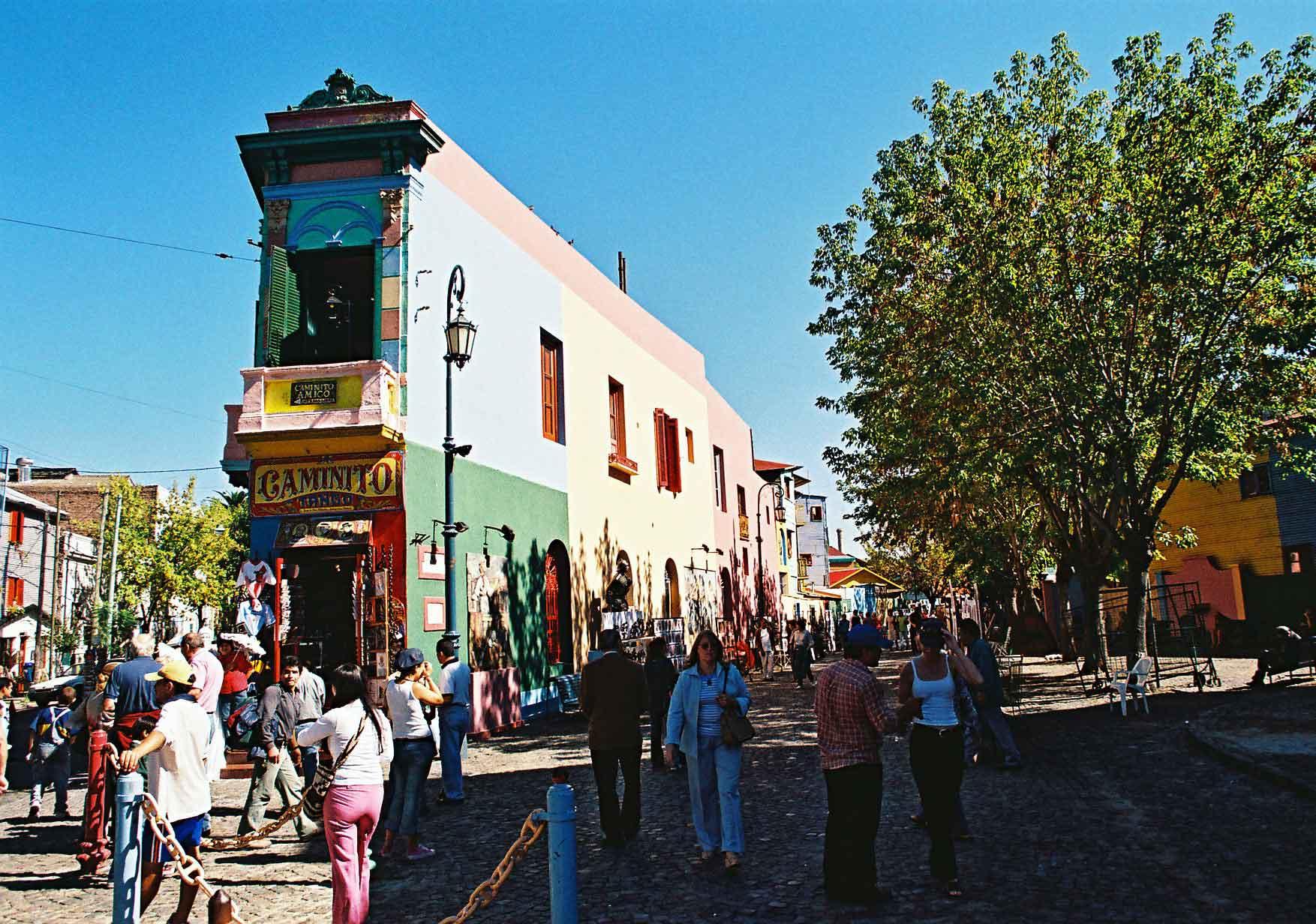
In the port area of La Boca there are many art galleries and colourful buildings. The reason for the houses being so colourful is that most of the local residents who worked in the port would use left over bits of boat paint to paint their homes, often resulting in a bright patchwork of colours as shown below. Now though it has become very touristic. Some of the buildings have caricature mannequins of famous Argentines on their balconies (photos 3 & 4).
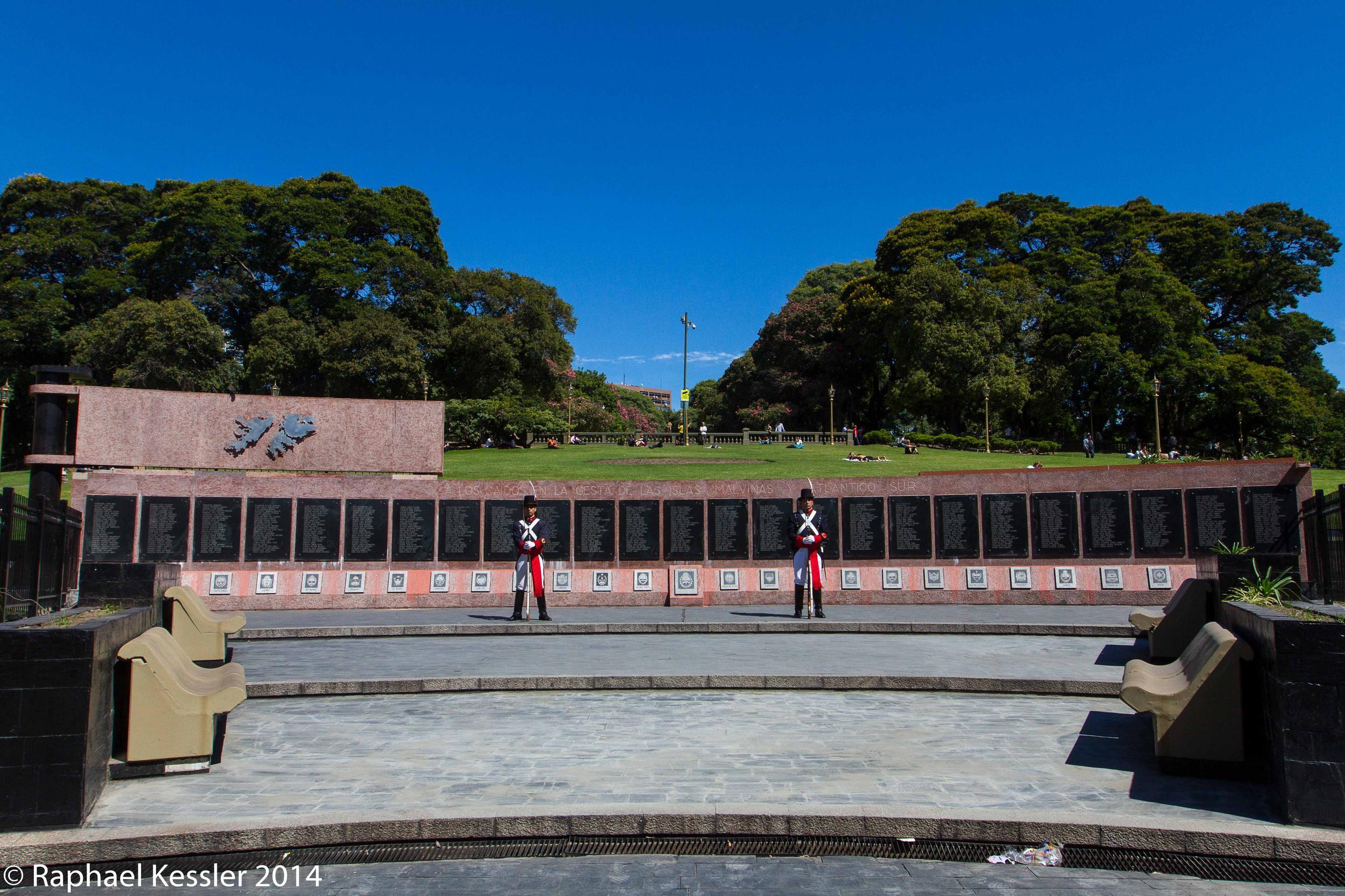
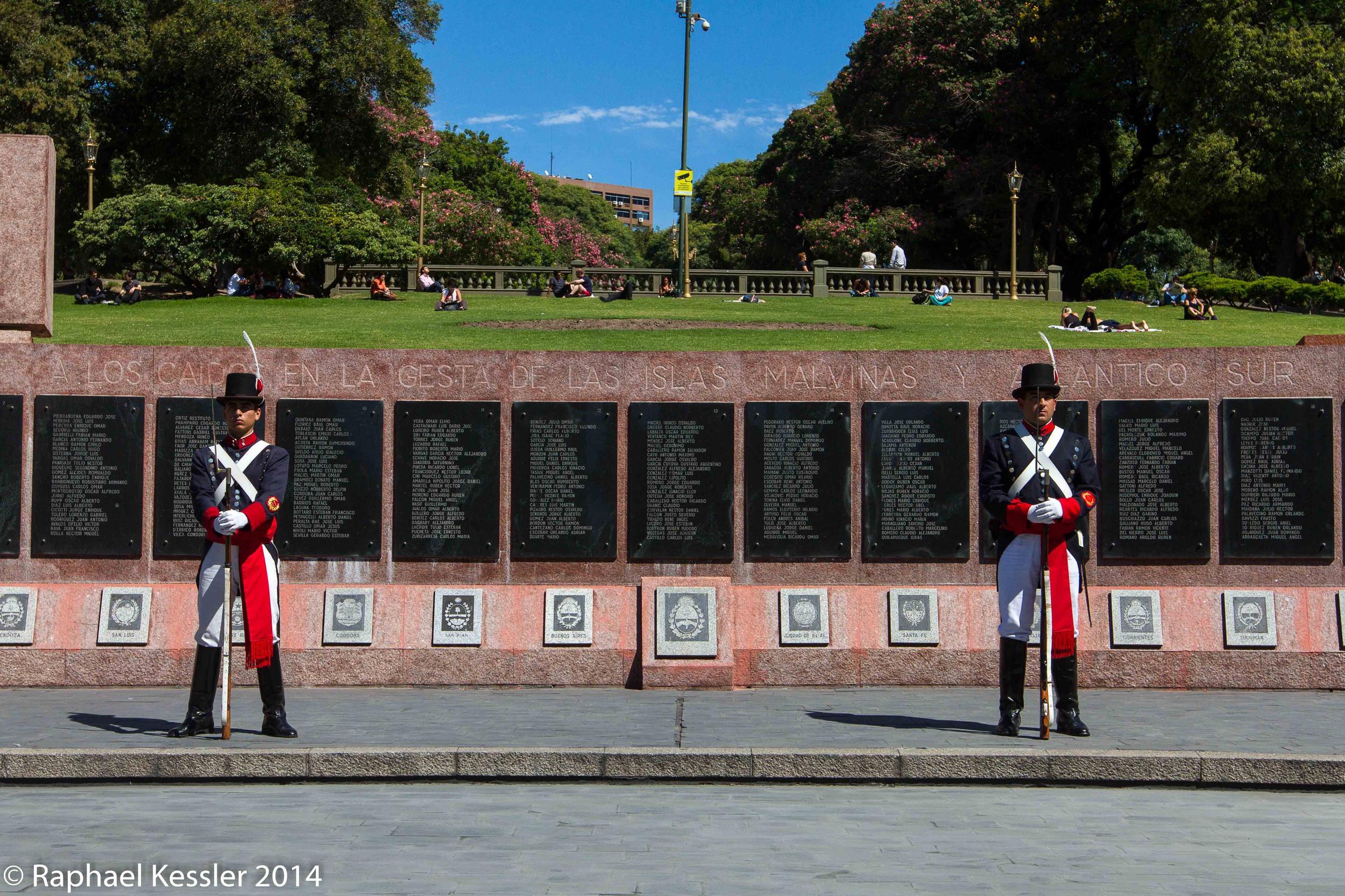
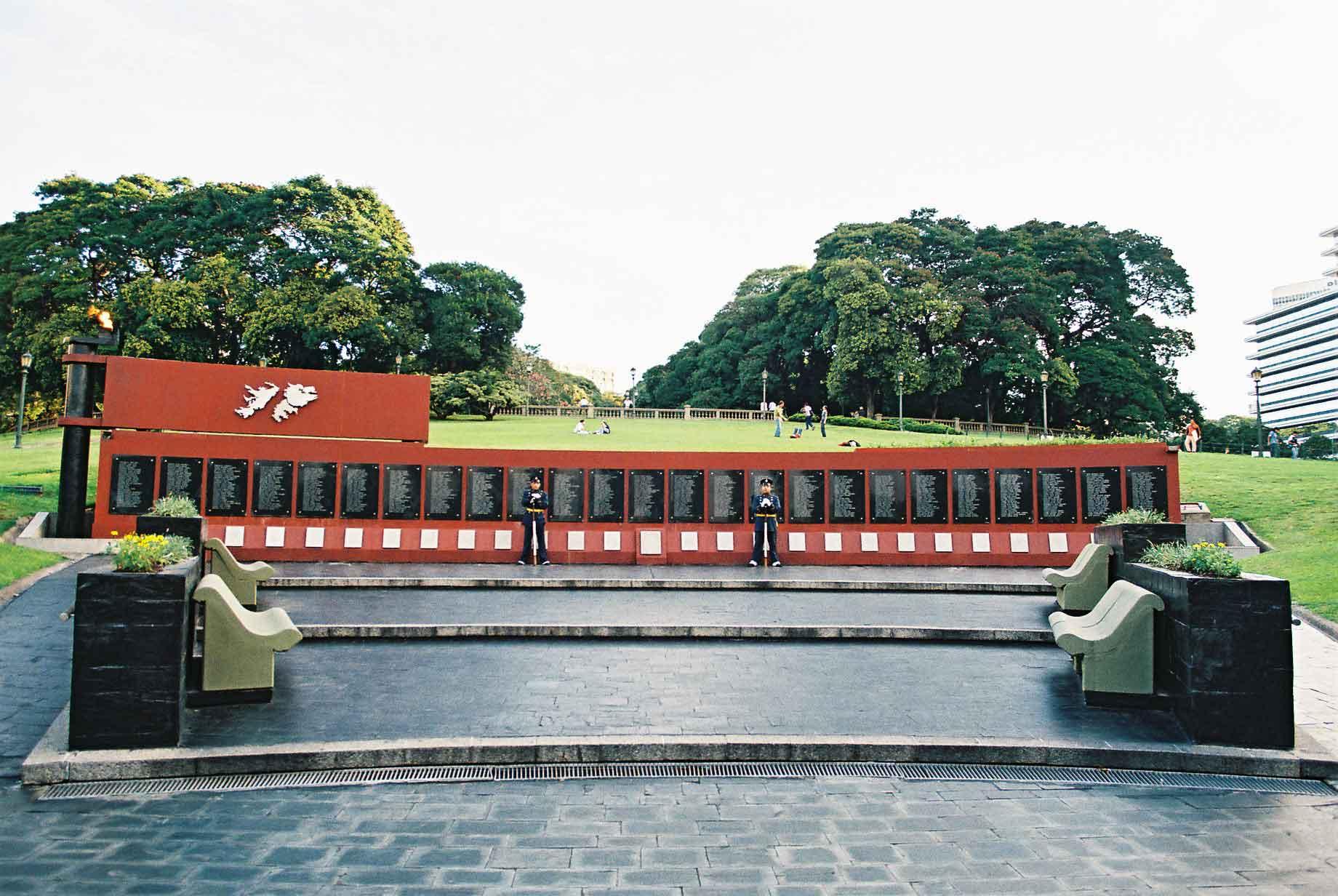
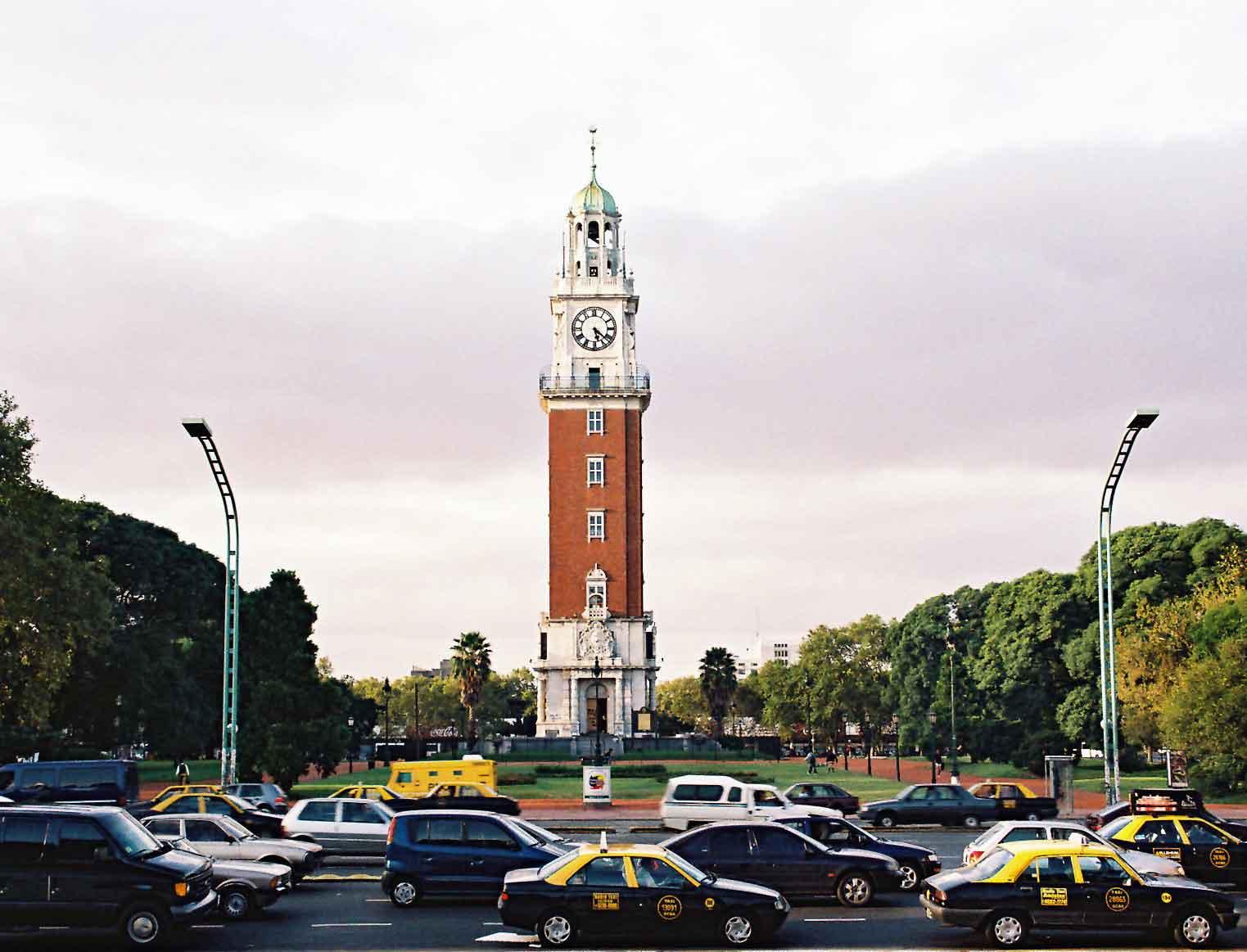
All over Argentina one can see reminders of the feeling stirred up by subsequent governments for many years over the Falkland Islands or Las Malvinas as they are know to the Argentines. In Buenos Aires there is a large memorial to the fallen of Las Malvinas with a permanent honour guard (photo 1), commemorating those who lost their lives when the last military dictator decided to invade a couple of barren islands, inhabited only by a bunch of lonely British farmers and their sheep. The people got so pissed off when the invasion was reversed by British troops that the tower donated years ago by the British is now known as the ex-English Tower (photo 2), yet this is only in the Spanish language literature. In the English stuff it is still called the English Tower. The two faced blighters.
In Peninsula Valdez I was fortunate enough to witness the Orcas (killer whales) riding up the surf in order to snatch seals and eat them. It is very impressive to see these massive majestic animals ploughing through the water and on to the beach in order to catch hold of the seals and take them into the sea to eat them. Watching several tonnes flapping about in order to get back into the water is enthralling. David Attenborough did an excellent programme about this phenomenon called "Orca Attacks".
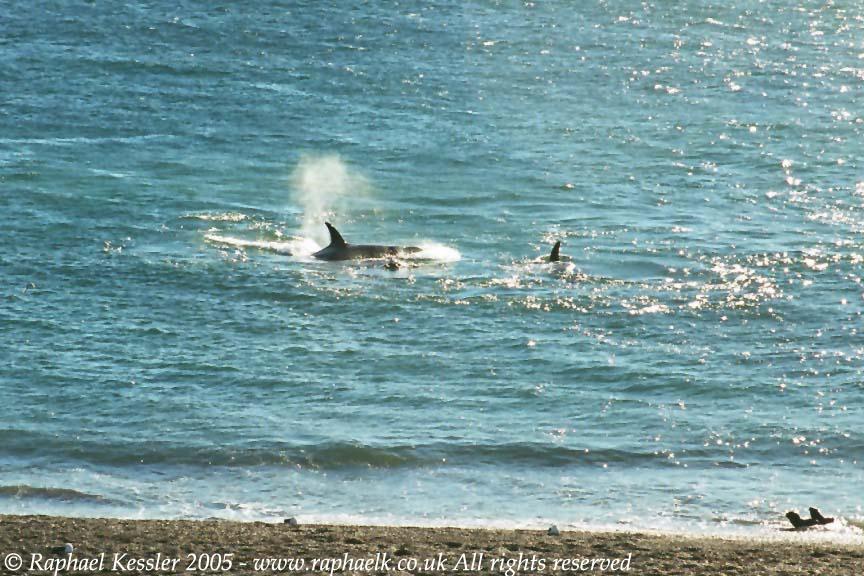
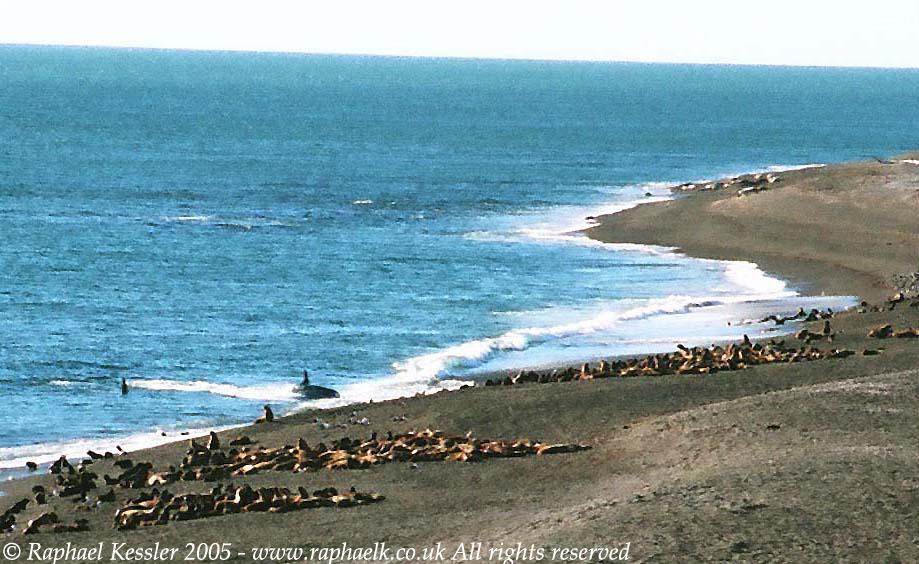
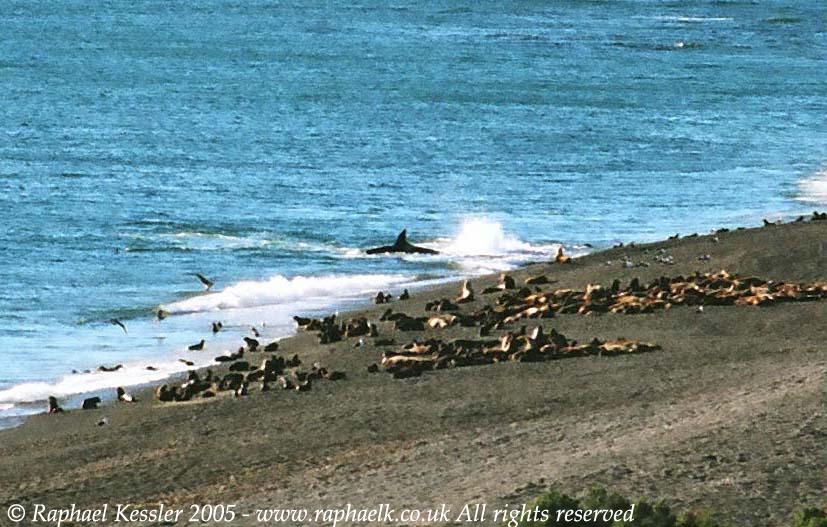
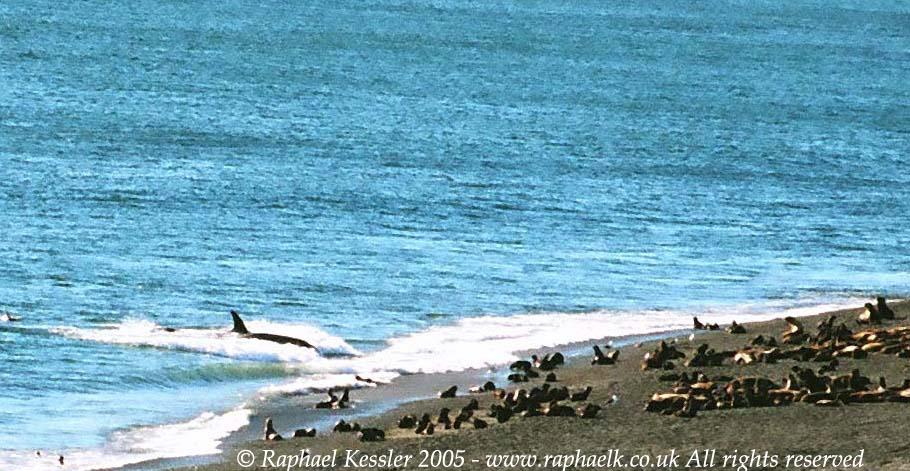
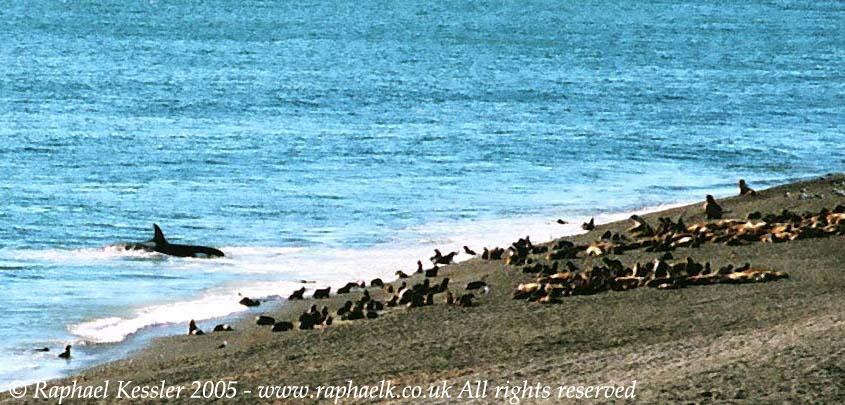
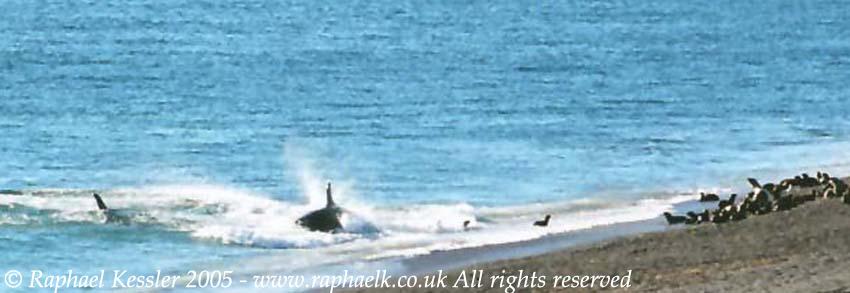
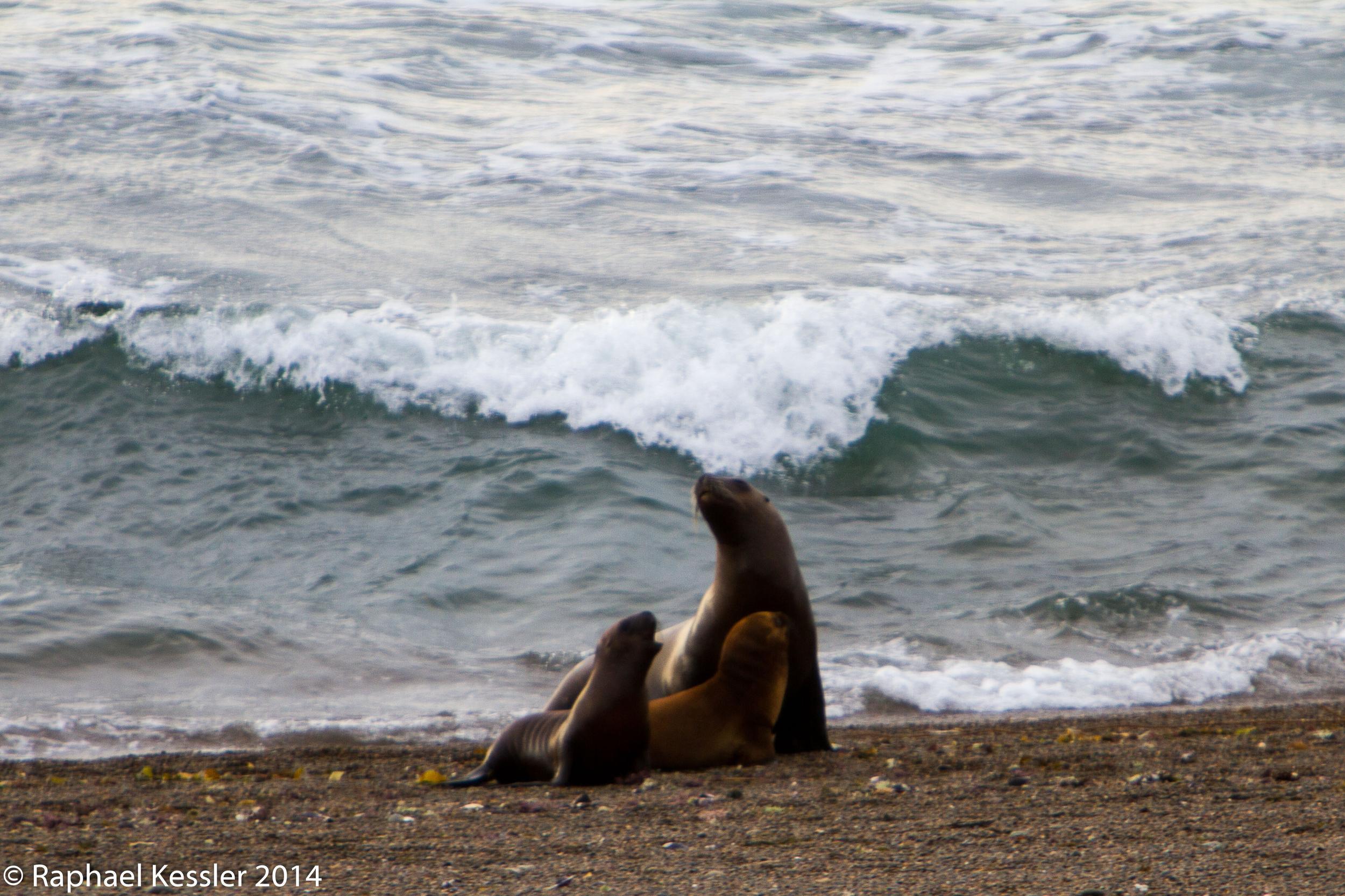
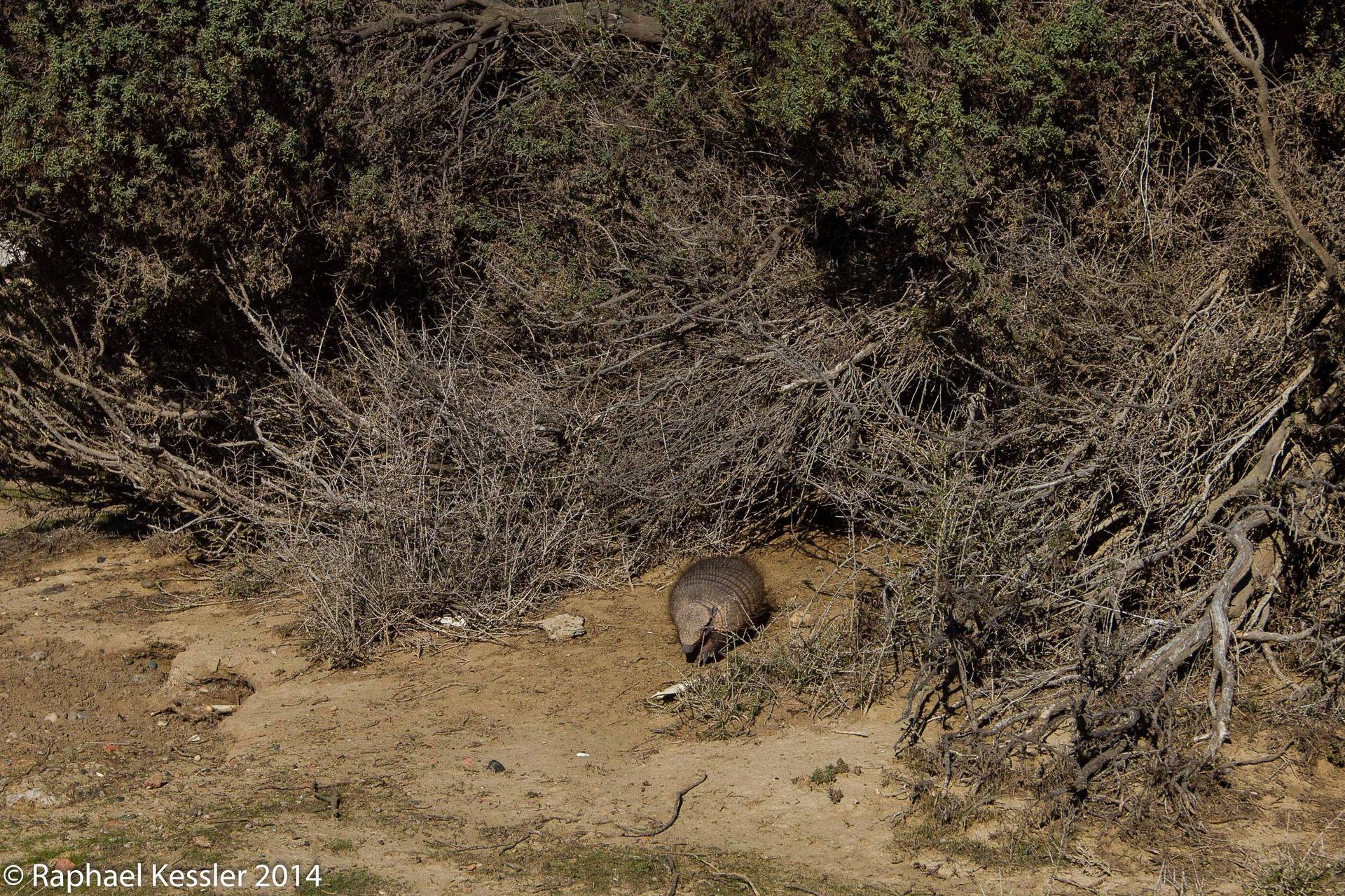
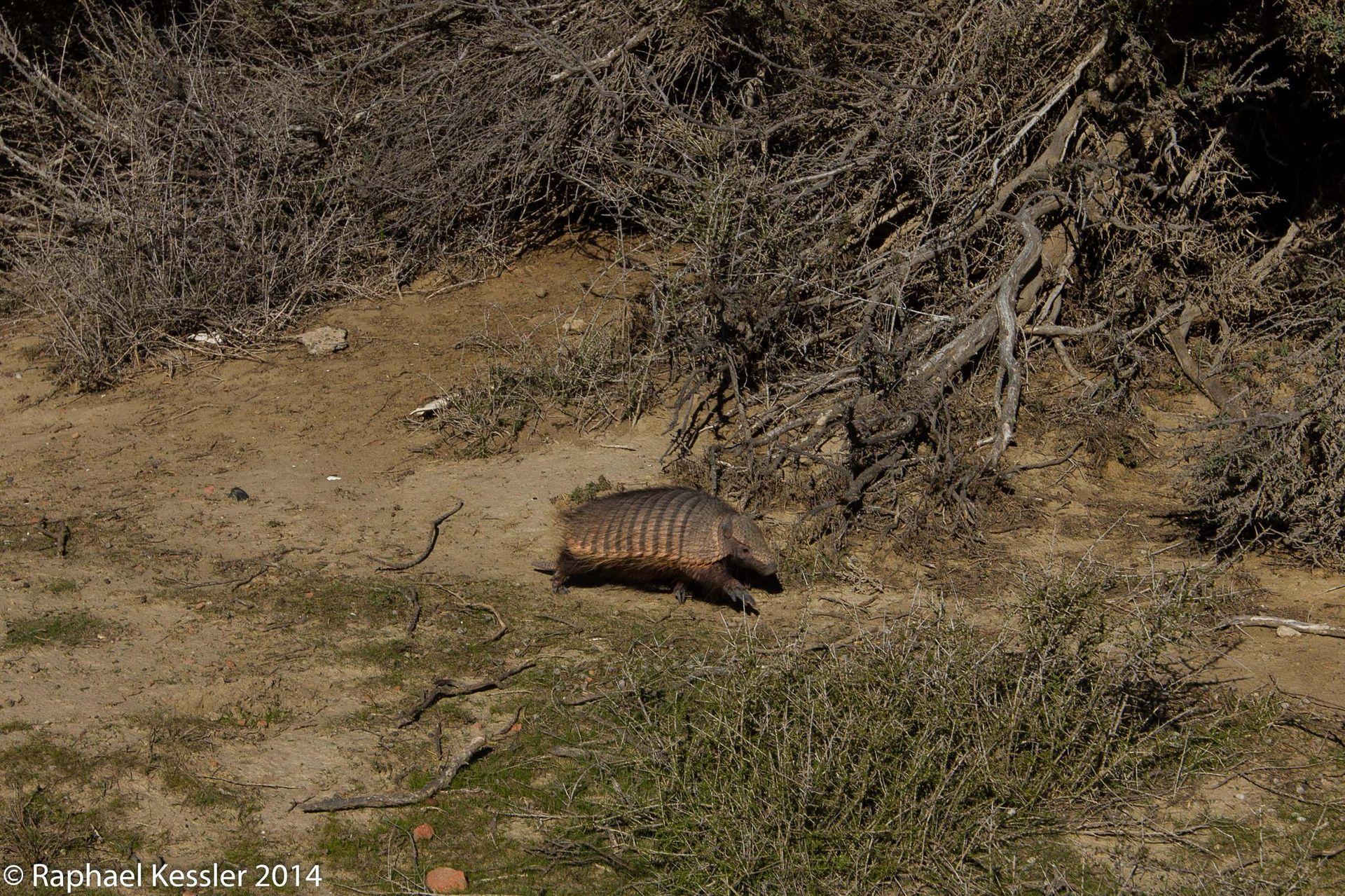
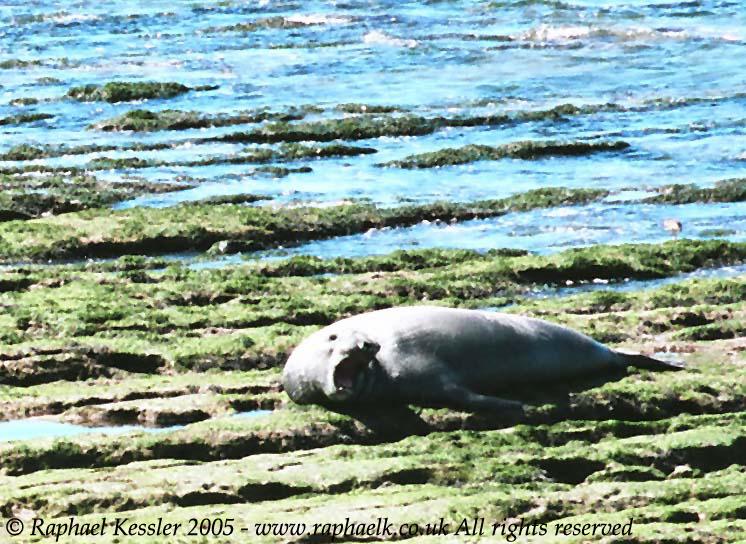
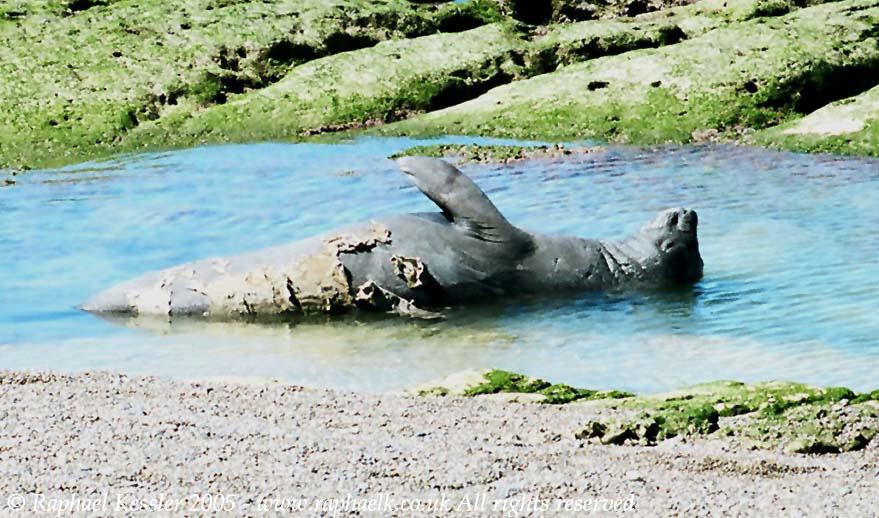
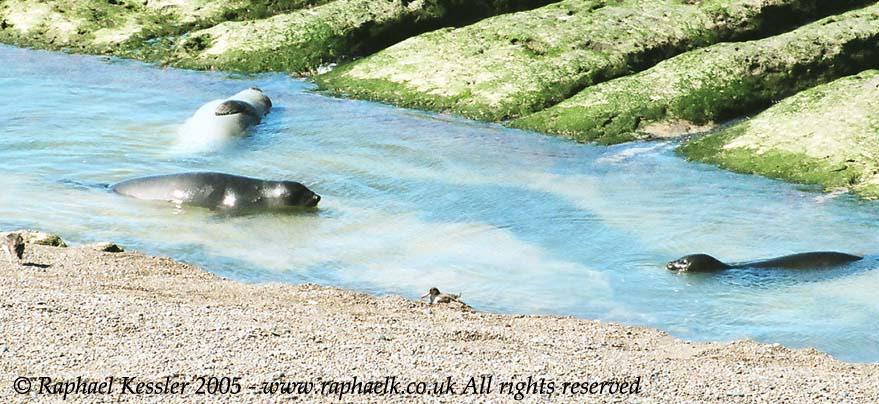
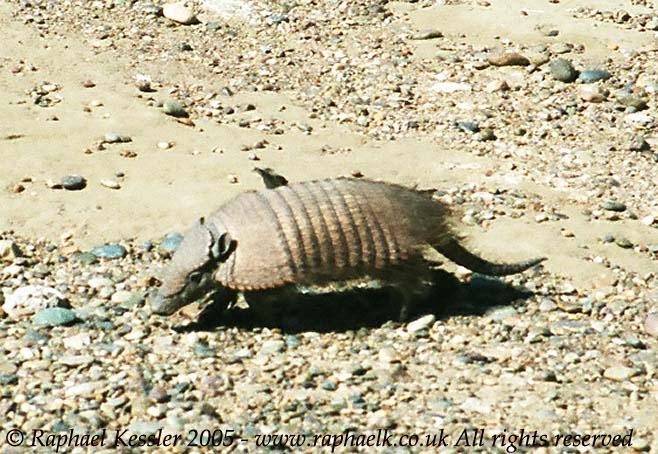
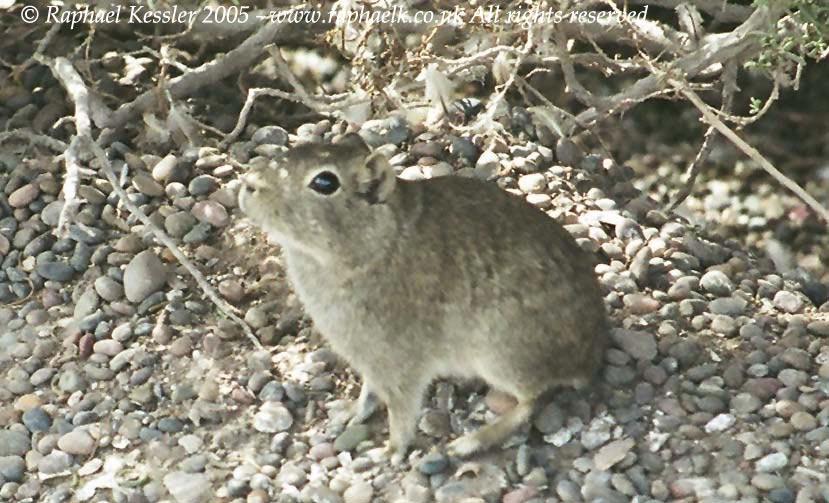
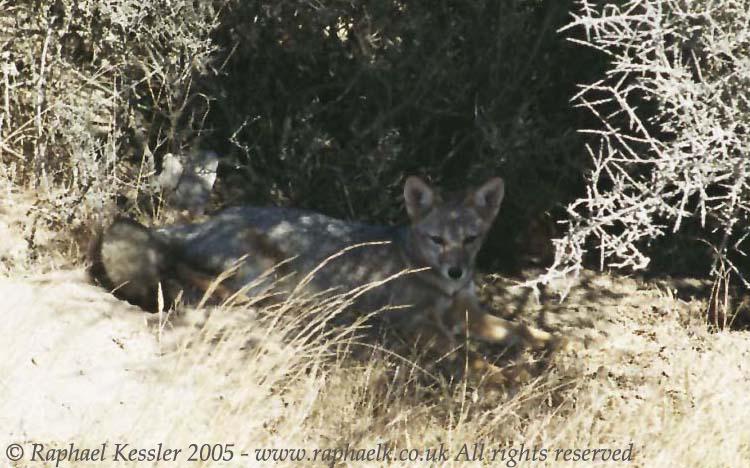
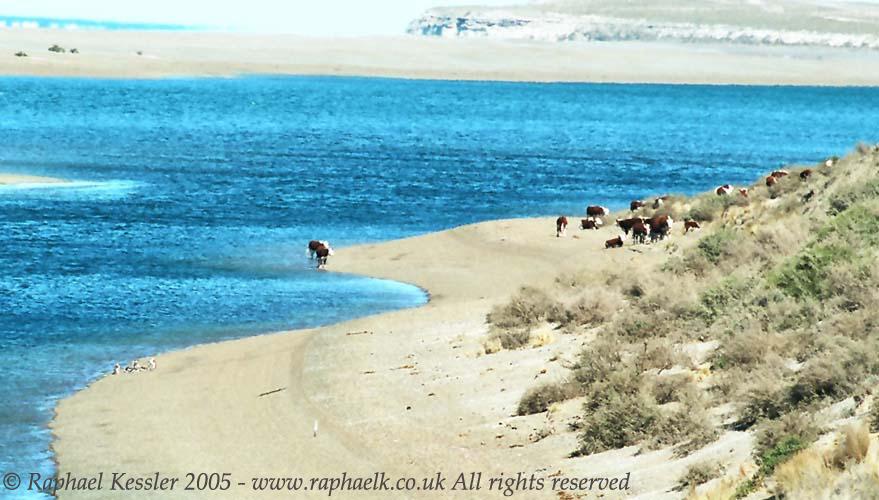
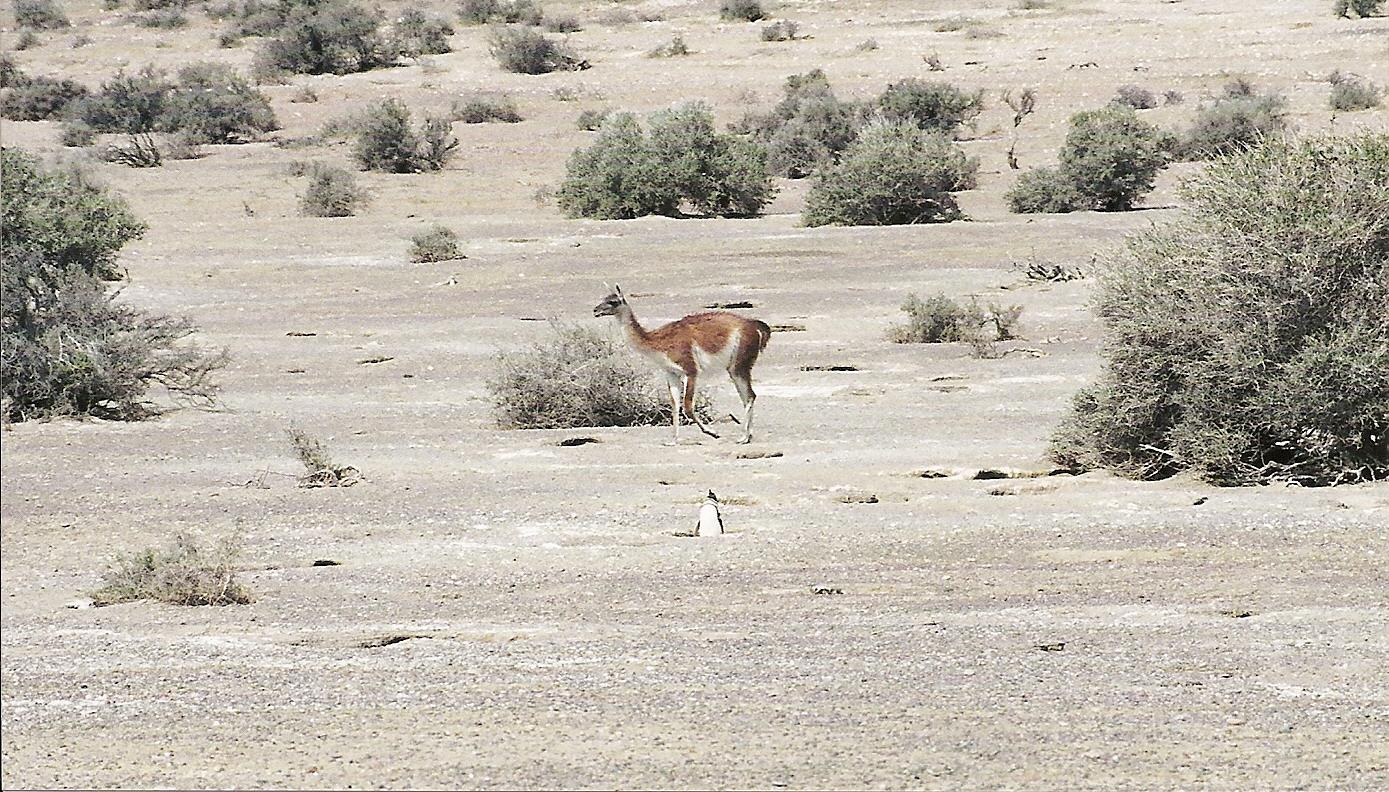
Also in Peninsula Valdez I got to see other interesting wildlife, including sea lions and elephant seals (photos 1 - 3), armadillos (photo 4), foxes (photo 5), voles (photo 6), penguins and guanaco. Probably the most unexpected bit was the cows though, not that is is unexpected to see cows in Argentina, after all it is a major beef producer. It was that these cows were wandering along the beach next to a turquoise sea, not something one often sees.
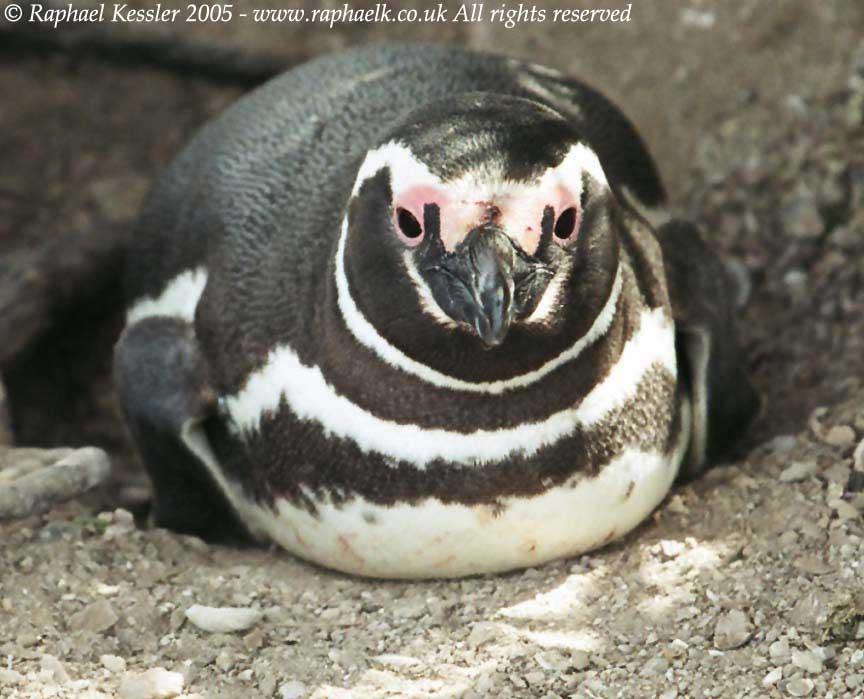
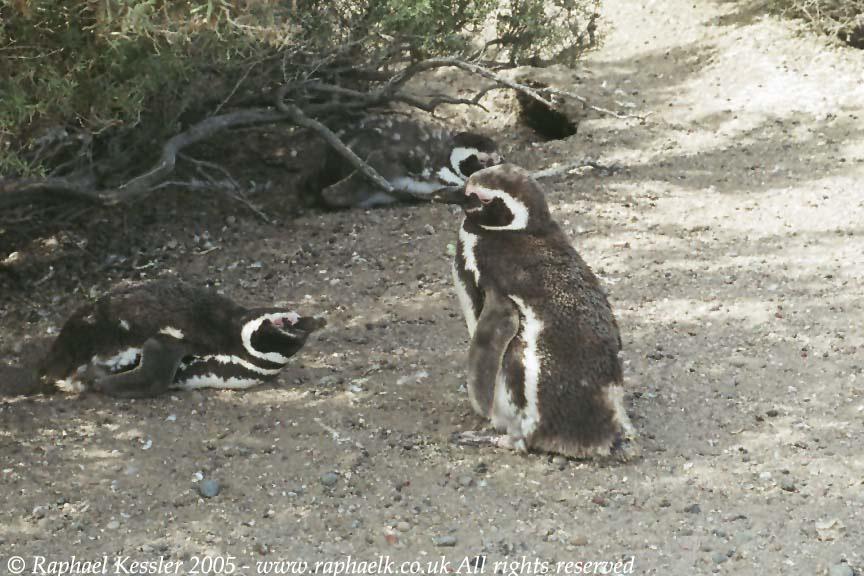
Just a short way from Peninsula Valdez is Punta Tombo, where the worlds largest Magellan penguin colony resides. These penguins make nests up to three kilometres from the beach (see photo 4) and seem to spend a lot of their time stood in these burrows looking around like nosy neighbours.
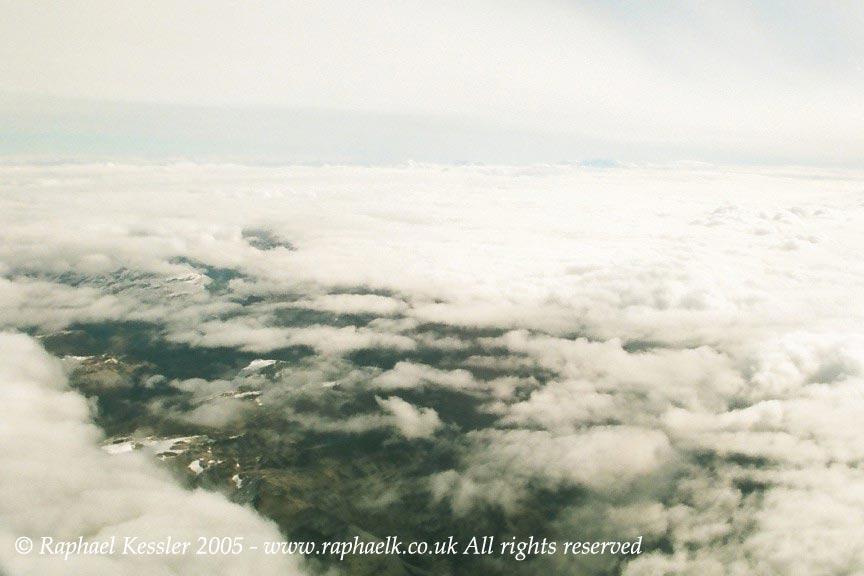
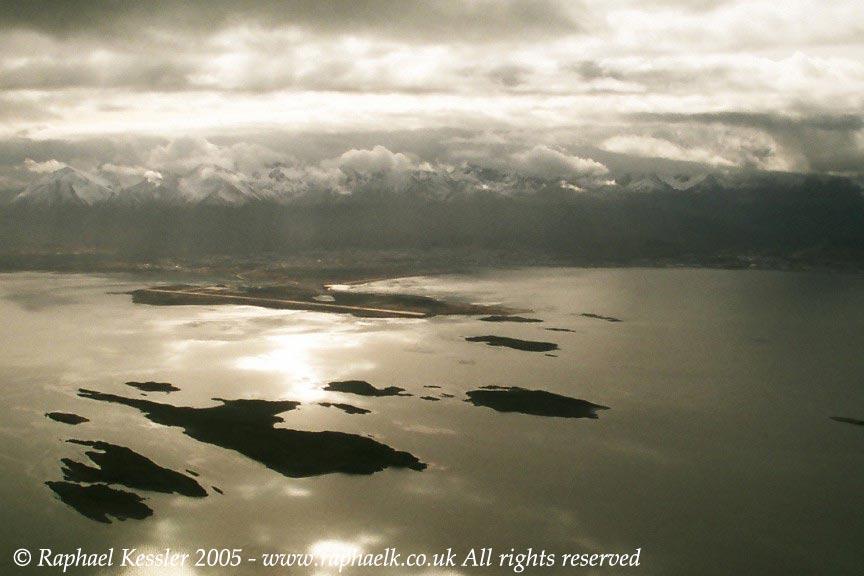
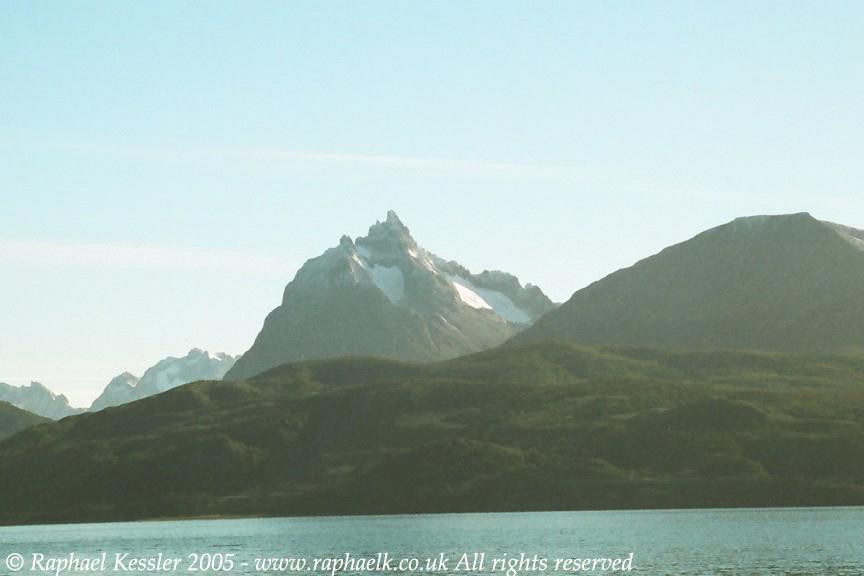
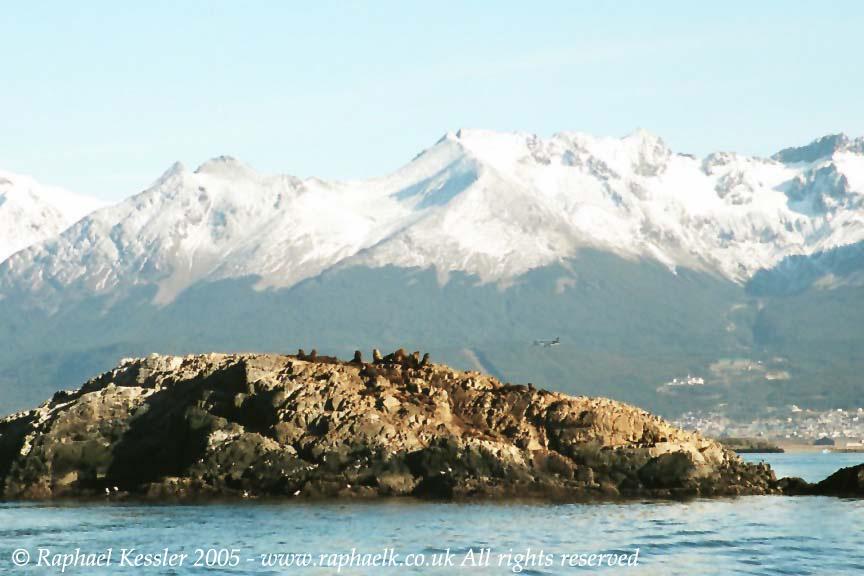
The southern most point of Argentina is on the island of Tierra del Fuego (land of fire). The beagle channel (named after Darwin's boat) separates Argentina from Chile at this point. Ushuaia is the world's most southerly city and as I came into land in Ushuaia one could see how it lies between the mountains and the channel (photos 1 & 2). Along the channel there are beautiful mountains (photos 3 - 6) and interesting bird-life including albatross (photo 7) .
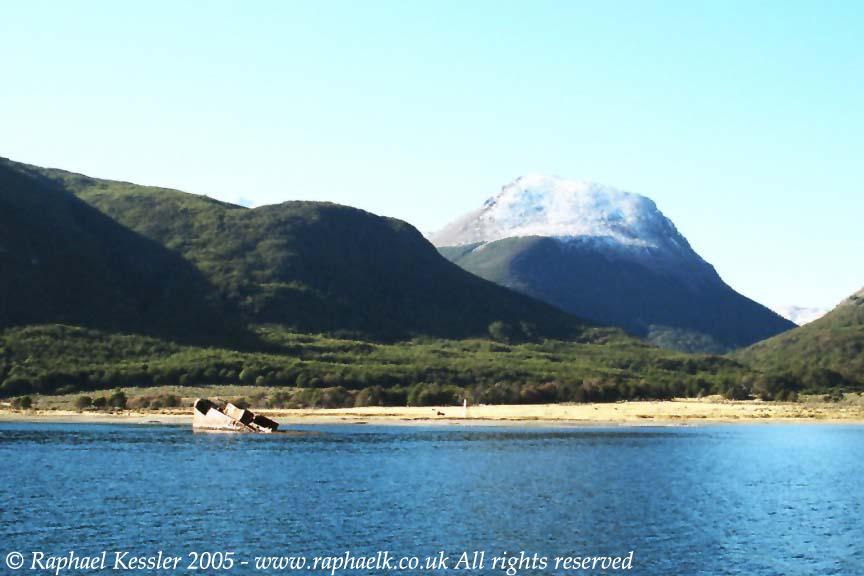
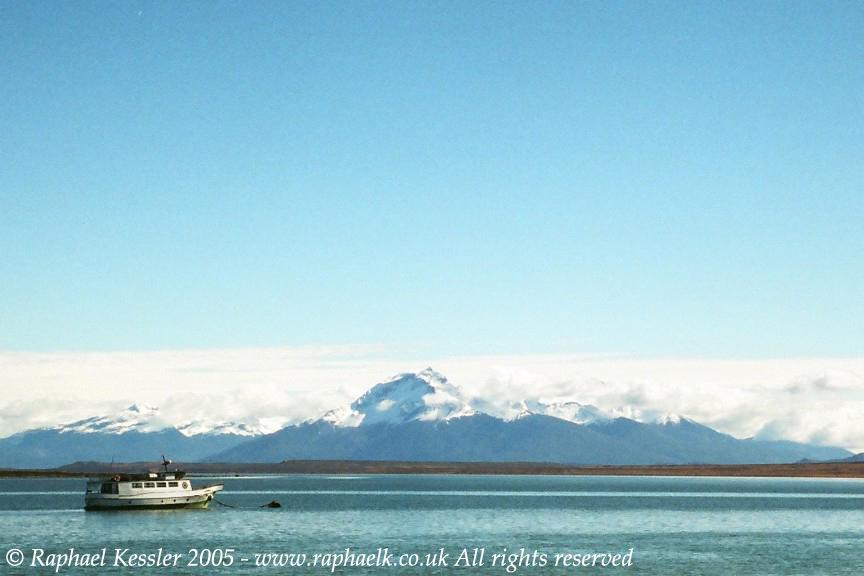
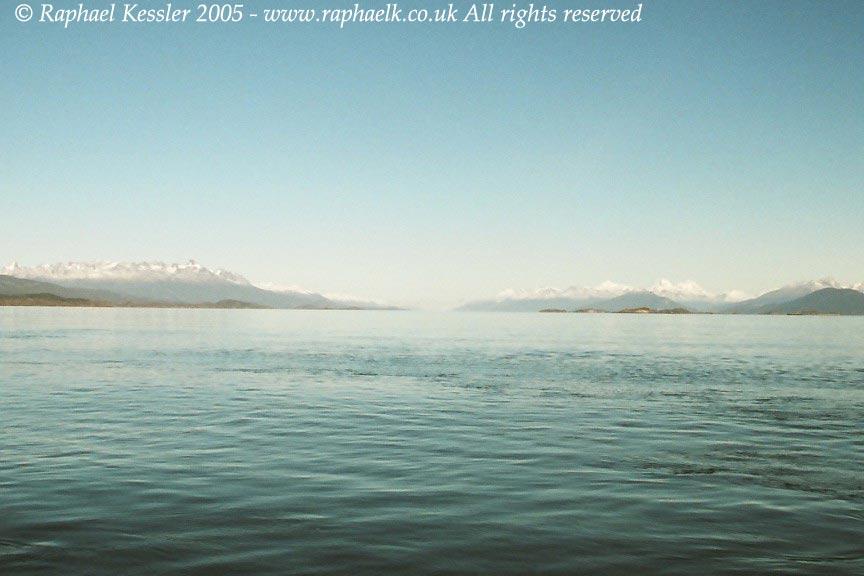
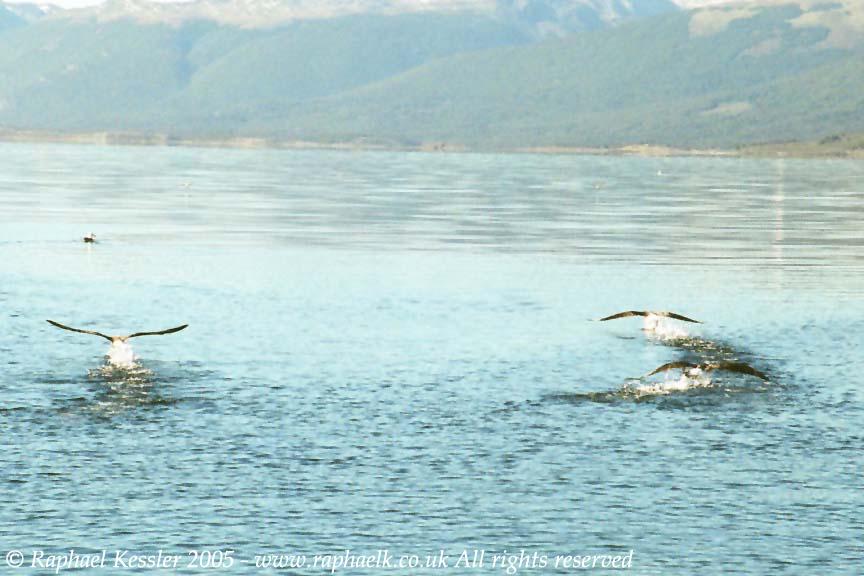
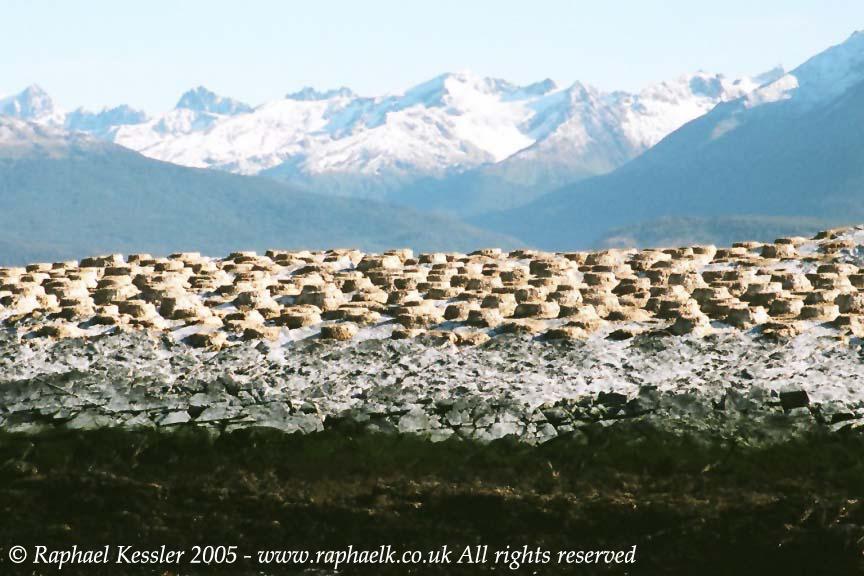
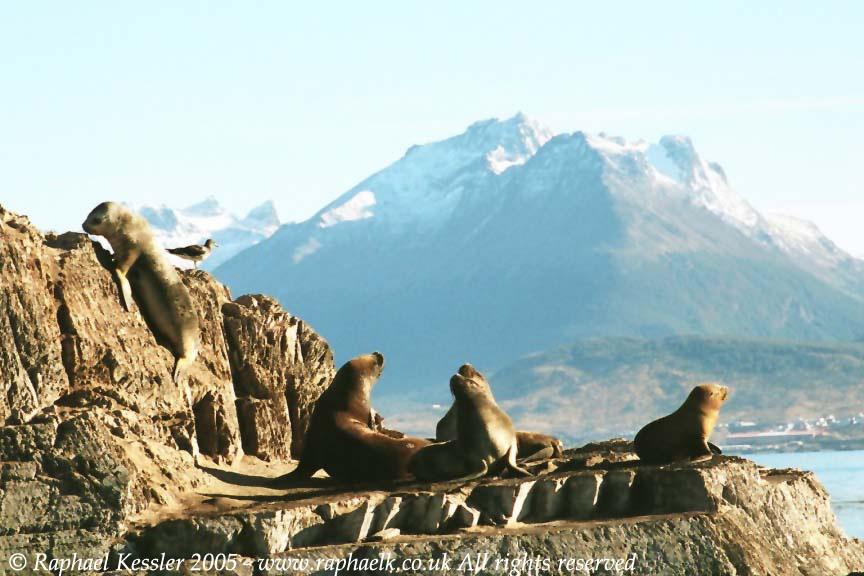
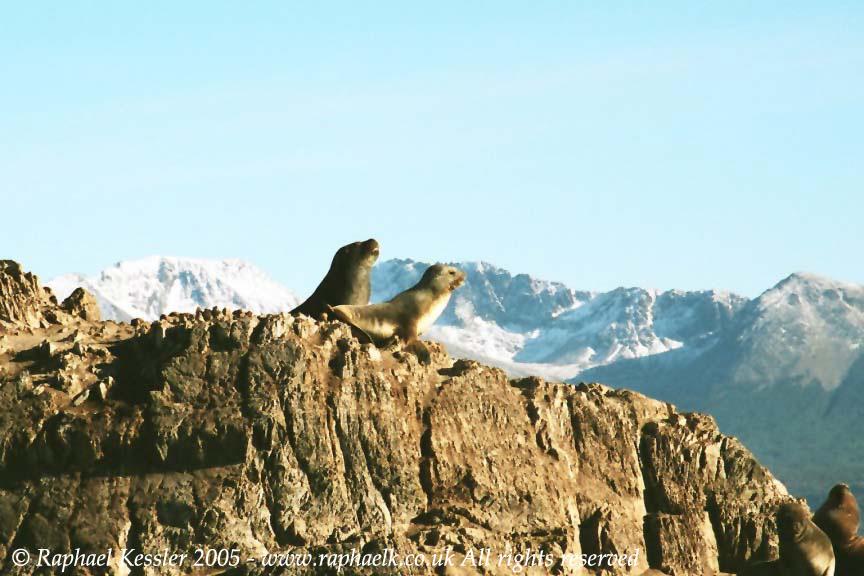
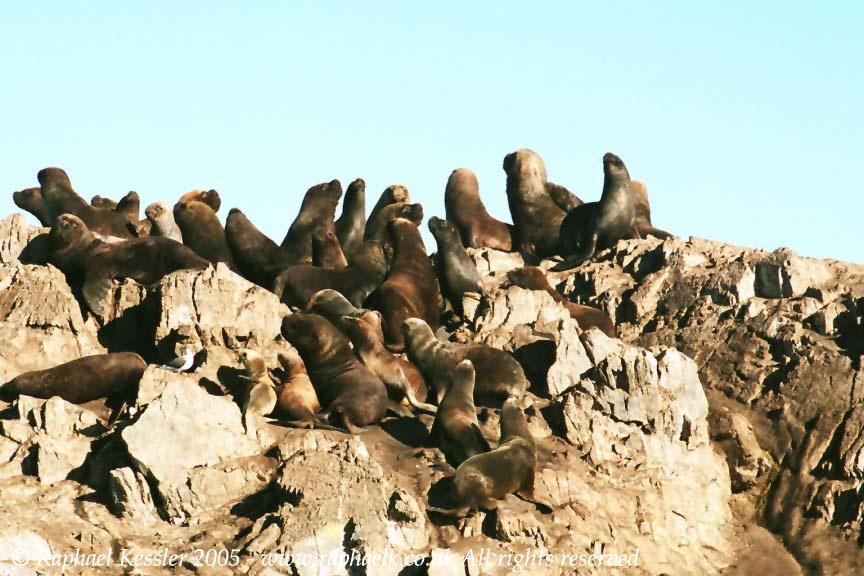
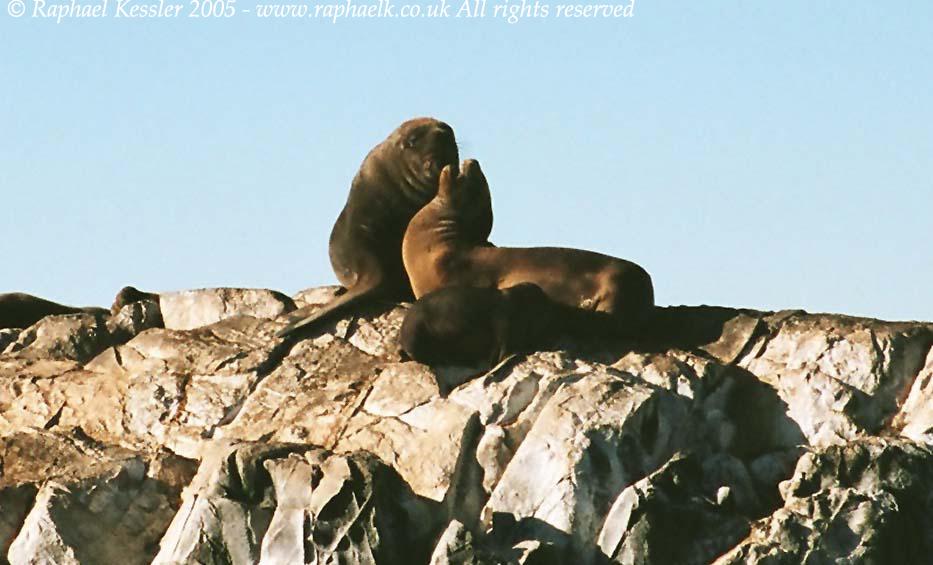
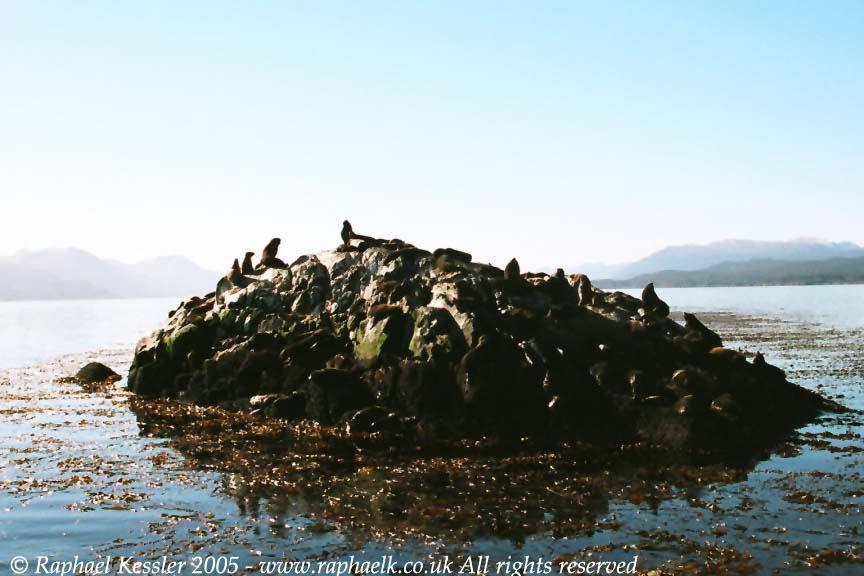
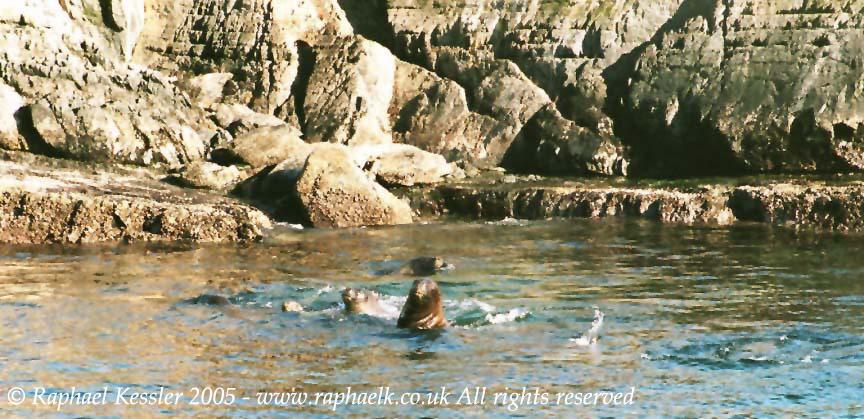
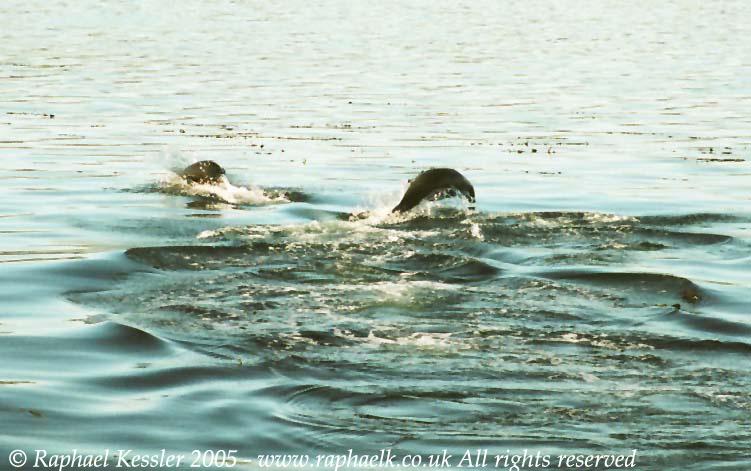
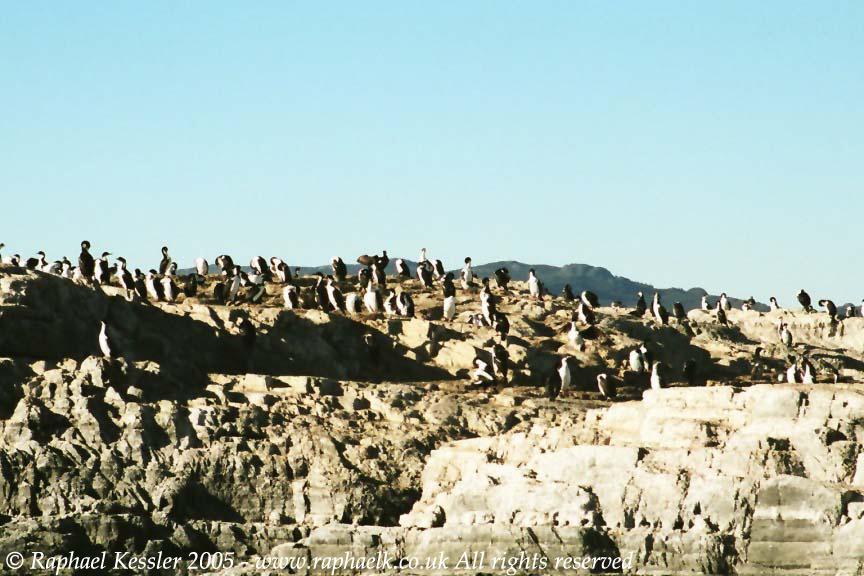
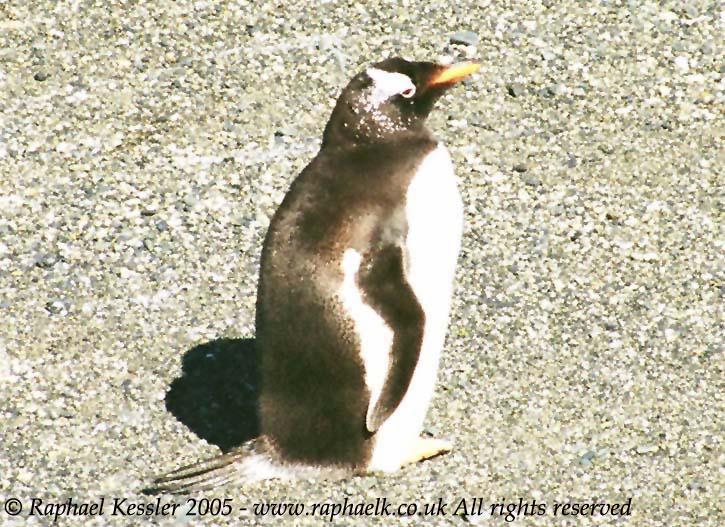
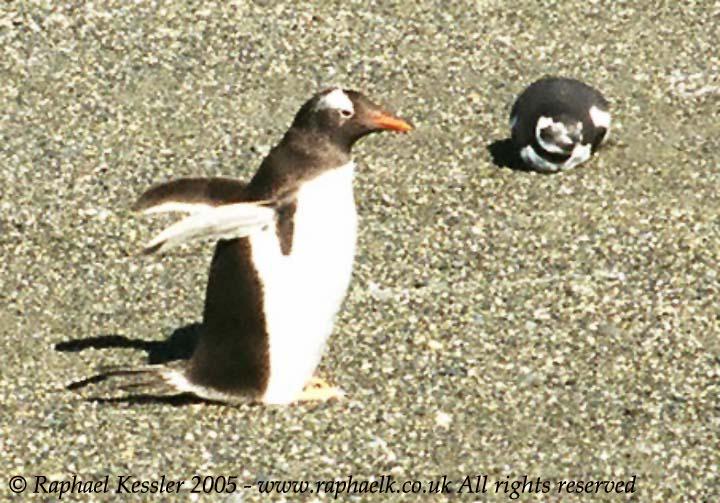
The cormorants nests on the islands look more like peculiar rock formations (photo 1). The area is also home to many seals and sea lions (photos 2-8), the way to tell the difference is that sea lions have external ears. As well as Magellan penguins (photos 9 & 11) were also Gentoo penguins with their distinctive eyebrows and orange beaks (photos 10 & 11). The last picture is from Ushuaia National Park.
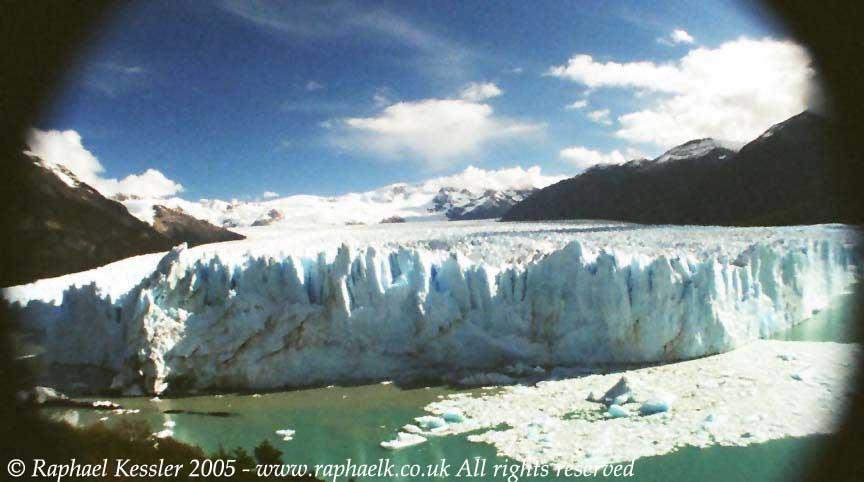
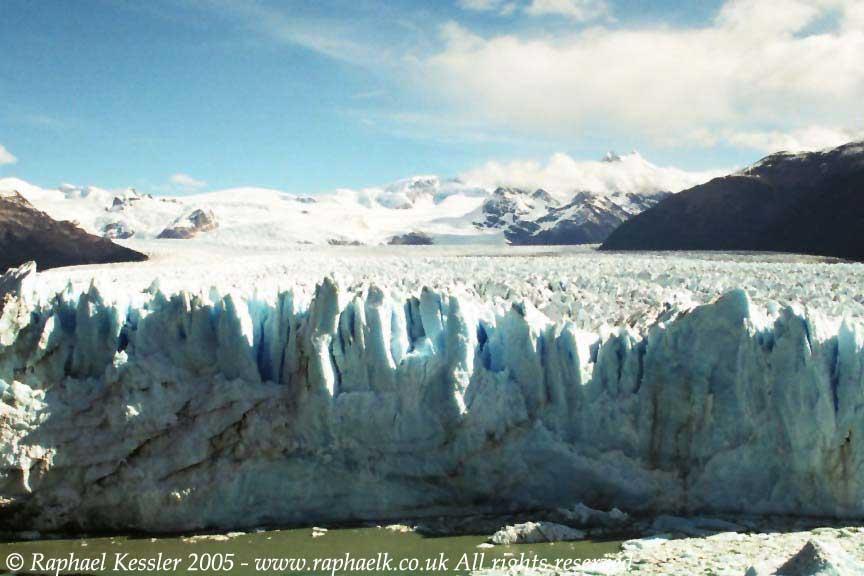
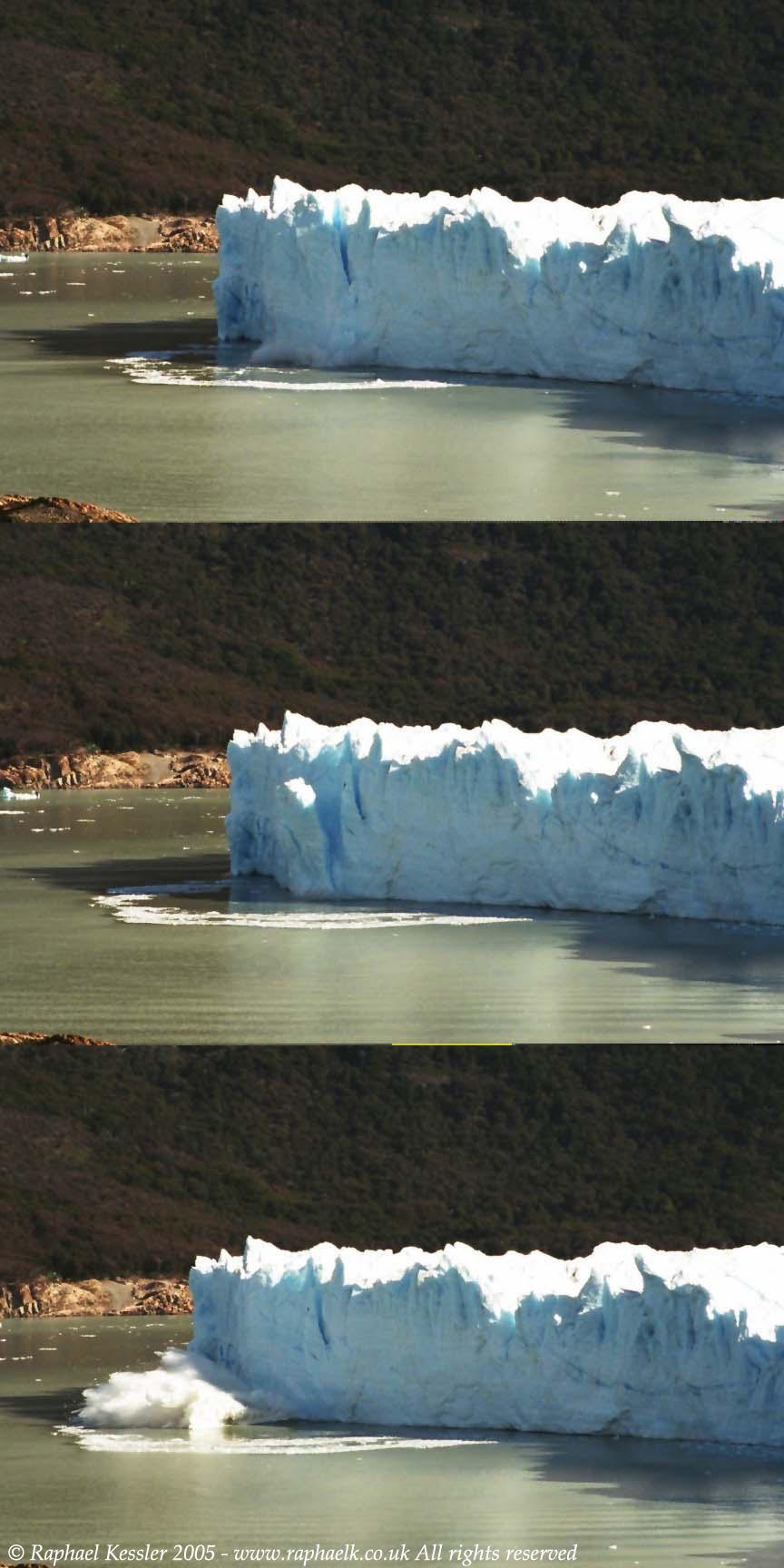
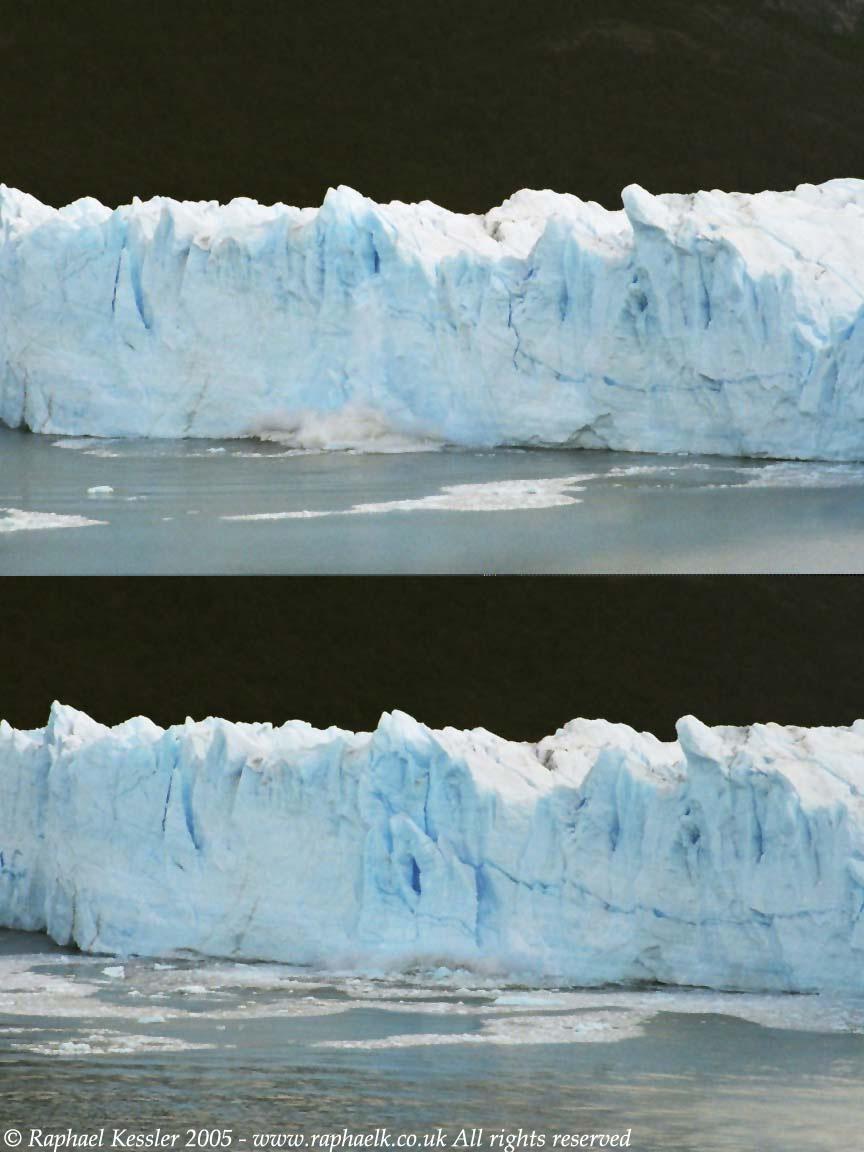
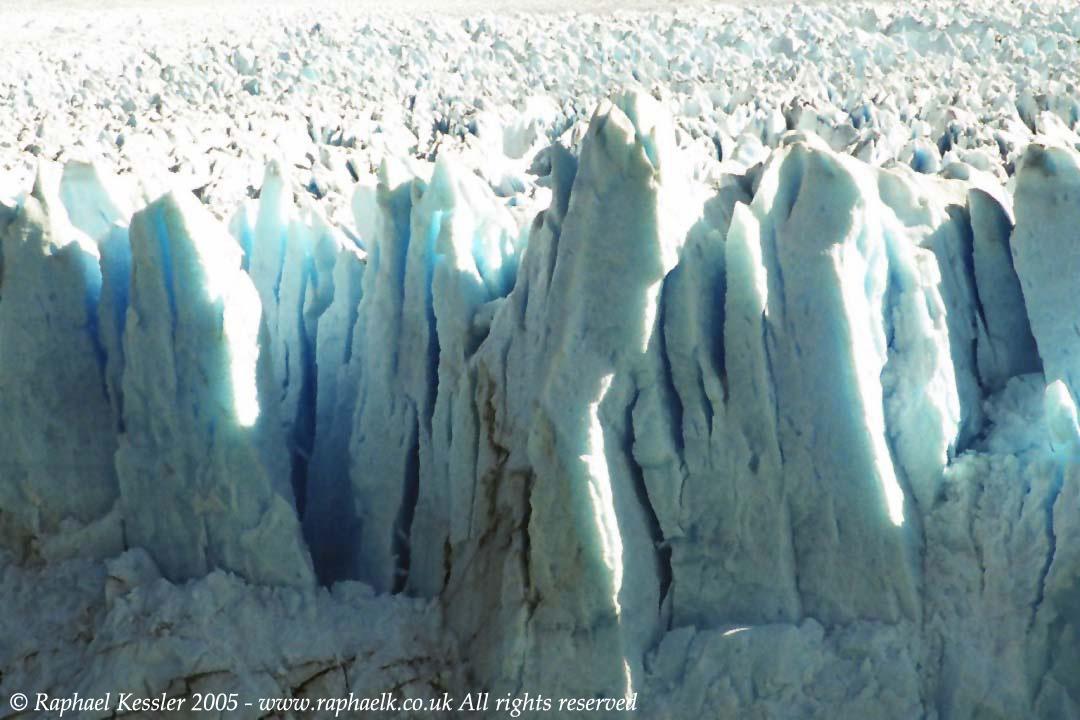
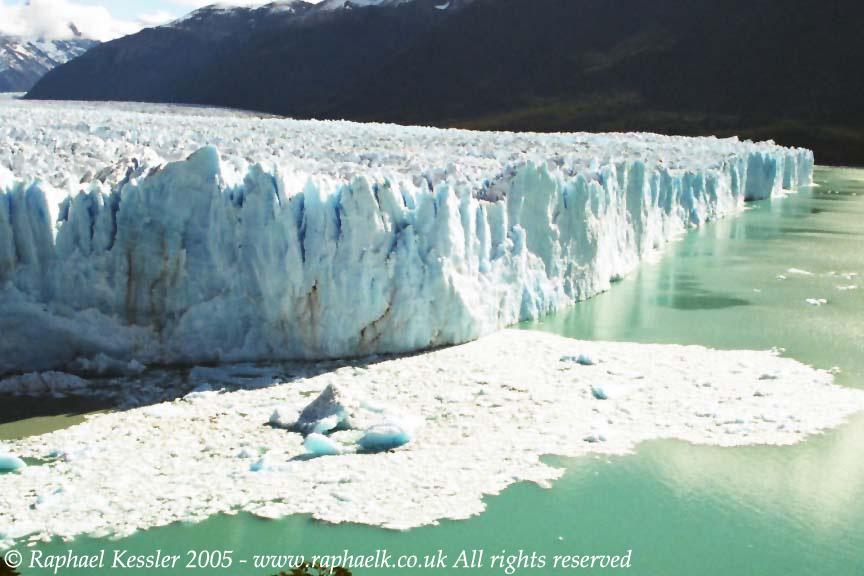
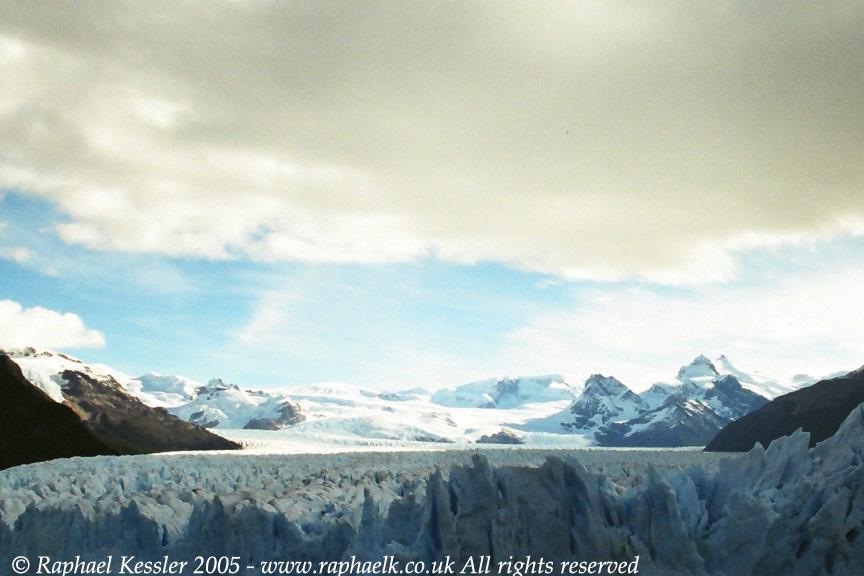
These pictures show the Perito Moreno Glacier. The first two show the view up the valley as this sixteen kilometre long glacier makes its way across Lago Argentino. The ice here is particularly blue due to either compaction or high nitrogen levels. the third picture shows carving where huge chunks from the snout of the glacier, in this case a piece sixty metres high (the height of the glacier) approximately thirty metres across and about five metres thick breaks off the end and hits the water with impressive force. This piece of ice weighed maybe as much as nine thousand tonnes, not something you want to be swimming near when it drops. The fourth picture also shows carving though not quite as dramatic, the amount of ice that has dropped can be seen most clearly when one notes the different positions of the eye shaped hole in the ice. The rest of the pictures show more views of the glacier.
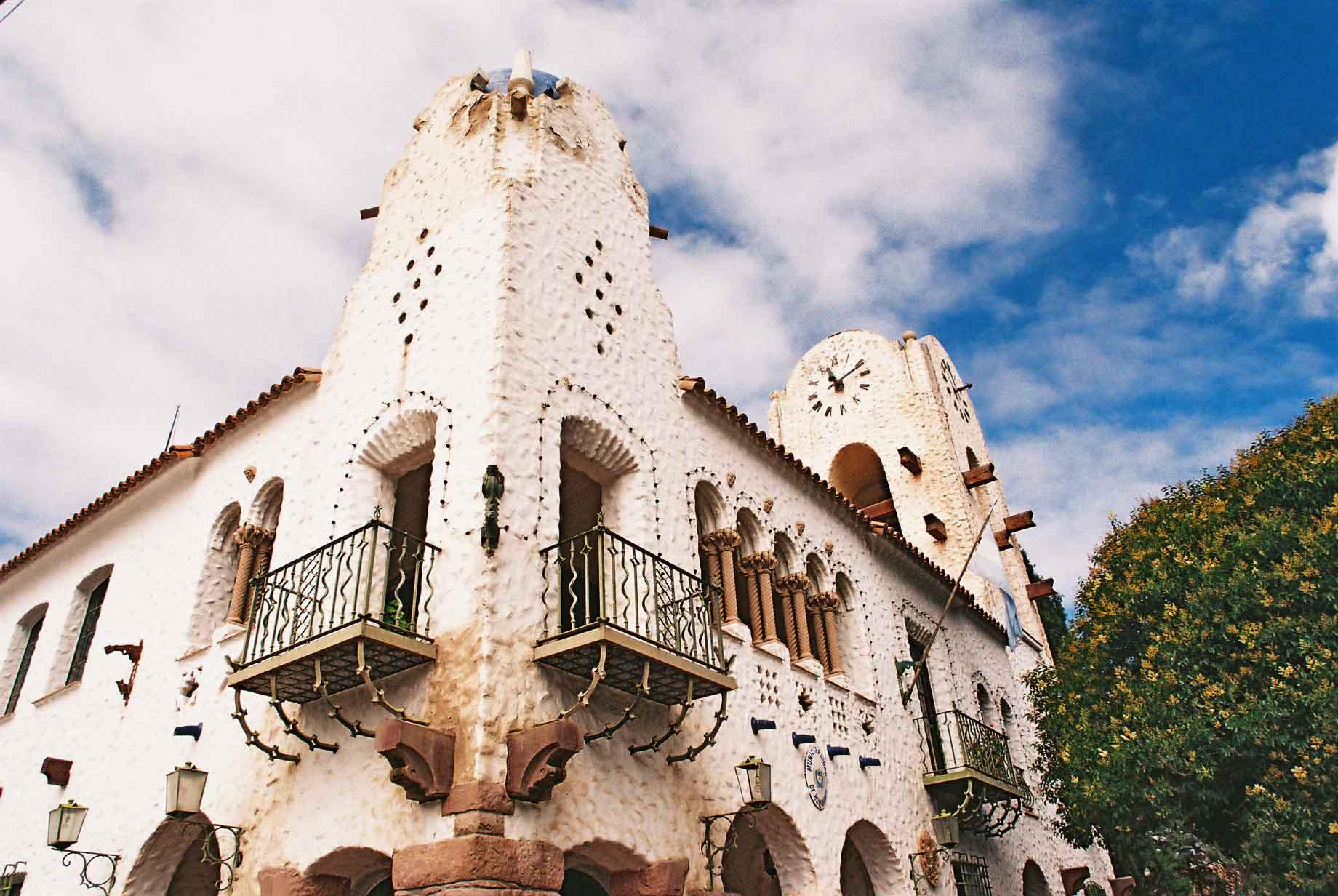
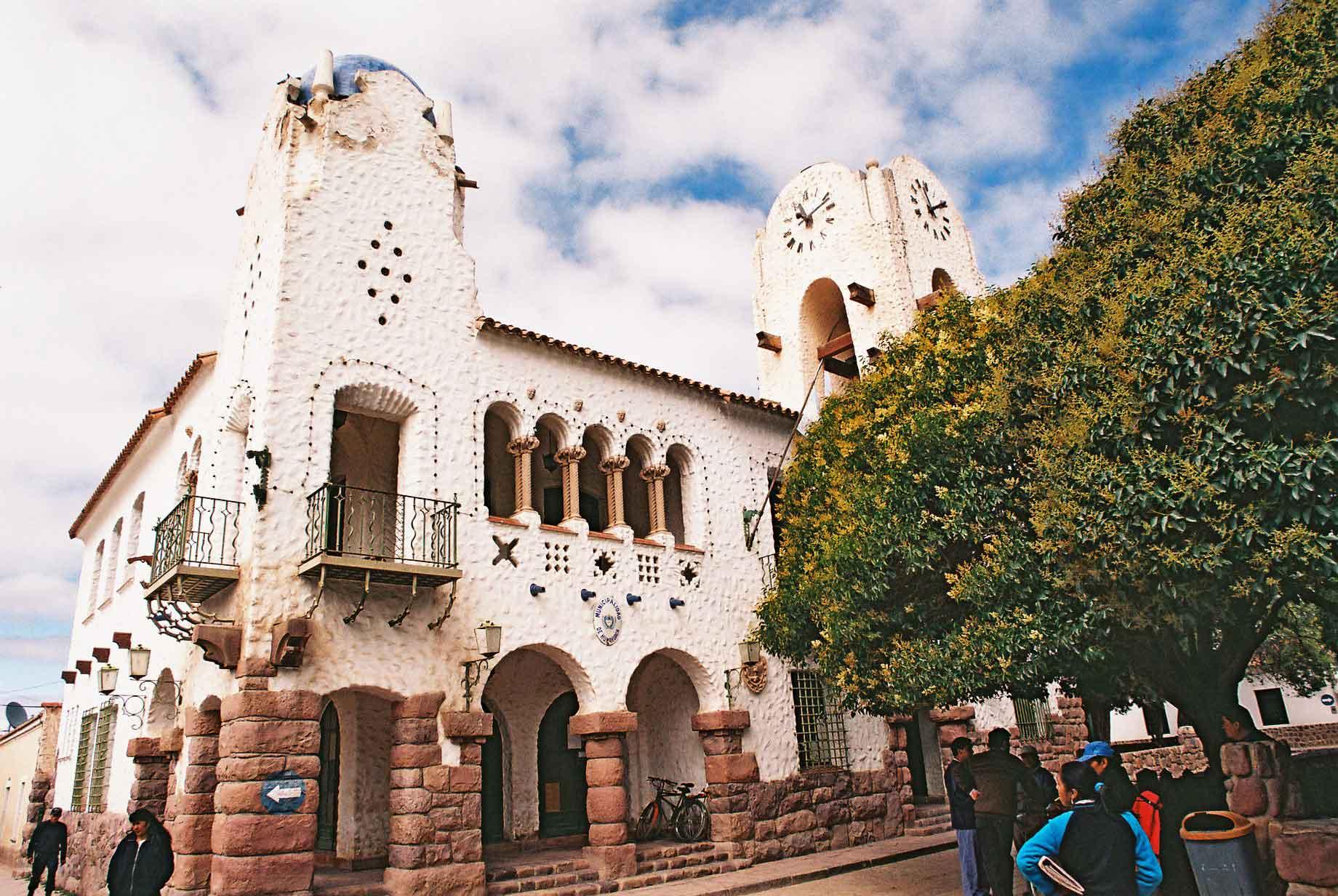
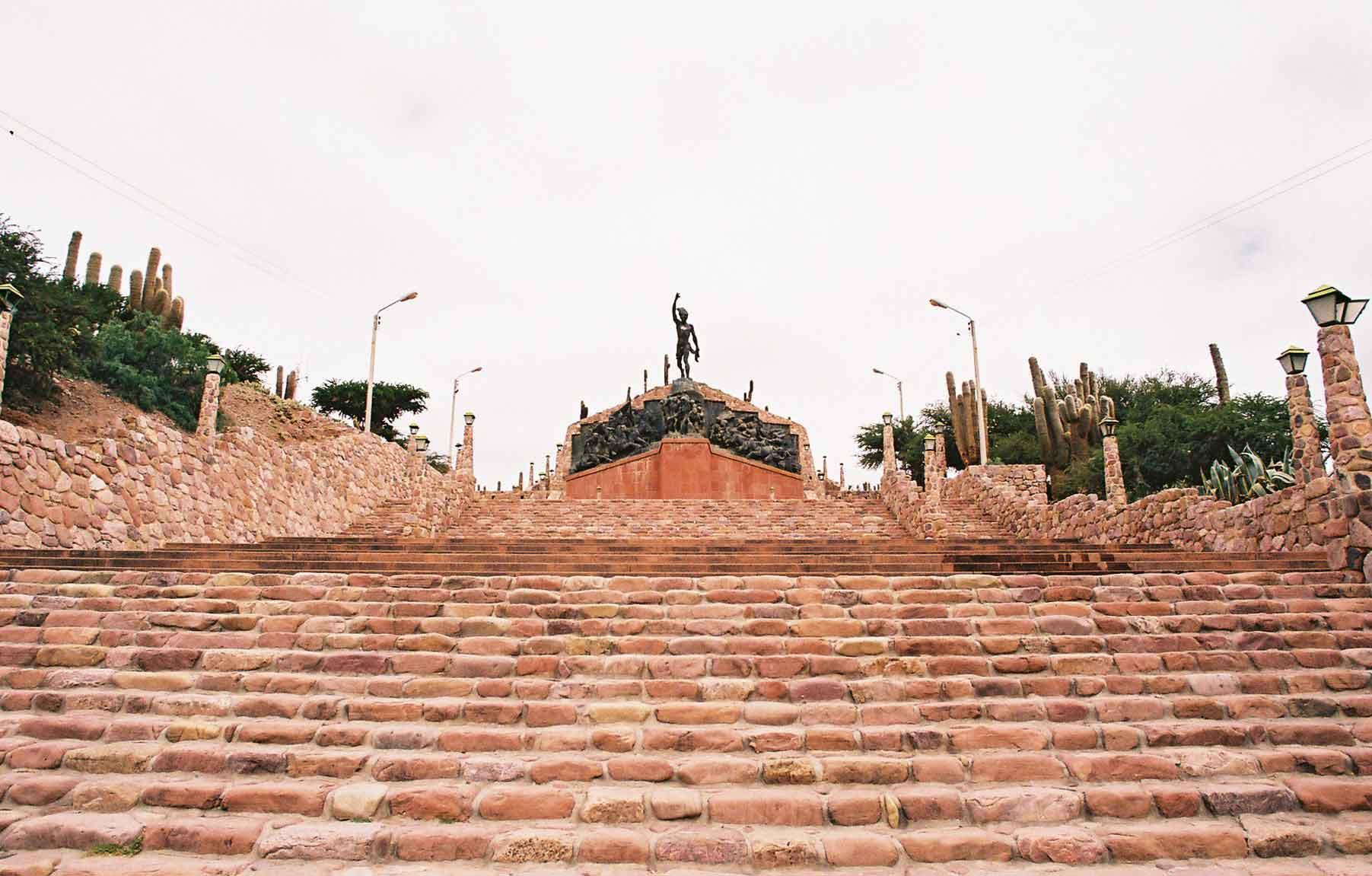
In the north of Argentina, near the border with Bolivia is the pleasant little town of Humahuaca, with an attractive adobe church (photos 1 & 2) and a memorial to the fallen or something like that (photo 3).
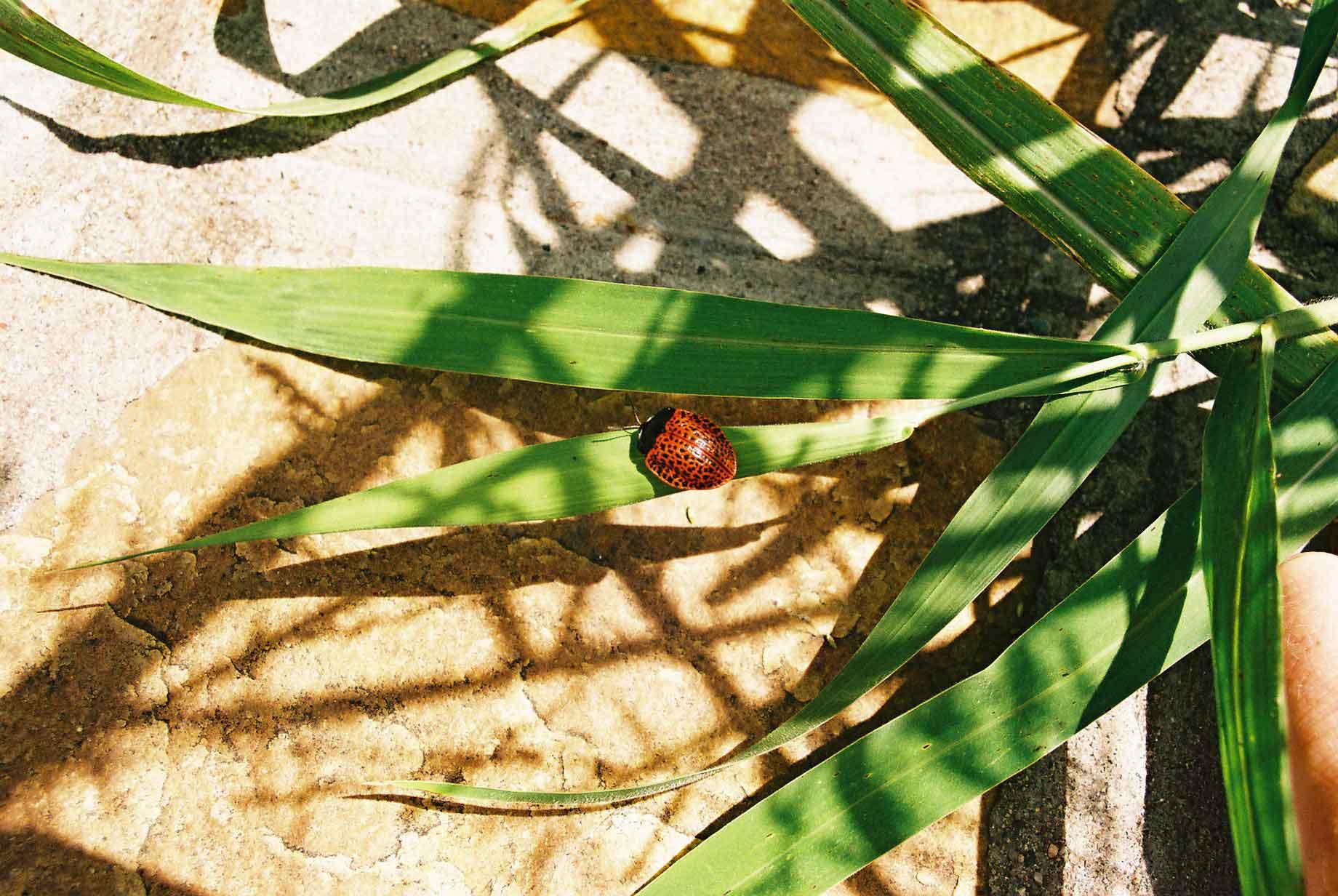
Near the small town of Tafi del Valle is a park where pre-Colombian monoliths from the surrounding area have been assembled together (photos 1-3). Apparently as a result they have lost almost all archaeological knowledge has been lost as no record of which monolith came from where. It does make it easier to see them all though. The countryside in the area is also very pleasant (photo 4), with funky bugs to be found in the greenery (photo 5).
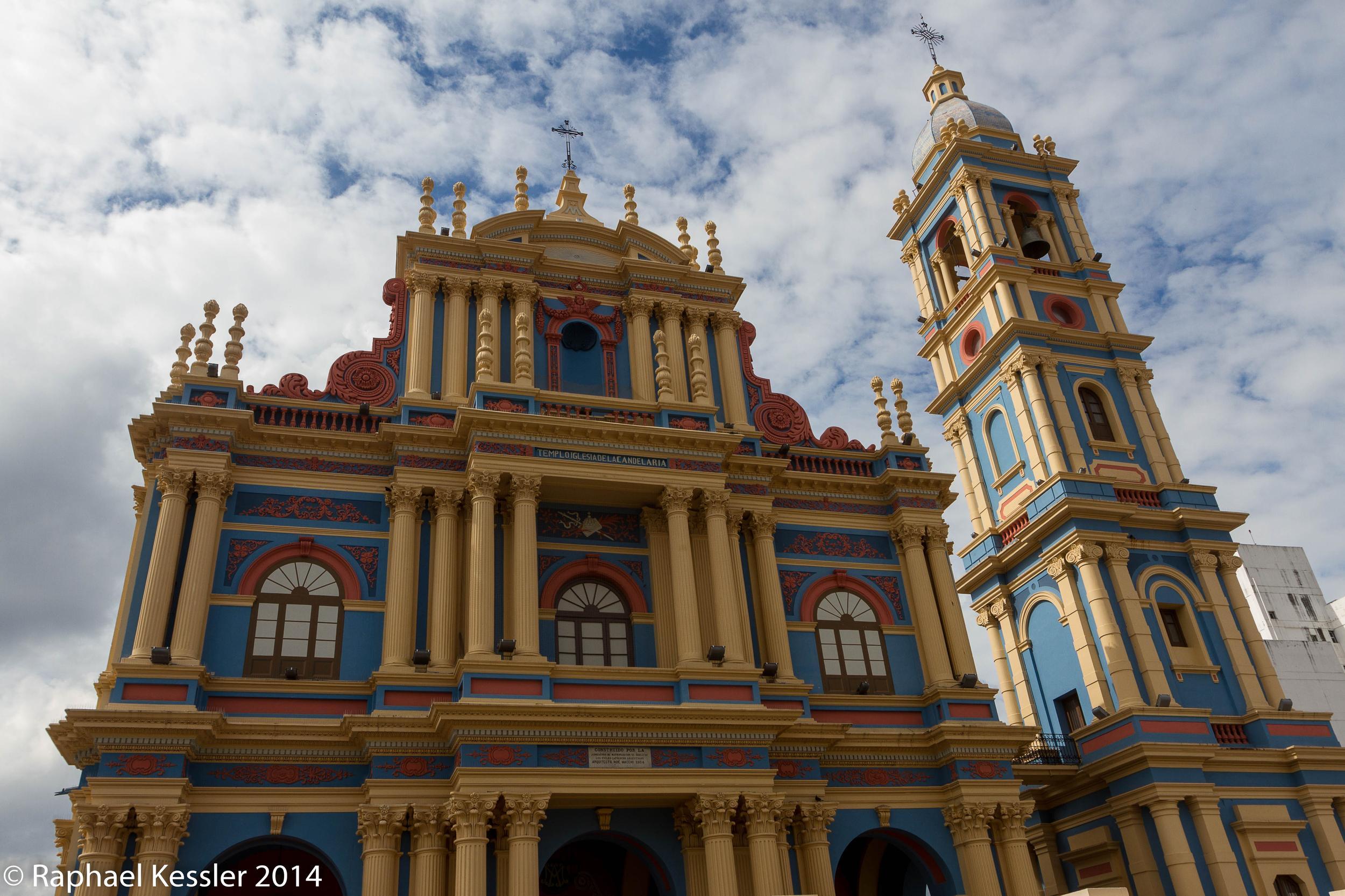
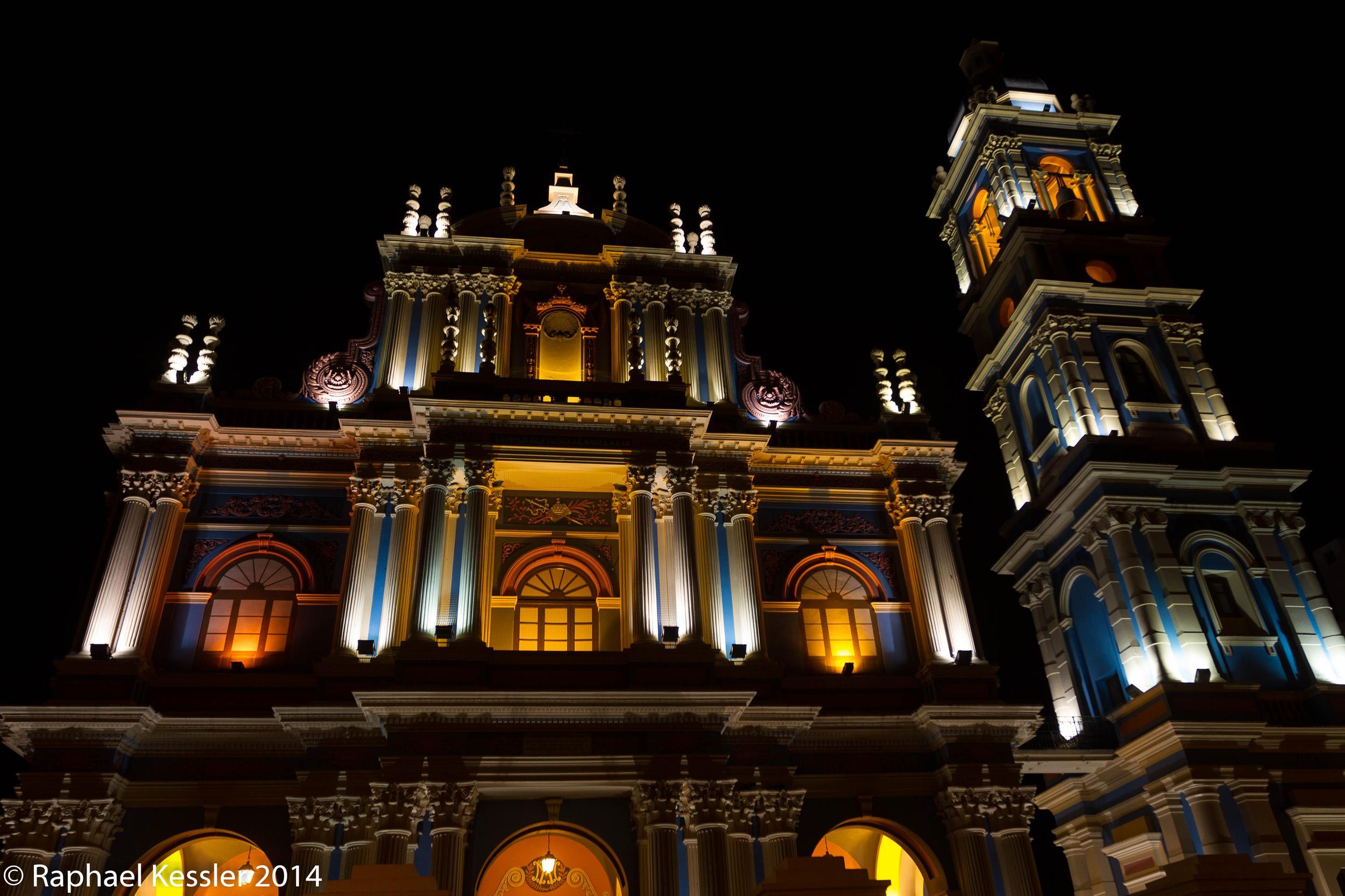
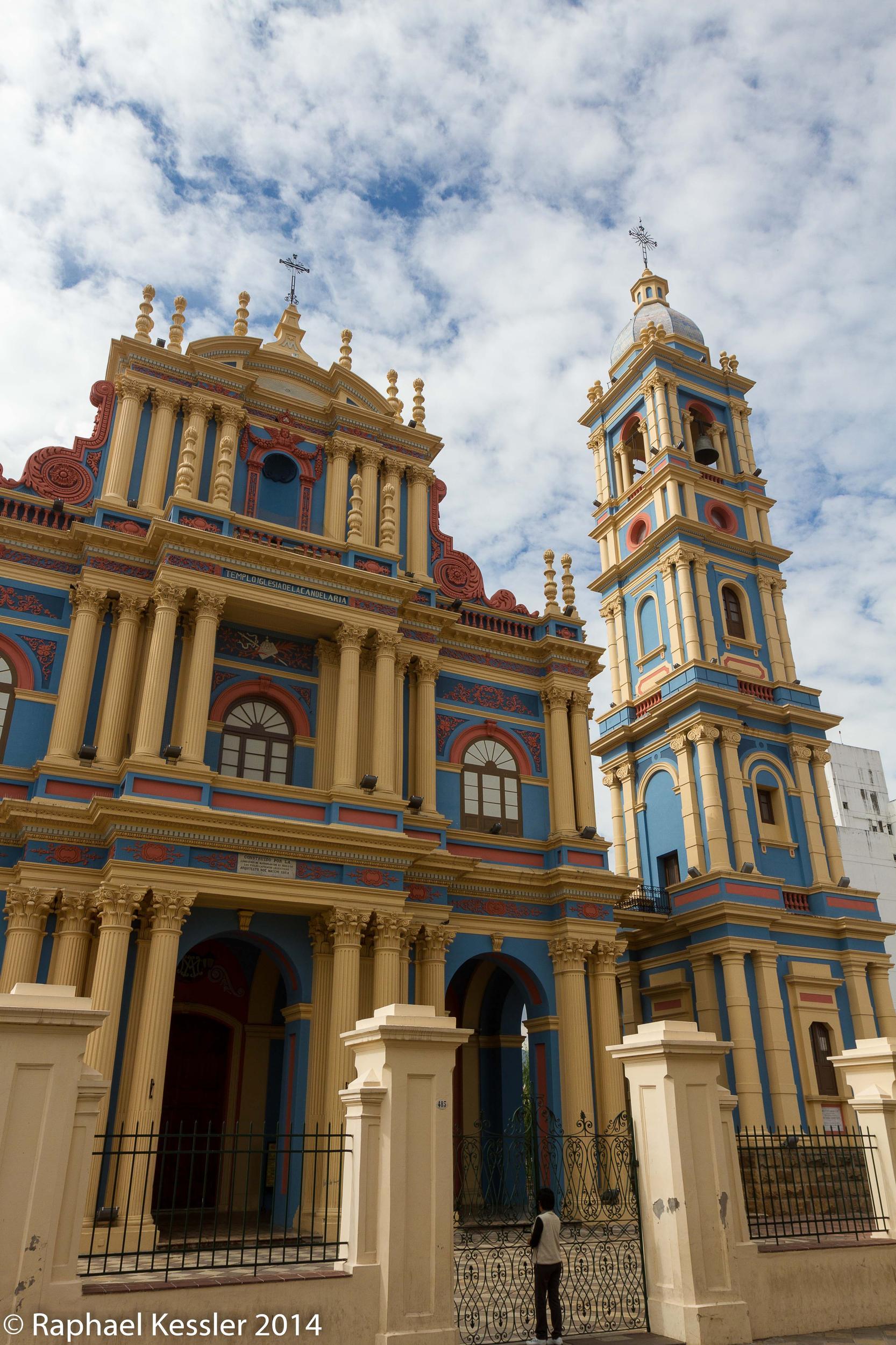
The city of Salta has some attractive colourful churches.
The border between Argentina and Chile in the Andes near Mendoza and Santiago is spectacular. The mountains are dramatic and snow-capped.