China
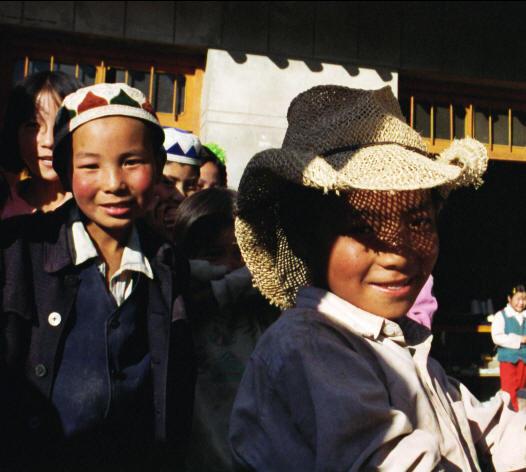
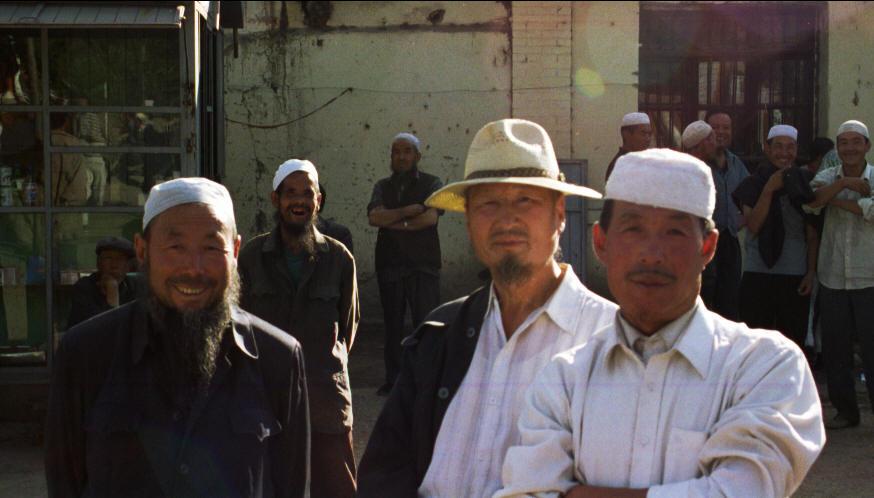
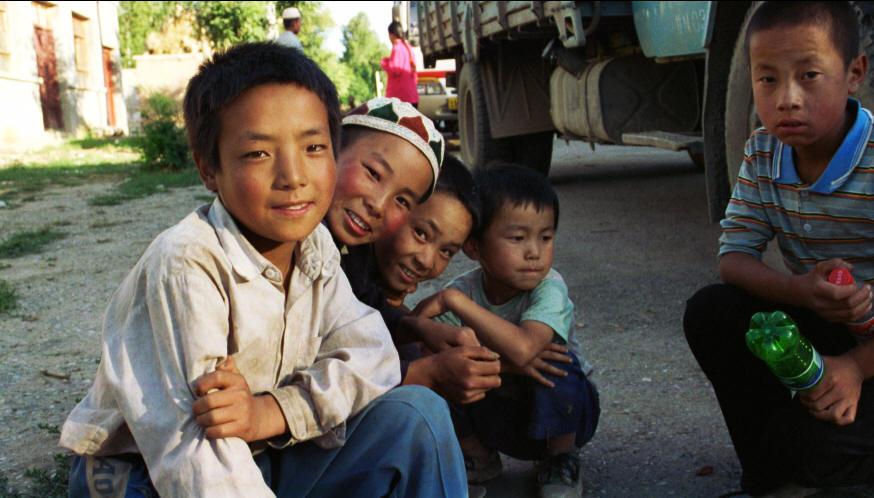
My first stop in China was to Xinjiang province in the Northwest. Northwest China is not really Chinese, it is another recent addition to the country, having been invaded and annexed fifty years ago, it was previously an independent sovereign state called East Terkestan. This part of the country is populated mostly by Kazakhs, Uigers and Turkic people. The Han Chinese are much more recent additions. The people look very different to the Chinese and they are mostly Muslim.This part of the country sees fewer tourists and it parts the people seemed quite interested and surprised to see white folk. The people themselves have an interesting look and the scenery in the area is often quite dramatic, from the Karakoram mountains to the Taklaman desert.



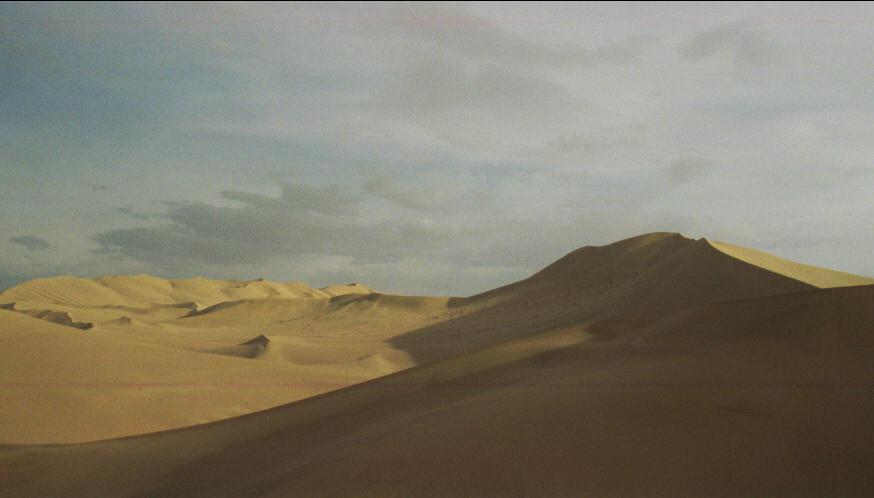
The Taklaman desert has some dramatic sand dunes, at one point is what is apparently the second lowest point on the planet after the Dead Sea.

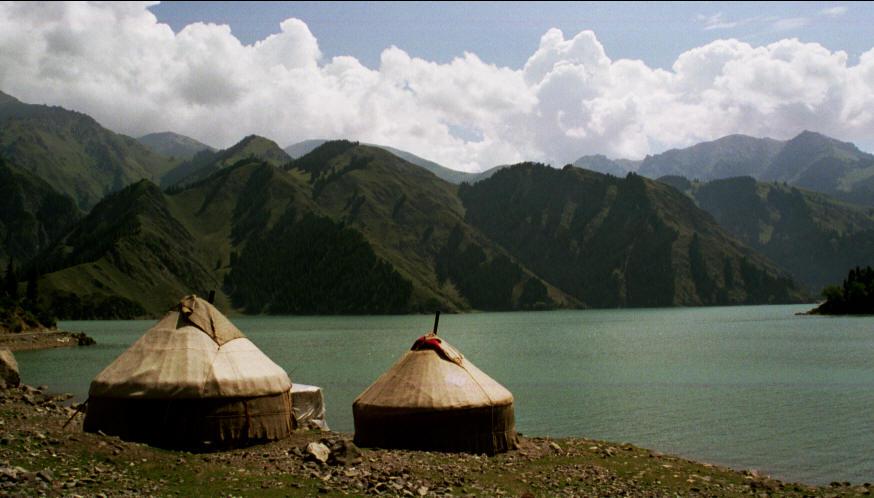
Tian Chi (Heavenly Lake) is in an Alpine setting where the Kazakh people live in yurts.
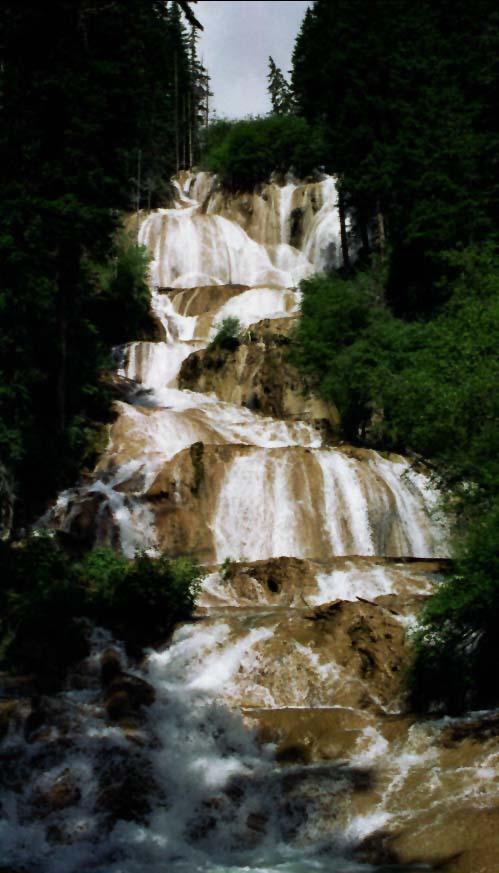
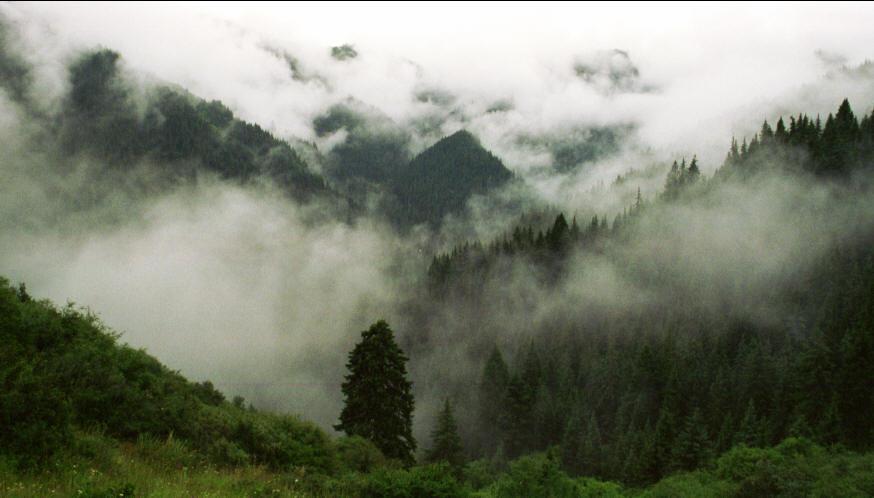
The area around Songpan has some nice scenery including lakes and waterfalls (photo 1). I went on a horse trek there with my American friend John and a guide who we called nutter because he was a bit mental.
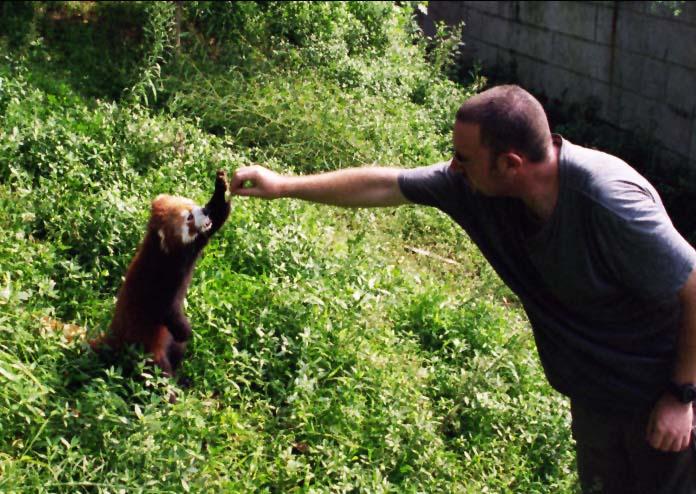
In Chengdu, the capital of Szechuan province one can see giant pandas in a sanctuary (photos 1 & 2). There are also lesser (red) pandas (photos 3 & 4). I managed to bribe someone there so I could go in and meet the cute little things face to face.



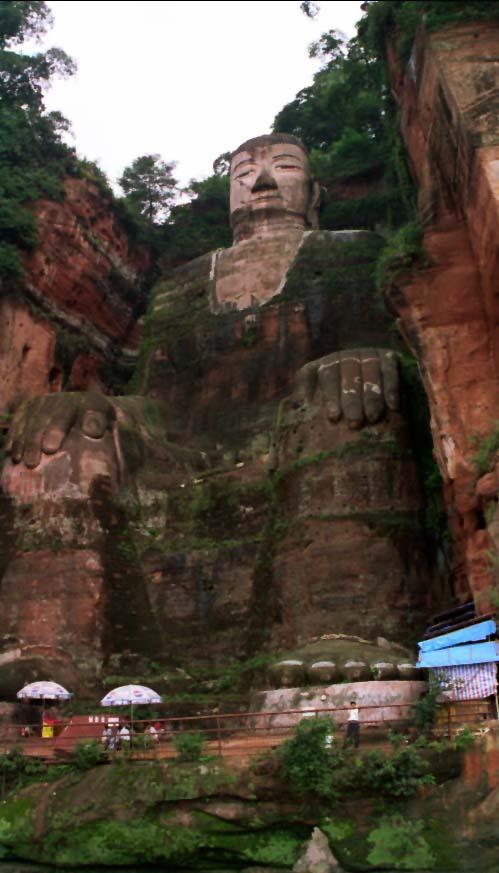
Leshan is home to the worlds biggest Buddha, he is seventy-five metres tall when he is sitting down (it makes one wonder how tall he would be standing up).
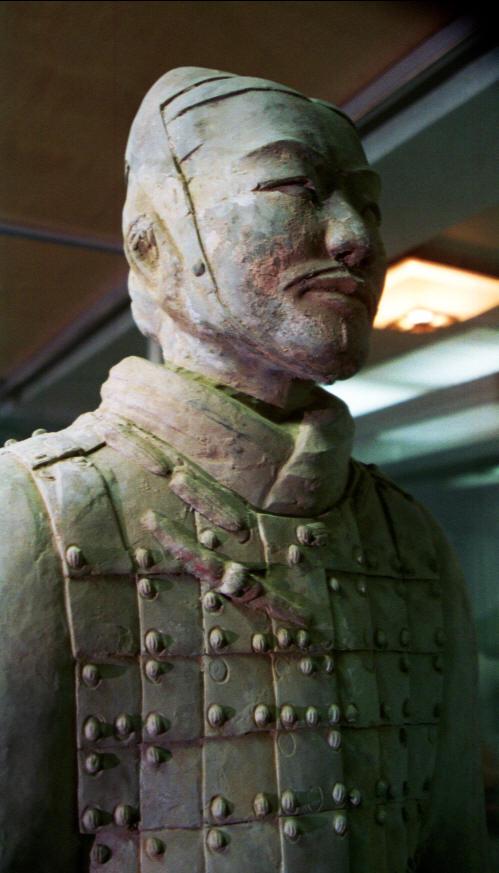
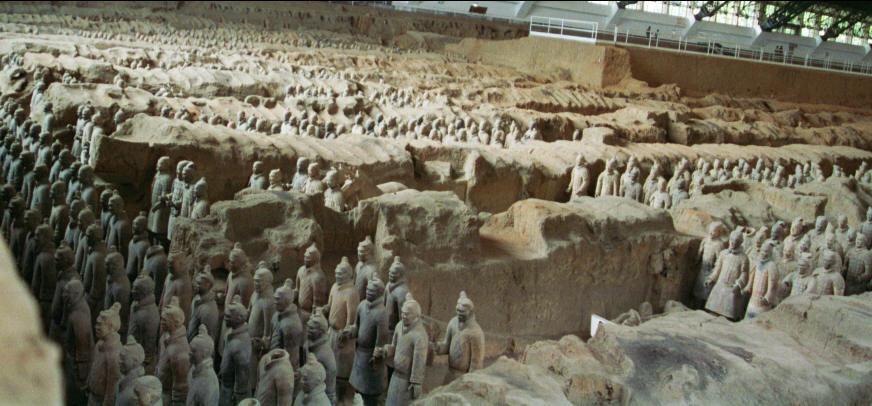
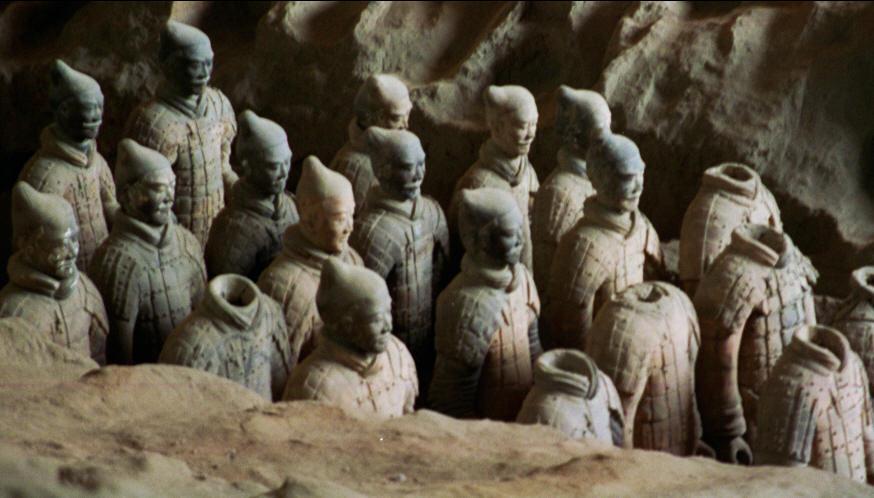
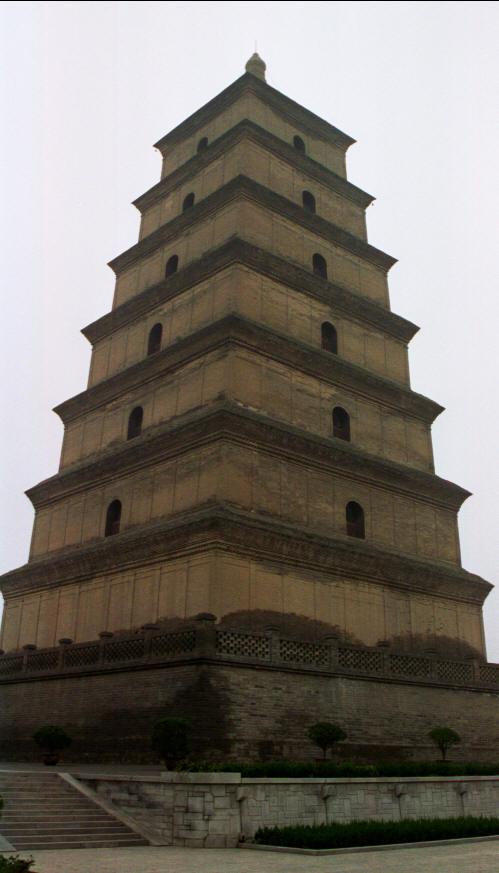
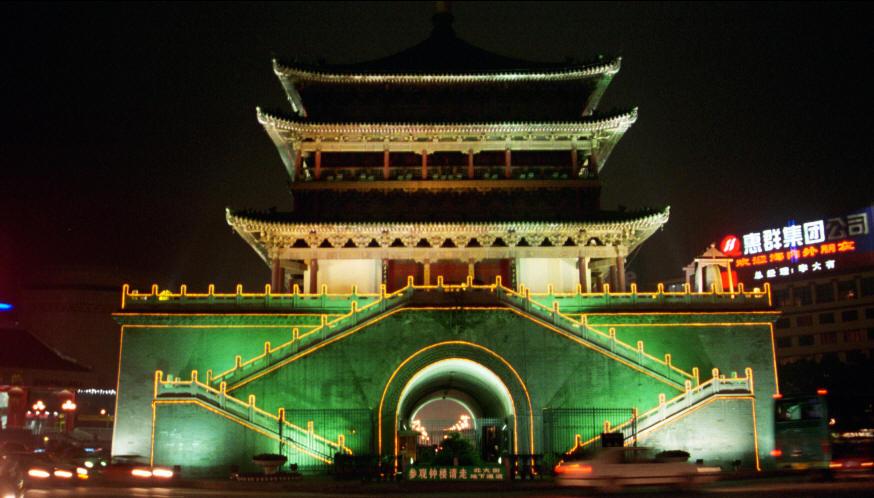
Xi 'An is home to the famous Terracotta Warriors (photos 1 - 3), thousands of them were buried to guard the Qin emperor in his final resting place. The entire army was represented from generals through to cavalrymen, archers, porters and infantrymen. Also in Xi 'An are some multi-tiered temples like the Big Goose Pagoda (photo 4). The Bell tower in the centre of town looks particularly impressive at night (photo 5).
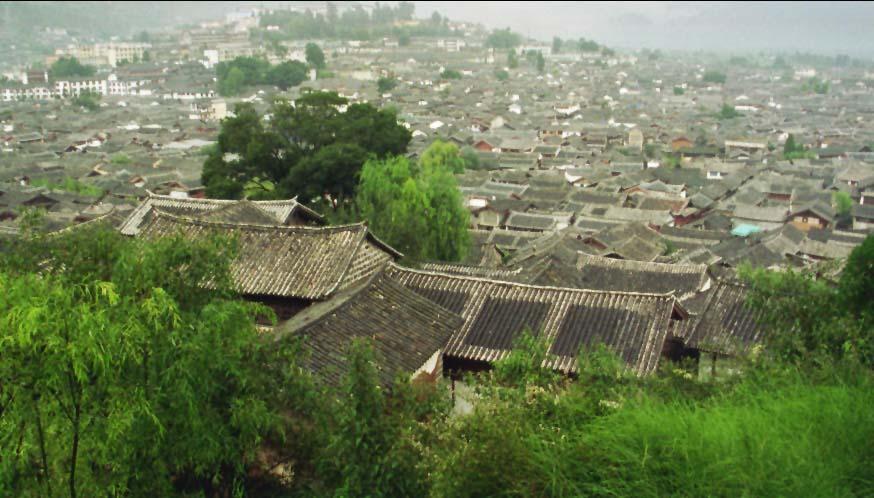
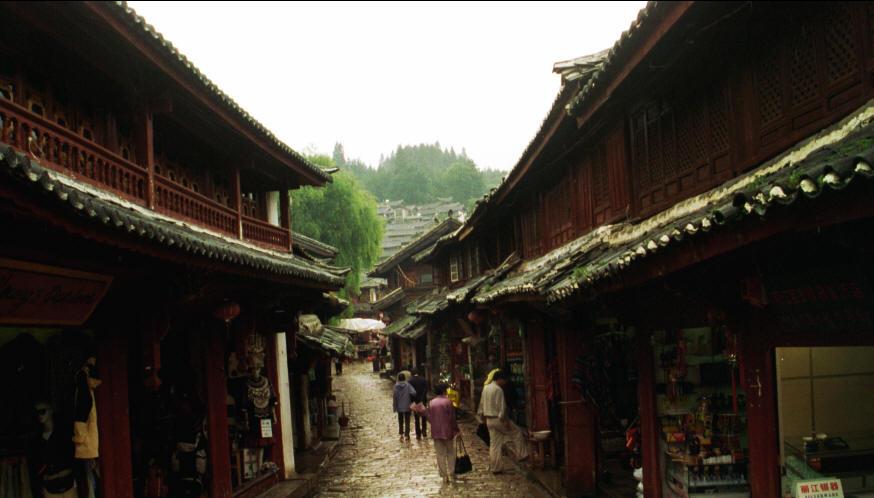
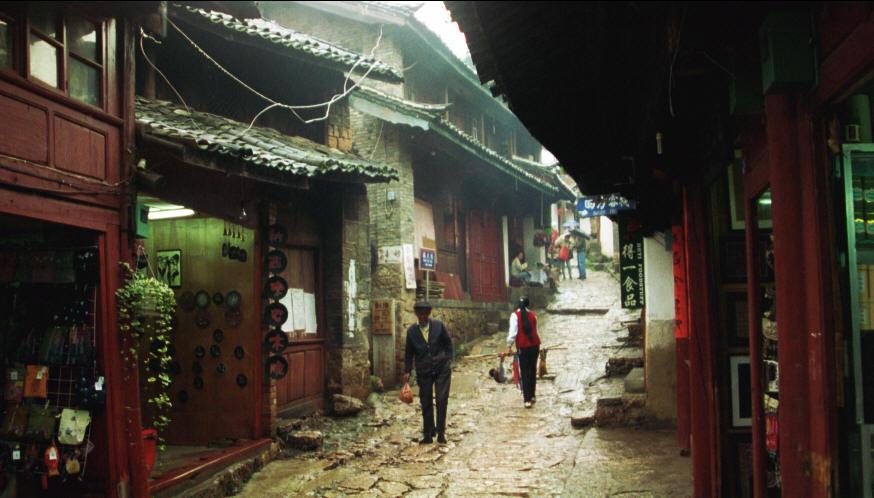
Lijiang is one of the few bits of China that looks like the China of the brochures and stories, it's preservation was in part due to an earthquake that destroyed much of the modern part of the town but left the old part largely unaffected. This made the government think about leaving the old part intact and capitalising on it for the tourist business. Whilst there I saw a traditional style orchestra that looked like it was made up of Confucius's contemporaries (photo 4).

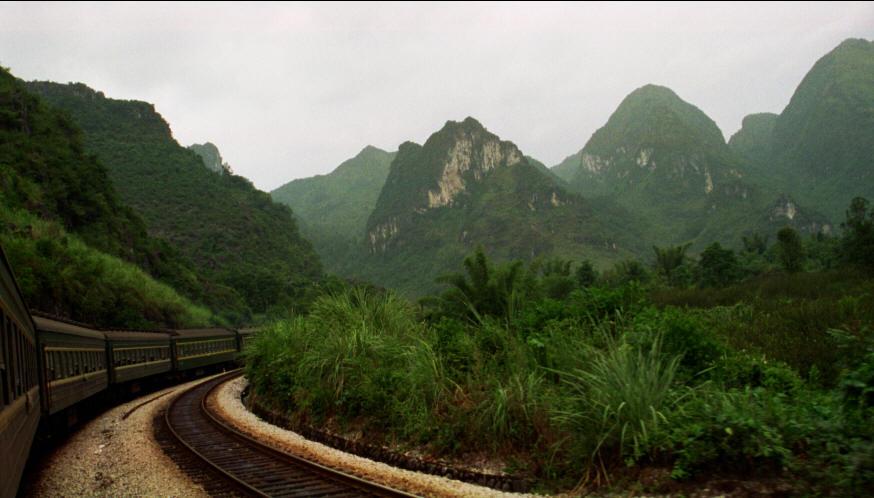
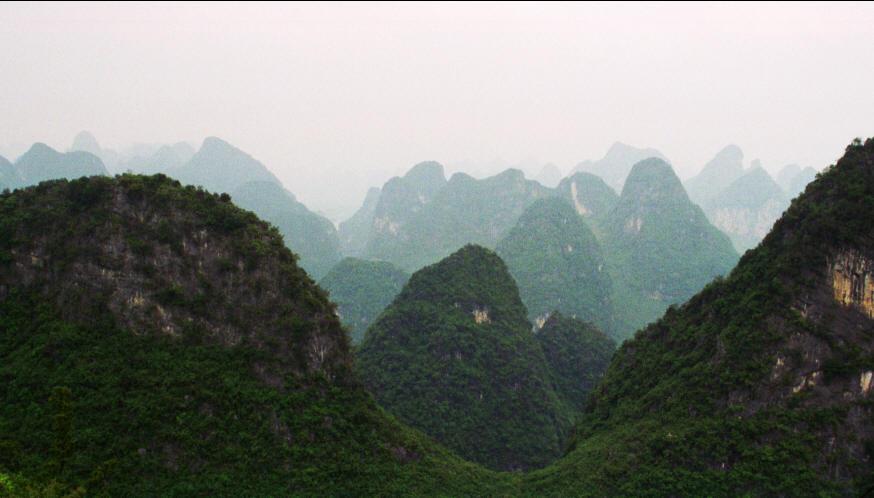
The area around Yangshuo has the scenery that is represented frequently in the traditional Chinese paintings.
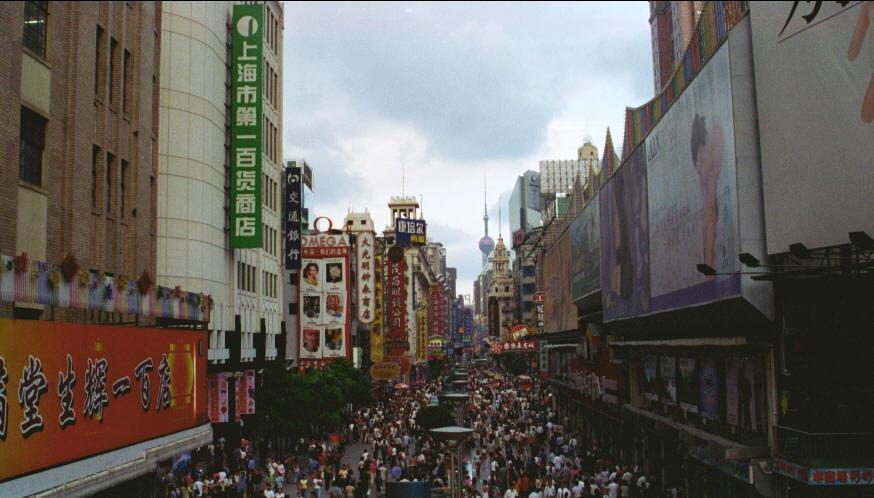
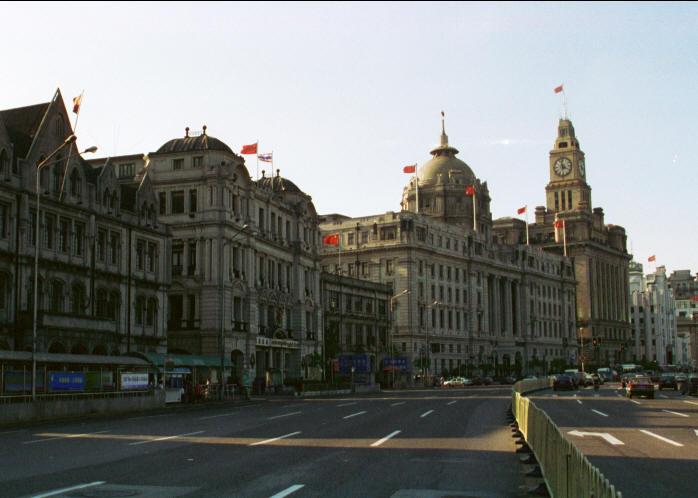
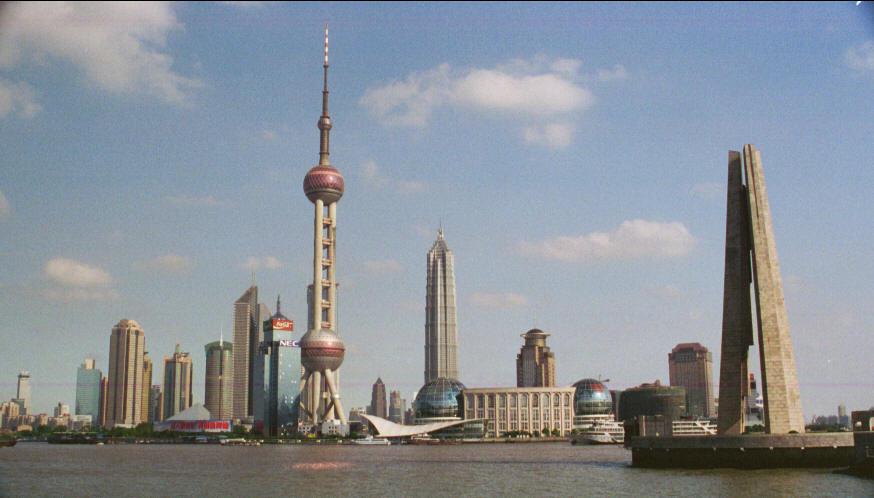
Shanghai is a modern city that bears similarities to many other cities in the world. The Bund (photo 2) was built by Europeans along the riverfront and was a very trendy place in the thirties. The Art Deco interiors in some of the buildings are really nice. The Pearl Tower (photo 3) is an extremely tall radio mast and is supposed to represent two dragons holding a pearl, but to me looks more like a syringe from a 1970s science fiction film.
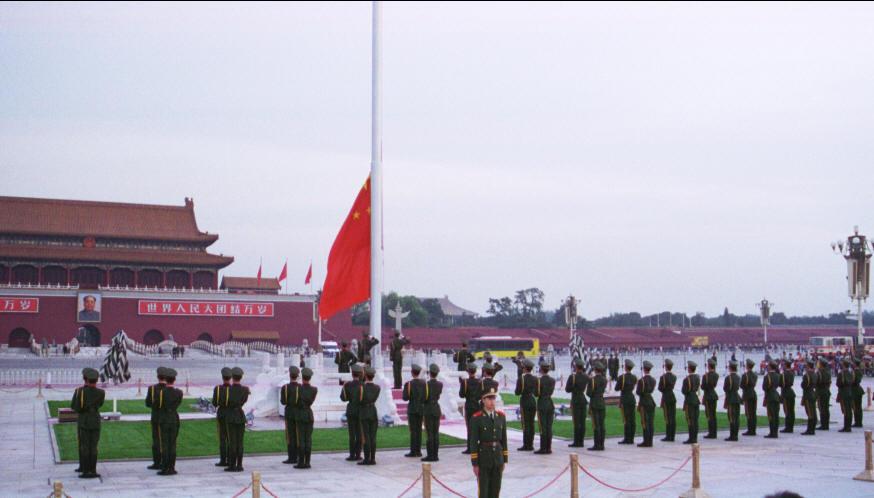
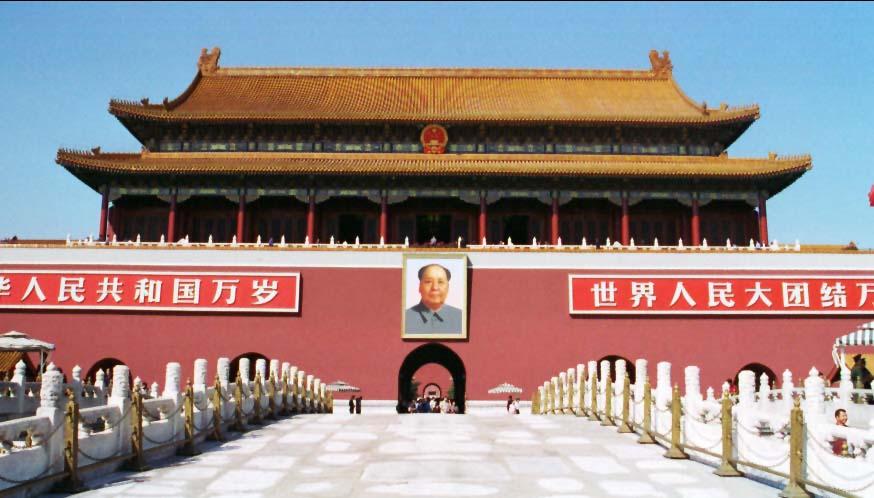
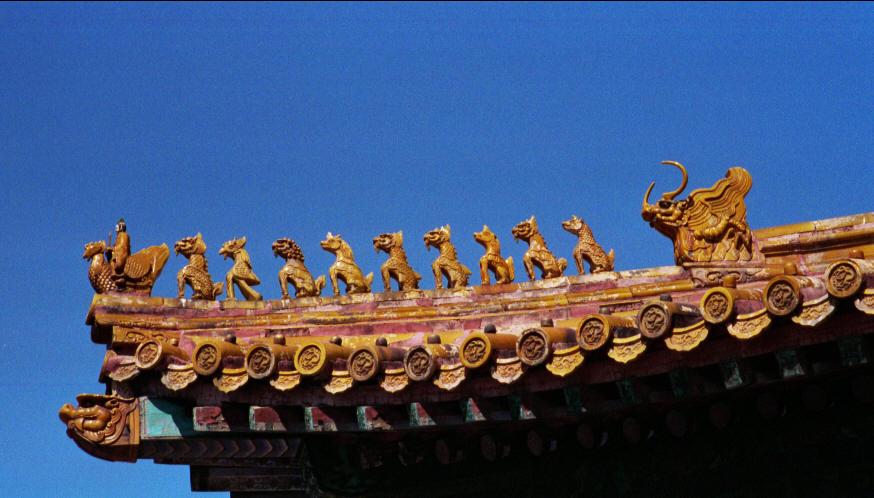
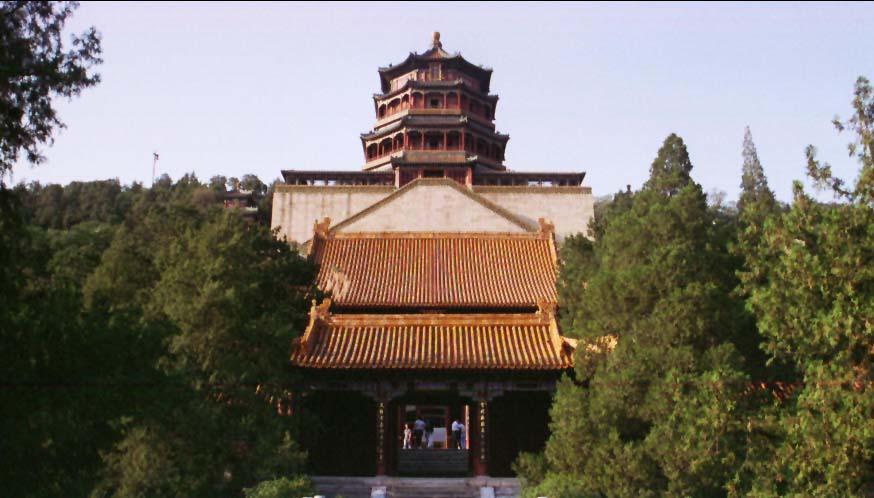
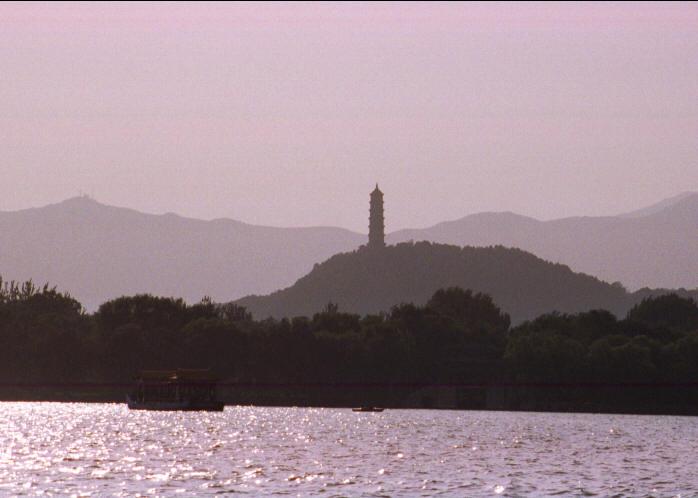
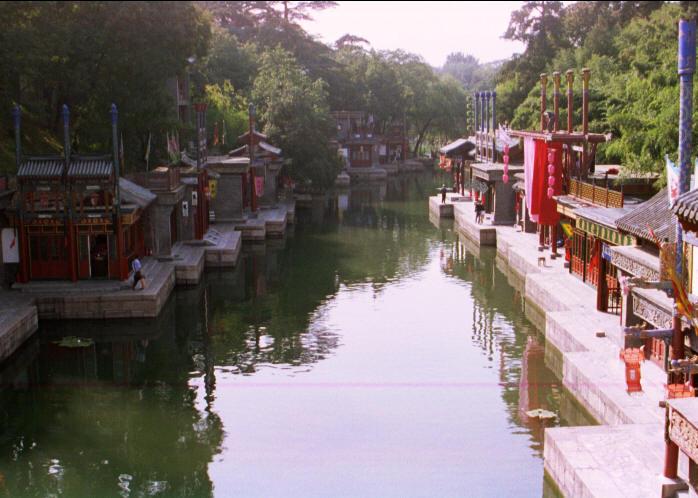
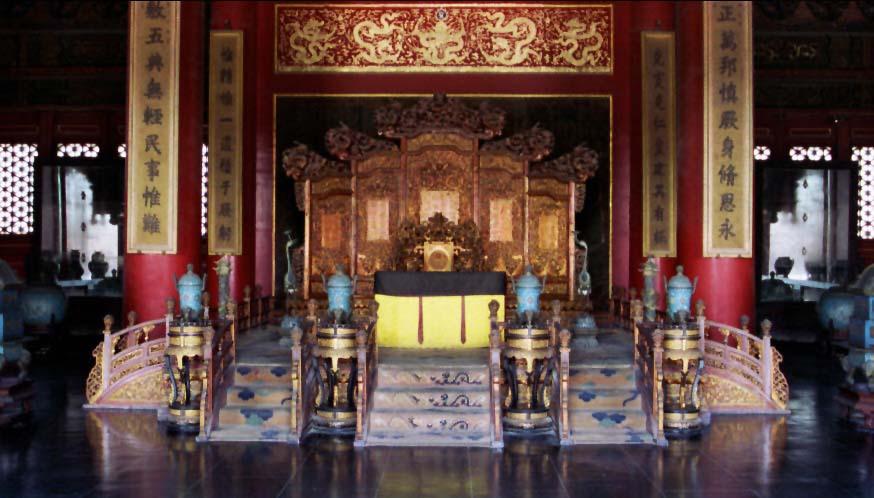
Beijing, the capital of China is not only famous for its duck, but is also home to the Imperial Forbidden City, the Summer Palace and Tianneman Square. After an intense night of bowling and drinking with some guys I met in the hotel where I was staying we went to watch the dawn flag raising ceremony in Tianneman Square (photo 1). We didn't get to see any tanks in the square but the army did some exercises around the area which I joined in with, much to their chagrin. The Imperial Forbidden City (photos 2 - 4) is a massive complex and it is not surprising the people thought their Emperor was removed from them, he was in every regard. This is also reflected in the opulence of the Summer Palace (photos 5 - 9).

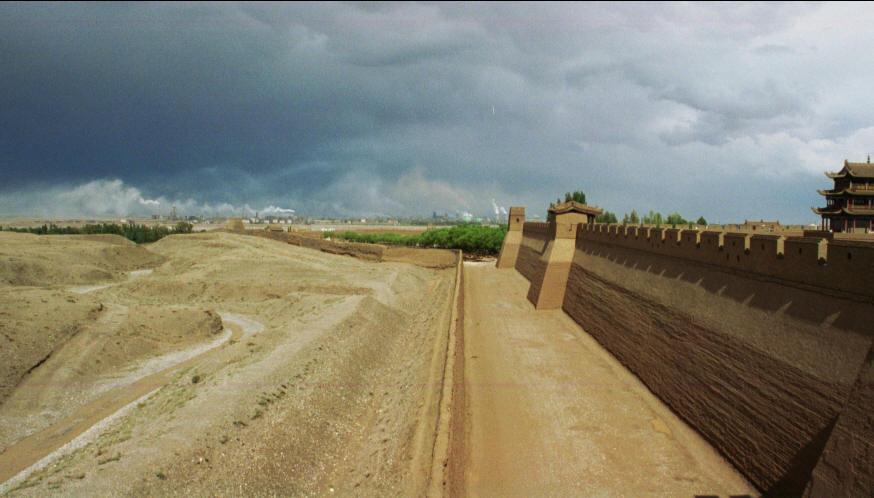
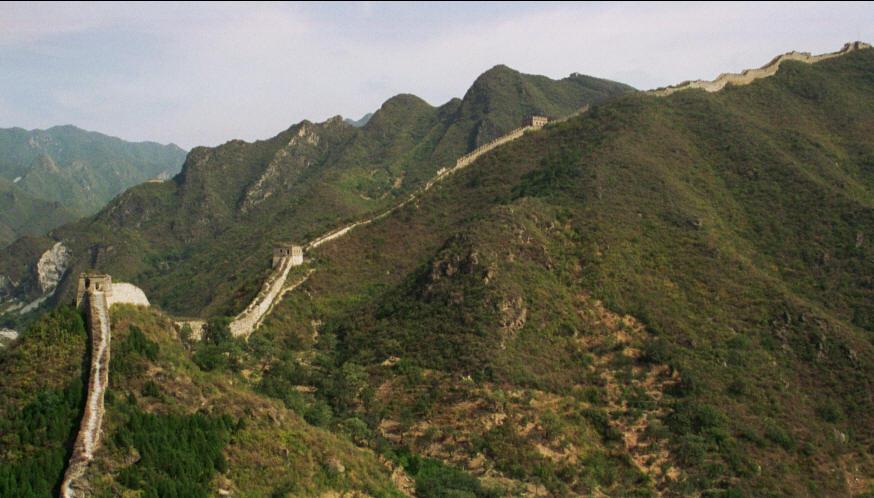
Probably the thing China is most famous for (apart from the food) is its Great Wall. I first saw it at its far western end in Jiayeguan in the desert (photo 1). A year later I saw the eastern end thousands of miles at Huang Gwa where it still stretches for miles in both directions (photos 2 & 3).

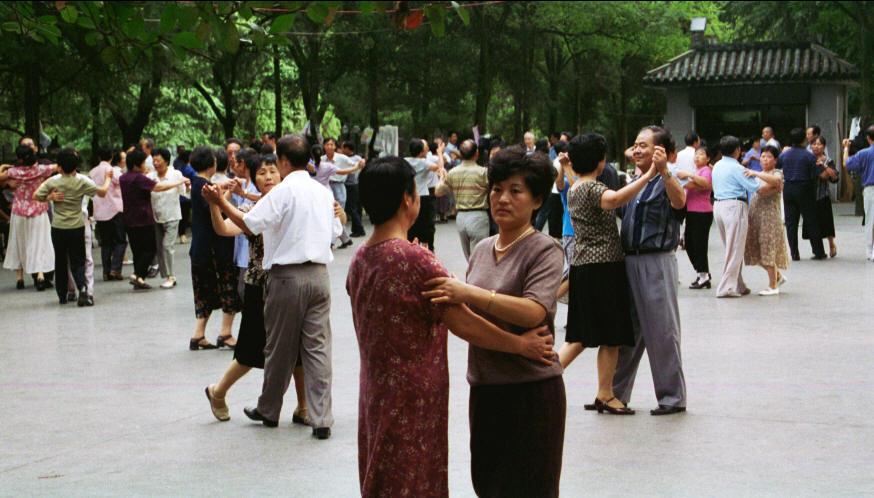
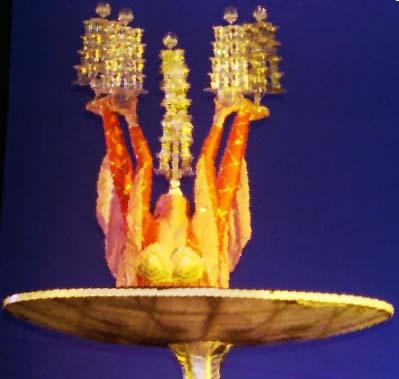
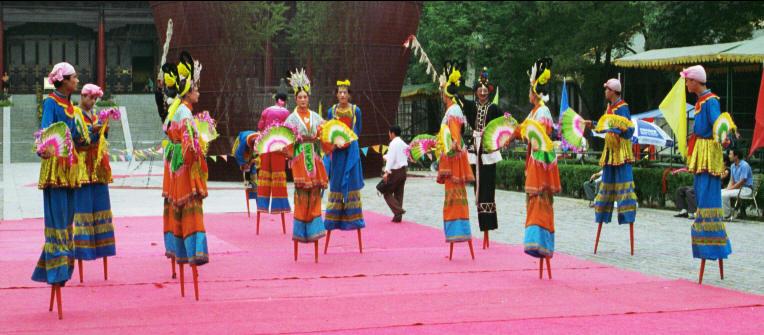
The Chinese seem to be born performers, whether it be ballroom dancing in the parks and open spaces (photo 1), balancing glasses and spinning tea towels on show (photos 2 & 3) or clowning around on stilts (photo 4). For those occasions when the performance is lacking though the Chinese provide as I found on a train (photo 5).