Cook Islands
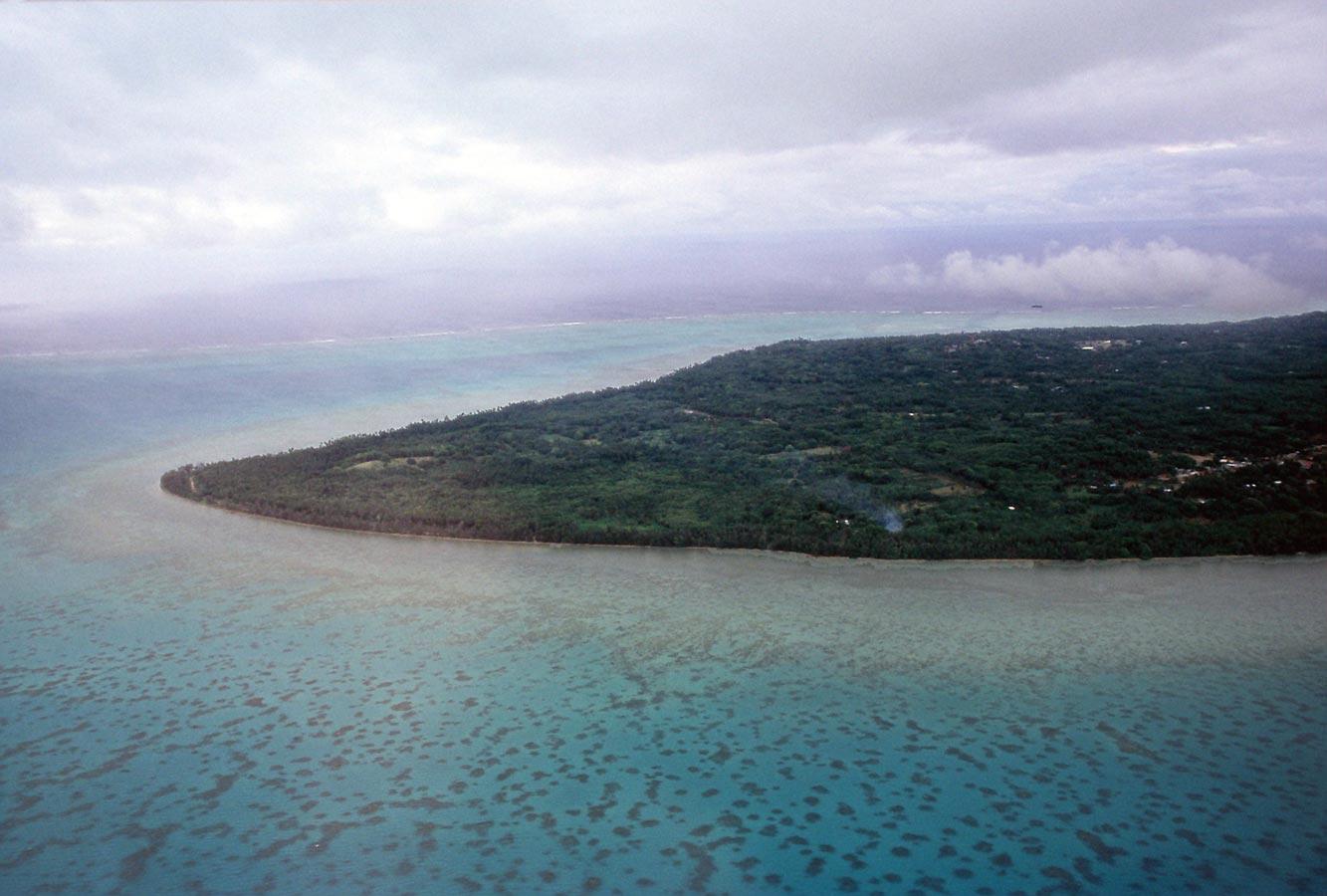
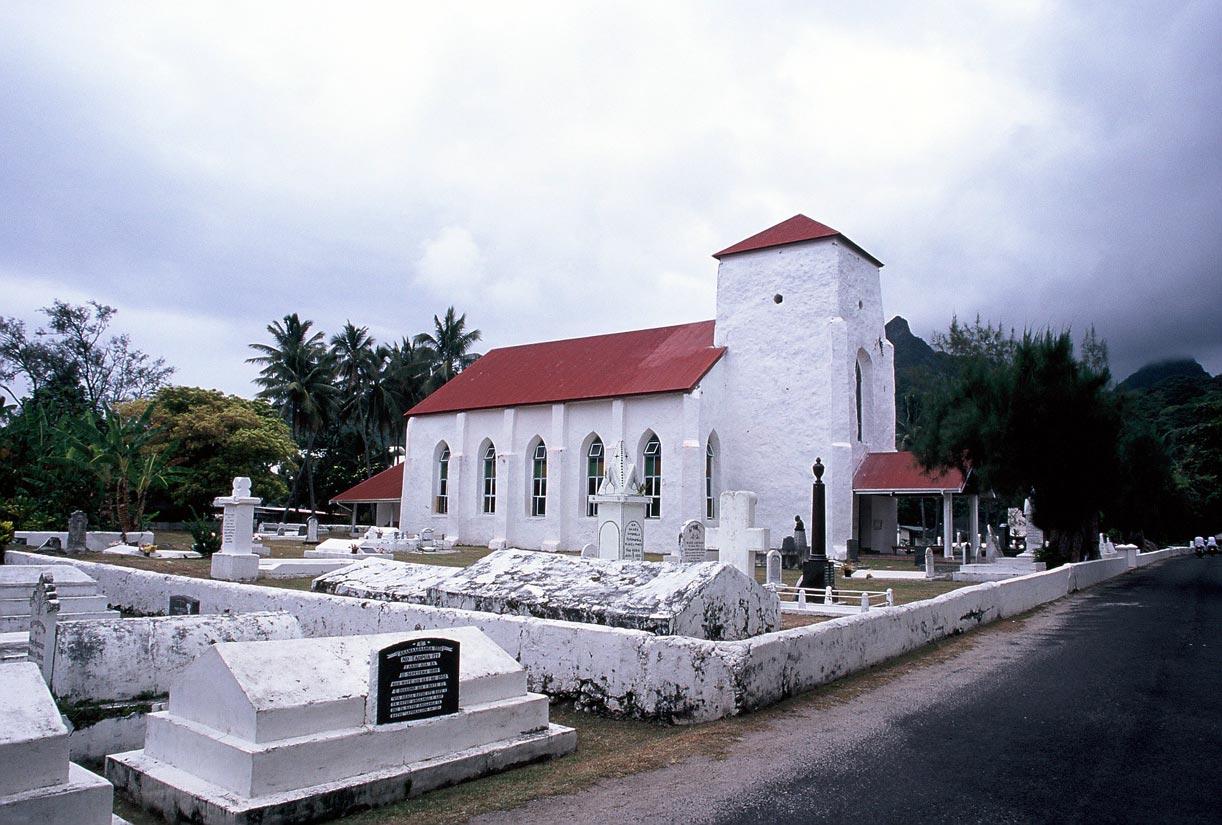
I visited just two islands of the Cook Islands. This is a country that covers an area approximately the size of the continental USA, with a population of just fifteen thousand people. The people are fantastically hospitable and interesting to talk with.I landed on the capital island of Rarotonga, where four fifths of the total population can be found (photo 1). As with the majority of the Pacific Countries, missionaries and churches have eroded the indigenous culture and created a number of problems. The London Missionary Society was the first big church in the Cook Islands, though now there are at least thirty-four different churches competing for congregants (photo 2).
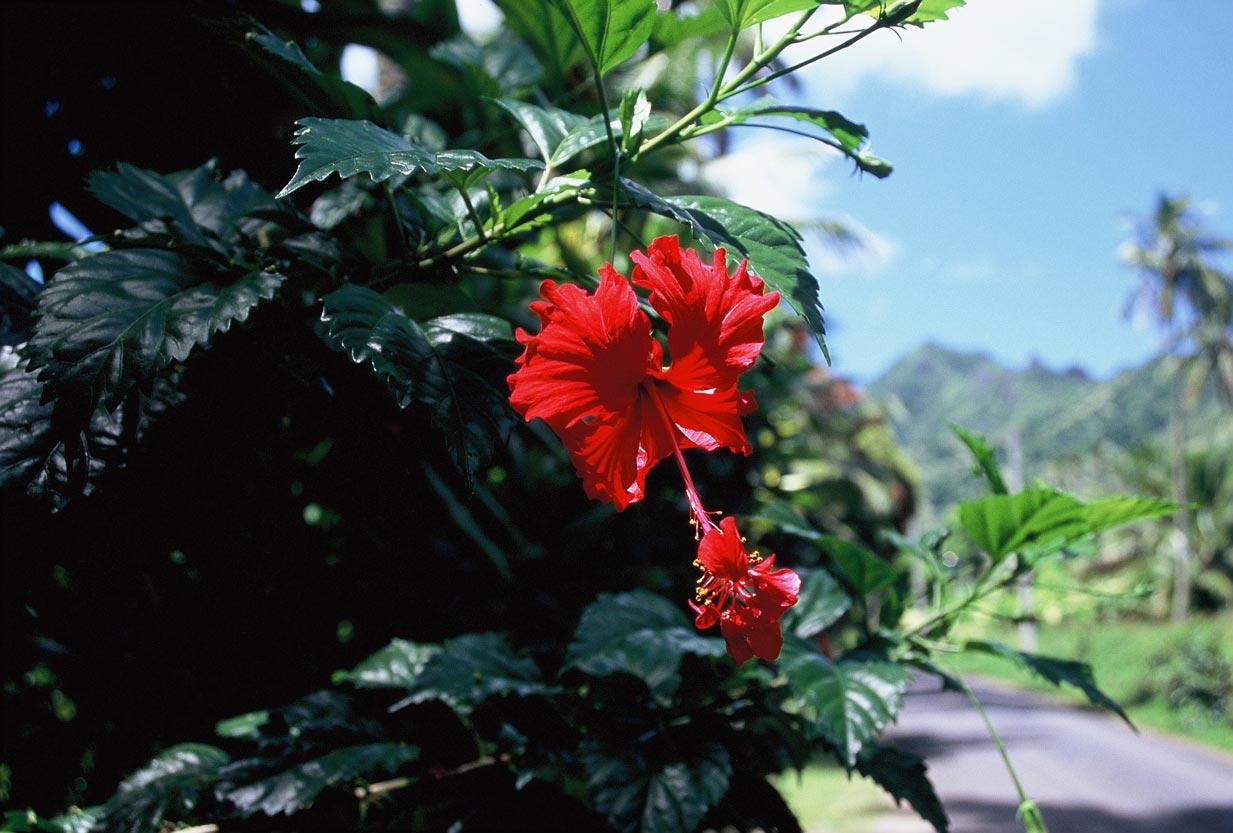
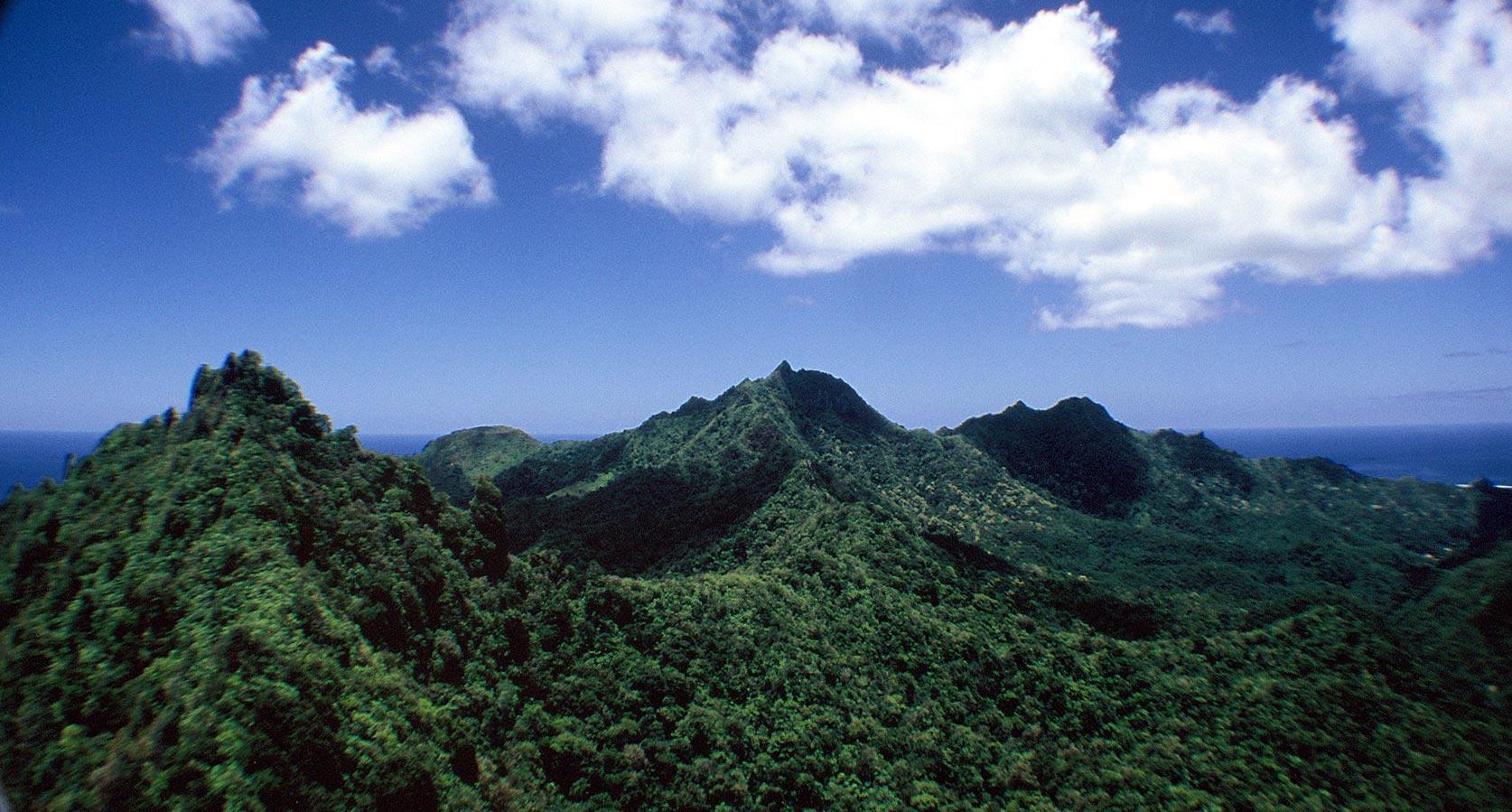
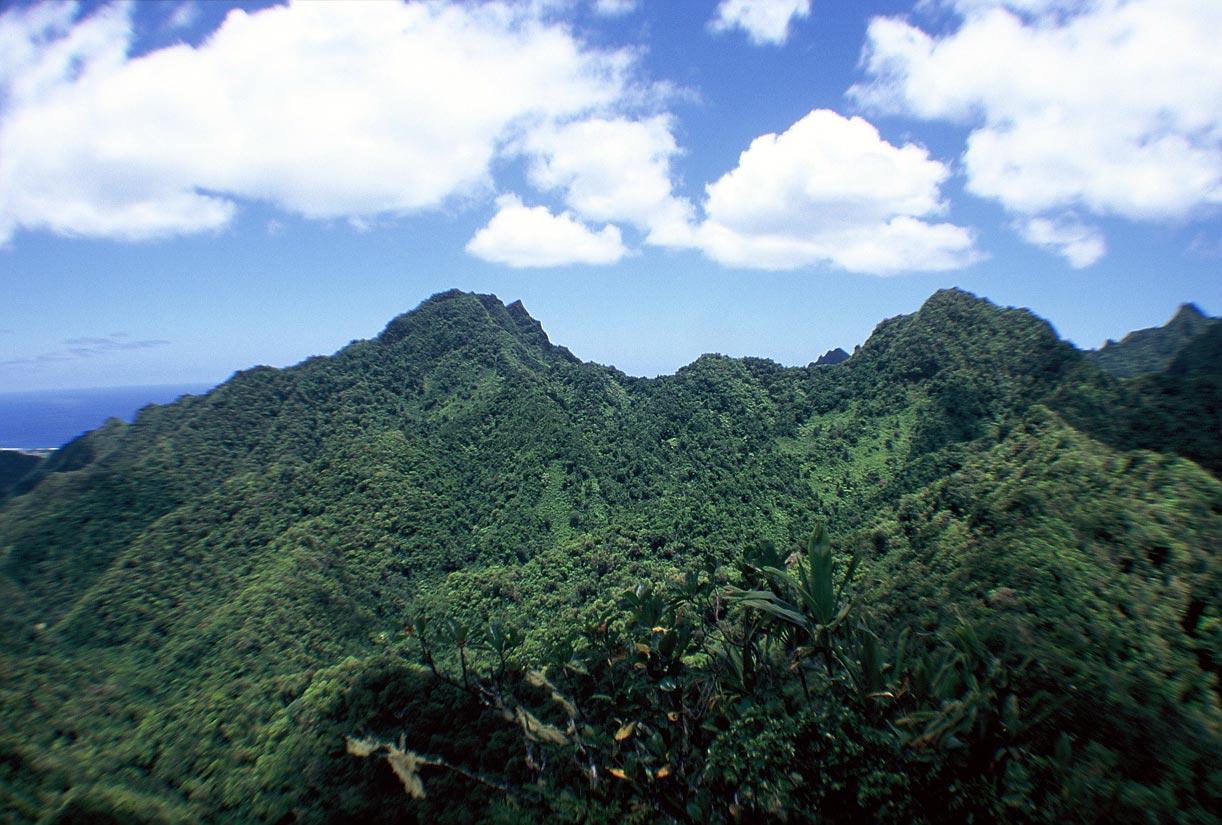
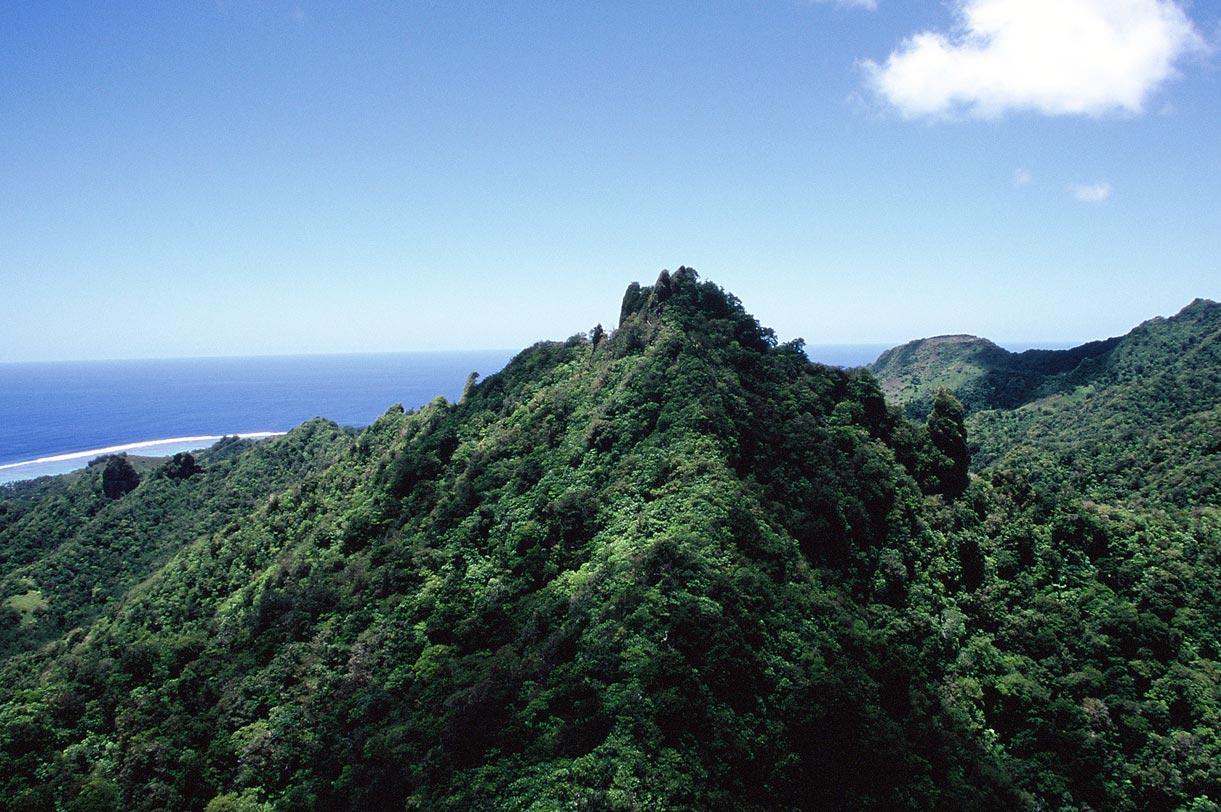
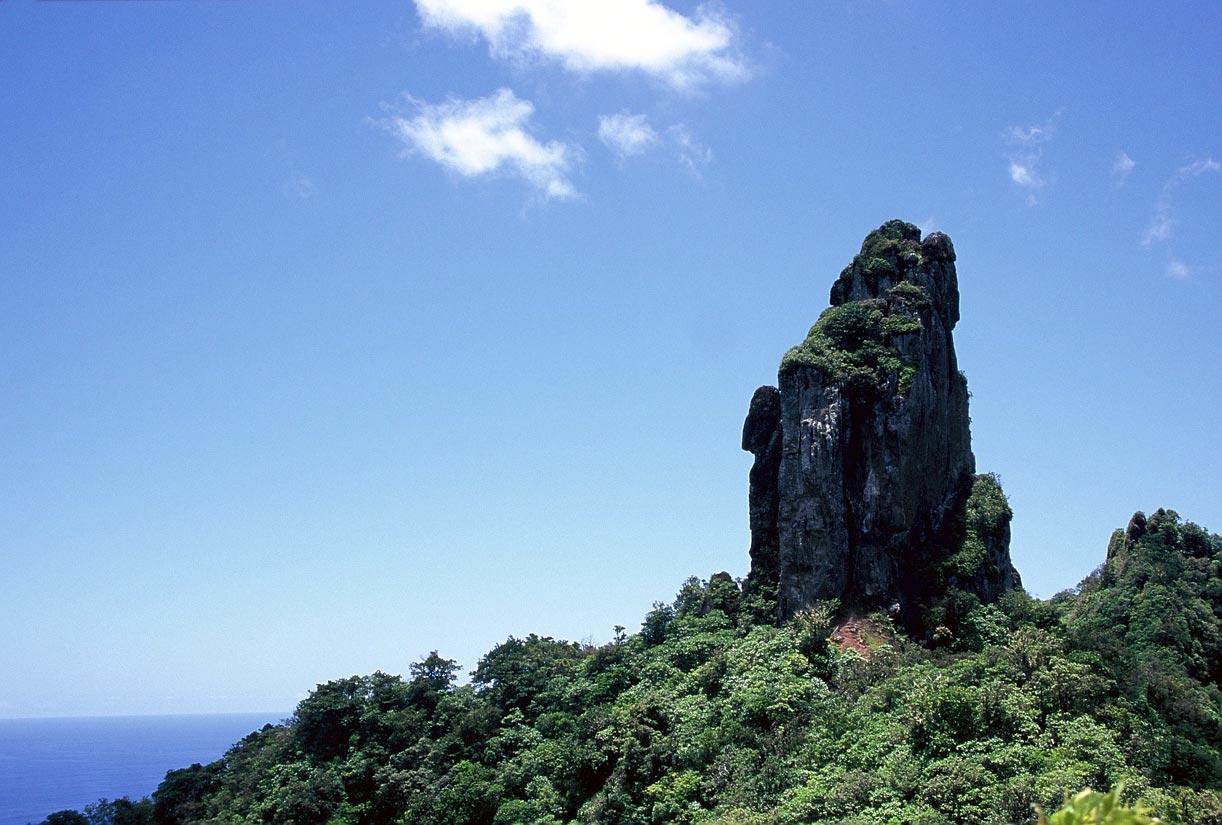
One day I decided to do the Cross Island Walk, which takes a couple of hours, going over the central highlands and back down the other side. In a number of locations, beautiful hibiscus flowers can be seen (photo 1). Then the views from The Needle, a vantage point in the middle are very lovely (photos 2-5).
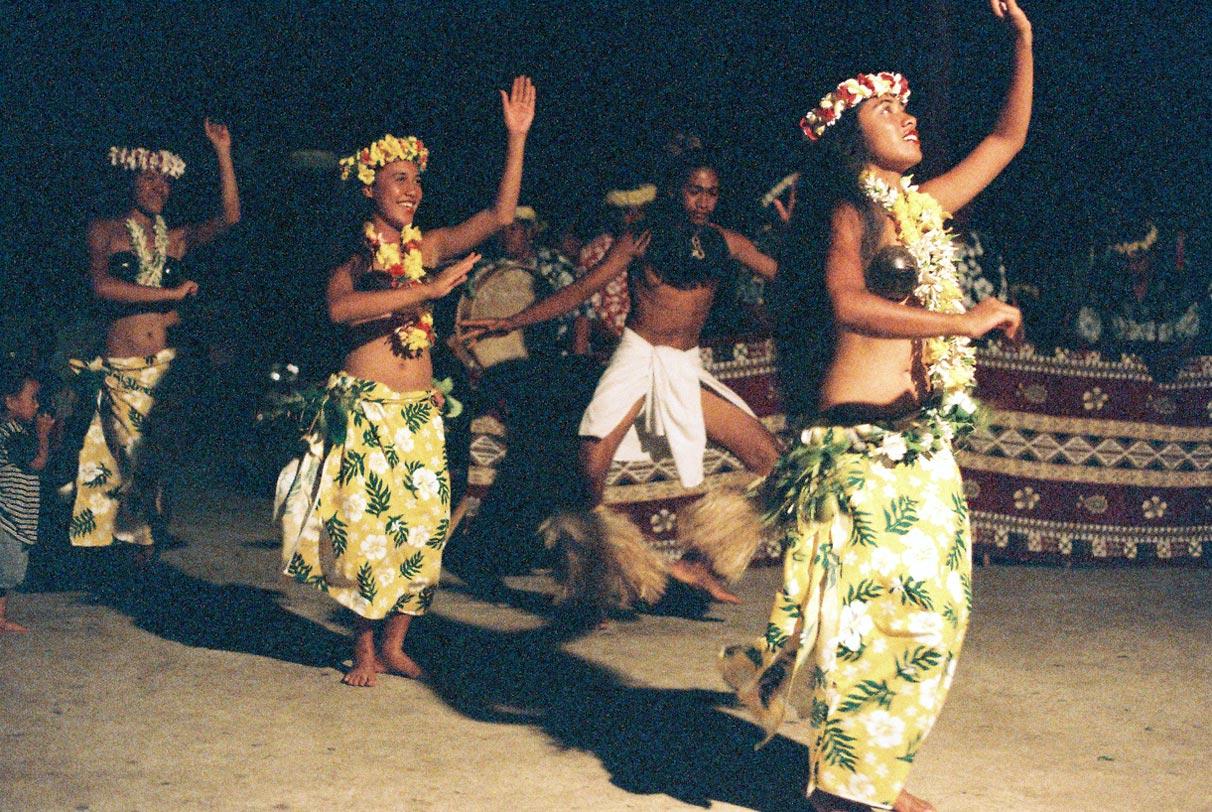
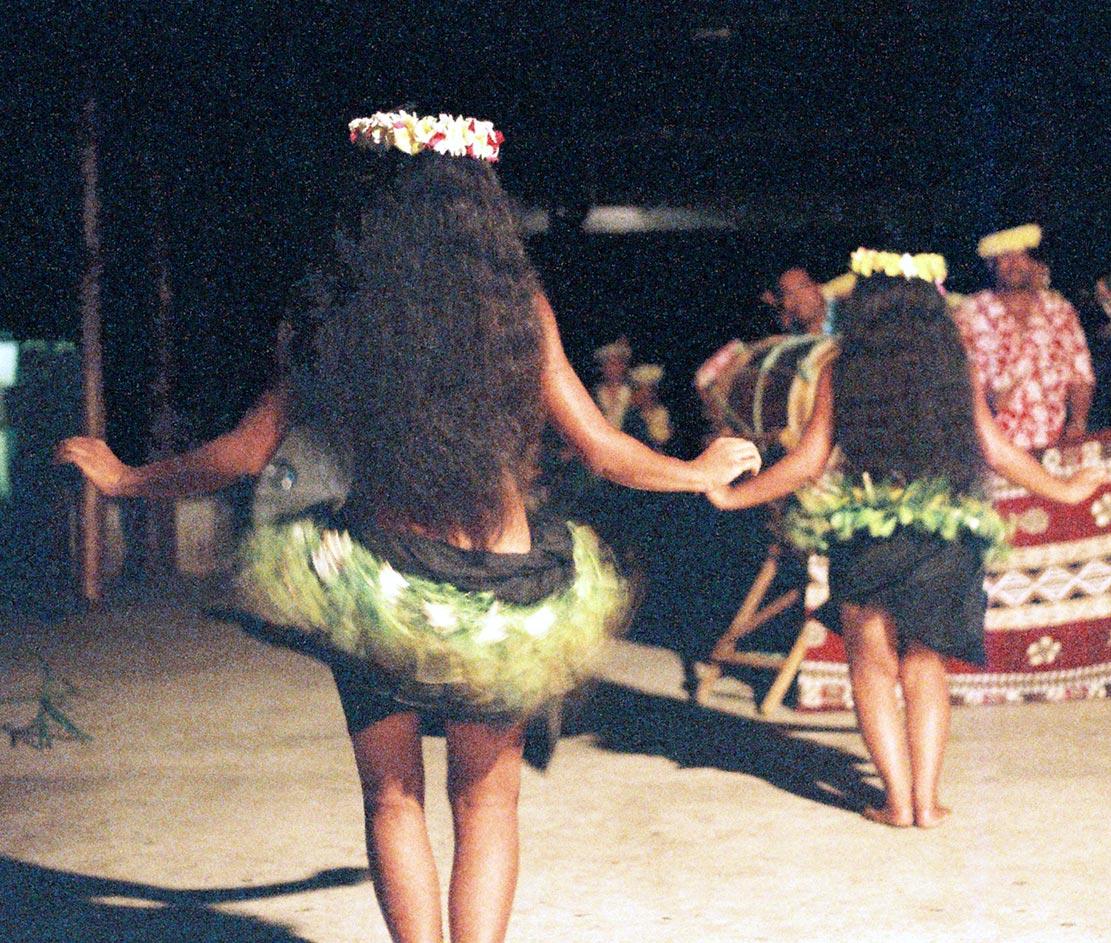
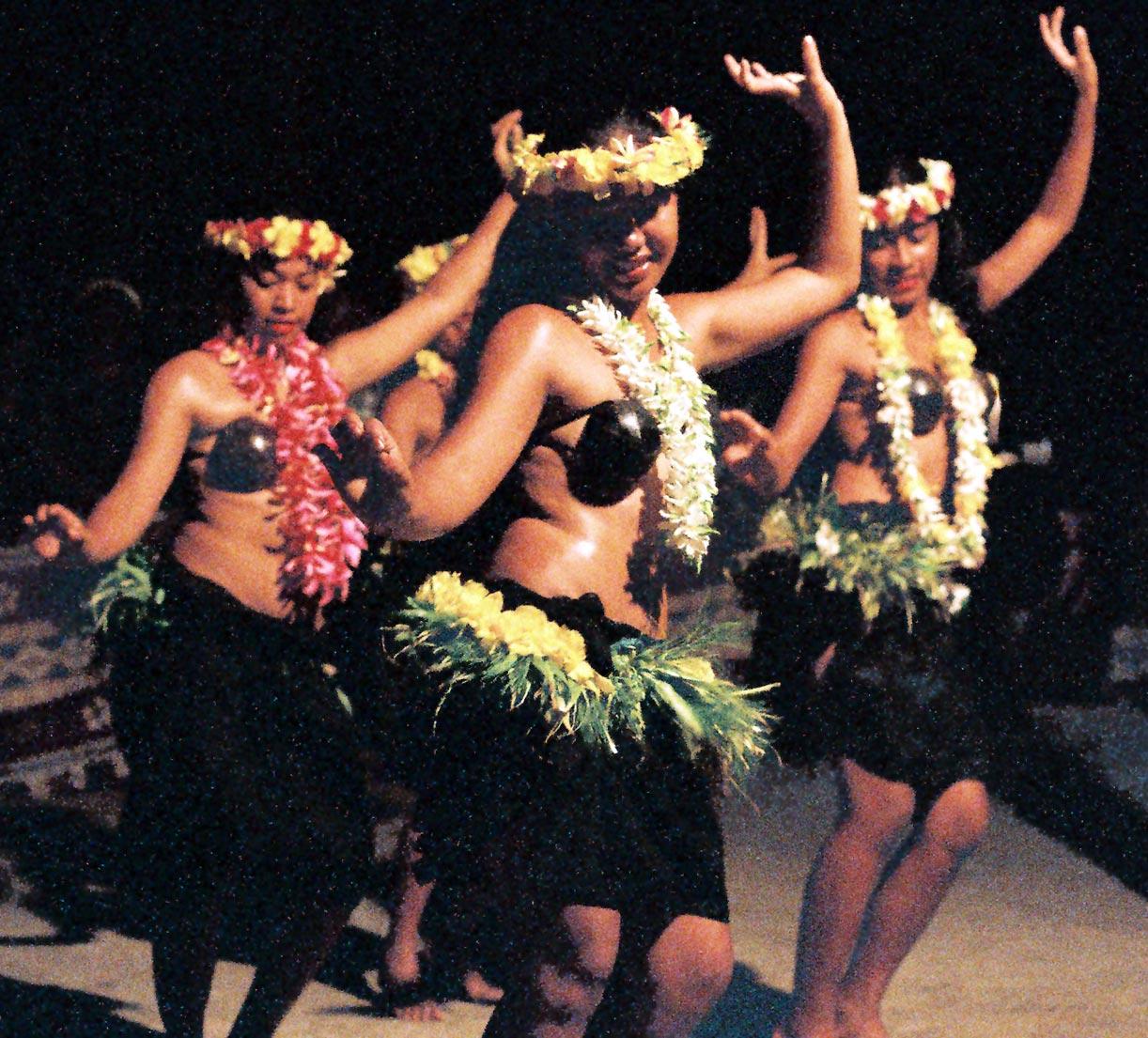
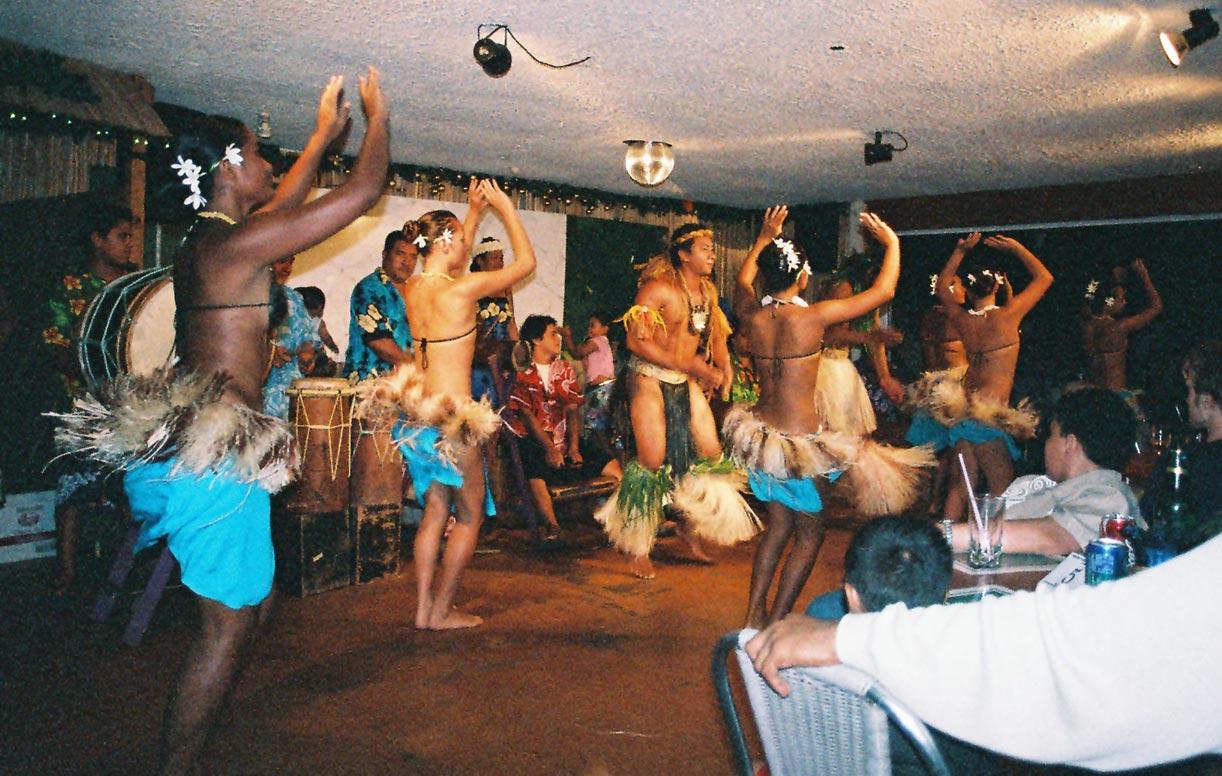
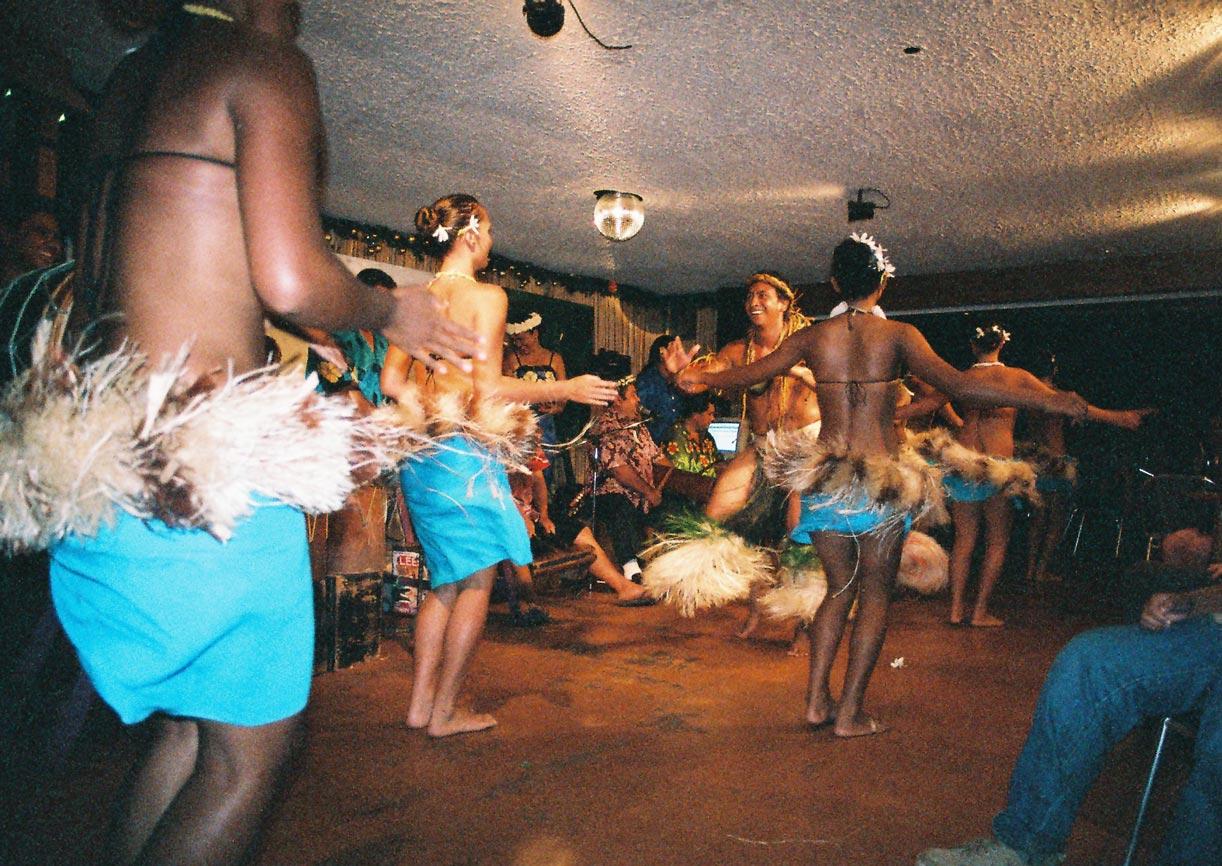
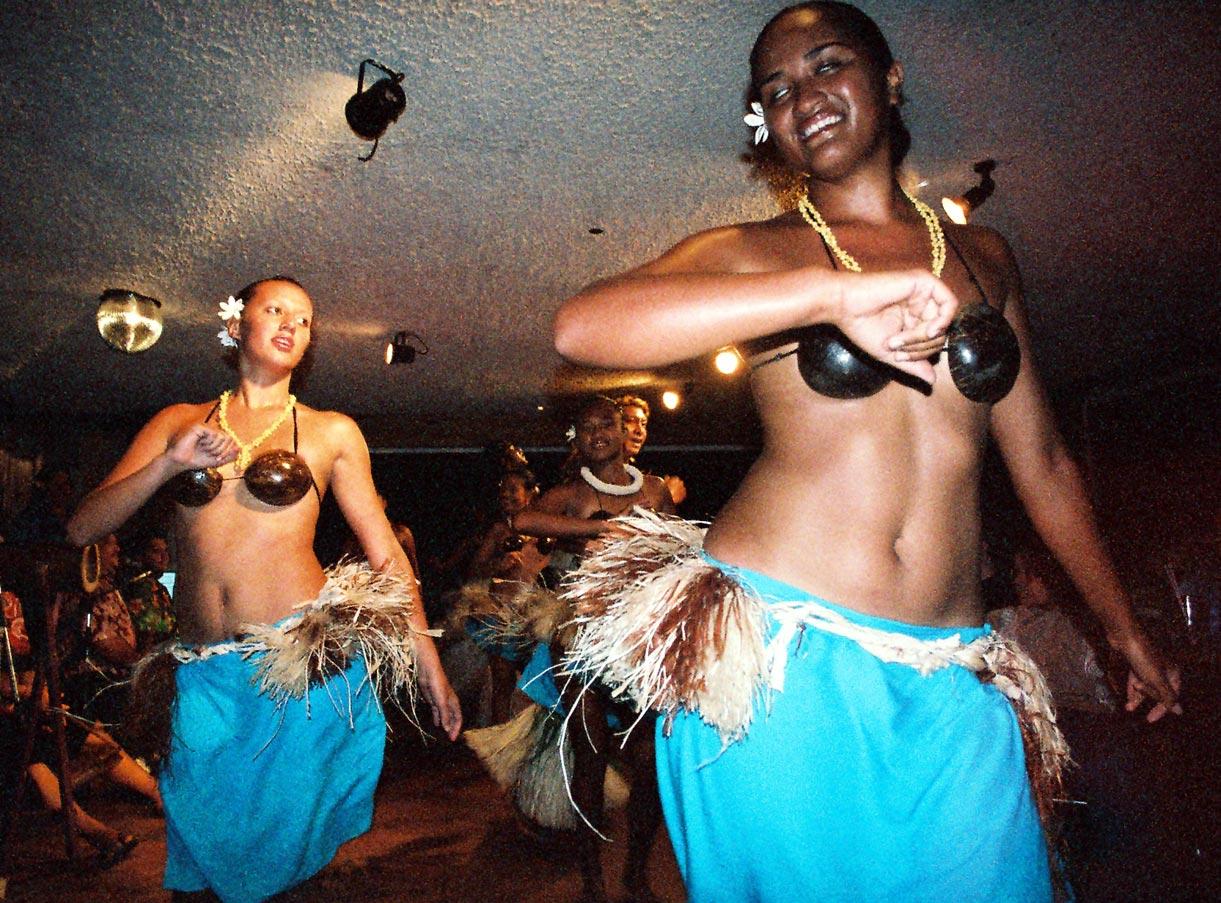
As with most Polynesian countries, the Cook Islanders enjoy dancing. Watching them do displays of their traditional dances is fun and instructional. Watching girls in coconut bikinis and little skirts rhythmically shaking their arses is not bad either (photos 1-3).
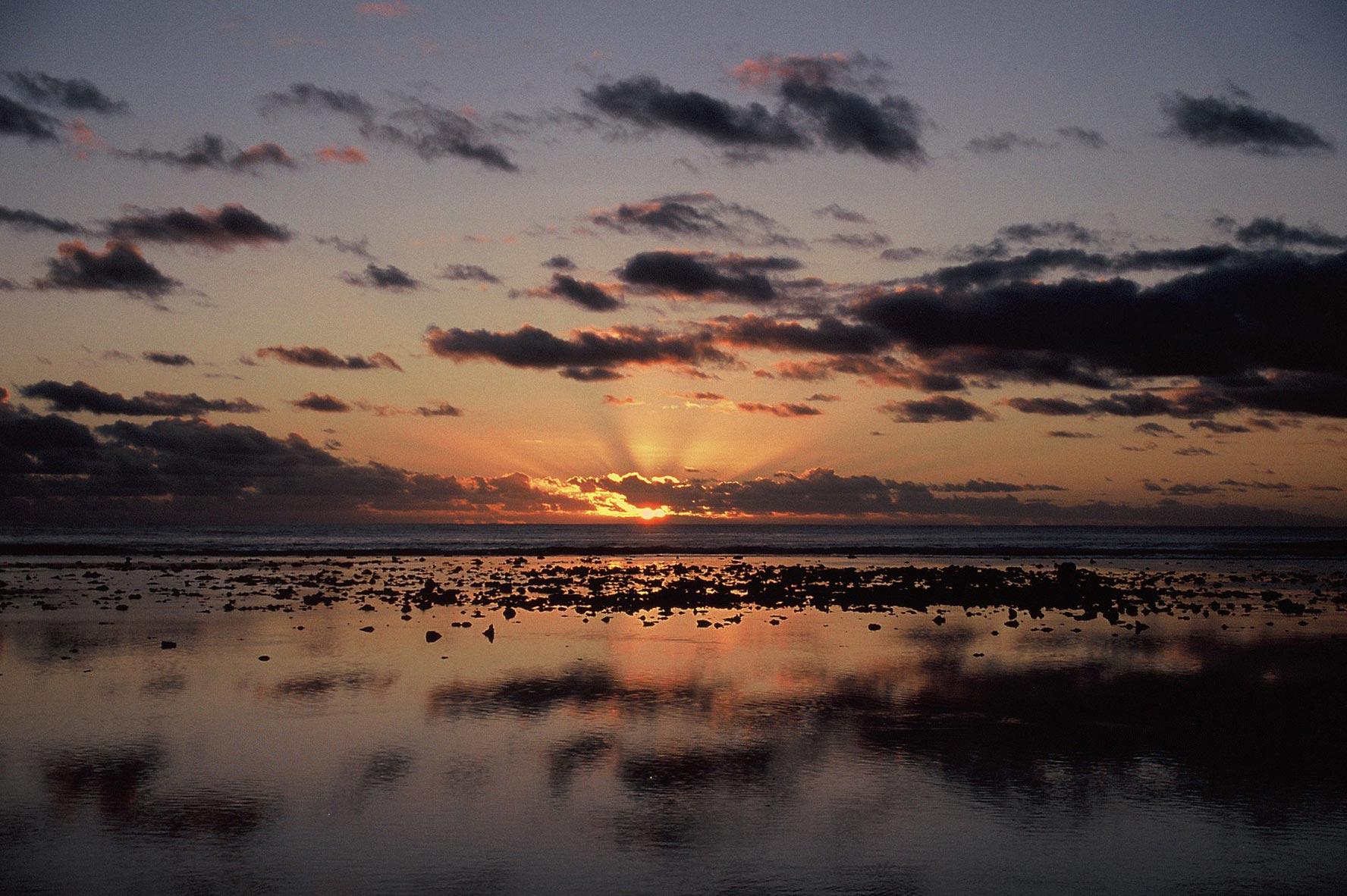
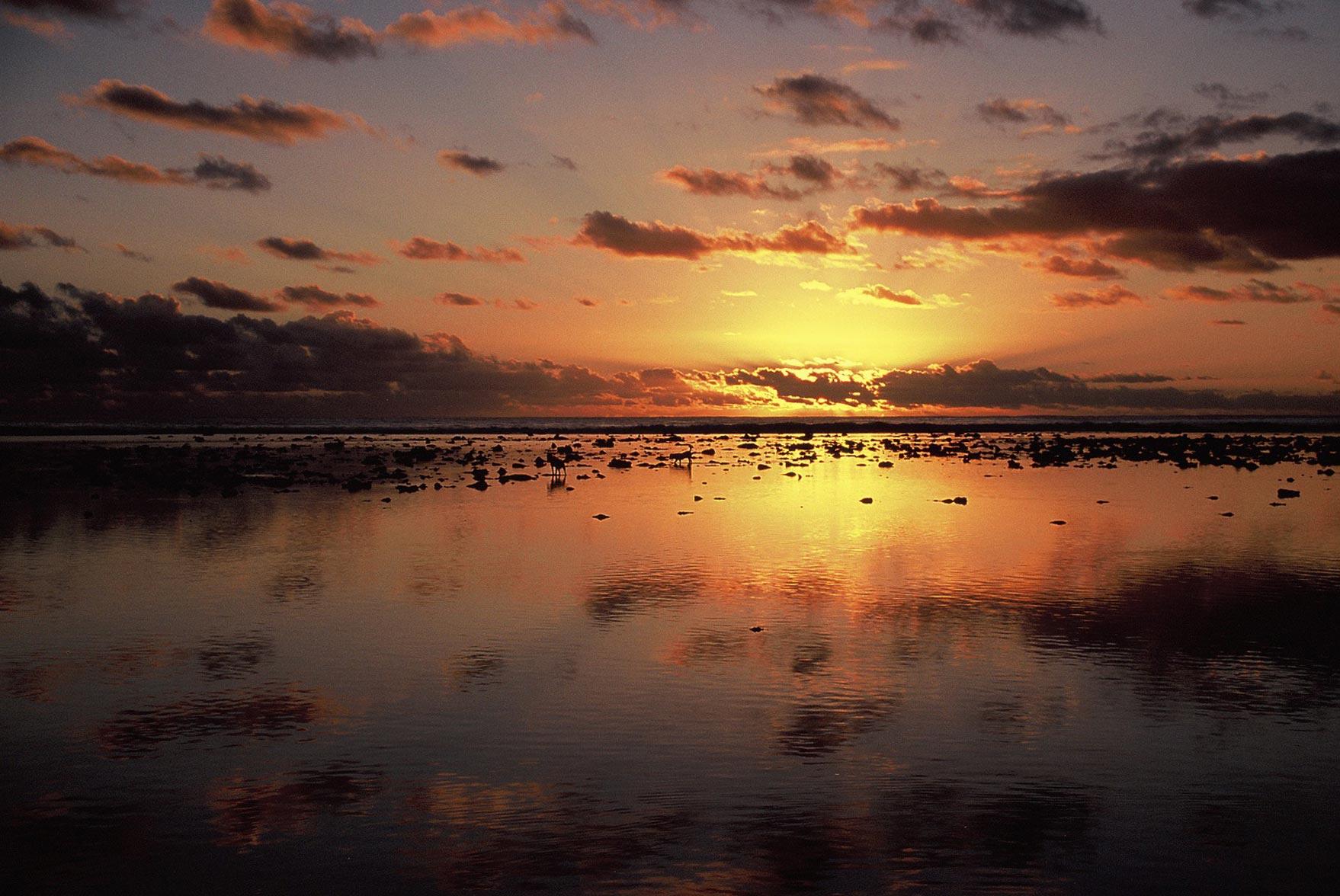
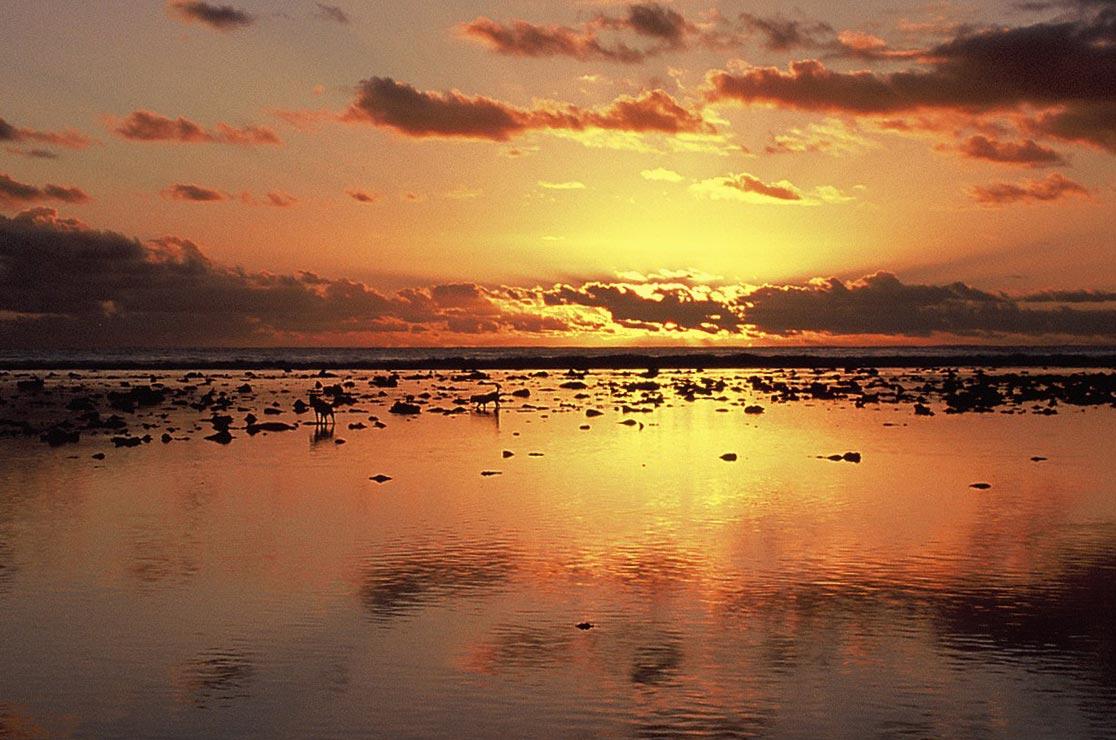
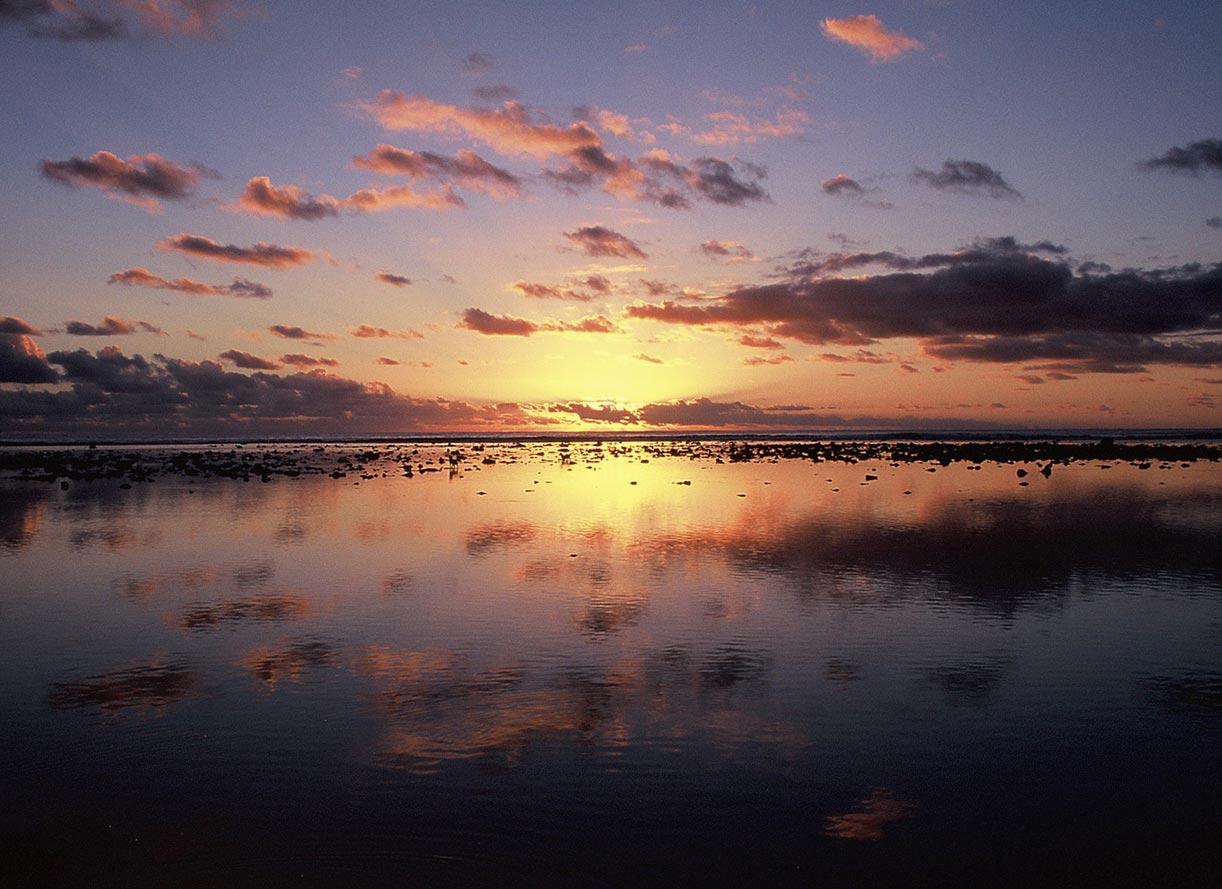
The sunsets over the fringing reef could be quite spectacular some nights. Sometimes, when the tide was out, the dogs could be seen out fishing (photos 1-4).
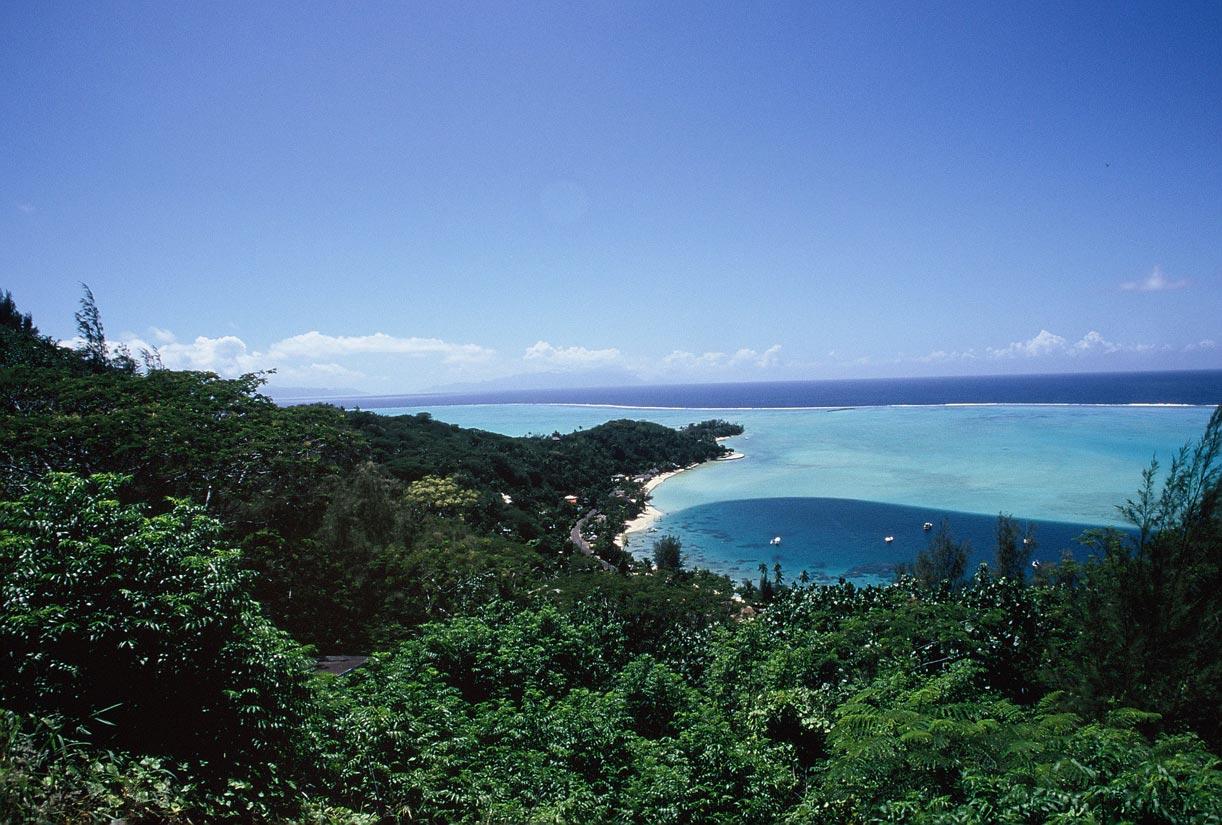
The second island I visited was Aitutaki, an even more laid back, attractive island, with a sheltered lagoon.
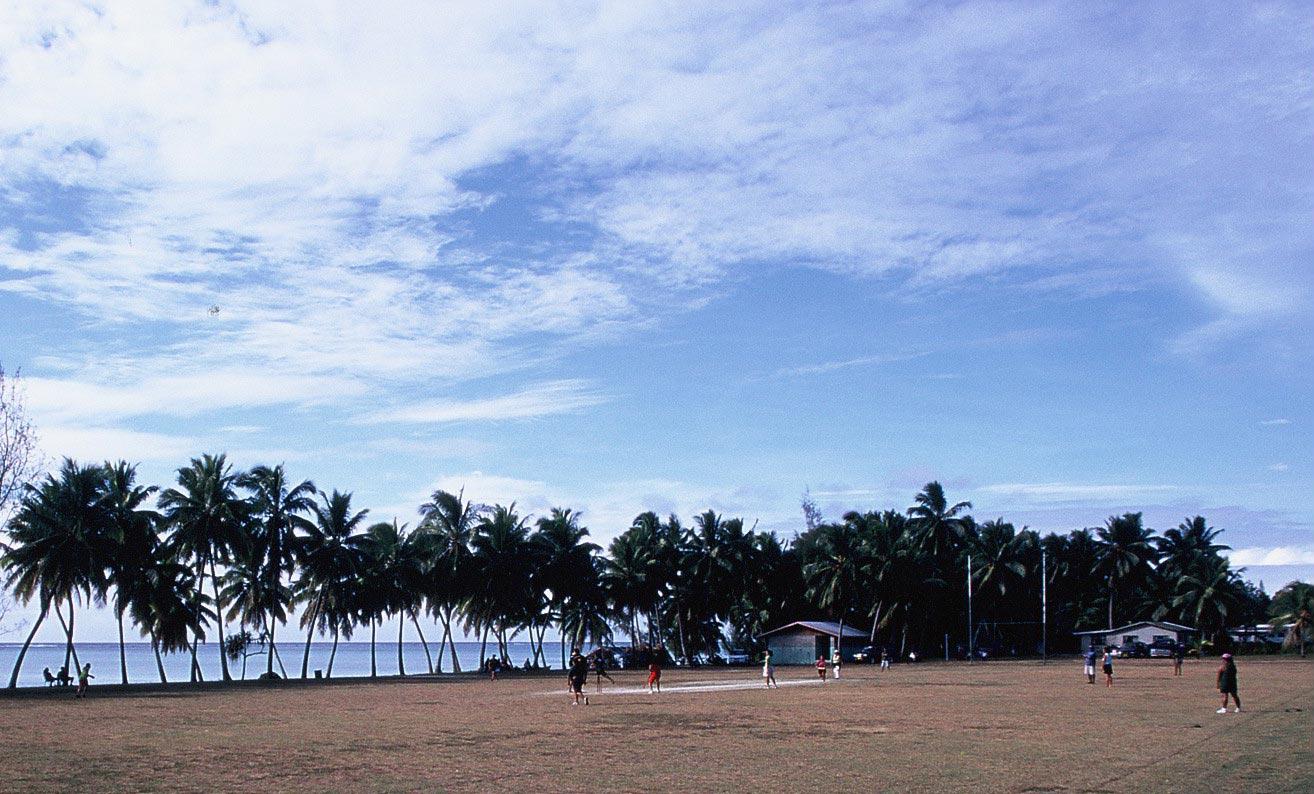
Rugby and cricket are favourite pastimes for Cook Islanders.
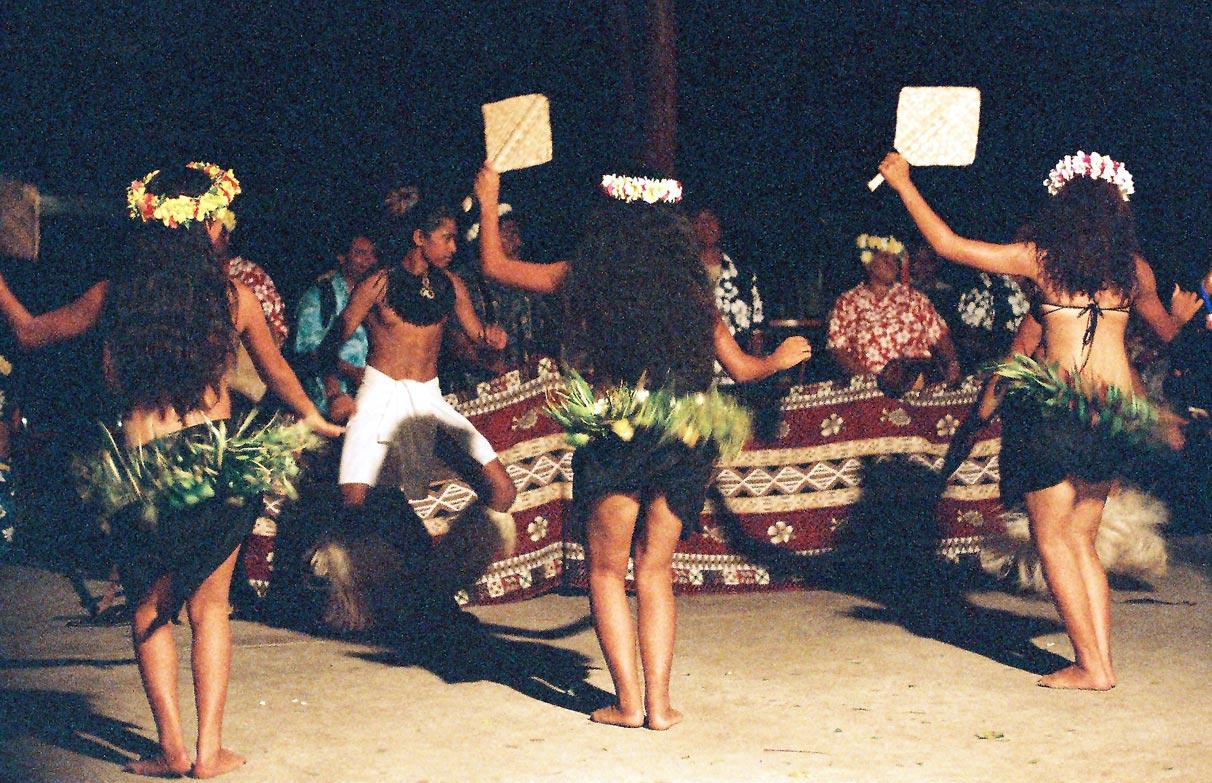
On Aitutaki, I attended another cultural show. Although some of the dances were similar, the majority of the performers were teenagers or younger. It was also less formal and many of the locals turned up and joined in at times. At the end, many of the locals took over, enjoying themselves with some dancing.