Guatemala
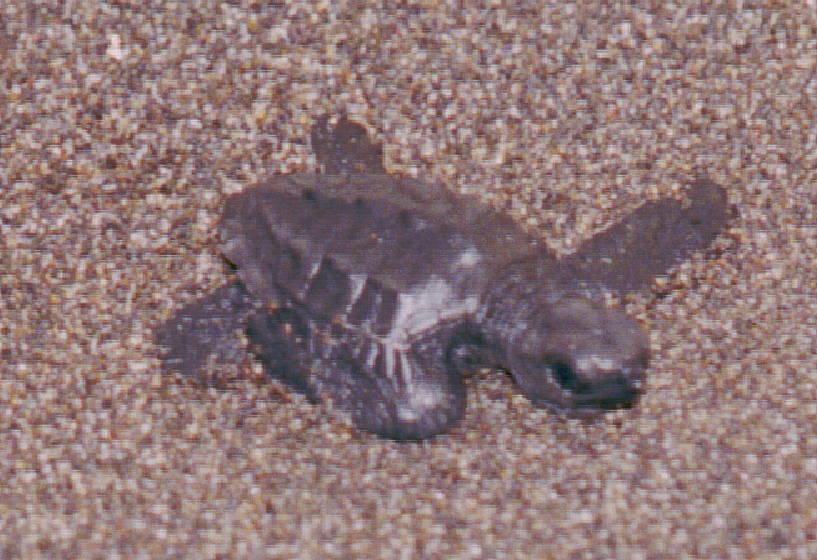
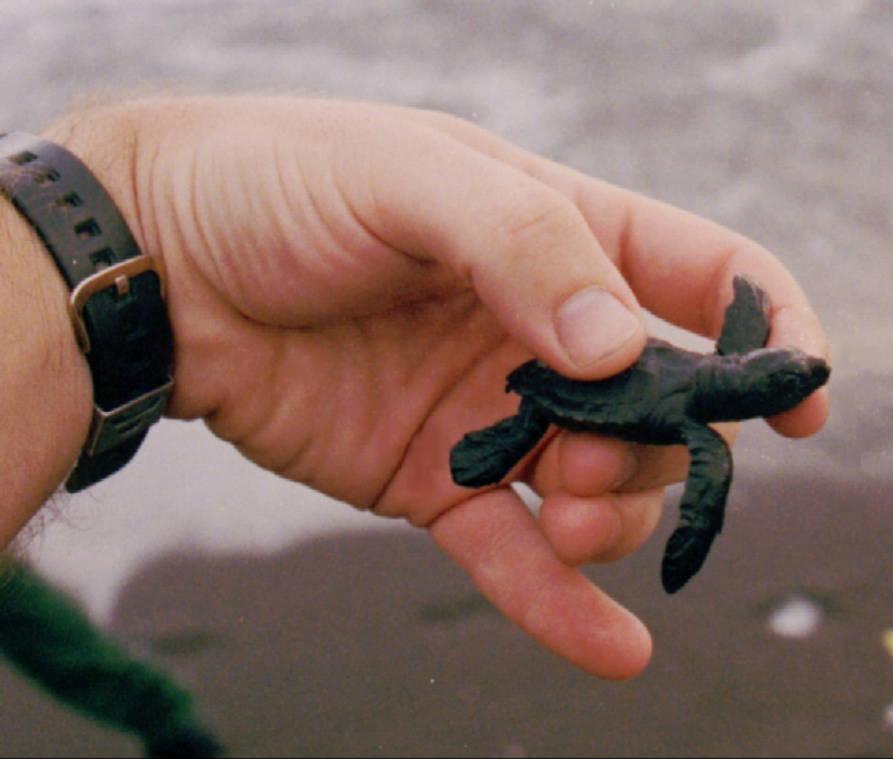
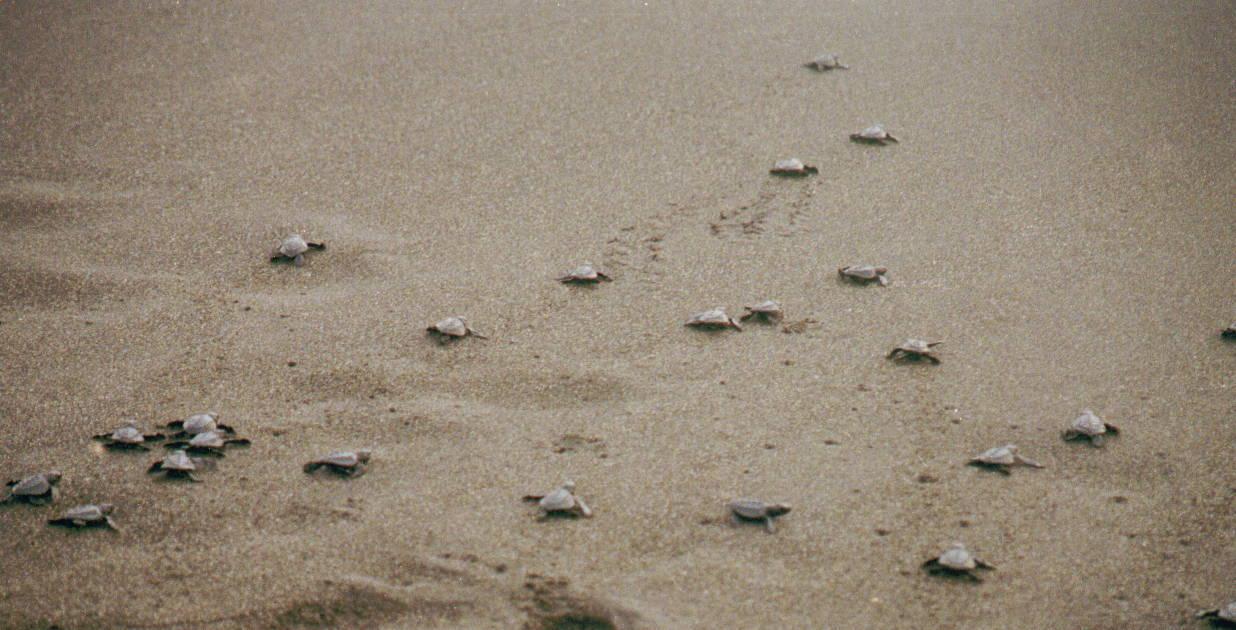
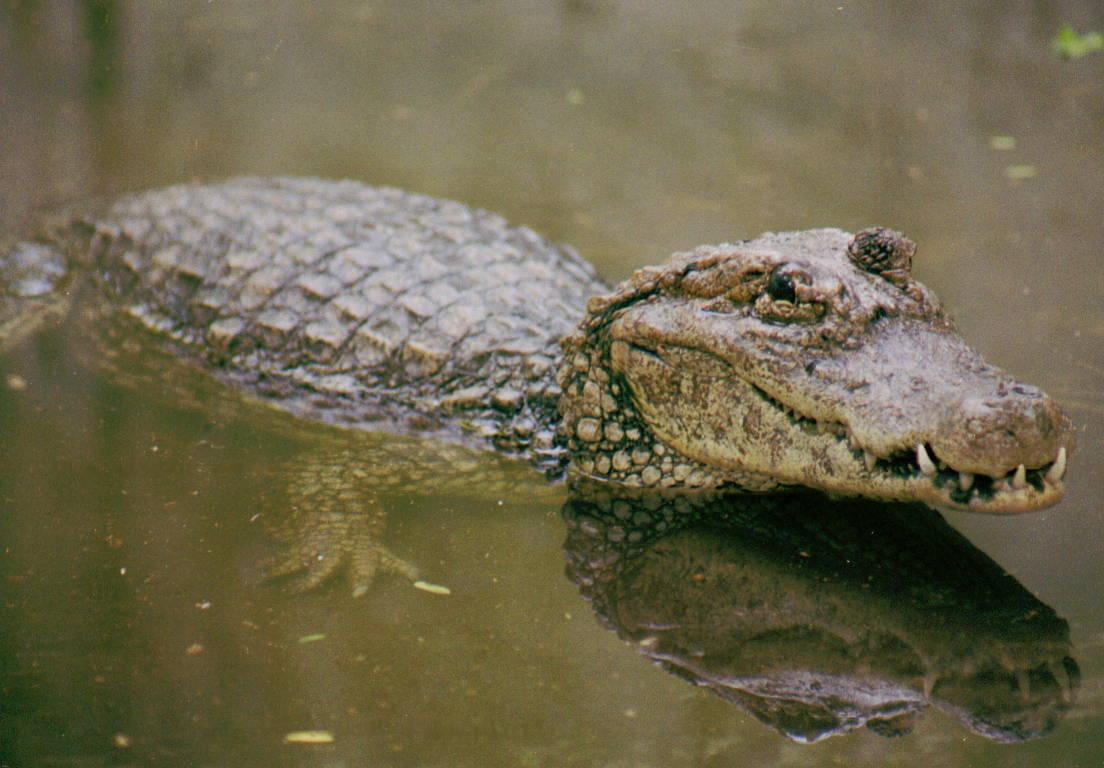
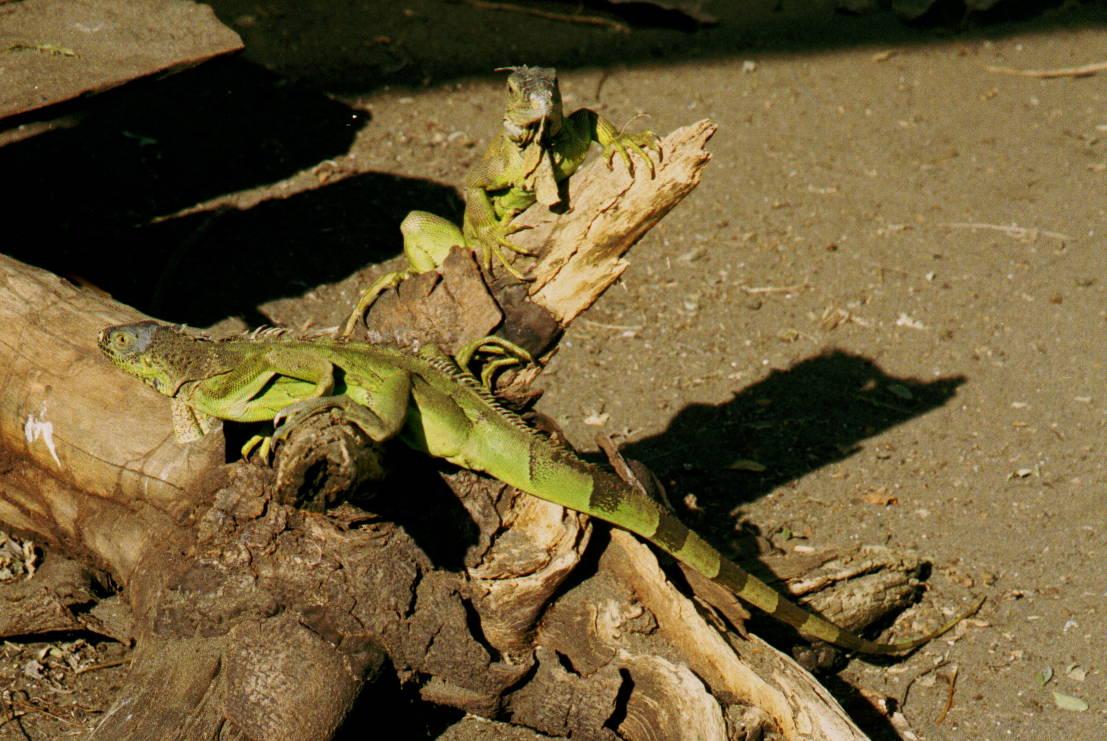
My first stop in Guatemala was Monterrico where I witnessed and even participated in a bizarre race with some particularly young competitors. The participants were recently hatched olive ridley turtles (photo 1). The race takes place weekly at the beach in front of the local wildlife reserve. The turtle race (photo 3) is a way of raising money and awareness for the wildlife reserve as people buy a hatchling for the competition with the prospect of winning a t-shirt. In the second photo below one can see just how tiny these little things are as that is my hand holding it. Some of the turtles that have been tagged and released here have been seen in the Galapagos islands, a boody long swim from Guatemala. In the reserve there are also caymans (photo 4) and green iguanas to see (photo 5).
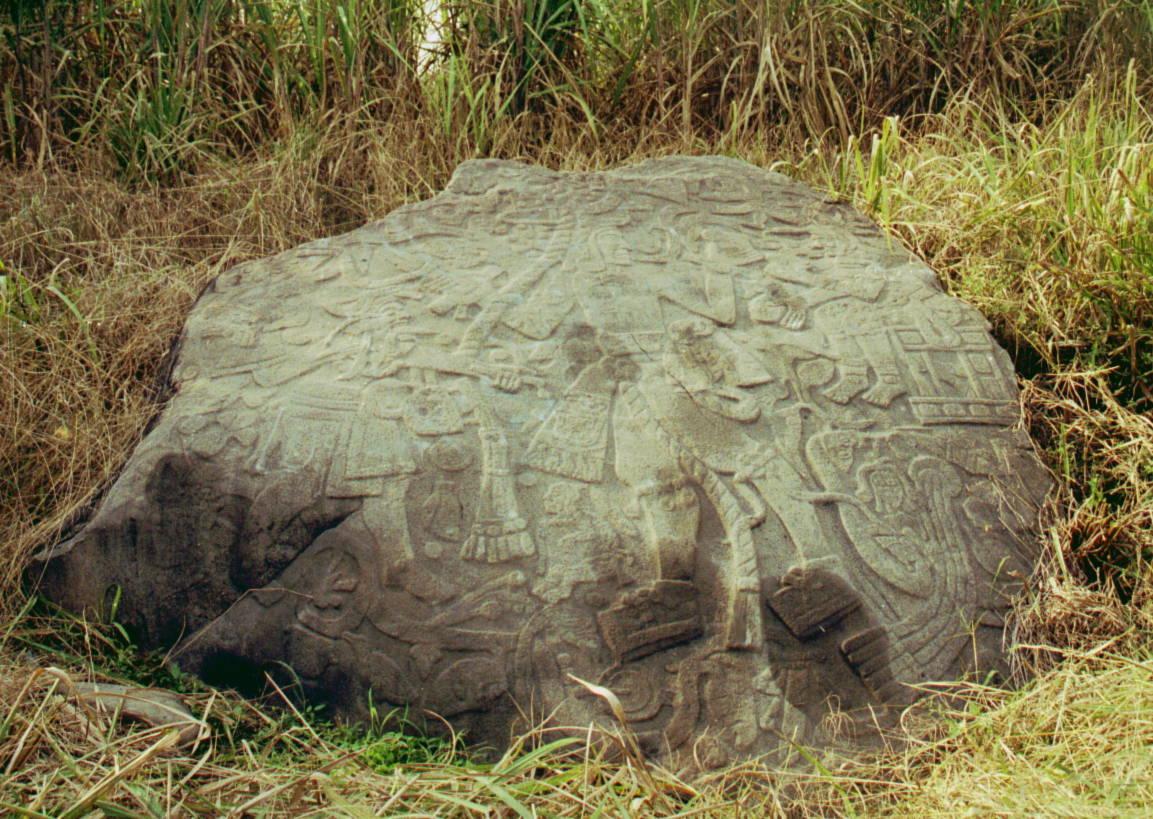
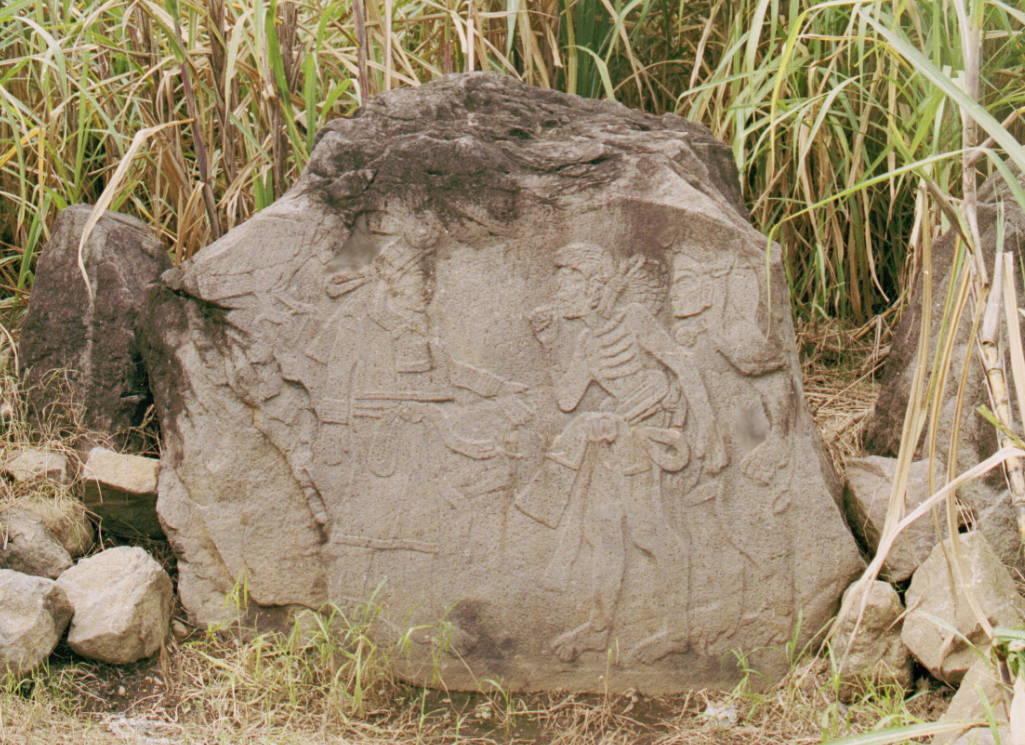
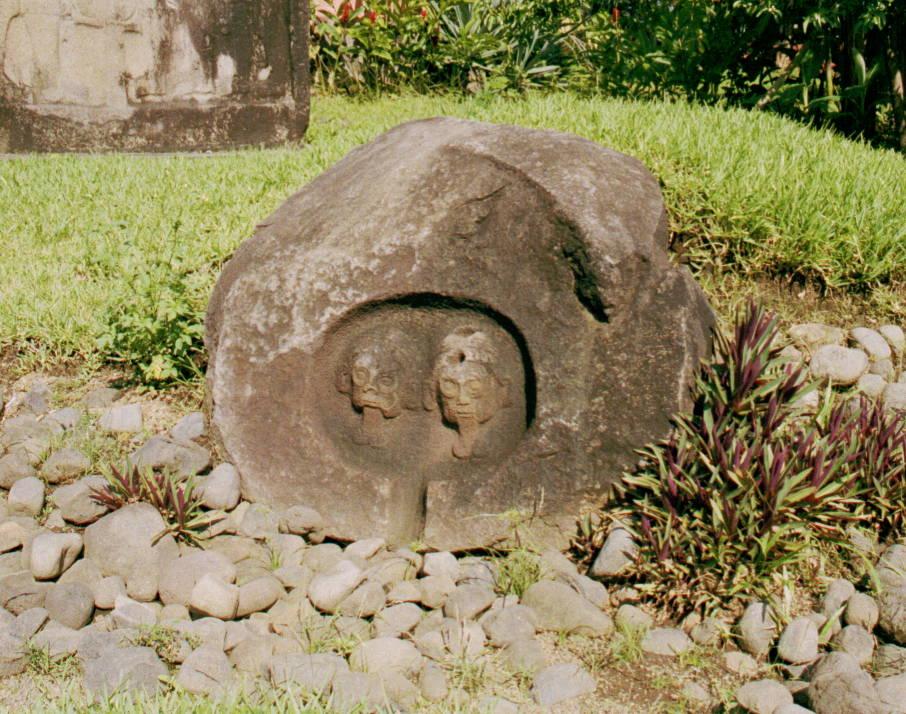
Near the friendly little town of Santa Lucia Cotzumalguapa are several pre-Mayan, Olmec influenced sites. The first I visited was Bilbao's petroglyphs which required local assistance to find as they were in a sugar cane plantation. The first petroglyph (photo 1) shows what archaeologists believe is a ball player (centre) making an offering to a royal personage (right) and receiving assistance from a sorcerer (left). The second petroglyph (photo 2) shows another three characters two of which are anamorphic figures (left and right) and and the other seems to represent death or famine (centre).
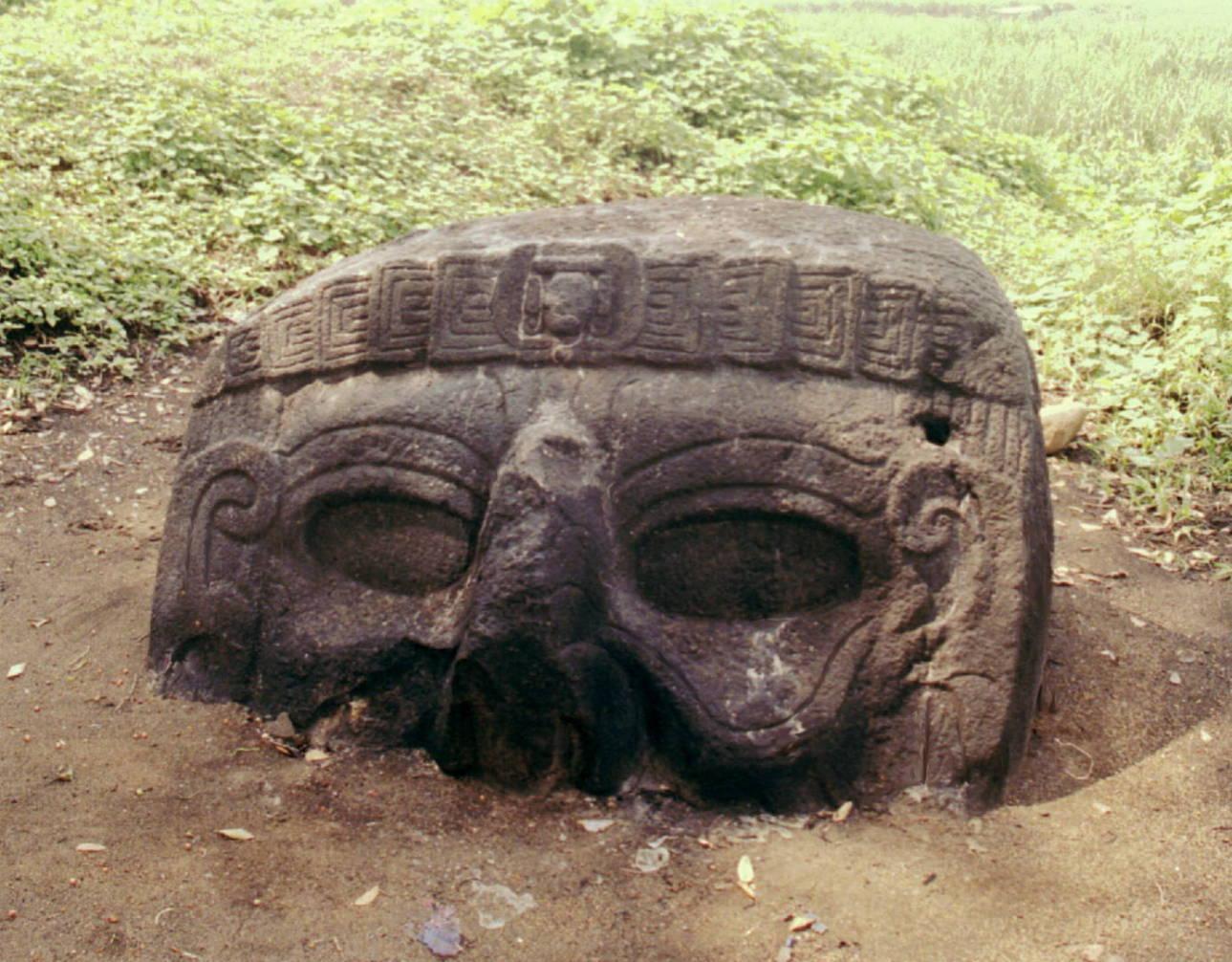
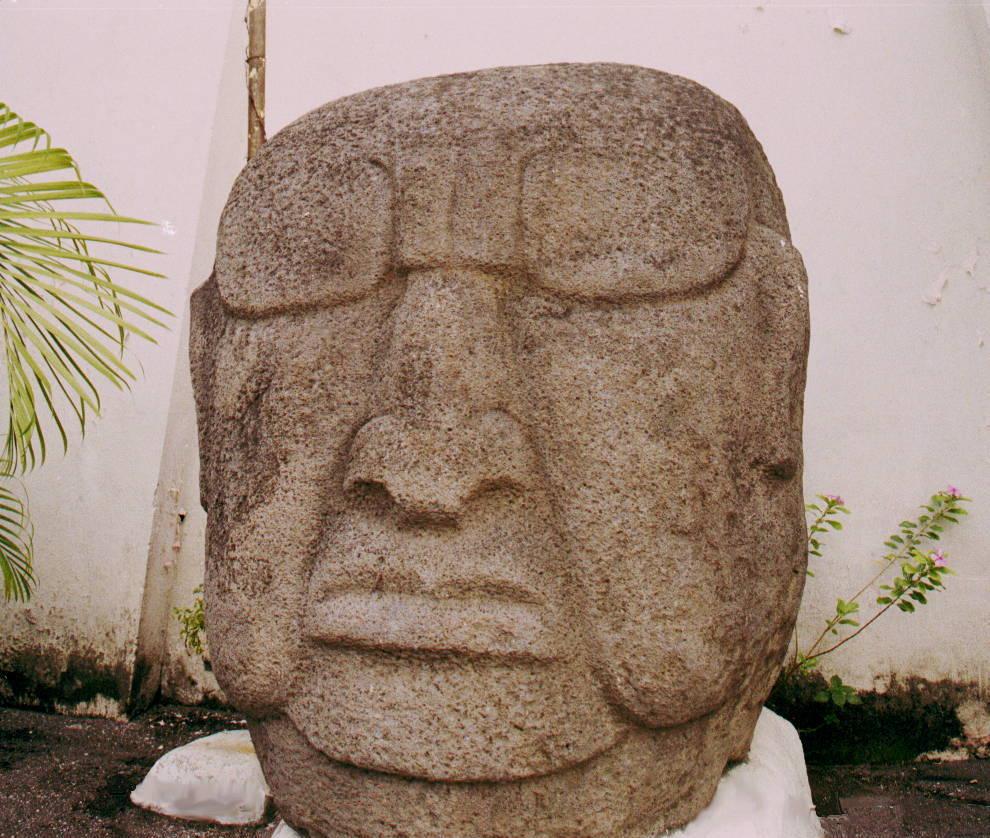
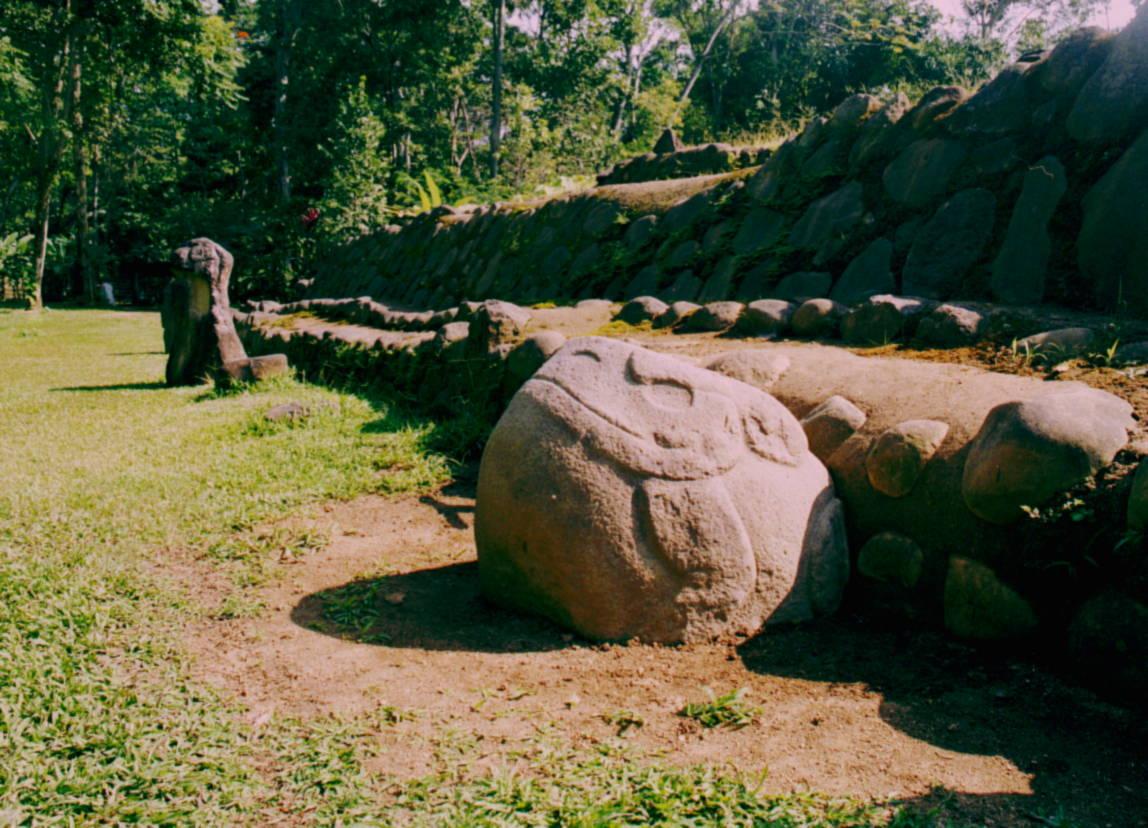
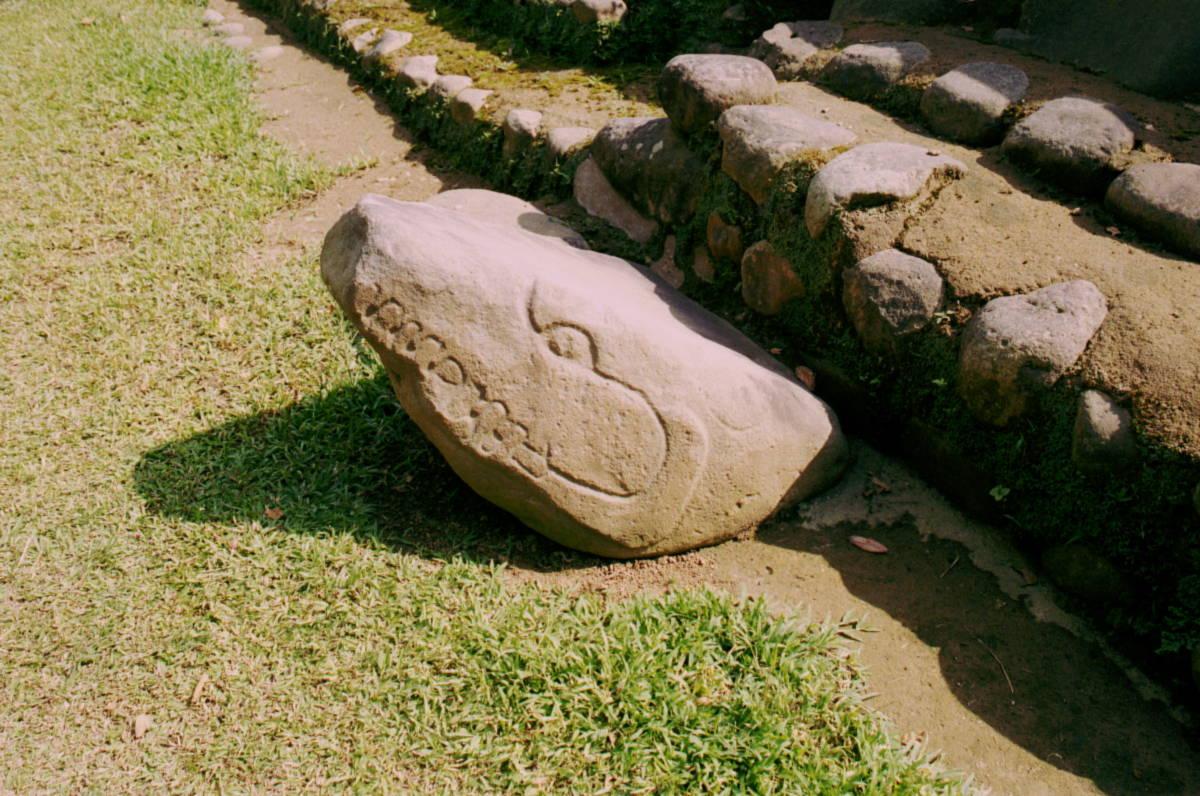
Another site nearby was El Baule where a petroglyph was used as an altar (photo 1) and a large head was half buried next to it (photo 2).

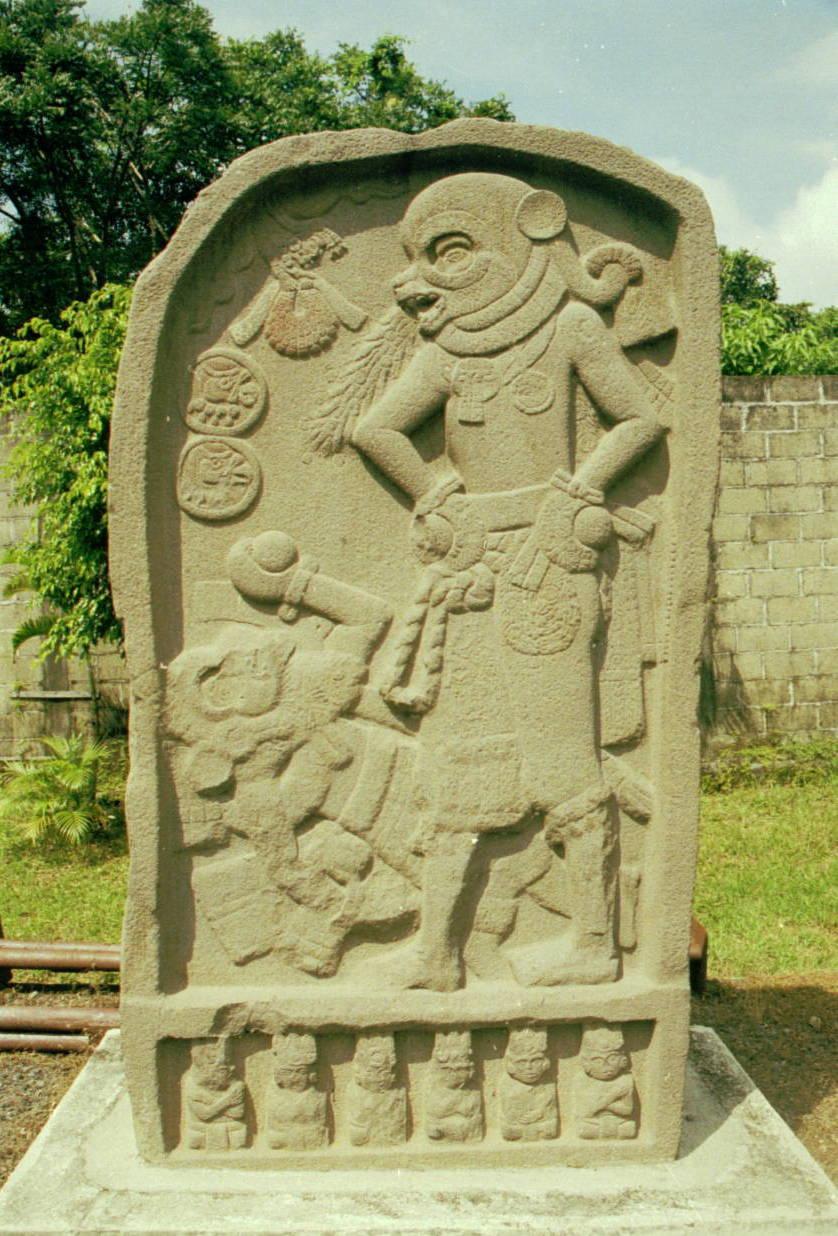
At the Finca El Baule sugar cane refinery several artefacts that have been found around the finca have been relocated to an onsite museum. One of the petroglyphs features what looks a bit like a strange boxing spaceman that people can make up strange ideas about (photo 1). Another had a couple of guys with goatees (photo 2).
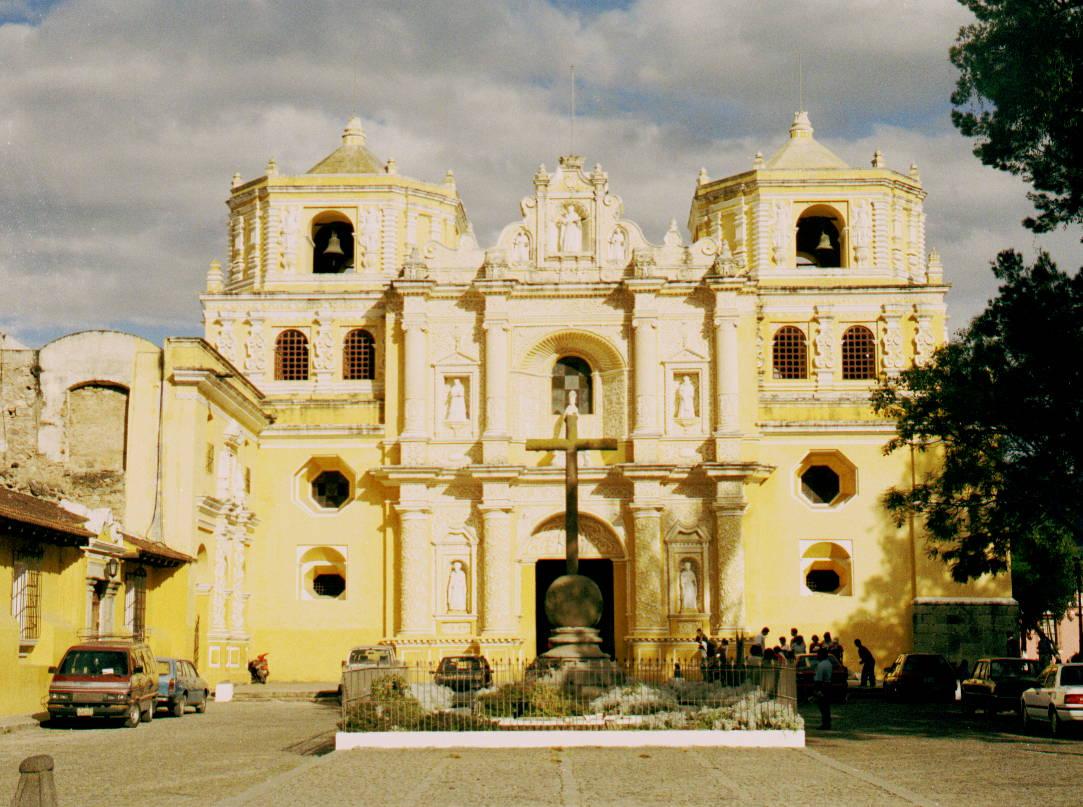
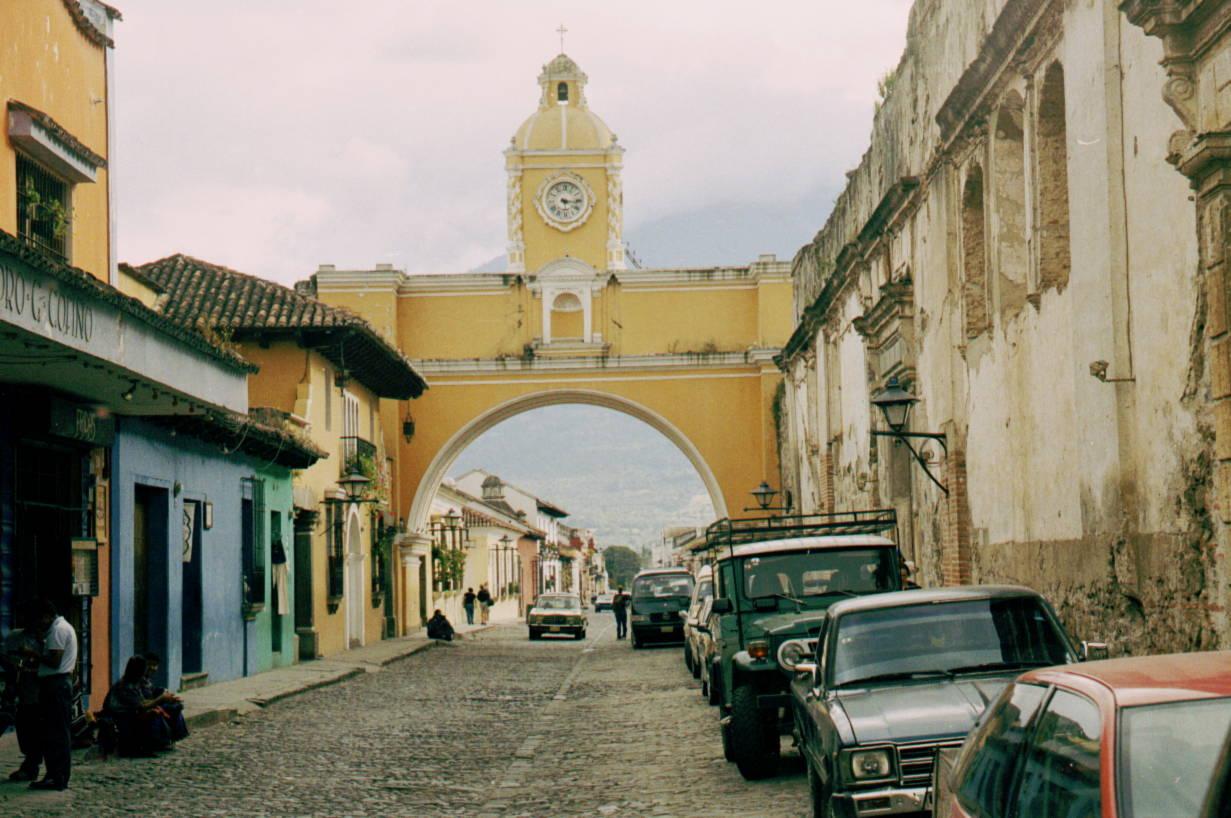
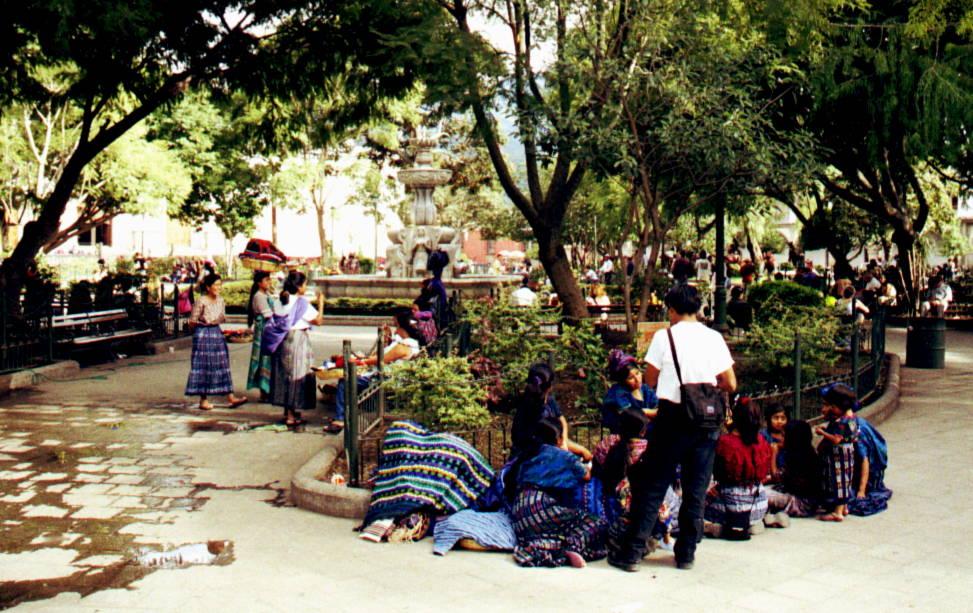
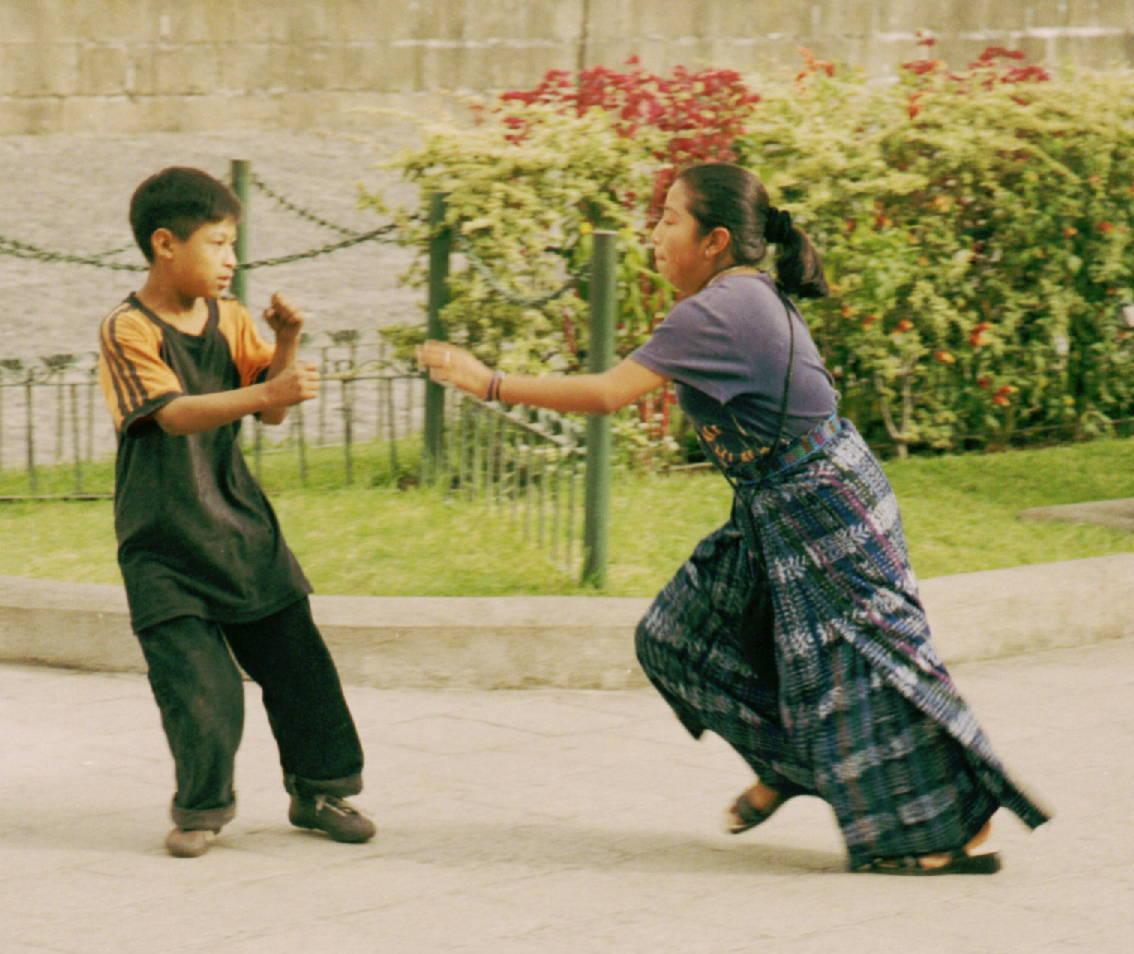
The attractive colonial city of Antigua is cobble-stoned and has some nice looking buildings such as La Merced (photo 1) and the clock tower (photo 2). As many tourists visit the city there are lots of Mayan women selling handicrafts (photo 3) and a Mayan kid getting beaten up by his big sister (photo 4).
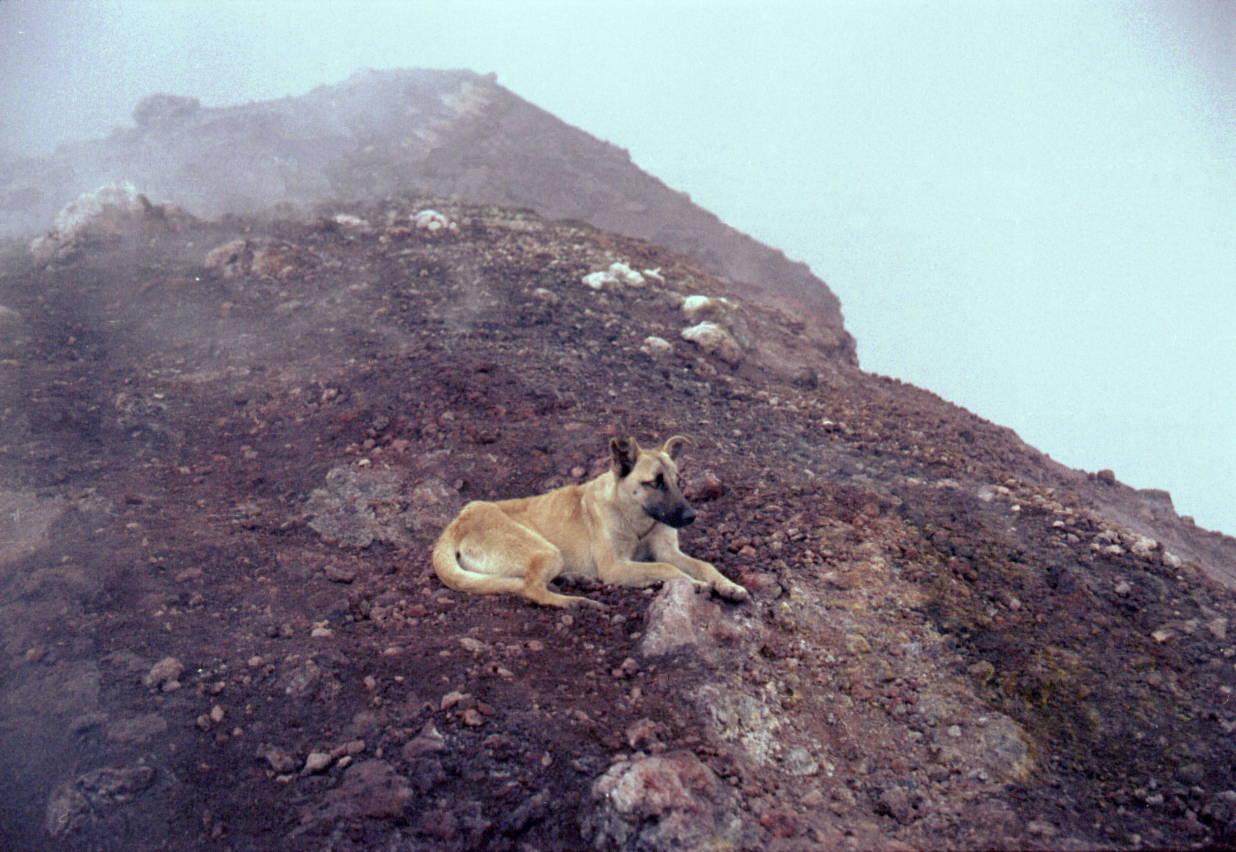
Just nearby Antigua is the constantly active Volcan Pacaya, which I climbed on the premise that I would see some lava, which I was promised but wasn't visible. Following the group up the volcano were several dogs scrounging food and then resting on the hot vents near the top (photo below).
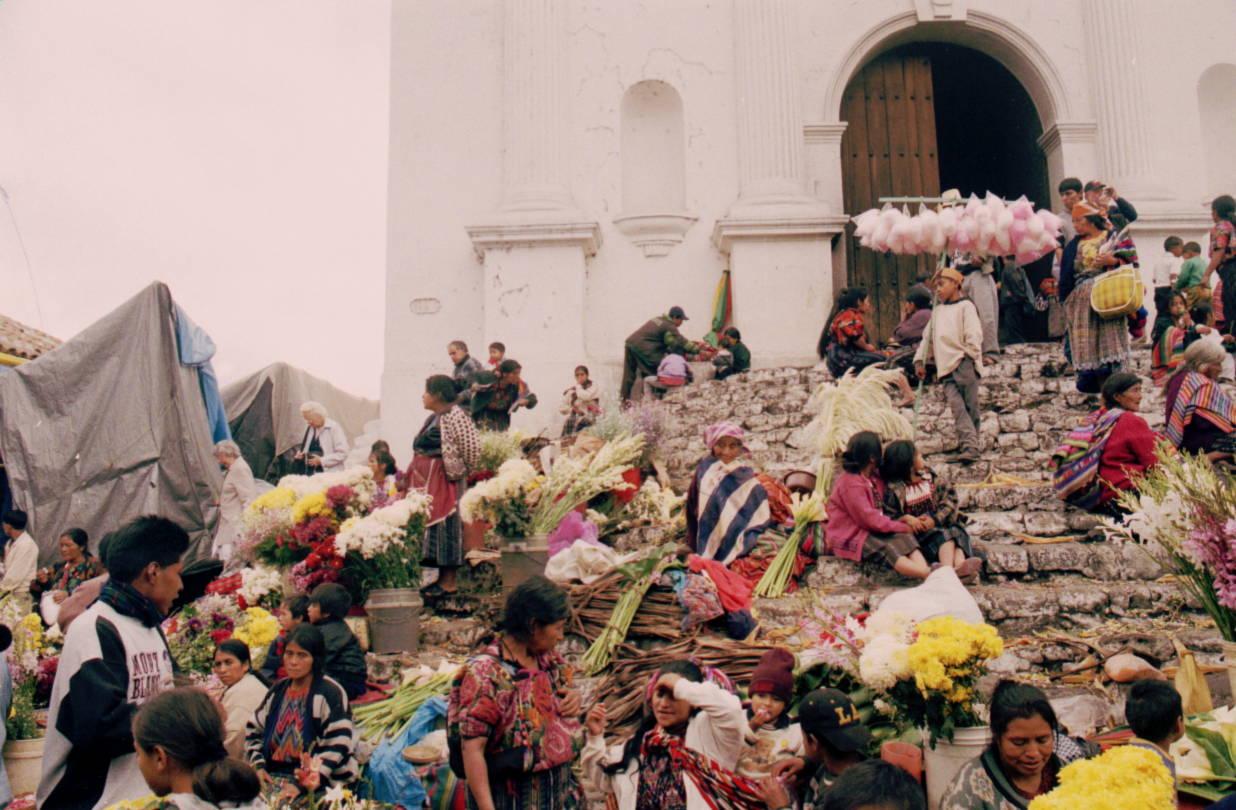
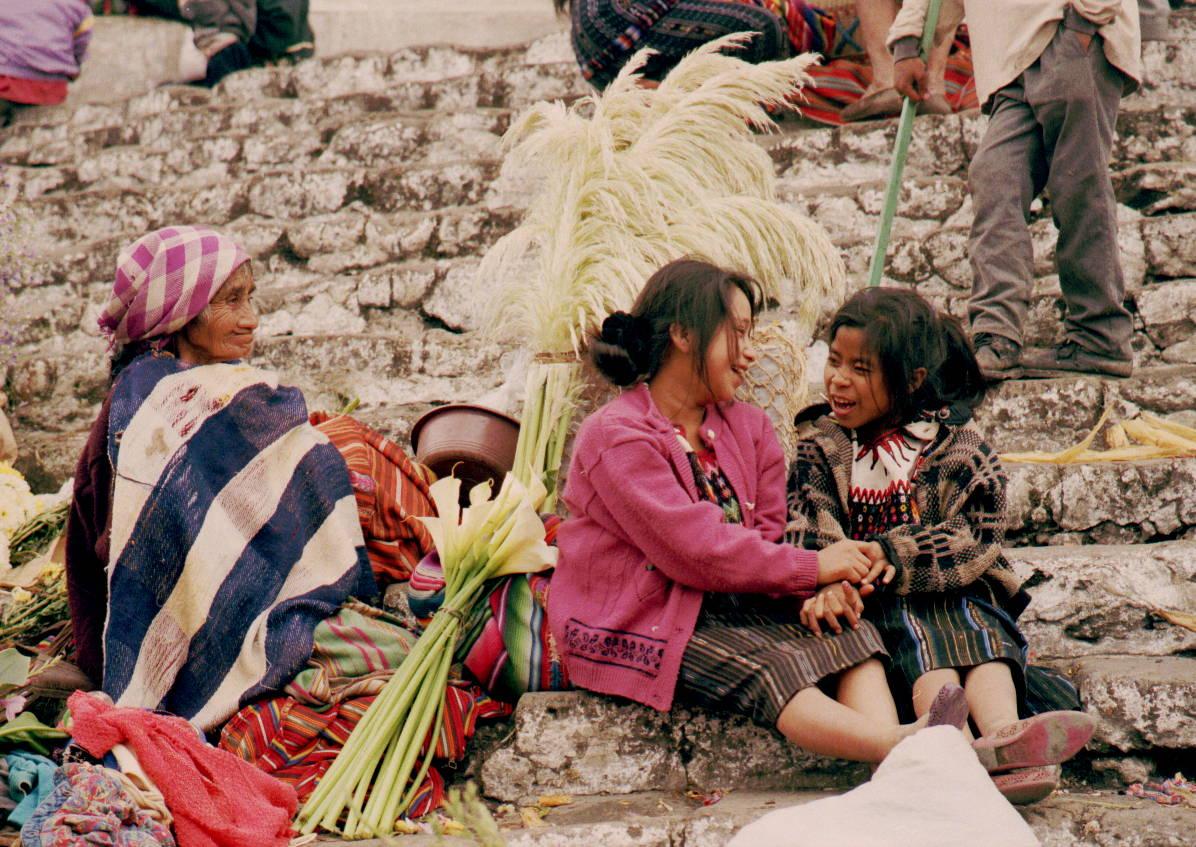
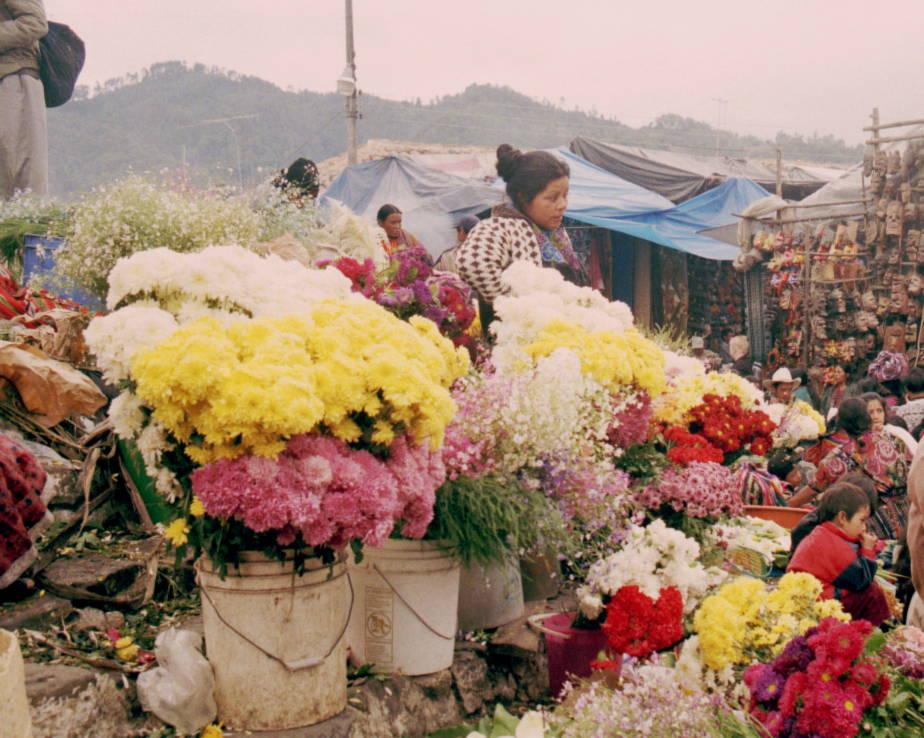
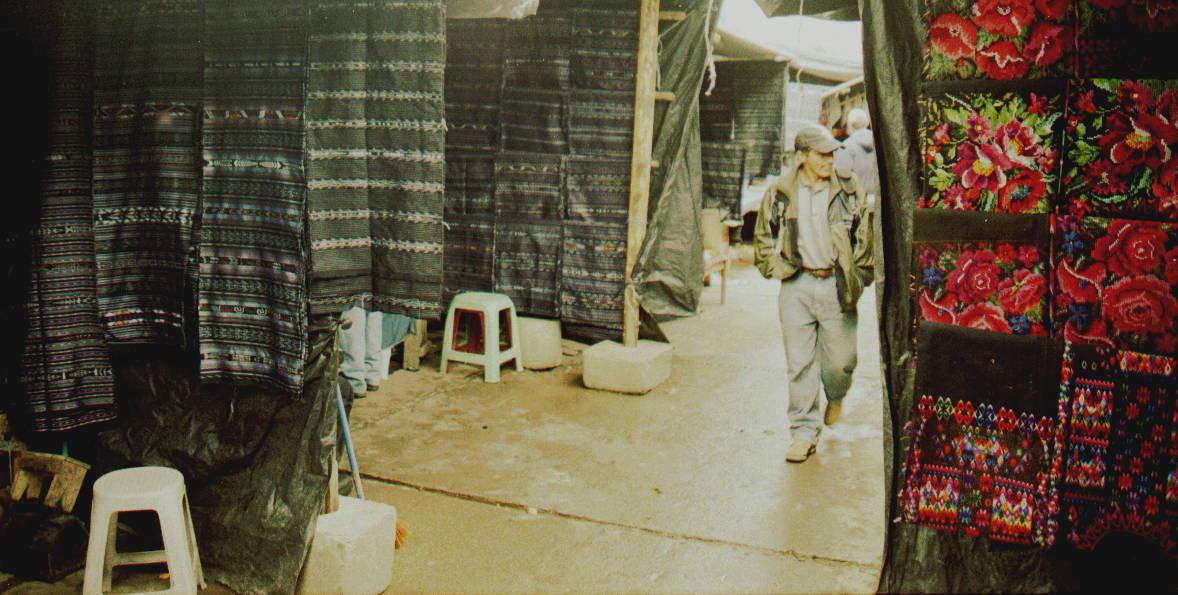
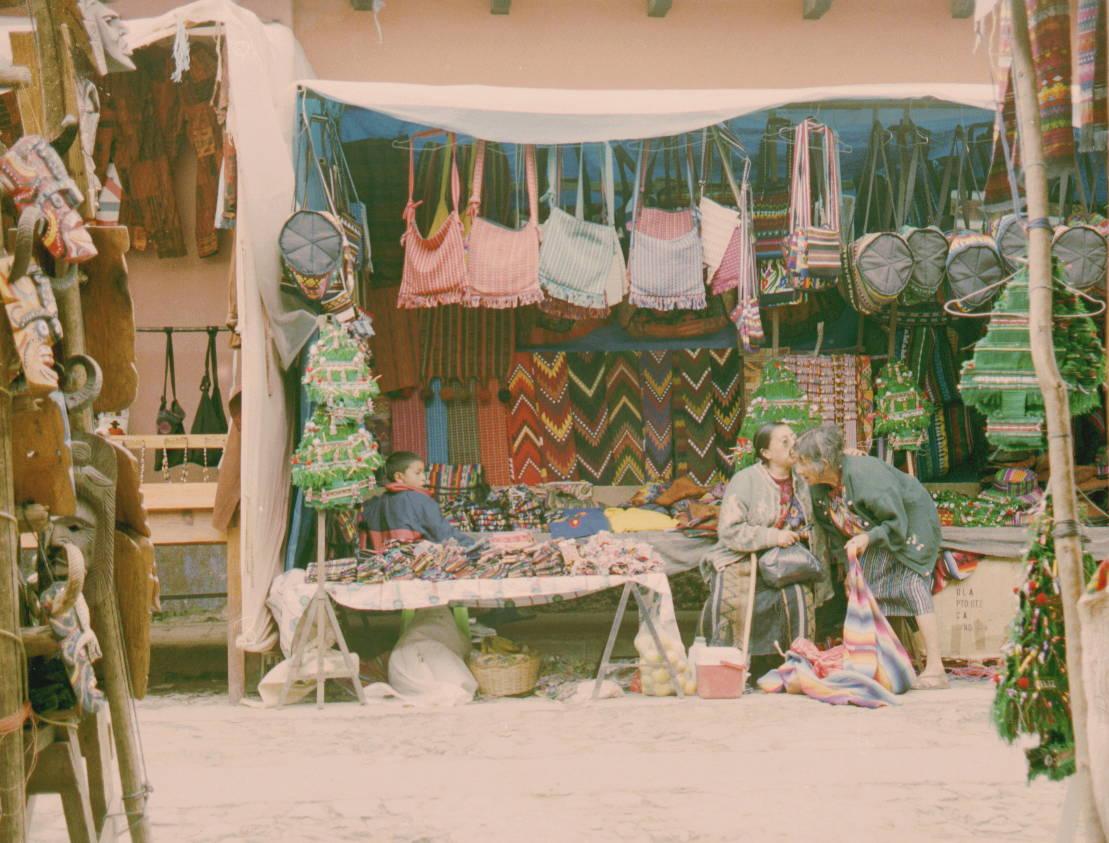
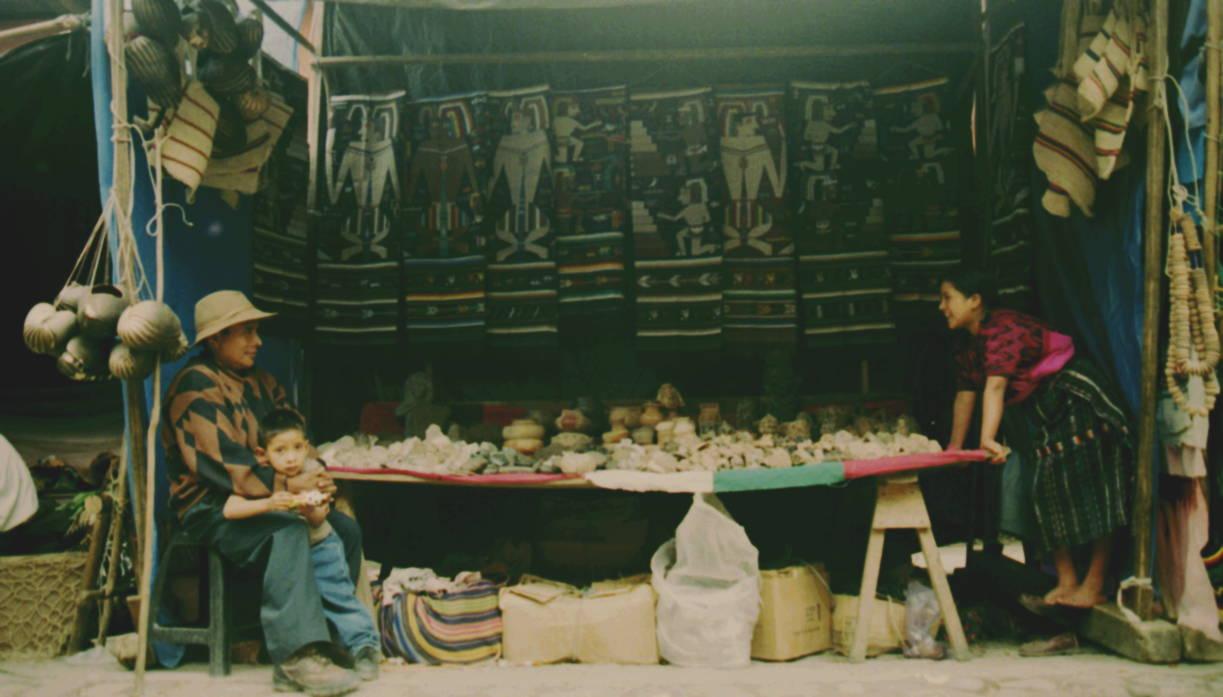
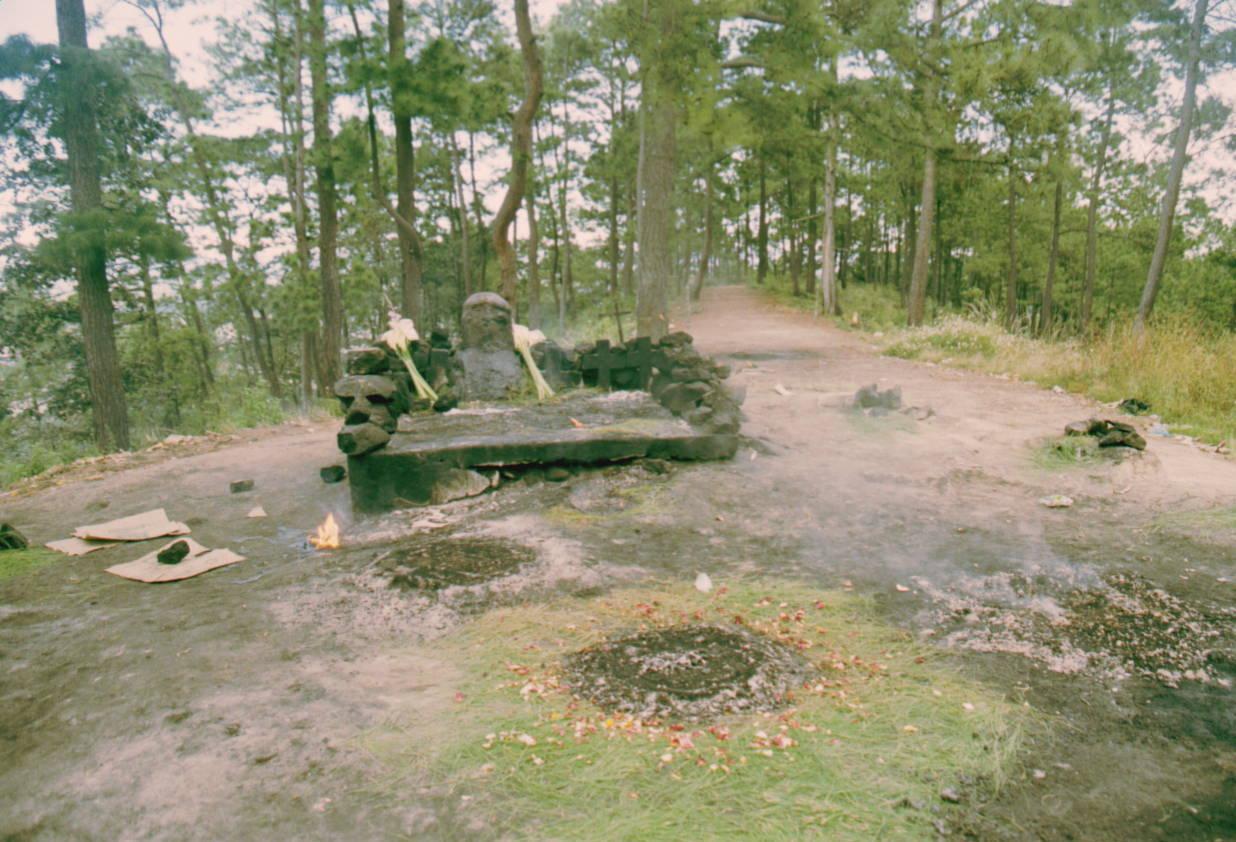
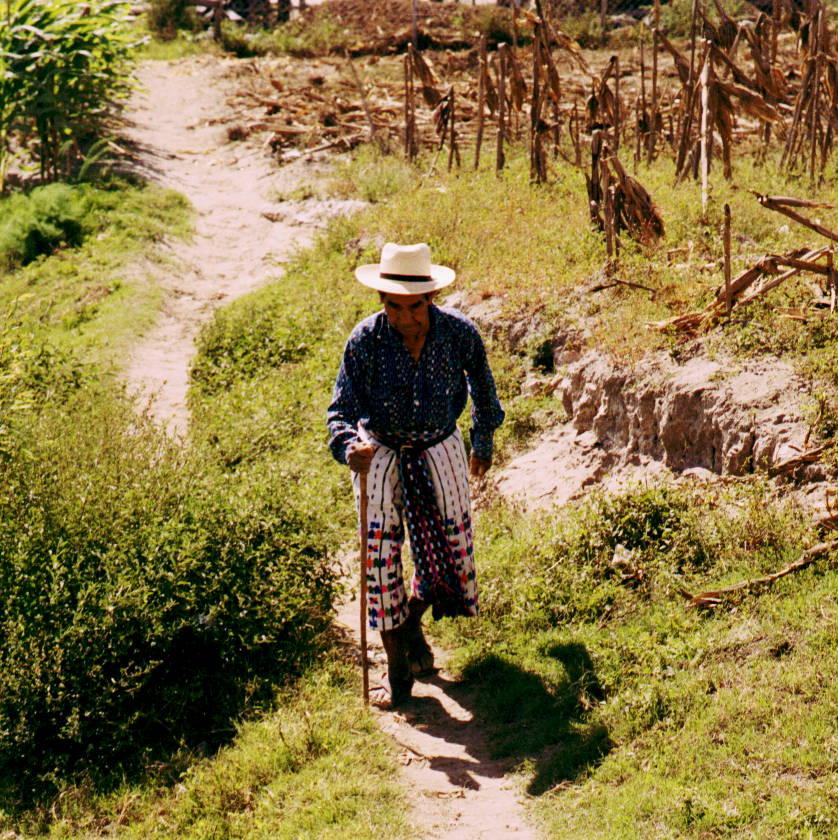
Chichistenango is a small town famous for its Sunday markets when the loyal Maya sell their handicrafts. As a result many interesting looking people gather in the town (photos 1 - 3). The crafts are quite varied and interesting (photos 4-7) and not too expensive. Just near the town is the sacrificial site of Pascual Abaj where offerings are made and incense is burned.
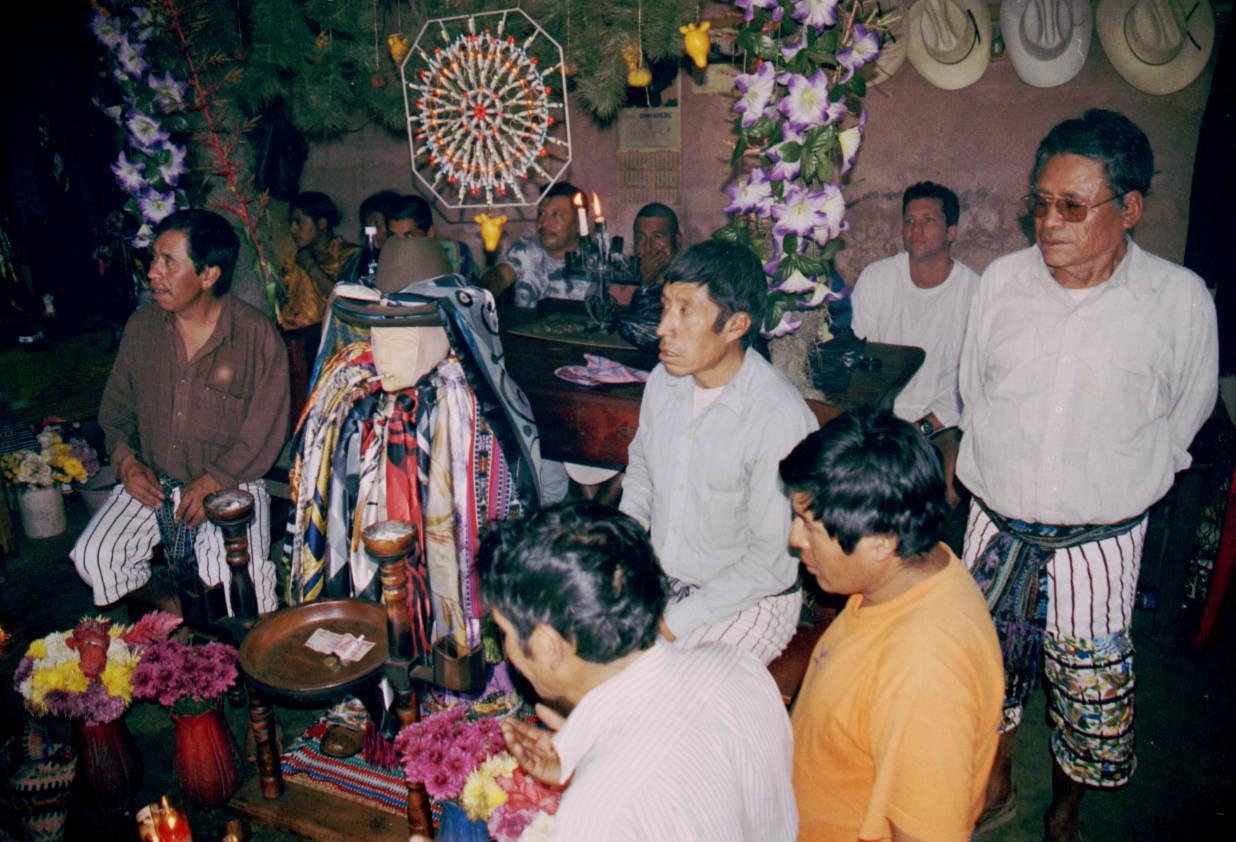
Lake Atitlan (photo 1) was formed in the crater of a volcanoe that blew its top 85,000 years ago. The lake is surrounded by a number of villages, the people of which wear different traditional clothing (photo 2). In Santiago Atitlan is the idol Maximon a fun loving mayan god who likes smoking, drinking, fairy lights, cash and Christmas tunes (photo 3).

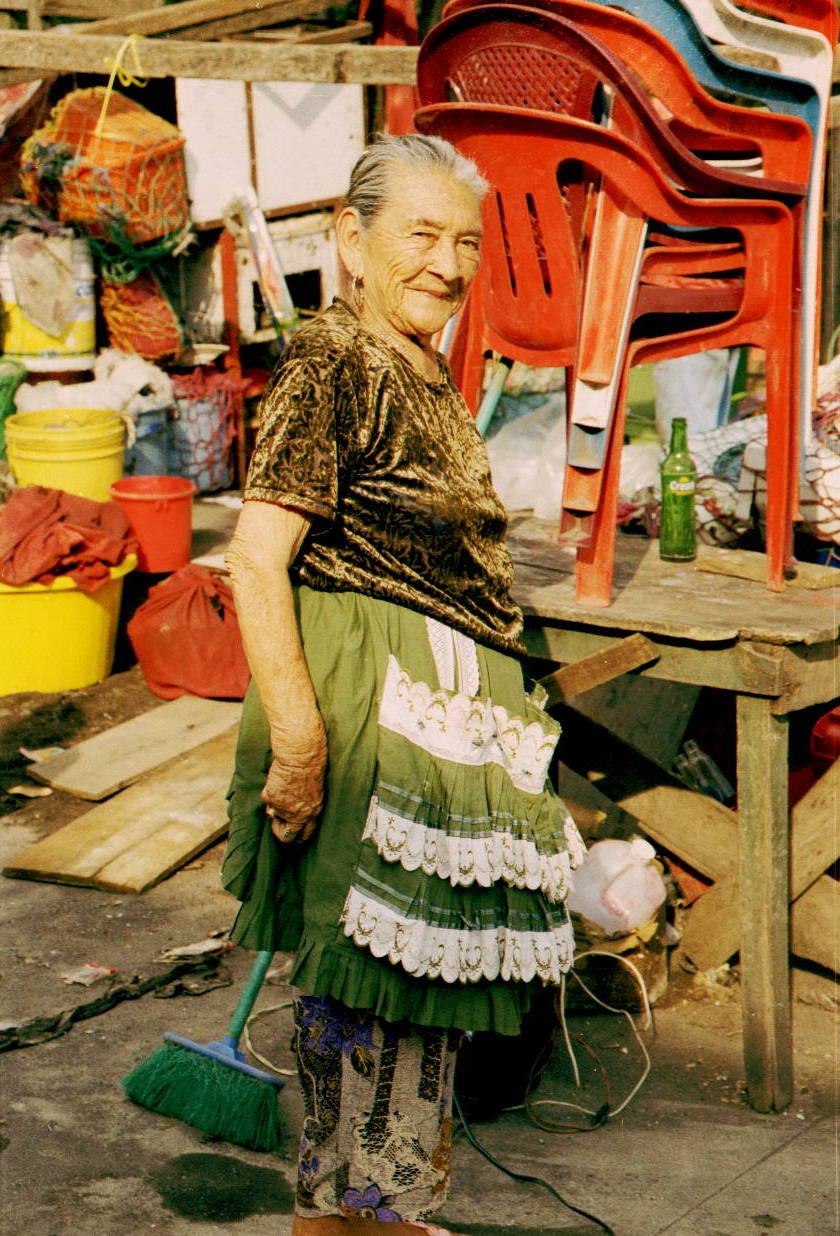
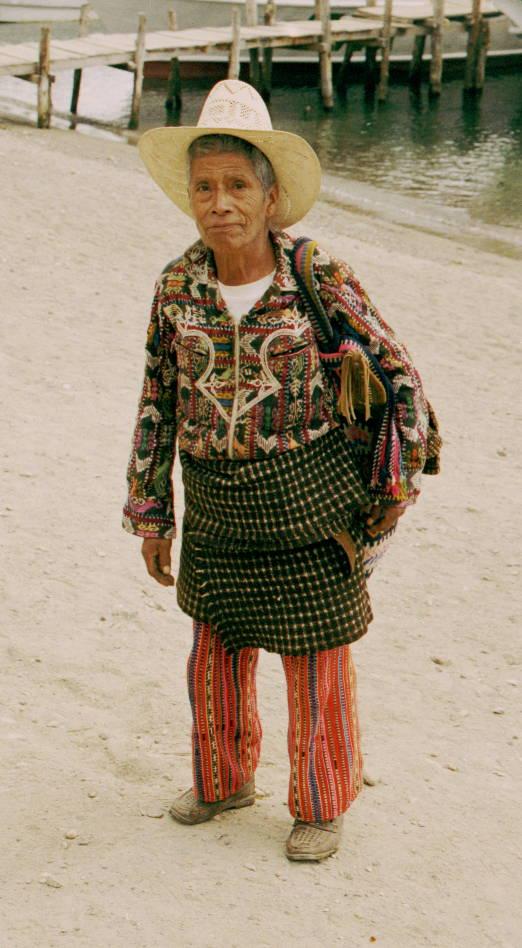
On my way back from Santiago Atitlan on a boat across the lake I was chatting with Maxe (photo 4) from Solola who had gone to see Maximon to ask for protection for himself (which seems to work as he is 74) and for help for his brother who has been a bit limp recently, he wants something long and hard for his brother, so he can satisfy his women.

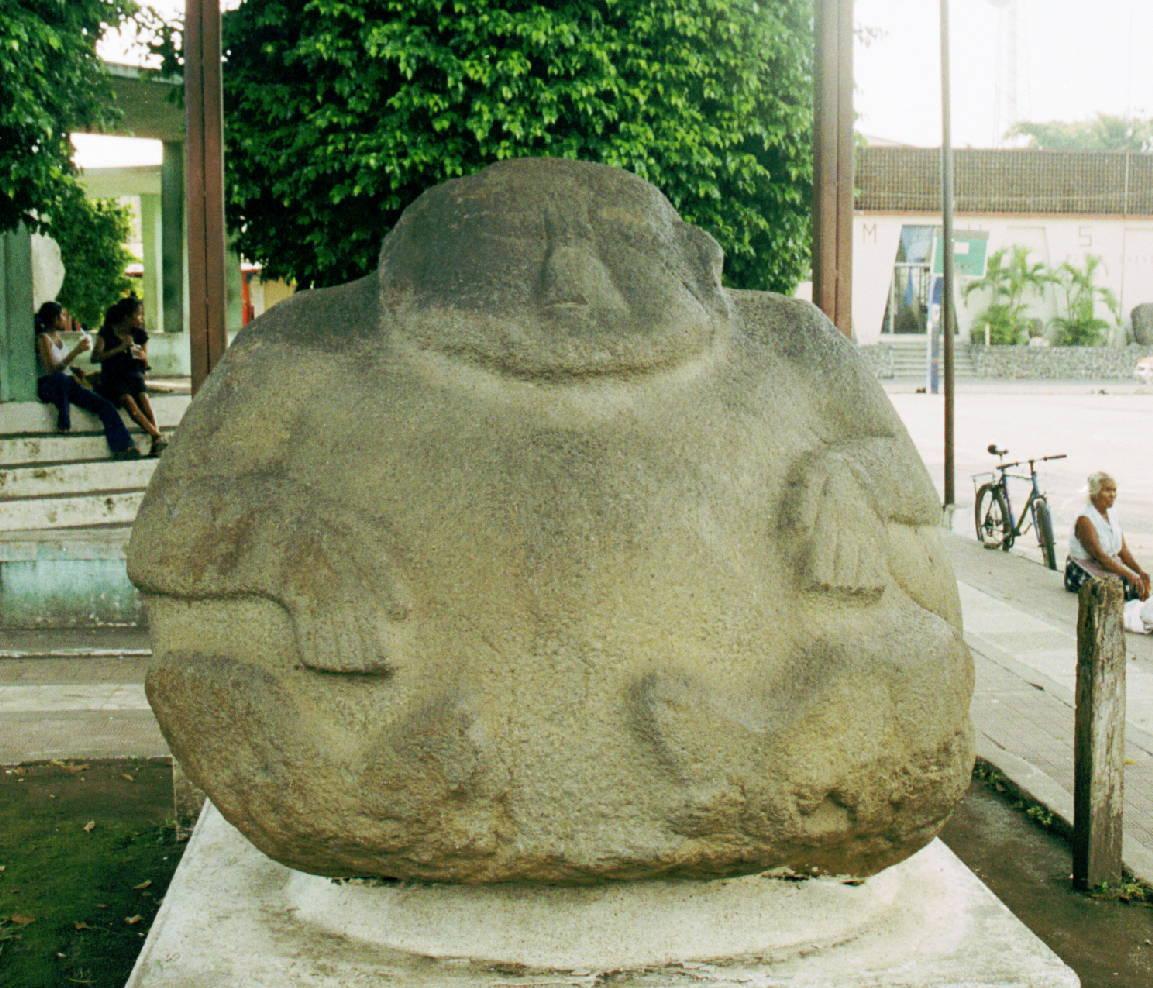
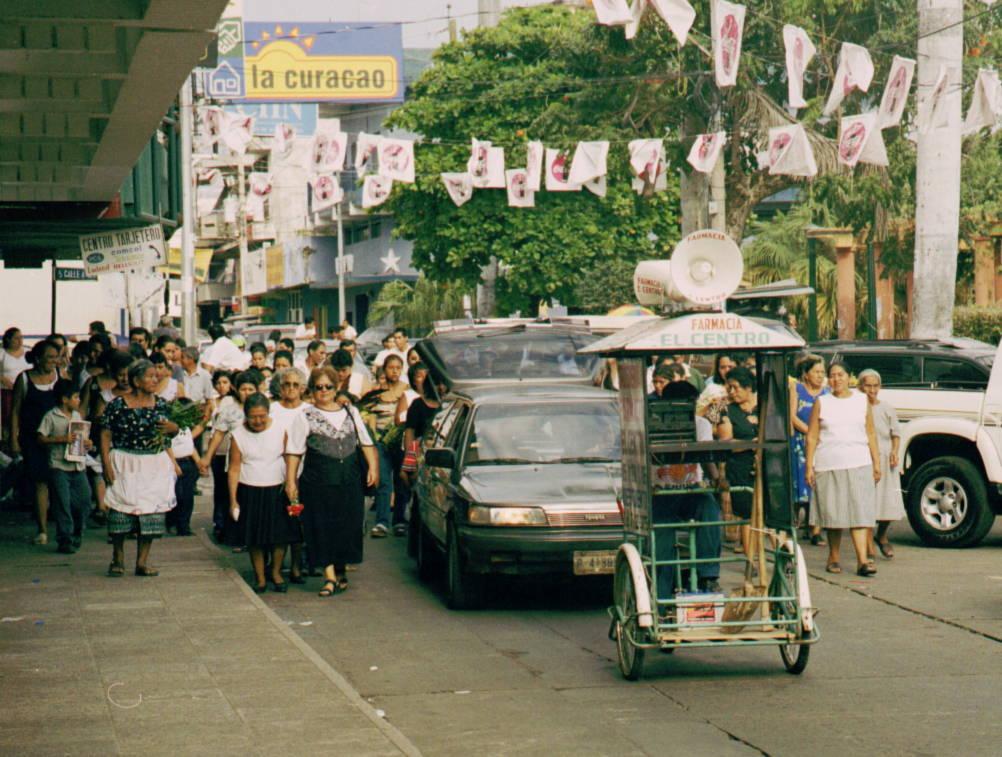
In the town of Retalhuleu I saw a funeral lead by a rickshaw advertising a pharmacy (photo 1). I don't know if the pharmacist killed the deceased or thought it was a good bit of advertising to say get your drugs from me or this is what will happen to you. My reason for visitng though was to go to Abaj Tekalik where there is another interesting Mayan site (photos 2 & 3) and Finca San Isidro where several interesting pieces have been relocated to the front garden of the farm house (photo 4).

In Momostenango the people were interesting looking (photos 1 - 3) and a centre for training for Mayan priests.
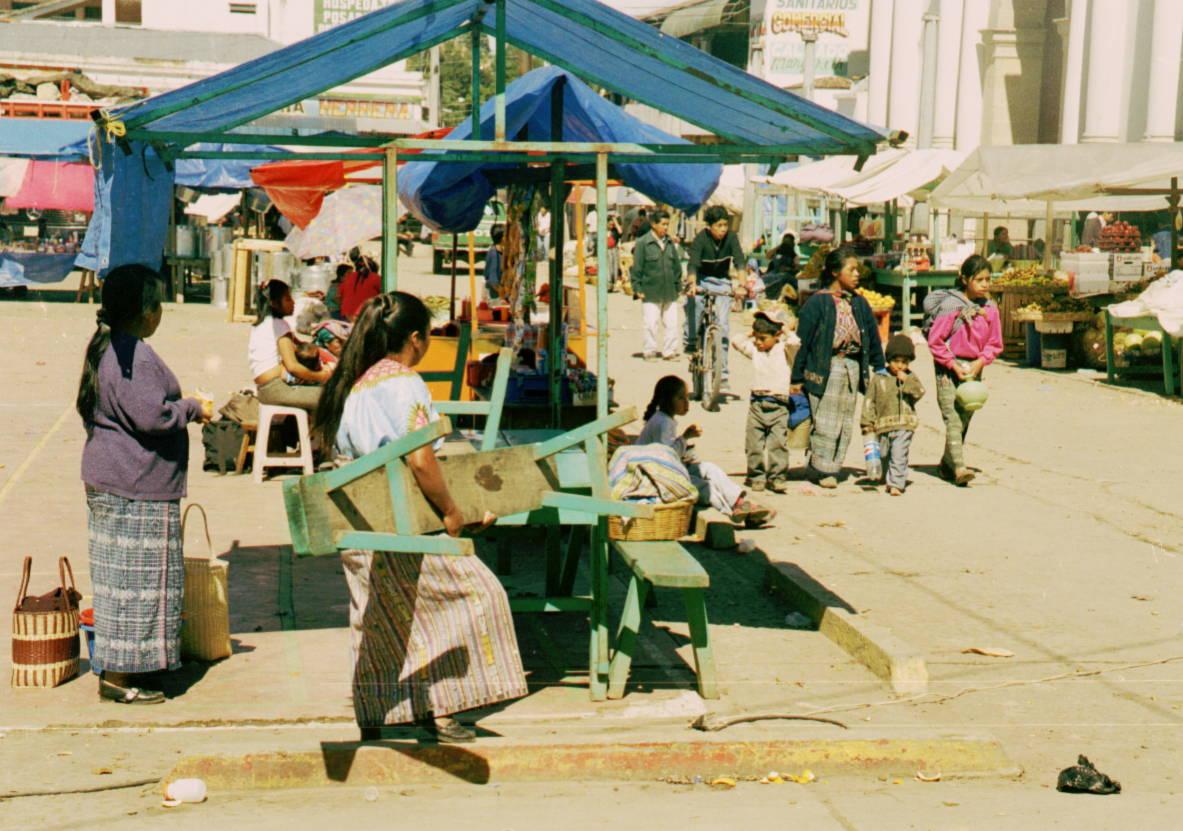

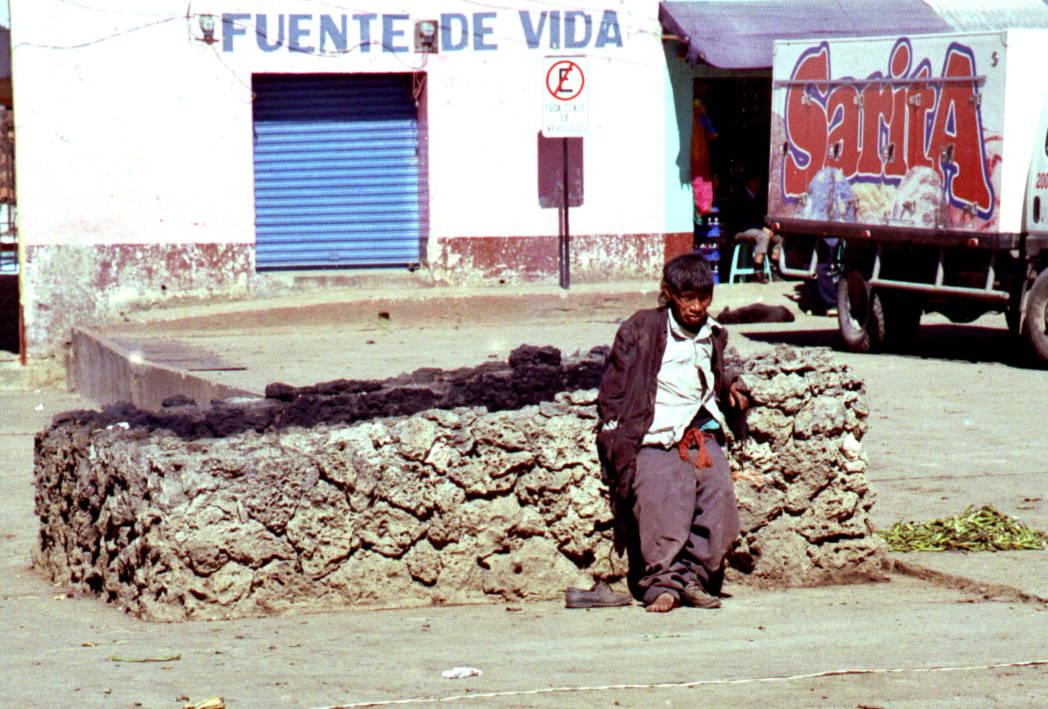
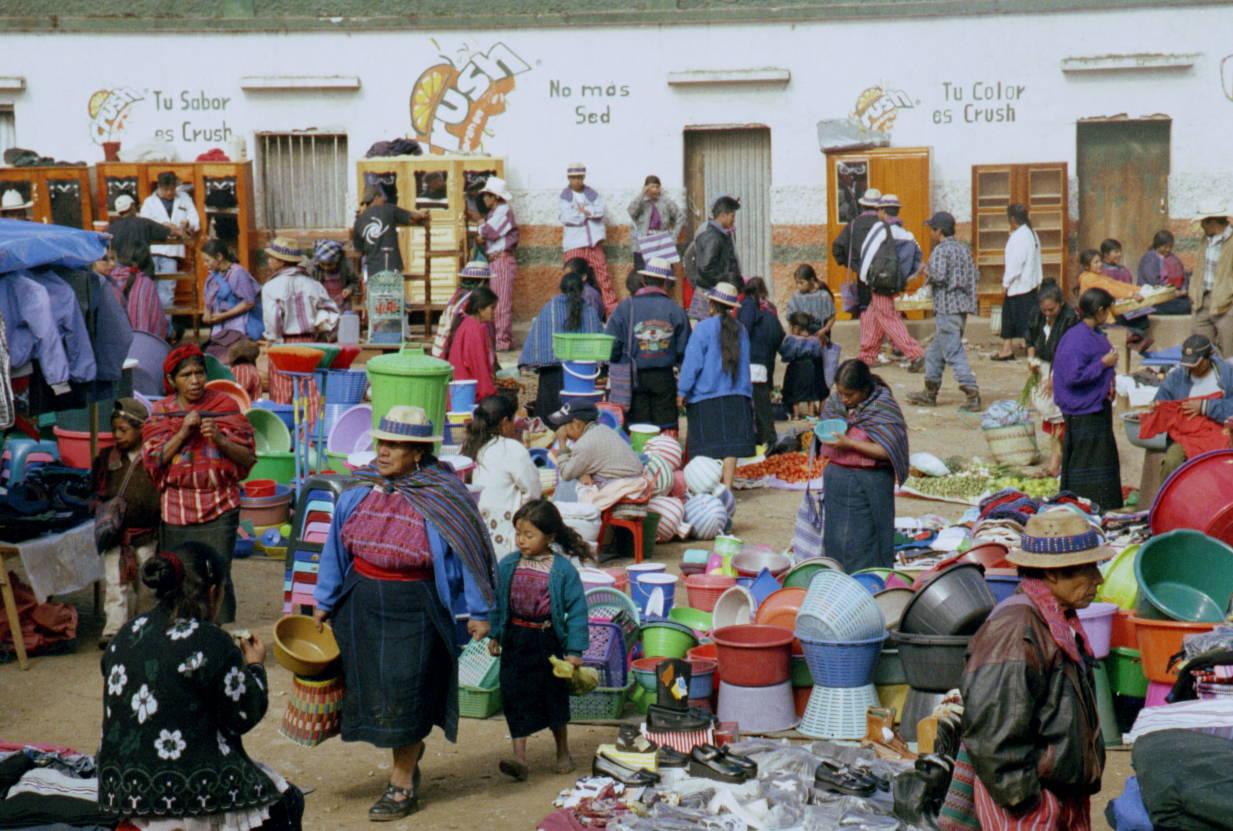
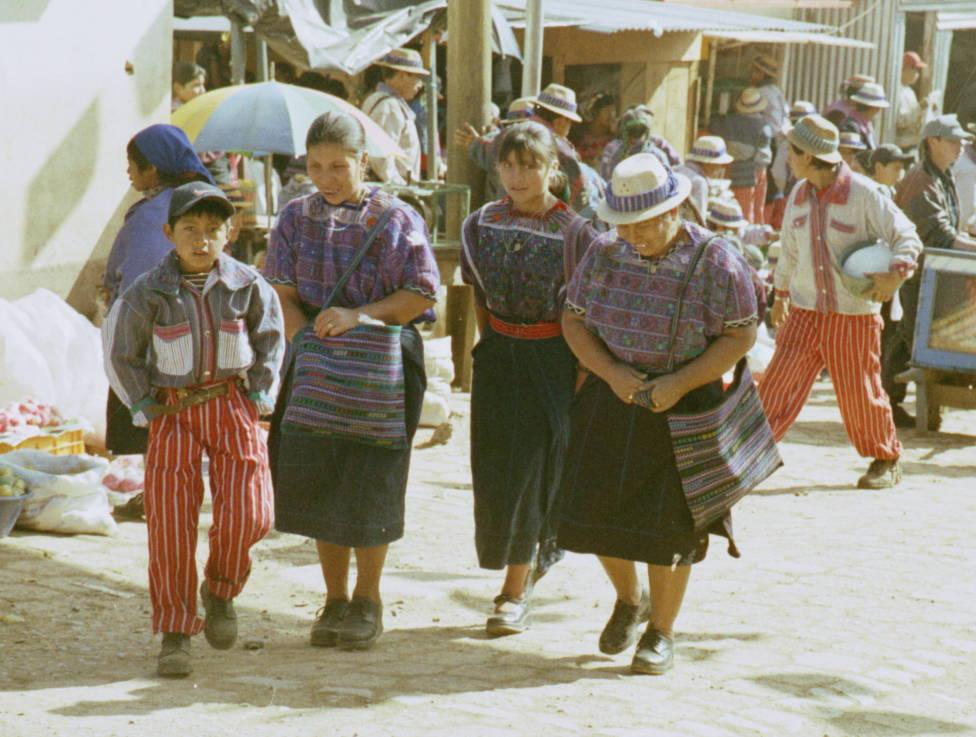
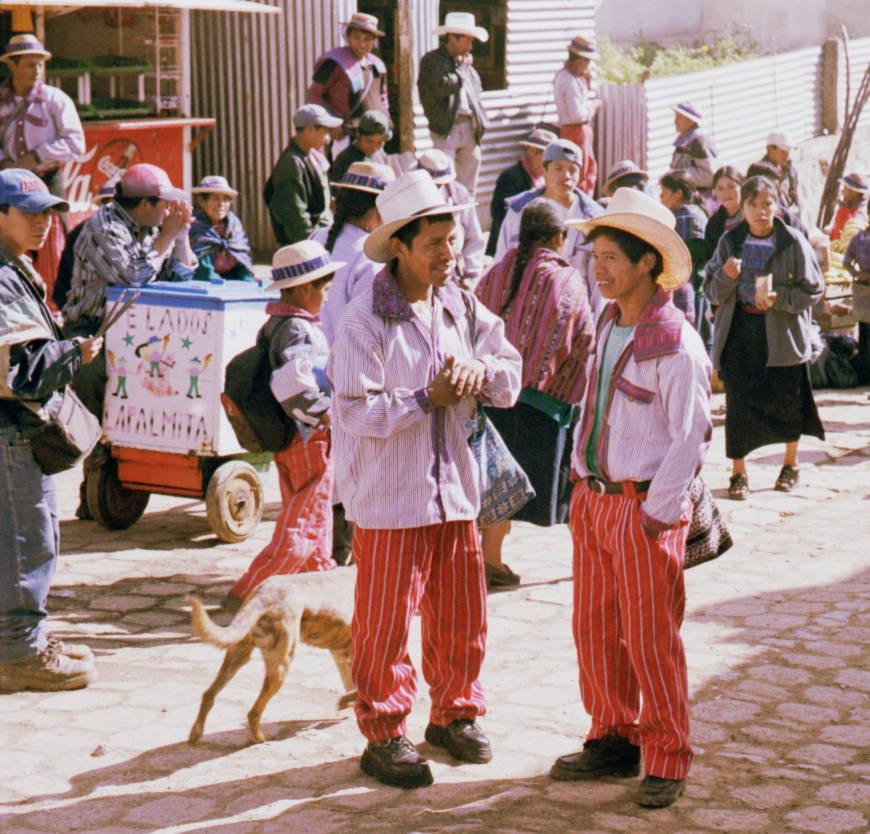
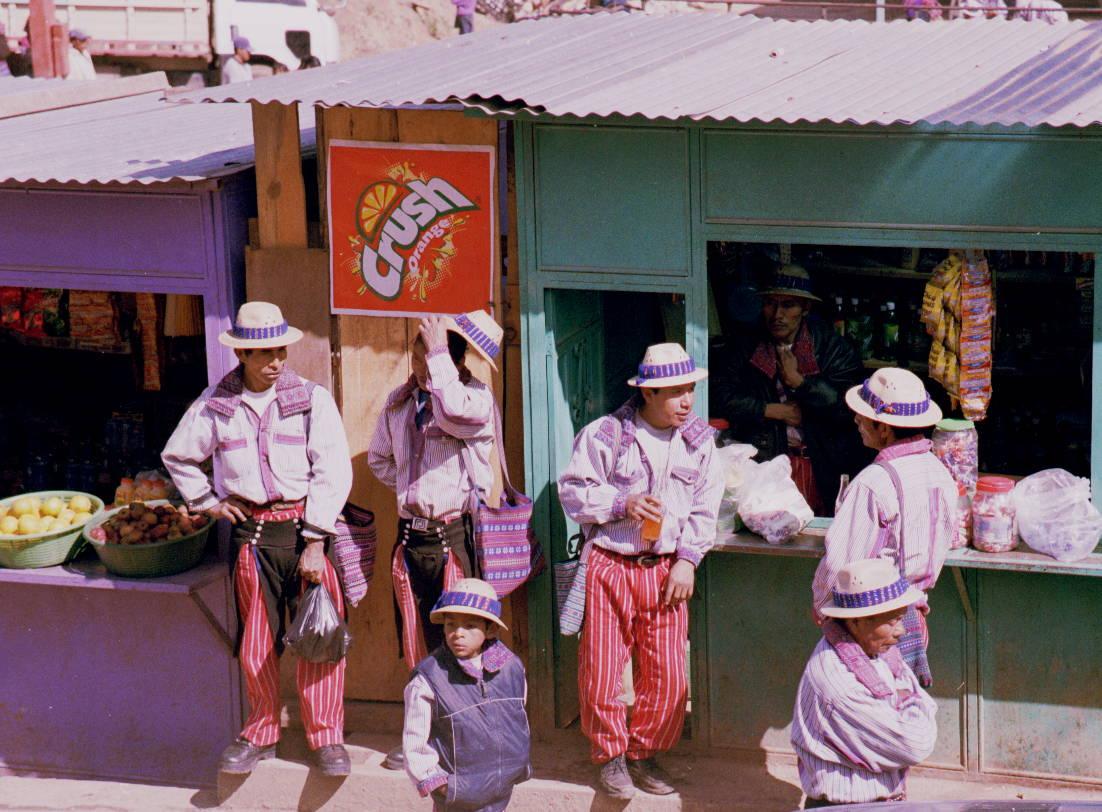
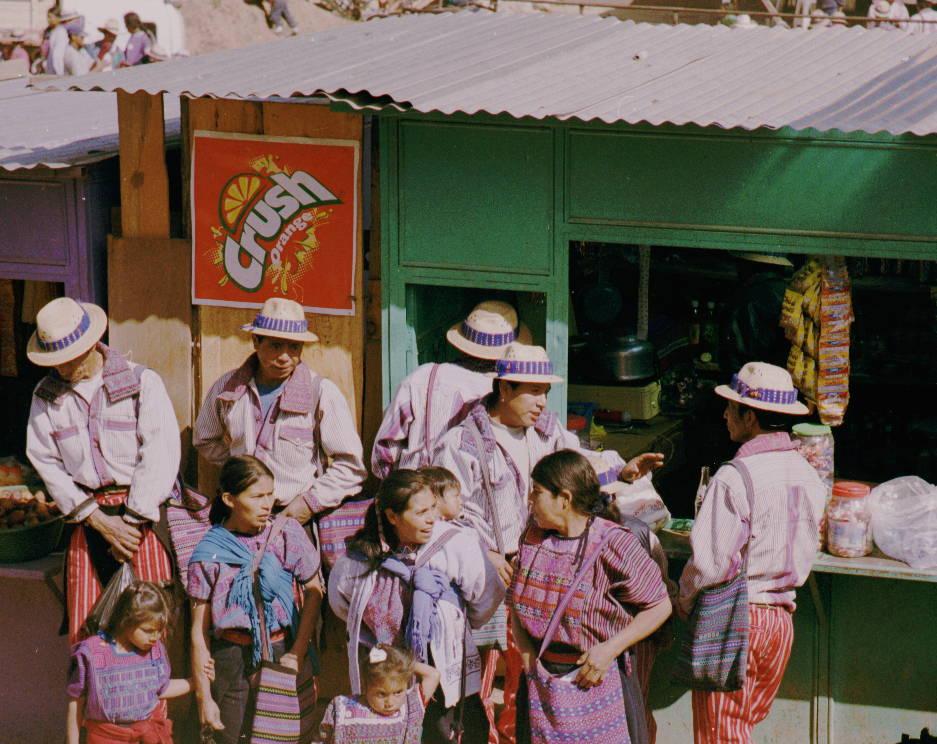
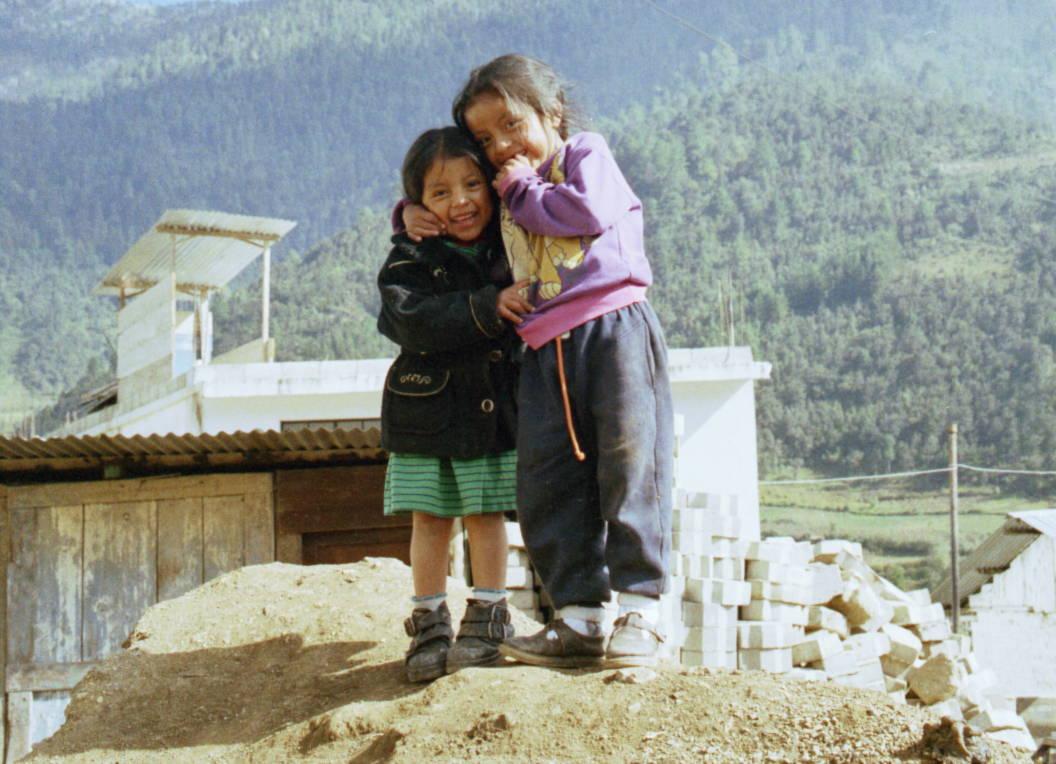
Todos Santos is in the Guatemalan highlands which meant it was bloody cold but the market day (photo 1) here meant that all the locals turned up in their traditional attire which is quite uniform (photos 2 - 5). The little kids insisted that I take their photo or give them money, I was happy to take their picture.
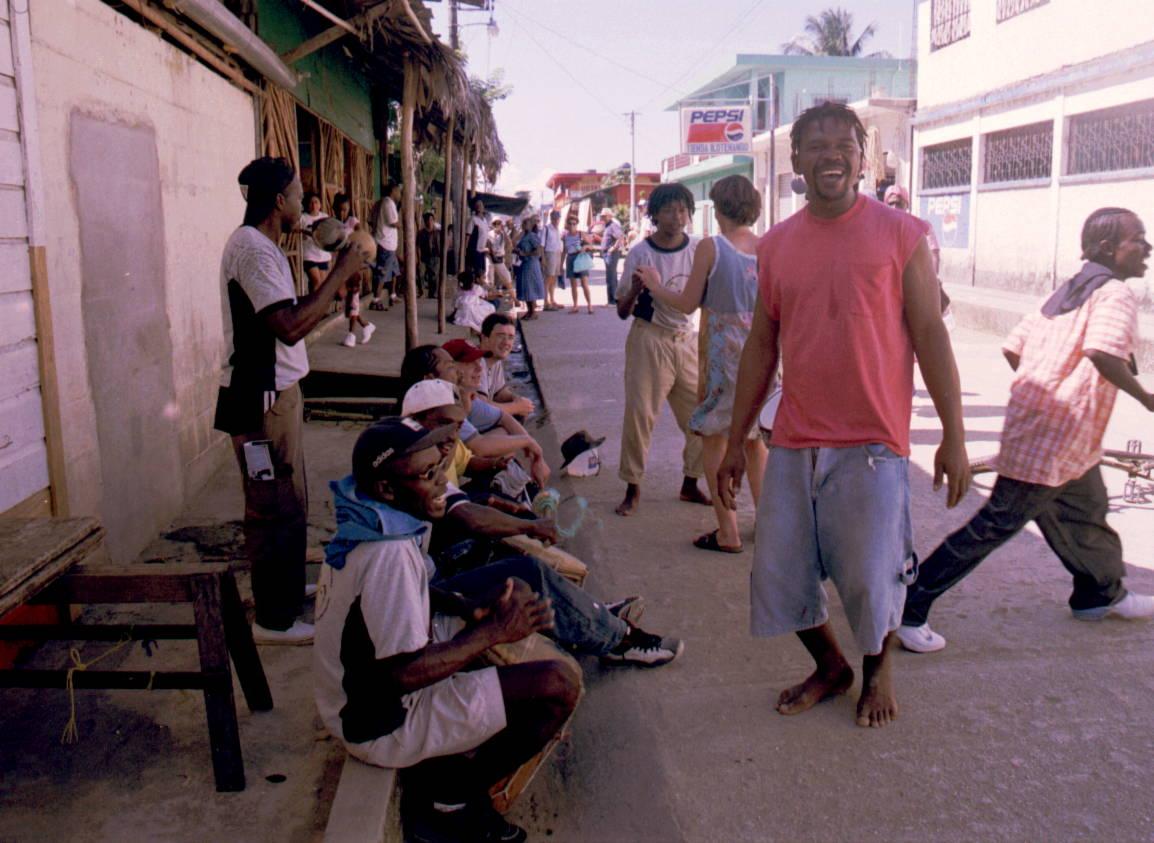
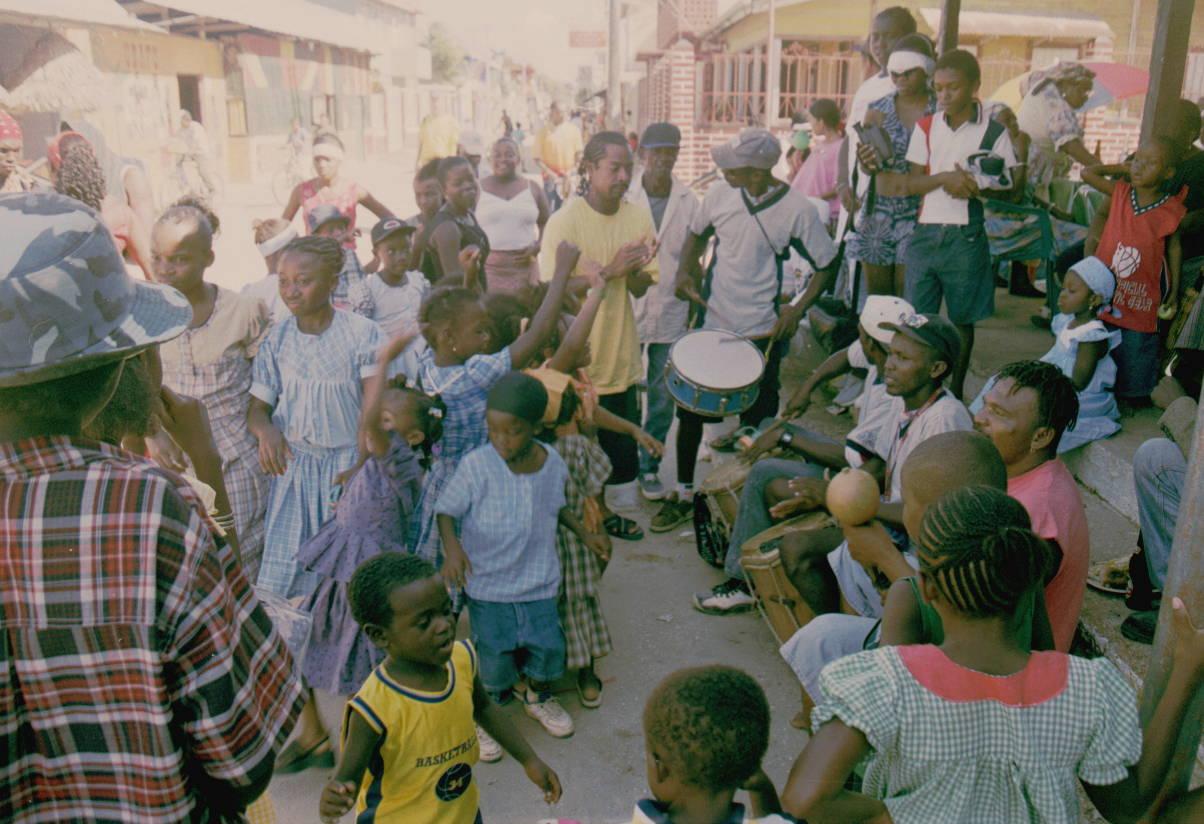
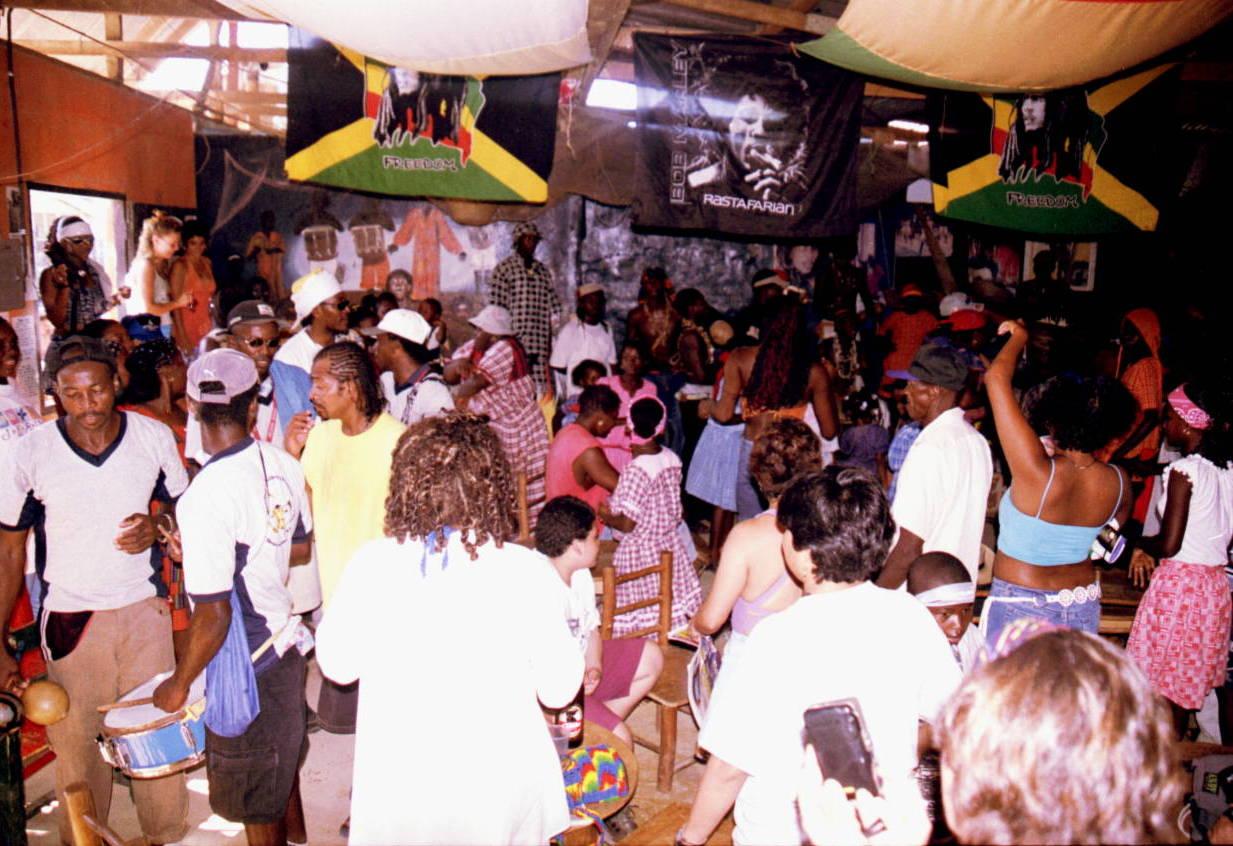
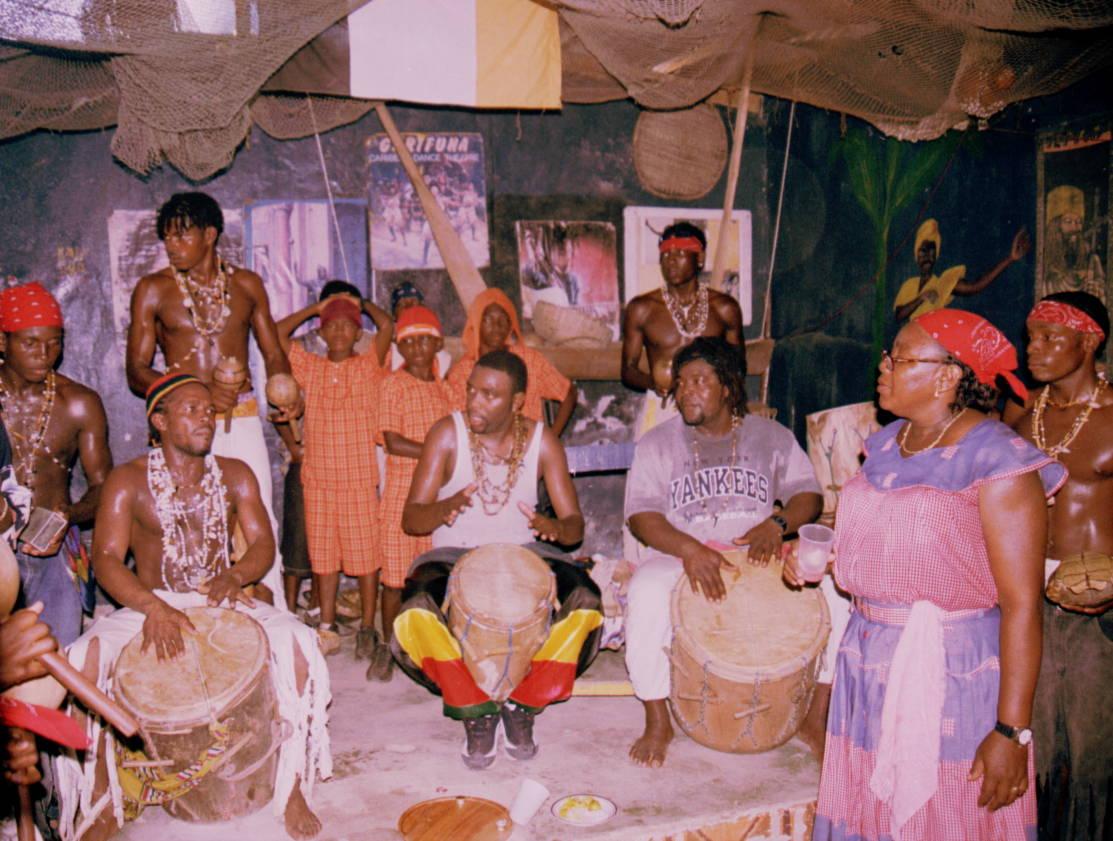
I visited Livingston for Garifuna day. This is the anniversary of the arrival of the Garifuna African people in the area. When I was there it was the 200th anniversary of the arrival of the Garifuna on the Caribbean coast of Guatemala so there were spontaneous street parties (photos 1 & 2) and also partying in the bars (photos 3 & 4).
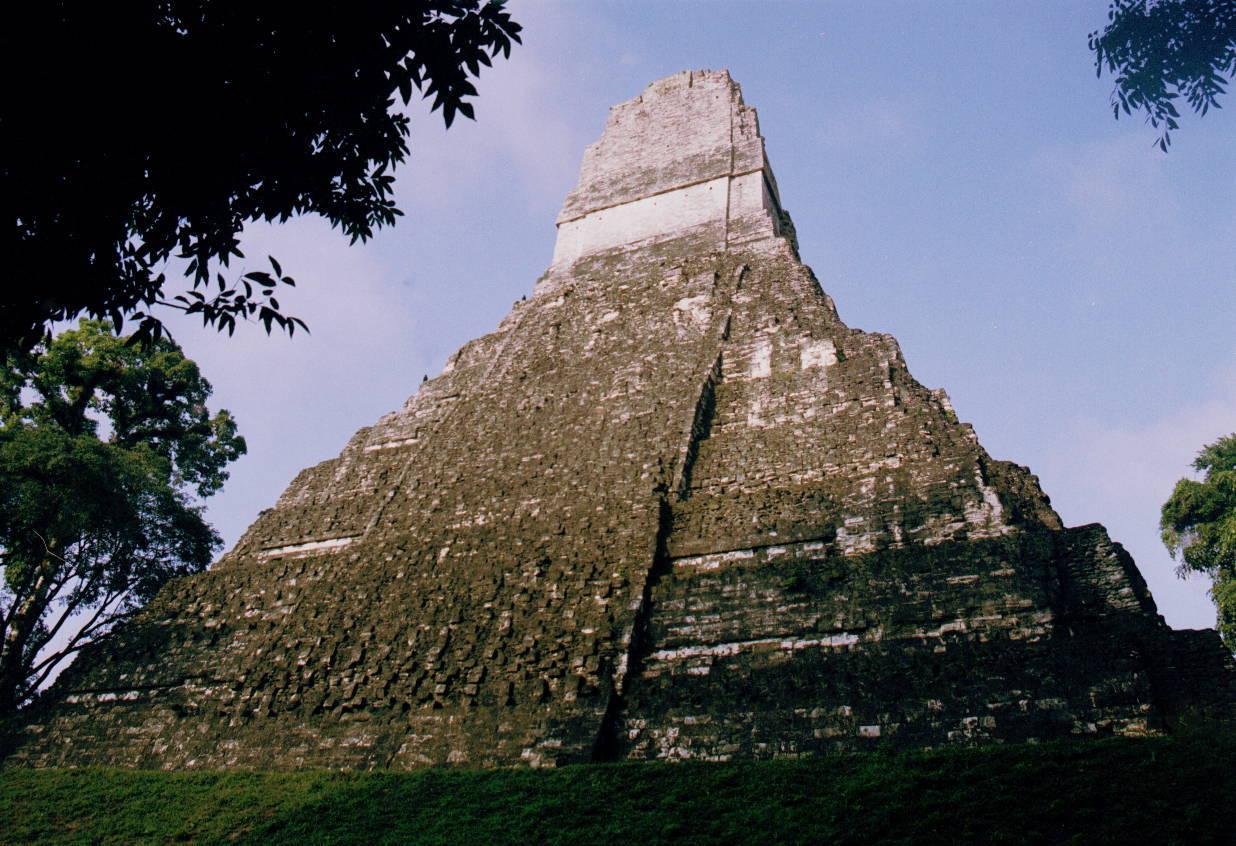
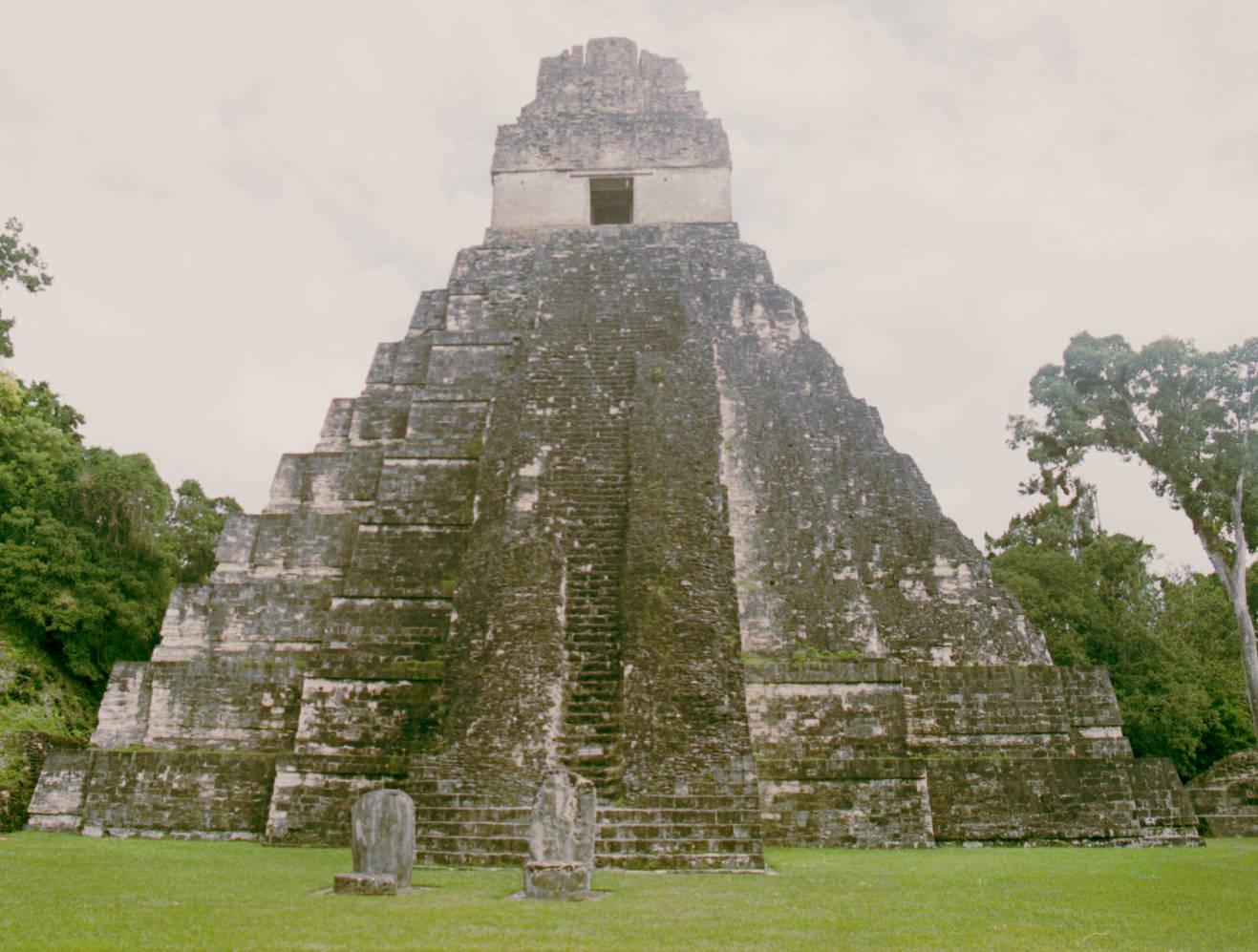
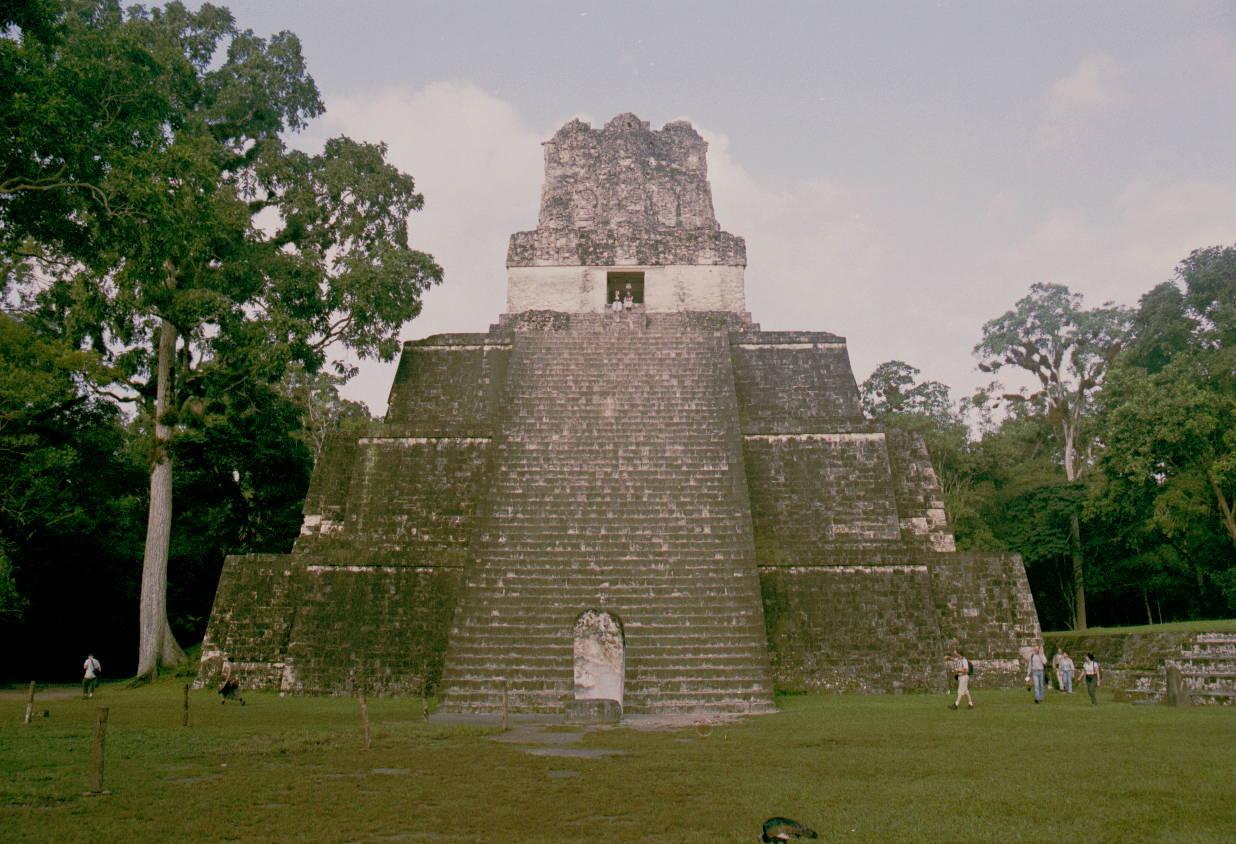
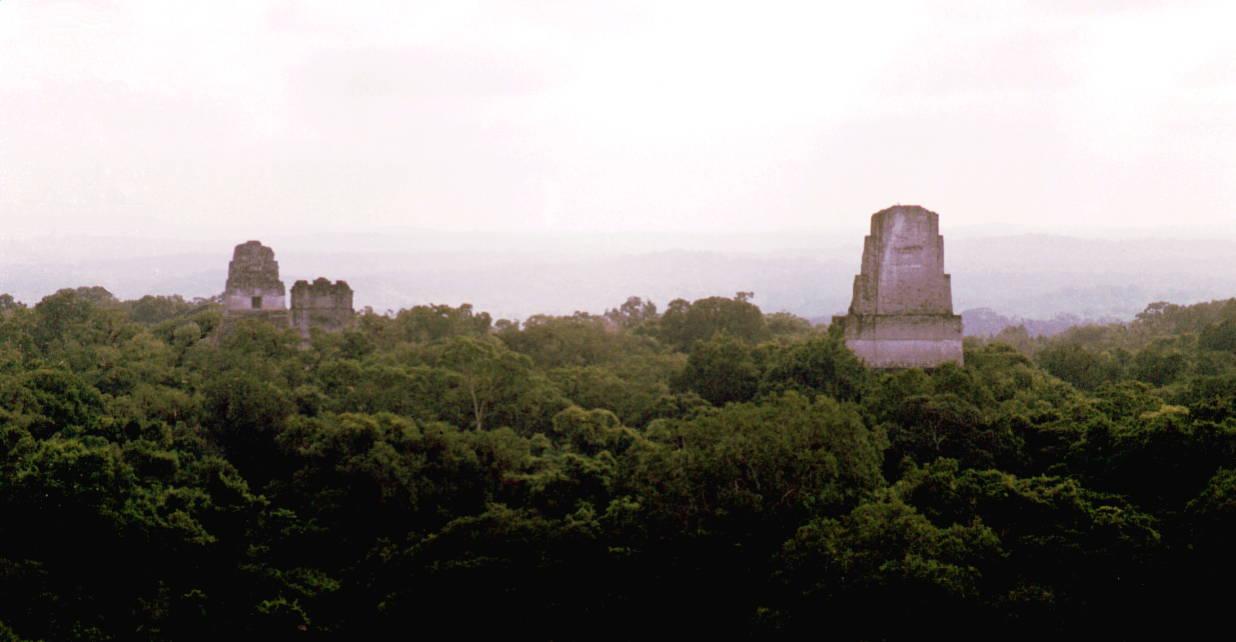
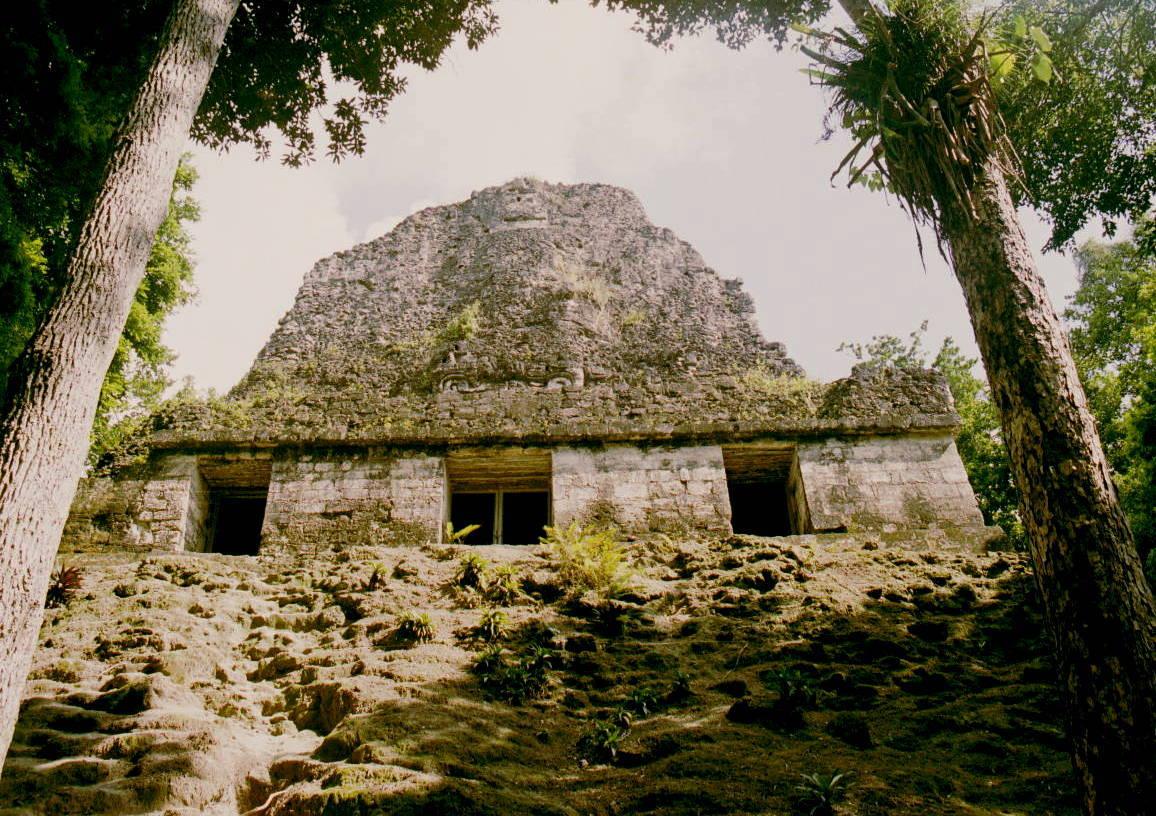
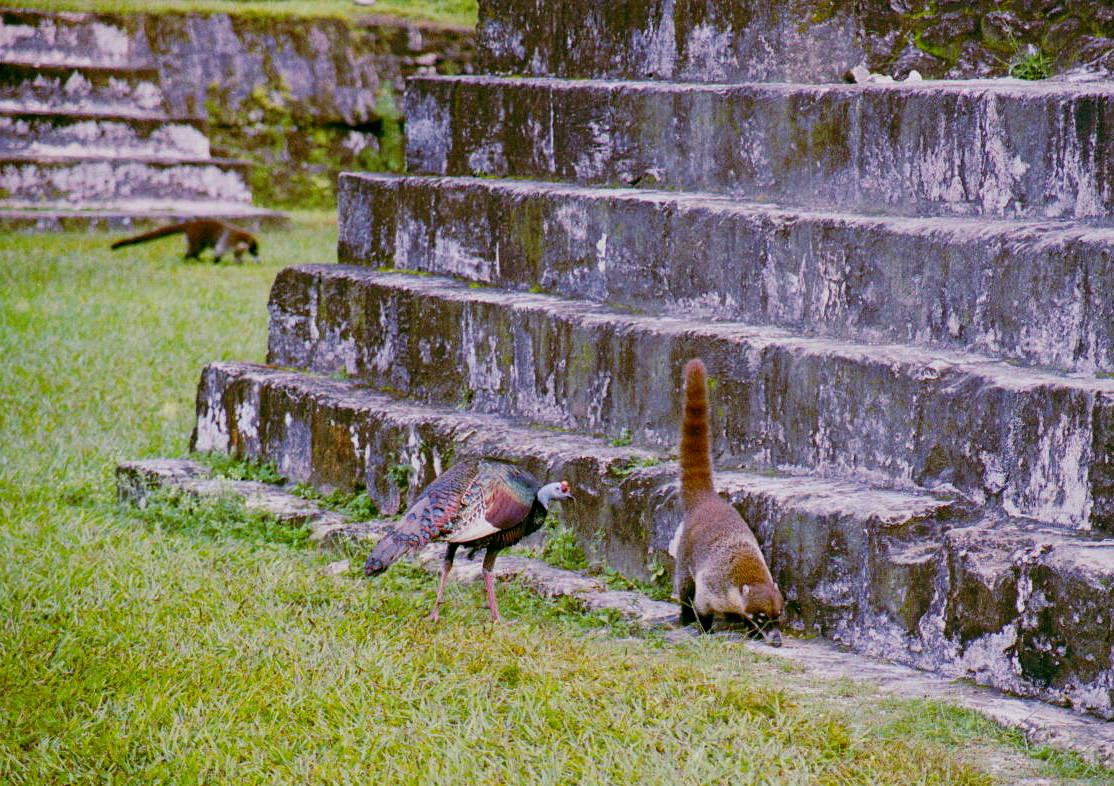
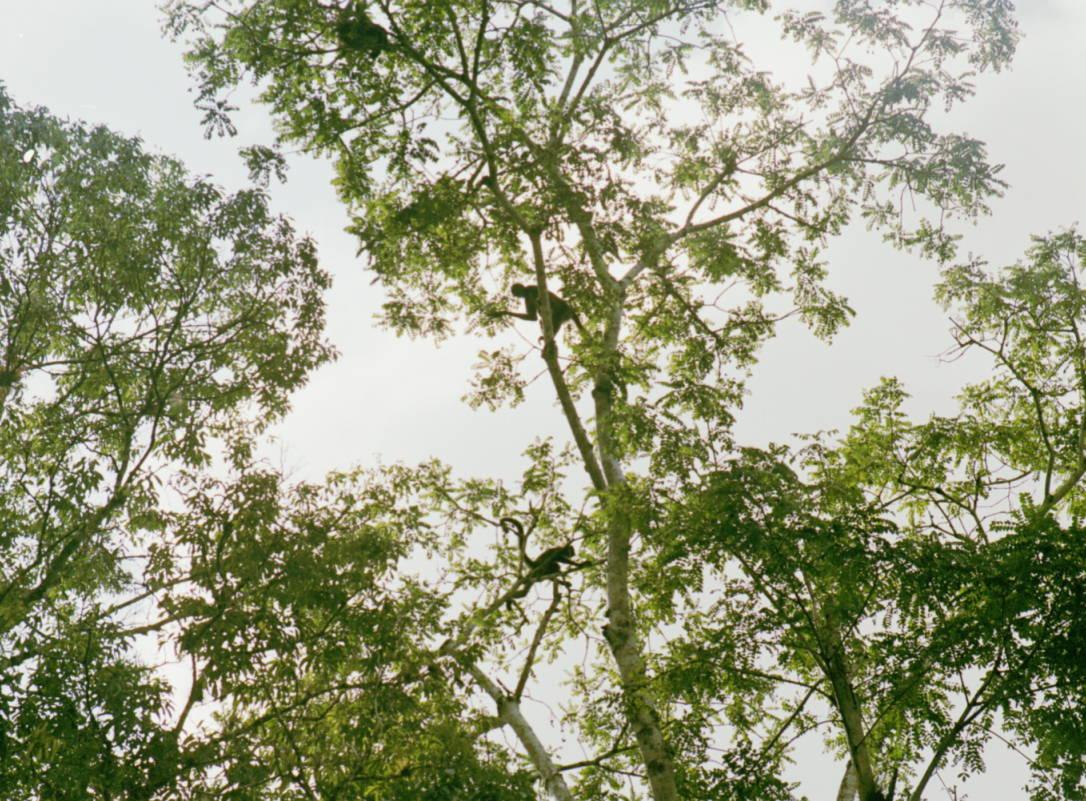
Tikal is Guatemala's most famous Mayan site and has some impressive Mayan buildings that are particularly tall (photos 1 - 5). Hidden in the forest is the temple of the inscriptions (photo 6), so called because of the hieroglyphic inscriptions around its roof. Around the site are lots of coatamundi, which is a carniverous raccoon and colourful royal turkeys (photo 7). Whereas above our heads we were harassed by spider monkeys who threw fruit and twigs at us (photo 8). Tikal was used as a location in the original Star Wars film as the rebel base on Yavin Four (photo 5).