Netherlands
The first time I went to the Netherlands I was too young to appreciate some of the national products. It was actually the last family holiday we all went on for about a dozen years. The most memorable bits being a phenomenal Schnitzel Holstein I had at 'De Kanal Restaurant' my brother putting his foot through the front door of the place we were staying, when I slammed it on him, and boring drives across country, with the occasional windmill to break the monotony. Oh yeah, there were some pictures of sunflowers in a museum.I have since returned to Holland to several times, to see friends and get some Hopjes (coffee sweets) and Drop (Liquorice sweets), go diving, see concerts by both Dutch and international artists amongst other reasons.One time I voted in their general election for a dead bald homosexual. Apparently the fellow did quite well, it makes you wonder what would happen if he actually won the election, would they wheel in the coffin for the inauguration, Prime Minister's Question Time would be a bit dreary as well.
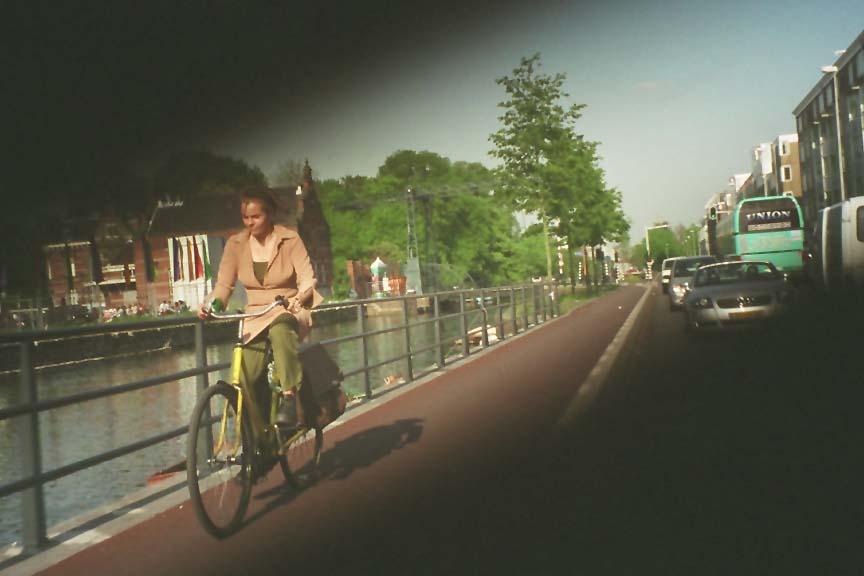
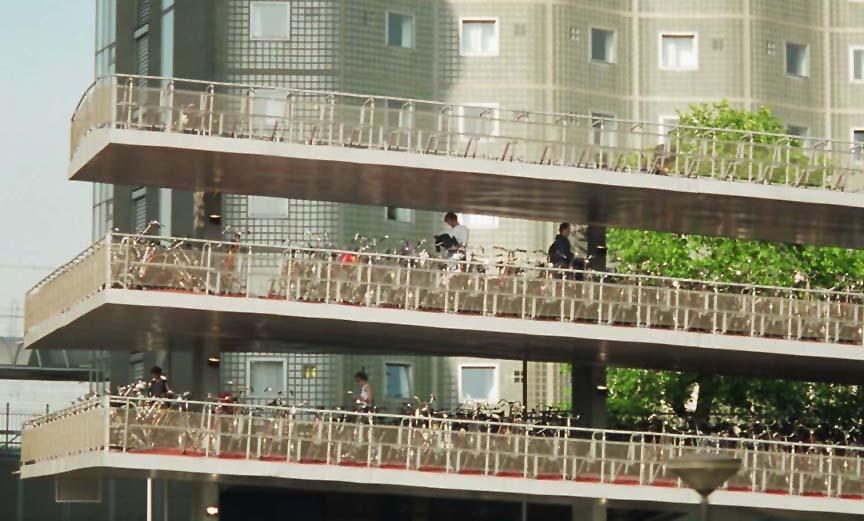
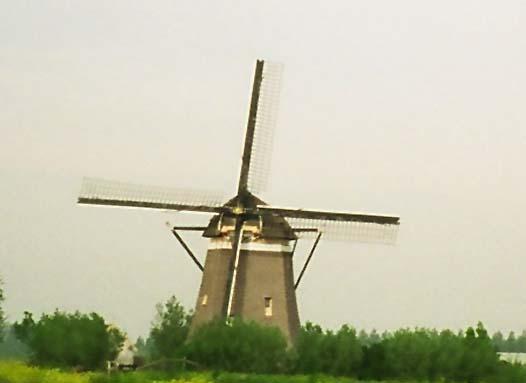
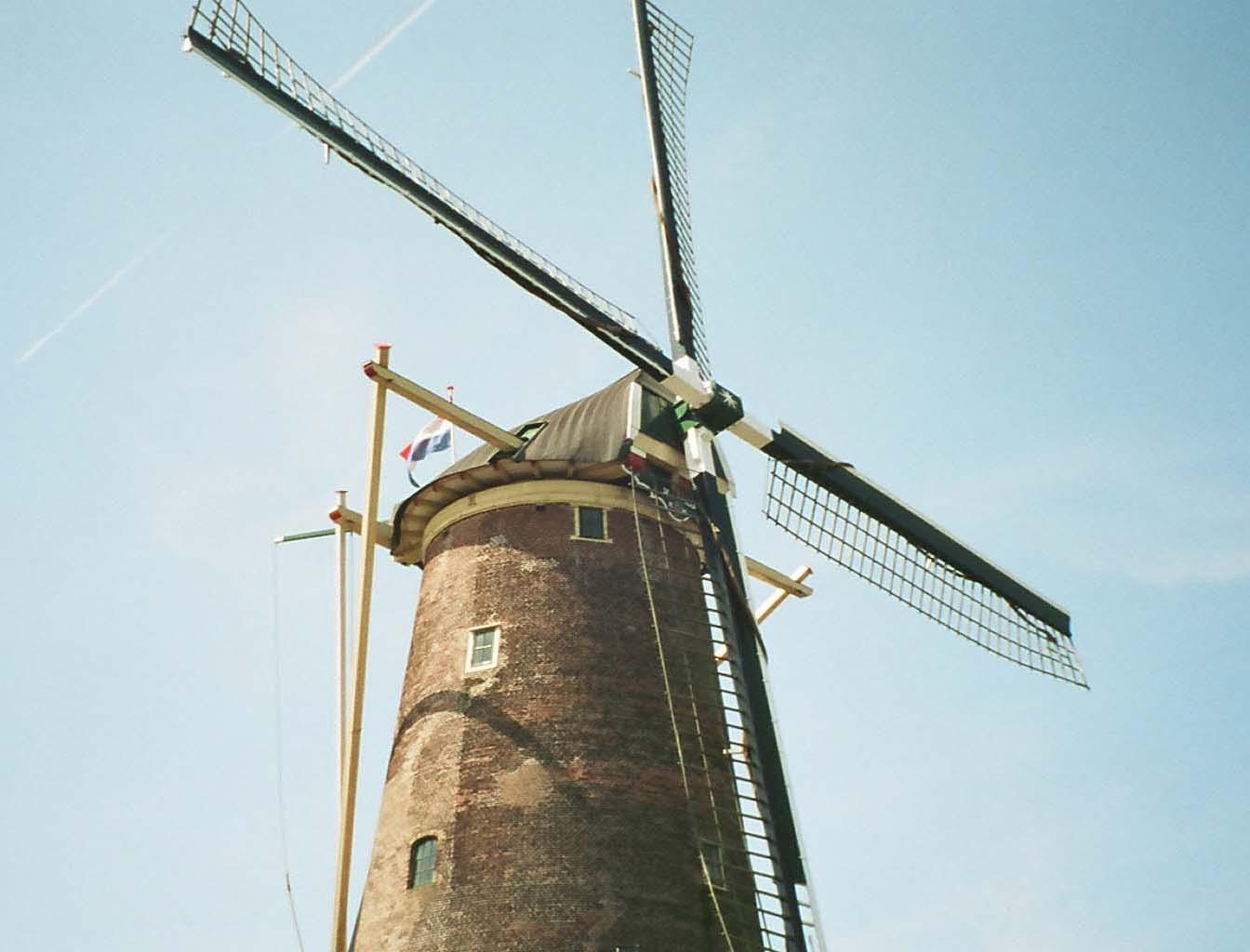
Driving around with my friend the number of windmills about was really quite ridiculous, they seem to be outnumbered only by bicycles, they even have multi-storey bicycle parks (photo 1).
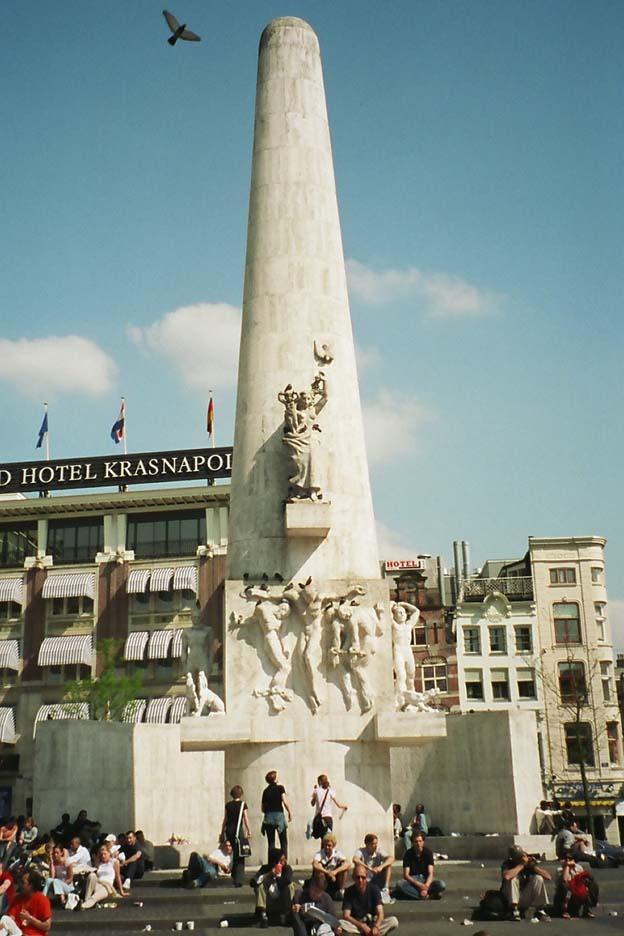
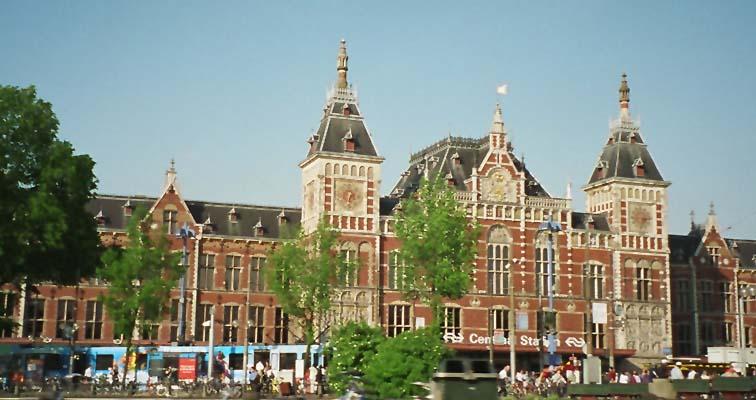
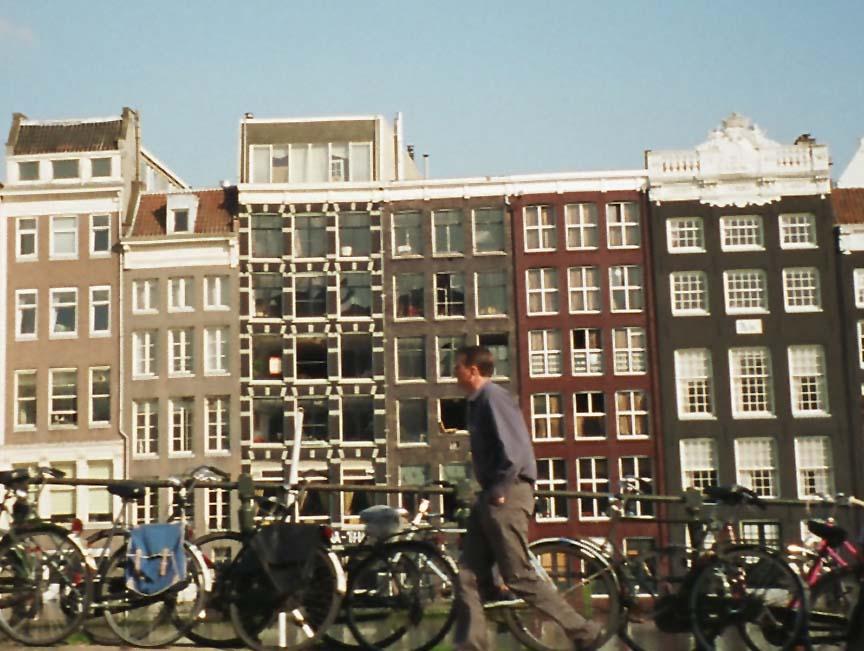
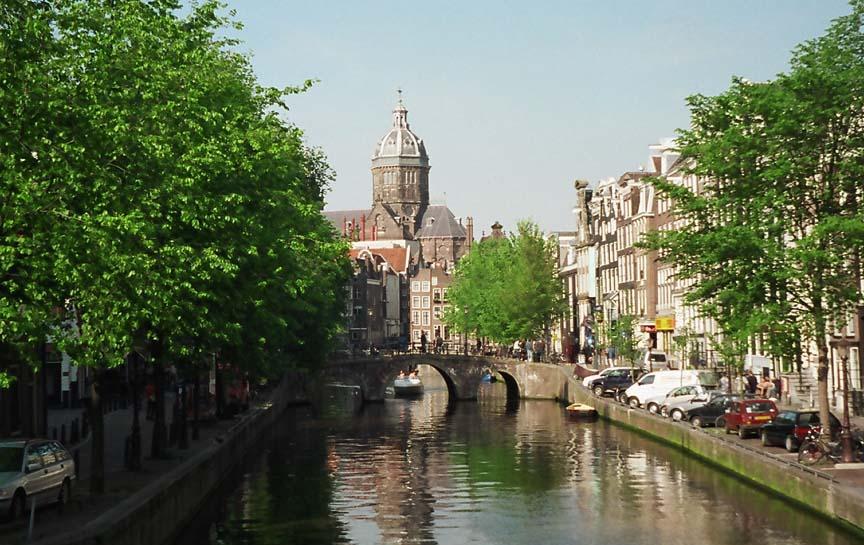
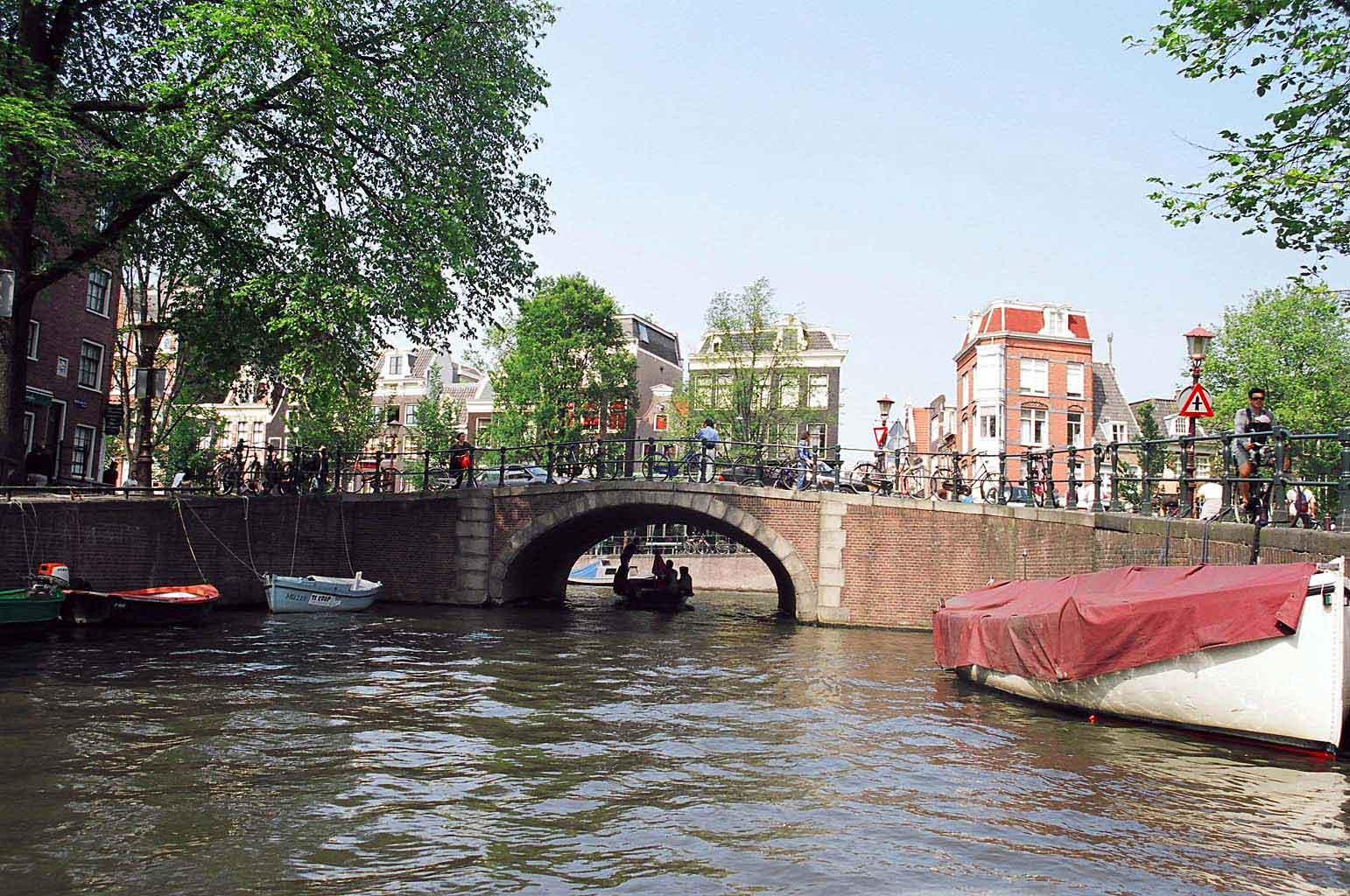
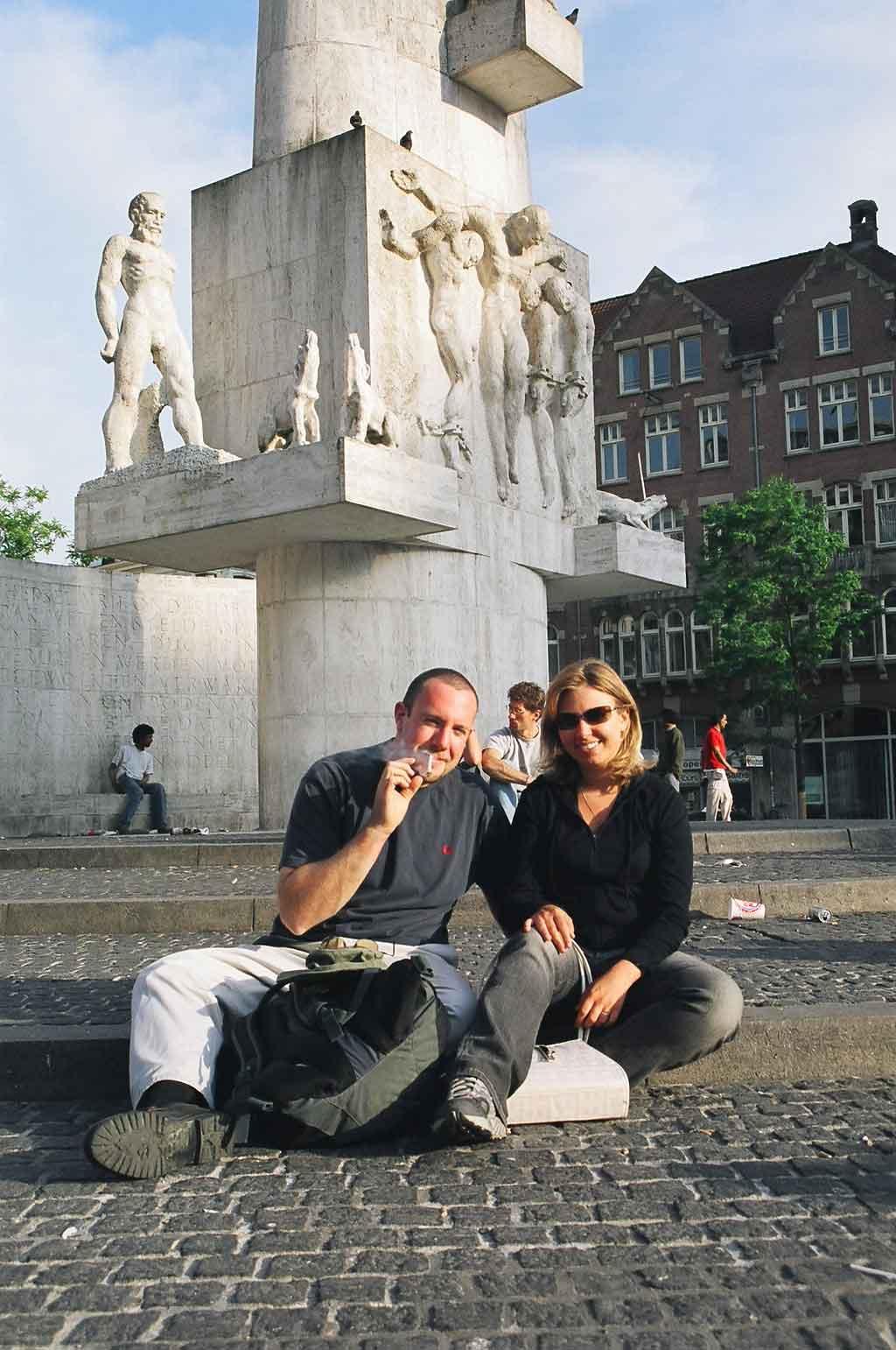
The Amster Dam itself is no longer actually a dam but a big phallic monument in the town centre (photo 1). The train station was one of the more impressive looking buildings I saw (photo 2). The typical buildings in Amsterdam (photo 3) are narrow things alongside a canal. The stereotypical picture of Amsterdam is of a canal with a nice old bridge across, so I thought I should take a photo of one of the few spots that actually looks like that (photos 4 & 5).
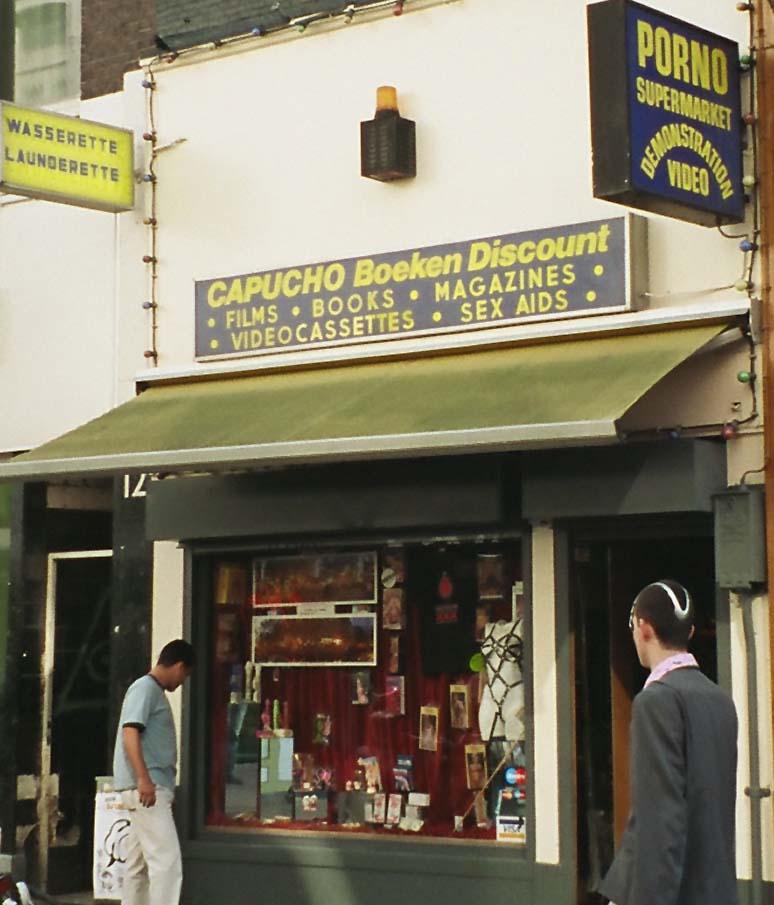
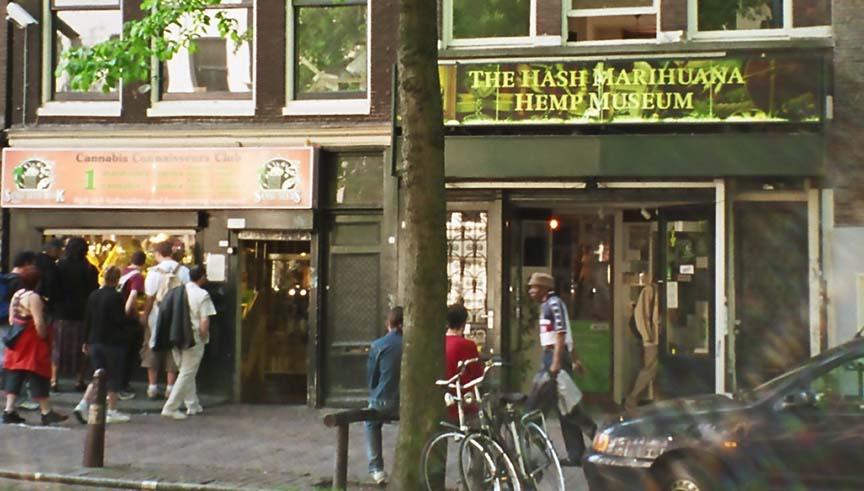
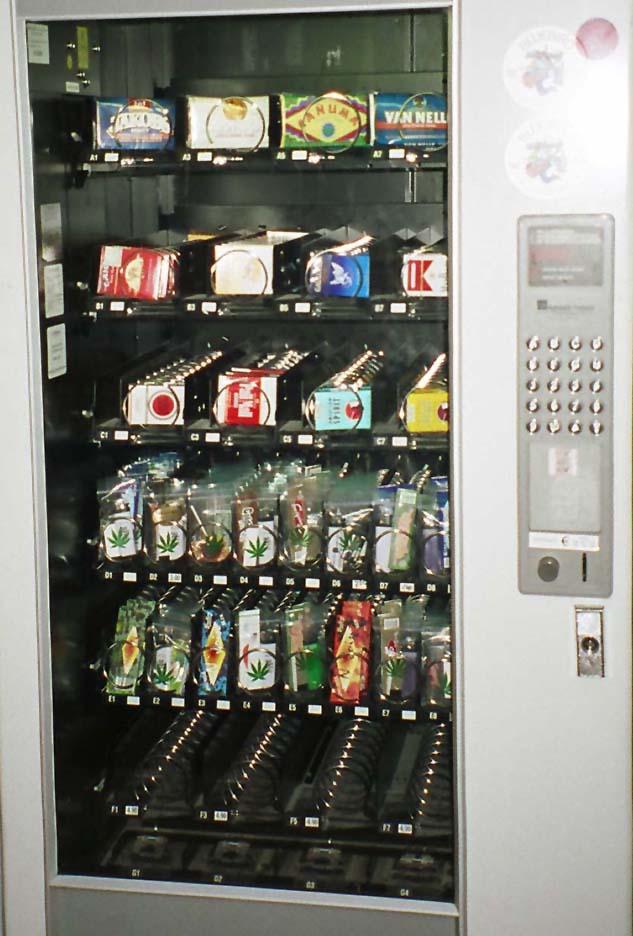
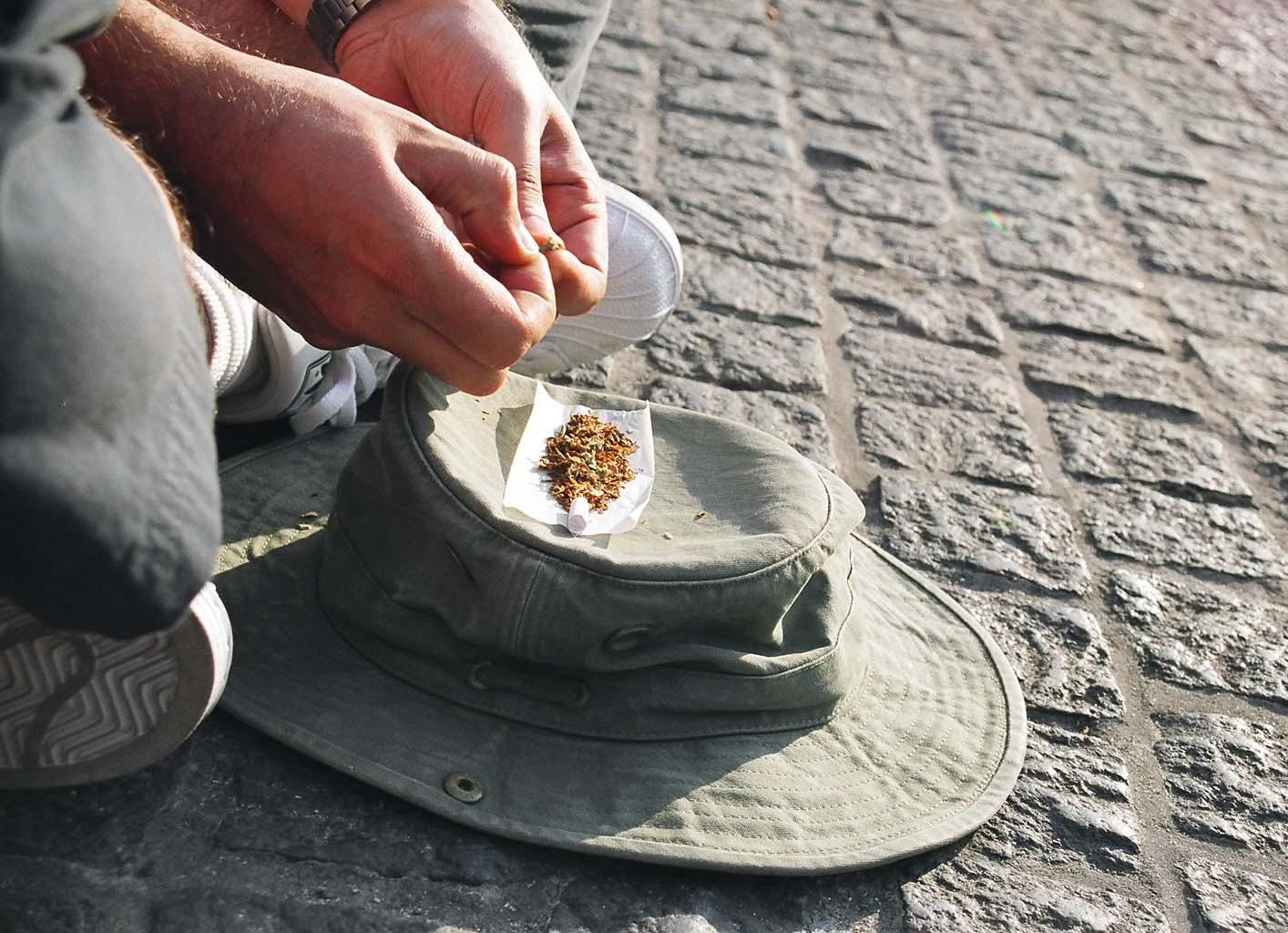
Amsterdam is probably most famous for sex and drugs than anything else. There are sex museums and brothels all around one area, with the girls on display in the windows, leaving little to the imagination. In many cases it would probably be a lot better for business if they were more discrete. The porn is not as profligate as the reputation might suggest, with porn supermarkets (photo 1) being common only in limited areas. The same goes for the famous coffee shops. It is quite amusing to see shops like "The Cannabis Connoisseurs Club" and "The Hash Marijuana Hemp Museum" (photo 2). My favourite however was in the small supermarket where there was a weed and rolling paper vending machine (photo 3). The weed can be bought pre-rolled or for the purists self-rolled (photo 4).
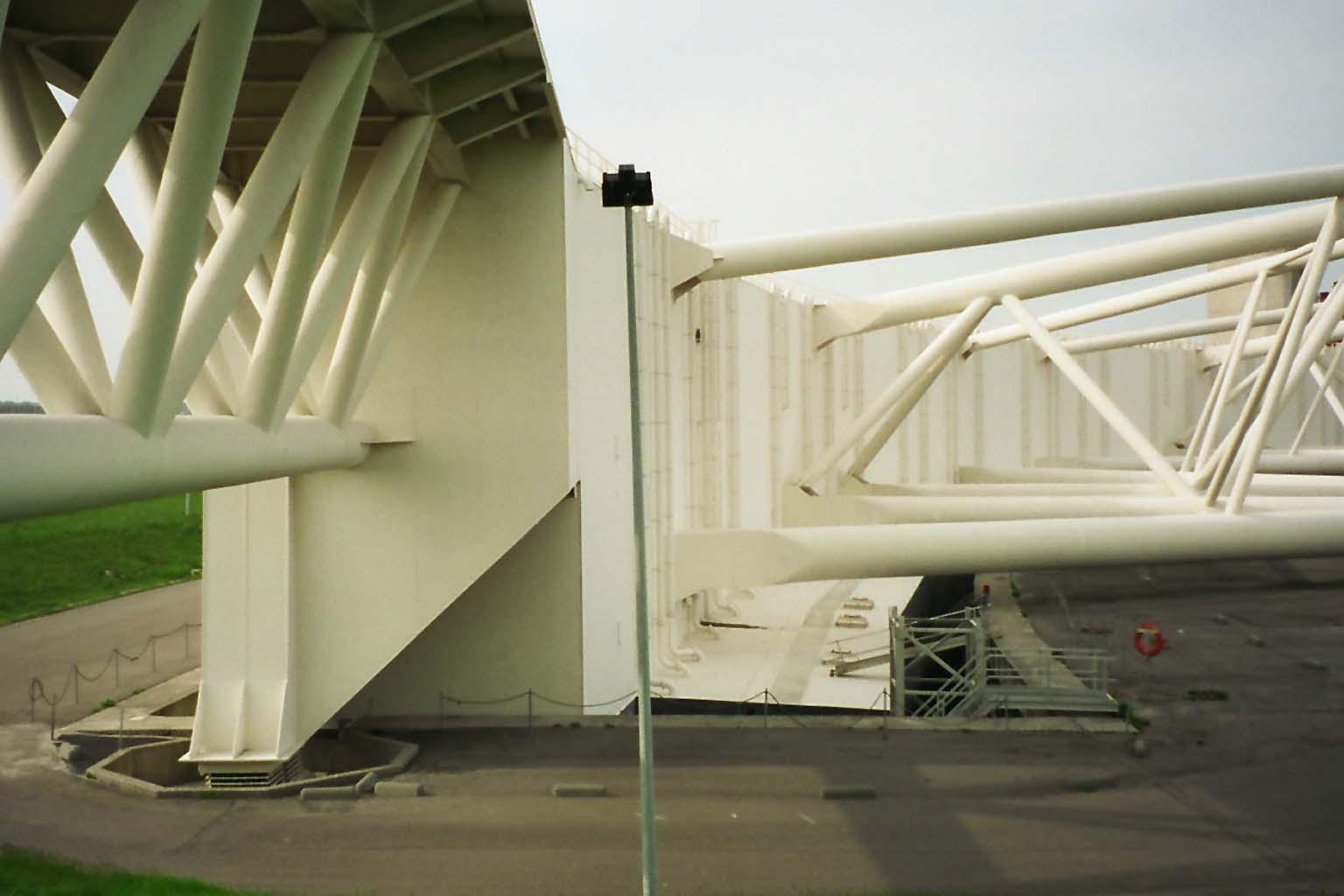
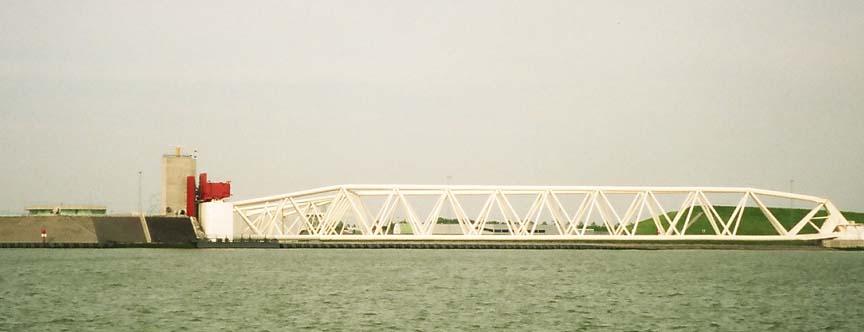
One of the more peculiar things I saw in Holland was when after a dive (yes, the water was cold, the visibility was poor, I still enjoyed it though) when we went and saw part of the North Sea Protection works. These huge gates swing across the mouth of the river to form a barrier reducing the chances of flooding at high tide. To give a sense of scale, the ball bearings are the worlds largest at a whopping ten metres diameter.
There were also a shed load of windmills.
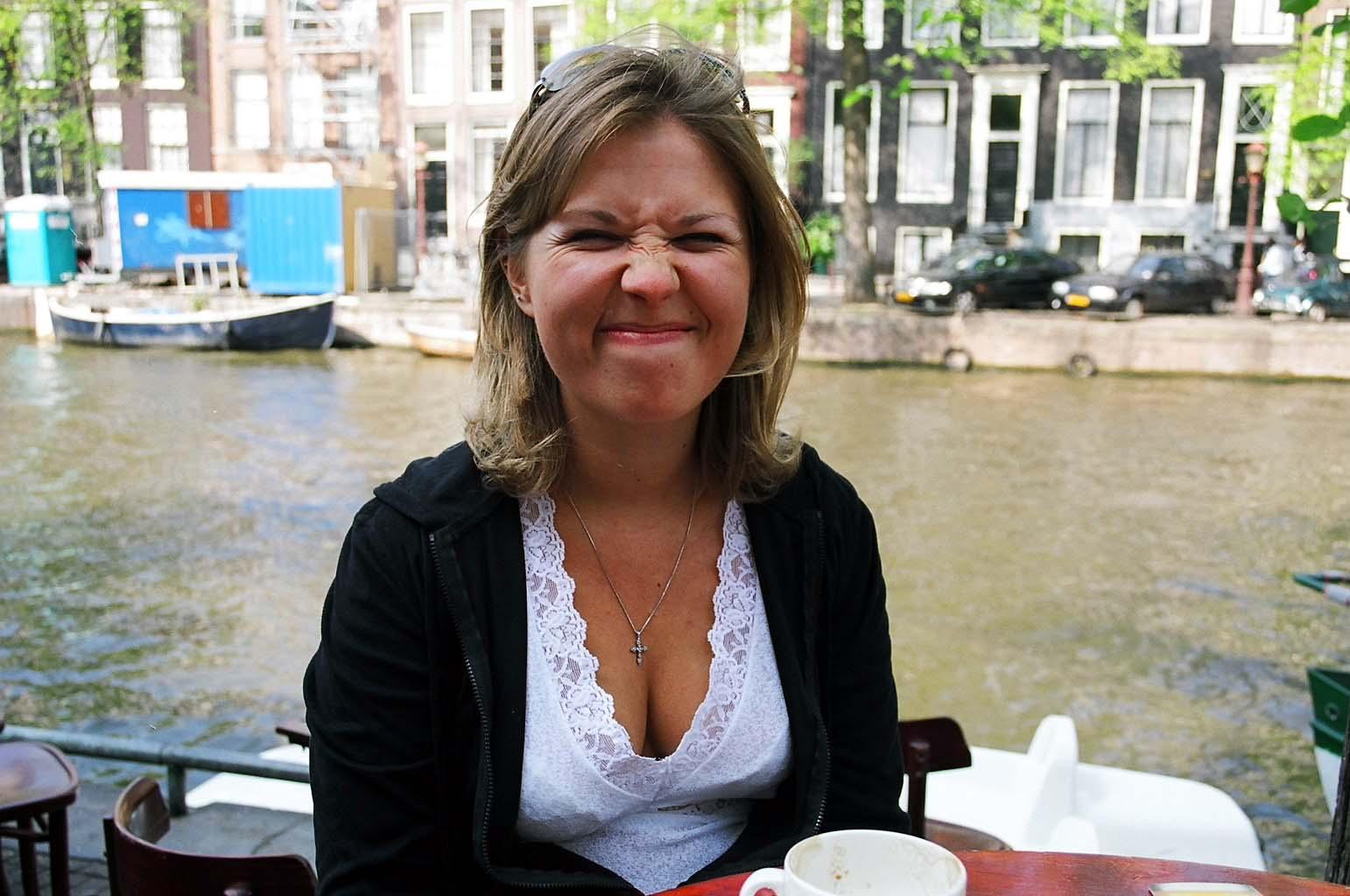
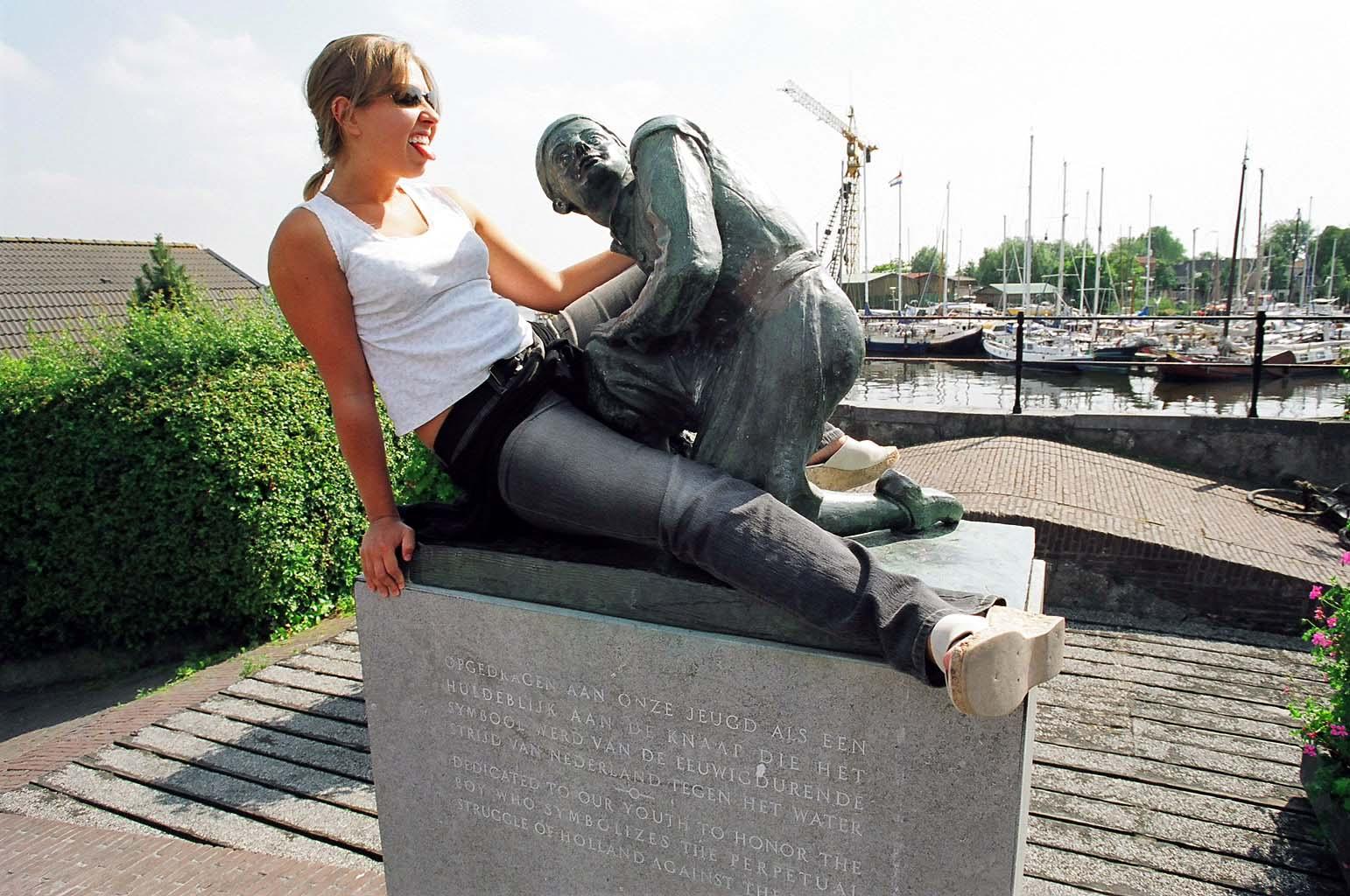
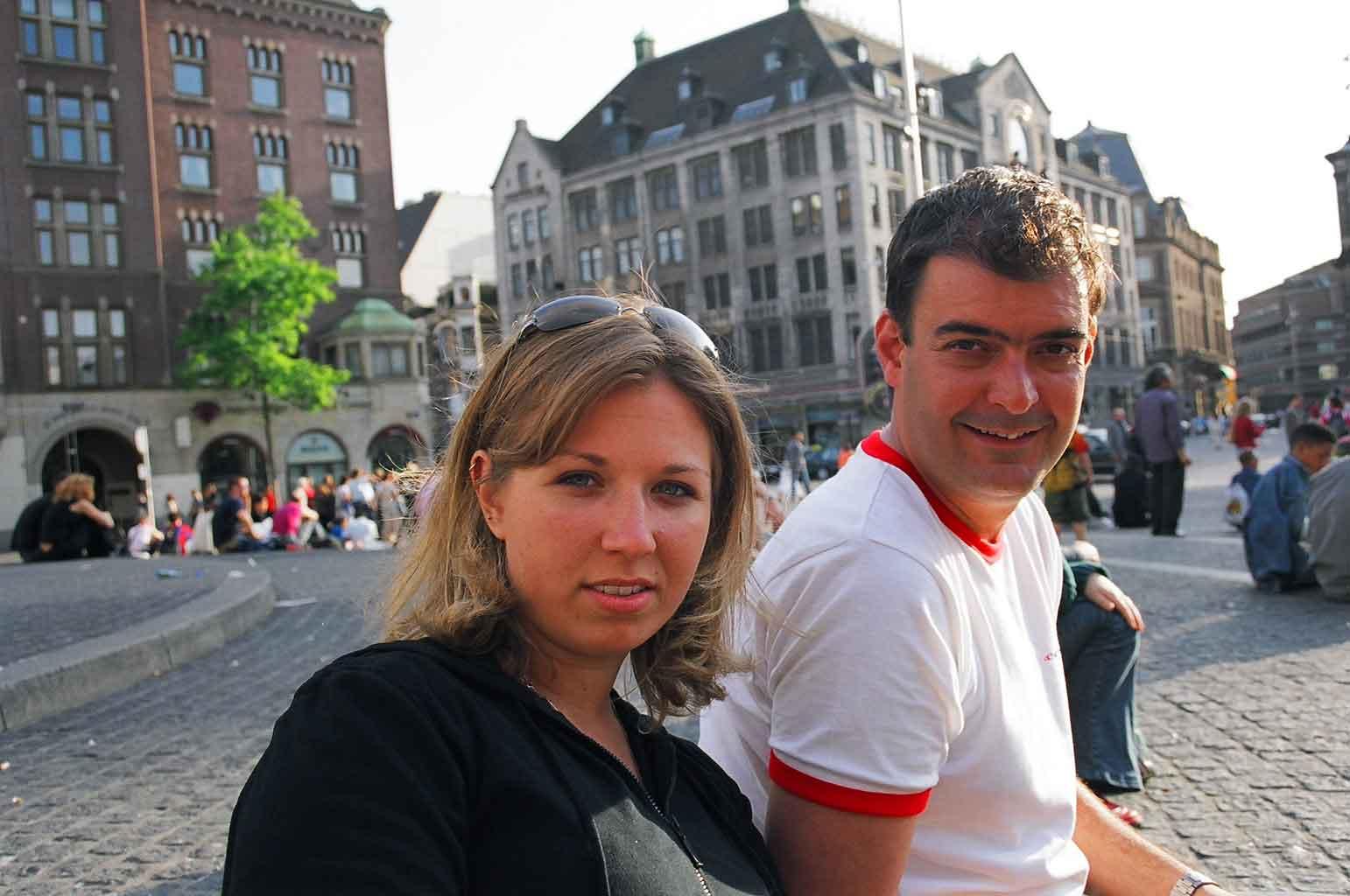
One time I went to Holland I was accompanied by my friend Hanna from Arizona (photo 1), when we actually did much more touristic stuff than I usually do there. She got a little bit excited when she met Hanser Brinker, the boy who stuck his finger in a dyke (photo 2) or perhaps she was going for a metaphorical reconstruction. My friend Micha (photo 3) acted as tour guide, being a local we thought some might think he would be good at this, however the reality is that he hadn't visited most of the places previously either. Obviously it would have been foolish to have gone to Amsterdam and not sample the local product (photo 4).
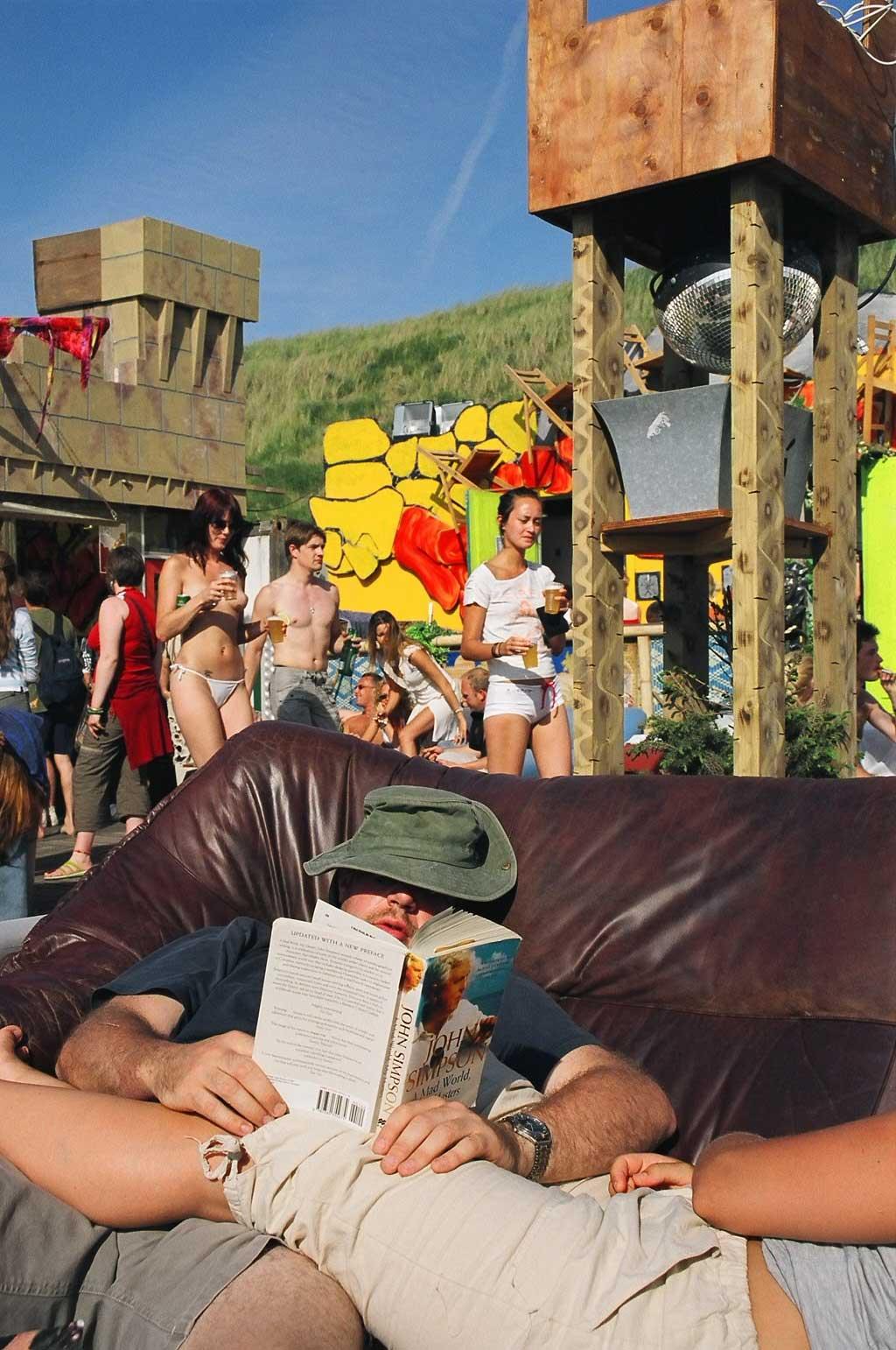
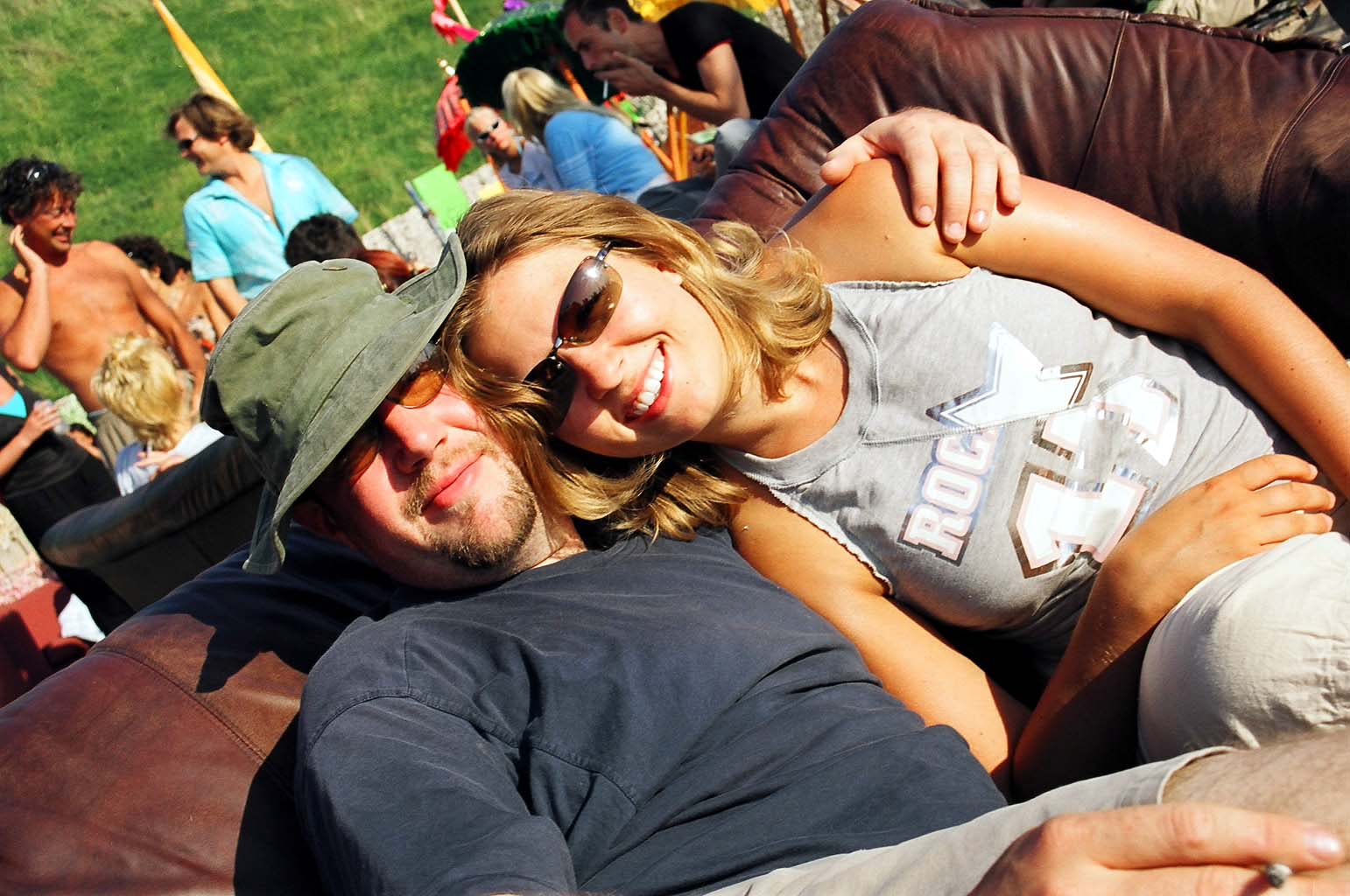
At the beach near Bloemendaal is a place called Woodstock which is a nice place to chill out in the comfy seats, listen to the music, have a drink, a smoke, and watch the scantily clad women go past, or just do a bit of light reading (photos 1 - 3).
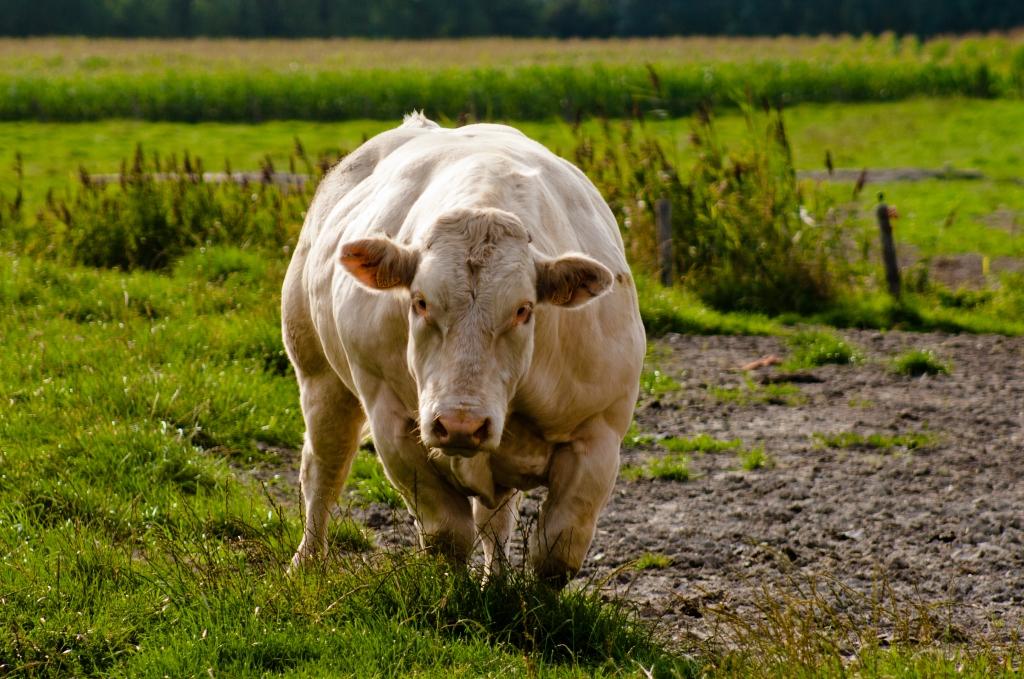
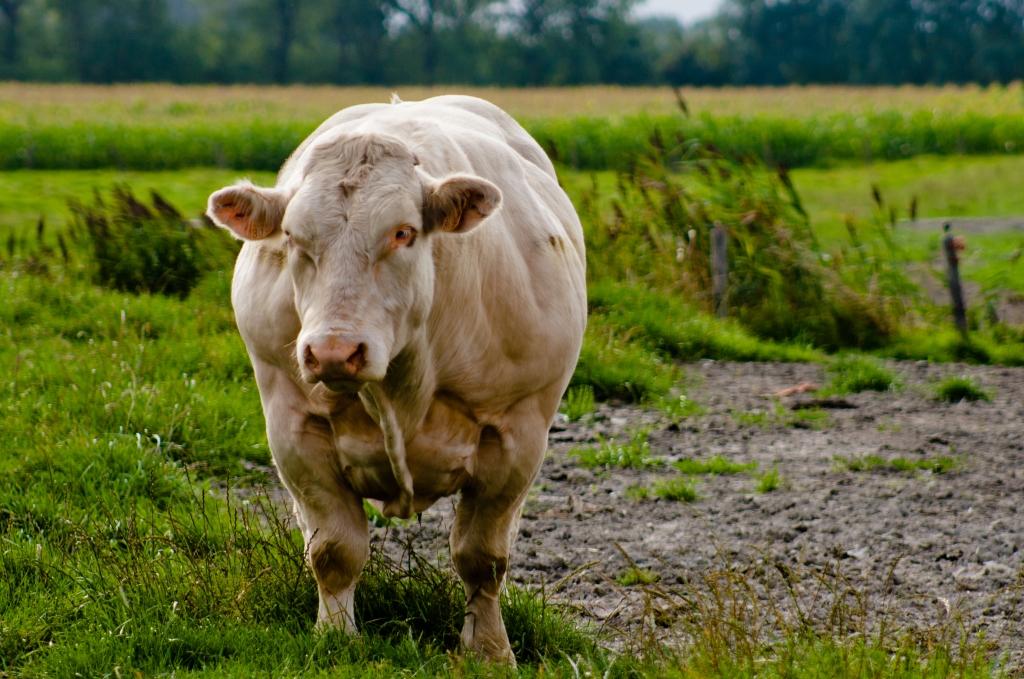
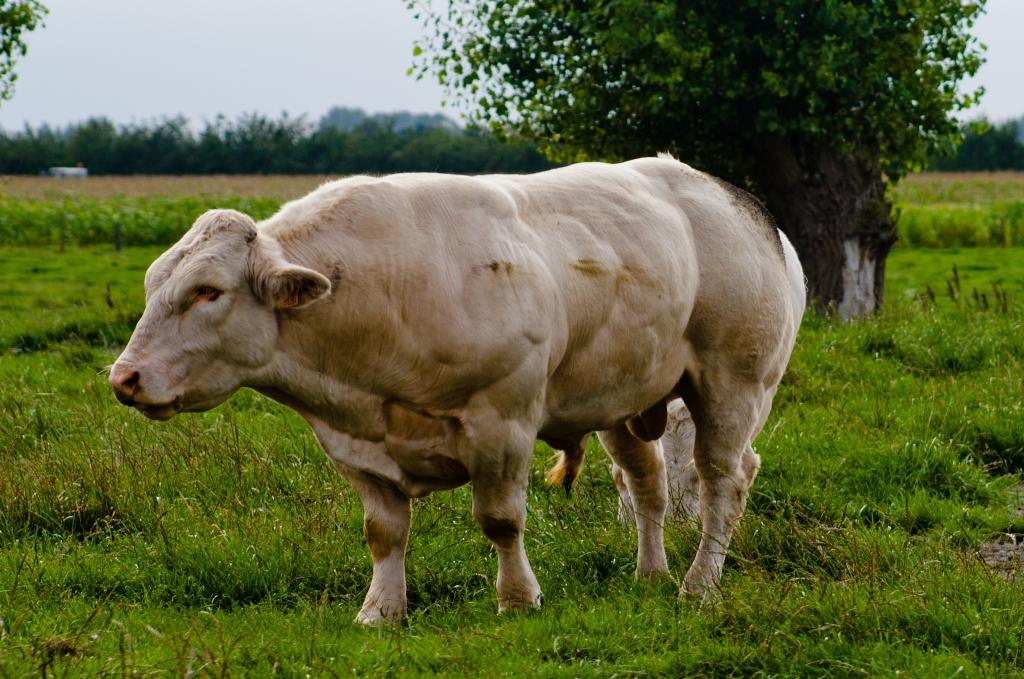
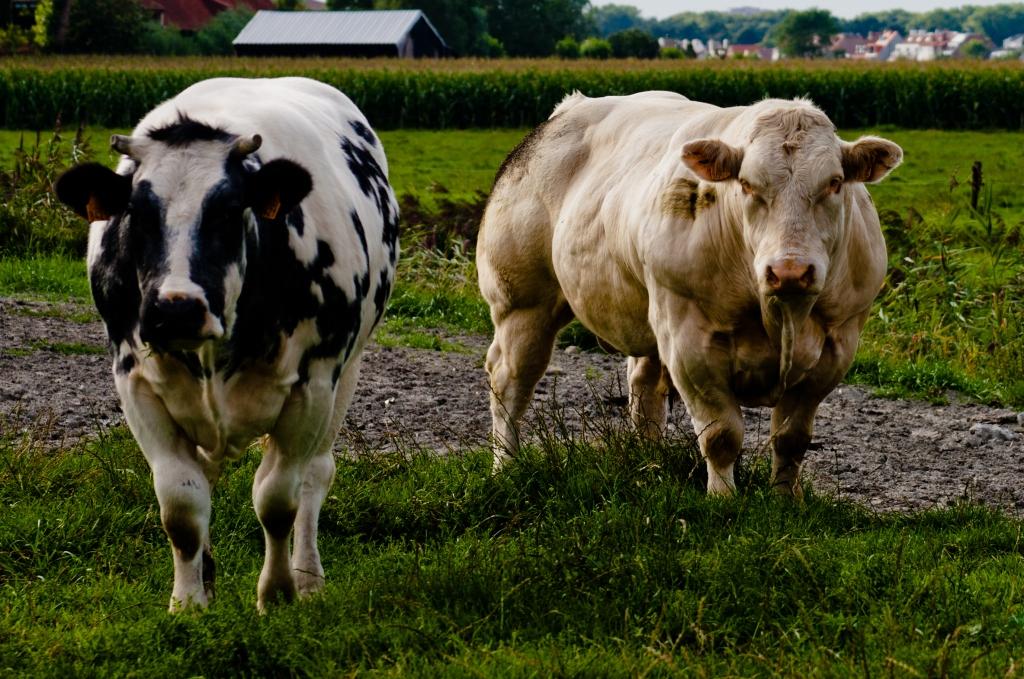
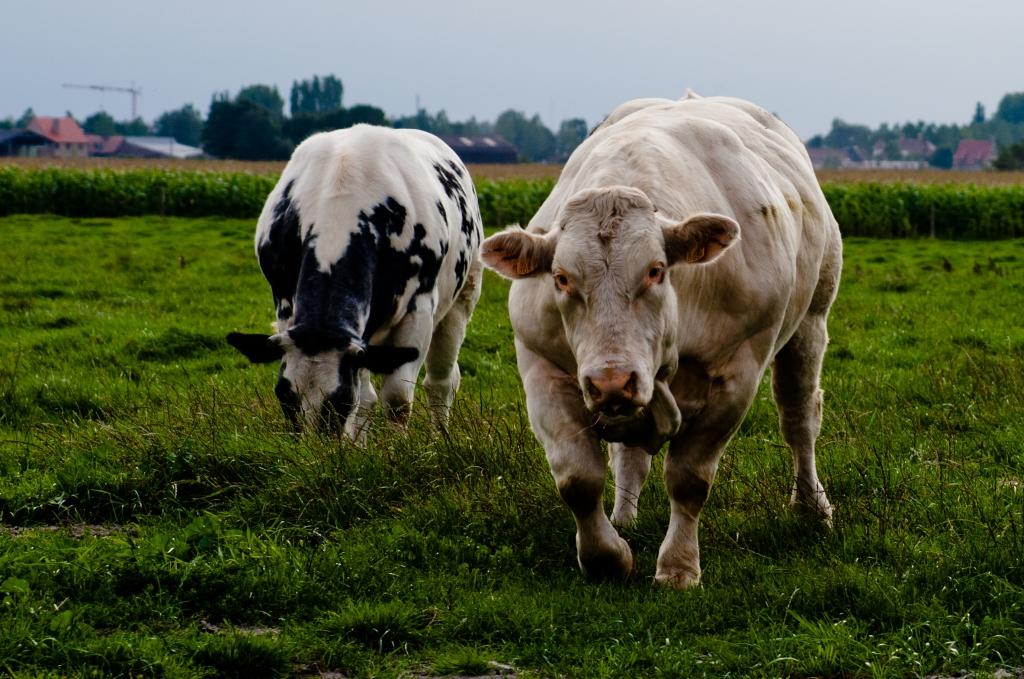
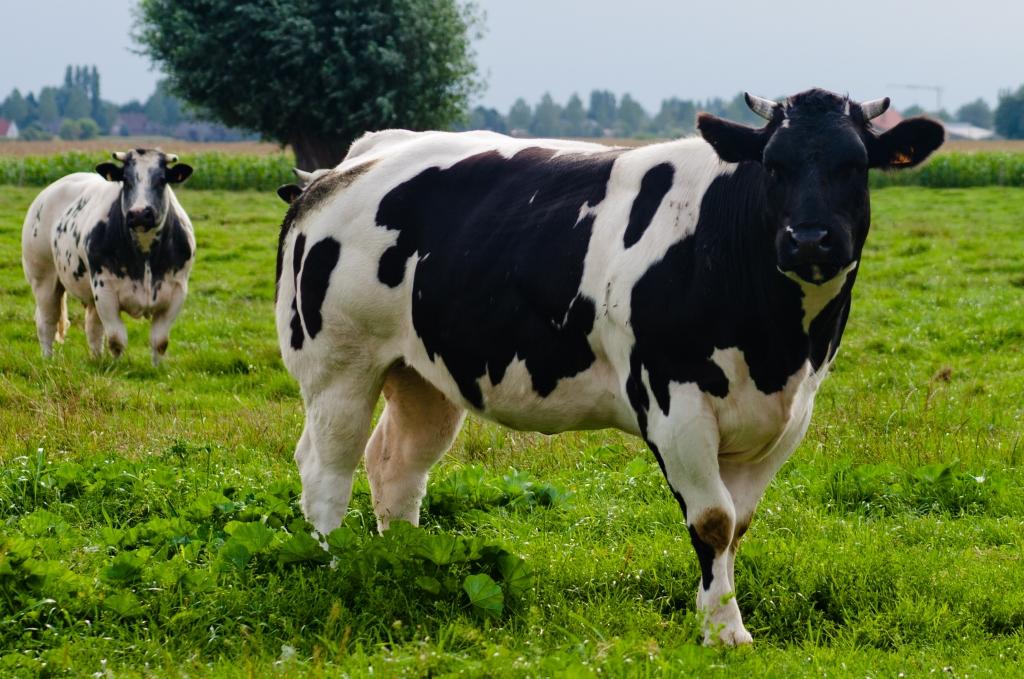
On a subsequent European foray, I popped over the border from Belgium to the Netherlands. My friend with whom I was travelling had a fixation about the beefy cattle and how ripped they looked (jealousy I think, from one cow to another).
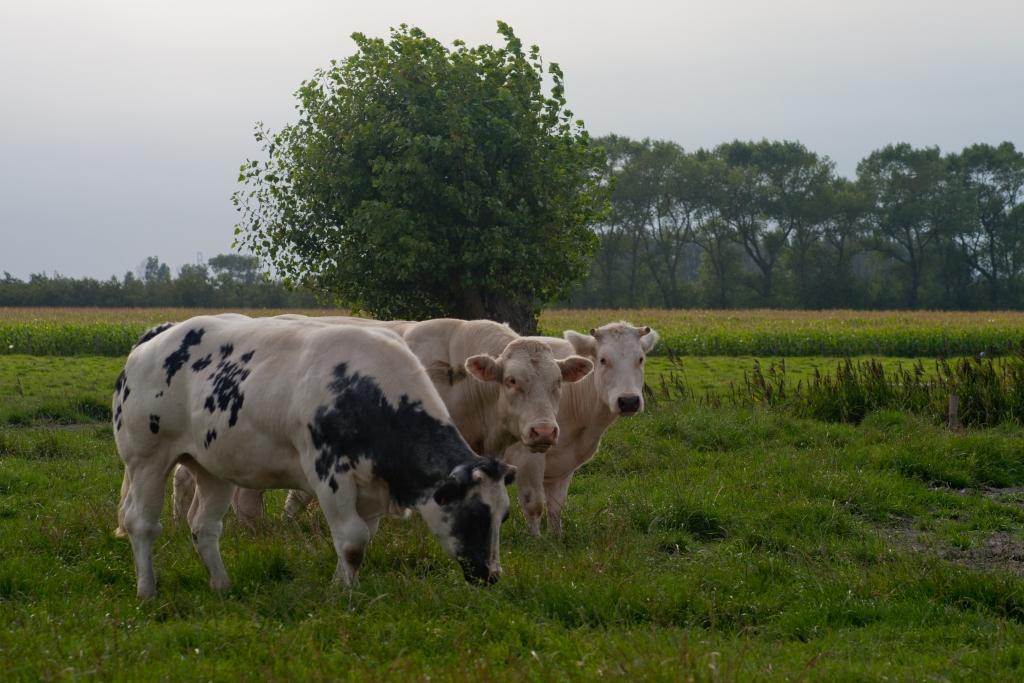
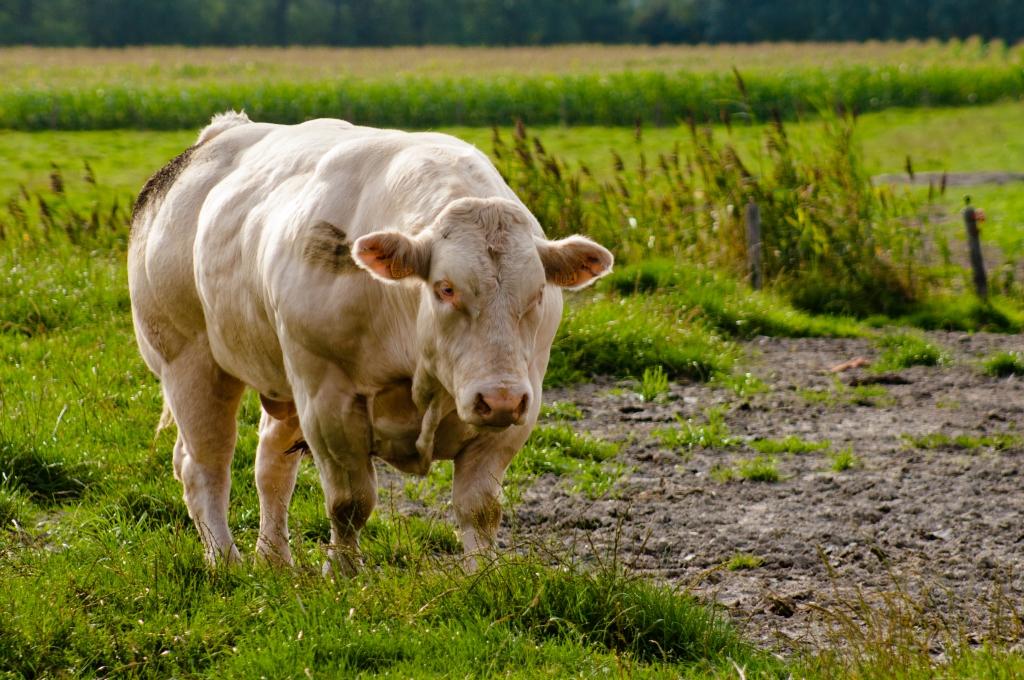
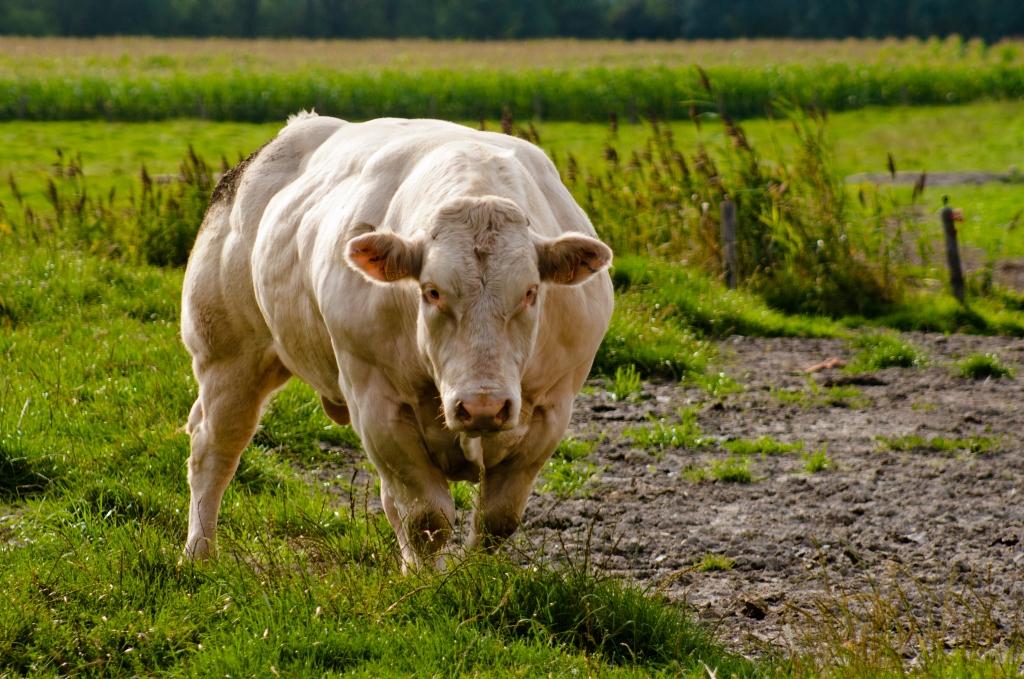

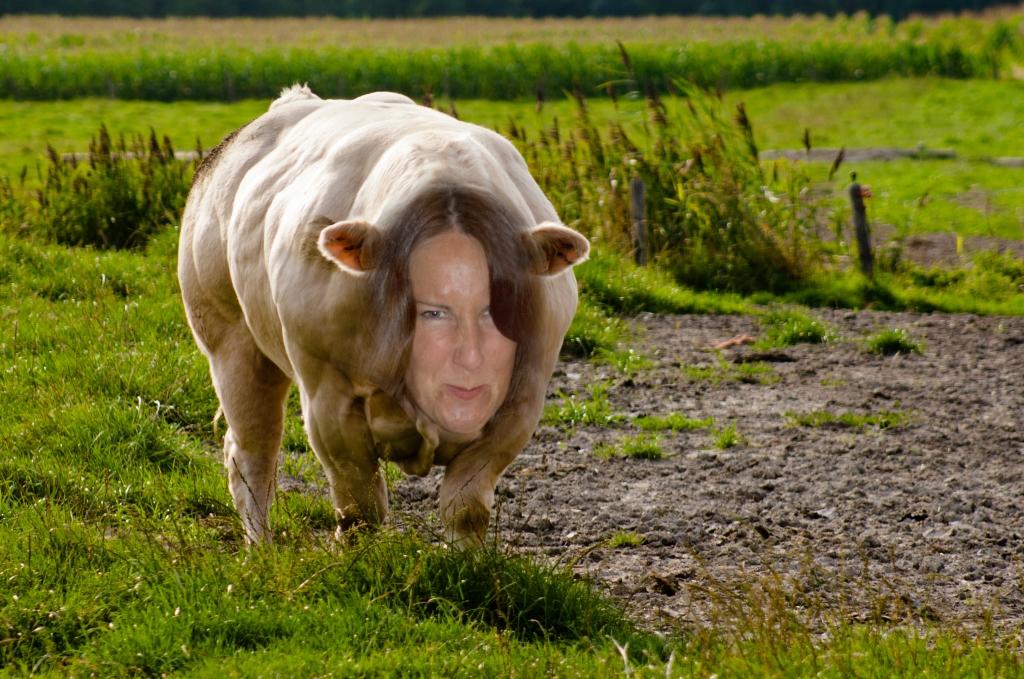
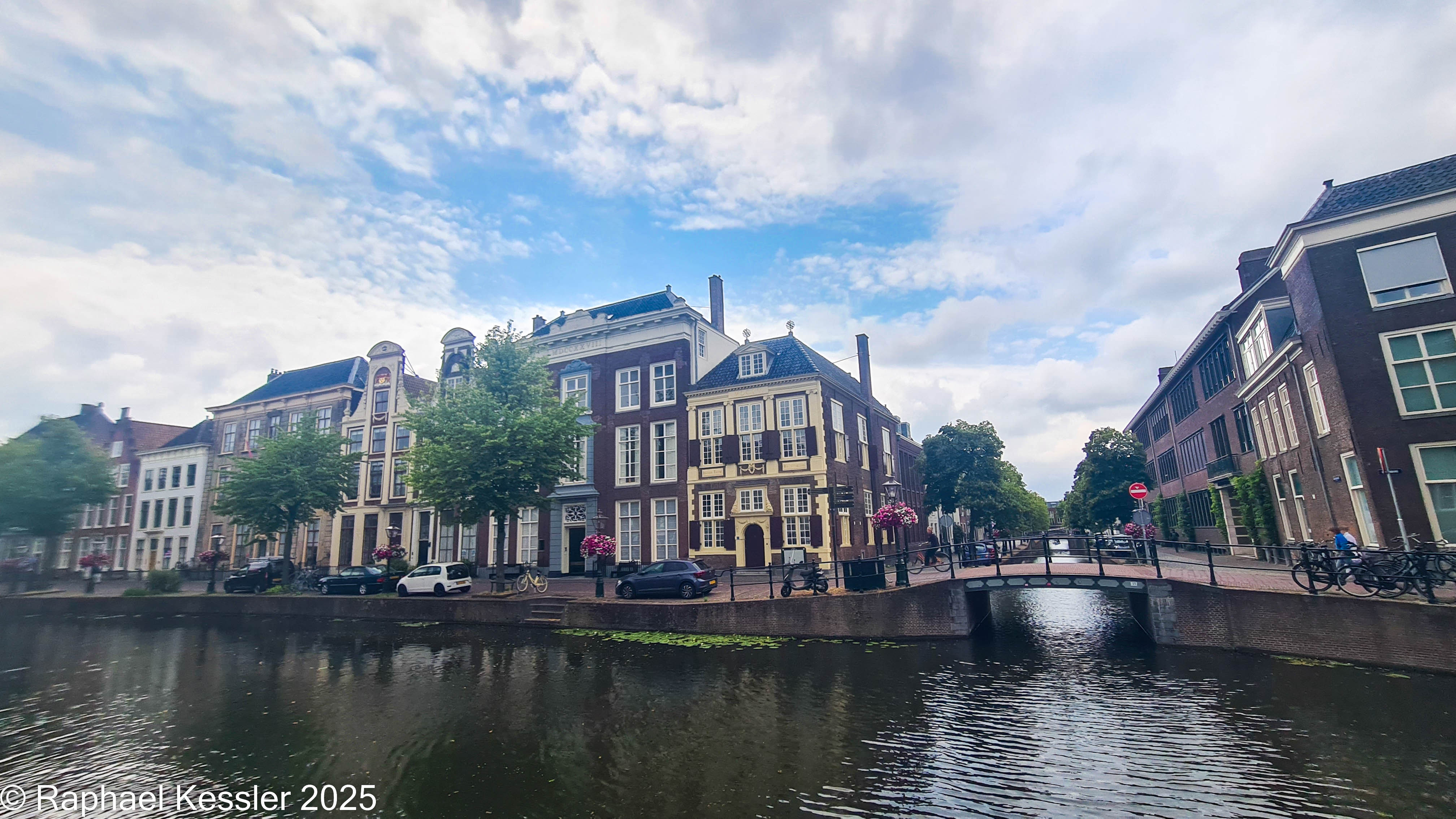
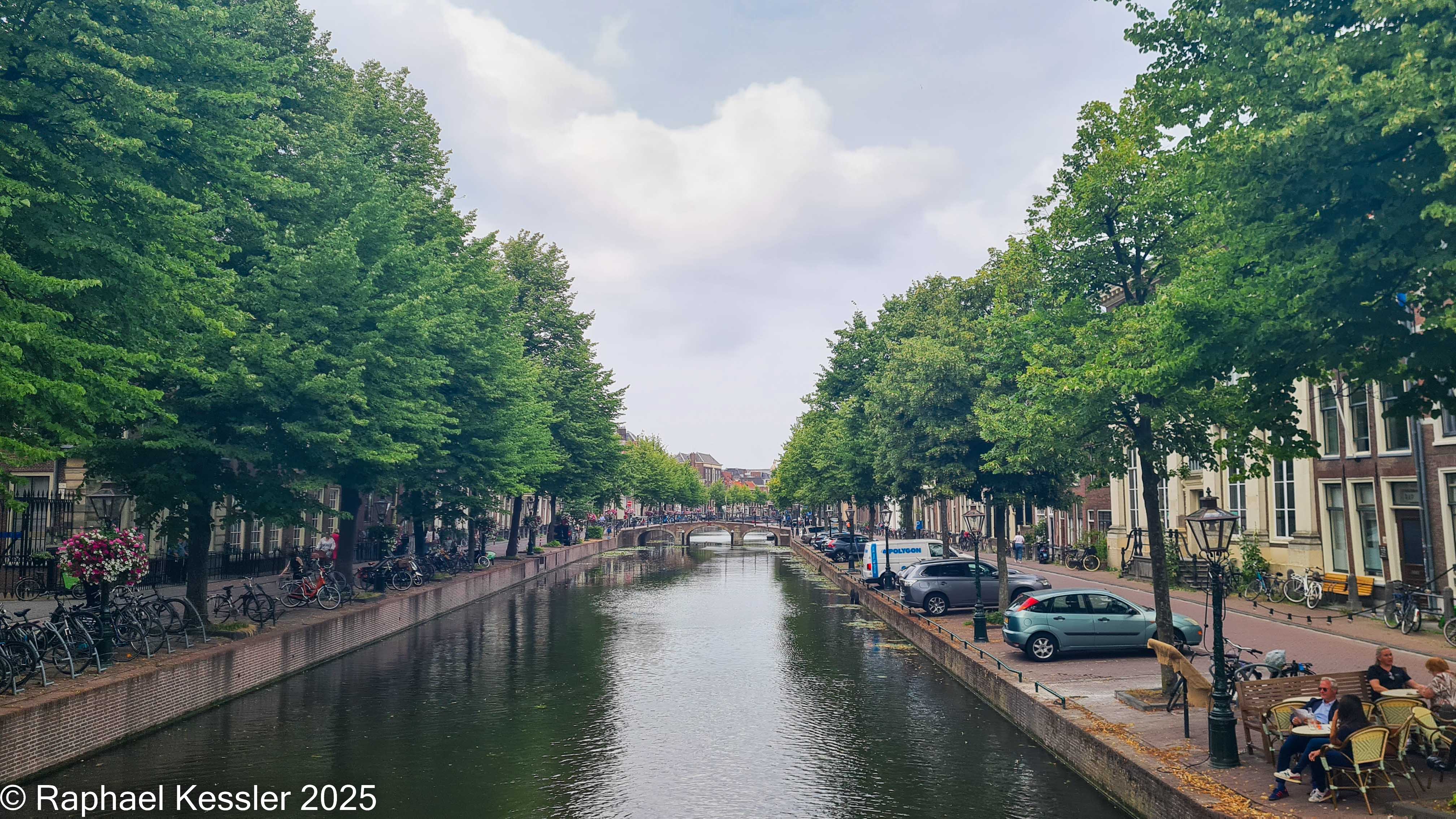
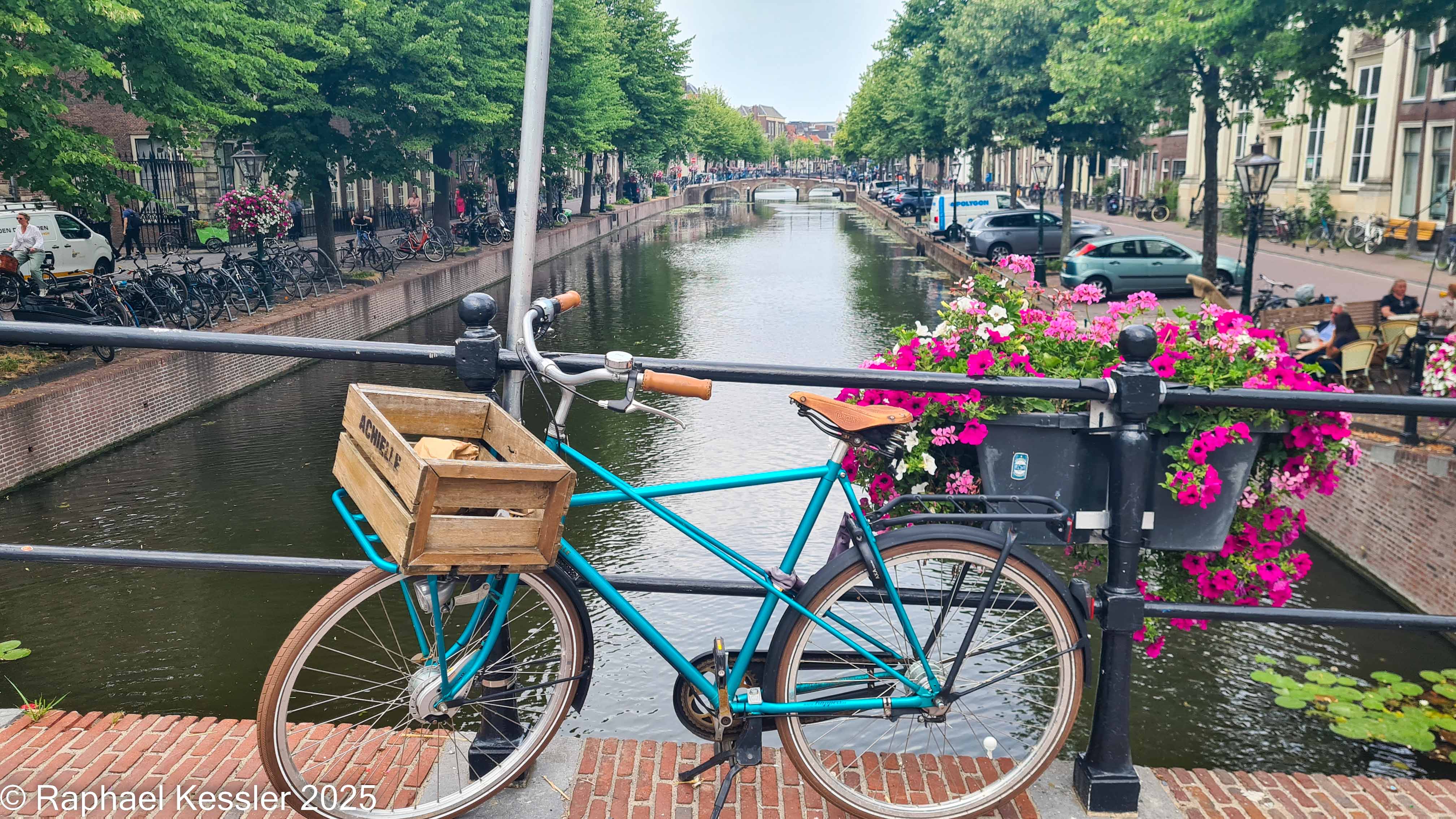
I went for lunch with my fried in Leiden, which had a pleasant laid back feel in the centre.
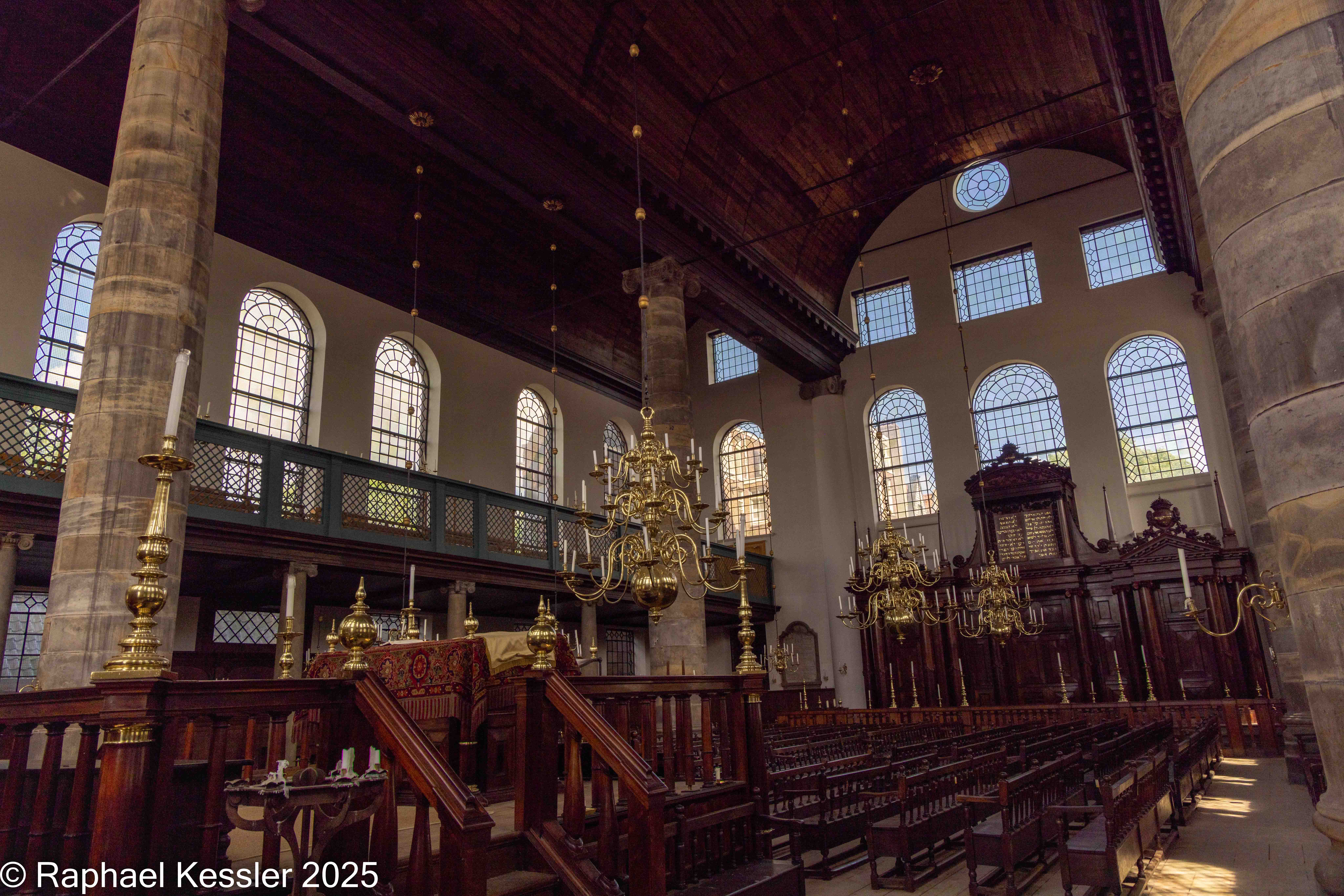
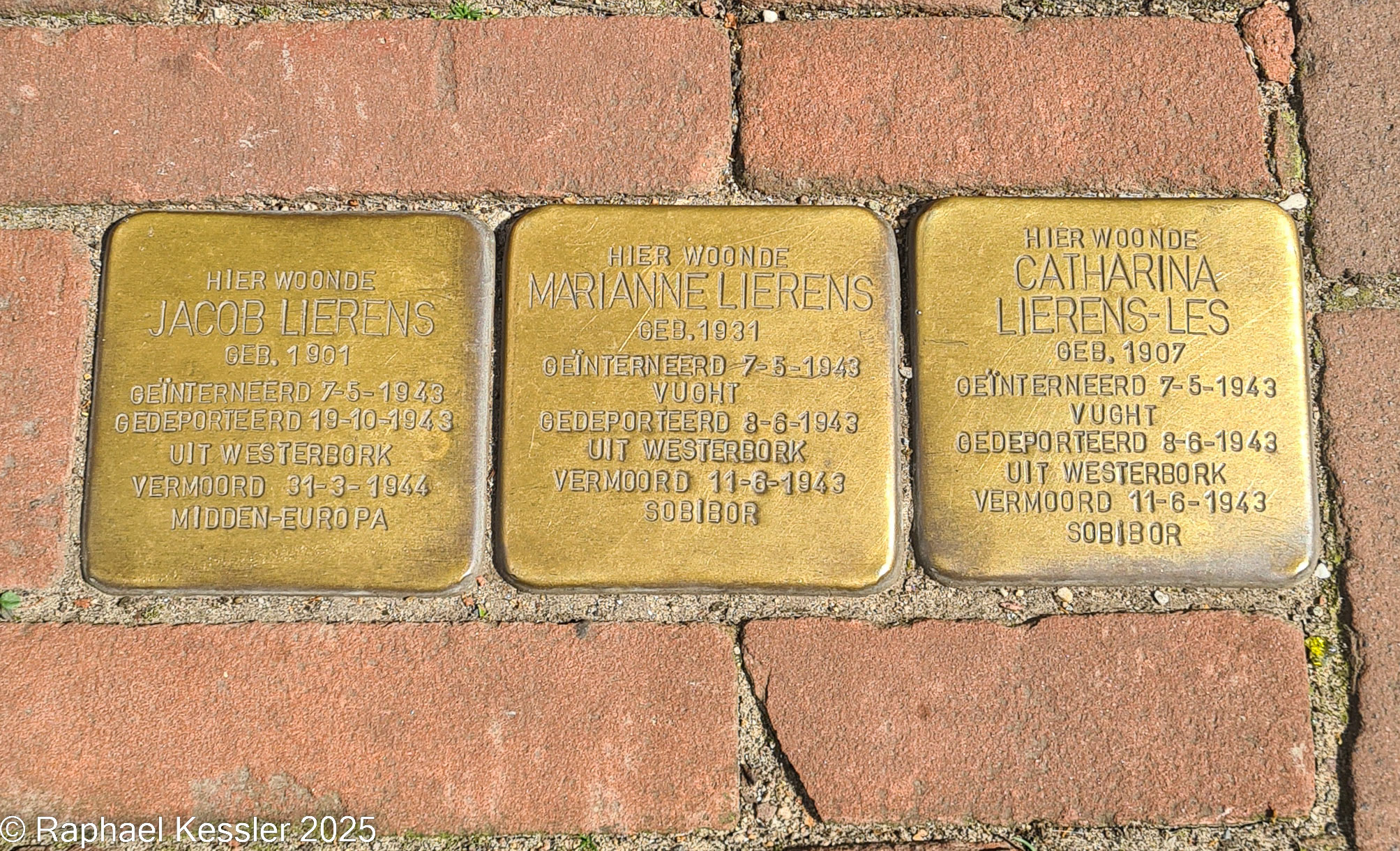
I met up with Peter in Amsterdam and for once went around as a tourist, as opposed to the many times I had visited previously with a friend who is local, which makes it a different experience. These photos are of the Portuguese Synagogue and the commemorative brass blocks in front of those homes from where Jews were deported during the Nazi occupation.
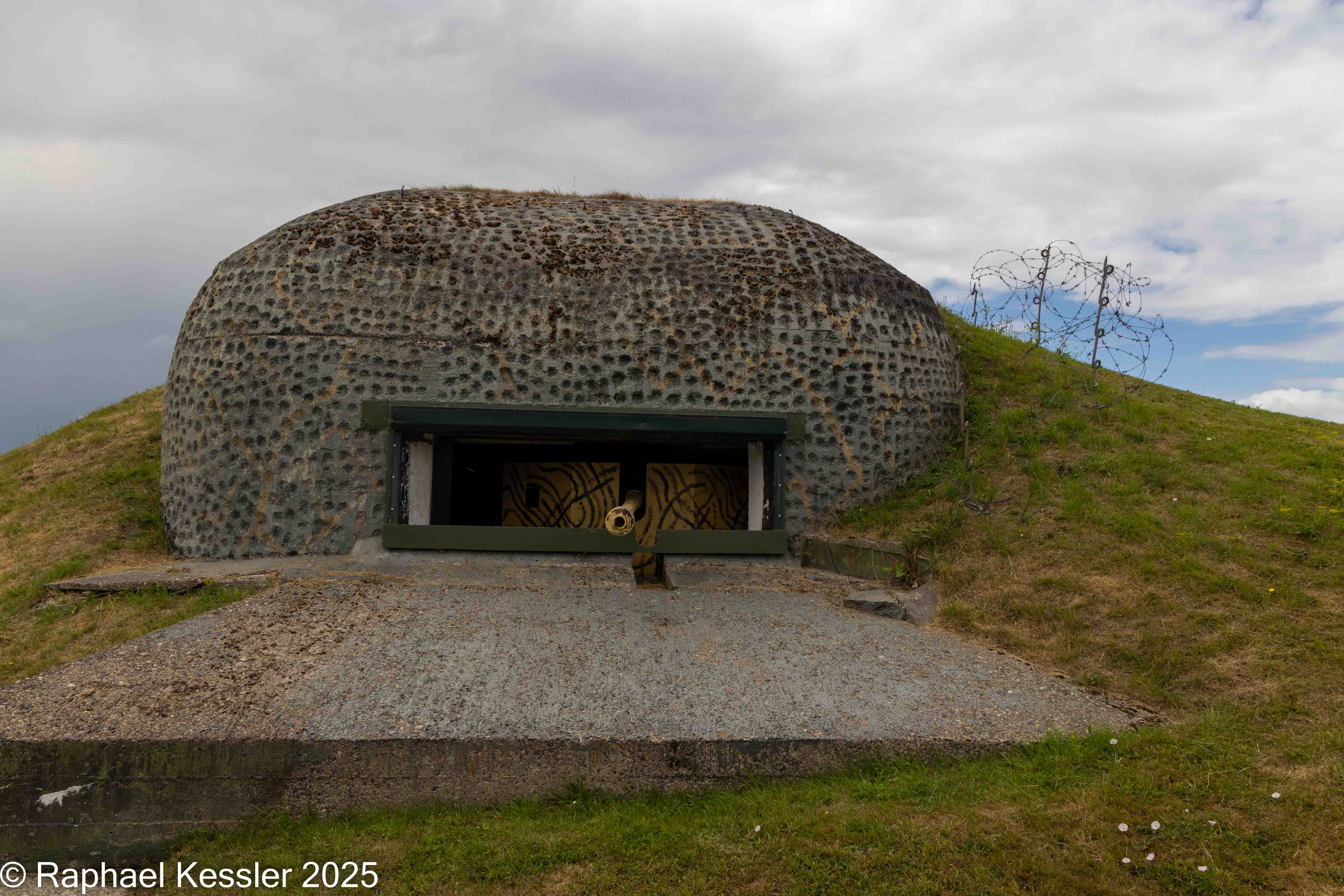
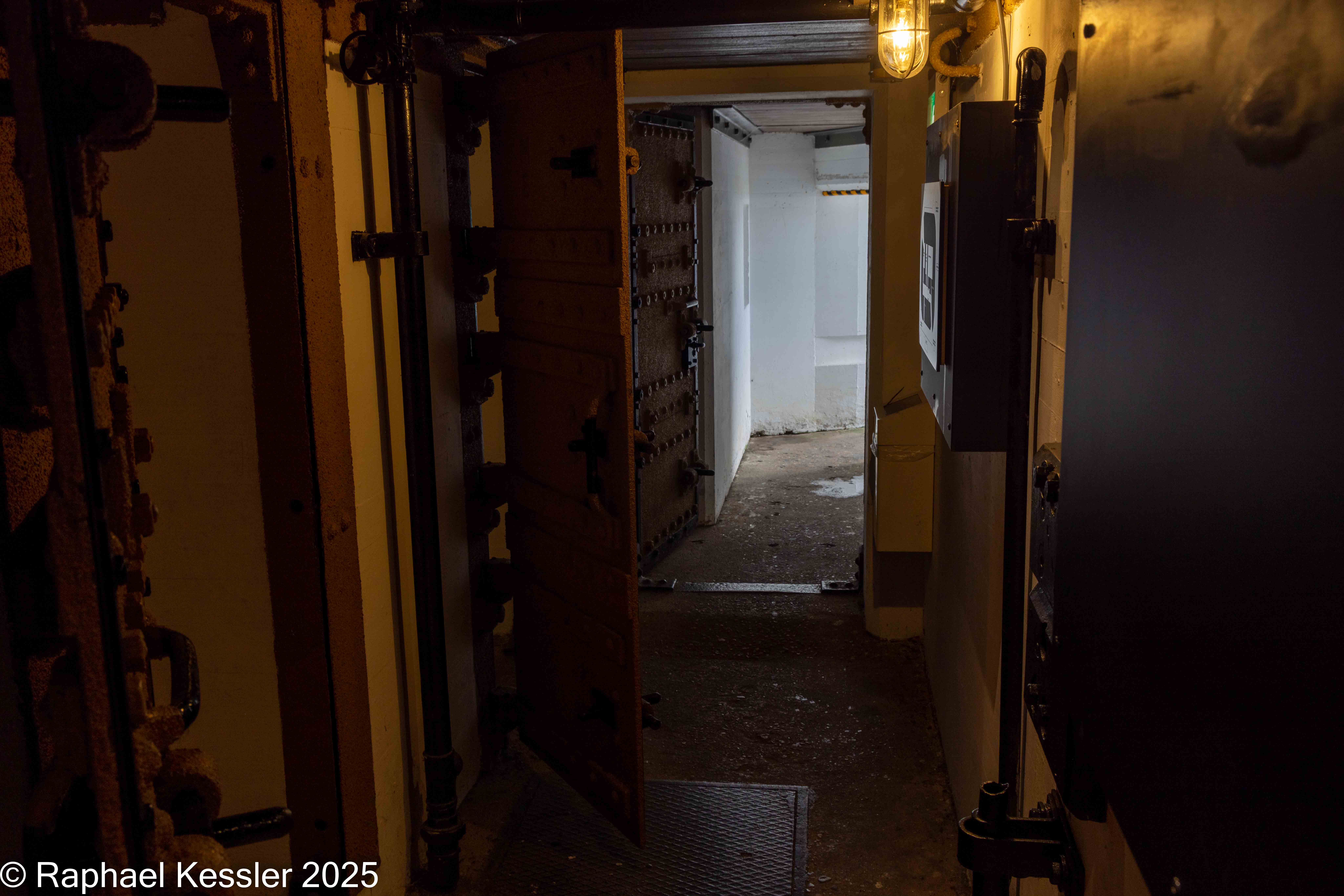
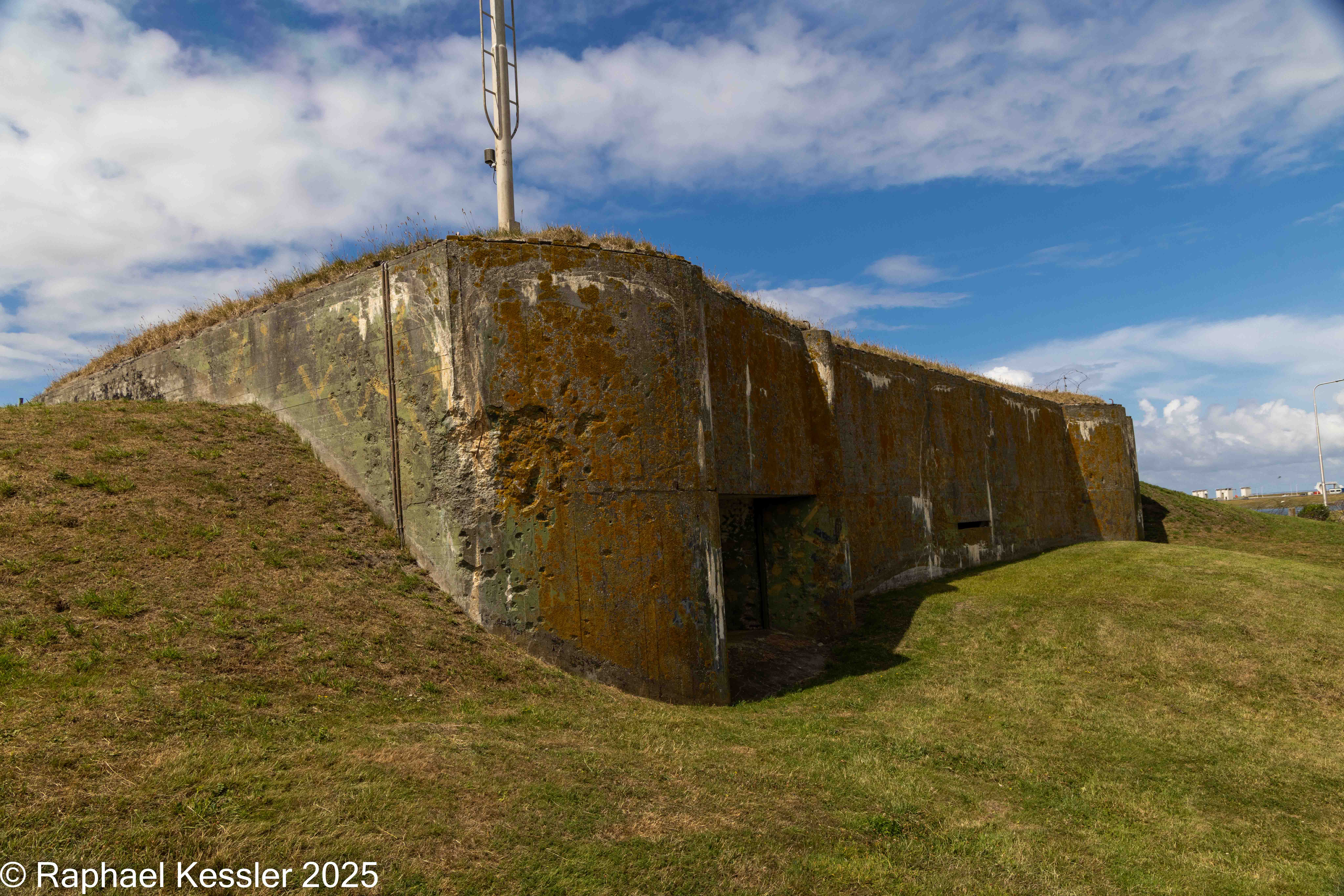
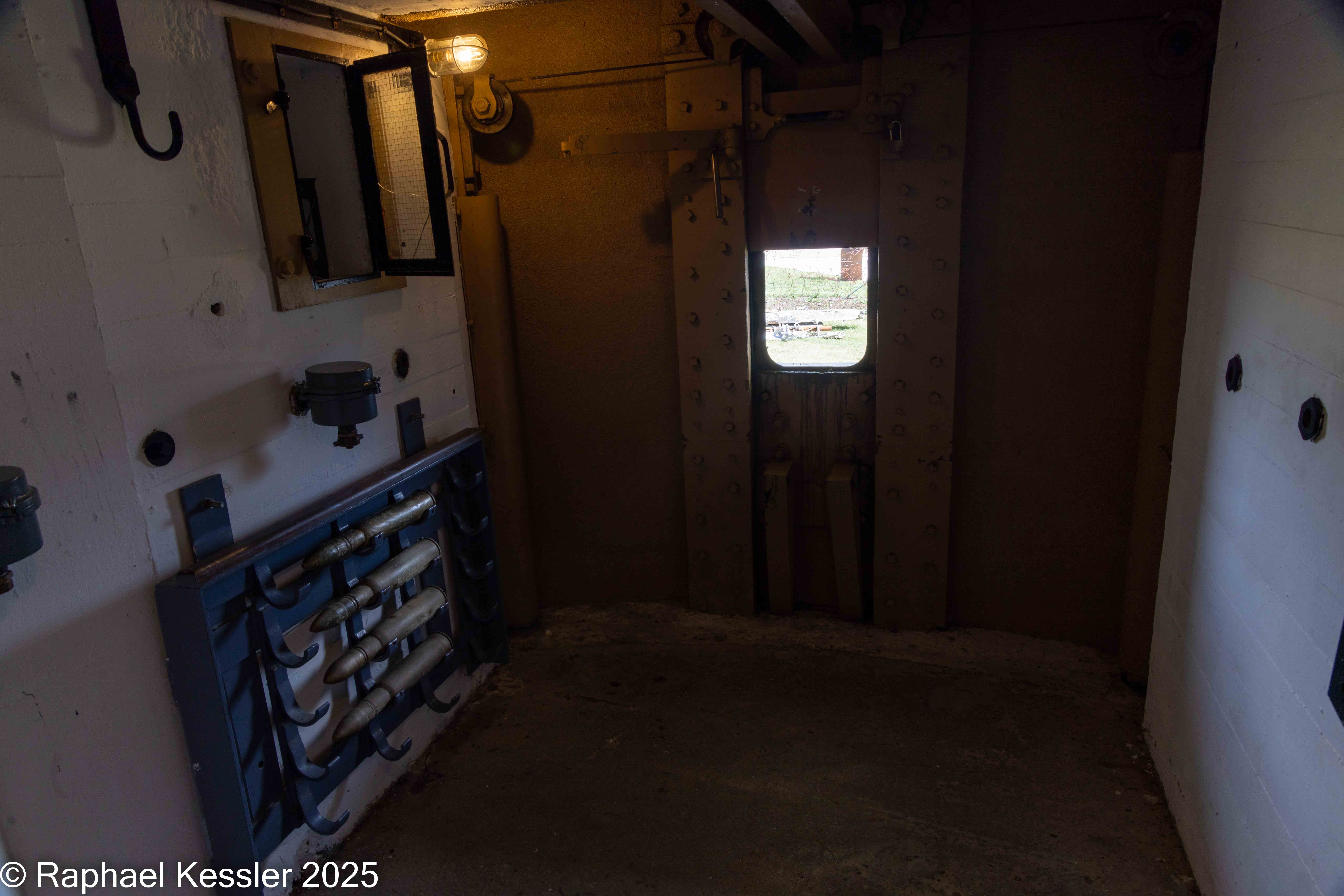
Along the Dutch coast are remnants of the North Atlantic Wall. These were casements and emplacements the Nazis built to defend against the British and others attacking from the sea. They are quite tomblike and spending any significant time stuck in these would have been tough.
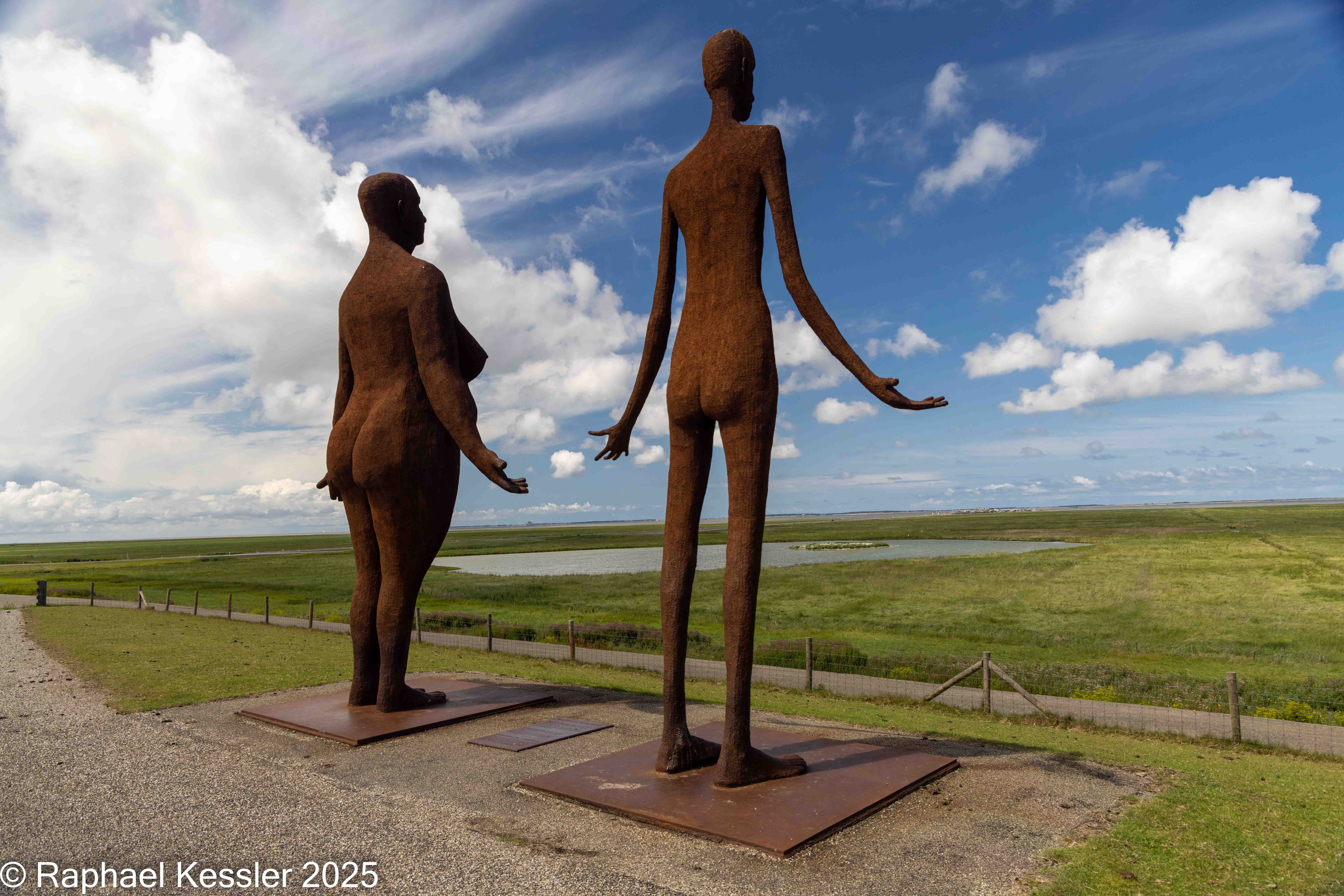
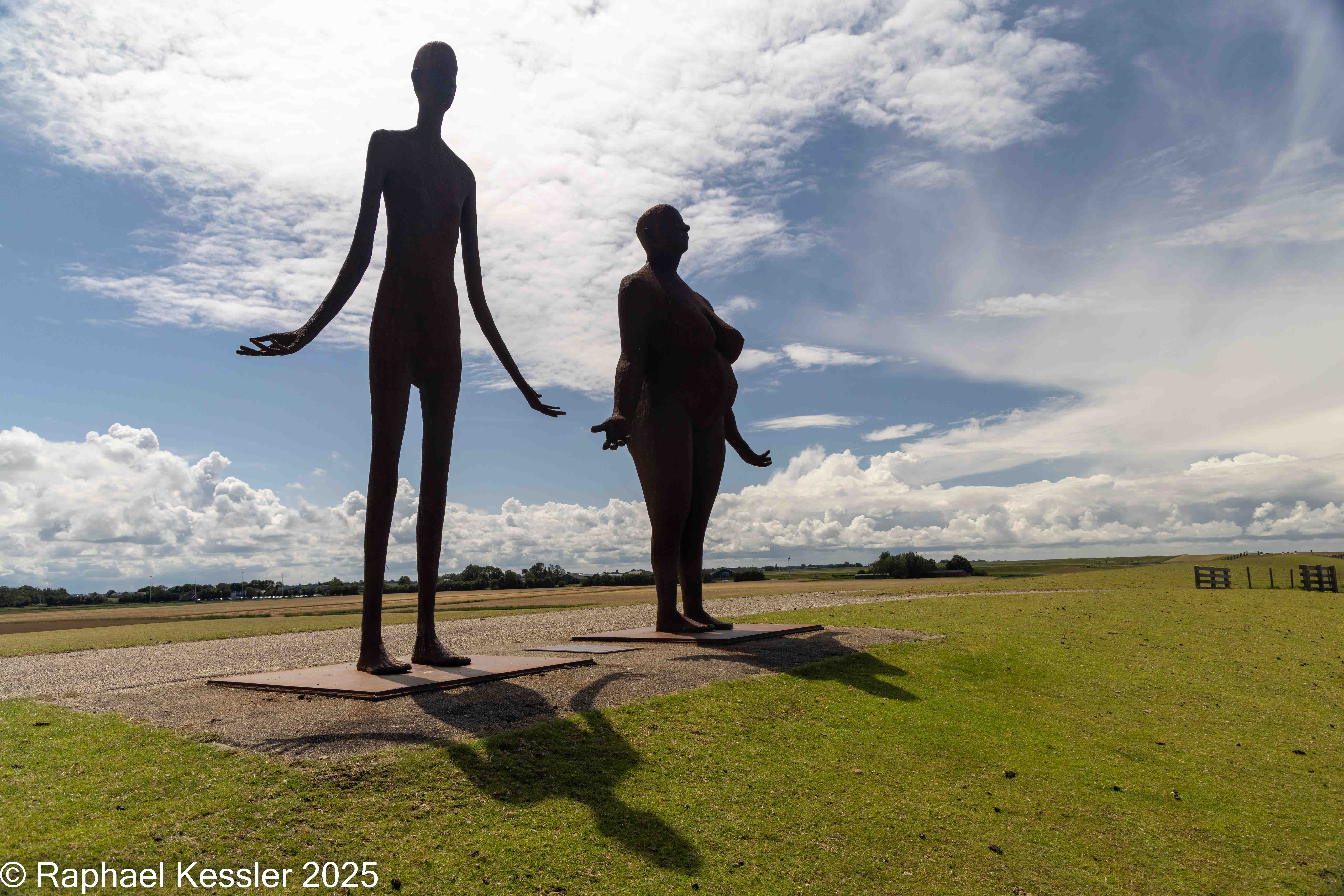
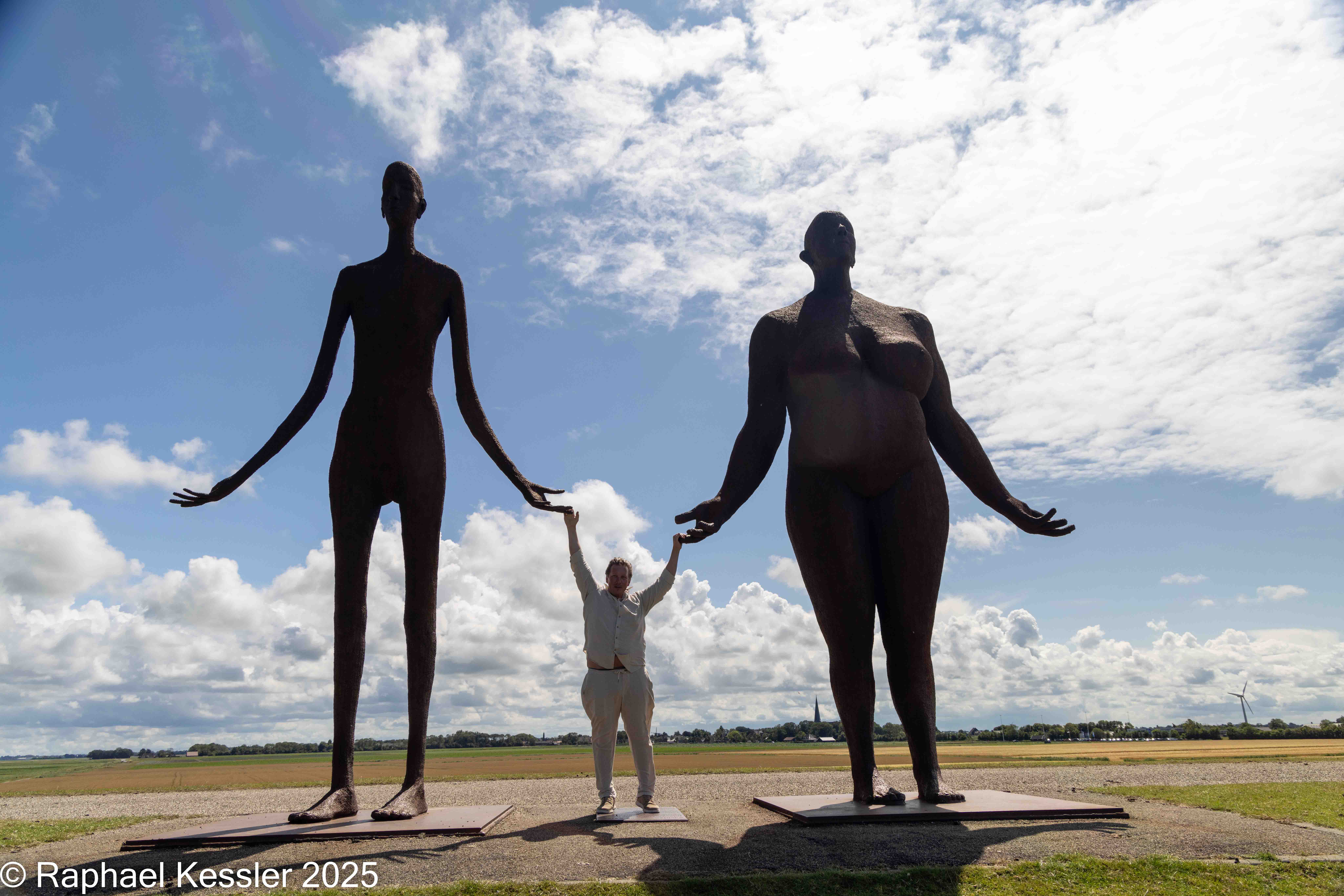
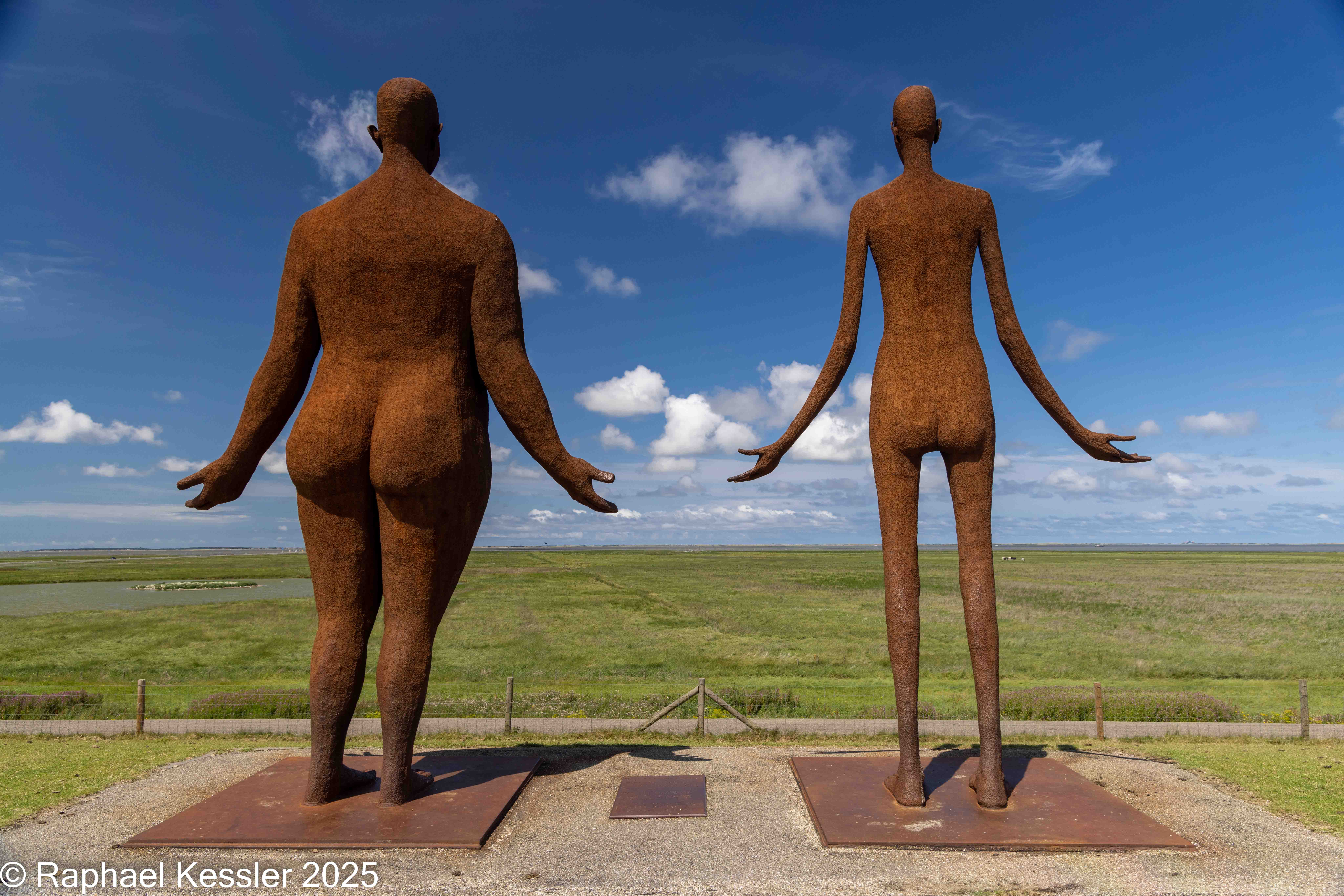
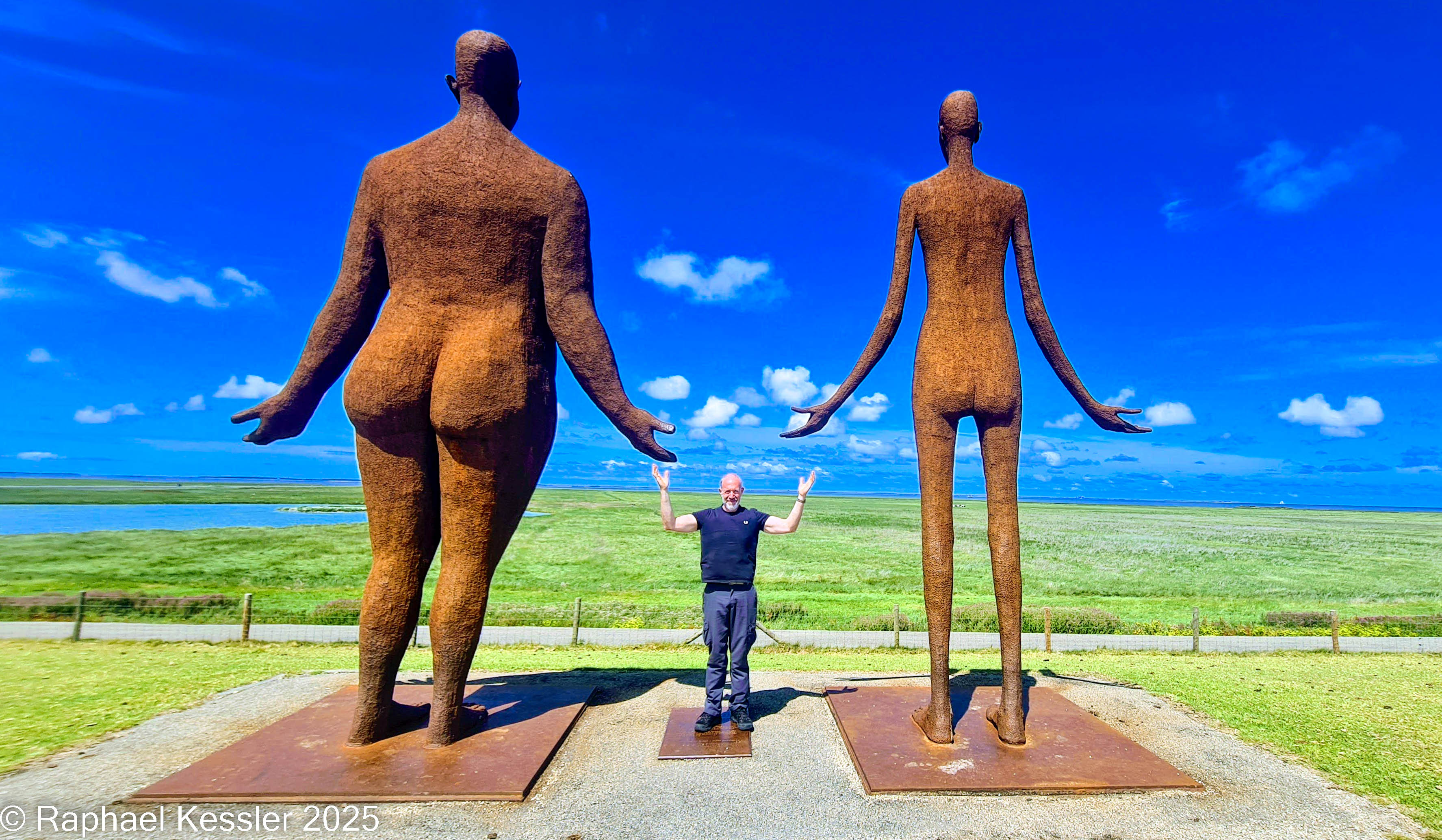
Wachten Op Hoog Water - (Waiting for high water) is a statue by Jan Ketelaar. The statue consists of two metal welded 5 meter high women. One big woman, the other one slender, looking out over the sea. You can position yourself in-between these women, and take their hand. The statue represents the search for balance and exchange.
The big woman was installed in December 2018, the year of Leeuwarden-Fryslân European Capital of Culture. On September 16th, 2019, she was accompanied by the slender woman.
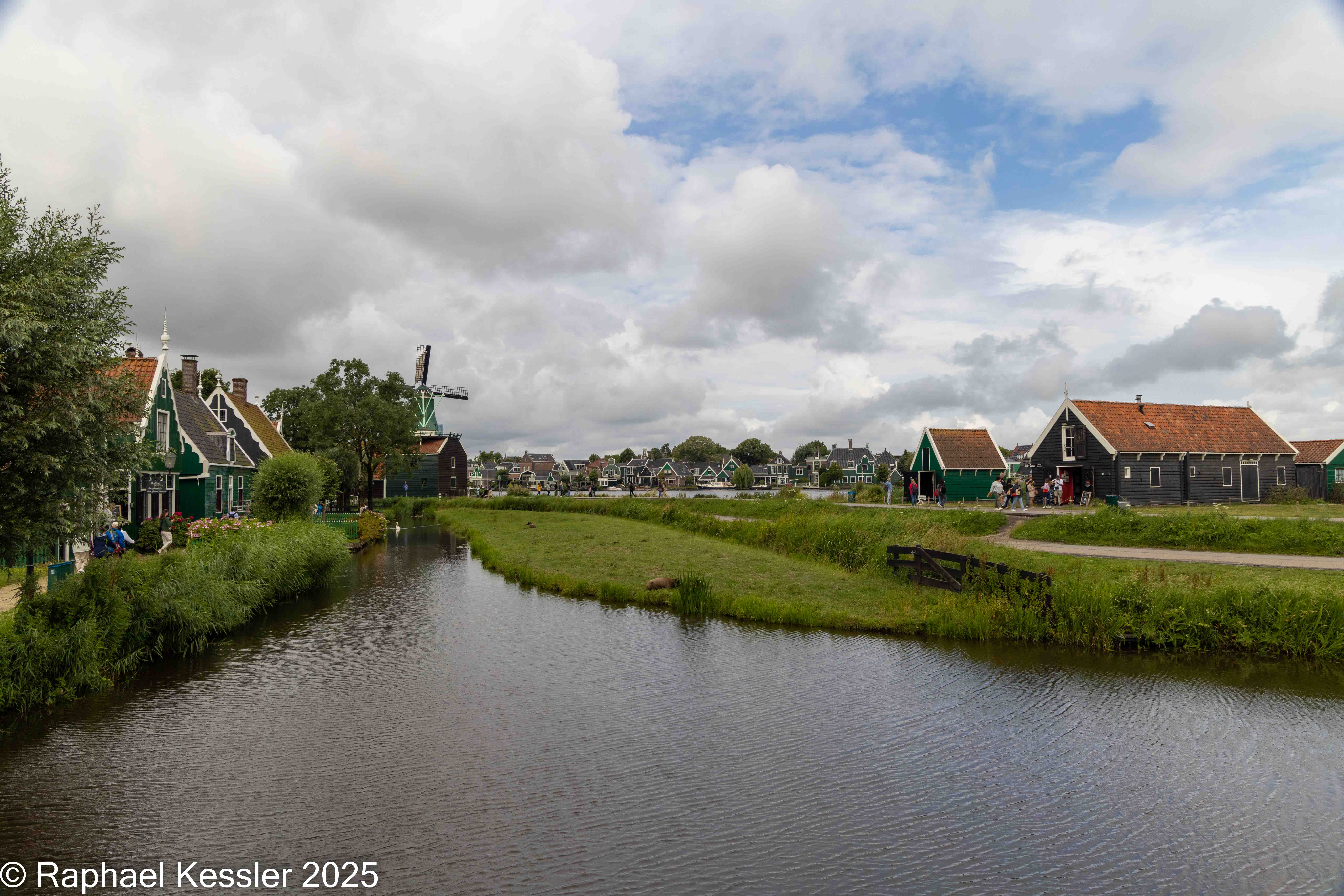
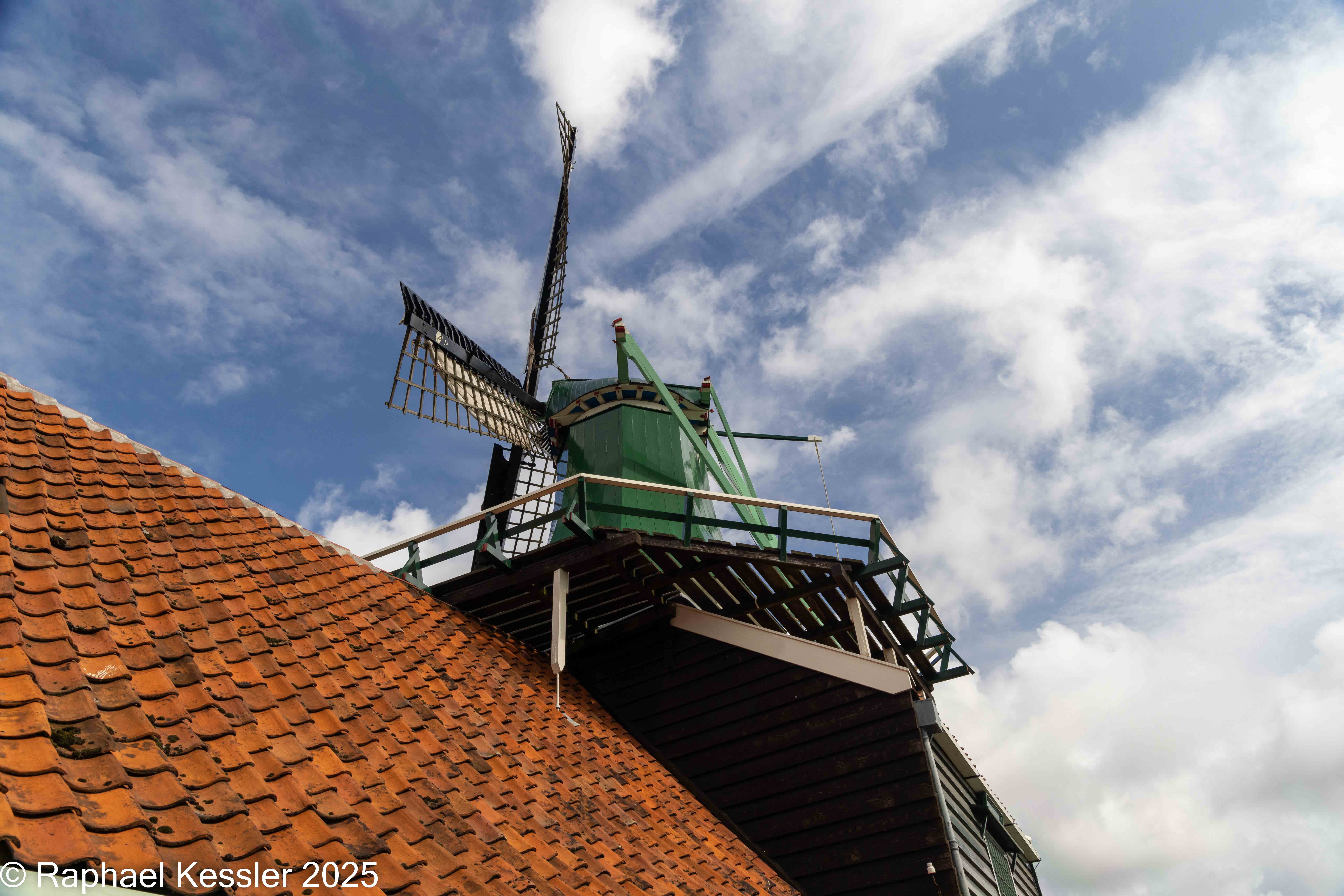
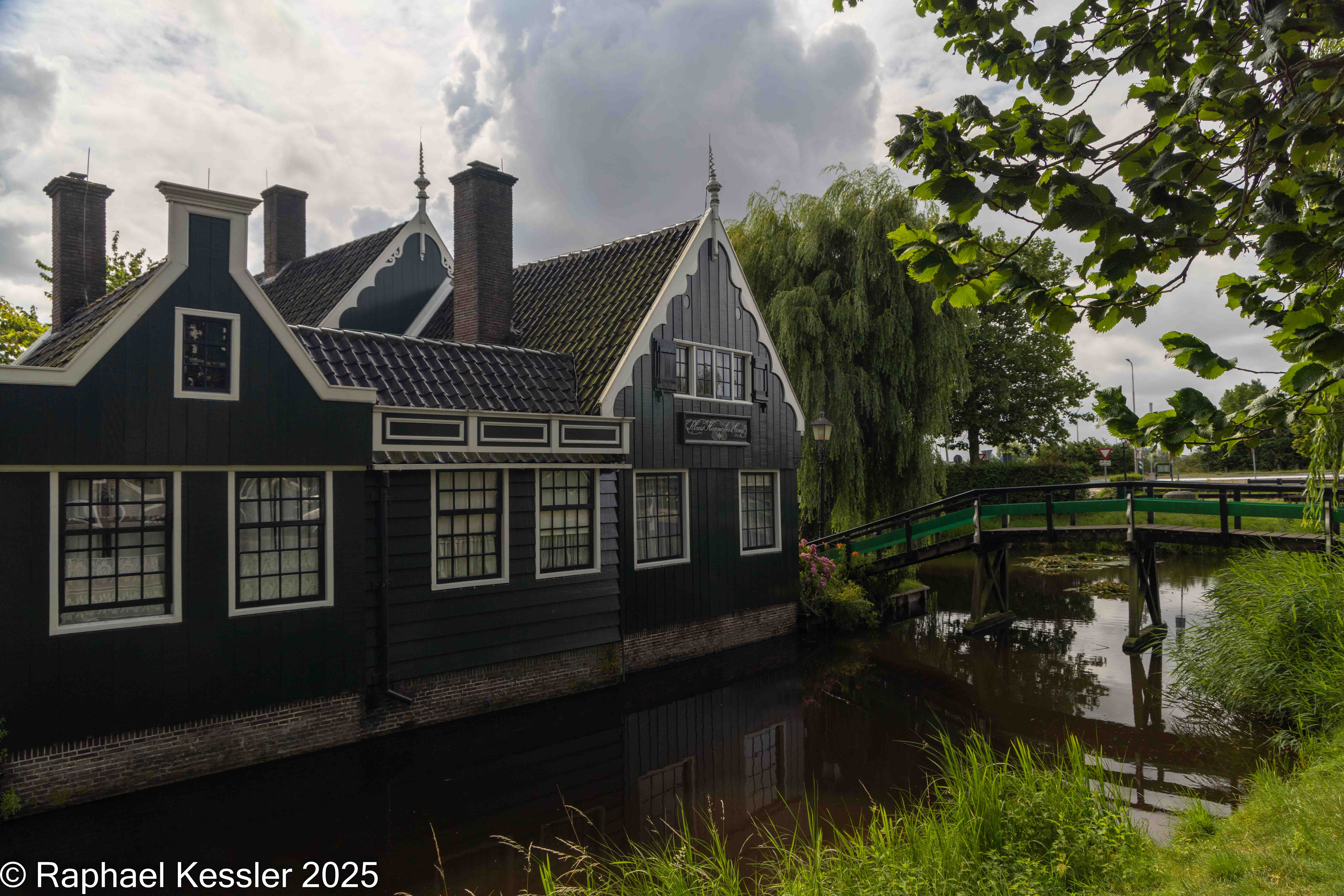
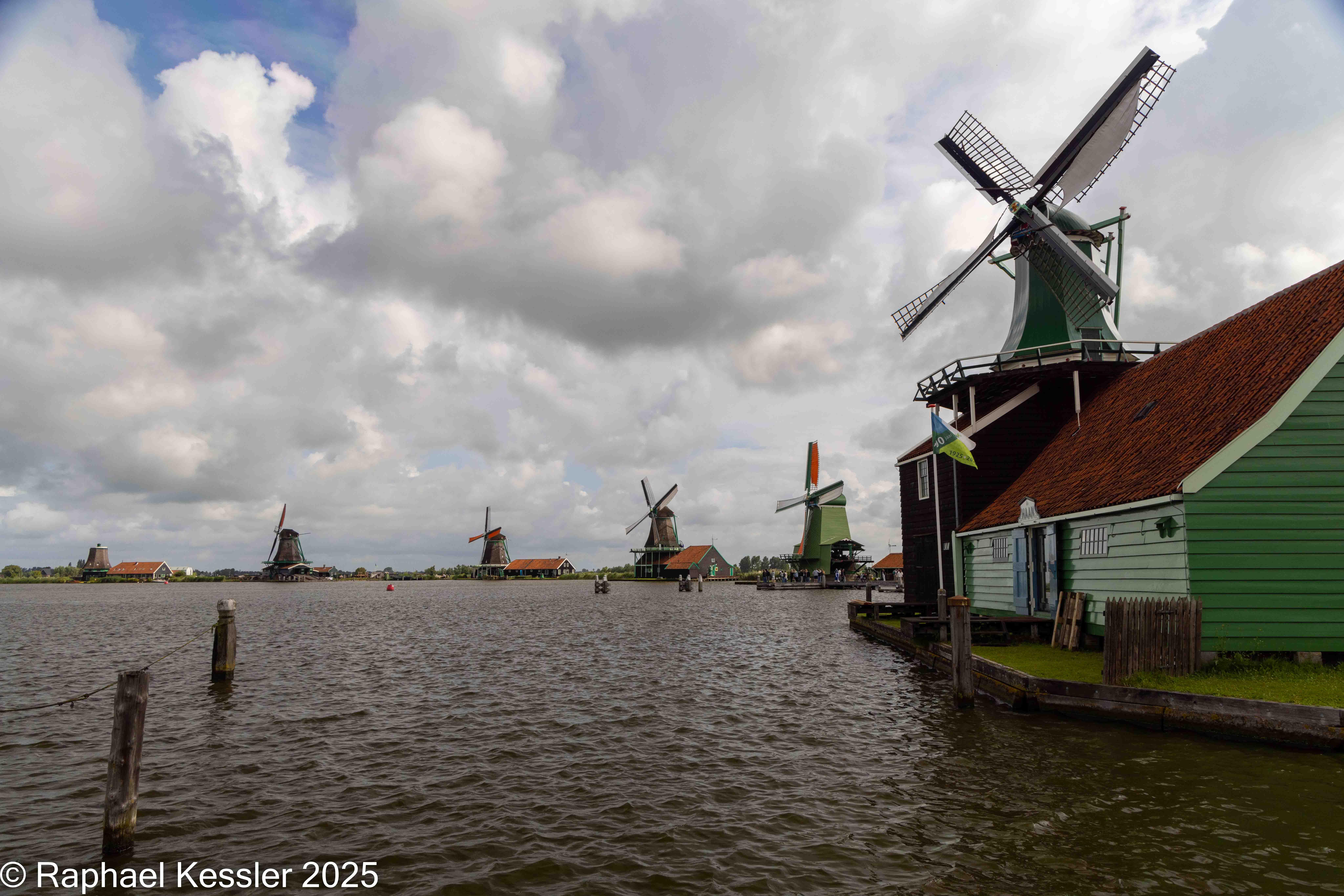
Zaanse Schans is a supposedly authentic 18th or 19th century Dutch village and apparently some people still live there. However, it seems like a tourist destination more than anything else now. It is quaint but feels a bit like a heritage theme park.
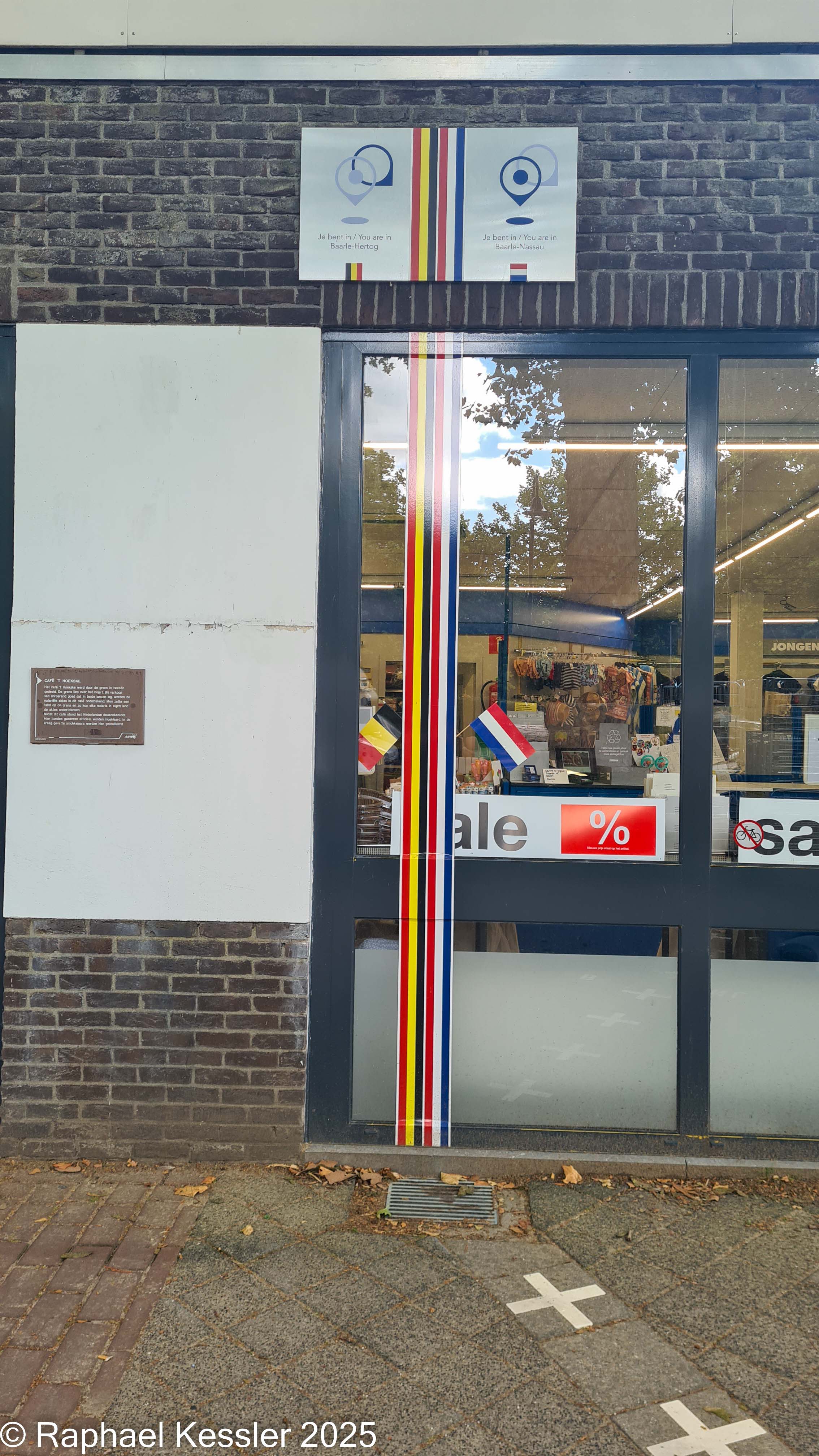
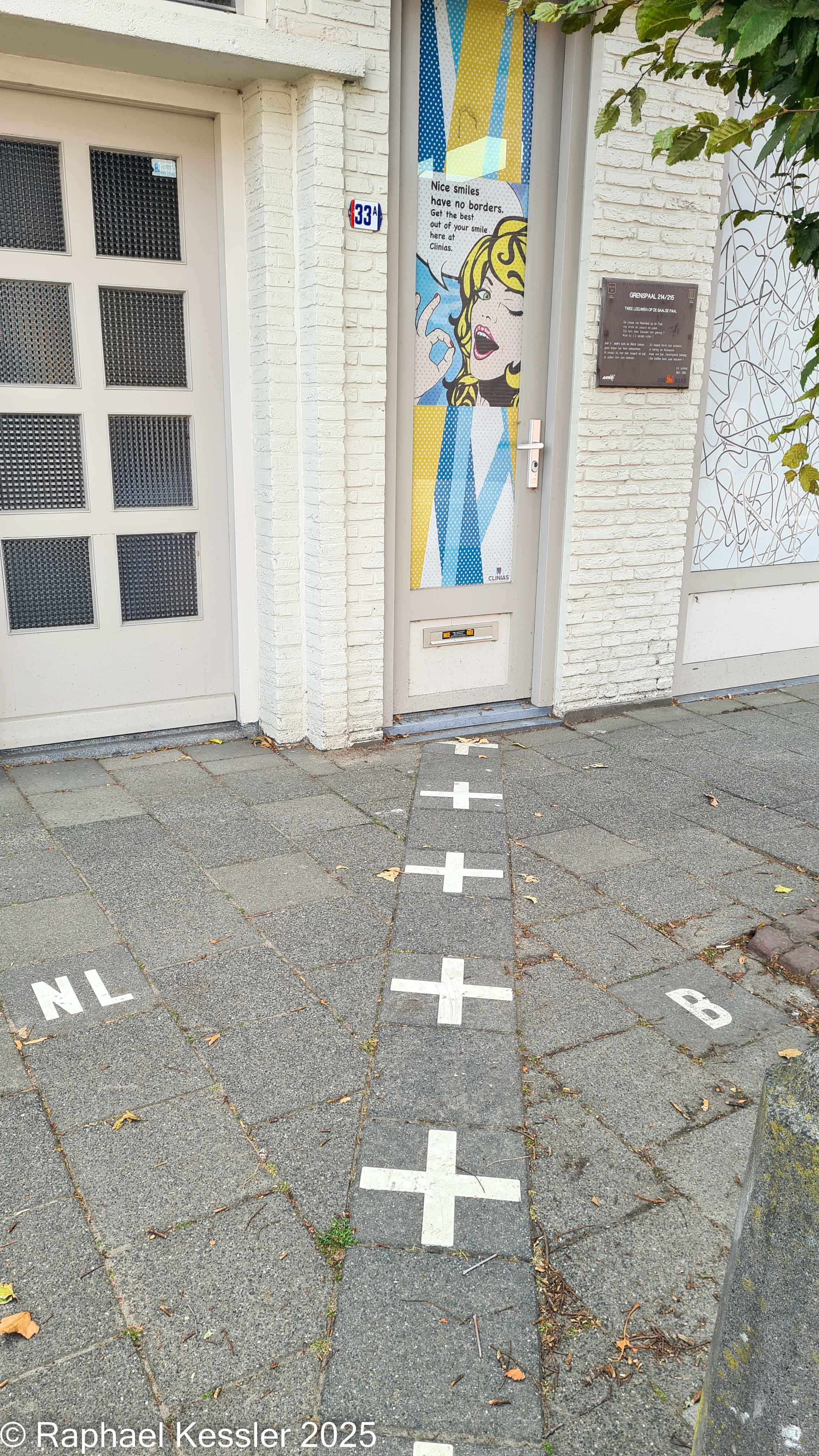
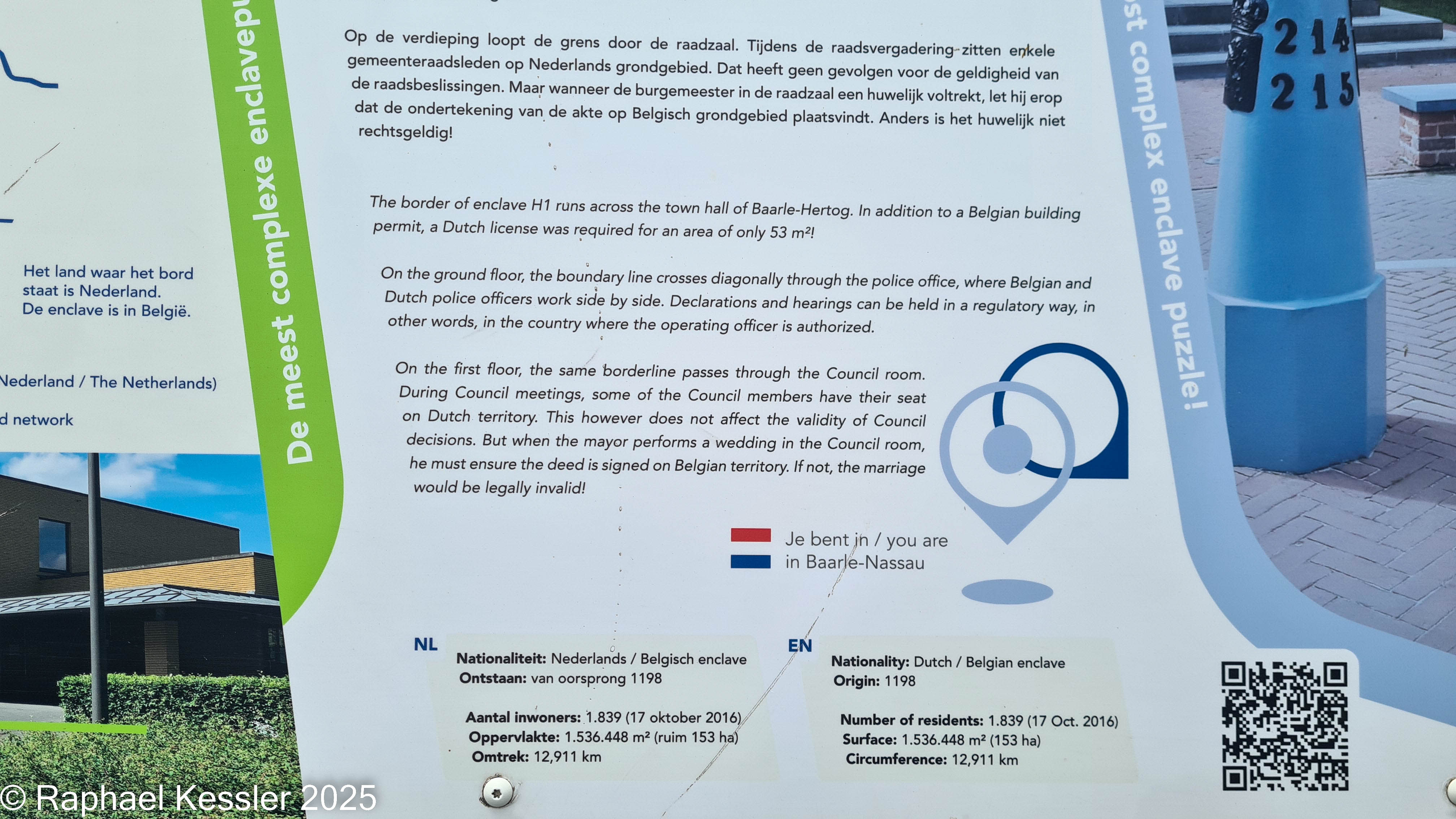
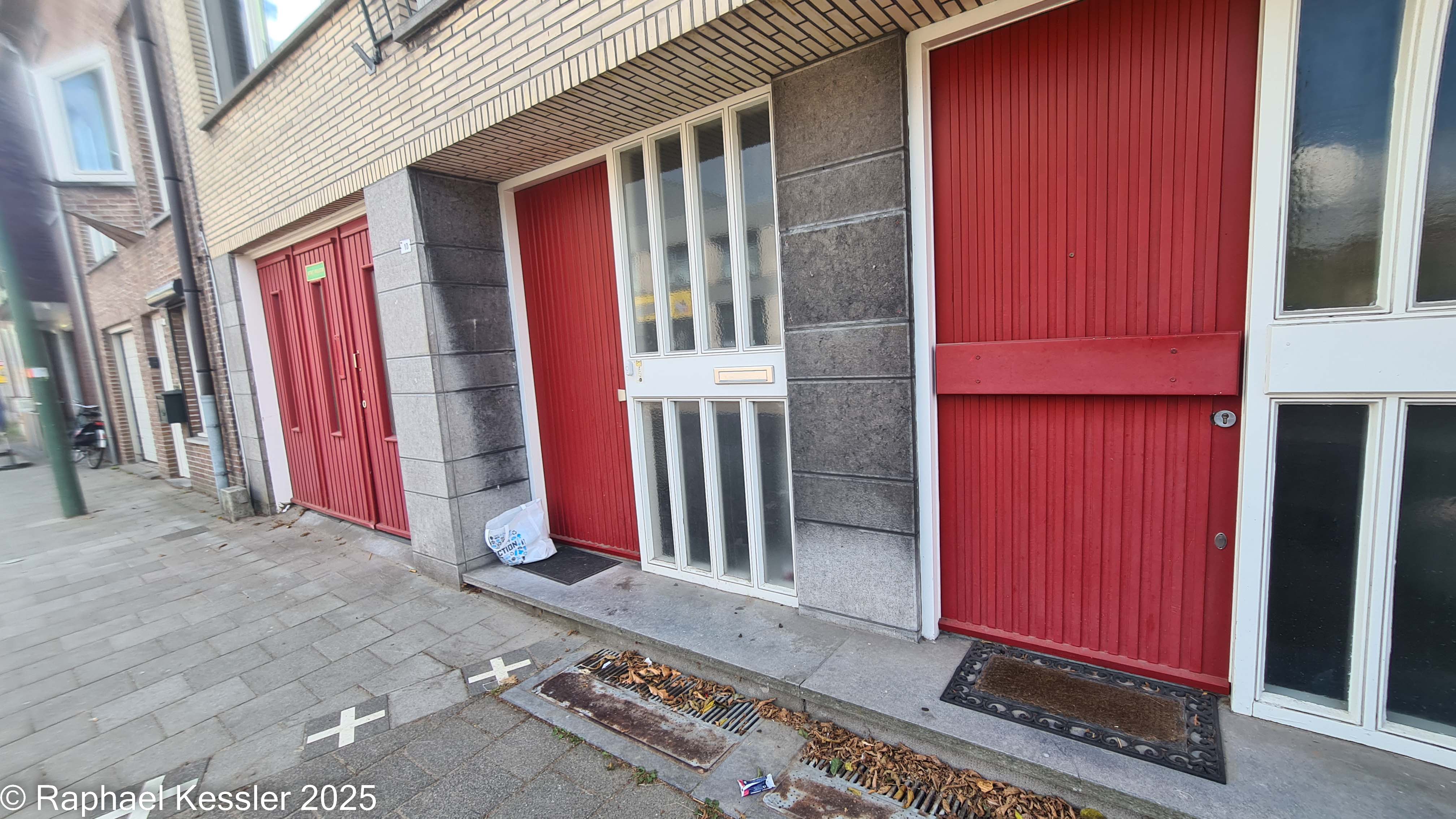
Baarle is a unique village straddling the border between Belgium and the Netherlands, consisting of two municipalities: the Belgian Baarle-Hertog and the Dutch Baarle-Nassau. The border is so complicated that it forms a patchwork of 22 Belgian exclaves (parts of Belgium completely surrounded by the Netherlands) and seven Dutch enclaves within those Belgian exclaves. The two parts of the village have separate town halls, police forces, and mayors, but function as a single community where the nationality of a house is determined by the position of its front door.
In the supermarket you can get some products in the Netherlands and then pay in Belgium.
After 15 years of measuring the borders, in 1995 the enclave borders at some places appeared to be situated slightly different then was always assumed. This was the case at the Chaamseweg. The supposedly Belgian household at number 11 suddenly found its front door in the Netherlands! The perspective of emigrating to the Netherlands troubled the 84-year old resident. A pragmatic solution was found to let her stay a Belgian resident: the front door and annexed window just swapped places.
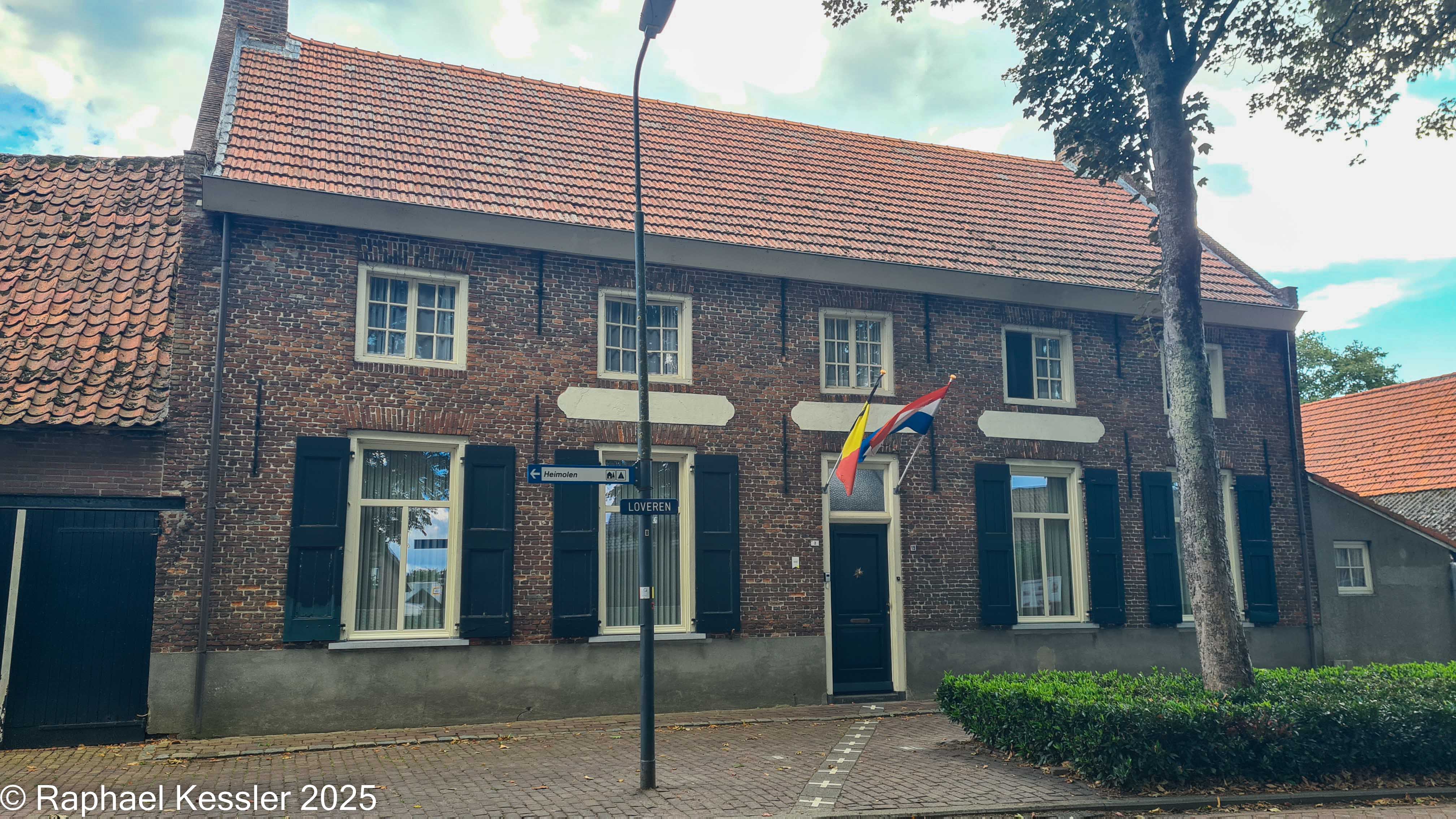
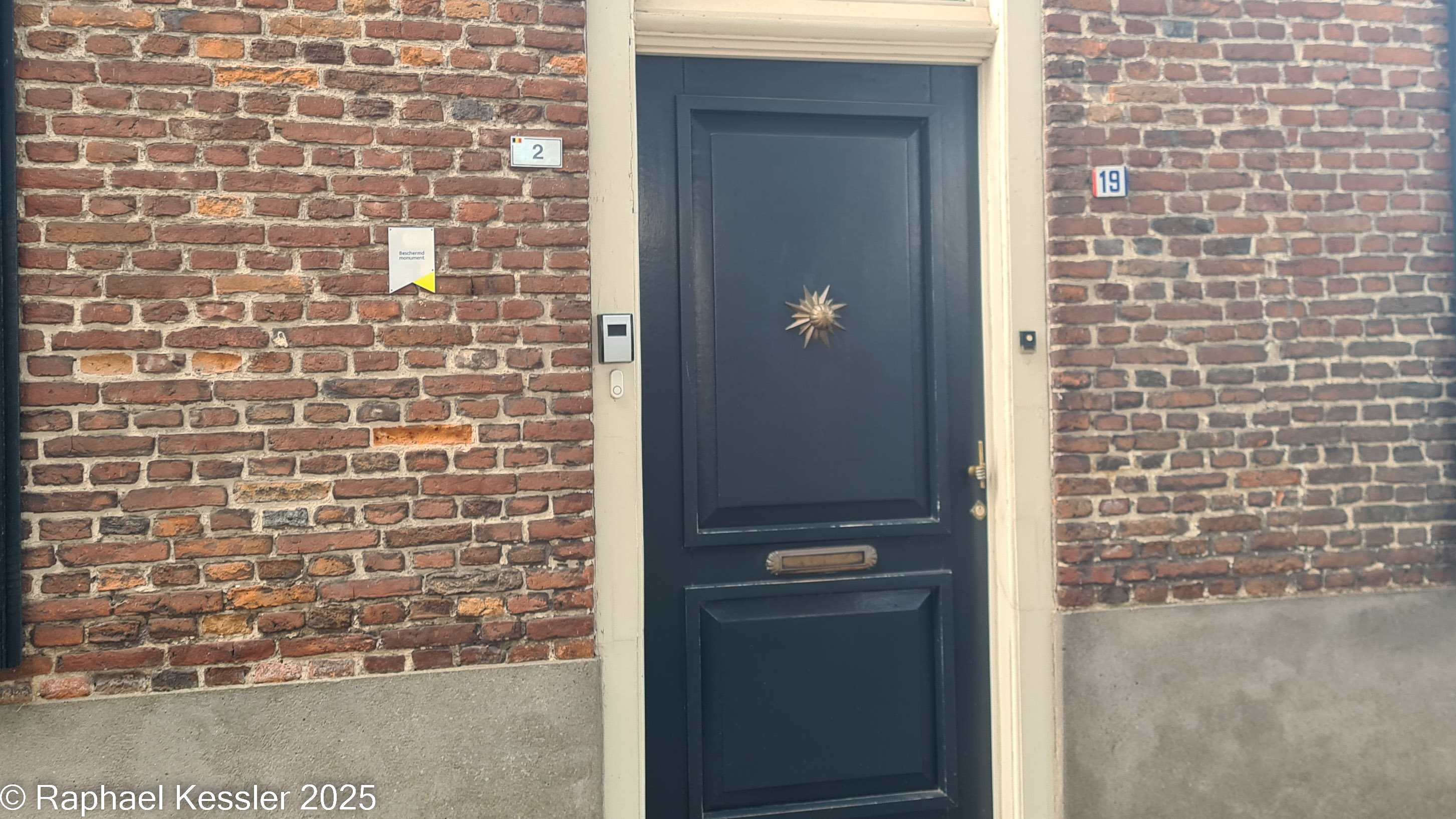
In Baarle there is one house with two house numbers and hence two addresses: the Belgian number 2 and the Dutch number 19
Many things about the place are confusing and the fire service requires two different fittings for the hydrants, depending where they are within the enclaves.