Russia
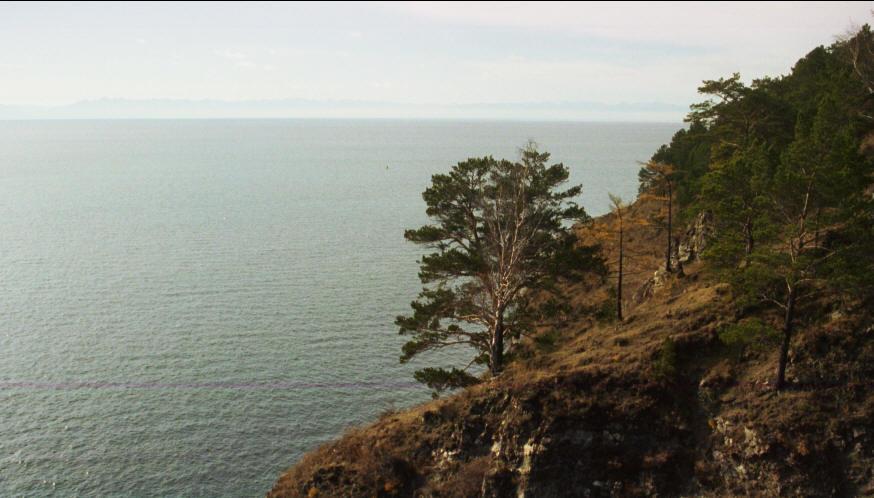
I entered Russia from the Mongolian border with eastern Siberia. It is a part of the world appropriately renowned for its cold. It is also home to the worlds oldest and deepest lake, Lake Baikal (photo below). It is one of the seven underwater wonders of the world and home to a strange and unique bio-system. It is more than a mile deep (1,639 metres) but used to be about five miles deep but there is now four miles of sediment. It holds twenty percent of the worlds fresh water and could apparently supply the worlds fresh water needs for forty years. I was going to do a dive there but the people at the dive centre decide to increase the price by one hundred and fifty percent.
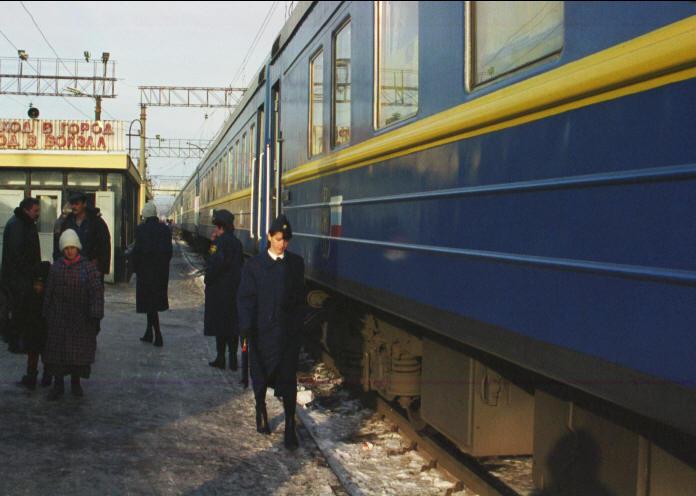
From the Irkutsk I got a train for a few days to Moscow. The journey was a good way to meet the locals and improve my Russian. The scenery was not very interesting as the country is quite flat and for days we passed through the Taiga, the worlds biggest forest. The trains was comfortable and it was a positive experience.
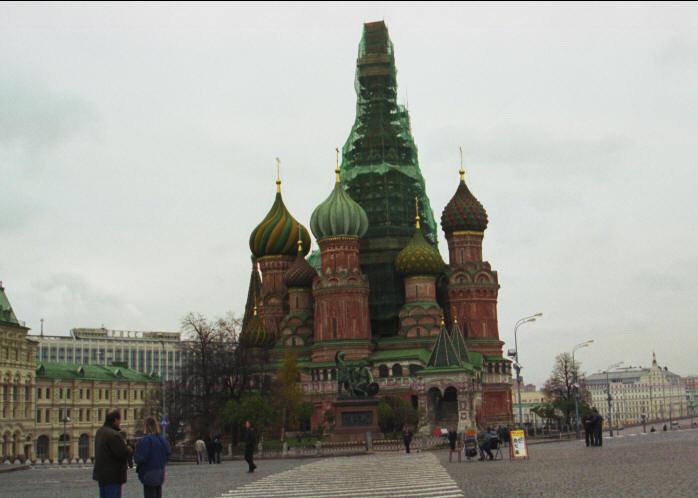
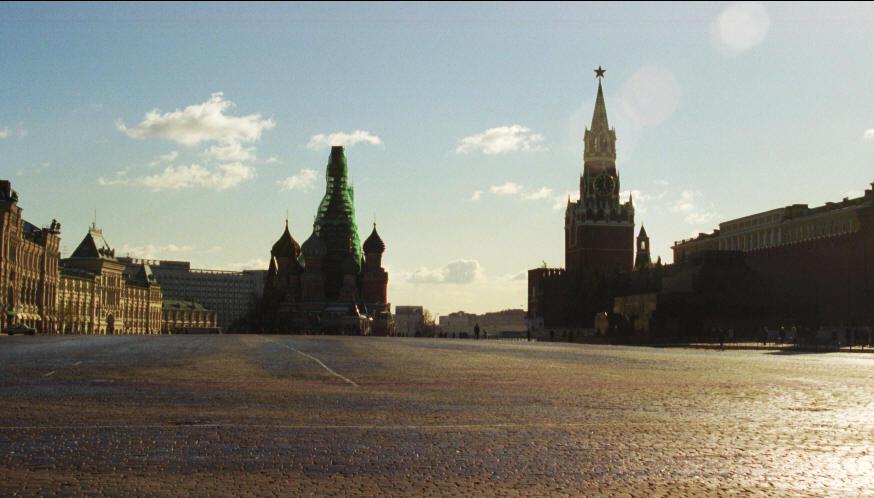
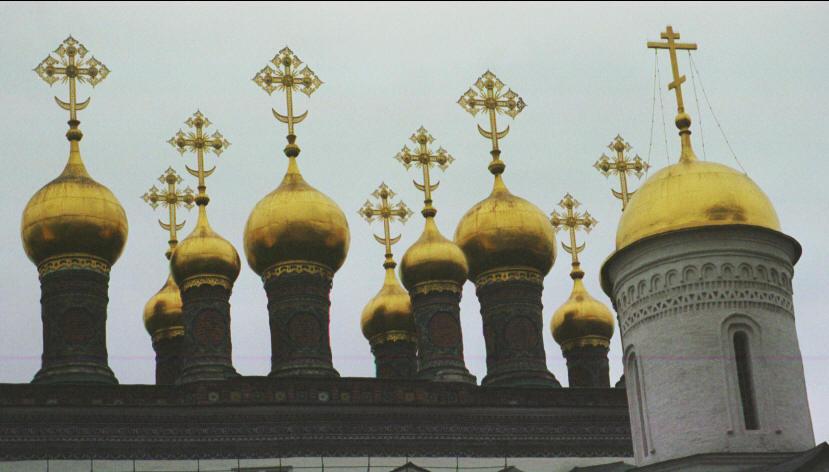
Moscow is a vibrant city and despite the cold I enjoyed it. St. Basils (photo 1) which is the most recognised Moscow landmark was in the process of restoration. Red Square (photo 2) was pleasant but not fascinating. The Kremlin was interesting with some displays of phenomenal opulence. There are a number of churches within the complex, most with interesting spires (photo 3).
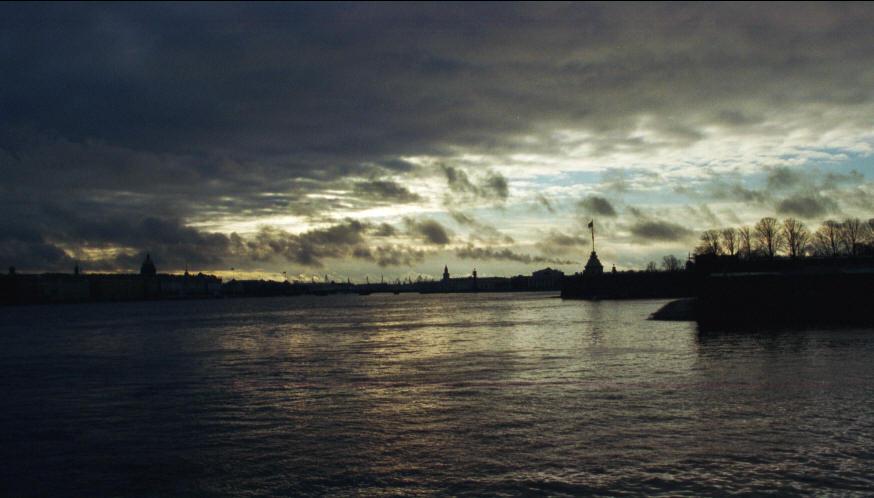
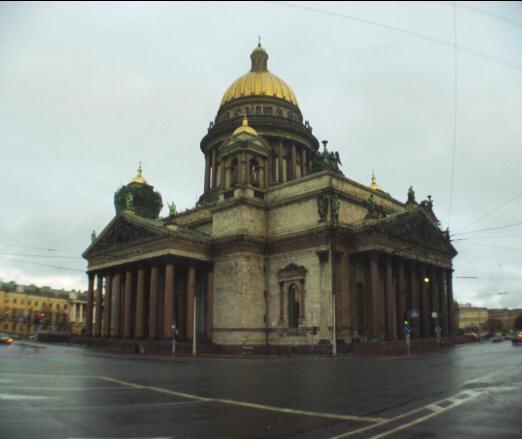
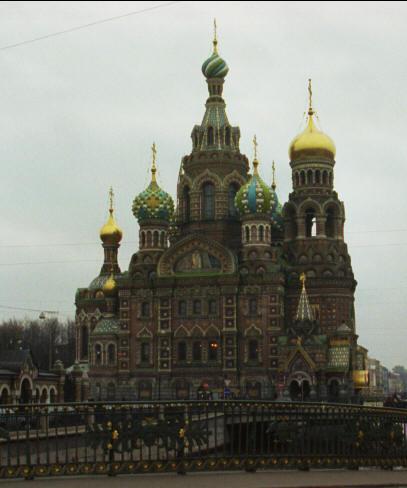
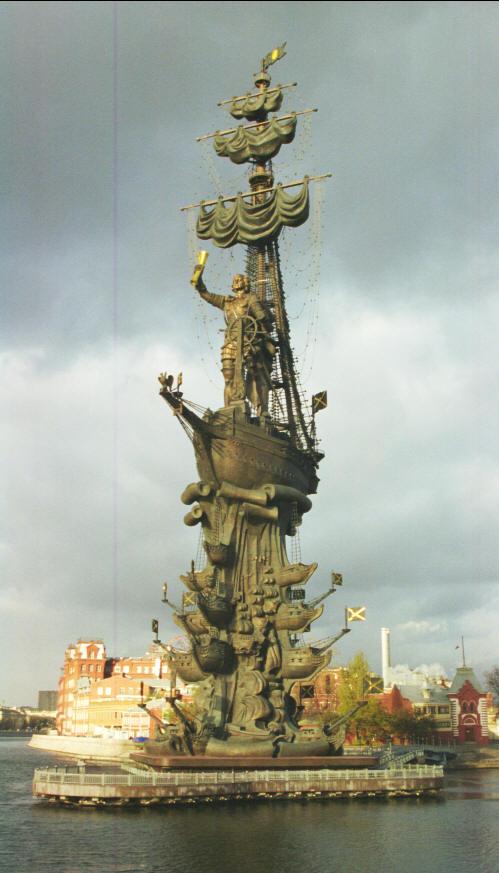
St. Petersburg, or Leningrad as it was known during Soviet times is a much more attractive city but does not have the lived in feel of Moscow. It does have some nice views along the river (photo 1) and an interesting looking cathedral (photo 2). The church of the spilled blood (photo 3) is a lot larger and in some ways more impressive than St. Basils. Some of the sites in St. Petersberg are not quite as aesthetically pleasing such as the huge ugly statue of Czar Peter the Great (photo 4) which art critics understandably tried to blow up. On Nevsky Prospect the main drag of St. Petersberg is a useful sign that dates back to the Second World War (photo 5). For those who don't know Russian it basically says "Citizens - When bombs are falling it is safer on this side of the street". It's the sort of useful public advice that should be posted around most town centres as you never know when it may be useful.

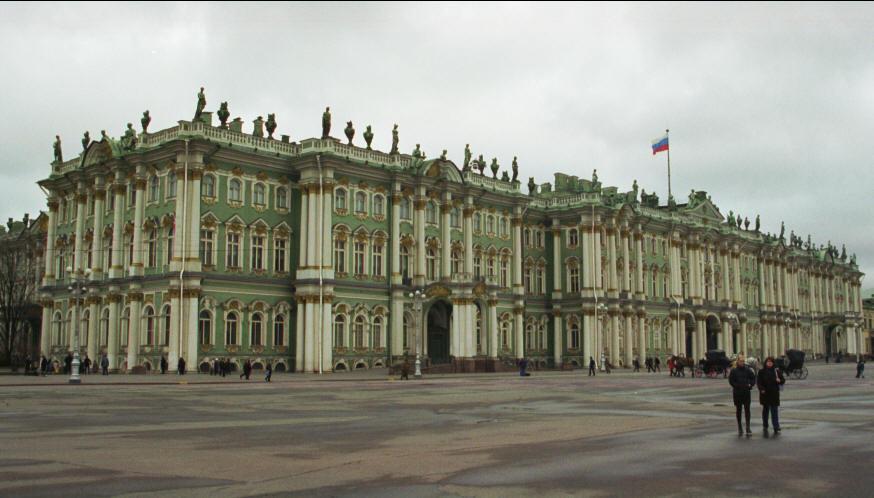
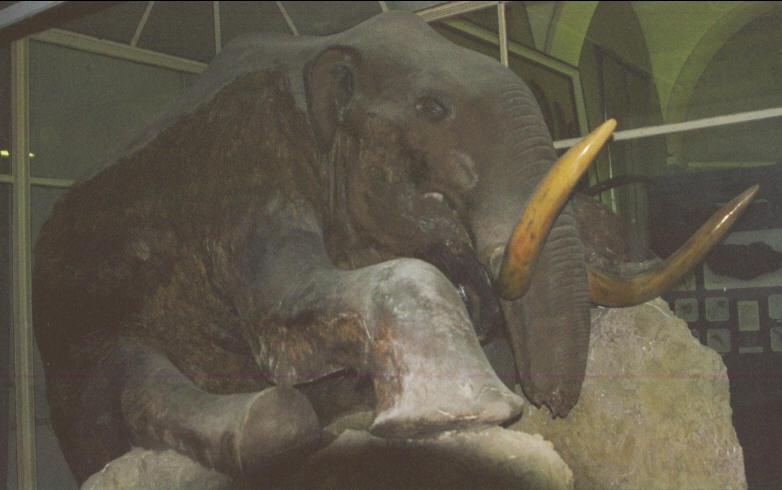
St. Petersburg is home to some world class museums including the Hermitage (photo 1) which was formerly the Royal Palace but is now one of the worlds greatest art galleries with an unbelievable collection. One thing that I found interesting to see at the Zoological museum is the worlds only full skin stuffed mammoth (photo 2).