South Africa
I started my first trans-African trip in South Africa, more specifically Cape Town. When I got there, the Parliament of World Religions was taking place. This meant that many prominent religious leaders were in town, as well as a bevy of bizarre fanatics, spiritualists and representatives of almost any religion one could think of and many one can't or wouldn't want to. I saw a number of these delegates inside and around the main exhibition centre where the event was taking place A spin off from this was that the Festival of World Sacred Music took place at the Kirstenbosch Botanical gardens, a lovely setting in a natural setting with Table Mountain as a backdrop. The keynote speaker before the concert started was the fourteenth Dalai Lama, spiritual leader of Tibetan Buddhism (photo). He spoke eloquently and interestingly, particularly about the third millennium (it was in December 1999) and was at times very funny, especially when he implied that the Queen Mother was a slut.

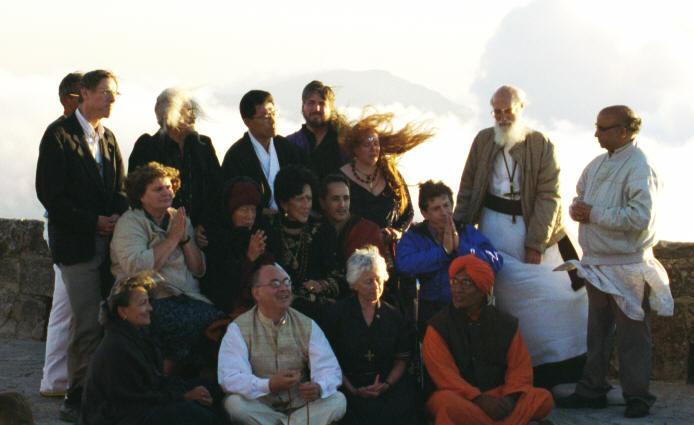
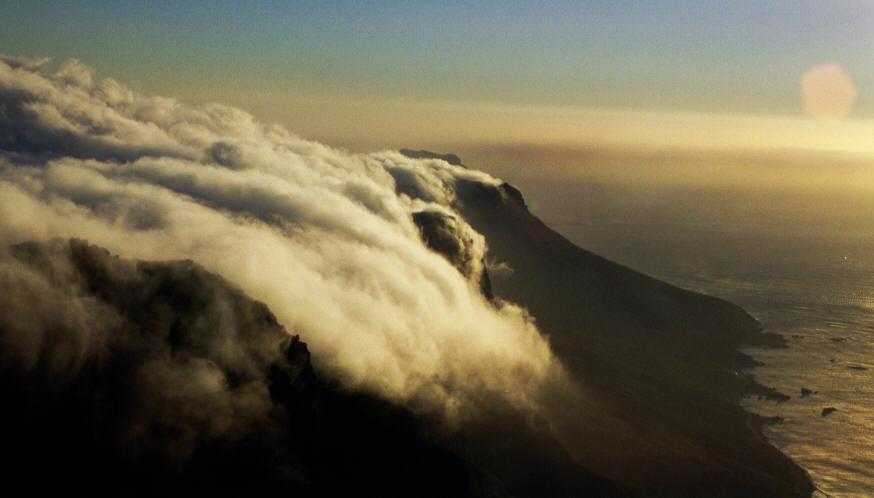
When I visited Table Mountain, the impressive flat topped mountain in Cape Town there were a number of PWR (Parliament of World Religions) delegates having a look around occasionally stopping for a bit of a pray. At one time a bunch got together for some group worshipping (photo 1). I was talking to one of the PWR organisers at this time, and we both agreed we had never witnessed such a competitive display of humility before, as they all tried to out pray each other without making a direct reference to any deity.After witnessing the strange human spectacle, it was time for a natural one and the sunset from the top of the mountain with the wispy cloud of the 'Table Cloth' was certainly spectacular (photo 2).
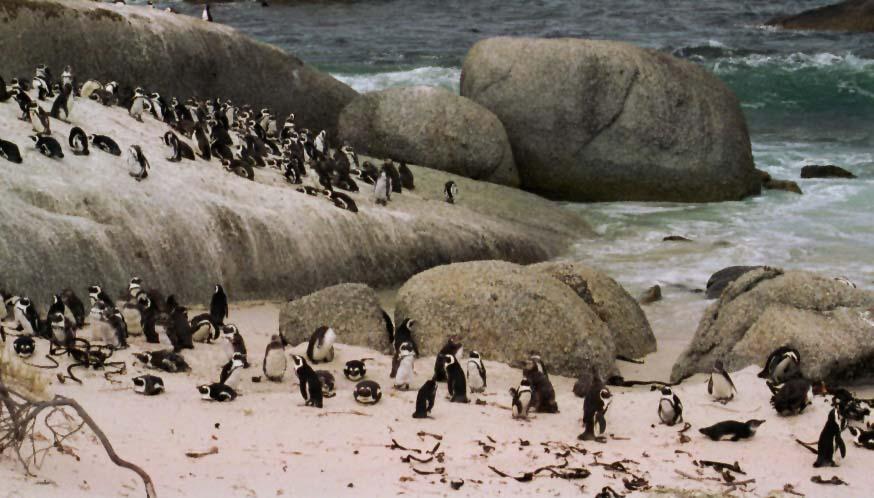
In my explorations of the Cape area I visited vineyards, where excellent wines are produced at low prices. There was also wildlife to observe, including the penguins at Boulder Beach (photo) which seemed quite desensitised to humans, ignoring us most of the time.
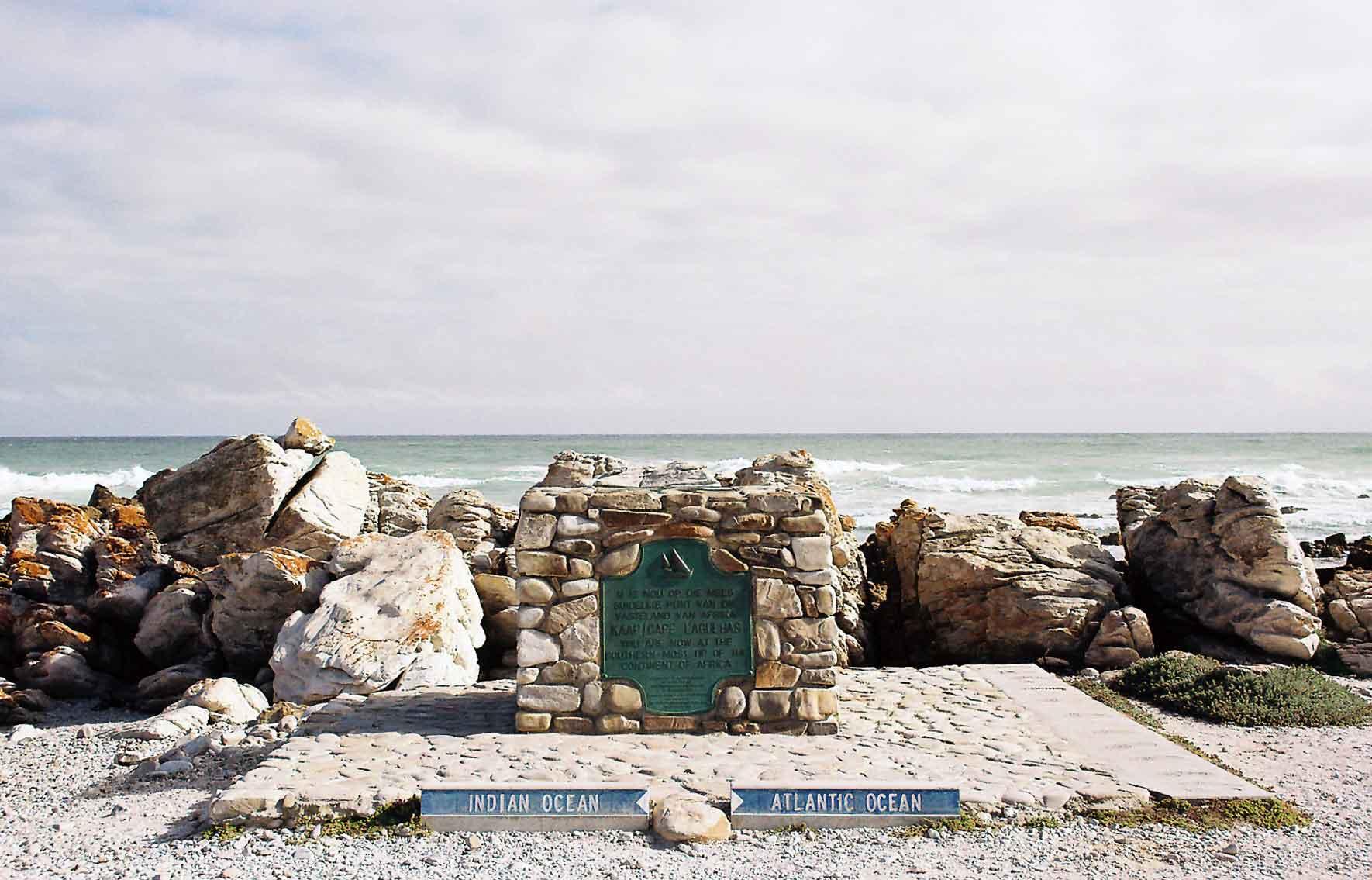
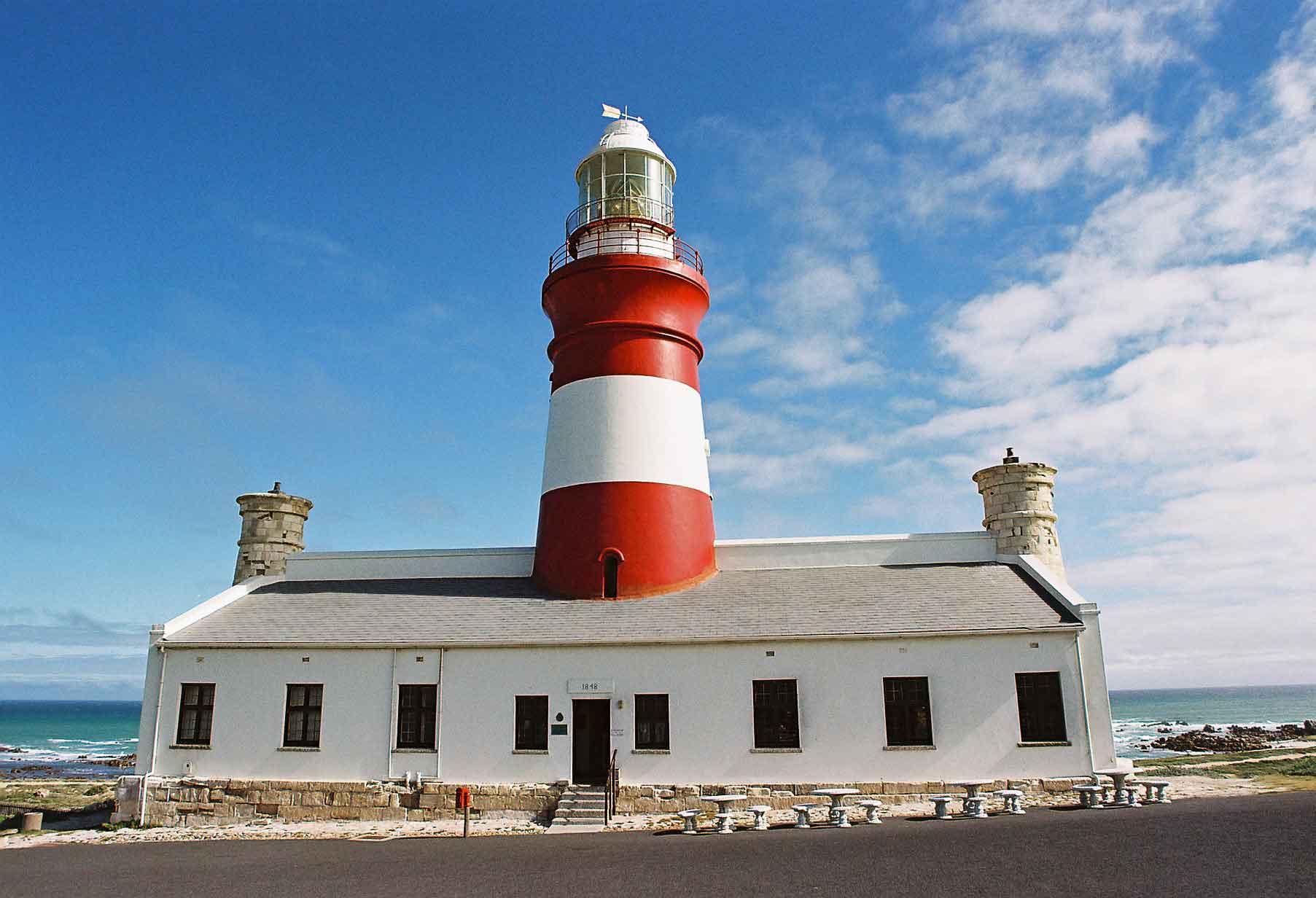
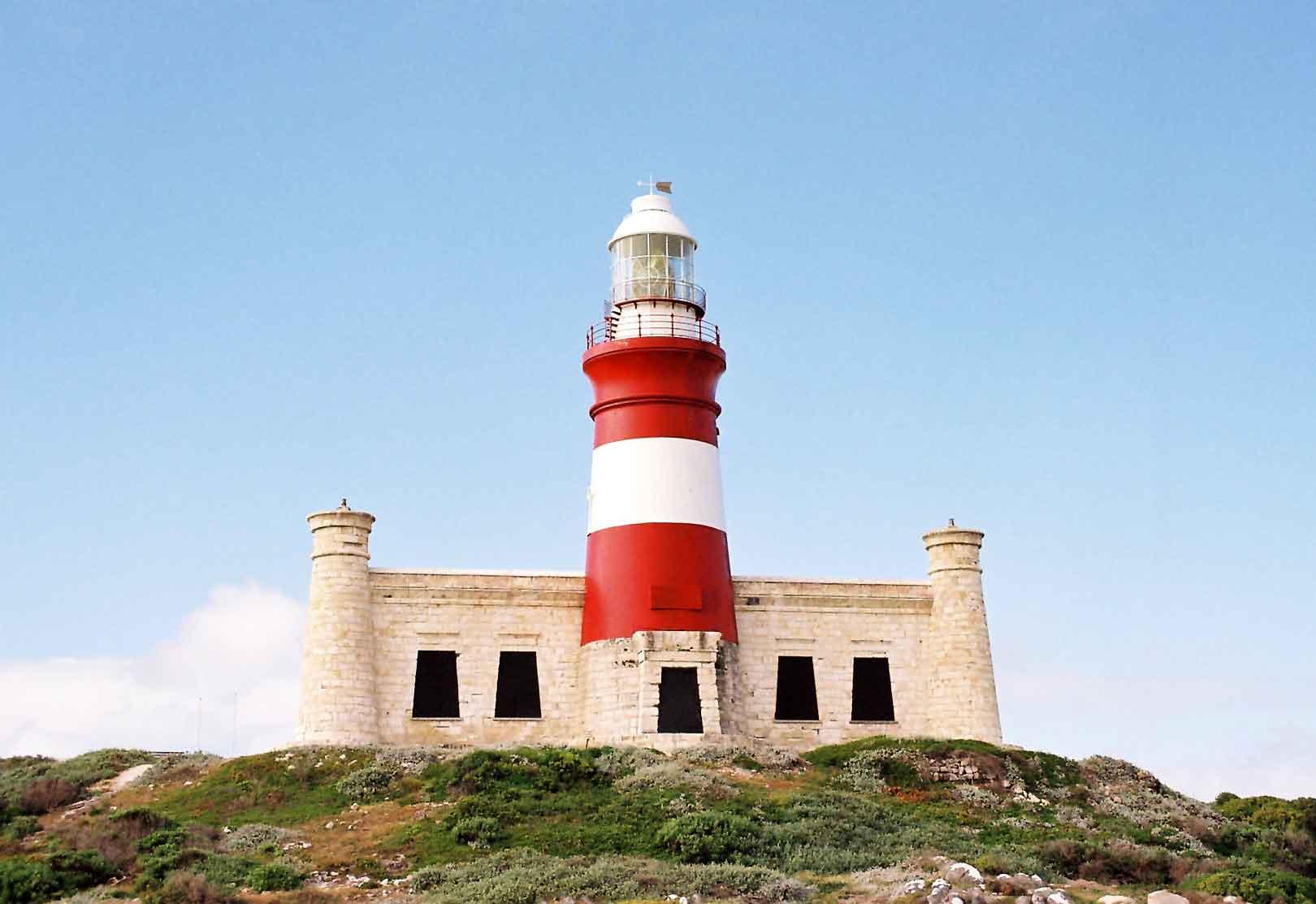
Five years later, I was back in South Africa. This time to investigate a business project. I had the opportunity to see some lovely places and meet some good people.The southern most tip of Africa can be found at Cape L'Agulhas, also supposedly where the Indian and Atlantic Oceans meet and home to a nice looking lighthouse.
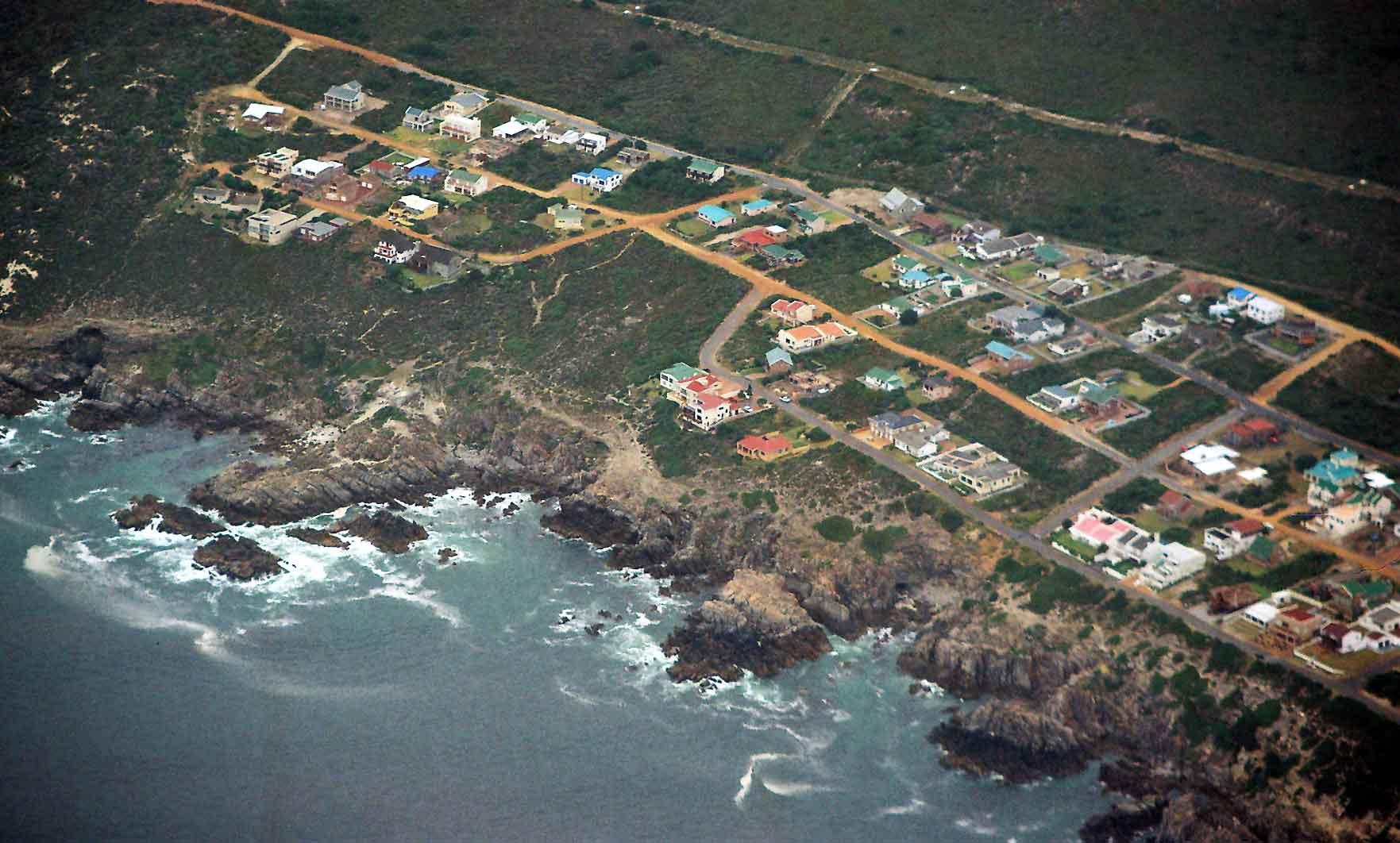
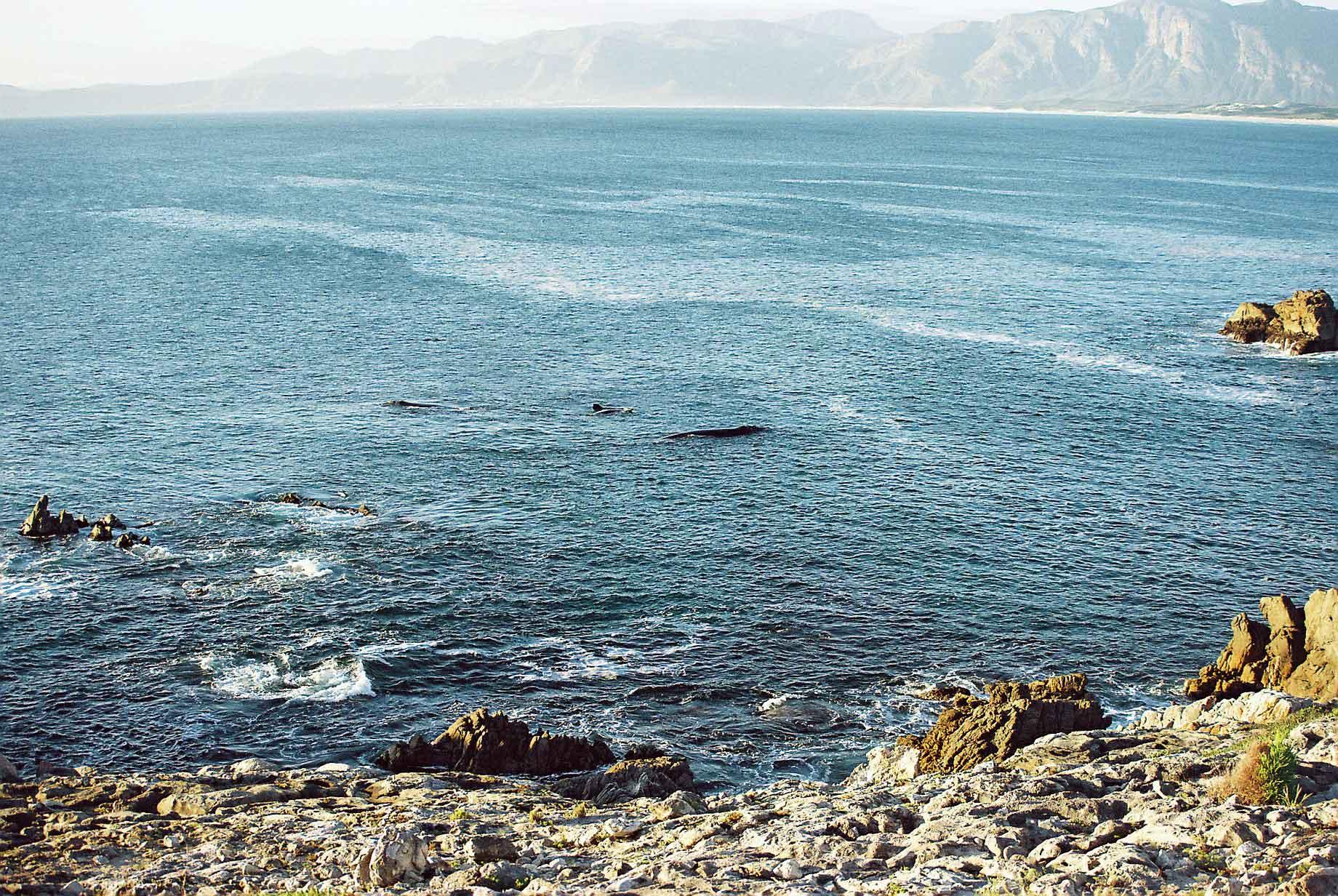
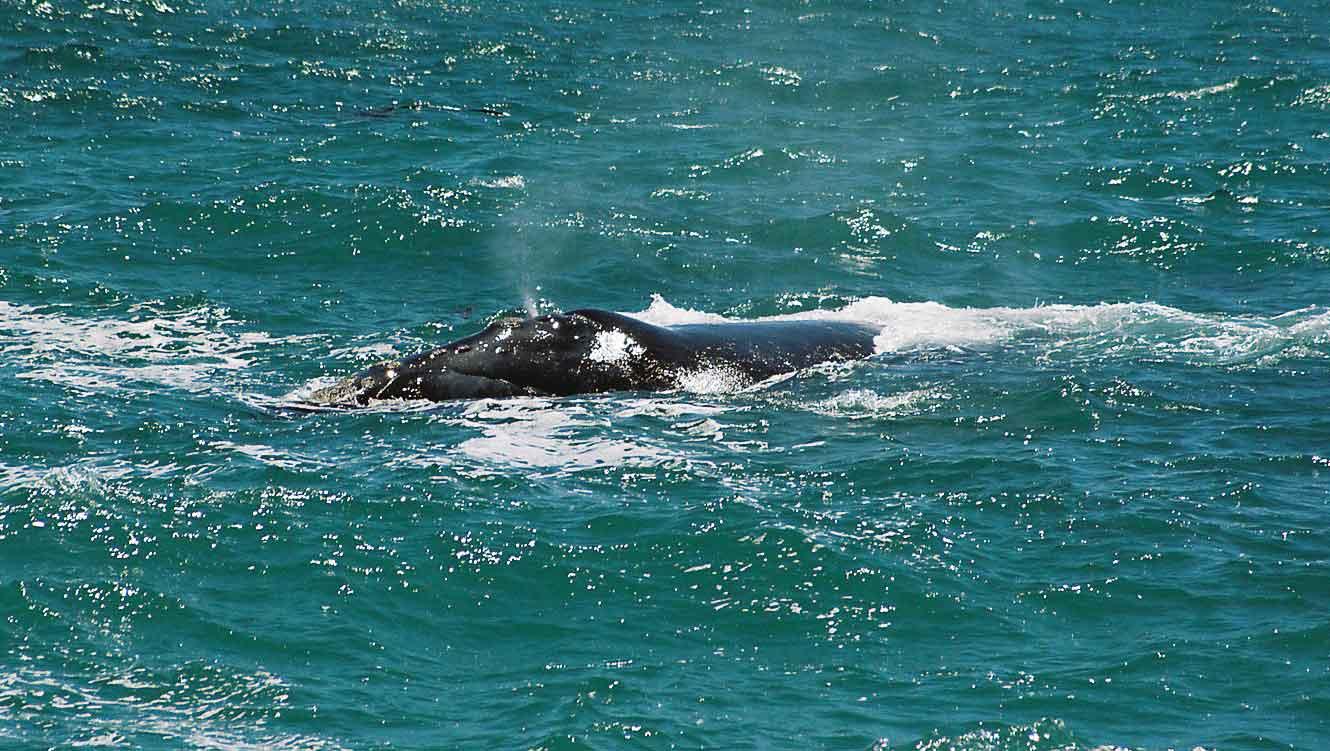
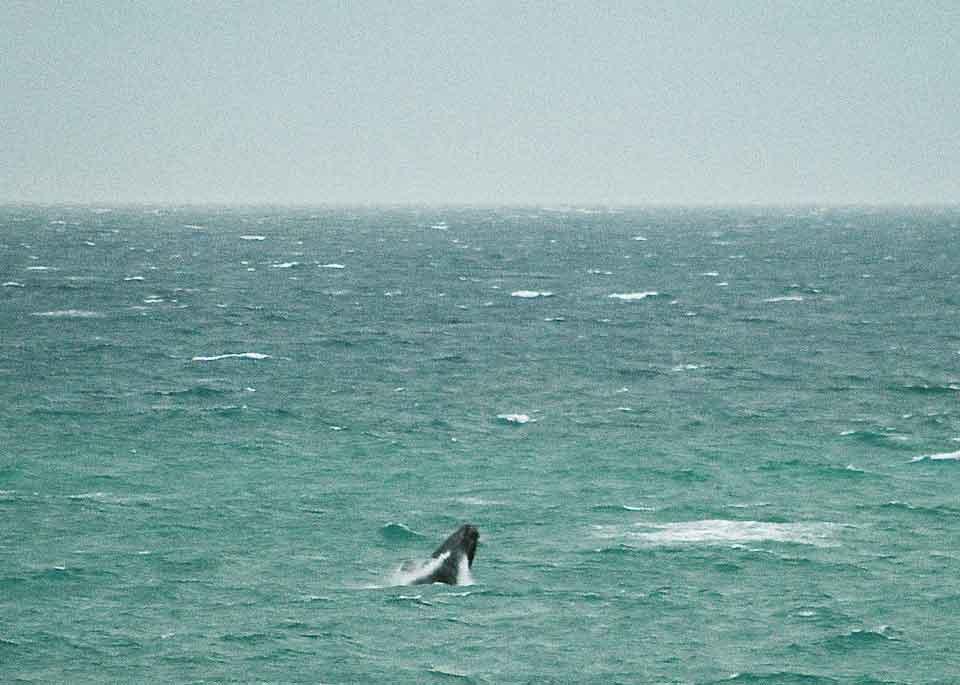
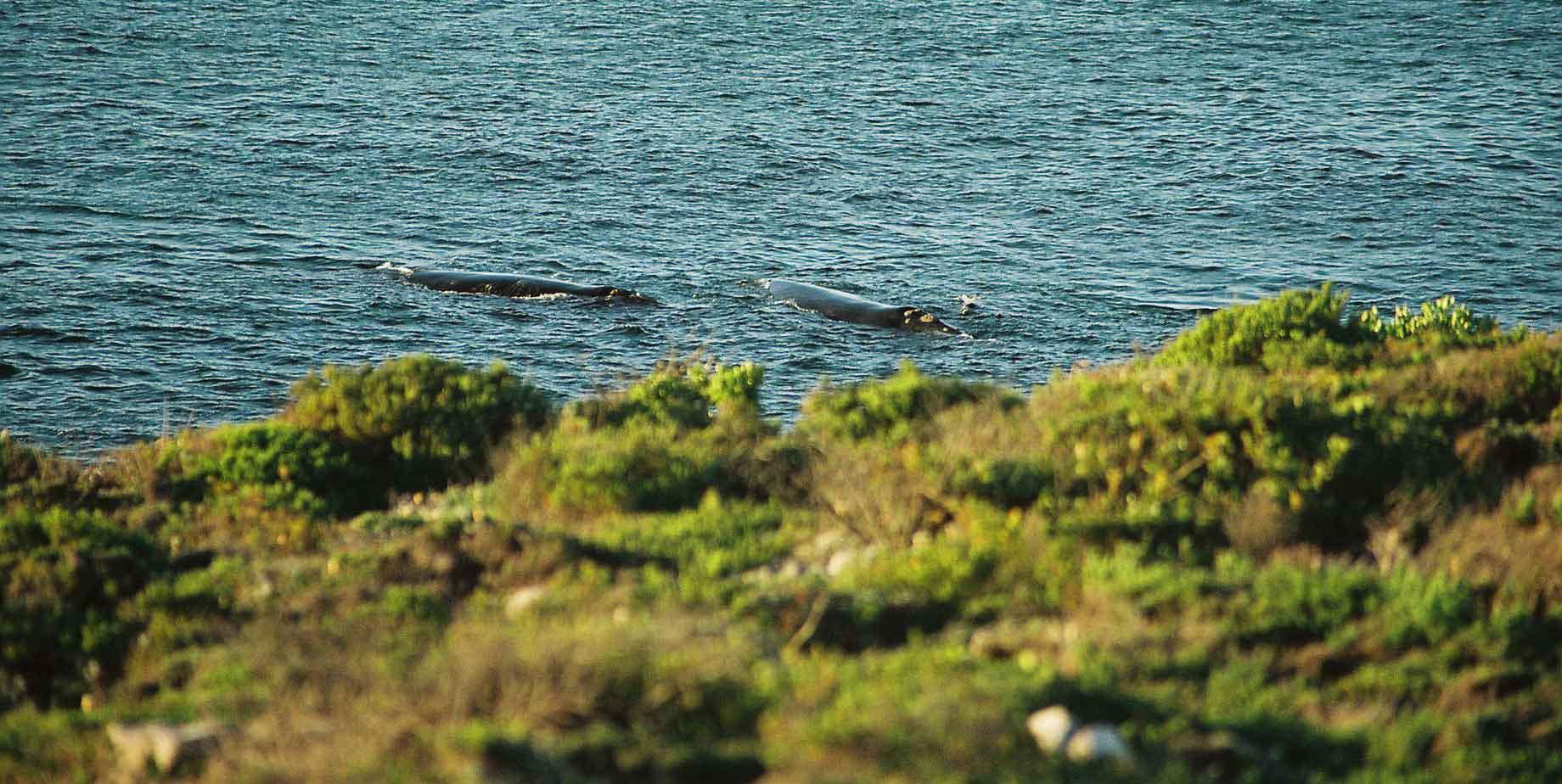
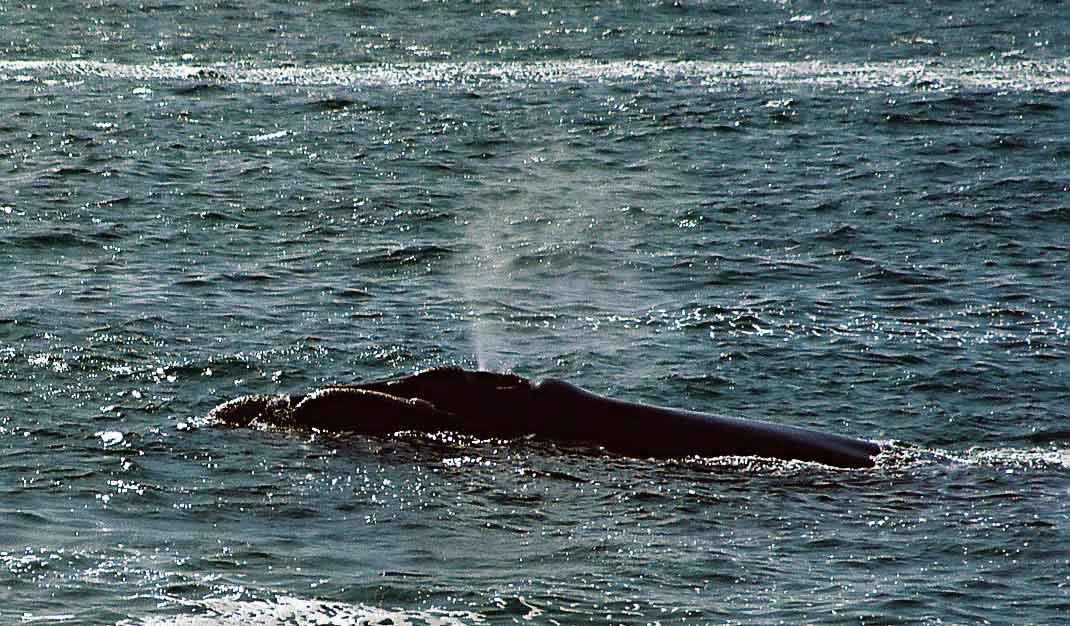
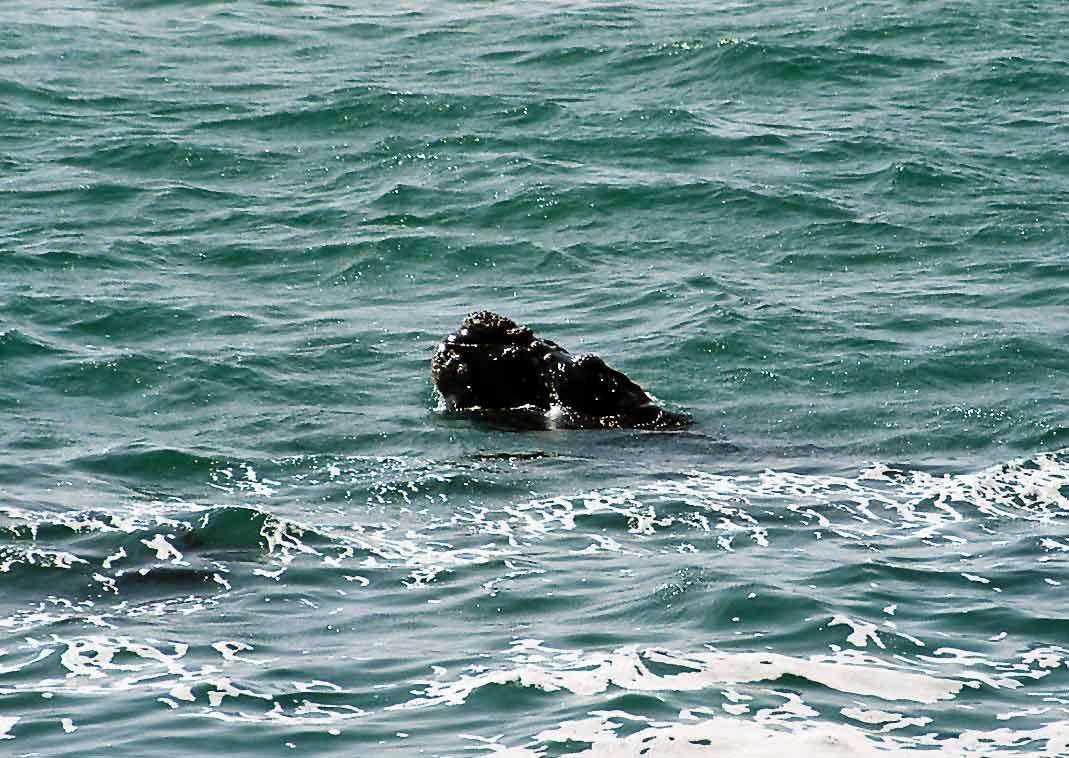
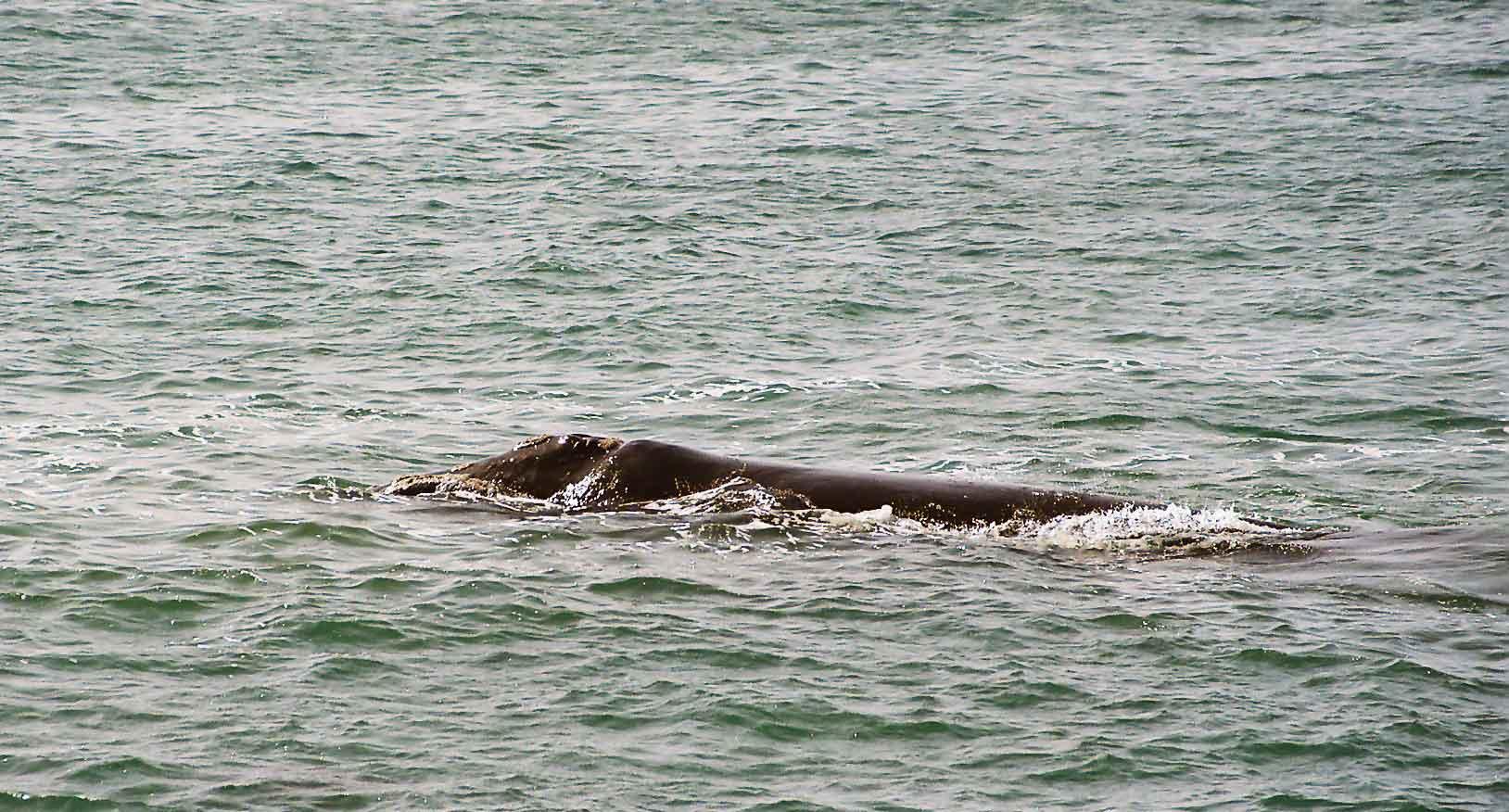
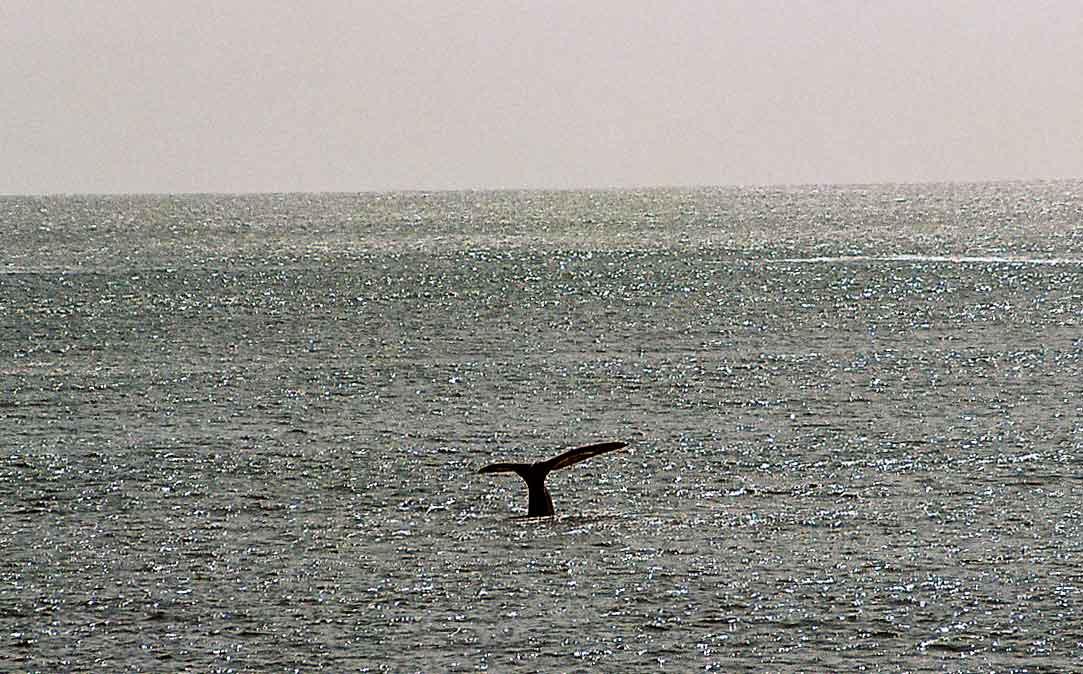
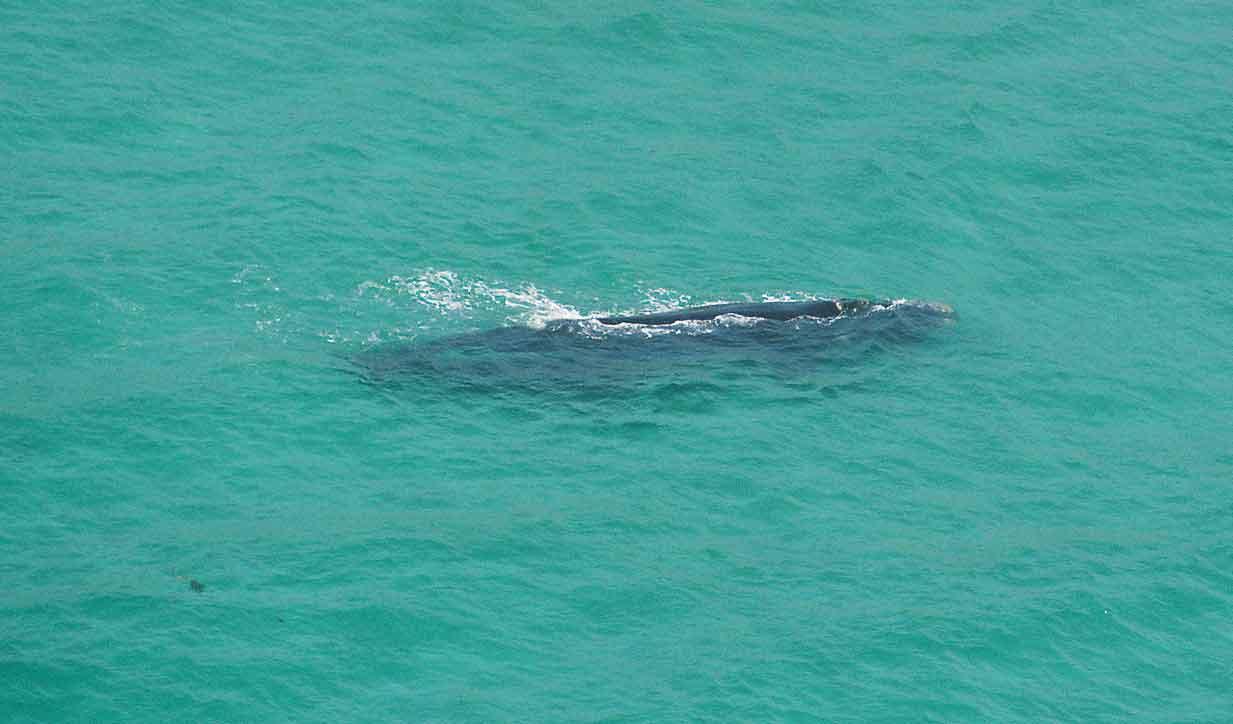
The area of De Kelders, where I was based is probably where the world's best land-based whale watching is possible, where the Southern Right whales come right to the shore in their droves, for six months of the year. The whales were not the only wildlife. One could sometimes see meercat, steenbok or hyrax (photo 3). Sometimes two at the same time (photo 4), with a whale in the background and a hyrax (or rock dassie) in the foreground.
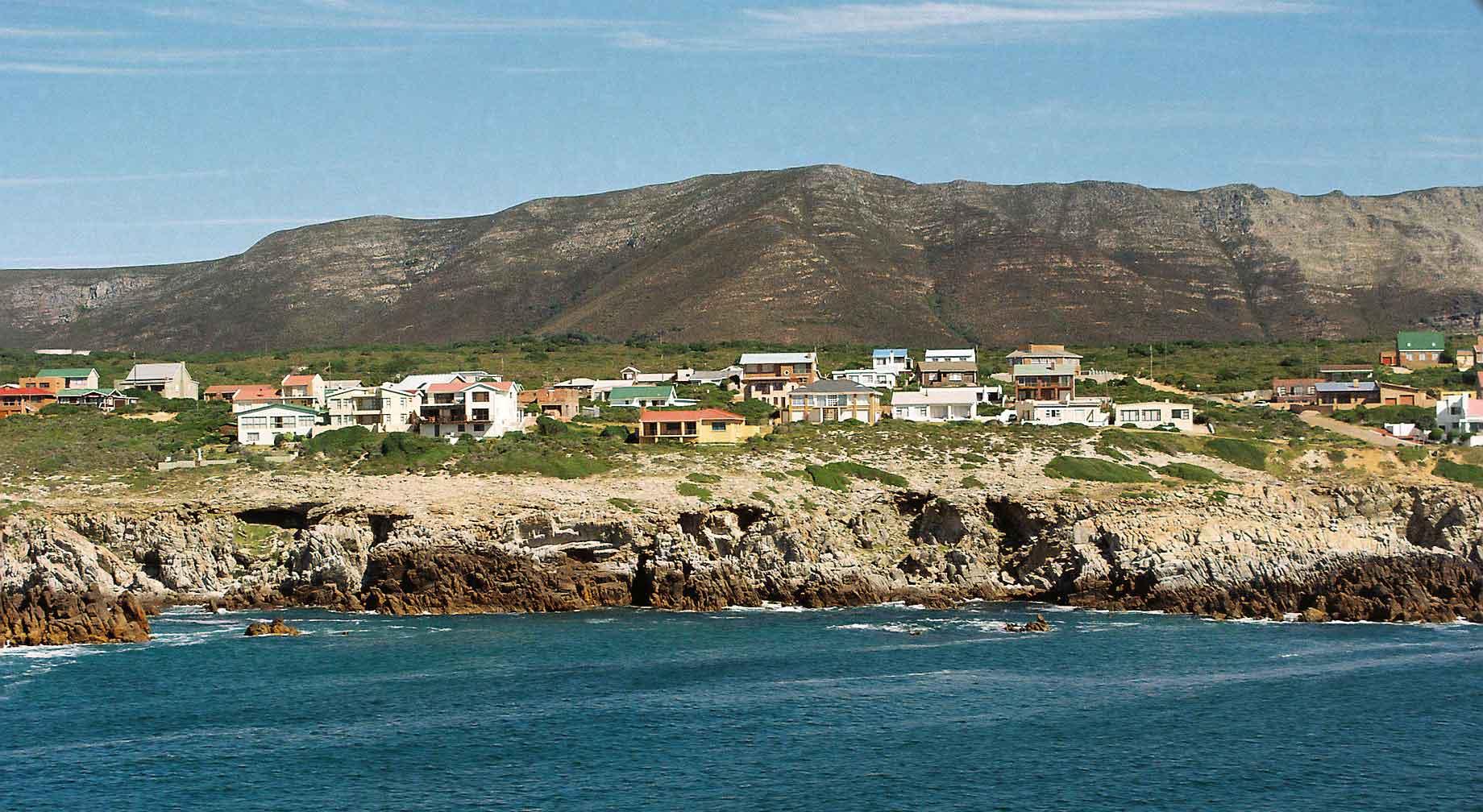
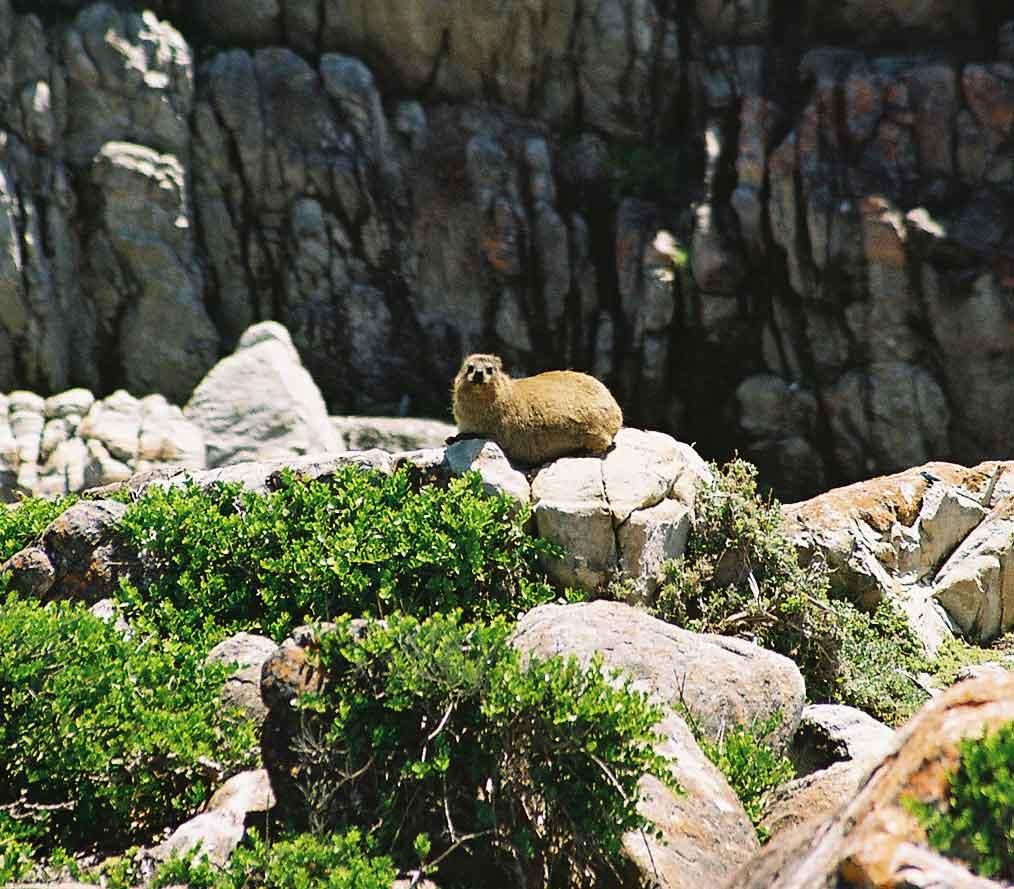
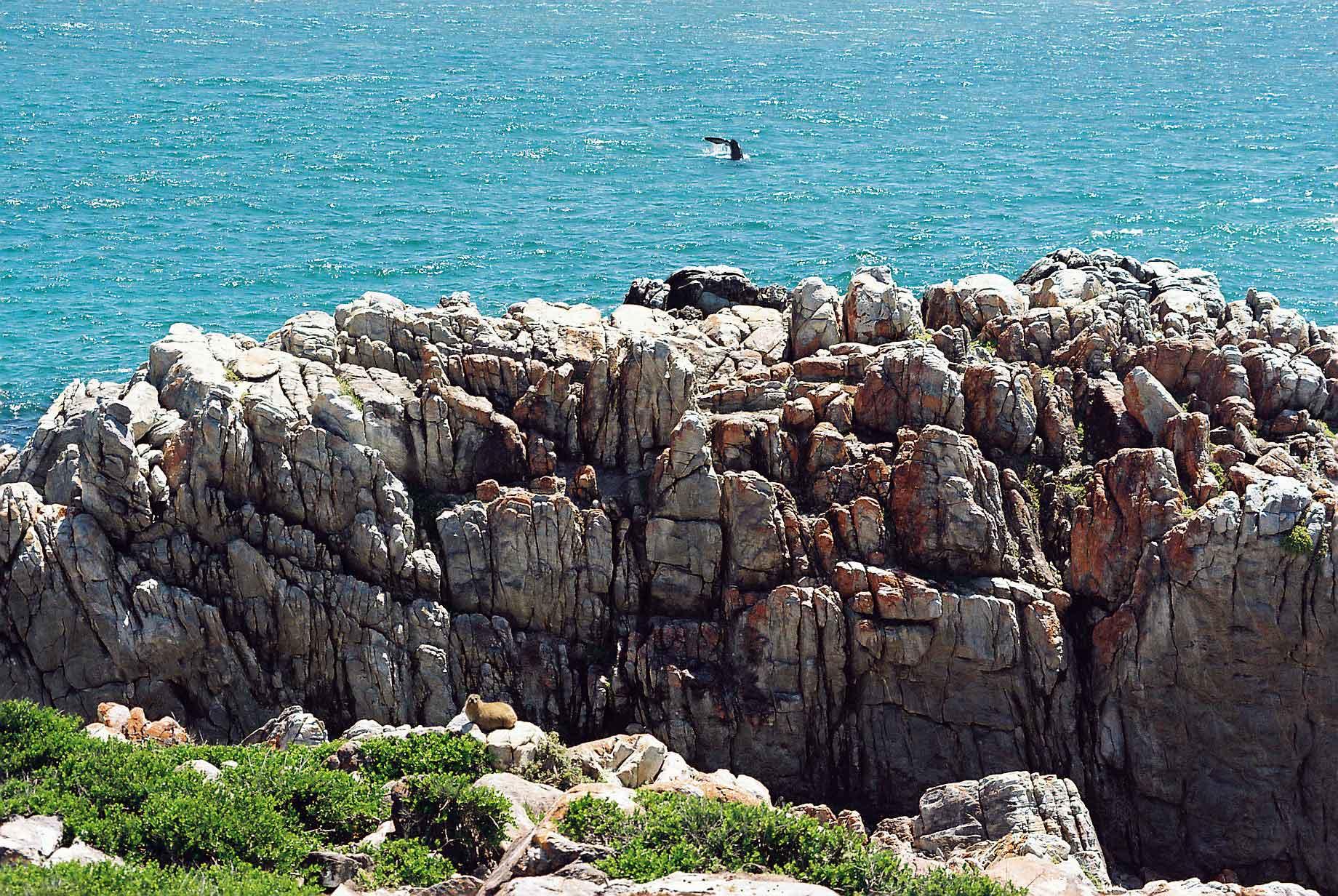
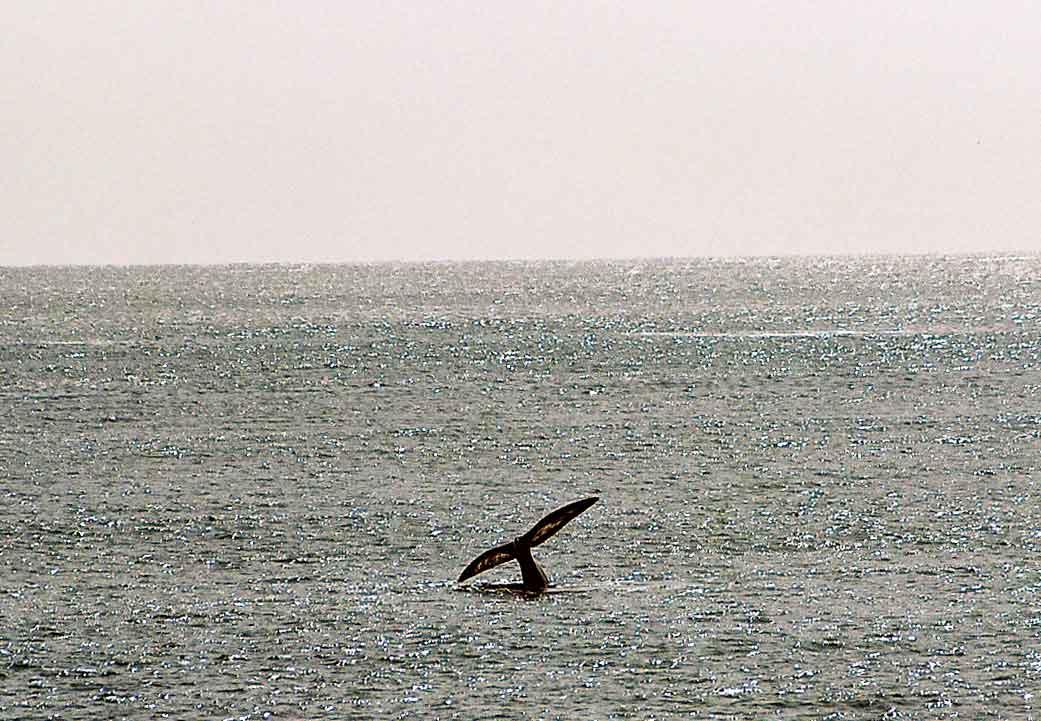
The whales come to the bay to mate and calve, sometimes just a few metres from the shore. Their callosities are not an attractive feature, but are distinctive and make individual identification possible and apparently have recently been found to aid their movement through the water. A lot of their behaviour is quite standard, yet still open to interpretation as to its purpose.
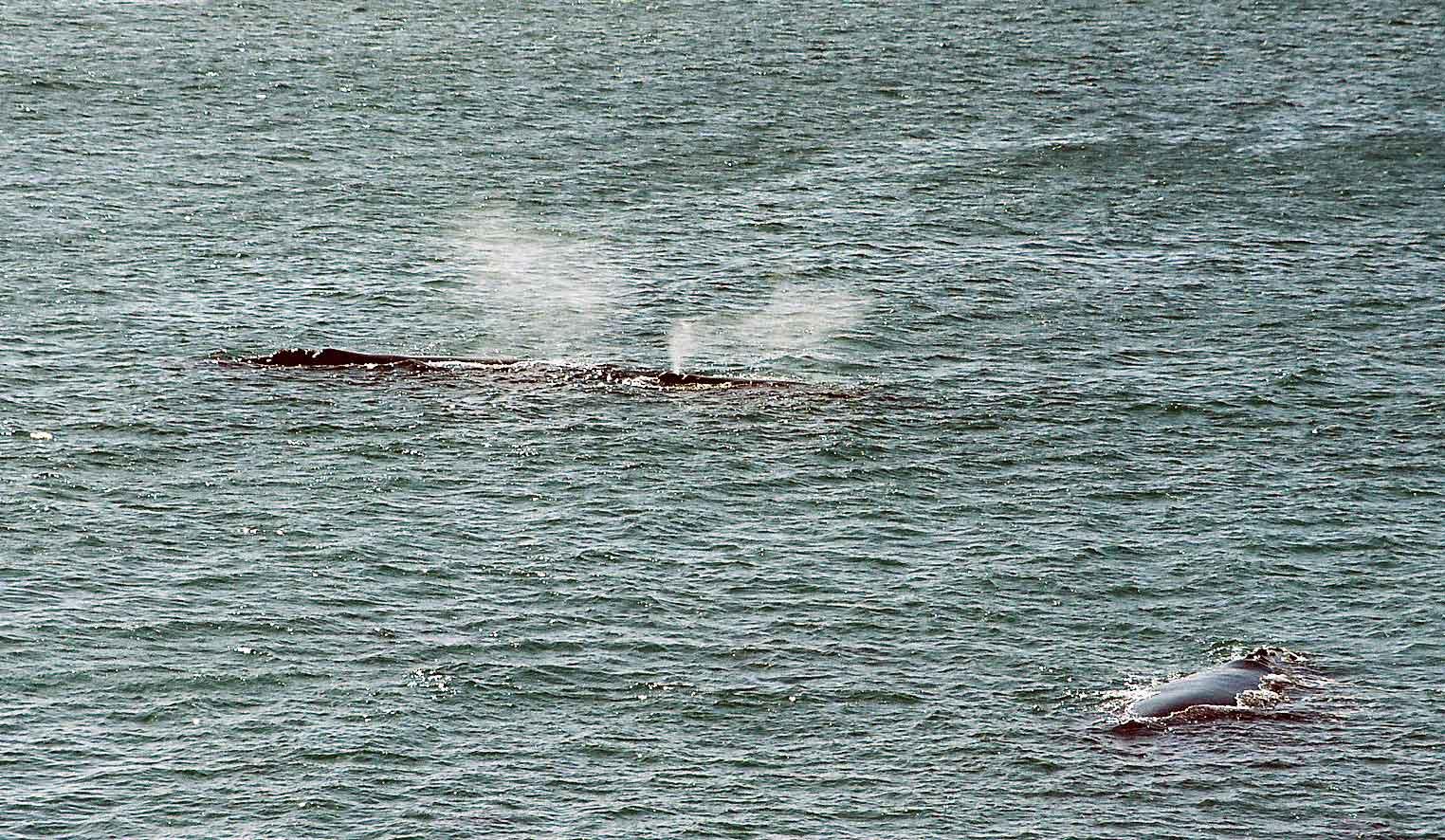
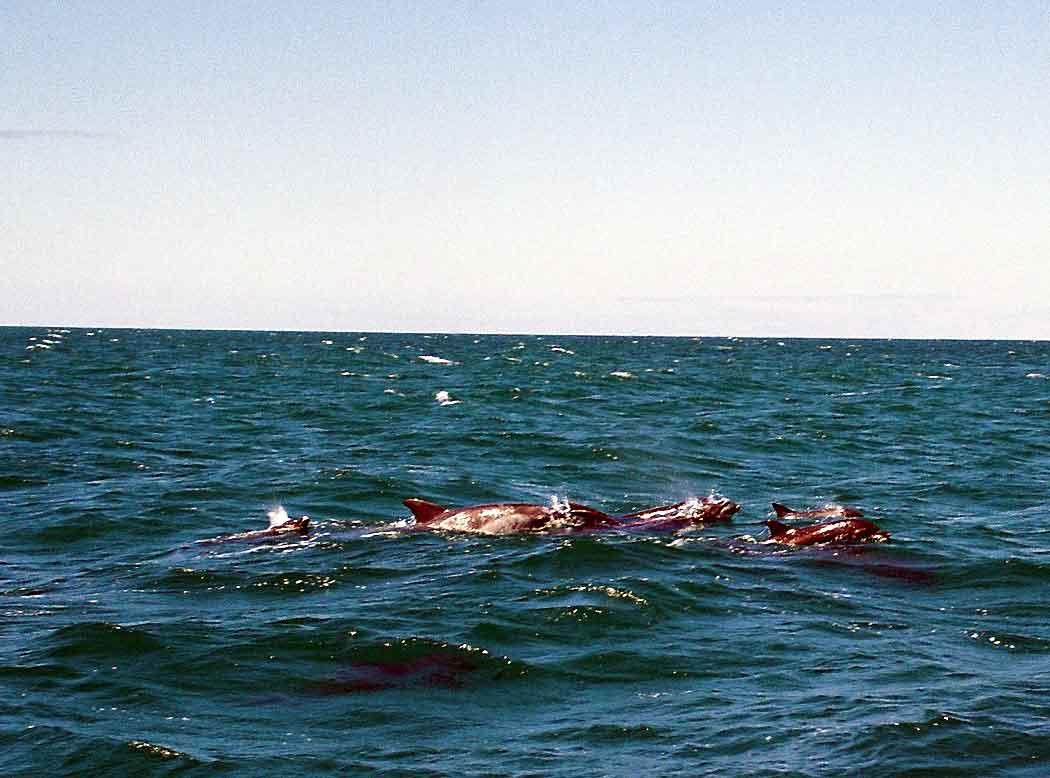
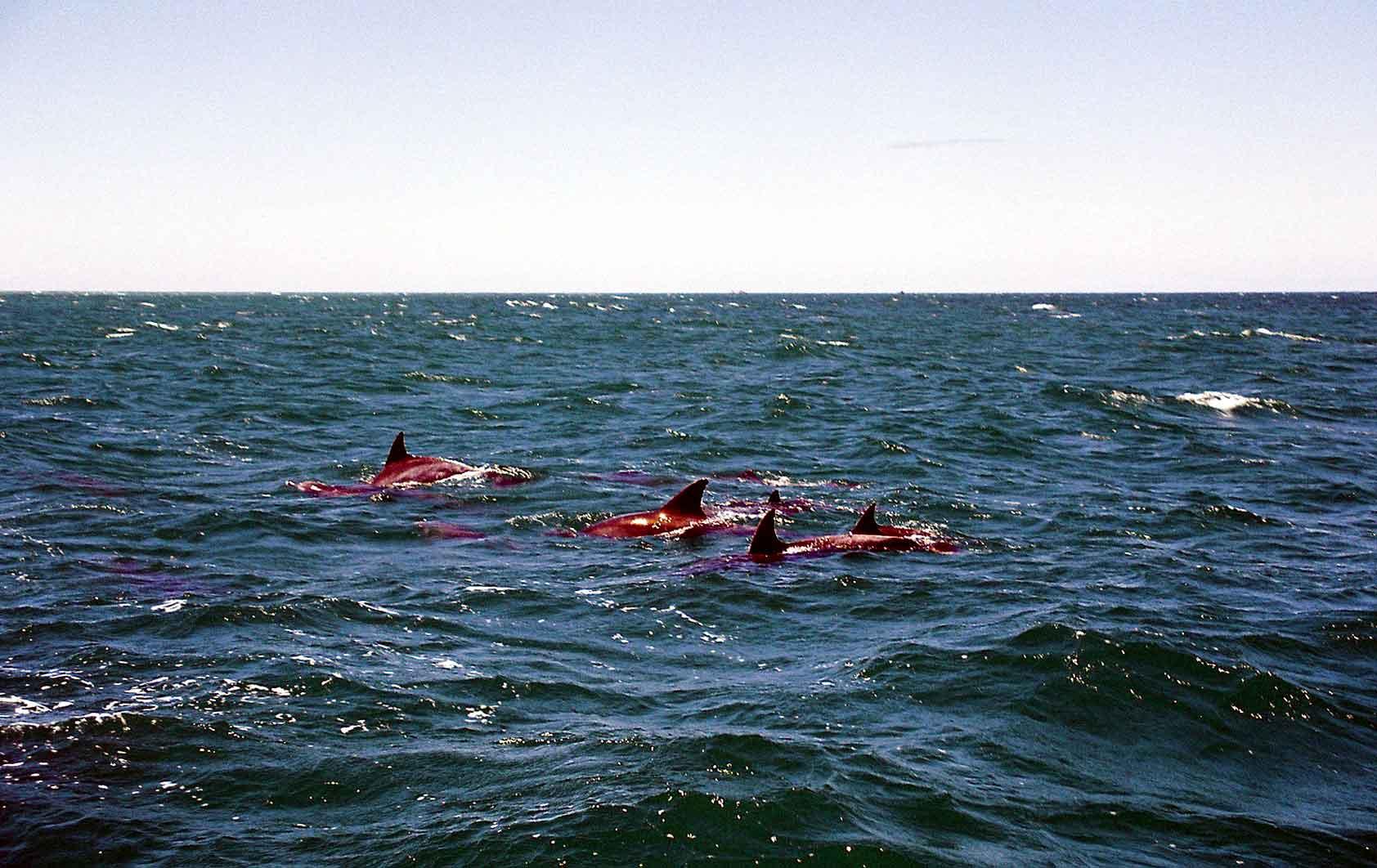
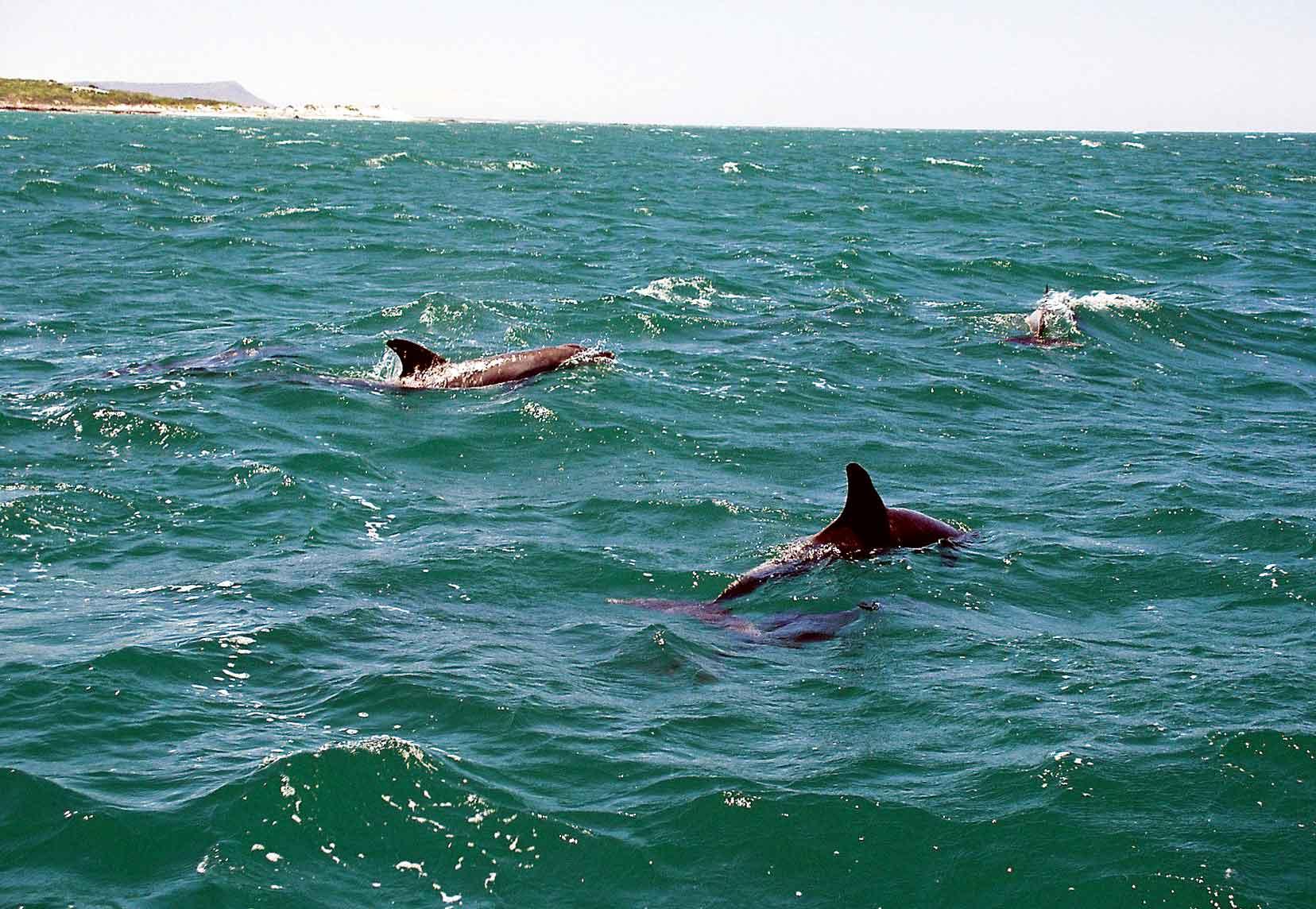
Another famous marine creature in the area is Andre Hartman and the Great White sharks he has spent so much time with. On the way out to see the sharks with him, we saw a pod of bottle-nosed dolphins with young.
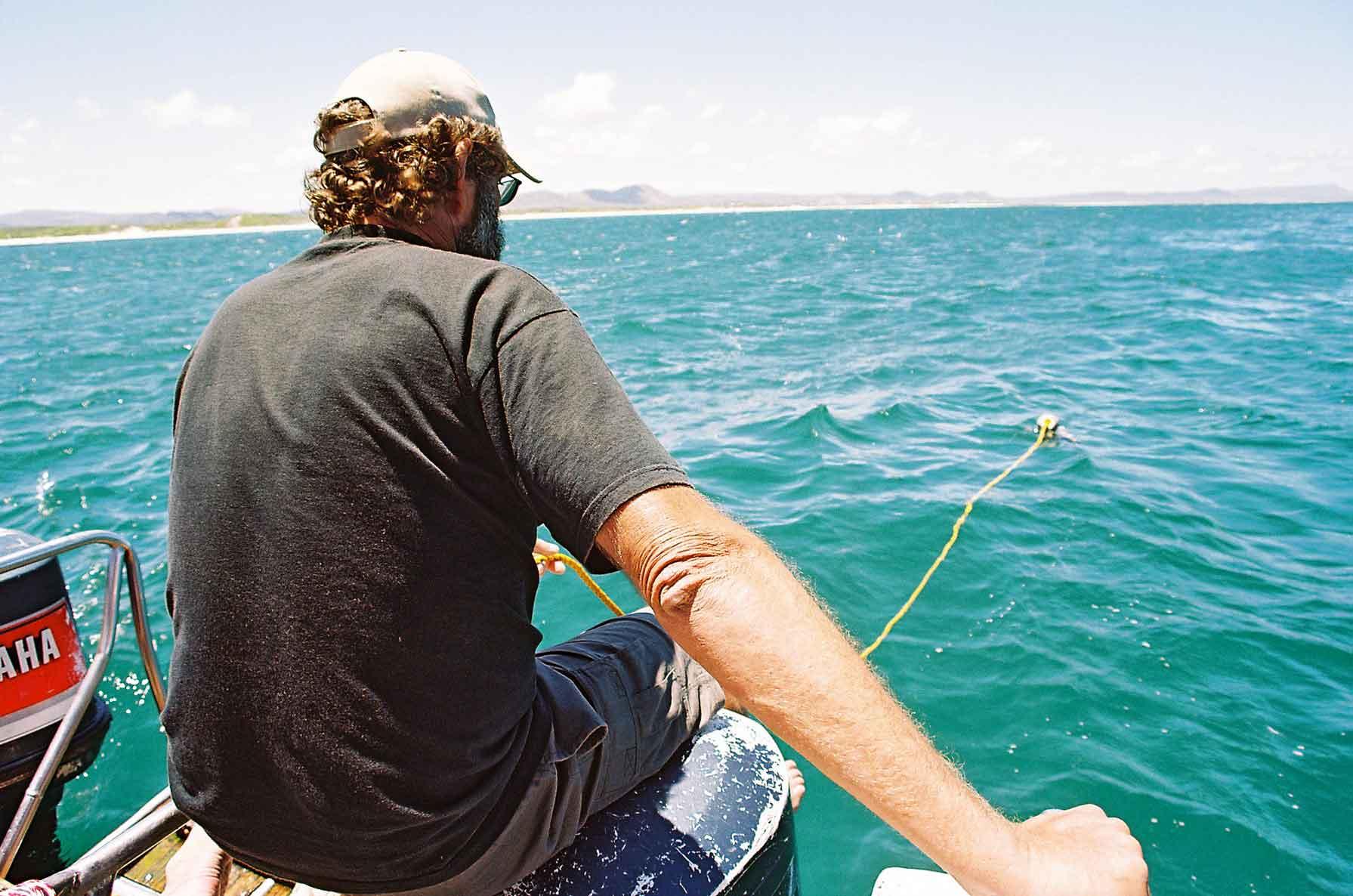
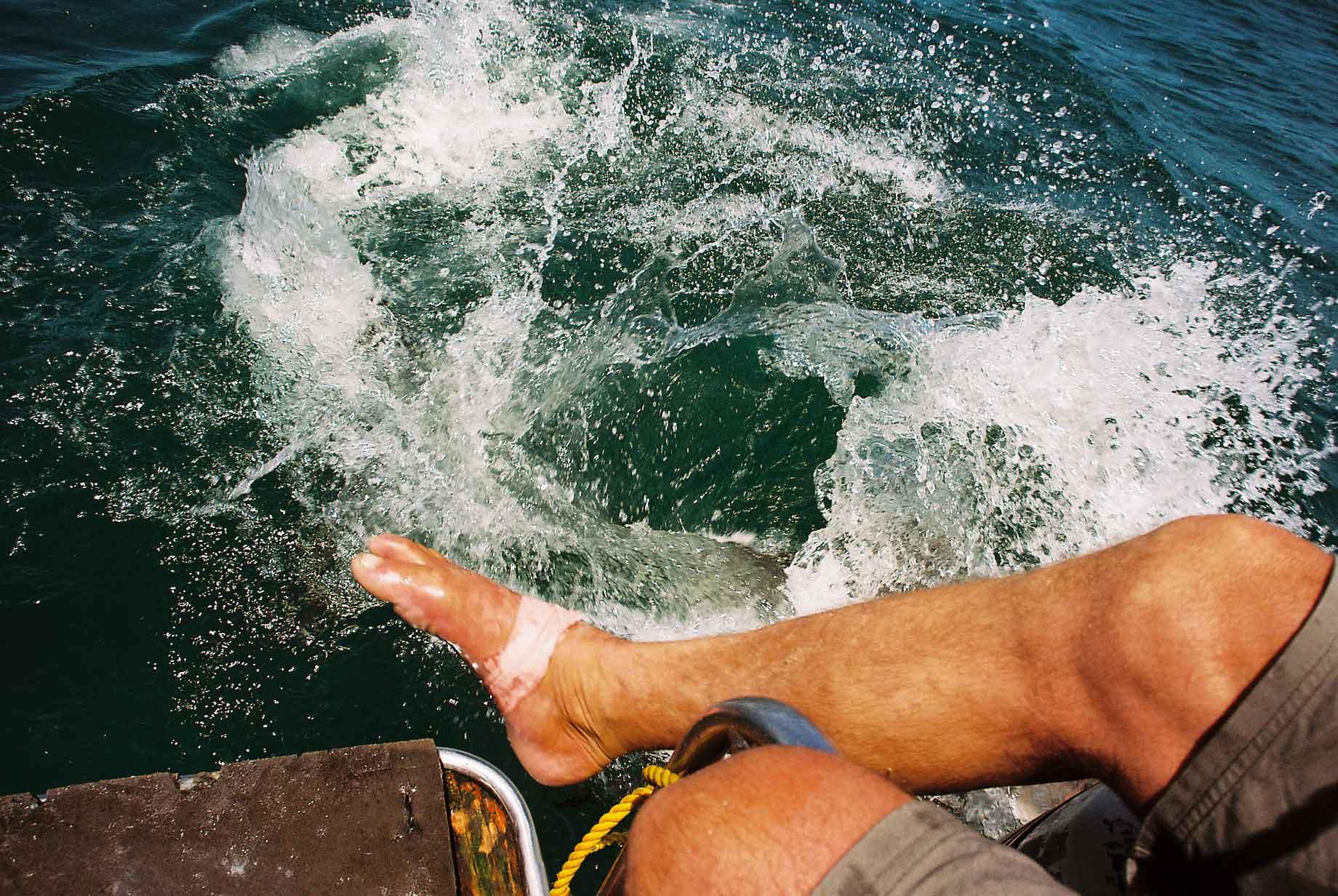
It took some time before we got a shark, but when it came, it decided to hang around for some hours. When it first came, it seemed to be a bit pre-occupied with the bait or perhaps Andre's foot, after all, a few days previous another shark had decided to nip his foot. The first story that was released by "Die Burger" the Afrikaans newspaper said that Andre's foot had been bitten off, then that he had been diving with the sharks, when he lost his leg. These were not true reports, as you can see from photo 2, it wasn't a severe wound at all. The story Andre would tell of what happened was - the young shark saw his foot dangling in the water and his toes looked like a mummy shark's nipples and thought wow, there's five of them what a great feed I'll get from them. It took a bite, realised it wasn't milk and got confused, so had to be released and went off. The other story he would tell was - the young shark decided to munch on Andre's foot and when it took a bite, went "ghat" ("shit" in Afrikaans) and went off. A little while later, a dead shark was reported in the breakers near Kleinbaai, so Andre went and got it and took it to the doctor and insisted on having an autopsy performed. The doctor found the shark had died of foot and mouth disease (or alcohol poisoning).The real story is that Andre was sitting on the engine on the back of the boat and brought the bait and shark past his foot and forgot to move his foot. The shark was chasing the bait and ended up on his foot. Andre turned around and told a photographer on the boat "hey there's a shark on my foot", so the guy dropped his camera and opened the shark's mouth and Andre had about twenty or so stitches in his foot, appropriately in the shape of an 'S'.This trip, the shark stayed around for long enough that we got to get in the water whilst it was there and see it properly in its own environment. Three different sharks in total came by, all of them majestic and graceful in their environment.
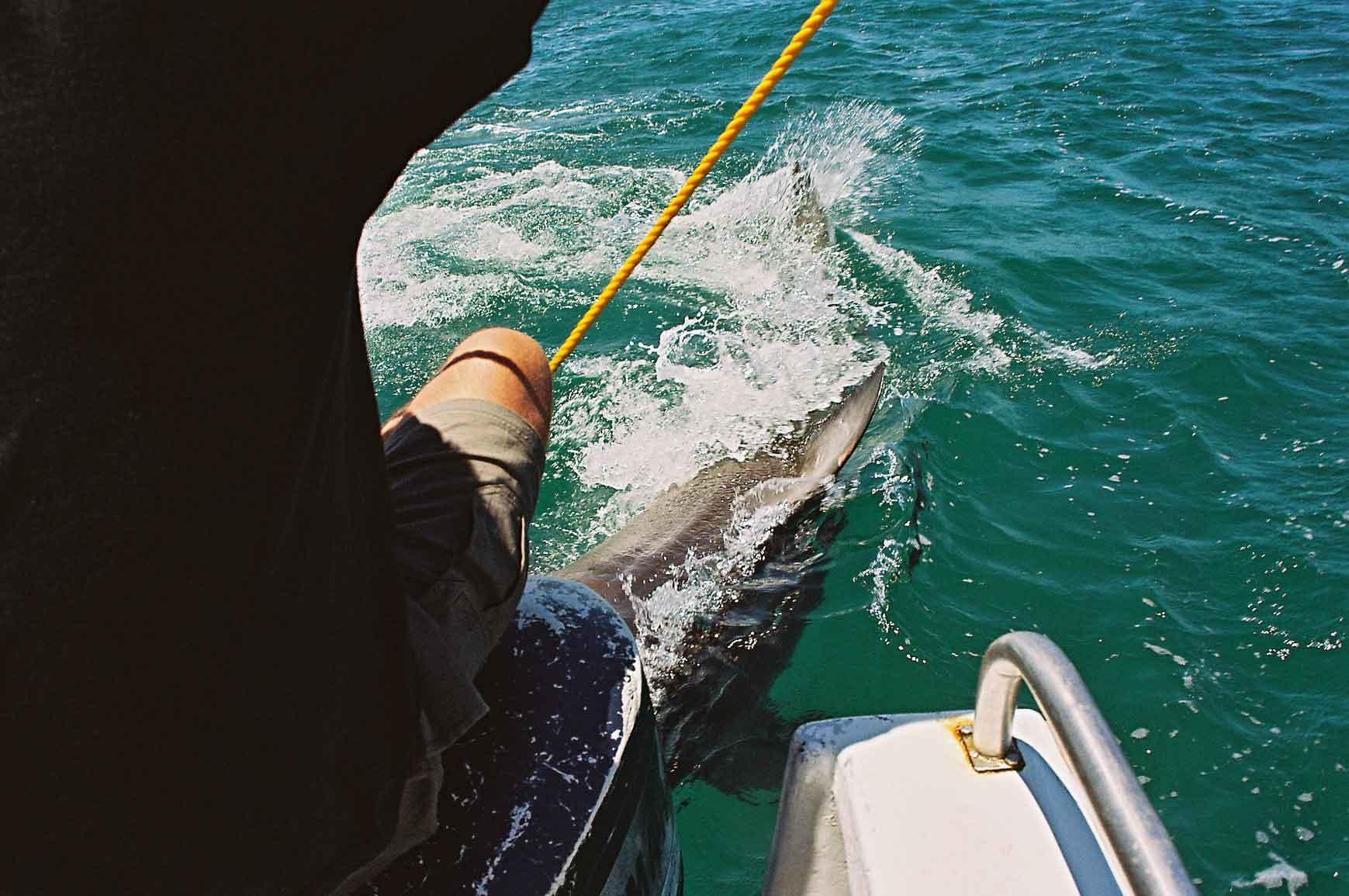
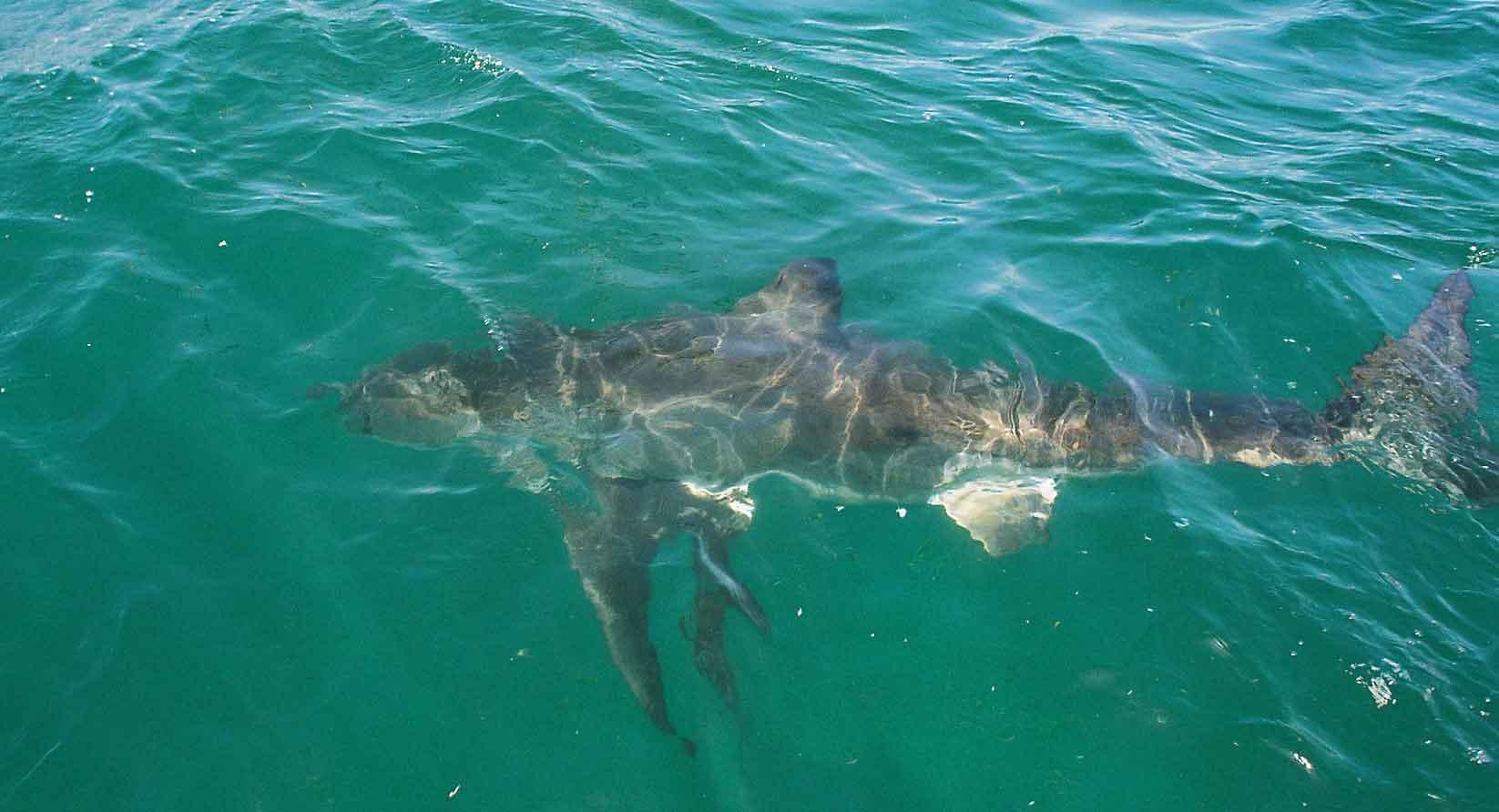
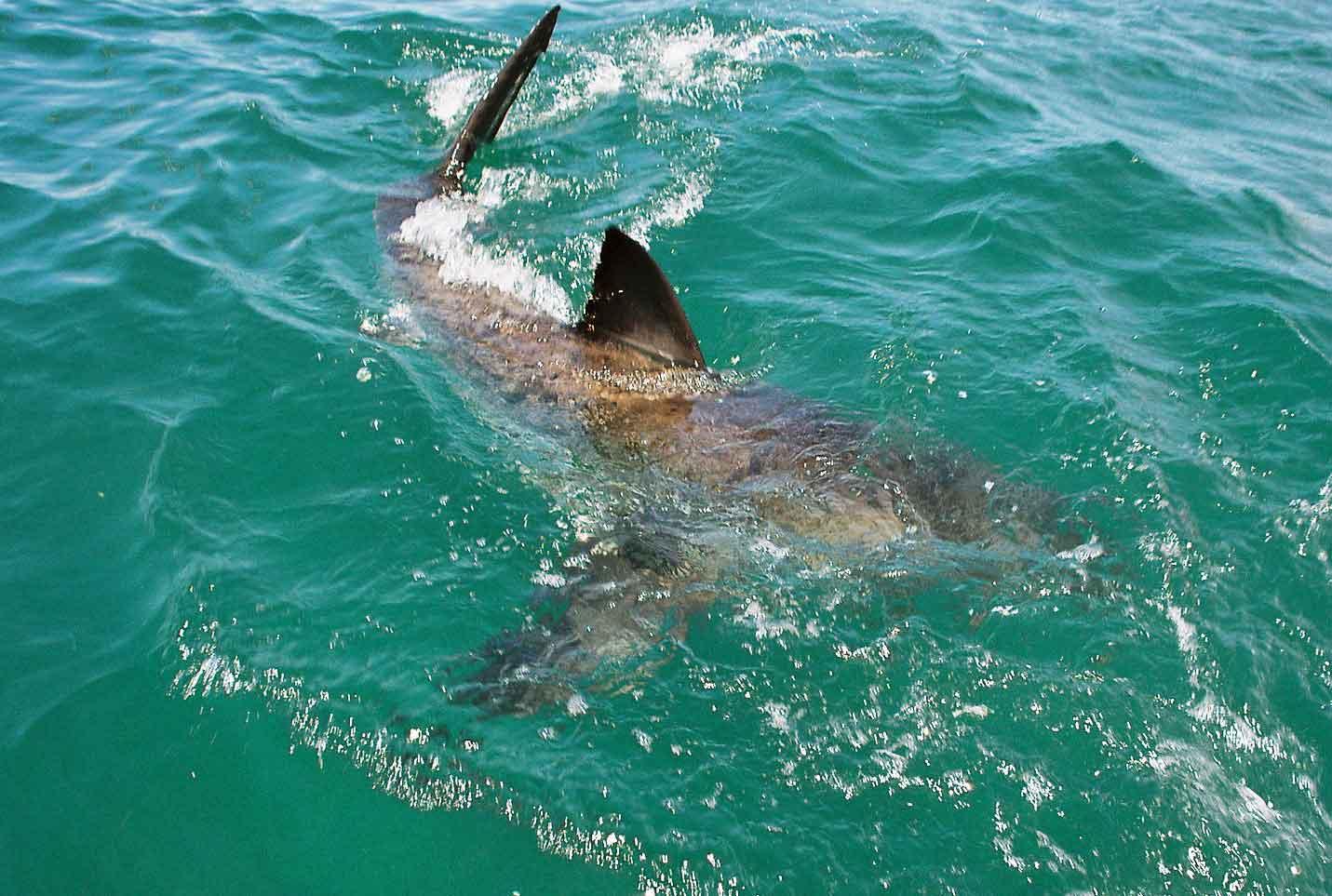
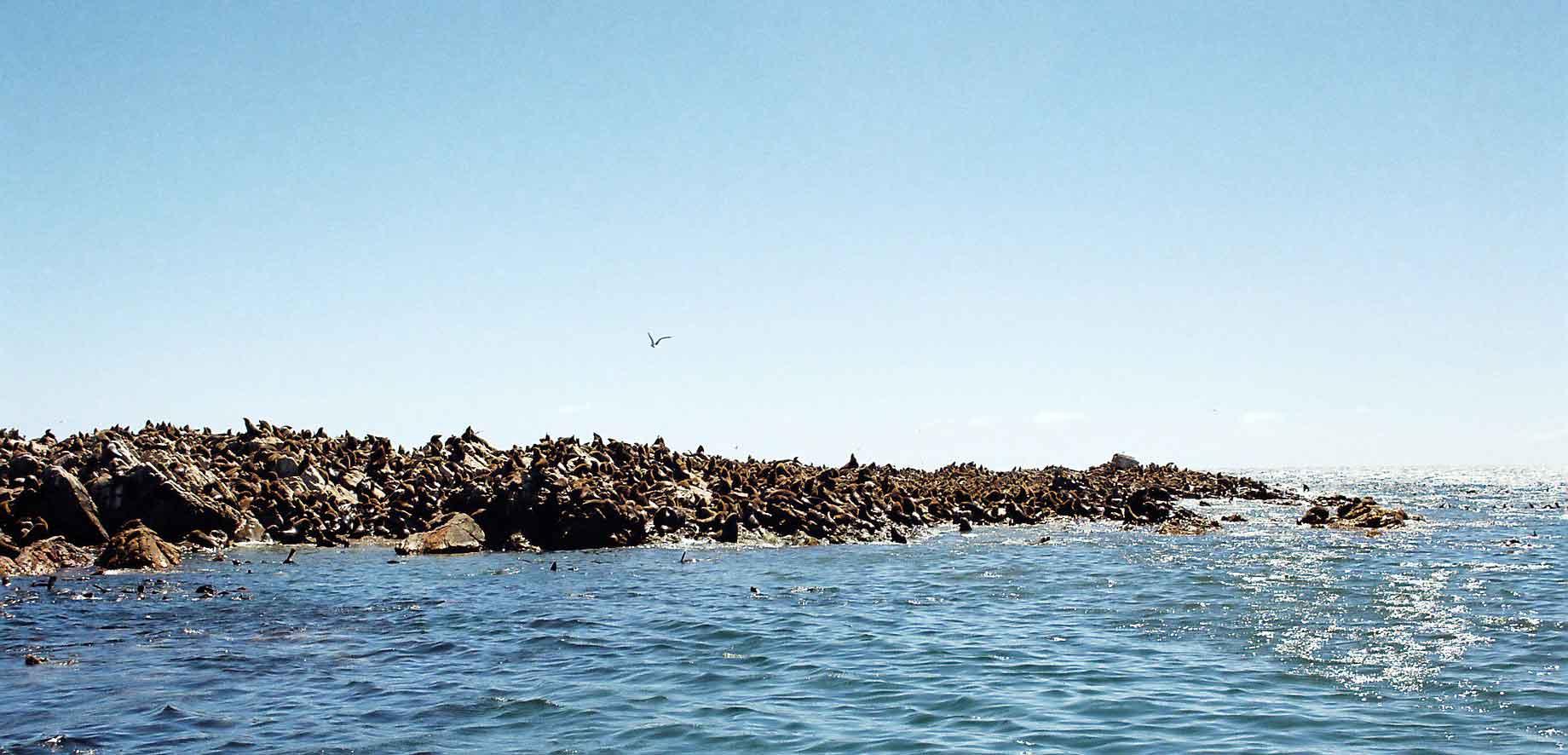
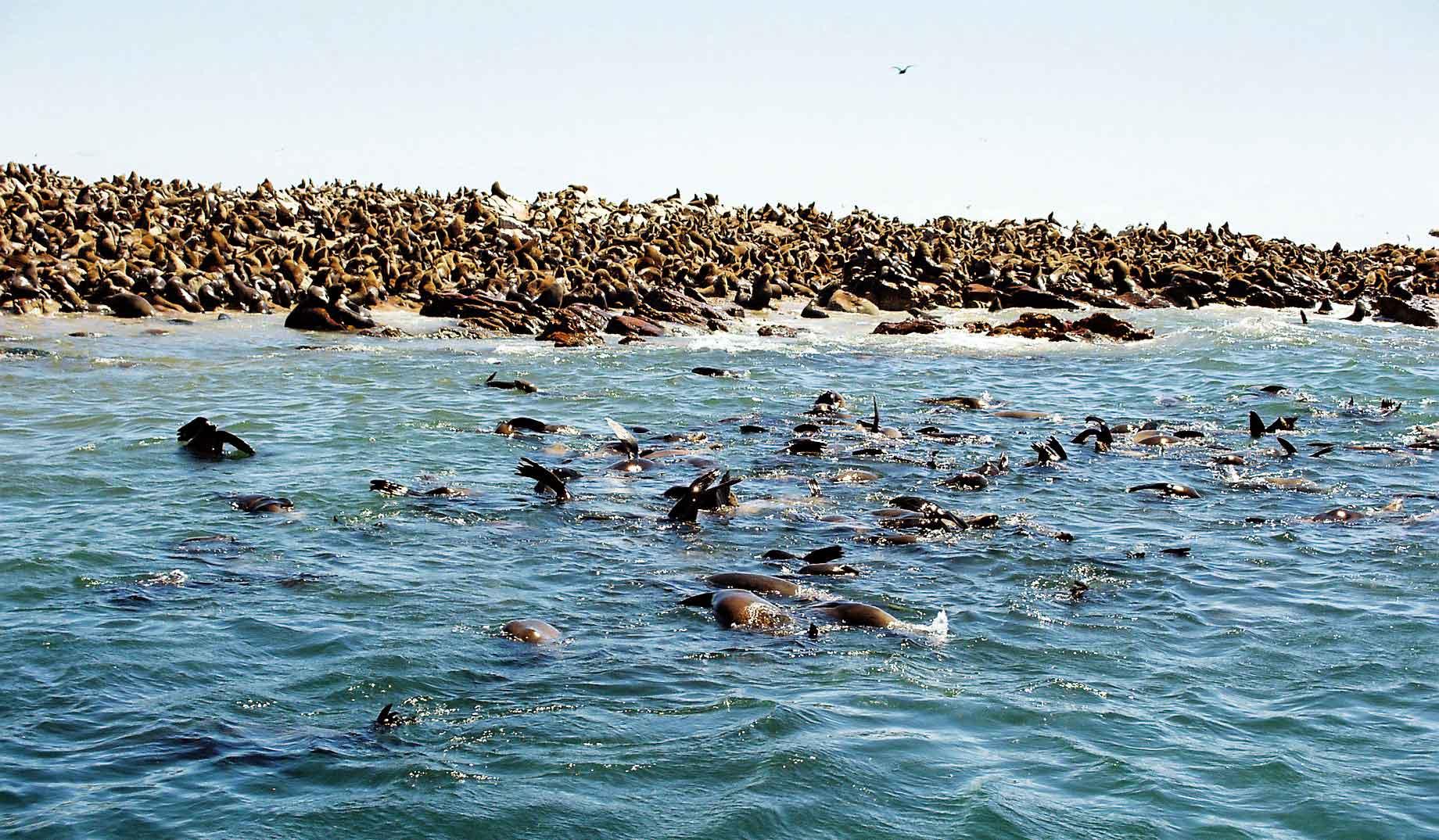
The reason that the waters in the area are some of the most shark infested in the world is due to the plentiful food source, namely the cape fur seals from the Dyer Island colony.
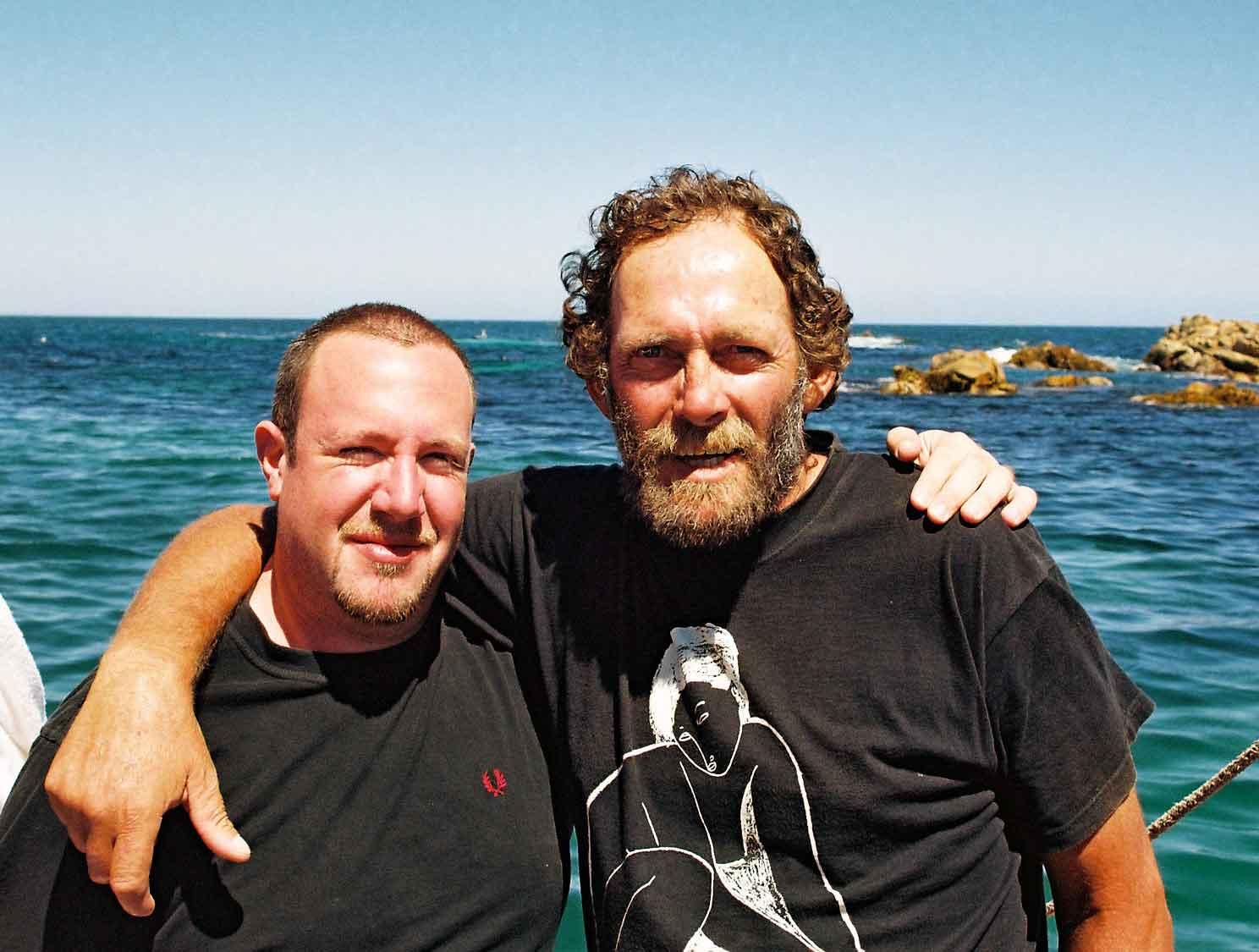
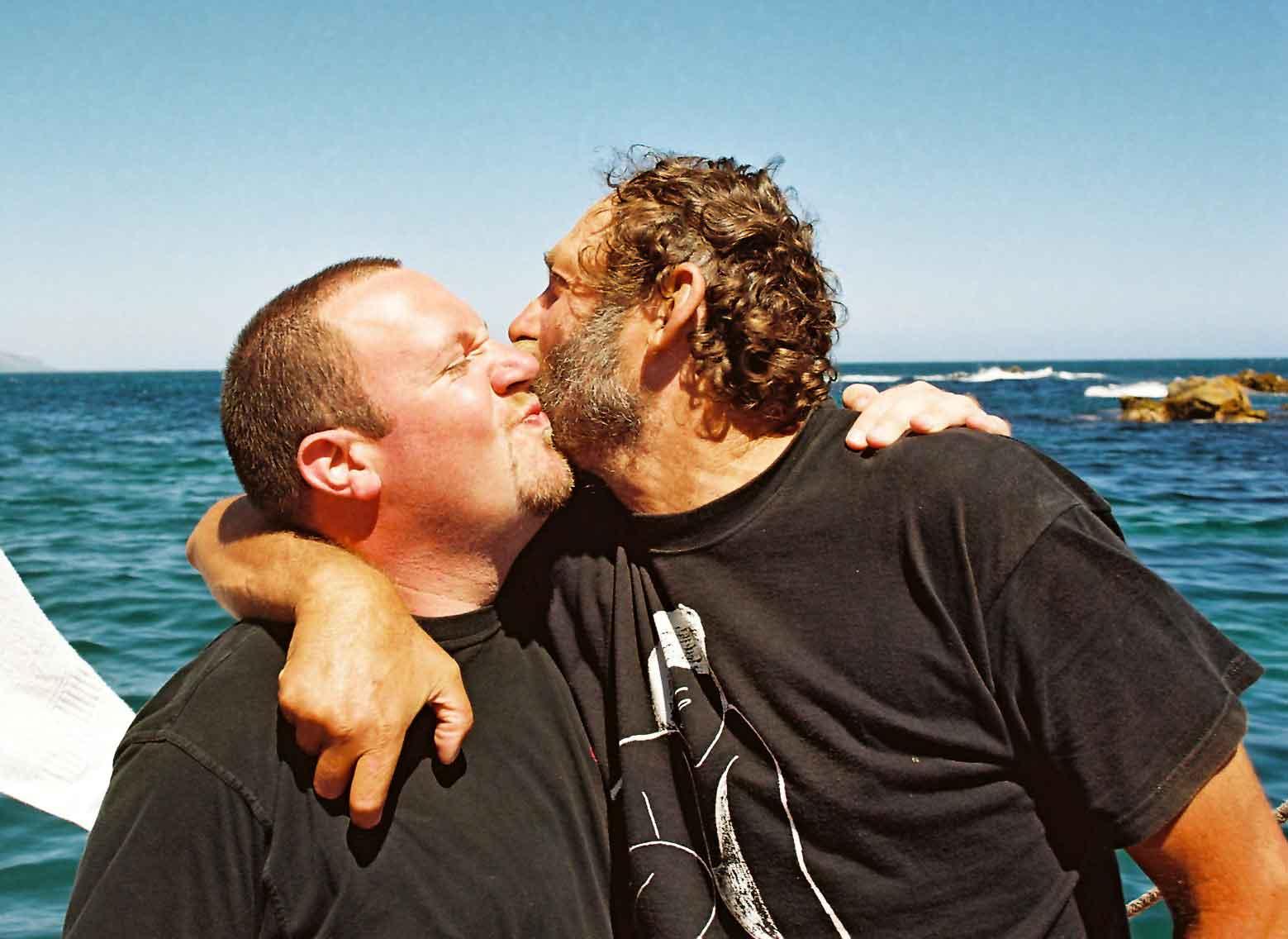
Me and my buddy Andre, who sometimes gets a bit frisky.
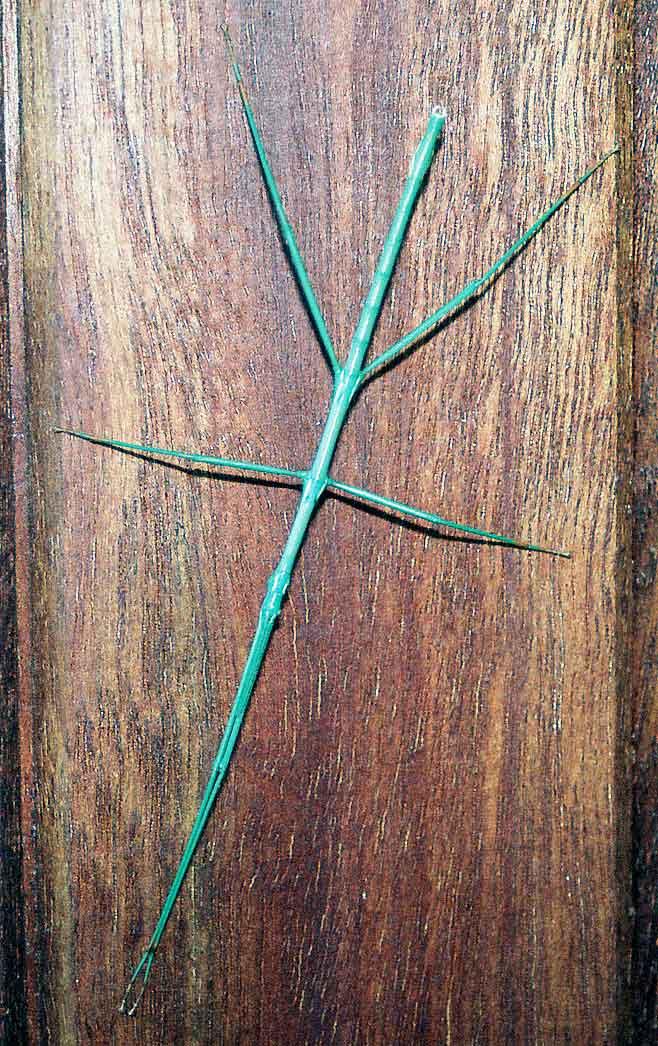
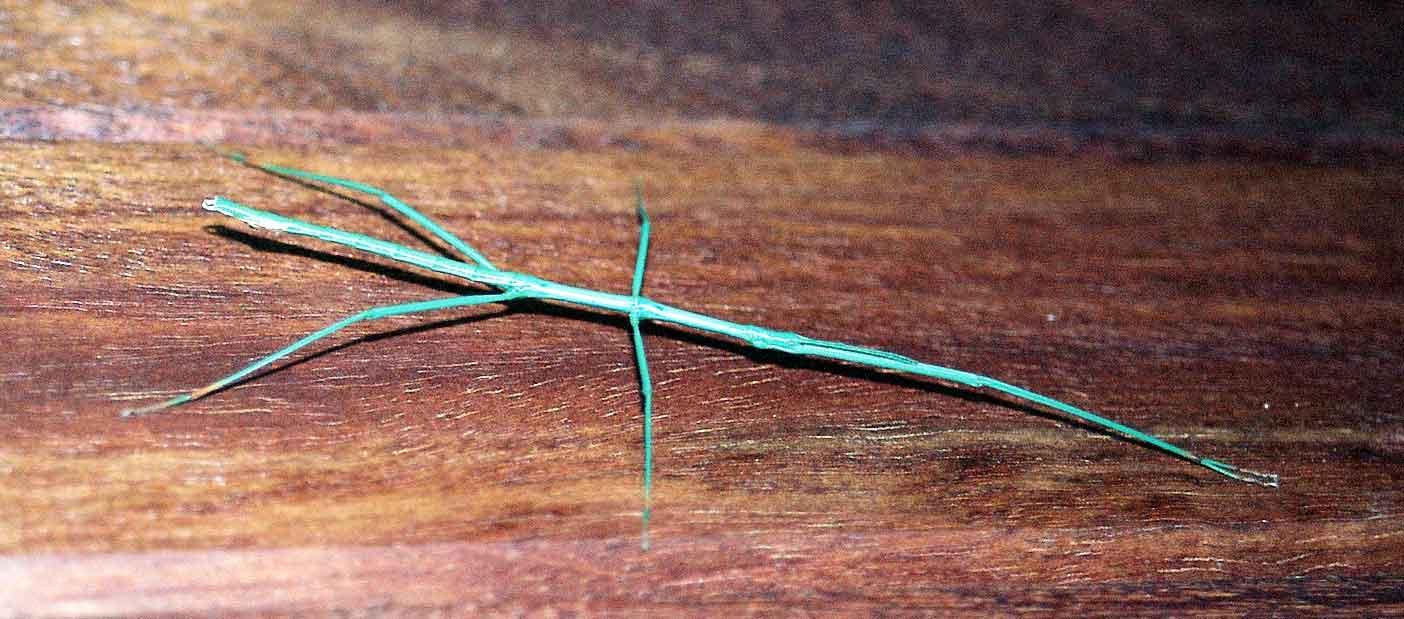
Some of the wildlife is not so big or dramatic, such as the stick insects, that don't realise when they are in the wrong place for their camouflage to be really effective.
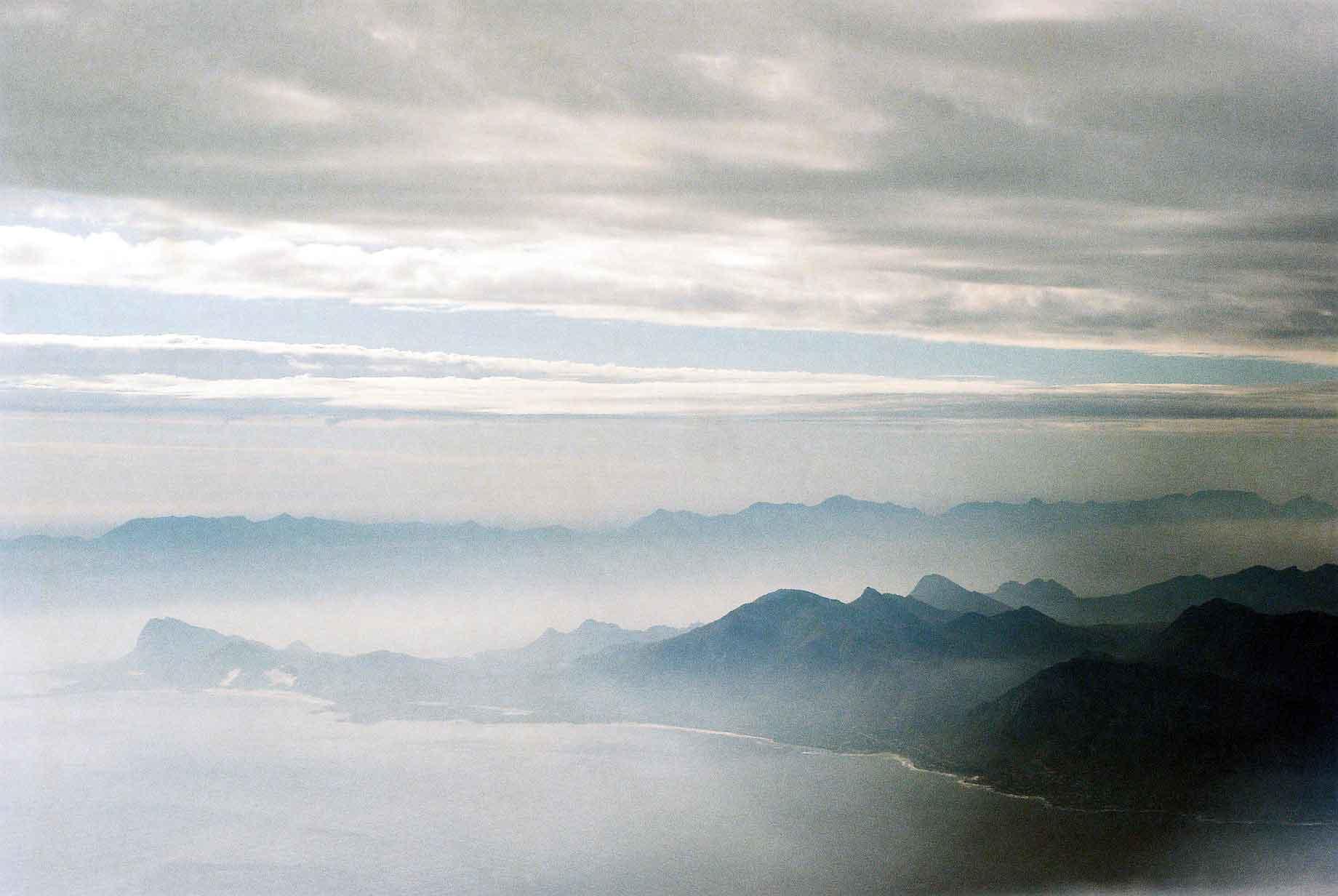
One of the things I got to see was how different and attractive the scenery was from the air. Table mountain, the icon of Cape Town looks flatter and Robben Island looks smaller.
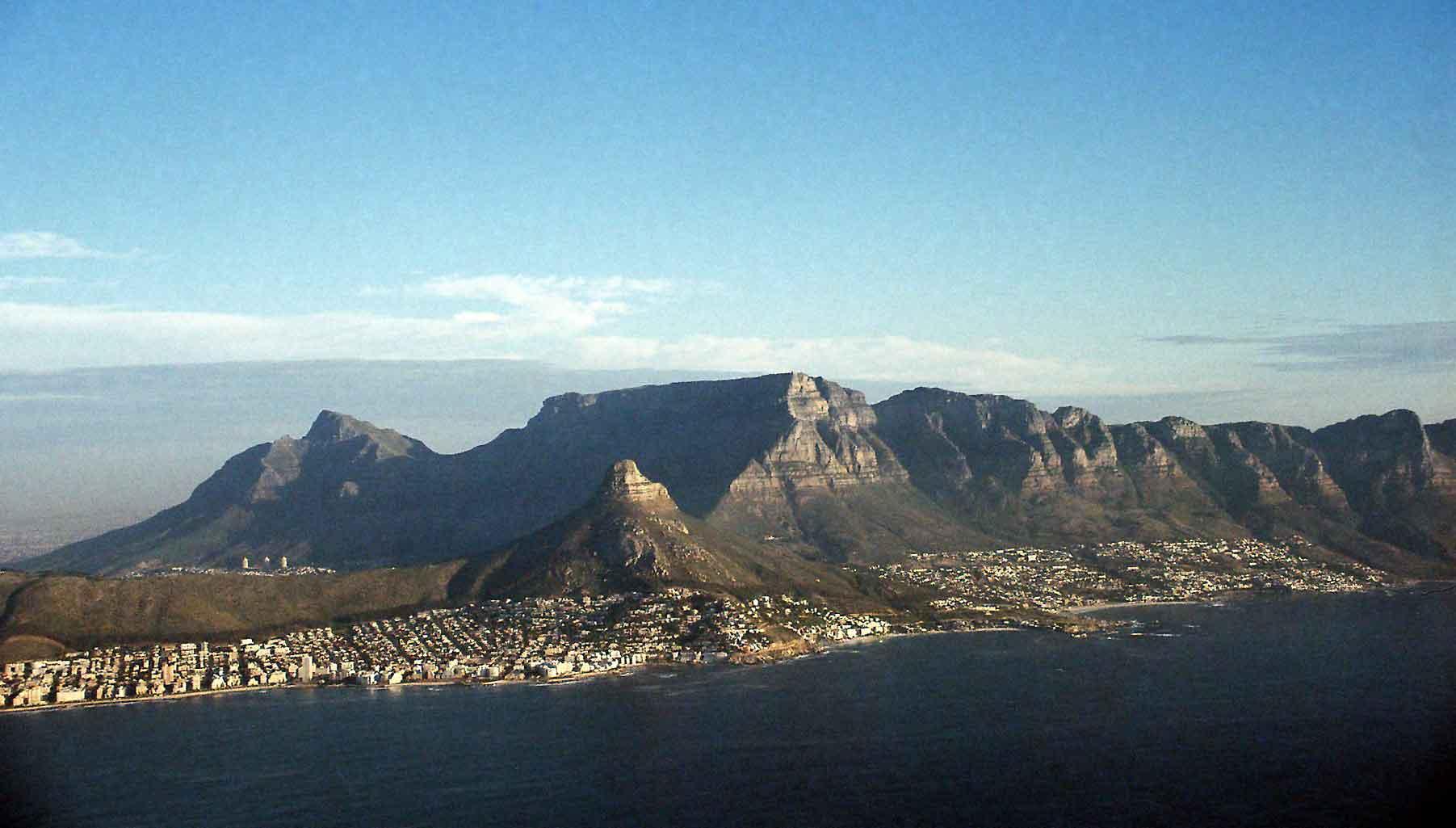
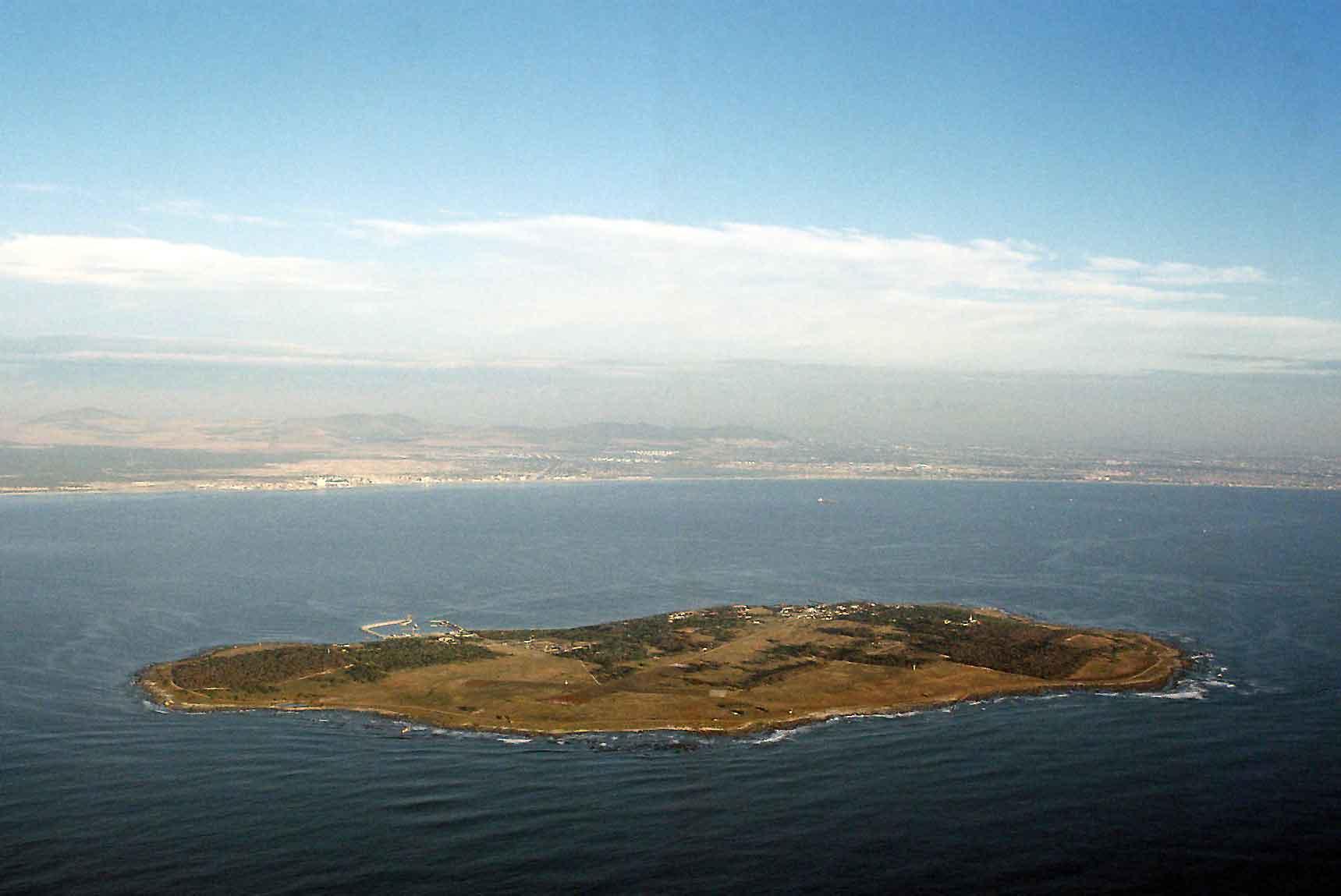
The country around Stellenbosch and the Strand looks like a patchwork quilt.
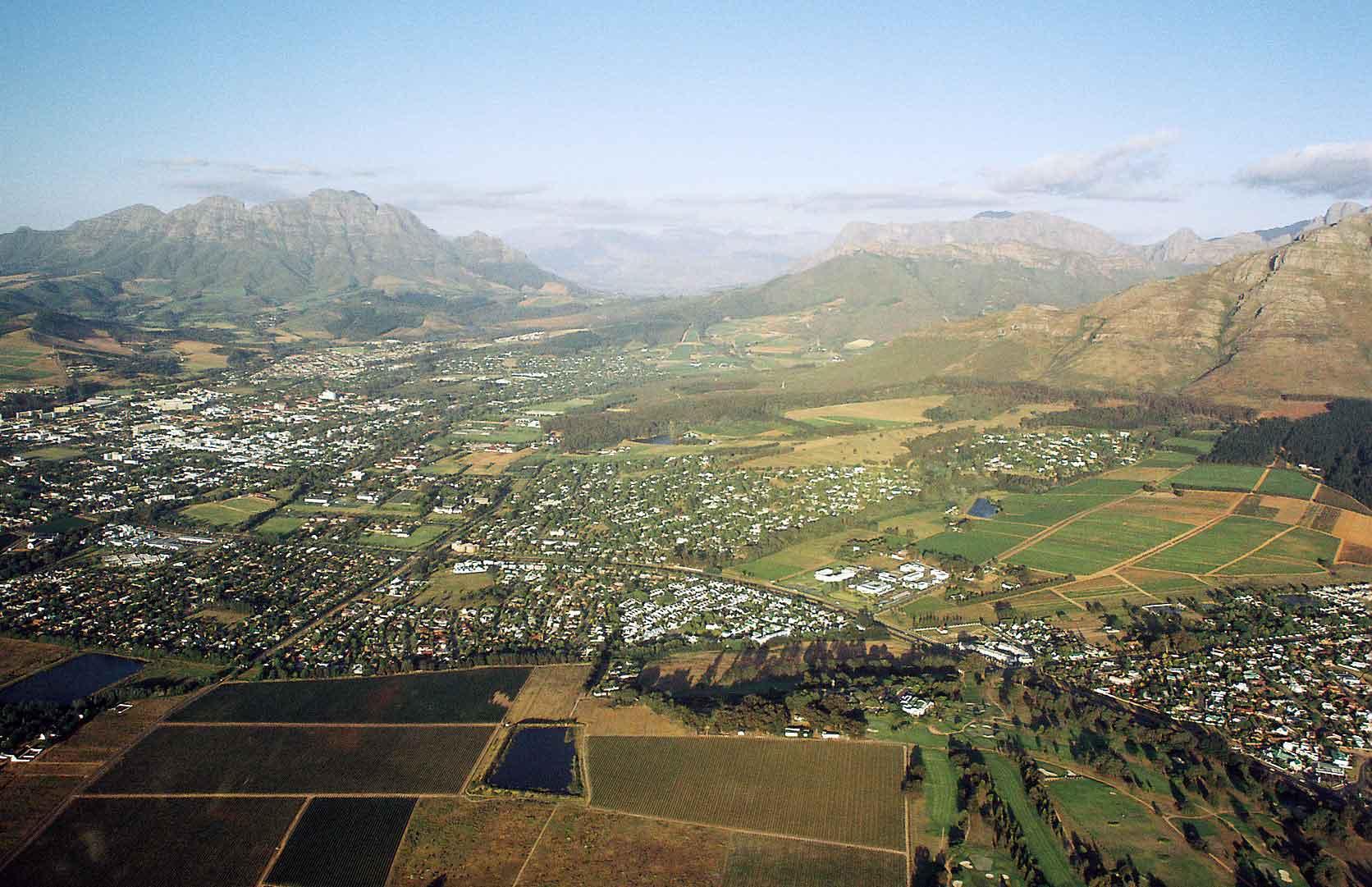
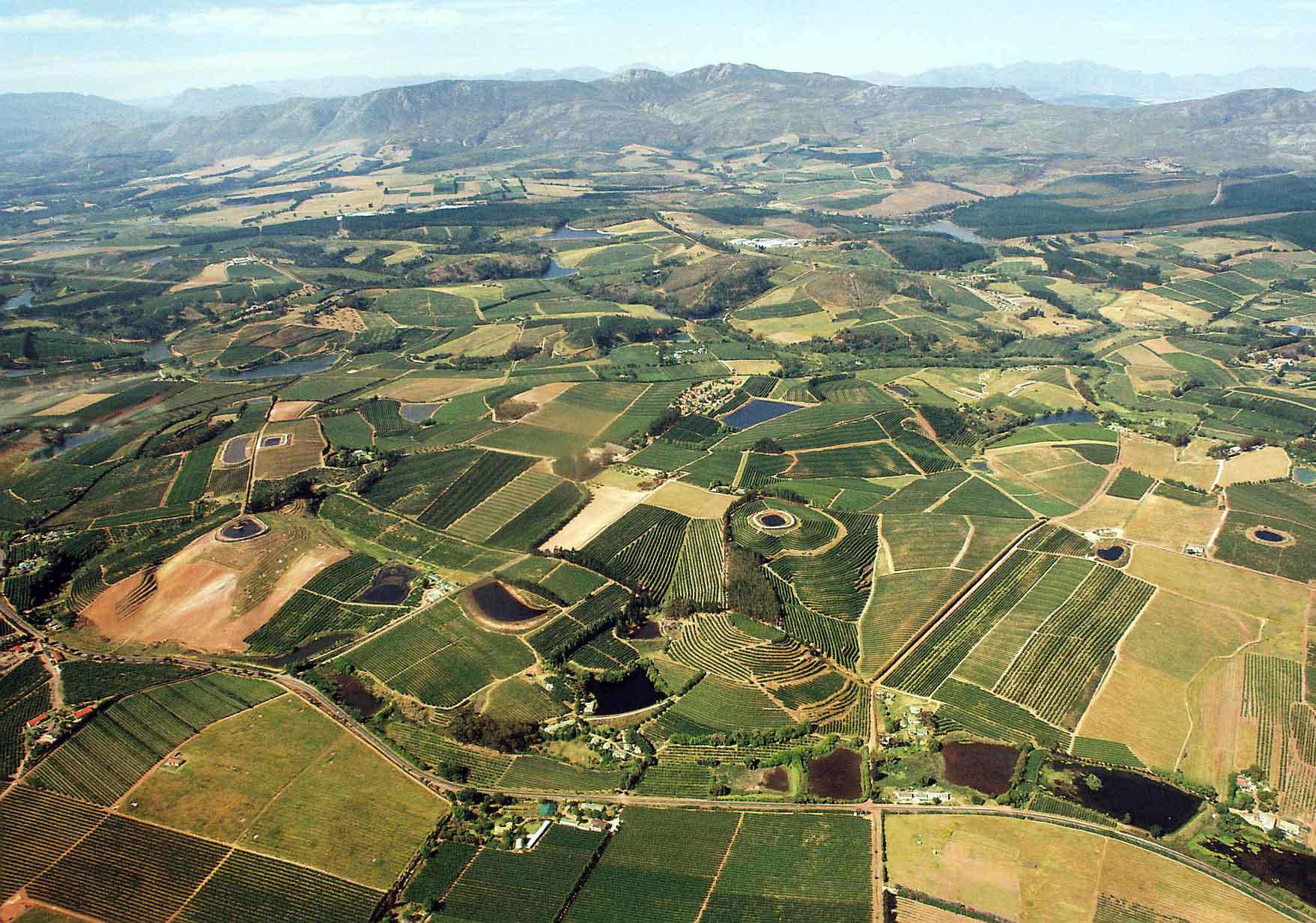
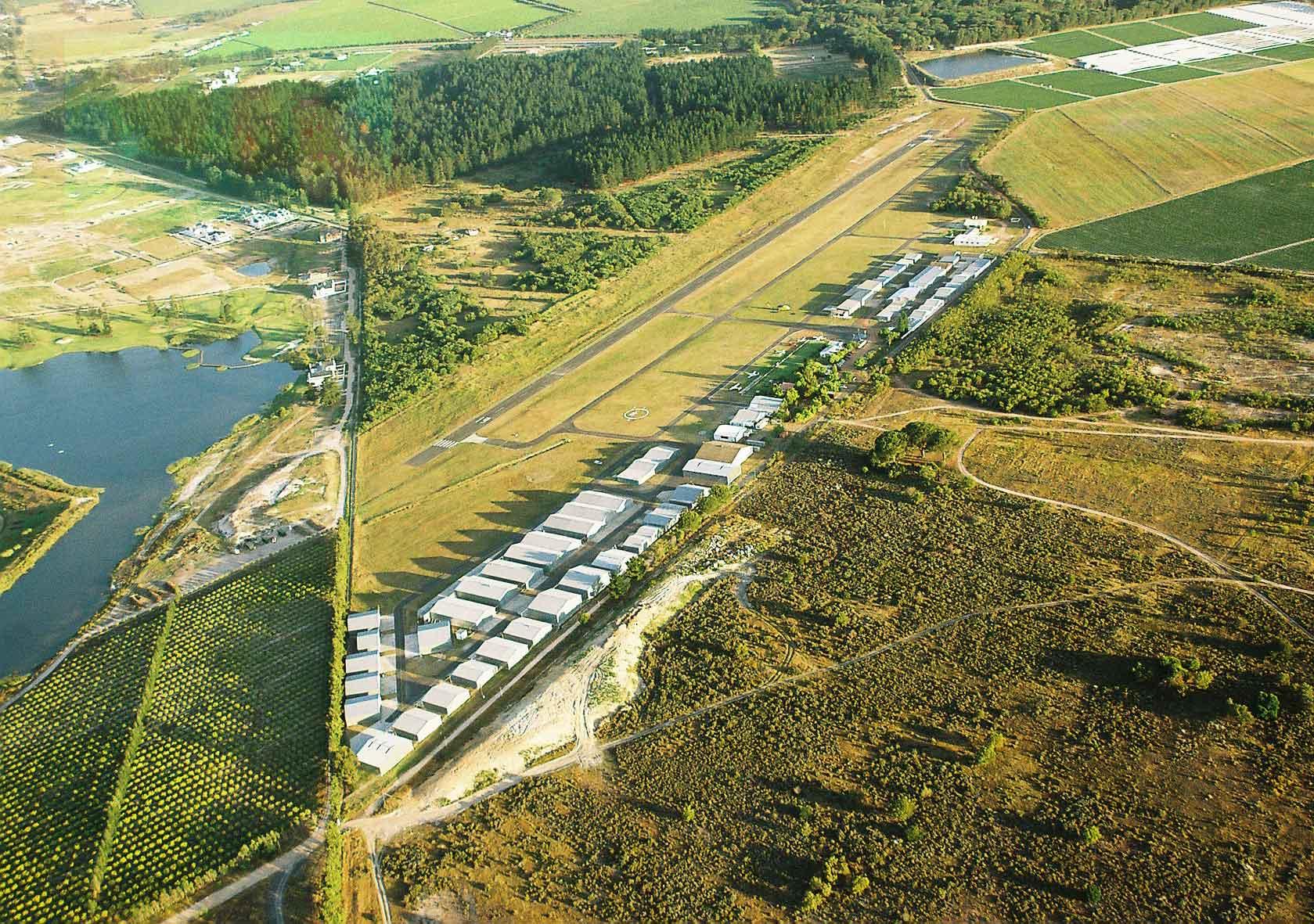
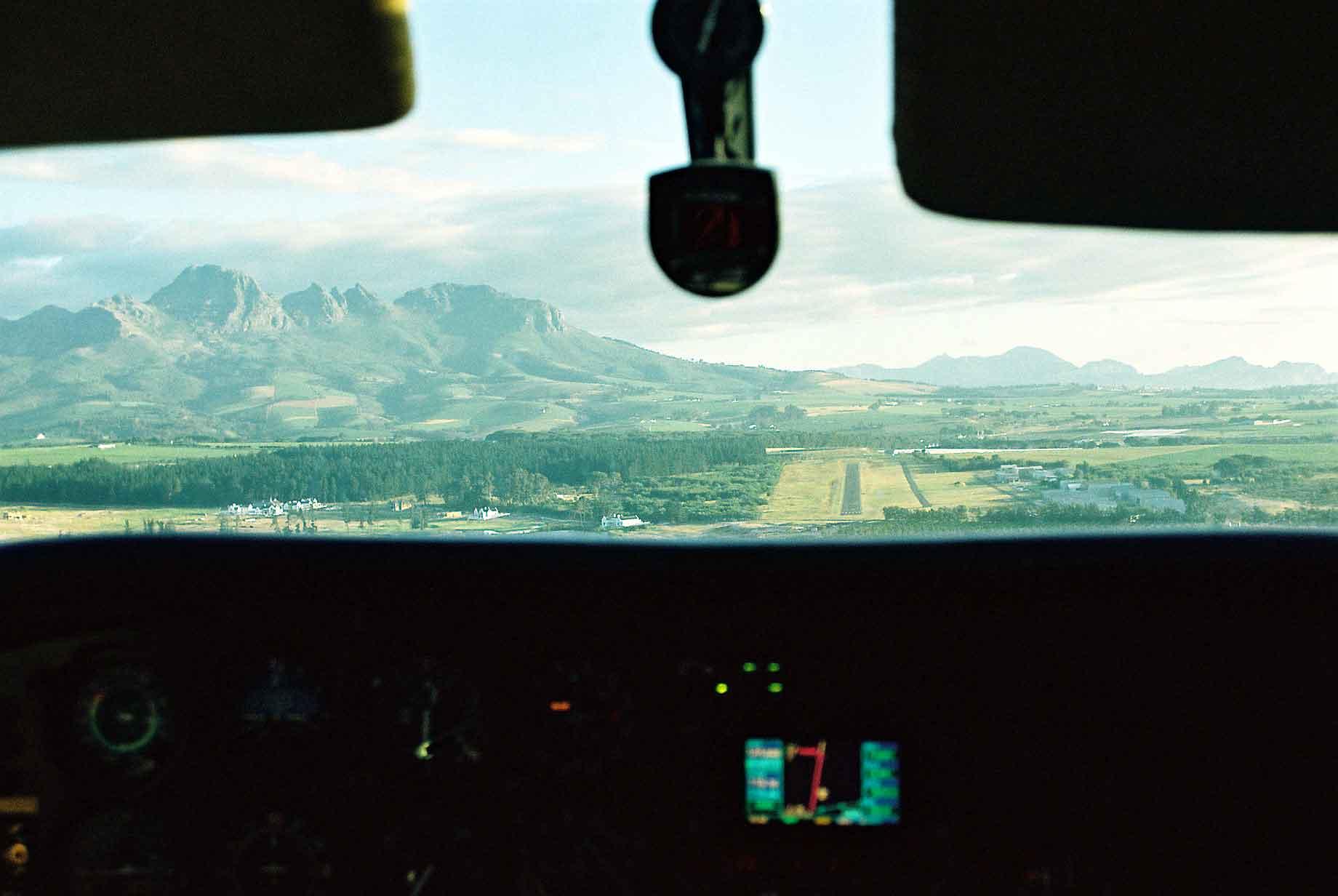
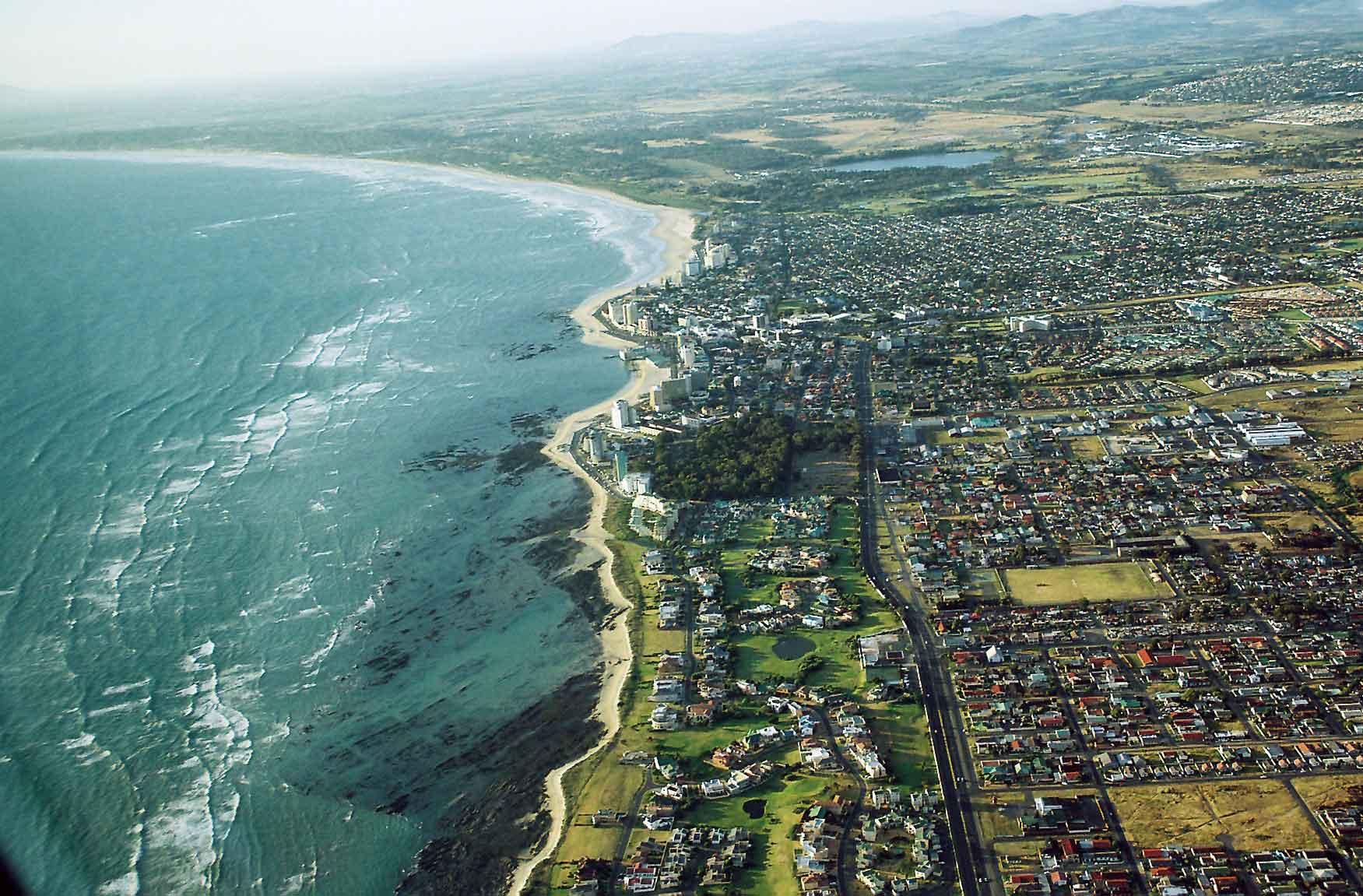
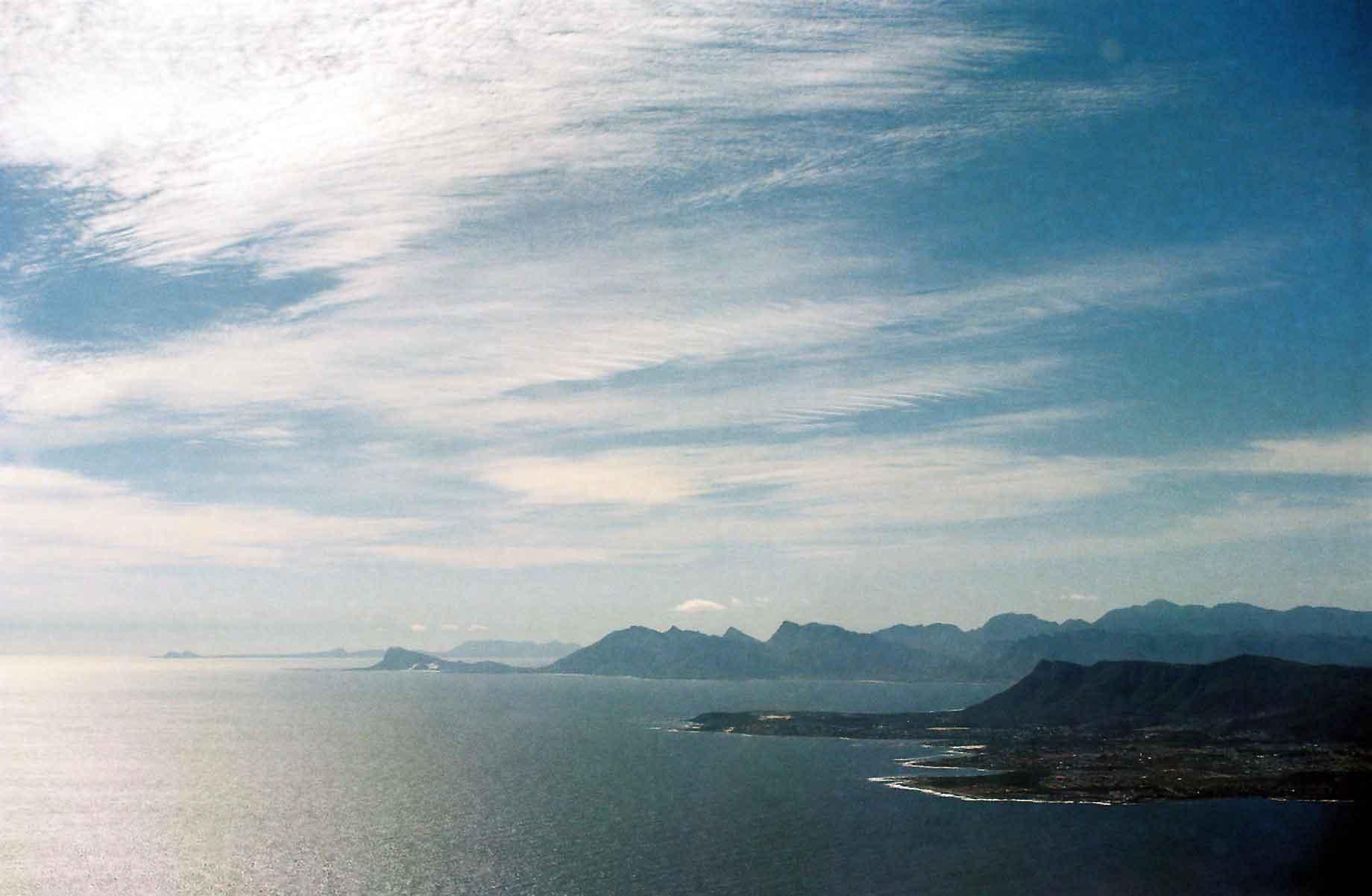
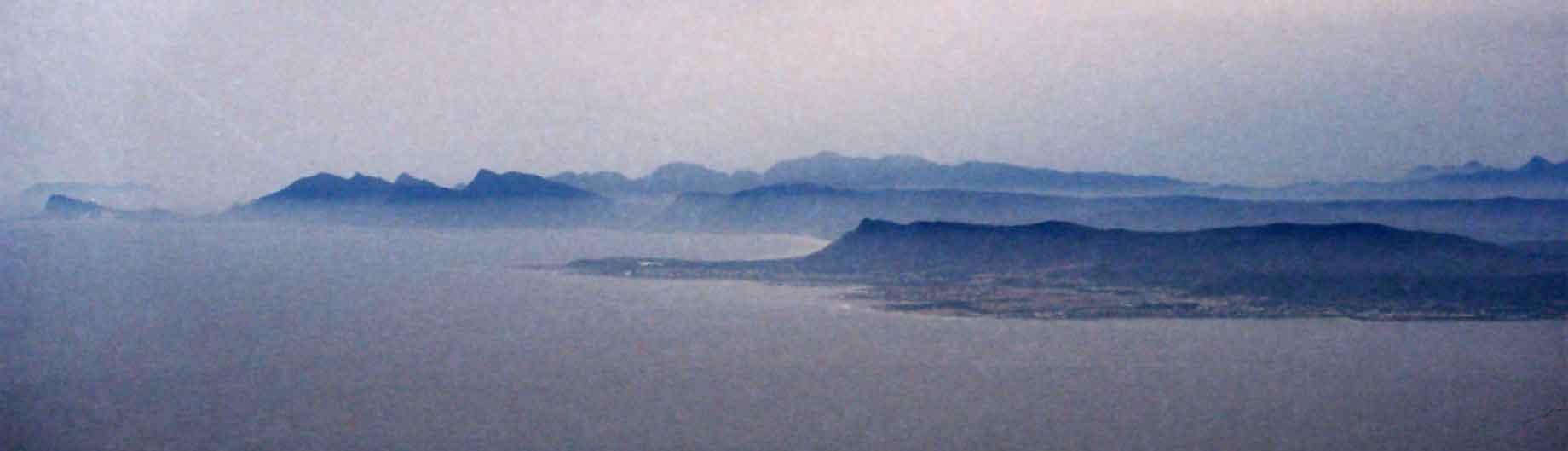
One of the great things about the aerial view is the distances one can see. At times one could see from Gansbaai, across Hermanus, Kleinmond and all the way to Cape Point (photo 2).
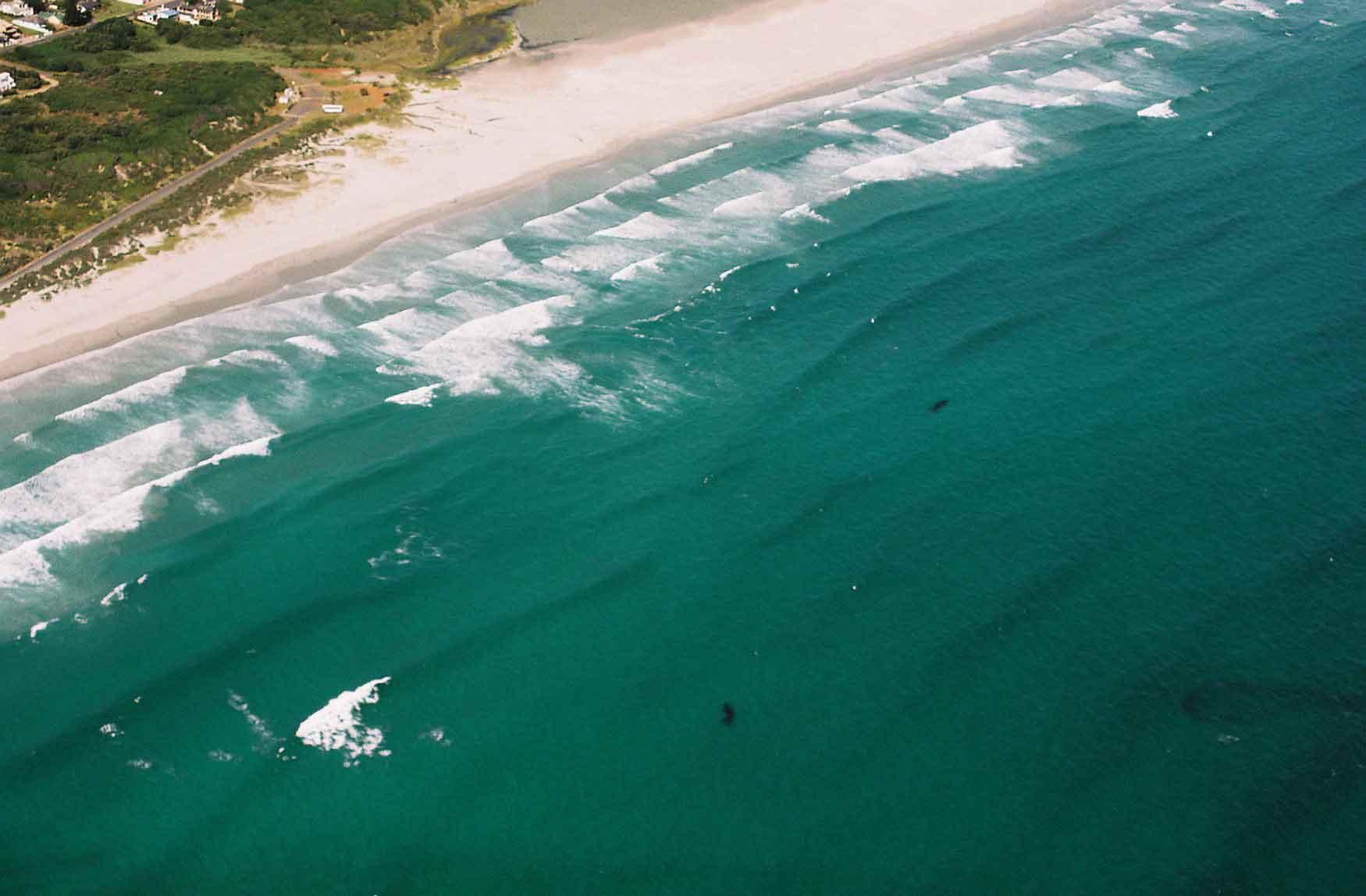
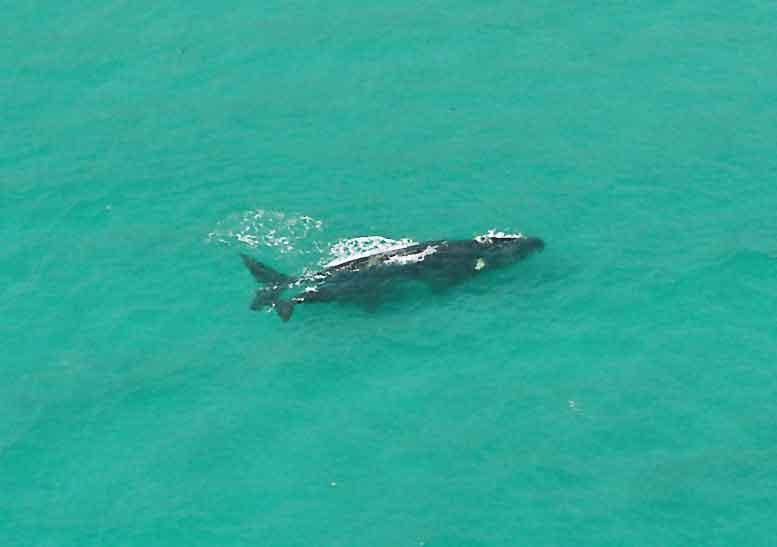
Another thing that looks different from the air are the whales, for which Walker Bay is famous. Particularly found around De Kelders, the southern right whales can be easily seen from shore but seen in their entirety from the air. In photo 2, one can see a mother and calf, it took me years to work out what was odd about this photo.
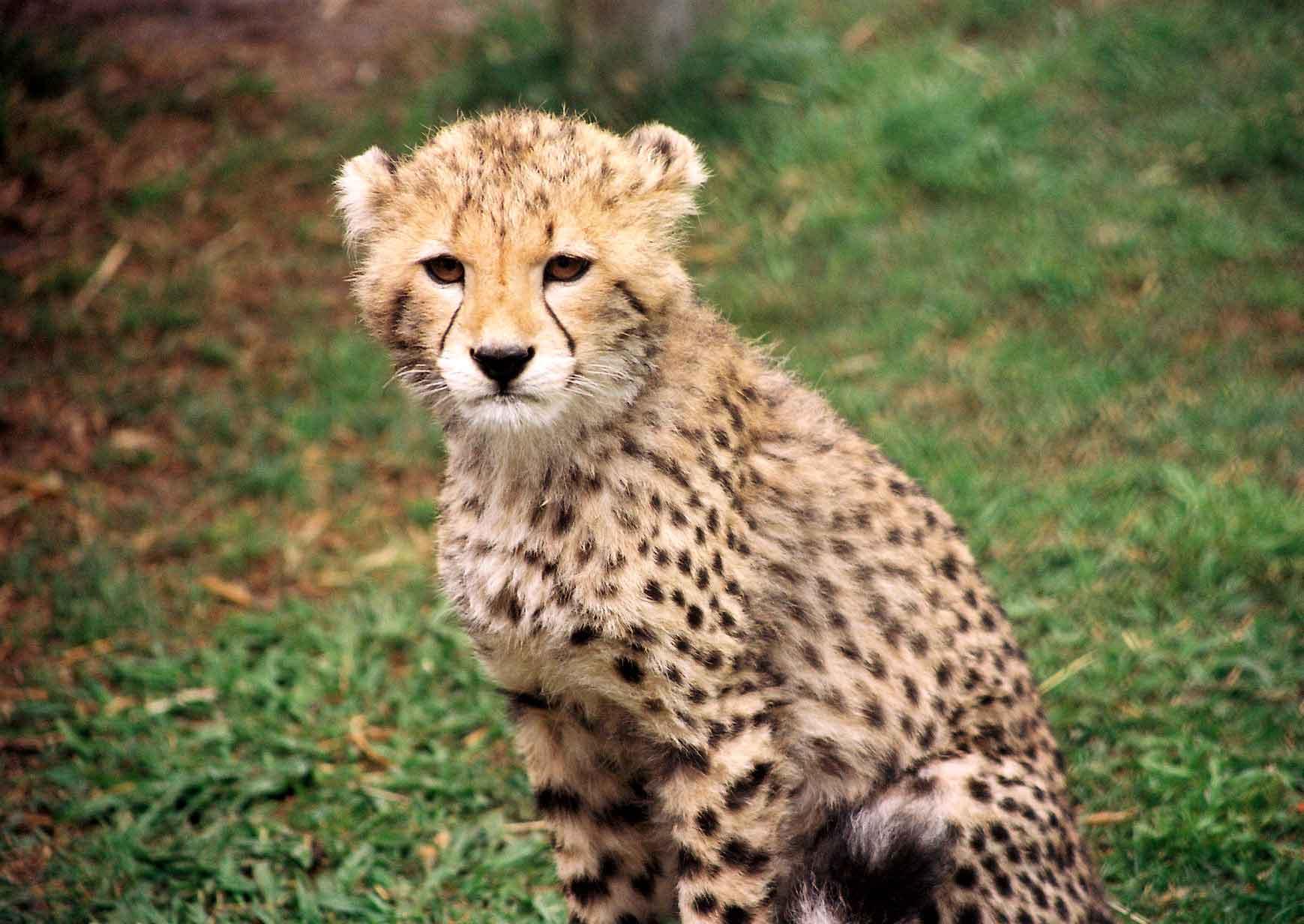
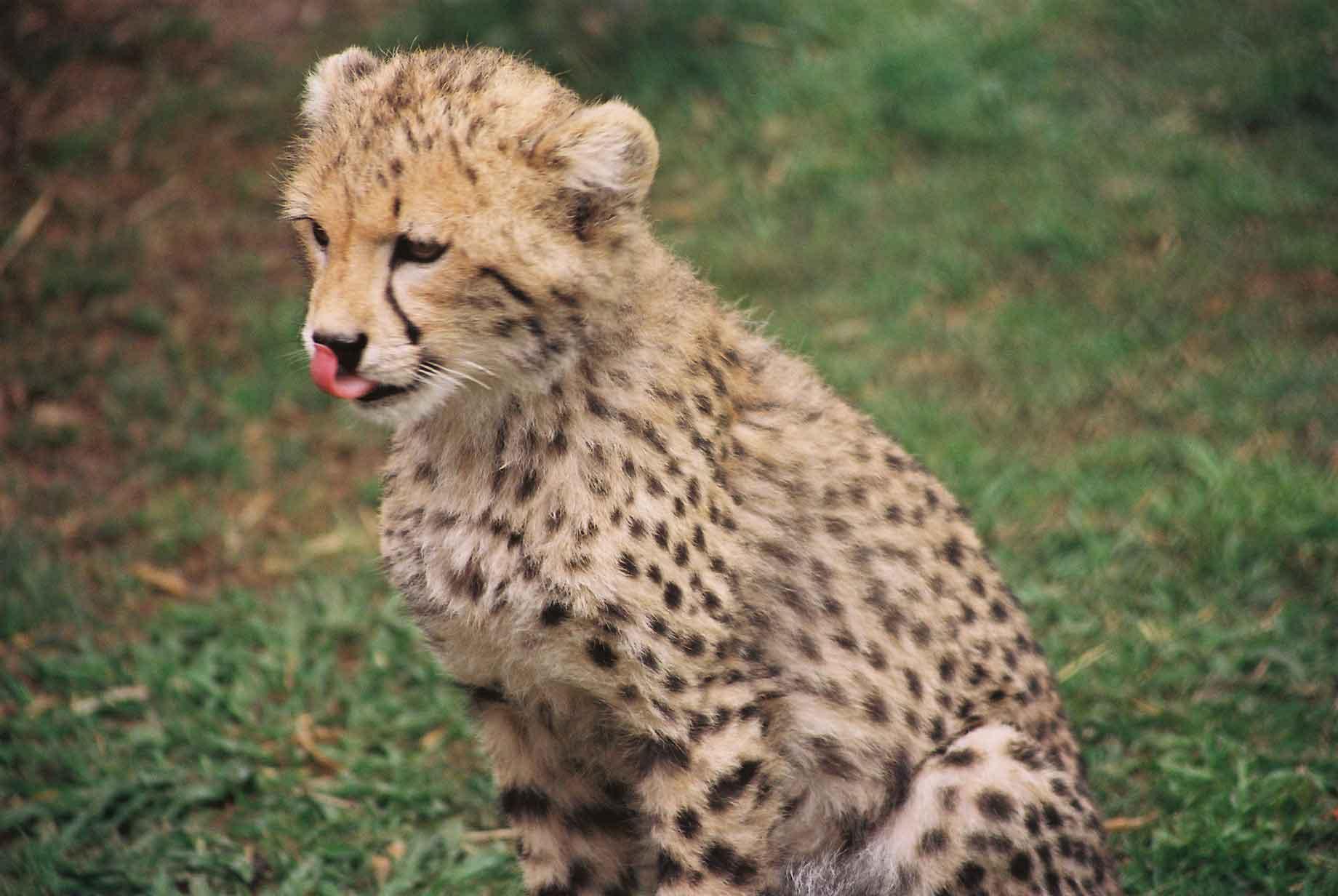
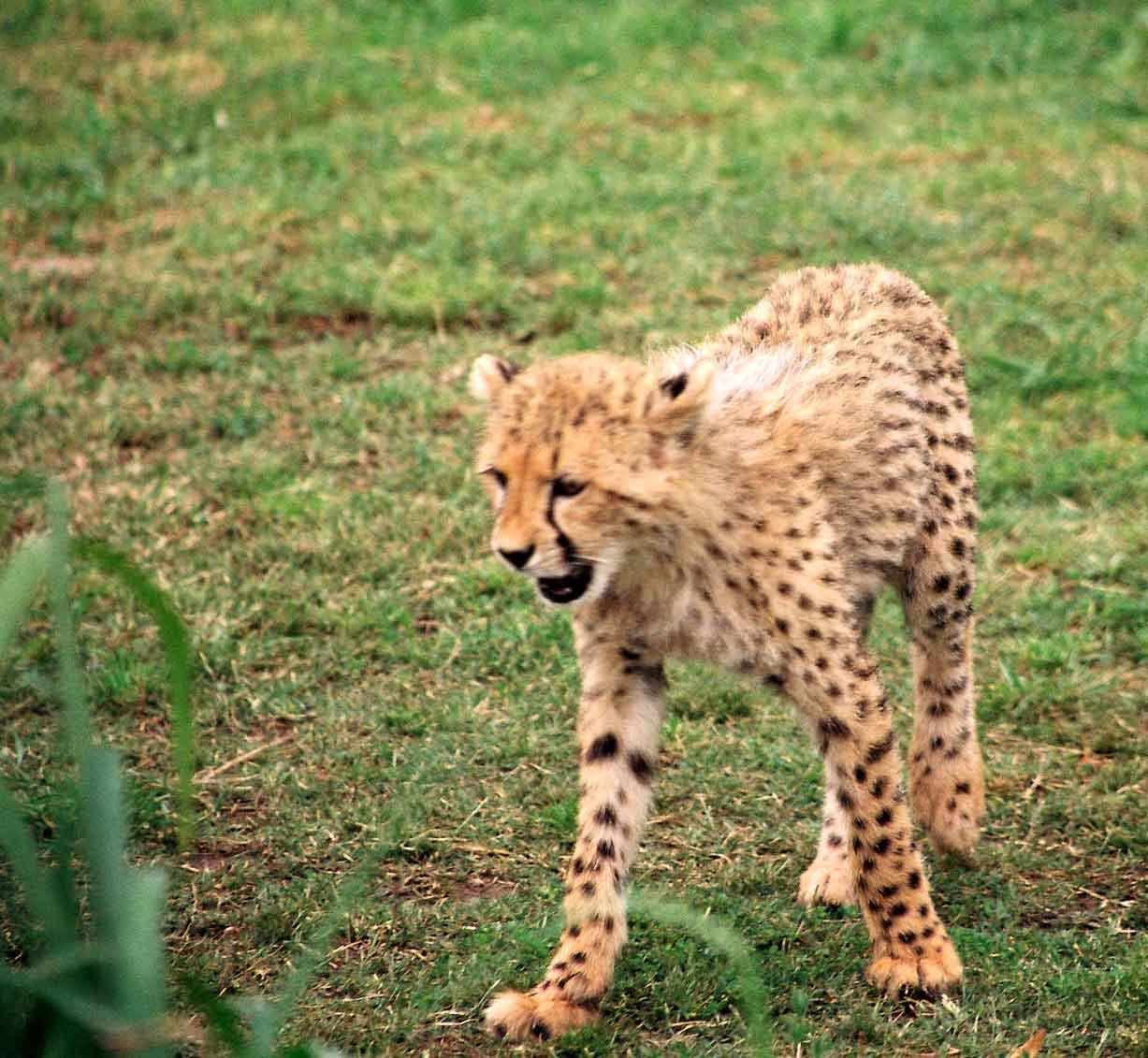
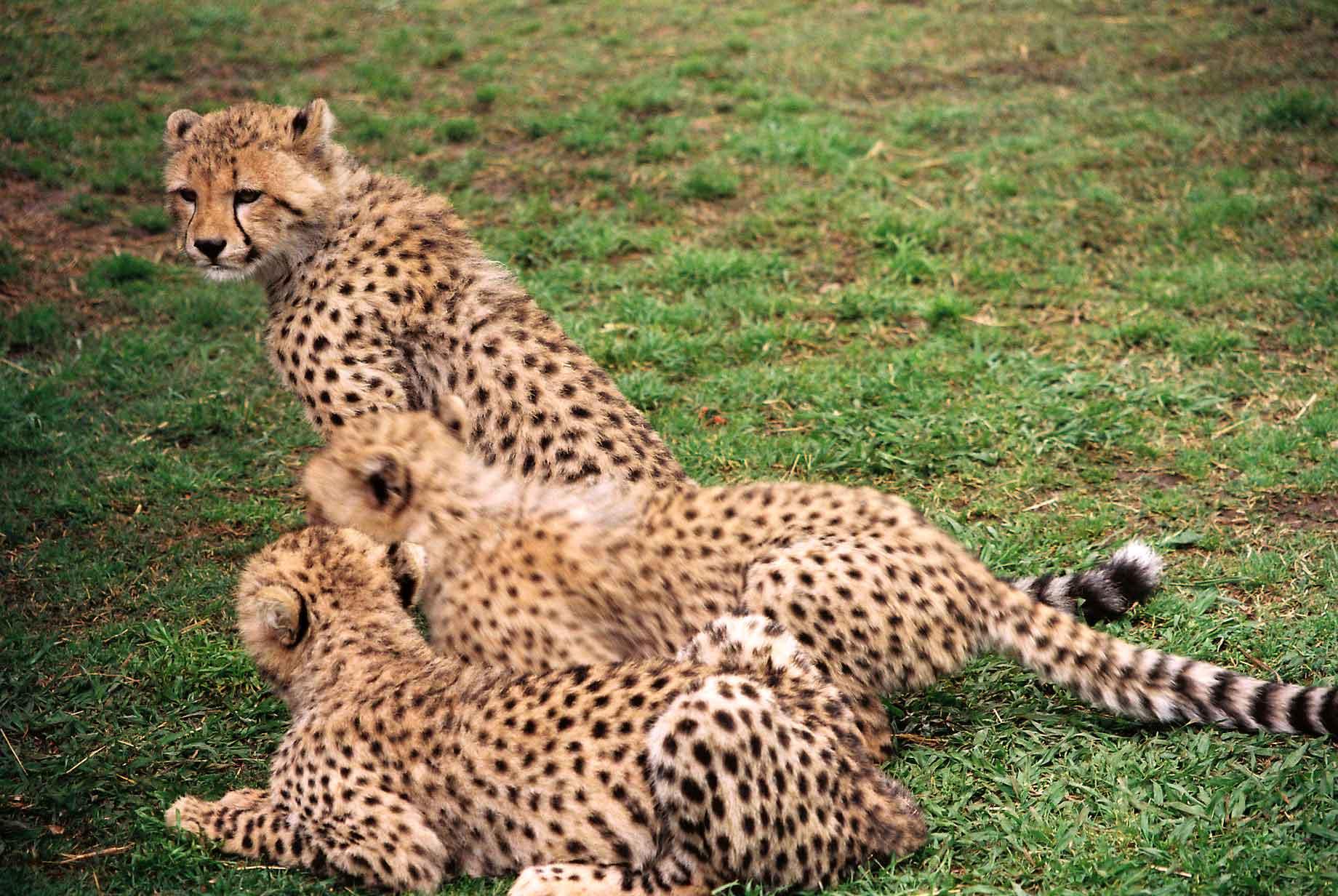
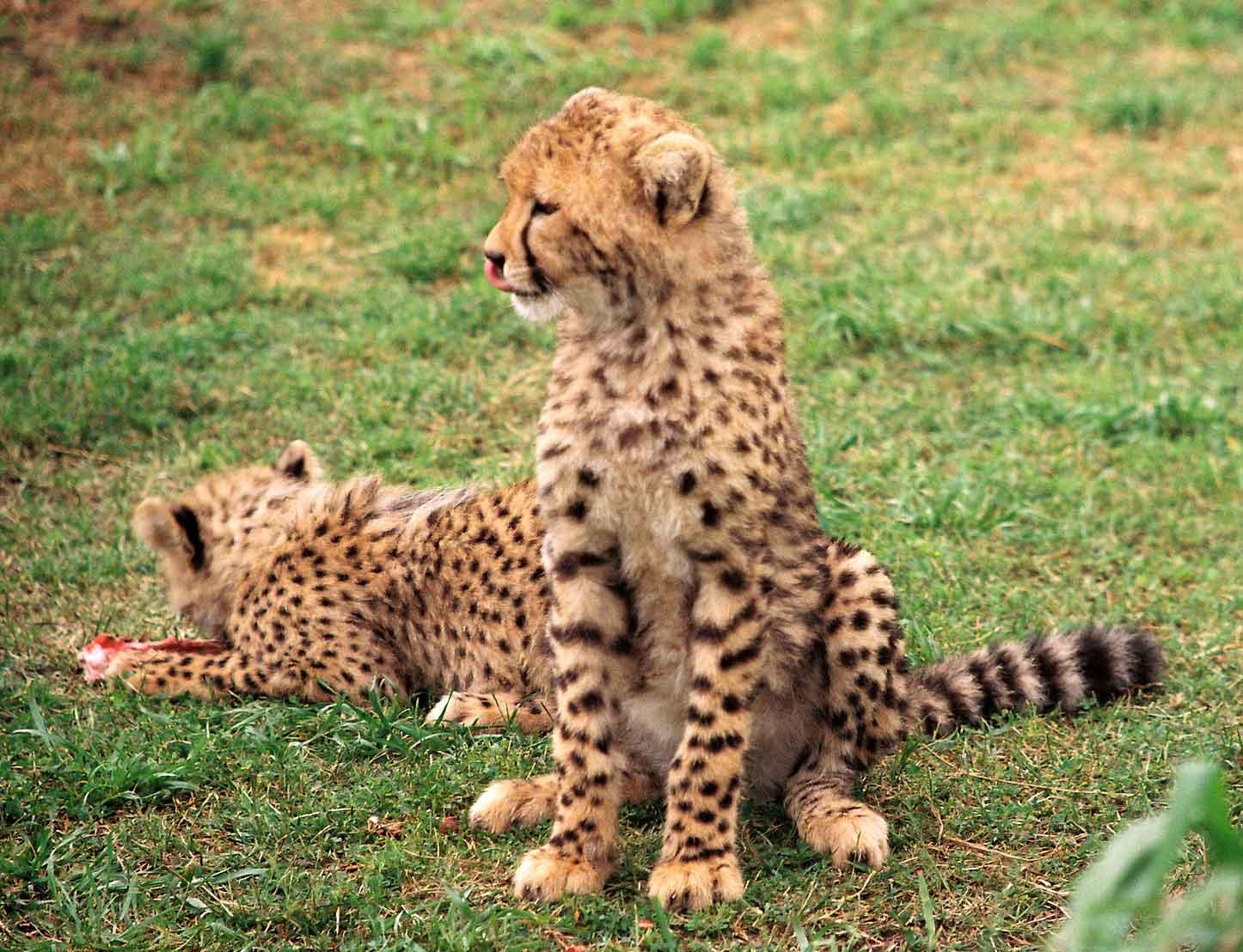
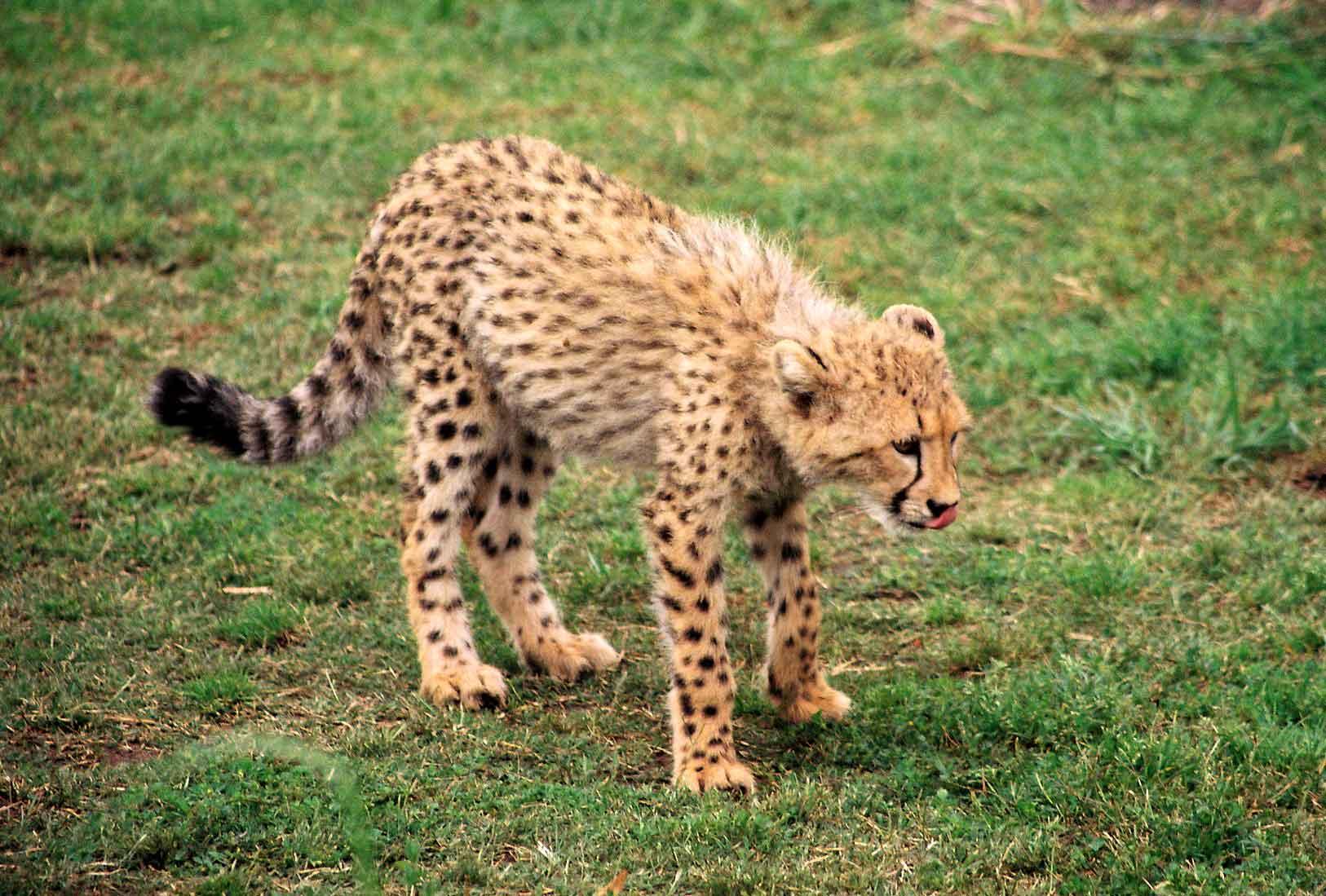
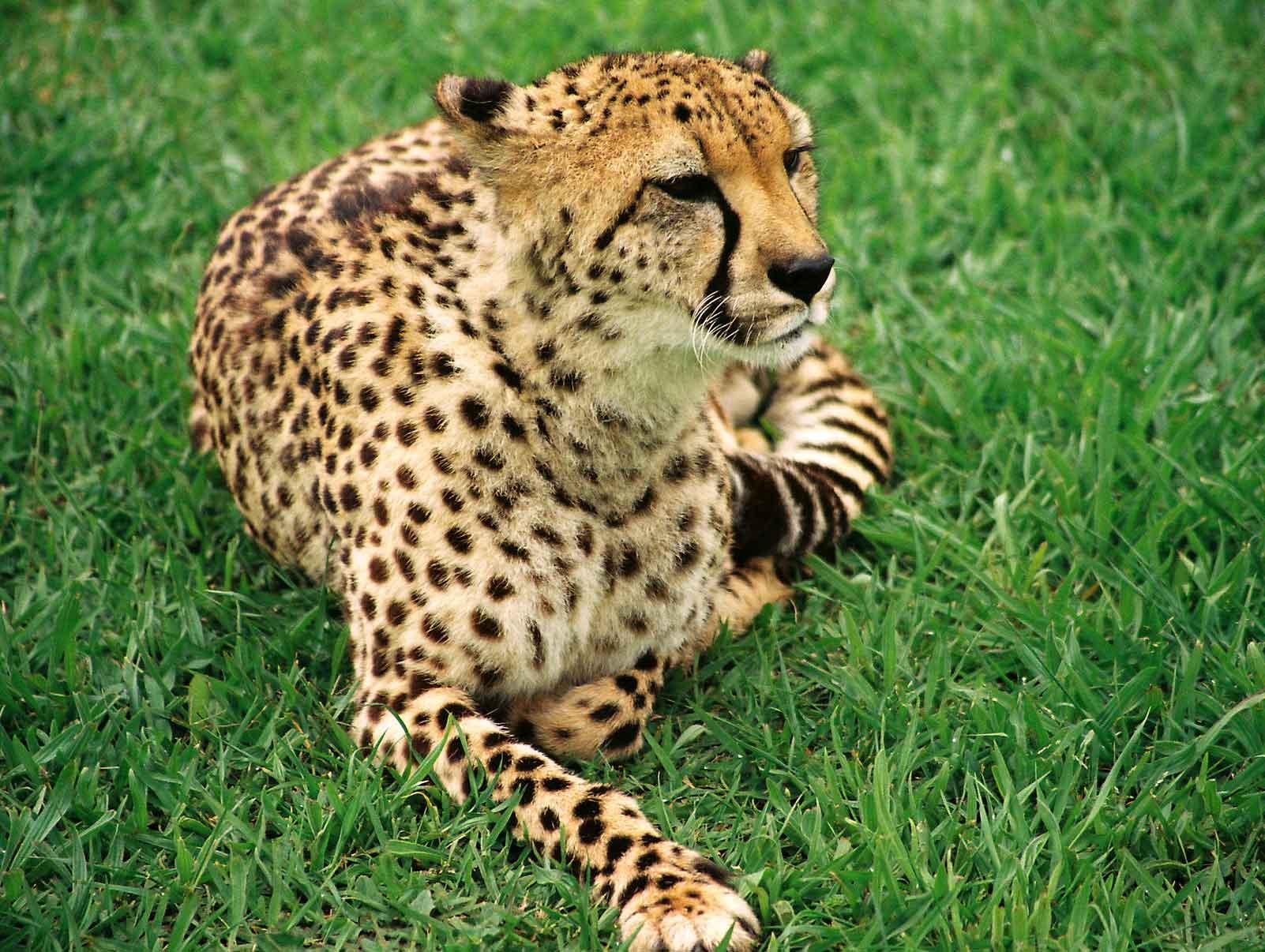
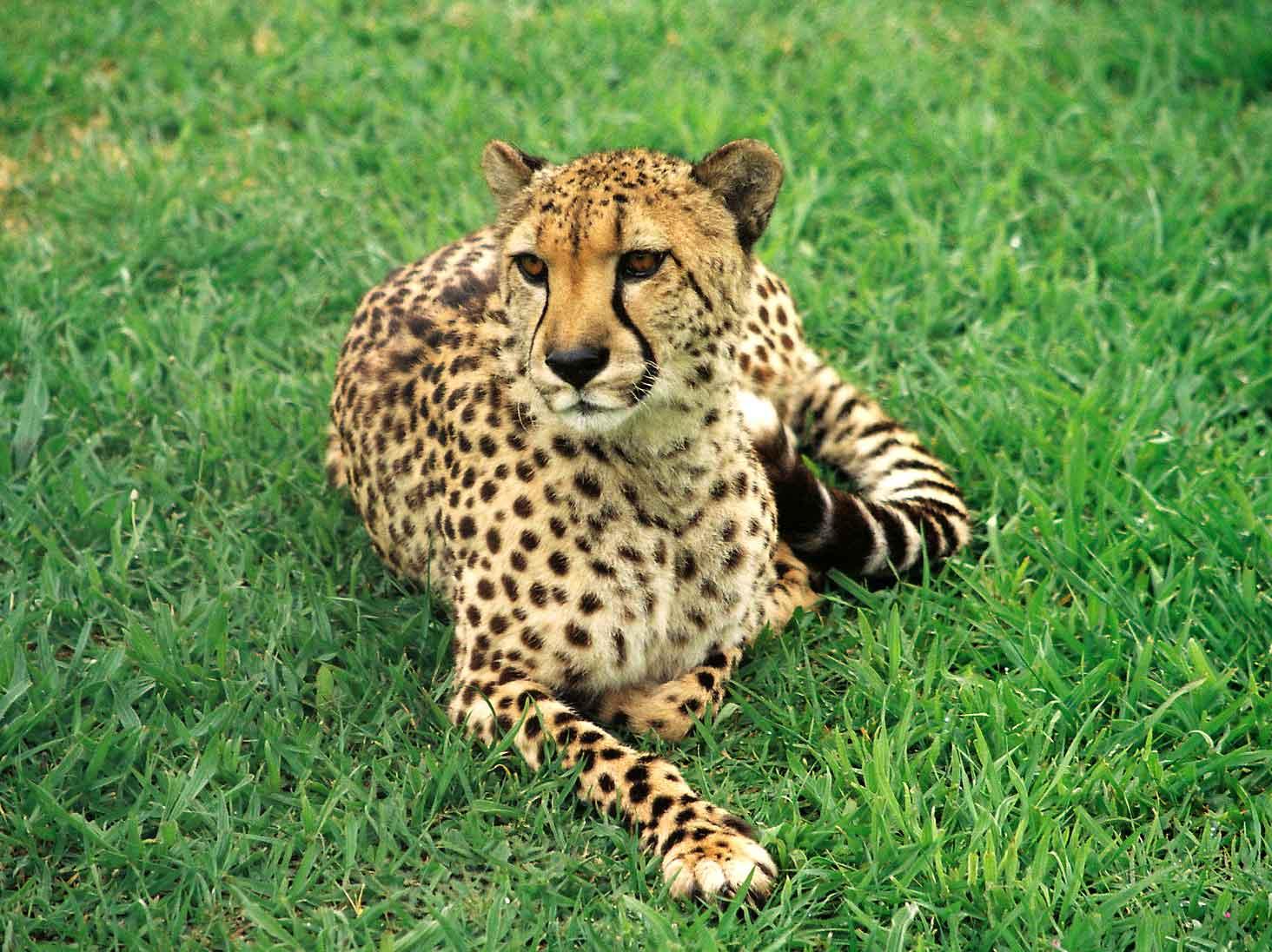
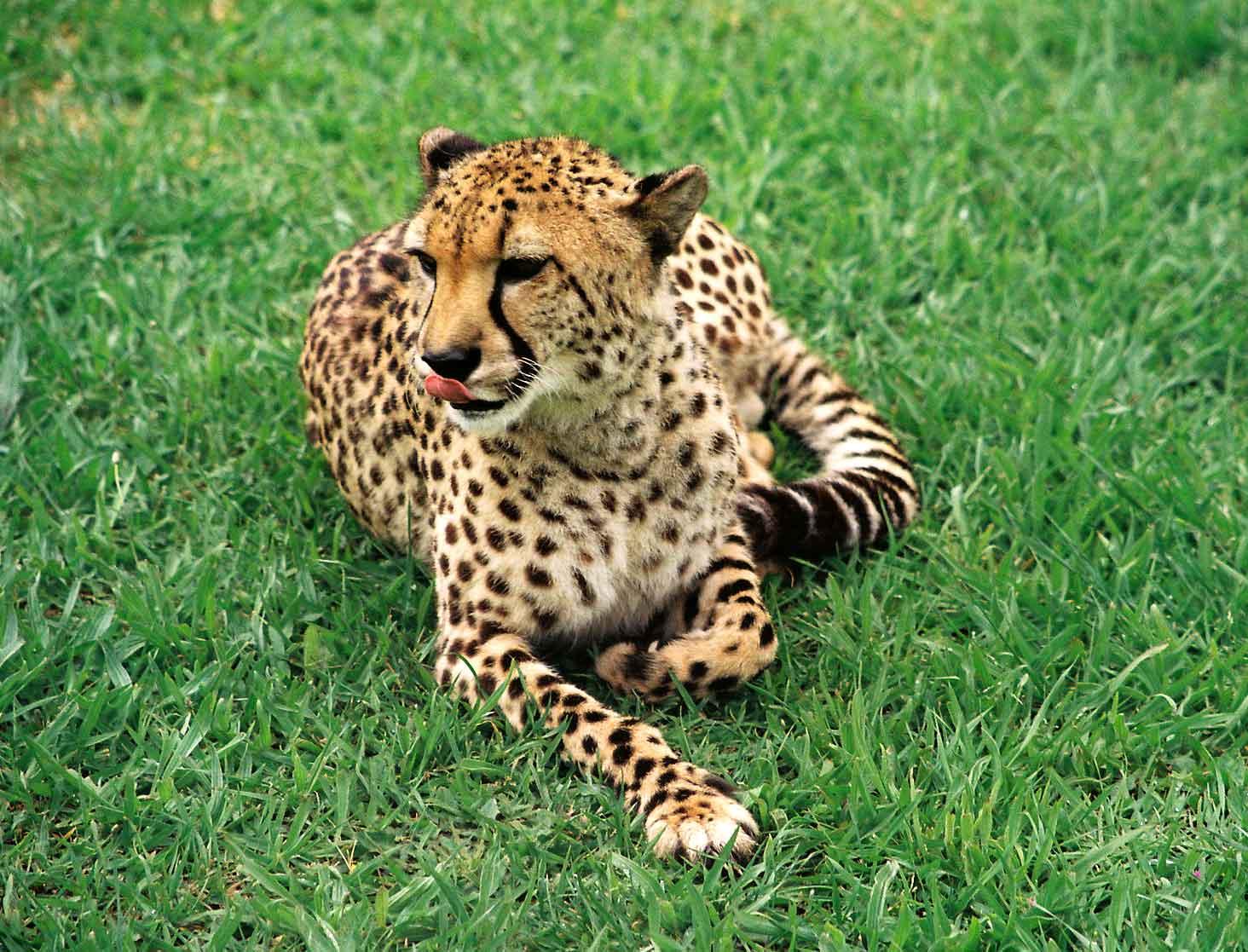
The fastest land creature on the planet (apart from anything in a rental car) is the cheetah. The ones I saw didn't move that much, but they are cute, particularly the cubs.